

talk-data.com talk-data.com

B

Speaker

Ben Hammersley

2

talks

author

Filter by Event / Source

Talks & appearances

2 activities · Newest first

Search activities →
Developing Feeds with RSS and Atom

Perhaps the most explosive technological trend over the past two years has been blogging. As a matter of fact, it's been reported that the number of blogs during that time has grown from 100,000 to 4.8 million-with no end to this growth in sight.What's the technology that makes blogging tick? The answer is RSS--a format that allows bloggers to offer XML-based feeds of their content. It's also the same technology that's incorporated into the websites of media outlets so they can offer material (headlines, links, articles, etc.) syndicated by other sites.As the main technology behind this rapidly growing field of content syndication, RSS is constantly evolving to keep pace with worldwide demand. That's where Developing Feeds with RSS and Atom steps in. It provides bloggers, web developers, and programmers with a thorough explanation of syndication in general and the most popular technologies used to develop feeds.This book not only highlights all the new features of RSS 2.0-the most recent RSS specification-but also offers complete coverage of its close second in the XML-feed arena, Atom. The book has been exhaustively revised to explain: After an introduction that examines Internet content syndication in general (its purpose, limitations, and traditions), this step-by-step guide tackles various RSS and Atom vocabularies, as well as techniques for applying syndication to problems beyond news feeds. Most importantly, it gives you a firm handle on how to create your own feeds, and consume or combine other feeds.If you're interested in producing your own content feed, metadata interpretation the different forms of content syndication the increasing use of web services how to use popular RSS news aggregators on the market Developing Feeds with RSS and Atom is the one book you'll want in hand.
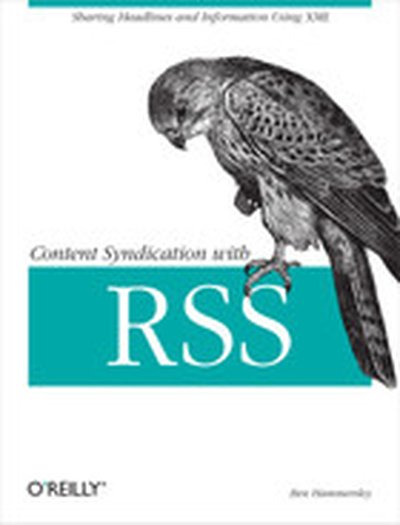
Content Syndication with RSS

RSS is sprouting all over the Web, connecting weblogs and providing news feeds. Originally developed by Netscape in 1999, RSS (which can stand for RDF Site Summary, Rich Site Summary, or Really Simple Syndication) is an XML-based format that allows web developers to describe and syndicate web site content. Using RSS files allows developers to create a data feed that supplies headlines, links, and article summaries from a web site. Other sites can then incorporate them into their pages automatically. Although RSS is in widespread use, people struggle with its confusing and sometimes conflicting documentation and versions. Content Syndication with RSS is the first book to provide a comprehensive reference to the specifications and the tools that make syndication possible. Content Syndication with RSS offers webloggers, developers, and the programmers who support them a thorough explanation of syndication in general and RSS in particular. Written for web developers who want to offer XML-based feeds of their content, as well as developers who want to use the content that other people are syndicating, the book explores and explains metadata interpretation, different forms of content syndication, and the increasing use of web services in this field. This concise volume begins with an introduction to content syndication on the Internet: its purpose, limitations, and traditions, and answers the question of why would you consider "giving your content away" like this? Next, the book delves into the architecture of content syndication with an overview of the entire system, from content author to end user on another site. You'll follow the flow of data: content, referral data, publish-and-subscribe calls, with a detailed look at the protocols and standards possible at each step. Topics covered in the book include: Creating XML syndication feeds with RSS 0.9x and 2.0 Beyond headlines: creating richer feeds with RSS 1.0 and RDF metadata Using feeds to enrich a site or find information Publish and subscribe: intelligent updating News aggregators, such as Meerkat, Syndic8, and Newsisfree, and their web services Alternative industry-centric standards If you're interested in producing your own RSS feed, this step-by-step guide to implementation is the book you'll want in hand.