

talk-data.com talk-data.com

D

Speaker

David C. Hay

2

talks

author
Filtering by: O'Reilly Data Engineering Books ×

Filter by Event / Source

Talks & appearances

Showing 2 of 2 activities

Search activities →
Data Model Patterns

This is the digital version of the printed book (Copyright © 1996). Learning the basics of a modeling technique is not the same as learning how to use and apply it. To develop a data model of an organization is to gain insights into its nature that do not come easily. Indeed, analysts are often expected to understand subtleties of an organization's structure that may have evaded people who have worked there for years. Here's help for those analysts who have learned the basics of data modeling (or "entity/relationship modeling") but who need to obtain the insights required to prepare a good model of a real business. Structures common to many types of business are analyzed in areas such as accounting, material requirements planning, process manufacturing, contracts, laboratories, and documents. In each chapter, high-level data models are drawn from the following business areas: The Enterprise and Its World The Things of the Enterprise Procedures and Activities Contracts Accounting The Laboratory Material Requirements Planning Process Manufacturing Documents Lower-Level Conventions
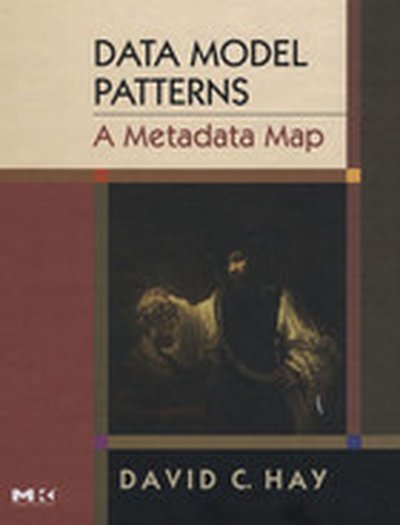
Data Model Patterns: A Metadata Map

Data Model Patterns: A Metadata Map not only presents a conceptual model of a metadata repository but also demonstrates a true enterprise data model of the information technology industry itself. It provides a step-by-step description of the model and is organized so that different readers can benefit from different parts. It offers a view of the world being addressed by all the techniques, methods, and tools of the information processing industry (for example, object-oriented design, CASE, business process re-engineering, etc.) and presents several concepts that need to be addressed by such tools. This book is pertinent, with companies and government agencies realizing that the data they use represent a significant corporate resource recognize the need to integrate data that has traditionally only been available from disparate sources. An important component of this integration is management of the "metadata" that describe, catalogue, and provide access to the various forms of underlying business data. The "metadata repository" is essential to keep track of the various physical components of these systems and their semantics. The book is ideal for data management professionals, data modeling and design professionals, and data warehouse and database repository designers. A comprehensive work based on the Zachman Framework for information architecture—encompassing the Business Owner's, Architect's, and Designer's views, for all columns (data, activities, locations, people, timing, and motivation) Provides a step-by-step description of model and is organized so that different readers can benefit from different parts Provides a view of the world being addressed by all the techniques, methods and tools of the information processing industry (for example, object-oriented design, CASE, business process re-engineering, etc.) Presents many concepts that are not currently being addressed by such tools — and should be