
talk-data.com talk-data.com

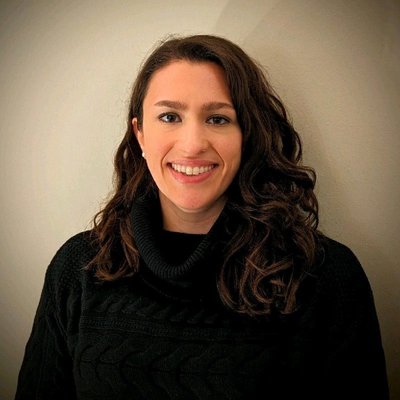
Stefanie Molin

Speaker

Stefanie Molin

4

talks

author

Filter by Event / Source

Talks & appearances

4 activities · Newest first

Search activities →

Maintaining code quality can be challenging, no matter the size of your project or number of contributors. Different team members may have different opinions on code styling and preferences for code structure, while solo contributors might find themselves spending a considerable amount of time making sure the code conforms to accepted conventions. However, manually inspecting and fixing issues in files is both tedious and error-prone. As such, computers are much more suited to this task than humans. Pre-commit hooks are a great way to have a computer handle this for you.

Pre-commit hooks are code checks that run whenever you attempt to commit your changes with Git. They can detect and, in some cases, automatically correct code-quality issues before they make it to your codebase. In this tutorial, you will learn how to install and configure pre-commit hooks for your repository to ensure that only code that passes your checks makes it into your code base. We will also explore how to build custom pre-commit hooks for novel use cases.
Working with data can be challenging: it often doesn’t come in the best format for analysis, and understanding it well enough to extract insights requires both time and the skills to filter, aggregate, reshape, and visualize it. This session will equip you with the knowledge you need to effectively use pandas – a powerful library for data analysis in Python – to make this process easier.

Pandas makes it possible to work with tabular data and perform all parts of the analysis from collection and manipulation through aggregation and visualization. While most of this session focuses on pandas, during our discussion of visualization, we will also introduce at a high level Matplotlib (the library that pandas uses for its visualization features, which when used directly makes it possible to create custom layouts, add annotations, etc.) and Seaborn (another plotting library, which features additional plot types and the ability to visualize long-format data).

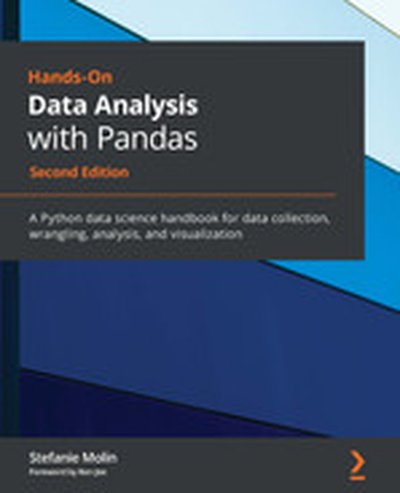
Hands-On Data Analysis with Pandas - Second Edition

'Hands-On Data Analysis with Pandas' guides you to gain expertise in the Python pandas library for data analysis and manipulation. With practical, real-world examples, you'll learn to analyze datasets, visualize data trends, and implement machine learning models for actionable insights. What this Book will help me do Understand and implement data analysis techniques with Python. Develop expertise in data manipulation using pandas and NumPy. Visualize data effectively with pandas visualization tools and seaborn. Apply machine learning techniques with Python libraries. Combine datasets and handle complex data workflows efficiently. Author(s) Stefanie Molin is a software engineer and data scientist with extensive experience in analytics and Python. She has worked with large data-driven systems and has a strong focus on teaching data analysis effectively. Stefanie's books are known for their practical, hands-on approach to solving real data problems. Who is it for? This book is perfect for aspiring data scientists, data analysts, and Python developers. Readers with beginner to intermediate skill levels in Python will find it accessible and informative. It is designed for those seeking to build practical data analysis skills. If you're looking to add data science and pandas to your toolkit, this book is ideal.

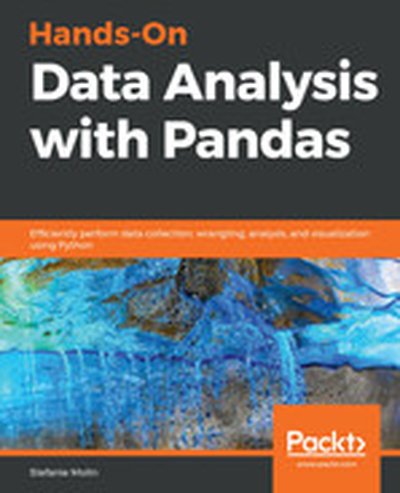
Hands-On Data Analysis with Pandas

Hands-On Data Analysis with Pandas provides an intensive dive into mastering the pandas library for data science and analysis using Python. Through a combination of conceptual explanations and practical demonstrations, readers will learn how to manipulate, visualize, and analyze data efficiently. What this Book will help me do Understand and apply the pandas library for efficient data manipulation. Learn to perform data wrangling tasks such as cleaning and reshaping datasets. Create effective visualizations using pandas and libraries like matplotlib and seaborn. Grasp the basics of machine learning and implement solutions with scikit-learn. Develop reusable data analysis scripts and modules in Python. Author(s) Stefanie Molin is a seasoned data scientist and software engineer with extensive experience in Python and data analytics. She specializes in leveraging the latest data science techniques to solve real-world problems. Her engaging and detailed writing draws from her practical expertise, aiming to make complex concepts accessible to all. Who is it for? This book is ideal for data analysts and aspiring data scientists who are at the beginning stages of their careers or looking to enhance their toolset with pandas and Python. It caters to Python developers eager to delve into data analysis workflows. Readers should have some programming knowledge to fully benefit from the examples and exercises.