talk-data.com talk-data.com

Topic

Analytics

data_analysis insights metrics

4552

tagged

Activity Trend

398 peak/qtr
2020-Q1 2026-Q1

Activities

4552 activities · Newest first

Snowflake: The Definitive Guide, 2nd Edition

Snowflake is reshaping data management by integrating AI, analytics, and enterprise workloads into a single cloud platform. Snowflake: The Definitive Guide is a comprehensive resource for data architects, engineers, and business professionals looking to harness Snowflake's evolving capabilities, including Cortex AI, Snowpark, and Polaris Catalog for Apache Iceberg. This updated edition provides real-world strategies and hands-on activities for optimizing performance, securing data, and building AI-driven applications. With hands-on SQL examples and best practices, this book helps readers process structured and unstructured data, implement scalable architectures, and integrate Snowflake's AI tools seamlessly. Whether you're setting up accounts, managing access controls, or leveraging generative AI, this guide equips you with the expertise to maximize Snowflake's potential. Implement AI-powered workloads with Snowflake Cortex Explore Snowsight and Streamlit for no-code development Ensure security with access control and data governance Optimize storage, queries, and computing costs Design scalable data architectures for analytics and machine learning

Universal Data Modeling

Most data professionals work with multiple datasets scattered across teams, systems, and formats. But without a clear modeling strategy, the result is often chaos: mismatched schemas, fragile pipelines, and a constant fight to make sense of the noise. This essential guide offers a better way by introducing a practical framework for designing high-quality data models that work across platforms while supporting the growing demands of AI, analytics, and real-time systems. Author Jun Shan bridges the gap between disconnected modeling approaches and the need for a unified, system-agnostic methodology. Whether you're building a new data platform or rethinking legacy infrastructure, Universal Data Modeling gives you the clarity, patterns, and tools to model data that's consistent, resilient, and ready to scale. Connect conceptual, logical, and physical modeling phases with confidence Apply best-fit techniques across relational, semistructured, and NoSQL formats Improve data quality, clarity, and maintainability across your organization Support modern design paradigms like data mesh and data products Translate domain knowledge into models that empower teams Build flexible, scalable models that stand the test of technology change

Analytics Engineering with Microsoft Fabric and Power BI

While Microsoft Power BI has dominated the business intelligence market for years and is a go-to tool for creating visually appealing, interactive reports and dashboards, it's now an integral part of Microsoft Fabric, the end-to-end analytics platform that offers unprecedented flexibility and scalability for building enterprise-grade data analytics solutions. This book covers everything analytics engineers need to know to design and implement robust and efficient analytics solutions using Microsoft Fabric and Power BI. You'll learn the core components of Fabric, such as lakehouses, warehouses, and eventhouses, and how to work with semantic models, ensuring that data is structured and ready for analysis. You'll also discover essential techniques in both Microsoft Fabric and Power BI that you can apply in your day-to-day work. Explore the core components of Microsoft Fabric Implement, manage, and optimize Power BI semantic models Discover numerous architectural solutions with Microsoft Fabric and Power BI Build Fabric items such as lakehouses, warehouses, semantic models, and more, and share them within your organization Identify when to use a particular Fabric item or implement a particular design pattern Implement the analytics development lifecycle Optimize and fine-tune existing analytics solutions

Advanced SQL

SQL is no longer just a querying language for relational databases—it's a foundational tool for building scalable, modern data solutions across real-time analytics, machine learning workflows, and even generative AI applications. Advanced SQL shows data professionals how to move beyond conventional SELECT statements and tap into the full power of SQL as a programming interface for today's most advanced data platforms. Written by seasoned data experts Rui Pedro Machado, Hélder Russa, and Pedro Esmeriz, this practical guide explores the role of SQL in streaming architectures (like Apache Kafka and Flink), data lake ecosystems, cloud data warehouses, and ML pipelines. Geared toward data engineers, analysts, scientists, and analytics engineers, the book combines hands-on guidance with architectural best practices to help you extend your SQL skills into emerging workloads and real-world production systems. Use SQL to design and deploy modern, end-to-end data architectures Integrate SQL with data lakes, stream processing, and cloud platforms Apply SQL in feature engineering and ML model deployment Master pipe syntax and other advanced features for scalable, efficient queries Leverage SQL to build GenAI-ready data applications and pipelines

Elasticsearch Query Language the Definitive Guide

Streamline your workflow with ESQL enhance data analysis with real-time insights, and speed up aggregations and visualizations Key Features Apply ESQL efficiently in analytics, observability, and cybersecurity Optimize performance and scalability for high-demand environments Discover how to visualize and debug ESQL queries Purchase of the print or Kindle book includes a free PDF eBook Book Description Built to simplify high-scale data analytics in Elasticsearch, this practical guide will take you from foundational concepts to advanced applications across search, observability, and security. It will help you overcome common challenges such as efficiently querying large datasets, applying advanced analytics without deep prior knowledge, and resolving for a unique and consolidated query language. Written by senior experts at Elastic with extensive field experience, this book delivers actionable guidance rooted in solving today’s data challenges at scale. After introducing ESQL and its architecture, the chapters explore real-world applications across various domains, including analytics, raw log analysis, observability, and cybersecurity. Advanced topics such as scaling, optimization, and future developments are also covered to help you maximize your ESQL capabilities. By the end of this book, you’ll be able to leverage ESQL for comprehensive data management and analysis, optimizing your workflows and enhancing your productivity with Elasticsearch. What you will learn Gain a solid understanding of ESQL and its architecture Use ESQL for data analysis and performance monitoring Apply ESQL in cybersecurity for threat detection and incident response Find out how to perform advanced searches using ESQL Prepare for future ESQL developments Showcase ESQL in action through real-world, persona-driven use cases Who this book is for If you’re an Elasticsearch user, this book is essential for your growth. Whether you’re a data analyst looking to build analytics on top of Elasticsearch, an SRE monitoring the health of your IT system, or a cybersecurity analyst, this book will give you a complete understanding of how ESQL is built and used. Additionally, database administrators, business intelligence professionals, and operational intelligence professionals will find this book invaluable. Even with a beginner-level knowledge of Elasticsearch, you’ll be able to get started and make the most of this comprehensive guide.

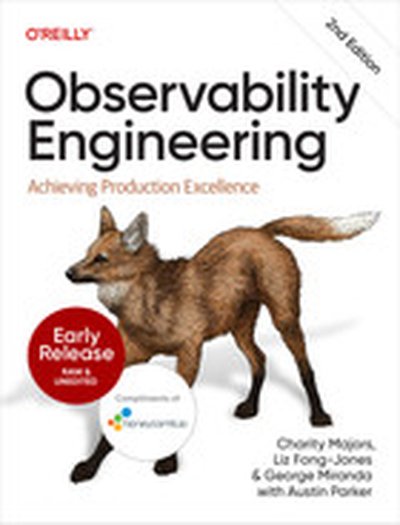
Observability Engineering, 2nd Edition

Observability is the only way to engineer, manage, and improve the business-critical systems that customers depend on every day—and as the complexity of software grows, so does the need for observability. With this thoroughly revised second edition, authors Charity Majors, Liz Fong-Jones, and George Miranda take inventory of the current state of the field and explain how practitioners can evolve their observability practices from collecting separate, disparate signals to unified data workflows. This book is for any software engineering team, large or small, that must understand the unique customer experience in order to ship quality code and features that customers want, at the right velocity. You'll discover the value that observable systems bring and learn concrete steps you can follow to achieve an observability-driven development practice yourself. And four completely new chapters explore recent trends such as large language models, frontend observability, cost optimization/performance engineering, and practical open source tooling. Understand the impact observability has across the entire software development lifecycle Learn how and why different functional teams use observability with service-level objectives Implement modern observability practices in your organization Maximize the cost-effectiveness of observability tooling Produce quality code for context-aware system debugging and maintenance Use data-rich analytics to quickly find answers when maintaining site reliability

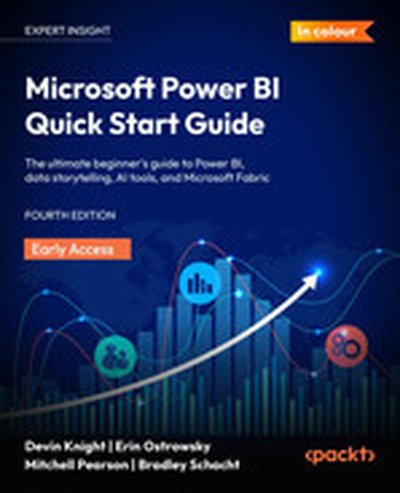
Microsoft Power BI Quick Start Guide - Fourth Edition

Bring your data to life with the ultimate beginner's guide to Power BI, now featuring Microsoft Fabric, Copilot, and full-color visuals to make learning data modeling, storytelling, and dashboards easier and faster than ever Key Features Build data literacy and gain confidence using Power BI through real-world, beginner-friendly examples Learn to shape, clean, and model data using Power BI Desktop and Power Query, with zero experience required Build vibrant, accurate reports and dashboards with real-world modeling examples Book Description Updated with the latest innovations in Power BI, including integration with Microsoft Fabric for seamless data unification and Copilot for AI-powered guidance. This comprehensive guide empowers you to build compelling reports and dashboards from the ground up. Whether you're new to Power BI or stepping into a data role, this book provides a friendly, approachable introduction to business intelligence and data storytelling You'll start with the Power BI Desktop interface and its core functionality, then move into shaping and cleaning your data using the Power Query Editor. From designing intuitive data models to writing your first DAX formulas, you’ll develop practical skills that apply directly to real-world scenarios. he book emphasizes how to use visualizations and narrative techniques to turn numbers into meaningful insights The chapters focus on hands-on, real-world examples—like analyzing sales trends, tracking KPIs, and cleaning messy data. You'll learn to build and refresh reports, scale your Power BI setup, and enhance your solutions using Microsoft Fabric and Copilot. Fabric unifies analytics across your organization, while Copilot speeds up your workflow with AI-driven insights and report suggestions By the end of the book, you’ll have the confidence and experience to turn raw data into insightful, impactful dashboards What you will learn Understand why data literacy matters in decision-making and careers Connect to data using import, DirectQuery, and live connection modes Clean and transform data using Power Query Editor and dataflows Design reports with visuals that support clear data storytelling Apply row-level security to enforce access and data protection Manage and monitor Power BI cloud for scalability and teamwork Use AI tools like Copilot to speed up prep and generate insights Learn Microsoft Fabric basics to enable unified data experiences Who this book is for This book is ideal for anyone looking to build a solid foundation in Power BI, regardless of prior experience. Whether you're just starting out or stepping into a new role that involves data, you'll find clear, approachable guidance throughout. The step-by-step tutorials and real-world examples make it easy to follow along—even if it’s your first time working with business intelligence tools

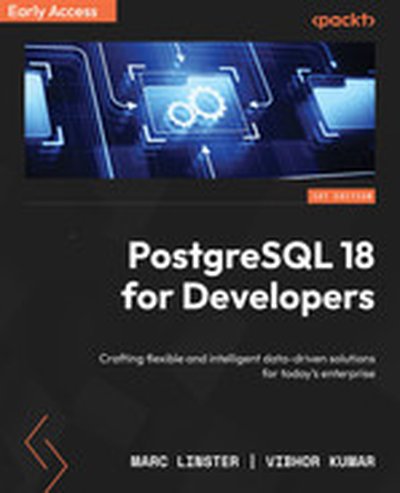
PostgreSQL 18 for Developers

Developing intelligent applications that integrate AI, analytics, and transactional capabilities using the latest release of the world's most popular open-source database Key Features Practical examples demonstrating how to use Postgres to develop intelligent applications Best practices for developers of intelligent data management applications Includes the latest PostgreSQL 18 features for AI, analytics, and transactions ures for AI, analytics, and transactions Book Description In today’s data-first world, businesses need applications that blend transactions, analytics, and AI to power real-time insights at scale. Mastering PostgreSQL 18 for AI-Powered Enterprise Apps is your essential guide to building intelligent, high-performance systems with the latest features of PostgreSQL 18. Through hands-on examples and expert guidance, you’ll learn to design architectures that unite OLTP and OLAP, embed AI directly into apps, and optimize for speed, scalability, and reliability. Discover how to apply cutting-edge PostgreSQL tools for real-time decisions, predictive analytics, and automation. Go beyond basics with advanced strategies trusted by industry leaders. Whether you’re building data-rich applications, internal analytics platforms, or AI-driven services, this book equips you with the patterns and insights to deliver enterprise-grade innovation. Ideal for developers, architects, and tech leads driving digital transformation, this book empowers you to lead the future of intelligent applications. Harness the power of PostgreSQL 18—and unlock the full potential of your data. What you will learn How to leverage PostgreSQL 18 for building intelligent data-driven applications for the modern enterprise Data management principles and best practices for managing transactions, analytics, and AI use cases How to utilize Postgres capabilities to address architectural challenges and attain optimal performance for each use case Methods for utilizing the latest Postgres innovation to create integrated data management applications Guidelines on when to use Postgres and when to opt for specialized data management solutions Who this book is for This book is intended for developers creating intelligent, data-driven applications for the modern enterprise. It features hands-on examples that demonstrate how to use PostgreSQL as the database for business applications that integrate transactions, analytics, and AI. We explore the fundamental architectural principles of data management and detail how developers utilize PostgreSQL 18's latest capabilities to build AI-enabled applications. The book assumes a working knowledge of SQL and does not address the needs of data analysts or those looking to master SQL.

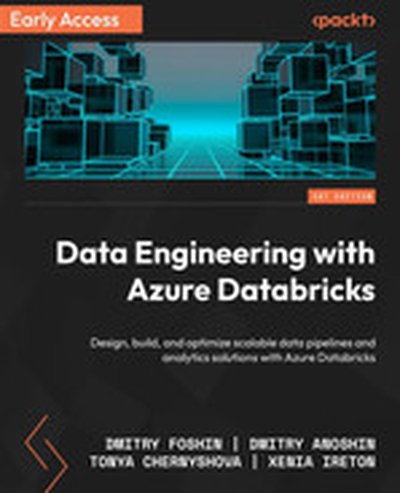
Data Engineering with Azure Databricks

Master end-to-end data engineering on Azure Databricks. From data ingestion and Delta Lake to CI/CD and real-time streaming, build secure, scalable, and performant data solutions with Spark, Unity Catalog, and ML tools. Key Features Build scalable data pipelines using Apache Spark and Delta Lake Automate workflows and manage data governance with Unity Catalog Learn real-time processing and structured streaming with practical use cases Implement CI/CD, DevOps, and security for production-ready data solutions Explore Databricks-native ML, AutoML, and Generative AI integration Book Description "Data Engineering with Azure Databricks" is your essential guide to building scalable, secure, and high-performing data pipelines using the powerful Databricks platform on Azure. Designed for data engineers, architects, and developers, this book demystifies the complexities of Spark-based workloads, Delta Lake, Unity Catalog, and real-time data processing. Beginning with the foundational role of Azure Databricks in modern data engineering, you’ll explore how to set up robust environments, manage data ingestion with Auto Loader, optimize Spark performance, and orchestrate complex workflows using tools like Azure Data Factory and Airflow. The book offers deep dives into structured streaming, Delta Live Tables, and Delta Lake’s ACID features for data reliability and schema evolution. You’ll also learn how to manage security, compliance, and access controls using Unity Catalog, and gain insights into managing CI/CD pipelines with Azure DevOps and Terraform. With a special focus on machine learning and generative AI, the final chapters guide you in automating model workflows, leveraging MLflow, and fine-tuning large language models on Databricks. Whether you're building a modern data lakehouse or operationalizing analytics at scale, this book provides the tools and insights you need. What you will learn Set up a full-featured Azure Databricks environment Implement batch and streaming ingestion using Auto Loader Optimize Spark jobs with partitioning and caching Build real-time pipelines with structured streaming and DLT Manage data governance using Unity Catalog Orchestrate production workflows with jobs and ADF Apply CI/CD best practices with Azure DevOps and Git Secure data with RBAC, encryption, and compliance standards Use MLflow and Feature Store for ML pipelines Build generative AI applications in Databricks Who this book is for This book is for data engineers, solution architects, cloud professionals, and software engineers seeking to build robust and scalable data pipelines using Azure Databricks. Whether you're migrating legacy systems, implementing a modern lakehouse architecture, or optimizing data workflows for performance, this guide will help you leverage the full power of Databricks on Azure. A basic understanding of Python, Spark, and cloud infrastructure is recommended.

Financial Modeling and Reporting with Microsoft Power BI

Design powerful financial reports in Power BI by building models, measures, and dashboards tailored for real-world accounting and analytics Key Features Build a complete financial data model from ledgers, journals, and budgets Master DAX for income statements, KPIs, and performance analysis Learn Power BI Paginated and AI tools for printable and predictive reporting Purchase of the print or Kindle book includes a free PDF eBook Book Description Power BI for Financial Reporting is the definitive guide to designing high-performance, flexible, and insightful financial reports using Power BI. This book empowers finance and BI professionals to create everything from trial balances to enterprise-wide performance dashboards with ease and precision. The book starts by helping you define your reporting goals and data sources, mapping these needs to Power BI’s capabilities. You’ll then build a core financial data model—covering ledger transactions, charts of accounts, and multi-company support. As you proceed, you’ll integrate complex DAX measures, handle foreign exchange and journal entries, and extend your model with budgeting and inventory data. Each chapter builds toward a comprehensive suite of reports, complete with visual best practices and tested metrics. You’ll learn to streamline datasets using Power Query, test for data integrity, and generate printable reports via Power BI Paginated. The final chapters dive into using AI, predictive analytics, and Microsoft Fabric to future-proof your reporting. Whether you're consolidating data across systems or evolving your reports for changing business needs, this hands-on guide ensures you’re prepared to meet the demands of modern finance. What you will learn Build core financial models from ledgers and accounts Create Trial Balance and Income Statements using DAX Optimize Power BI with Power Query and data transformation Add budgets, targets, and KPIs to performance dashboards Integrate inventory data for nuanced stock reporting Produce printable reports using Power BI Paginated Apply AI for report generation and predictive analytics Test, tune, and evolve reports for secure, scalable use Who this book is for This book is for finance professionals, accountants, financial analysts, and BI developers who want to leverage Power BI to improve, automate, and future-proof their financial reporting. Whether consolidating data from ERPs, building reports across entities, or exploring advanced Power BI features, this book equips readers with practical skills and strategic insight.

BI has a bad rap as last century’s analytics and static reporting, while AI is the cool kid on the block. Yet most AI projects focus on tech over business impact. With real-time analytics and actionable insights, BI is now focused on driving measurable value across operations, strategy and customer engagement.

As Microsoft continues to promote and enhance their Microsoft Fabric offering, many clients are asking: How does Microsoft Fabric impact my current Power BI estate? What are some strategies for successful deployment of Microsoft Fabric? How do we scale analytics in Microsoft Fabric and leverage its native AI functionality? This session provides expert insights on Power BI to Microsoft Fabric migrations.

Data and analytics governance has historically lagged in innovating. We are at a tipping point where D&A governance can be a single point of failure for AI. To succeed, D&A leaders must evolve governance for the future while reinforcing proven practices. This session provides a forward-looking perspective on D&A governance, including governance of AI, by AI and for AI.

This multigroup session will focus on questions like: How should data and analytics teams be structured to maximize business value, align with strategy, and support governance, AI and data quality across distributed environments? Join this session to learn more.

D&A leaders play a central role in their organization's AI success by providing the critical accelerants needed to realize value from AI. Based on your organization's data, analytics, and AI ambition and where you are today, this session will unfold the vision for data and analytics in 2030. It will describe how your capabilities, operating model and practices need to evolve to realize that ambition.

Data and analytics leaders are turning to AI agents to automate data analysis and drive actionable insights with minimal human effort. The success of agentic analytics hinges on addressing the challenges of integration and reliability. In this session, discover how the model context protocol (MCP) can be used with knowledge graphs to solve these challenges and create scalable solutions.