talk-data.com talk-data.com

Topic

Cloud Computing

infrastructure saas iaas

4055

tagged

Activity Trend

471 peak/qtr
2020-Q1 2026-Q1

Activities

4055 activities · Newest first

Snowflake: The Definitive Guide, 2nd Edition

Snowflake is reshaping data management by integrating AI, analytics, and enterprise workloads into a single cloud platform. Snowflake: The Definitive Guide is a comprehensive resource for data architects, engineers, and business professionals looking to harness Snowflake's evolving capabilities, including Cortex AI, Snowpark, and Polaris Catalog for Apache Iceberg. This updated edition provides real-world strategies and hands-on activities for optimizing performance, securing data, and building AI-driven applications. With hands-on SQL examples and best practices, this book helps readers process structured and unstructured data, implement scalable architectures, and integrate Snowflake's AI tools seamlessly. Whether you're setting up accounts, managing access controls, or leveraging generative AI, this guide equips you with the expertise to maximize Snowflake's potential. Implement AI-powered workloads with Snowflake Cortex Explore Snowsight and Streamlit for no-code development Ensure security with access control and data governance Optimize storage, queries, and computing costs Design scalable data architectures for analytics and machine learning

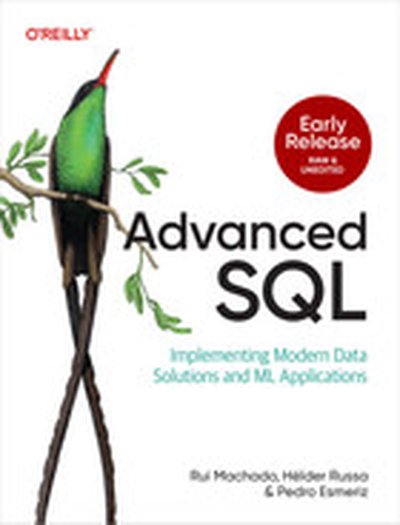
Advanced SQL

SQL is no longer just a querying language for relational databases—it's a foundational tool for building scalable, modern data solutions across real-time analytics, machine learning workflows, and even generative AI applications. Advanced SQL shows data professionals how to move beyond conventional SELECT statements and tap into the full power of SQL as a programming interface for today's most advanced data platforms. Written by seasoned data experts Rui Pedro Machado, Hélder Russa, and Pedro Esmeriz, this practical guide explores the role of SQL in streaming architectures (like Apache Kafka and Flink), data lake ecosystems, cloud data warehouses, and ML pipelines. Geared toward data engineers, analysts, scientists, and analytics engineers, the book combines hands-on guidance with architectural best practices to help you extend your SQL skills into emerging workloads and real-world production systems. Use SQL to design and deploy modern, end-to-end data architectures Integrate SQL with data lakes, stream processing, and cloud platforms Apply SQL in feature engineering and ML model deployment Master pipe syntax and other advanced features for scalable, efficient queries Leverage SQL to build GenAI-ready data applications and pipelines

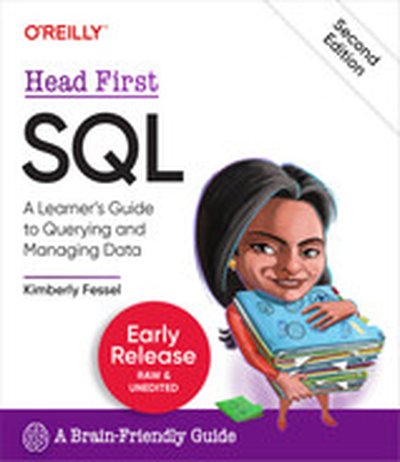
Head First SQL, 2nd Edition

What will you learn from this book? Do you have an abundance of data but don't know how to make sense of it? Do you want to gain useful insights from your data, but you're not sure where to begin? Mining data is a vital, well-paying skill, and SQL provides the most fundamental way to query and manage data. But learning SQL can be intimidating. This thoroughly revised book teaches you SQL fundamentals in a painless and enjoyable manner. With the Head First series' hands-on, conversational style, you'll quickly grasp SQL concepts, then move to intermediate topics, including stored procedures and cloud databases. You'll gain the knowledge, skills, and confidence necessary to get the most out of your data with SQL. Why does this book look so different? If you've read a Head First book, you know what to expect: a visually rich format designed for the way your brain works. If you haven't, you're in for a treat. With this book, you'll learn about SQL through a multisensory experience that engages your mind—rather than a text-heavy approach that puts you to sleep.

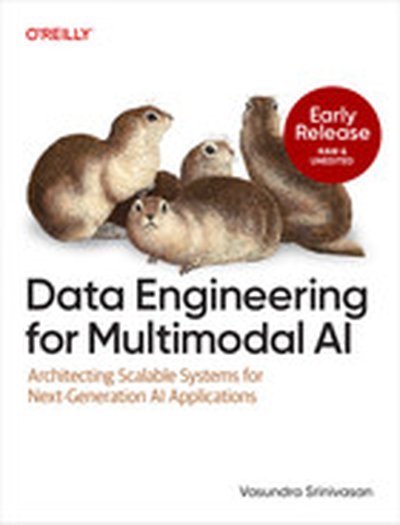
Data Engineering for Multimodal AI

A shift is underway in how organizations approach data infrastructure for AI-driven transformation. As multimodal AI systems and applications become increasingly sophisticated and data hungry, data systems must evolve to meet these complex demands. Data Engineering for Multimodal AI is one of the first practical guides for data engineers, machine learning engineers, and MLOps specialists looking to rapidly master the skills needed to build robust, scalable data infrastructures for multimodal AI systems and applications. You'll follow the entire lifecycle of AI-driven data engineering, from conceptualizing data architectures to implementing data pipelines optimized for multimodal learning in both cloud native and on-premises environments. And each chapter includes step-by-step guides and best practices for implementing key concepts. Design and implement cloud native data architectures optimized for multimodal AI workloads Build efficient and scalable ETL processes for preparing diverse AI training data Implement real-time data processing pipelines for multimodal AI inference Develop and manage feature stores that support multiple data modalities Apply data governance and security practices specific to multimodal AI projects Optimize data storage and retrieval for various types of multimodal ML models Integrate data versioning and lineage tracking in multimodal AI workflows Implement data-quality frameworks to ensure reliable outcomes across data types Design data pipelines that support responsible AI practices in a multimodal context

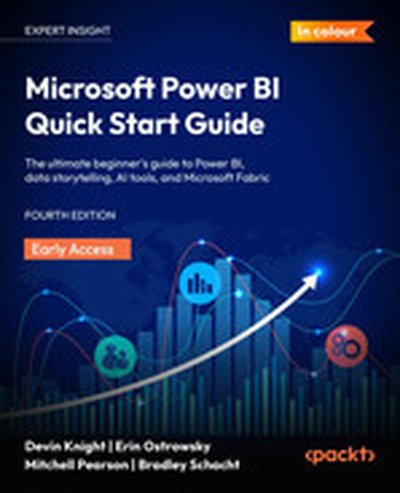
Microsoft Power BI Quick Start Guide - Fourth Edition

Bring your data to life with the ultimate beginner's guide to Power BI, now featuring Microsoft Fabric, Copilot, and full-color visuals to make learning data modeling, storytelling, and dashboards easier and faster than ever Key Features Build data literacy and gain confidence using Power BI through real-world, beginner-friendly examples Learn to shape, clean, and model data using Power BI Desktop and Power Query, with zero experience required Build vibrant, accurate reports and dashboards with real-world modeling examples Book Description Updated with the latest innovations in Power BI, including integration with Microsoft Fabric for seamless data unification and Copilot for AI-powered guidance. This comprehensive guide empowers you to build compelling reports and dashboards from the ground up. Whether you're new to Power BI or stepping into a data role, this book provides a friendly, approachable introduction to business intelligence and data storytelling You'll start with the Power BI Desktop interface and its core functionality, then move into shaping and cleaning your data using the Power Query Editor. From designing intuitive data models to writing your first DAX formulas, you’ll develop practical skills that apply directly to real-world scenarios. he book emphasizes how to use visualizations and narrative techniques to turn numbers into meaningful insights The chapters focus on hands-on, real-world examples—like analyzing sales trends, tracking KPIs, and cleaning messy data. You'll learn to build and refresh reports, scale your Power BI setup, and enhance your solutions using Microsoft Fabric and Copilot. Fabric unifies analytics across your organization, while Copilot speeds up your workflow with AI-driven insights and report suggestions By the end of the book, you’ll have the confidence and experience to turn raw data into insightful, impactful dashboards What you will learn Understand why data literacy matters in decision-making and careers Connect to data using import, DirectQuery, and live connection modes Clean and transform data using Power Query Editor and dataflows Design reports with visuals that support clear data storytelling Apply row-level security to enforce access and data protection Manage and monitor Power BI cloud for scalability and teamwork Use AI tools like Copilot to speed up prep and generate insights Learn Microsoft Fabric basics to enable unified data experiences Who this book is for This book is ideal for anyone looking to build a solid foundation in Power BI, regardless of prior experience. Whether you're just starting out or stepping into a new role that involves data, you'll find clear, approachable guidance throughout. The step-by-step tutorials and real-world examples make it easy to follow along—even if it’s your first time working with business intelligence tools

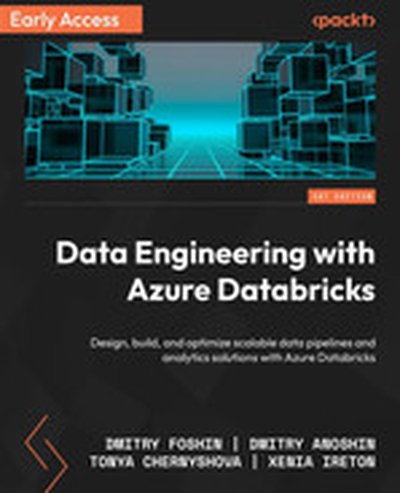
Data Engineering with Azure Databricks

Master end-to-end data engineering on Azure Databricks. From data ingestion and Delta Lake to CI/CD and real-time streaming, build secure, scalable, and performant data solutions with Spark, Unity Catalog, and ML tools. Key Features Build scalable data pipelines using Apache Spark and Delta Lake Automate workflows and manage data governance with Unity Catalog Learn real-time processing and structured streaming with practical use cases Implement CI/CD, DevOps, and security for production-ready data solutions Explore Databricks-native ML, AutoML, and Generative AI integration Book Description "Data Engineering with Azure Databricks" is your essential guide to building scalable, secure, and high-performing data pipelines using the powerful Databricks platform on Azure. Designed for data engineers, architects, and developers, this book demystifies the complexities of Spark-based workloads, Delta Lake, Unity Catalog, and real-time data processing. Beginning with the foundational role of Azure Databricks in modern data engineering, you’ll explore how to set up robust environments, manage data ingestion with Auto Loader, optimize Spark performance, and orchestrate complex workflows using tools like Azure Data Factory and Airflow. The book offers deep dives into structured streaming, Delta Live Tables, and Delta Lake’s ACID features for data reliability and schema evolution. You’ll also learn how to manage security, compliance, and access controls using Unity Catalog, and gain insights into managing CI/CD pipelines with Azure DevOps and Terraform. With a special focus on machine learning and generative AI, the final chapters guide you in automating model workflows, leveraging MLflow, and fine-tuning large language models on Databricks. Whether you're building a modern data lakehouse or operationalizing analytics at scale, this book provides the tools and insights you need. What you will learn Set up a full-featured Azure Databricks environment Implement batch and streaming ingestion using Auto Loader Optimize Spark jobs with partitioning and caching Build real-time pipelines with structured streaming and DLT Manage data governance using Unity Catalog Orchestrate production workflows with jobs and ADF Apply CI/CD best practices with Azure DevOps and Git Secure data with RBAC, encryption, and compliance standards Use MLflow and Feature Store for ML pipelines Build generative AI applications in Databricks Who this book is for This book is for data engineers, solution architects, cloud professionals, and software engineers seeking to build robust and scalable data pipelines using Azure Databricks. Whether you're migrating legacy systems, implementing a modern lakehouse architecture, or optimizing data workflows for performance, this guide will help you leverage the full power of Databricks on Azure. A basic understanding of Python, Spark, and cloud infrastructure is recommended.

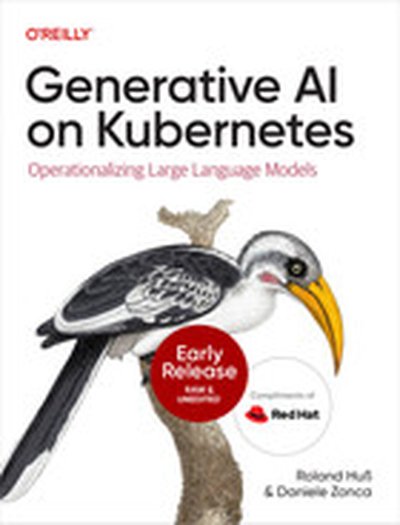
Generative AI on Kubernetes

Generative AI is revolutionizing industries, and Kubernetes has fast become the backbone for deploying and managing these resource-intensive workloads. This book serves as a practical, hands-on guide for MLOps engineers, software developers, Kubernetes administrators, and AI professionals ready to unlock AI innovation with the power of cloud native infrastructure. Authors Roland Huß and Daniele Zonca provide a clear road map for training, fine-tuning, deploying, and scaling GenAI models on Kubernetes, addressing challenges like resource optimization, automation, and security along the way. With actionable insights with real-world examples, readers will learn to tackle the opportunities and complexities of managing GenAI applications in production environments. Whether you're experimenting with large-scale language models or facing the nuances of AI deployment at scale, you'll uncover expertise you need to operationalize this exciting technology effectively. Learn to run GenAI models on Kubernetes for efficient scalability Get techniques to train and fine-tune LLMs within Kubernetes environments See how to deploy production-ready AI systems with automation and resource optimization Discover how to monitor and scale GenAI applications to handle real-world demand Uncover the best tools to operationalize your GenAI workloads Learn how to run agent-based and AI-driven applications

D&A leaders have a key strategic decision to make over the next few years. What does their strategic and long-term data management platform looks like and where to source it from? There are four options that this session will discuss: utilizing the all encompassing data and AI platform from their cloud service providers, extending their ISV solution providers to enable their data platform, engaging their enterprise SaaS application providers to support D&A use cases, or taking a blended approach.

D&A leaders struggle to prioritize and justify data management spend, especially amid cloud-driven cost unpredictability. Value stream analysis links data production to direct and indirect business outcomes, driving quantifiable benefits. This session will link core research on cost management and FinOps with a means of using active metadata to measure value resulting in holistic cost optimization.

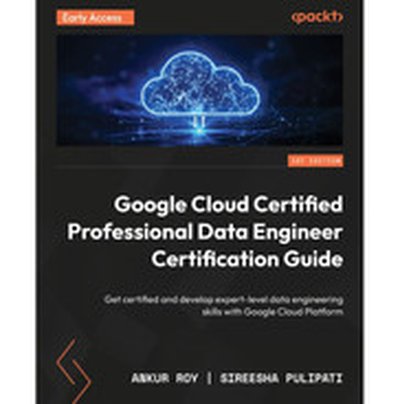
Google Cloud Certified Professional Data Engineer Certification Guide

A guide to pass the GCP Professional Data Engineer exam on your first attempt and upgrade your data engineering skills on GCP. Key Features Fully understand the certification exam content and exam objectives Consolidate your knowledge of all essential exam topics and key concepts Get realistic experience of answering exam-style questions Develop practical skills for everyday use Purchase of this book unlocks access to web-based exam prep resources including mock exams, flashcards, exam tips Book Description The GCP Professional Data Engineer certification validates the fundamental knowledge required to perform data engineering tasks and use GCP services to enhance data engineering processes and further your career in the data engineering/architecting field. This book is a best-in-class study guide that fully covers the GCP Professional Data Engineer exam objectives and helps you pass the exam first time. Complete with clear explanations, chapter review questions, realistic mock exams, and pragmatic solutions, this guide will help you master the core exam concepts and build the understanding you need to go into the exam with the skills and confidence to get the best result you can. With the help of relevant examples, you'll learn fundamental data engineering concepts such as data warehousing and data security. As you progress, you'll delve into the important domains of the exam, including data pipelining, data migration, and data processing. Unlike other study guides, this book contains logical reasoning behind the choice of correct answers based in scenarios and provide you with excellent tips regarding the optimal use of each service, and gives you everything you need to pass the exam and enhance your prospects in the data engineering field. What you will learn Create data solutions and pipelines in GCP Analyze and transform data into useful information Apply data engineering concepts to real scenarios Create secure, cost-effective, valuable GCP workloads Work in the GCP environment with industry best practices Who this book is for This book is for data engineers who want a reliable source for the key concepts and terms present in the most prestigious and highly-sought-after cloud-based data engineering certification. This book will help you improve your data engineering in GCP skills to give you a better chance at earning the GCP Professional Data Engineer Certification. You will already be familiar with the Google Cloud Platform, having either explored it (professionally or personally) for at least a year. You should also have some familiarity with basic data concepts (such as types of data and basic SQL knowledge).

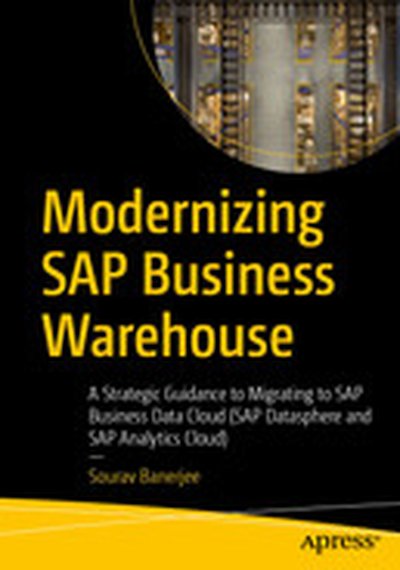
Modernizing SAP Business Warehouse: A Strategic Guidance to Migrating to SAP Business Data Cloud (SAP Datasphere and SAP Analytics Cloud)

The book simplifies the complexities of cloud transition and offers a clear, actionable roadmap for organizations moving from SAP BW or BW/4HANA to SAP Datasphere and SAP Analytics Cloud (as part of SAP Business Data Cloud), particularly in alignment with S/4HANA transformation. Whether you are assessing your current landscape, building a business case with ROI analysis, or creating a phased implementation strategy, this book delivers both technical and strategic guidance. It highlights short- and long-term planning considerations, outlines migration governance, and provides best practices for managing projects across hybrid SAP environments. From identifying platform gaps to facilitating stakeholder discussions, this book is an essential resource for anyone involved in the analytics modernization journey. You Will: [if !supportLists] · [endif] Learn how to assess your current SAP BW or BW/4HANA landscape and identify key migration drivers [if !supportLists] · [endif] Understand best practices for leveraging out-of-the-box cloud features and AI/ML capabilities [if !supportLists] · [endif] A step-by-step approach to planning and executing the move to SAP Business Data Cloud (Mainly SAP Datasphere and SAP Analytics Cloud) This book is for: SAP BW/BW4HANA Customers, SAP Consultants, Solution Architects and Enterprise Architects

Hands-On Software Engineering with Python - Second Edition

Grow your software engineering discipline, incorporating and mastering design, development, testing, and deployment best practices examples in a realistic Python project structure. Key Features Understand what makes Software Engineering a discipline, distinct from basic programming Gain practical insight into updating, refactoring, and scaling an existing Python system Implement robust testing, CI/CD pipelines, and cloud-ready architecture decisions Book Description Software engineering is more than coding; it’s the strategic design and continuous improvement of systems that serve real-world needs. This newly updated second edition of Hands-On Software Engineering with Python expands on its foundational approach to help you grow into a senior or staff-level engineering role. Fully revised for today’s Python ecosystem, this edition includes updated tooling, practices, and architectural patterns. You’ll explore key changes across five minor Python versions, examine new features like dataclasses and type hinting, and evaluate modern tools such as Poetry, pytest, and GitHub Actions. A new chapter introduces high-performance computing in Python, and the entire development process is enhanced with cloud-readiness in mind. You’ll follow a complete redesign and refactor of a multi-tier system from the first edition, gaining insight into how software evolves—and what it takes to do that responsibly. From system modeling and SDLC phases to data persistence, testing, and CI/CD automation, each chapter builds your engineering mindset while updating your hands-on skills. By the end of this book, you'll have mastered modern Python software engineering practices and be equipped to revise and future-proof complex systems with confidence. What you will learn Distinguish software engineering from general programming Break down and apply each phase of the SDLC to Python systems Create system models to plan architecture before writing code Apply Agile, Scrum, and other modern development methodologies Use dataclasses, pydantic, and schemas for robust data modeling Set up CI/CD pipelines with GitHub Actions and cloud build tools Write and structure unit, integration, and end-to-end tests Evaluate and integrate tools like Poetry, pytest, and Docker Who this book is for This book is for Python developers with a basic grasp of software development who want to grow into senior or staff-level engineering roles. It’s ideal for professionals looking to deepen their understanding of software architecture, system modeling, testing strategies, and cloud-aware development. Familiarity with core Python programming is required, as the book focuses on applying engineering principles to maintain, extend, and modernize real-world systems.

Bioinformatics with Python Cookbook - Fourth Edition

Bioinformatics with Python Cookbook provides a practical, hands-on approach to solving computational biology challenges with Python, enabling readers to analyze sequencing data, leverage AI for bioinformatics applications, and design robust computational pipelines. What this Book will help me do Perform comprehensive sequence analysis using Python libraries for refined data interpretation. Configure and run bioinformatics workflows on cloud environments for scalable solutions. Apply advanced data science practices to analyze and visualize bioinformatics data. Explore the integration of AI tools in processing multimodal biological datasets. Understand and utilize bioinformatics databases for research and development. Author(s) Shane Brubaker is an experienced computational biologist and software developer with a strong background in bioinformatics and Python programming. With years of experience in data analysis and software engineering, Shane has authored numerous solutions for real-world bioinformatics issues. He brings a practical, example-driven teaching approach, aimed at empowering readers to apply techniques effectively in their work. Who is it for? This book is suitable for bioinformatics professionals, data scientists, and software engineers with moderate experience seeking to expand their computational biology knowledge. Readers should have basic understanding of biology, programming, and cloud tools. By engaging with this book, learners can advance their skills in Python and bioinformatics to address complex biological data challenges effectively.