talk-data.com talk-data.com

Topic

Analytics

data_analysis insights metrics

528

tagged

Activity Trend

398 peak/qtr
2020-Q1 2026-Q1

Activities

Showing filtered results

Filtering by: O'Reilly Data Science Books ×
Analytics Engineering with Microsoft Fabric and Power BI

While Microsoft Power BI has dominated the business intelligence market for years and is a go-to tool for creating visually appealing, interactive reports and dashboards, it's now an integral part of Microsoft Fabric, the end-to-end analytics platform that offers unprecedented flexibility and scalability for building enterprise-grade data analytics solutions. This book covers everything analytics engineers need to know to design and implement robust and efficient analytics solutions using Microsoft Fabric and Power BI. You'll learn the core components of Fabric, such as lakehouses, warehouses, and eventhouses, and how to work with semantic models, ensuring that data is structured and ready for analysis. You'll also discover essential techniques in both Microsoft Fabric and Power BI that you can apply in your day-to-day work. Explore the core components of Microsoft Fabric Implement, manage, and optimize Power BI semantic models Discover numerous architectural solutions with Microsoft Fabric and Power BI Build Fabric items such as lakehouses, warehouses, semantic models, and more, and share them within your organization Identify when to use a particular Fabric item or implement a particular design pattern Implement the analytics development lifecycle Optimize and fine-tune existing analytics solutions
Microsoft Power BI Quick Start Guide - Fourth Edition

Bring your data to life with the ultimate beginner's guide to Power BI, now featuring Microsoft Fabric, Copilot, and full-color visuals to make learning data modeling, storytelling, and dashboards easier and faster than ever Key Features Build data literacy and gain confidence using Power BI through real-world, beginner-friendly examples Learn to shape, clean, and model data using Power BI Desktop and Power Query, with zero experience required Build vibrant, accurate reports and dashboards with real-world modeling examples Book Description Updated with the latest innovations in Power BI, including integration with Microsoft Fabric for seamless data unification and Copilot for AI-powered guidance. This comprehensive guide empowers you to build compelling reports and dashboards from the ground up. Whether you're new to Power BI or stepping into a data role, this book provides a friendly, approachable introduction to business intelligence and data storytelling You'll start with the Power BI Desktop interface and its core functionality, then move into shaping and cleaning your data using the Power Query Editor. From designing intuitive data models to writing your first DAX formulas, you’ll develop practical skills that apply directly to real-world scenarios. he book emphasizes how to use visualizations and narrative techniques to turn numbers into meaningful insights The chapters focus on hands-on, real-world examples—like analyzing sales trends, tracking KPIs, and cleaning messy data. You'll learn to build and refresh reports, scale your Power BI setup, and enhance your solutions using Microsoft Fabric and Copilot. Fabric unifies analytics across your organization, while Copilot speeds up your workflow with AI-driven insights and report suggestions By the end of the book, you’ll have the confidence and experience to turn raw data into insightful, impactful dashboards What you will learn Understand why data literacy matters in decision-making and careers Connect to data using import, DirectQuery, and live connection modes Clean and transform data using Power Query Editor and dataflows Design reports with visuals that support clear data storytelling Apply row-level security to enforce access and data protection Manage and monitor Power BI cloud for scalability and teamwork Use AI tools like Copilot to speed up prep and generate insights Learn Microsoft Fabric basics to enable unified data experiences Who this book is for This book is ideal for anyone looking to build a solid foundation in Power BI, regardless of prior experience. Whether you're just starting out or stepping into a new role that involves data, you'll find clear, approachable guidance throughout. The step-by-step tutorials and real-world examples make it easy to follow along—even if it’s your first time working with business intelligence tools

Financial Modeling and Reporting with Microsoft Power BI

Design powerful financial reports in Power BI by building models, measures, and dashboards tailored for real-world accounting and analytics Key Features Build a complete financial data model from ledgers, journals, and budgets Master DAX for income statements, KPIs, and performance analysis Learn Power BI Paginated and AI tools for printable and predictive reporting Purchase of the print or Kindle book includes a free PDF eBook Book Description Power BI for Financial Reporting is the definitive guide to designing high-performance, flexible, and insightful financial reports using Power BI. This book empowers finance and BI professionals to create everything from trial balances to enterprise-wide performance dashboards with ease and precision. The book starts by helping you define your reporting goals and data sources, mapping these needs to Power BI’s capabilities. You’ll then build a core financial data model—covering ledger transactions, charts of accounts, and multi-company support. As you proceed, you’ll integrate complex DAX measures, handle foreign exchange and journal entries, and extend your model with budgeting and inventory data. Each chapter builds toward a comprehensive suite of reports, complete with visual best practices and tested metrics. You’ll learn to streamline datasets using Power Query, test for data integrity, and generate printable reports via Power BI Paginated. The final chapters dive into using AI, predictive analytics, and Microsoft Fabric to future-proof your reporting. Whether you're consolidating data across systems or evolving your reports for changing business needs, this hands-on guide ensures you’re prepared to meet the demands of modern finance. What you will learn Build core financial models from ledgers and accounts Create Trial Balance and Income Statements using DAX Optimize Power BI with Power Query and data transformation Add budgets, targets, and KPIs to performance dashboards Integrate inventory data for nuanced stock reporting Produce printable reports using Power BI Paginated Apply AI for report generation and predictive analytics Test, tune, and evolve reports for secure, scalable use Who this book is for This book is for finance professionals, accountants, financial analysts, and BI developers who want to leverage Power BI to improve, automate, and future-proof their financial reporting. Whether consolidating data from ERPs, building reports across entities, or exploring advanced Power BI features, this book equips readers with practical skills and strategic insight.

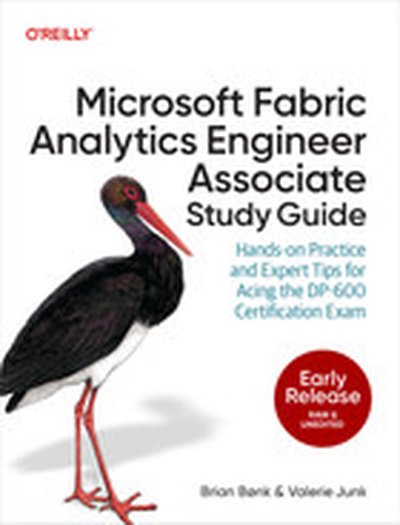
Microsoft Fabric Analytics Engineer Associate Study Guide

Data is the heartbeat of business. Microsoft's Fabric Analytics Engineer Associate (DP-600) certification proves you understand the tools and technologies to make use of it. This comprehensive guide covers everything you need to know to design and implement enterprise-grade analytics solutions—and ace your certification exam. Drawing on their extensive experience working with Microsoft Fabric and Power BI, Brian Bønk and Valerie Junk take you through preparing and transforming data, securing and managing analytics assets, and building and optimizing semantic models. You'll learn to work with data warehouses and lakehouses, ensuring data is structured and ready for analysis. You will also discover how to query and analyze data using SQL, KQL, and DAX, which are essential skills for anyone working with Fabric. Whether you're preparing for the exam or just looking to expand your Fabric expertise, this book gives you the foundation to succeed. Prepare and enrich data for analysis Work with, secure, and maintain analytics assets Implement and manage semantic models Utilize data warehouses and lakehouses Handle workspace access control and item-level access control Optimize enterprise-scale semantic models

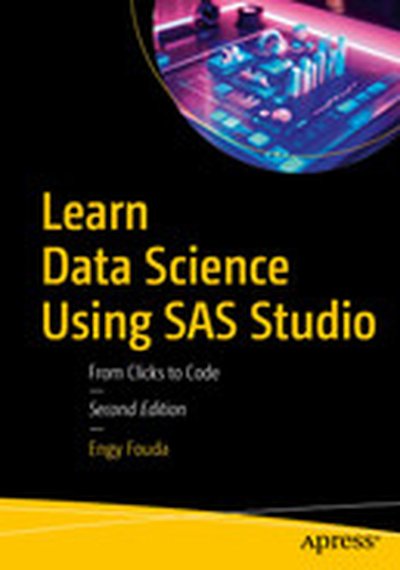
Learn Data Science Using SAS Studio : From Clicks to Code

Do you want to create data analysis reports without writing a line of code? This book introduces SAS Studio, a free, web-based data science product for educational and non-commercial purposes. The power of SAS Studio lies in its visual, point-and-click user interface, which generates SAS code. It is easier to learn SAS Studio than to learn R and Python to accomplish data cleaning, statistics, and visualization tasks. The book includes a case study analyzing the data required to predict the results of presidential elections in the state of Maine for 2016 and 2020. In addition to the presidential elections, the book provides real-life examples, including analyses of stock, oil, and gold prices, crime, marketing, and healthcare. You will see data science in action and how easily it can be performed using complicated tasks and visualizations in SAS Studio. You will learn, step by step, how to perform visualizations, including creating maps. In most cases, you will not need a line of code as you work with the SAS Studio graphical user interface. The book includes explanations of the code that SAS Studio generates automatically. You will learn how to edit this code to perform more complicated advanced tasks. What You Will Learn Become familiar with the SAS Studio IDE. How to create essential visualizations. Know the fundamental statistical analysis required in most data science and analytics reports. Clean the most common dataset problems Learn linear and logistic regression for data prediction and analysis. Write programs in SAS. How to analyze data and get insights from it for decision-making. Learn character, numeric, date, time, and datetime functions and typecasting. Who This Book Is For A general audience of people who are new to data science, students, and data analysts and scientists who are new to SAS. No prior programming or statistical knowledge is required.

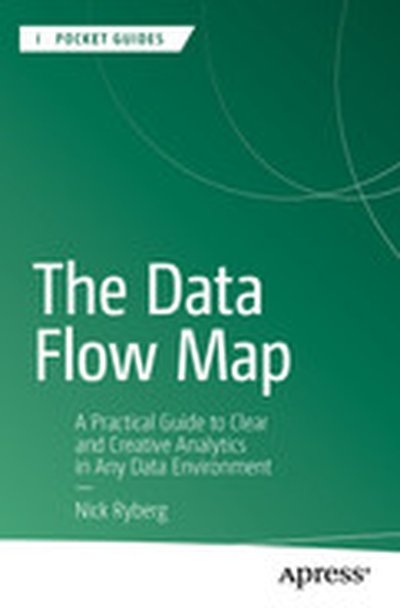
The Data Flow Map: A Practical Guide to Clear and Creative Analytics in Any Data Environment

Unlock the secrets of practical data analysis with the Data Flow Map framework—a game-changing approach that transcends tools and platforms. This book isn’t just another programming manual; it’s a guide to thinking and communicating about data at a higher level. Whether you're working with spreadsheets, databases, or AI-driven models, you'll learn how to express your analytics in clear, common language that anyone can understand. In today’s data-rich world, clarity is the real challenge. Technical details often obscure insights that could drive real impact. The Data Flow Map framework simplifies complexity into three core motions: source, focus, and build. The first half of the book explores these concepts through illustrations and stories. The second half applies them to real-world datasets using tools like Excel, SQL, and Python, showing how the framework works across platforms and use cases. A vital resource for analysts at any level, this book offers a practical, tool-agnostic approach to data analysis. With hands-on examples and a universal mental model, you’ll gain the confidence to tackle any dataset, align your team, and deliver insights that matter. Whether you're a beginner or a seasoned pro, the Data Flow Map framework will transform how you approach data analytics. What You Will Learn Grasp essential elements applicable to every data analysis workflow Adapt quickly to any dataset, tool, or platform Master analytic thinking at a higher level Use analytics patterns to better understand the world Break complex analysis into manageable, repeatable steps Iterate faster to uncover deeper insights and better solutions Communicate findings clearly for better decision-making Who This Book Is For Aspiring data professionals and experienced analysts, from beginners to seasoned data engineers, focused on data collection, analysis, and decision making

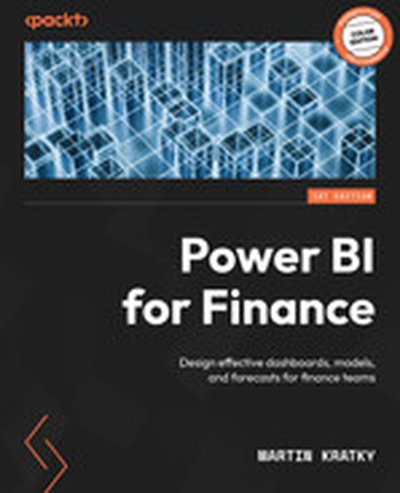
Power BI for Finance

Build effective data models and reports in Power BI for financial planning, budgeting, and valuations with practical templates, logic, and step-by-step guidance. Free with your book: DRM-free PDF version + access to Packt's next-gen Reader Key Features Engineer optimal star schema data models for financial planning and analysis Implement common financial logic, calendars, and variance calculations Create dynamic, formatted reports for income statements, balance sheets, and cash flow Purchase of the print or Kindle book includes a free PDF eBook Book Description Martin Kratky brings his global experience of over 20 years as co-founder of Managility and creator of Acterys to empower CFOs and accountants with Power BI for Finance through this hands-on guide to streamlining and enhancing financial processes. Starting with the foundation of every effective BI solution, a well-designed data model, the book shows you how to structure star schemas and integrate common financial data sources like ERP and accounting systems. You’ll then learn to implement key financial logic using DAX and M, covering calendars, KPIs, and variance calculations. The book offers practical advice on creating clear and compliant financial reports, such as income statements, balance sheets, and cash flows with visual design and formatting best practices. With dedicated chapters on advanced workflows, you’ll learn how to handle multi-currency setups, perform group consolidations, and implement planning models like rolling forecasts, annual budgets, and sales and operations planning (S&OP). As you advance, you’ll gain insights from real-world case studies covering company valuations, Excel integration, and the use of write-back methods with Dynamics Business Performance Planning and Acterys. The concluding chapters highlight how AI and Copilot enhance financial analytics. Email sign-up and proof of purchase required What you will learn Apply multi-currency handling and group consolidation techniques in Power BI Model discounted cash flow and company valuation scenarios Design and manage write-back workflows with Dynamics BPP and Acterys Integrate Excel and Power BI using live connections and cube formulas Utilize AI, Copilot, and LLMs to enhance automation and insight generation Create complete finance-focused dashboards for sales and operations planning Who this book is for This book is for finance professionals including CFOs, FP&A managers, controllers, and certified accountants who want to enhance reporting, planning, and forecasting using Power BI. Basic familiarity with Power BI and financial concepts is recommended to get the most out of this hands-on guide.

The Definitive Guide to Microsoft Fabric

Master Microsoft Fabric from basics to advanced architectures with expert guidance to unify, secure, and scale analytics on real-world data platforms Key Features Build a complete data analytics platform with Microsoft Fabric Apply proven architectures, governance, and security strategies Gain real-world insights from five seasoned data experts Purchase of the print or Kindle book includes a free PDF eBook Book Description Microsoft Fabric is reshaping how organizations manage, analyze, and act on data by unifying ingestion, storage, transformation, analytics, AI, and visualization in a single platform. The Definitive Guide to Microsoft Fabric takes you from your very first workspace to building a secure, scalable, and future-proof analytics environment. You’ll learn how to unify data in OneLake, design data meshes, transform and model data, implement real-time analytics, and integrate AI capabilities. The book also covers advanced topics, such as governance, security, cost optimization, and team collaboration using DevOps and DataOps principles. Drawing on the real-world expertise of five seasoned professionals who have built and advised on platforms for startups, SMEs, and Europe’s largest enterprises, this book blends strategic insight with practical guidance. By the end of this book, you’ll have gained the knowledge and skills to design, deploy, and operate a Microsoft Fabric platform that delivers sustainable business value. What you will learn Understand Microsoft Fabric architecture and concepts Unify data storage and data governance with OneLake Ingest and transform data using multiple Fabric tools Implement real-time analytics and event processing Design effective semantic models and reports Integrate AI and machine learning into data workflows Apply governance, security, and compliance controls Optimize performance and costs at scale Who this book is for This book is for data engineers, analytics engineers, architects, and data analysts moving into platform design roles. It’s also valuable for technical leaders seeking to unify analytics in their organizations. You’ll need only a basic grasp of databases, SQL, and Python.

Microsoft Power BI Visual Calculations: Simplifying DAX

Seasoned experts Jeroen ter Heerdt, Madzy Stikkelorum, and Marc Lelijveld help you master visual calculations in Power BI for transformative data insights Microsoft Power BI Visual Calculations: Simplifying DAX is a comprehensive guide that demystifies the innovative feature of visual calculations in Power BI. Jeroen, a Principal Product Manager at Microsoft, Madzy, a Data Analytics Consultant, and Marc, a Microsoft Data Platform MVP, bring their extensive expertise to this book, offering you a practical approach to mastering visual calculations. The book is designed to simplify DAX, making it accessible to beginners and empowering you to transform raw data into actionable insights. You will learn to implement visual calculations, understand their benefits, and apply them effectively in real-world scenarios, ultimately enhancing your ability to make data-driven decisions. By reading this book, you will: Understand the fundamentals of visual calculations in Power BI Create your first visual calculation with step-by-step guidance Explore advanced concepts like resetting context in visual calculations Compare visual calculations with other Power BI calculation options Master the performance characteristics of visual calculations Utilize specific functions designed for visual calculations Implement practical use cases like running sums and moving averages Enhance visual calculations with regular DAX expressions Optimize operational processes using data-driven insights Unlock the full potential of Power BI for strategic decision-making About This Book For Power BI users who want to simplify DAX and unlock the full potential of visual calculations without the usual complexities For business executives, managers, and data enthusiasts looking to transform raw data into actionable insights for strategic decision-making

Path to Stellar Business Performance Analysis : A Design and Implementation Handbook

Business performance analysis is central to any business, as it helps to make or mend products, services, and processes. This book provides several blueprints for setting up business performance analytics (BPA) shops, from process layout for performance measures to tracking the underlying metrics of them using website tools such as Google Analytics and Looker Studio. Delivering satisfying user experiences in the context of overarching business objectives is key to delivering elevated business performance. This book transcends the topic of tracking user behaviors in websites from generic to specific KPI scenario-based tracking using Google Analytics/Google Tag Manager. Business Performance Analysis stands out by helping you create fit-for-purpose and coherent performance analysis blueprints by integrating performance measure creation and website analytics of BPA together. What You Will Learn Design a Business Performance Analysis function Analyze performance metrics with website analytics tools Identify business performance metrics for common product scenarios Who This Book is For Senior leaders, product managers, product owners, UX and web analytics professionals

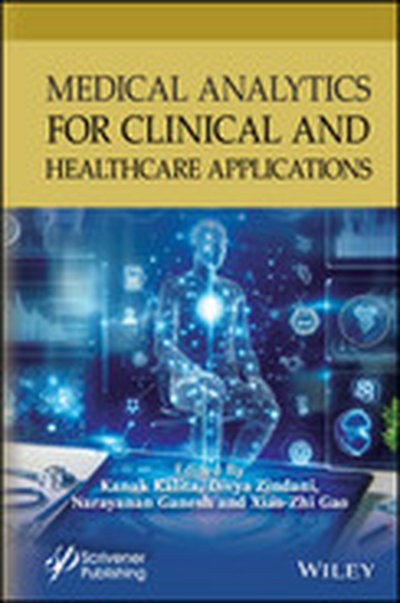
Medical Analytics for Clinical and Healthcare Applications

The book is essential for anyone exploring the forefront of healthcare innovation, as it offers a thorough exploration of transformative data-driven methodologies that can significantly enhance patient outcomes and clinical efficiency in today’s evolving medical landscape. In today’s rapidly advancing healthcare landscape, the integration of medical analytics has become essential for improving patient outcomes, clinical efficiency, and decision-making. Medical Analytics for Clinical and Healthcare Applications provides a comprehensive examination of how data-driven methodologies are revolutionizing the medical field. This book offers a deep dive into innovative techniques, real-world applications, and emerging trends in medical analytics, showcasing how these advancements are transforming disease detection, diagnosis, treatment planning, and healthcare management. Spanning sixteen chapters across five subsections, this edited volume covers a wide array of topics—from foundational principles of medical data analysis to cutting-edge applications in predictive healthcare and medical data security. Readers will encounter state-of-the-art methodologies, including machine learning models, predictive analytics, and deep learning techniques applied to various healthcare challenges such as mental health disorders, cancer detection, and hospital mortality predictions. Medical Analytics for Clinical and Healthcare Applications equips readers with the knowledge to harness the power of medical analytics and its potential to shape the future of healthcare. Through its interdisciplinary approach and expert insights, this volume is poised to serve as a valuable resource for advancing healthcare technologies and improving the overall quality of care. Readers will find the volume: Explores the latest medical analytics techniques applied across clinical settings, from diagnosis to treatment optimization; Features real-world case studies and tools for implementing data-driven solutions in healthcare; Bridges the gap between healthcare professionals, data scientists, and engineers for collaborative innovation in medical technologies; Provides foresight into emerging trends and technologies shaping the future of healthcare analytics. Audience Healthcare professionals, clinical researchers, medical data scientists, biomedical engineers, IT professionals, academics, and policymakers focused on the intersection of medicine and data analytics.

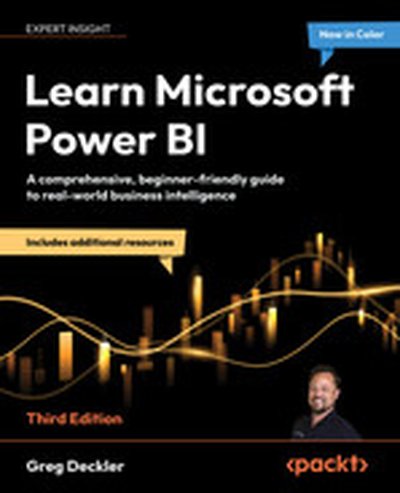
Learn Microsoft Power BI - Third Edition

This comprehensive guide provides the perfect introduction to Microsoft Power BI, offering practical examples to help you learn the key tools and concepts of data visualization and analytics. By exploring real-world use cases, you'll gain the skills necessary to manage data, build interactive dashboards, and unlock valuable business insights. What this Book will help me do Learn the fundamentals of Power BI and business intelligence. Understand advanced features like Microsoft Fabric and Copilot. Transform raw data into meaningful visualizations and reports. Design professional dashboards to convey data insights clearly. Deploy and share reports effectively within your organization. Author(s) Greg Deckler is a recognized authority in Microsoft Power BI, holding the title of a 7-time Microsoft MVP. With extensive experience in business intelligence, Greg is known for his ability to distill complex concepts into clear and practical advice. His approachable teaching style makes technical learning accessible and engaging. Who is it for? This book is ideal for aspiring data analysts or IT professionals looking to gain a solid foundation in Power BI. Beginners with no prior experience in Power BI or business intelligence will find it especially useful. It's also suitable for professionals transitioning from other BI tools. Whether you're looking to enhance your current career or start a new one, this book is for you.

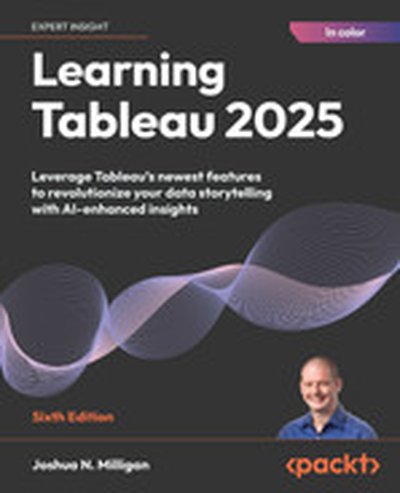
Learning Tableau 2025 - Sixth Edition

"Learning Tableau 2025" provides a comprehensive guide to mastering Tableau's latest features, including advanced AI capabilities like Tableau Pulse and Agent. This book, authored by Tableau expert Joshua N. Milligan, will equip you with the tools to transform complex data into actionable insights and interactive dashboards. What this Book will help me do Learn to use Tableau's advanced AI features, including Tableau Agent and Pulse, to streamline data analysis and automate insights. Develop skills to create and customize dynamic dashboards tailored to interactive data storytelling. Understand and utilize new geospatial functions within Tableau for advanced mapping and analytics. Master Tableau Prep's enhanced data preparation capabilities for efficient data modeling and structuring. Learn to effectively integrate and analyze data from multiple sources, enhancing your ability to extract meaningful insights. Author(s) Joshua N. Milligan, a Tableau Zen Master and Visionary, has years of experience in the field of data visualization and analytics. With a hands-on approach, Joshua combines his expertise and passion for Tableau to make complex topics accessible and engaging. His teaching method ensures that readers gain practical, actionable knowledge. Who is it for? This book is ideal for aspiring business intelligence developers, data analysts, data scientists, and professionals seeking to enhance their data visualization skills. It's suitable for both beginners looking to get started with Tableau and experienced users eager to explore its new features. A Tableau license or access to a 14-day trial is recommended.

Microsoft Fabric Analytics Engineer Associate Certification Companion: Preparation for DP-600 Microsoft Certification

As organizations increasingly leverage Microsoft Fabric to unify their data engineering, analytics, and governance strategies, the role of the Fabric Analytics Engineer has become more crucial than ever. This book equips readers with the knowledge and hands-on skills required to excel in this domain and pass the DP-600 certification exam confidently. This book covers the entire certification syllabus with clarity and depth, beginning with an overview of Microsoft Fabric. You will gain an understanding of the platform’s architecture and how it integrates with data and AI workloads to provide a unified analytics solution. You will then delve into implementing a data warehouse in Microsoft Fabric, exploring techniques to ingest, transform, and store data efficiently. Next, you will learn how to work with semantic models in Microsoft Fabric, enabling them to create intuitive, meaningful data representations for visualization and reporting. Then, you will focus on administration and governance in Microsoft Fabric, emphasizing best practices for security, compliance, and efficient management of analytics solutions. Lastly, you will find detailed practice tests and exam strategies along with supplementary materials to reinforce key concepts. After reading the book, you will have the background and capability to learn the skills and concepts necessary both to pass the DP-600 exam and become a confident Fabric Analytics Engineer. What You Will Learn A complete understanding of all DP-600 certification exam objectives and requirements Key concepts and terminology related to Microsoft Fabric Analytics Step-by-step preparation for successfully passing the DP-600 certification exam Insights into exam structure, question patterns, and strategies for tackling challenging sections Confidence in demonstrating skills validated by the Microsoft Certified: Fabric Analytics Engineer Associate credential Who This Book Is For ​​​​​​​Data engineers, analysts, and professionals with some experience in data engineering or analytics, seeking to expand their knowledge of Microsoft Fabric

Statistics Every Programmer Needs

Put statistics into practice with Python! Data-driven decisions rely on statistics. Statistics Every Programmer Needs introduces the statistical and quantitative methods that will help you go beyond “gut feeling” for tasks like predicting stock prices or assessing quality control, with examples using the rich tools of the Python ecosystem. Statistics Every Programmer Needs will teach you how to: Apply foundational and advanced statistical techniques Build predictive models and simulations Optimize decisions under constraints Interpret and validate results with statistical rigor Implement quantitative methods using Python In this hands-on guide, stats expert Gary Sutton blends the theory behind these statistical techniques with practical Python-based applications, offering structured, reproducible, and defensible methods for tackling complex decisions. Well-annotated and reusable Python code listings illustrate each method, with examples you can follow to practice your new skills. About the Technology Whether you’re analyzing application performance metrics, creating relevant dashboards and reports, or immersing yourself in a numbers-heavy coding project, every programmer needs to know how to turn raw data into actionable insight. Statistics and quantitative analysis are the essential tools every programmer needs to clarify uncertainty, optimize outcomes, and make informed choices. About the Book Statistics Every Programmer Needs teaches you how to apply statistics to the everyday problems you’ll face as a software developer. Each chapter is a new tutorial. You’ll predict ultramarathon times using linear regression, forecast stock prices with time series models, analyze system reliability using Markov chains, and much more. The book emphasizes a balance between theory and hands-on Python implementation, with annotated code and real-world examples to ensure practical understanding and adaptability across industries. What's Inside Probability basics and distributions Random variables Regression Decision trees and random forests Time series analysis Linear programming Monte Carlo and Markov methods and much more About the Reader Examples are in Python. About the Author Gary Sutton is a business intelligence and analytics leader and the author of Statistics Slam Dunk: Statistical analysis with R on real NBA data. Quotes A well-organized tour of the statistical, machine learning and optimization tools every data science programmer needs. - Peter Bruce, Author of Statistics for Data Science and Analytics Turns statistics from a stumbling block into a superpower. Clear, relevant, and written with a coder’s mindset! - Mahima Bansod, LogicMonitor Essential! Stats and modeling with an emphasis on real-world system design. - Anupam Samanta, Google A great blend of theory and practice. - Ariel Andres, Scotia Global Asset Management

A Friendly Guide to Data Science: Everything You Should Know About the Hottest Field in Tech

Unlock the world of data science—no coding required. Curious about data science but not sure where to start? This book is a beginner-friendly guide to what data science is and how people use it. It walks you through the essential topics—what data analysis involves, which skills are useful, and how terms like “data analytics” and “machine learning” connect—without getting too technical too fast. Data science isn’t just about crunching numbers, pulling data from a database, or running fancy algorithms. It’s about asking the right questions, understanding the process from start to finish, and knowing what’s possible (and what’s not). This book teaches you all of that, while also introducing important topics like ethics, privacy, and security—because working with data means thinking about people, too. Whether you're a student exploring new skills, a professional navigating data-driven decisions, or someone considering a career change, this book is your friendly gateway into the world of data science, one of today’s most exciting fields. No coding or programming experience? No problem. You'll build a solid foundation and gain the confidence to engage with data science concepts— just as AI and data become increasingly central to everyday life. What You Will Learn Grasp foundational statistics and how it matters in data analysis and data science Understand the data science project life cycle and how to manage a data science project Examine the ethics of working with data and its use in data analysis and data science Understand the foundations of data security and privacy Collect, store, prepare, visualize, and present data Identify the many types of machine learning and know how to gauge performance Prepare for and find a career in data science Who This Book is for A wide range of readers who are curious about data science and eager to build a strong foundation. Perfect for undergraduates in the early semesters of their data science degrees, as it assumes no prior programming or industry experience. Professionals will find particular value in the real-world insights shared through practitioner interviews. Business leaders can use it to better understand what data science can do for them and how their teams are applying it. And for career changers, this book offers a welcoming entry point into the field—helping them explore the landscape before committing to more intensive learning paths like degrees or boot camps.

Fundamentals of Microsoft Fabric

In the rapidly evolving world of data and analytics, professionals face the challenge of navigating complex platforms in order to build more efficient solutions. Microsoft Fabric, hailed as Microsoft’s “biggest data product in history after SQL Server,” offers powerful capabilities but comes with a steep learning curve. The myriad of choices within Fabric can be overwhelming, with multiple ways to tackle tasks, not all of which are equally efficient. This book serves as a definitive roadmap to understanding Microsoft Fabric—and leveraging it to suit your needs. Authors Nikola Ilic and Ben Weissman demystify the core concepts and components necessary to build, manage, and administer robust data solutions within this game-changing product. Discover the core Microsoft Fabric components and understand key concepts and techniques for building a robust data platform Learn to apply Microsoft Fabric effectively in your day-to-day job Understand the concept of a lake-centric architecture Gain the skills to implement a scalable and efficient end-to-end analytics solution Manage and administer a Fabric tenant

HBR's 10 Must Reads on Data Strategy (featuring "Democratizing Transformation" by Marco Iansiti and Satya Nadella)

Data is your business. Have you unlocked its full potential? If you read nothing else on data strategy, read this book. We've combed through hundreds of Harvard Business Review articles and selected the most important ones to help you maximize your analytics capabilities; harness the power of data, algorithms, and AI; and gain competitive advantage in our hyperconnected world. This book will inspire you to: Reap the rewards of digital transformation Make better data-driven decisions Design breakout products that generate profitable insights Address vulnerabilities to cyberattacks and data breaches Reskill your workforce and build a culture of continuous learning Win with personalized customer experiences at scale This collection of articles includes "What's Your Data Strategy?," by Leandro DalleMule and Thomas H. Davenport; "Democratizing Transformation," by Marco Iansiti and Satya Nadella; "Why Companies Should Consolidate Tech Roles in the C-Suite," by Thomas H. Davenport, John Spens, and Saurabh Gupta; "Developing a Digital Mindset," by Tsedal Neeley and Paul Leonardi; "What Does It Actually Take to Build a Data-Driven Culture?," by Mai B. AlOwaish and Thomas C. Redman; "When Data Creates Competitive Advantage," by Andrei Hagiu and Julian Wright; "Building an Insights Engine," by Frank van den Driest, Stan Sthanunathan, and Keith Weed; "Personalization Done Right," by Mark Abraham and David C. Edelman; "Ensure High-Quality Data Powers Your AI," by Thomas C. Redman; "The Ethics of Managing People's Data," by Michael Segalla and Dominique Rouzies; "Where Data-Driven Decision-Making Can Go Wrong," by Michael Luca and Amy C. Edmondson; "Sizing Up Your Cyberrisks," by Thomas J. Parenty and Jack J. Domet; "A Better Way to Put Your Data to Work," Veeral Desai, Tim Fountaine, and Kayvaun Rowshankish; and "Heavy Machinery Meets AI," by Vijay Govindarajan and Venkat Venkatraman. HBR's 10 Must Reads are definitive collections of classic ideas, practical advice, and essential thinking from the pages of Harvard Business Review. Exploring topics like disruptive innovation, emotional intelligence, and new technology in our ever-evolving world, these books empower any leader to make bold decisions and inspire others.