talk-data.com talk-data.com

Topic

it-operations

20

tagged

Activity Trend

1 peak/qtr
2020-Q1 2026-Q1

Activities

20 activities · Newest first

Observability Engineering, 2nd Edition

Observability is the only way to engineer, manage, and improve the business-critical systems that customers depend on every day—and as the complexity of software grows, so does the need for observability. With this thoroughly revised second edition, authors Charity Majors, Liz Fong-Jones, and George Miranda take inventory of the current state of the field and explain how practitioners can evolve their observability practices from collecting separate, disparate signals to unified data workflows. This book is for any software engineering team, large or small, that must understand the unique customer experience in order to ship quality code and features that customers want, at the right velocity. You'll discover the value that observable systems bring and learn concrete steps you can follow to achieve an observability-driven development practice yourself. And four completely new chapters explore recent trends such as large language models, frontend observability, cost optimization/performance engineering, and practical open source tooling. Understand the impact observability has across the entire software development lifecycle Learn how and why different functional teams use observability with service-level objectives Implement modern observability practices in your organization Maximize the cost-effectiveness of observability tooling Produce quality code for context-aware system debugging and maintenance Use data-rich analytics to quickly find answers when maintaining site reliability
Google Cloud Certified Professional Data Engineer Certification Guide

A guide to pass the GCP Professional Data Engineer exam on your first attempt and upgrade your data engineering skills on GCP. Key Features Fully understand the certification exam content and exam objectives Consolidate your knowledge of all essential exam topics and key concepts Get realistic experience of answering exam-style questions Develop practical skills for everyday use Purchase of this book unlocks access to web-based exam prep resources including mock exams, flashcards, exam tips Book Description The GCP Professional Data Engineer certification validates the fundamental knowledge required to perform data engineering tasks and use GCP services to enhance data engineering processes and further your career in the data engineering/architecting field. This book is a best-in-class study guide that fully covers the GCP Professional Data Engineer exam objectives and helps you pass the exam first time. Complete with clear explanations, chapter review questions, realistic mock exams, and pragmatic solutions, this guide will help you master the core exam concepts and build the understanding you need to go into the exam with the skills and confidence to get the best result you can. With the help of relevant examples, you'll learn fundamental data engineering concepts such as data warehousing and data security. As you progress, you'll delve into the important domains of the exam, including data pipelining, data migration, and data processing. Unlike other study guides, this book contains logical reasoning behind the choice of correct answers based in scenarios and provide you with excellent tips regarding the optimal use of each service, and gives you everything you need to pass the exam and enhance your prospects in the data engineering field. What you will learn Create data solutions and pipelines in GCP Analyze and transform data into useful information Apply data engineering concepts to real scenarios Create secure, cost-effective, valuable GCP workloads Work in the GCP environment with industry best practices Who this book is for This book is for data engineers who want a reliable source for the key concepts and terms present in the most prestigious and highly-sought-after cloud-based data engineering certification. This book will help you improve your data engineering in GCP skills to give you a better chance at earning the GCP Professional Data Engineer Certification. You will already be familiar with the Google Cloud Platform, having either explored it (professionally or personally) for at least a year. You should also have some familiarity with basic data concepts (such as types of data and basic SQL knowledge).

AWS Certified Data Engineer Associate Study Guide

There's no better time to become a data engineer. And acing the AWS Certified Data Engineer Associate (DEA-C01) exam will help you tackle the demands of modern data engineering and secure your place in the technology-driven future. Authors Sakti Mishra, Dylan Qu, and Anusha Challa equip you with the knowledge and sought-after skills necessary to effectively manage data and excel in your career. Whether you're a data engineer, data analyst, or machine learning engineer, you'll discover in-depth guidance, practical exercises, sample questions, and expert advice you need to leverage AWS services effectively and achieve certification. By reading, you'll learn how to: Ingest, transform, and orchestrate data pipelines effectively Select the ideal data store, design efficient data models, and manage data lifecycles Analyze data rigorously and maintain high data quality standards Implement robust authentication, authorization, and data governance protocols Prepare thoroughly for the DEA-C01 exam with targeted strategies and practices

AWS Certified Data Engineer Study Guide

Your complete Guide to preparing for the AWS® Certified Data Engineer: Associate exam The AWS® Certified Data Engineer Study Guide is your one-stop resource for complete coverage of the challenging DEA-C01 Associate exam. This Sybex Study Guide covers 100% of the DEA-C01 objectives. Prepare for the exam faster and smarter with Sybex thanks to accurate content including, an assessment test that validates and measures exam readiness, real-world examples and scenarios, practical exercises, and challenging chapter review questions. Reinforce and retain what you’ve learned with the Sybex online learning environment and test bank, accessible across multiple devices. Get ready for the AWS Certified Data Engineer exam – quickly and efficiently – with Sybex. Coverage of 100% of all exam objectives in this Study Guide means you’ll be ready for: Data Ingestion and Transformation Data Store Management Data Operations and Support Data Security and Governance ABOUT THE AWS DATA ENGINEER – ASSOCIATE CERTIFICATION The AWS Data Engineer – Associate certification validates skills and knowledge in core data-related Amazon Web Services. It recognizes your ability to implement data pipelines and to monitor, troubleshoot, and optimize cost and performance issues in accordance with best practices Interactive learning environment Take your exam prep to the next level with Sybex’s superior interactive online study tools. To access our learning environment, simply visit www.wiley.com/go/sybextestprep, register your book to receive your unique PIN, and instantly gain one year of FREE access after activation to: • Interactive test bank with 5 practice exams to help you identify areas where further review is needed. Get more than 90% of the answers correct, and you’re ready to take the certification exam. • 100 electronic flashcards to reinforce learning and last-minute prep before the exam • Comprehensive glossary in PDF format gives you instant access to the key terms so you are fully prepared

Exam Ref DP-100 Designing and Implementing a Data Science Solution on Azure

Prepare for Microsoft Exam DP-100 and demonstrate your real-world knowledge of managing data ingestion and preparation, model training and deployment, and machine learning solution monitoring with Python, Azure Machine Learning, and MLflow. Designed for professionals with data science experience, this Exam Ref focuses on the critical thinking and decision-making acumen needed for success at the Microsoft Certified: Azure Data Scientist Associate level. Focus on the expertise measured by these objectives: Design and prepare a machine learning solution Explore data and train models Prepare a model for deployment Deploy and retrain a model This Microsoft Exam Ref: Organizes its coverage by exam objectives Features strategic, what-if scenarios to challenge you Assumes you have experience in designing and creating a suitable working environment for data science workloads, training machine learning models, and managing, deploying, and monitoring scalable machine learning solutions About the Exam Exam DP-100 focuses on knowledge needed to design and prepare a machine learning solution, manage an Azure Machine Learning workspace, explore data and train models, create models by using the Azure Machine Learning designer, prepare a model for deployment, manage models in Azure Machine Learning, deploy and retrain a model, and apply machine learning operations (MLOps) practices. About Microsoft Certification Passing this exam fulfills your requirements for the Microsoft Certified: Azure Data Scientist Associate credential, demonstrating your expertise in applying data science and machine learning to implement and run machine learning workloads on Azure, including knowledge and experience using Azure Machine Learning and MLflow.

Platform Engineering

Until recently, infrastructure was the backbone of organizations operating software they developed in-house. But now that cloud vendors run the computers, companies can finally bring the benefits of agile custom-centricity to their own developers. Adding product management to infrastructure organizations is now all the rage. But how's that possible when infrastructure is still the operational layer of the company? This practical book guides engineers, managers, product managers, and leaders through the shifts that modern platform-led organizations require. You'll learn what platform engineering is—and isn't—and what benefits and value it brings to developers and teams. You'll understand what it means to approach a platform as a product and learn some of the most common technical and managerial barriers to success. With this book, you'll: Cultivate a platform-as-product, developer-centric mindset Learn what platform engineering teams are and are not Start the process of adopting platform engineering within your organization Discover what it takes to become a product manager for a platform team Understand the challenges that emerge when you scale platforms Automate processes and self-service infrastructure to speed development and improve developer experience Build out, hire, manage, and advocate for a platform team

Azure Data Engineer Associate Certification Guide - Second Edition

This book is your gateway to mastering the skills required for achieving the Azure Data Engineer Associate certification (DP-203). Whether you're new to the field or a seasoned professional, it comprehensively prepares you for the challenges of the exam. Learn to design and implement advanced data solutions, secure sensitive information, and optimize data processes effectively. What this Book will help me do Understand and utilize Azure's data services such as Azure Synapse and Azure Databricks for data processing. Master advanced data storage and management solutions, including designing partitions and lake architectures. Learn to secure data with state-of-the-art tools like RBAC, encryption, and Azure Purview. Develop and manage data pipelines and workflows using tools like Azure Data Factory (ADF) and Spark. Prepare for and confidently pass the DP-203 certification exam with the included practical resources and guidance. Author(s) The authors, None Palmieri, Surendra Mettapalli, and None Alex, bring a wealth of expertise in cloud and data engineering. With extensive industry experience, they've designed this guide to be both educational and practical, enabling learners to not only understand but also apply concepts in real-world scenarios. Their goal is to make complex topics approachable, supporting your journey to certification success. Who is it for? This guide is perfect for aspiring and current data engineers aiming to achieve the Azure Data Engineer Associate certification (DP-203). It's particularly useful for professionals familiar with cloud services and basic data engineering concepts who want to delve deeper into Azure's offerings. Additionally, managers and learners preparing for roles involving Azure cloud data solutions will find the content invaluable for career advancement.

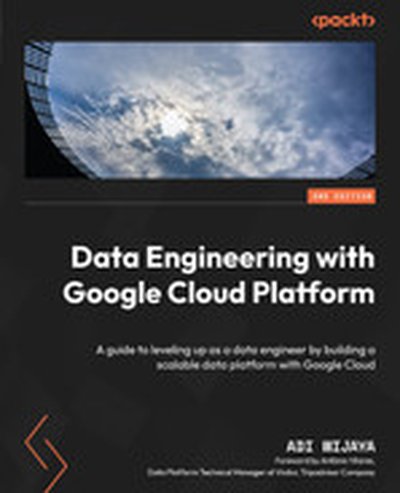
Data Engineering with Google Cloud Platform - Second Edition

Data Engineering with Google Cloud Platform is your ultimate guide to building scalable data platforms using Google Cloud technologies. In this book, you will learn how to leverage products such as BigQuery, Cloud Composer, and Dataplex for efficient data engineering. Expand your expertise and gain practical knowledge to excel in managing data pipelines within the Google Cloud ecosystem. What this Book will help me do Understand foundational data engineering concepts using Google Cloud Platform. Learn to build and manage scalable data pipelines with tools such as Dataform and Dataflow. Explore advanced topics like data governance and secure data handling in Google Cloud. Boost readiness for Google Cloud data engineering certification with real-world exam guidance. Master cost-effective strategies and CI/CD practices for data engineering on Google Cloud. Author(s) Adi Wijaya, the author of this book, is a Data Strategic Cloud Engineer at Google with extensive experience in data engineering and the Google Cloud ecosystem. With his hands-on expertise, he emphasizes practical solutions and in-depth knowledge sharing, guiding readers through the intricacies of Google Cloud for data engineering success. Who is it for? This book is ideal for data analysts, IT practitioners, software engineers, and data enthusiasts aiming to excel in data engineering. Whether you're a beginner tackling fundamental concepts or an experienced professional exploring Google Cloud's advanced capabilities, this book is designed for you. It bridges your current skills with modern data engineering practices on Google Cloud, making it a valuable resource at any stage of your career.

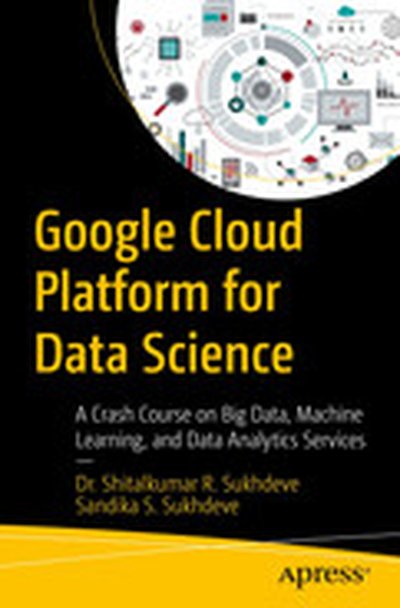
Google Cloud Platform for Data Science: A Crash Course on Big Data, Machine Learning, and Data Analytics Services

This book is your practical and comprehensive guide to learning Google Cloud Platform (GCP) for data science, using only the free tier services offered by the platform. Data science and machine learning are increasingly becoming critical to businesses of all sizes, and the cloud provides a powerful platform for these applications. GCP offers a range of data science services that can be used to store, process, and analyze large datasets, and train and deploy machine learning models. The book is organized into seven chapters covering various topics such as GCP account setup, Google Colaboratory, Big Data and Machine Learning, Data Visualization and Business Intelligence, Data Processing and Transformation, Data Analytics and Storage, and Advanced Topics. Each chapter provides step-by-step instructions and examples illustrating how to use GCP services for data science and big data projects. Readers will learn how to set up a Google Colaboratory account and run Jupyternotebooks, access GCP services and data from Colaboratory, use BigQuery for data analytics, and deploy machine learning models using Vertex AI. The book also covers how to visualize data using Looker Data Studio, run data processing pipelines using Google Cloud Dataflow and Dataprep, and store data using Google Cloud Storage and SQL. What You Will Learn Set up a GCP account and project Explore BigQuery and its use cases, including machine learning Understand Google Cloud AI Platform and its capabilities Use Vertex AI for training and deploying machine learning models Explore Google Cloud Dataproc and its use cases for big data processing Create and share data visualizations and reports with Looker Data Studio Explore Google Cloud Dataflow and its use cases for batch and stream data processing Run data processing pipelines on Cloud Dataflow Explore Google Cloud Storageand its use cases for data storage Get an introduction to Google Cloud SQL and its use cases for relational databases Get an introduction to Google Cloud Pub/Sub and its use cases for real-time data streaming Who This Book Is For Data scientists, machine learning engineers, and analysts who want to learn how to use Google Cloud Platform (GCP) for their data science and big data projects

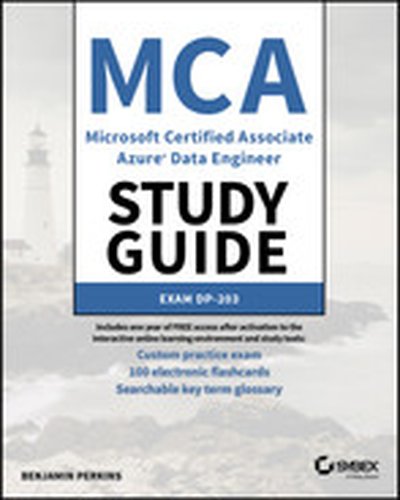
MCA Microsoft Certified Associate Azure Data Engineer Study Guide

Prepare for the Azure Data Engineering certification—and an exciting new career in analytics—with this must-have study aide In the MCA Microsoft Certified Associate Azure Data Engineer Study Guide: Exam DP-203, accomplished data engineer and tech educator Benjamin Perkins delivers a hands-on, practical guide to preparing for the challenging Azure Data Engineer certification and for a new career in an exciting and growing field of tech. In the book, you’ll explore all the objectives covered on the DP-203 exam while learning the job roles and responsibilities of a newly minted Azure data engineer. From integrating, transforming, and consolidating data from various structured and unstructured data systems into a structure that is suitable for building analytics solutions, you’ll get up to speed quickly and efficiently with Sybex’s easy-to-use study aids and tools. This Study Guide also offers: Career-ready advice for anyone hoping to ace their first data engineering job interview and excel in their first day in the field Indispensable tips and tricks to familiarize yourself with the DP-203 exam structure and help reduce test anxiety Complimentary access to Sybex’s expansive online study tools, accessible across multiple devices, and offering access to hundreds of bonus practice questions, electronic flashcards, and a searchable, digital glossary of key terms A one-of-a-kind study aid designed to help you get straight to the crucial material you need to succeed on the exam and on the job, the MCA Microsoft Certified Associate Azure Data Engineer Study Guide: Exam DP-203 belongs on the bookshelves of anyone hoping to increase their data analytics skills, advance their data engineering career with an in-demand certification, or hoping to make a career change into a popular new area of tech.

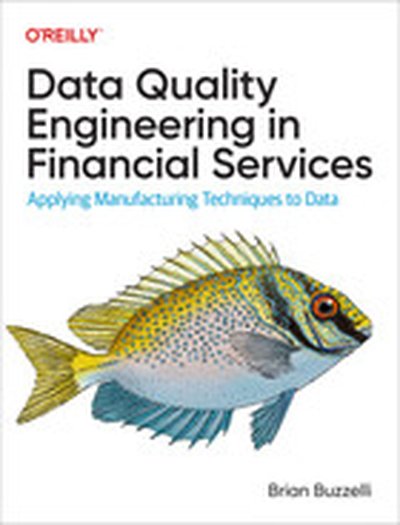
Data Quality Engineering in Financial Services

Data quality will either make you or break you in the financial services industry. Missing prices, wrong market values, trading violations, client performance restatements, and incorrect regulatory filings can all lead to harsh penalties, lost clients, and financial disaster. This practical guide provides data analysts, data scientists, and data practitioners in financial services firms with the framework to apply manufacturing principles to financial data management, understand data dimensions, and engineer precise data quality tolerances at the datum level and integrate them into your data processing pipelines. You'll get invaluable advice on how to: Evaluate data dimensions and how they apply to different data types and use cases Determine data quality tolerances for your data quality specification Choose the points along the data processing pipeline where data quality should be assessed and measured Apply tailored data governance frameworks within a business or technical function or across an organization Precisely align data with applications and data processing pipelines And more

Observability Engineering

Observability is critical for building, changing, and understanding the software that powers complex modern systems. Teams that adopt observability are much better equipped to ship code swiftly and confidently, identify outliers and aberrant behaviors, and understand the experience of each and every user. This practical book explains the value of observable systems and shows you how to practice observability-driven development. Authors Charity Majors, Liz Fong-Jones, and George Miranda from Honeycomb explain what constitutes good observability, show you how to improve upon what you're doing today, and provide practical dos and don'ts for migrating from legacy tooling, such as metrics, monitoring, and log management. You'll also learn the impact observability has on organizational culture (and vice versa). You'll explore: How the concept of observability applies to managing software at scale The value of practicing observability when delivering complex cloud native applications and systems The impact observability has across the entire software development lifecycle How and why different functional teams use observability with service-level objectives How to instrument your code to help future engineers understand the code you wrote today How to produce quality code for context-aware system debugging and maintenance How data-rich analytics can help you debug elusive issues

Visualizing Google Cloud

Easy-to-follow visual walkthrough of every important part of the Google Cloud Platform The Google Cloud Platform incorporates dozens of specialized services that enable organizations to offload technological needs onto the cloud. From routine IT operations like storage to sophisticated new capabilities including artificial intelligence and machine learning, the Google Cloud Platform offers enterprises the opportunity to scale and grow efficiently. In Visualizing Google Cloud: Illustrated References for Cloud Engineers & Architects, Google Cloud expert Priyanka Vergadia delivers a fully illustrated, visual guide to matching the best Google Cloud Platform services to your own unique use cases. After a brief introduction to the major categories of cloud services offered by Google, the author offers approximately 100 solutions divided into eight categories of services included in Google Cloud Platform: Compute Storage Databases Data Analytics Data Science, Machine Learning and Artificial Intelligence Application Development and Modernization with Containers Networking Security You’ll find richly illustrated flowcharts and decision diagrams with straightforward explanations in each category, making it easy to adopt and adapt Google’s cloud services to your use cases. With coverage of the major categories of cloud models—including infrastructure-, containers-, platforms-, functions-, and serverless—and discussions of storage types, databases and Machine Learning choices, Visualizing Google Cloud: Illustrated References for Cloud Engineers & Architects is perfect for Every Google Cloud enthusiast, of course. It is for anyone who is planning a cloud migration or new cloud deployment. It is for anyone preparing for cloud certification, and for anyone looking to make the most of Google Cloud. It is for cloud solutions architects, IT decision-makers, and cloud data and ML engineers. In short, this book is for YOU.

Data Engineering with Google Cloud Platform

In 'Data Engineering with Google Cloud Platform', you'll explore how to construct efficient, scalable data pipelines using GCP services. This hands-on guide covers everything from building data warehouses to deploying machine learning pipelines, helping you master GCP's ecosystem. What this Book will help me do Build comprehensive data ingestion and transformation pipelines using BigQuery, Cloud Storage, and Dataflow. Design end-to-end orchestration flows with Airflow and Cloud Composer for automated data processing. Leverage Pub/Sub for building real-time event-driven systems and streaming architectures. Gain skills to design and manage secure data systems with IAM and governance strategies. Prepare for and pass the Professional Data Engineer certification exam to elevate your career. Author(s) Adi Wijaya is a seasoned data engineer with significant experience in Google Cloud Platform products and services. His expertise in building data systems has equipped him with insights into the real-world challenges data engineers face. Adi aims to demystify technical topics and deliver practical knowledge through his writing, helping tech professionals excel. Who is it for? This book is tailored for data engineers and data analysts who want to leverage GCP for building efficient and scalable data systems. Readers should have a beginner-level understanding of topics like data science, Python, and Linux to fully benefit from the material. It is also suitable for individuals preparing for the Google Professional Data Engineer exam. The book is a practical companion for enhancing cloud and data engineering skills.

Data Science on the Google Cloud Platform, 2nd Edition

Learn how easy it is to apply sophisticated statistical and machine learning methods to real-world problems when you build using Google Cloud Platform (GCP). This hands-on guide shows data engineers and data scientists how to implement an end-to-end data pipeline with cloud native tools on GCP. Throughout this updated second edition, you'll work through a sample business decision by employing a variety of data science approaches. Follow along by building a data pipeline in your own project on GCP, and discover how to solve data science problems in a transformative and more collaborative way. You'll learn how to: Employ best practices in building highly scalable data and ML pipelines on Google Cloud Automate and schedule data ingest using Cloud Run Create and populate a dashboard in Data Studio Build a real-time analytics pipeline using Pub/Sub, Dataflow, and BigQuery Conduct interactive data exploration with BigQuery Create a Bayesian model with Spark on Cloud Dataproc Forecast time series and do anomaly detection with BigQuery ML Aggregate within time windows with Dataflow Train explainable machine learning models with Vertex AI Operationalize ML with Vertex AI Pipelines

Azure Data Engineer Associate Certification Guide

The "Azure Data Engineer Associate Certification Guide" is a comprehensive resource tailored for professionals preparing for the DP-203 exam. This book not only equips you with the theoretical knowledge needed to pass the certification but also provides hands-on experience with Azure's data engineering services. By the end of the book, you'll feel confident in tackling the certification exam and applying these skills on the job. What this Book will help me do Understand the core concepts of Azure data engineering and their practical applications. Gain proficiency in designing and deploying data storage and processing solutions using Azure services. Develop expertise in securing, monitoring, and optimizing Azure data solutions. Prepare effectively for the DP-203 certification exam with sample questions and practical exercises. Acquire skills to contribute to and excel in real-world Azure Data Engineering projects. Author(s) None Alex is a seasoned data engineer and cloud computing expert with years of experience designing, implementing, and optimizing data solutions. They have spent significant time working with Azure's ecosystem and have crafted this guide to share their insights and best practices. With a passion for teaching and mentoring, they aim to make complex technical concepts accessible to learners. Who is it for? This book caters to data engineering professionals aiming to achieve the DP-203 Azure Data Engineer Associate certification and advance their careers. It's ideal for individuals with fundamental knowledge of cloud-based data solutions and databases, seeking specialized expertise in Azure's data engineering tools. Whether you're upskilling or transitioning to a cloud-native environment, this guide serves as the roadmap to success.

The Definitive Guide to Azure Data Engineering: Modern ELT, DevOps, and Analytics on the Azure Cloud Platform

Build efficient and scalable batch and real-time data ingestion pipelines, DevOps continuous integration and deployment pipelines, and advanced analytics solutions on the Azure Data Platform. This book teaches you to design and implement robust data engineering solutions using Data Factory, Databricks, Synapse Analytics, Snowflake, Azure SQL database, Stream Analytics, Cosmos database, and Data Lake Storage Gen2. You will learn how to engineer your use of these Azure Data Platform components for optimal performance and scalability. You will also learn to design self-service capabilities to maintain and drive the pipelines and your workloads. The approach in this book is to guide you through a hands-on, scenario-based learning process that will empower you to promote digital innovation best practices while you work through your organization’s projects, challenges, and needs. The clear examples enable you to use this book as a reference and guide for building data engineering solutions in Azure. After reading this book, you will have a far stronger skill set and confidence level in getting hands on with the Azure Data Platform. What You Will Learn Build dynamic, parameterized ELT data ingestion orchestration pipelines in Azure Data Factory Create data ingestion pipelines that integrate control tables for self-service ELT Implement a reusable logging framework that can be applied to multiple pipelines Integrate Azure Data Factory pipelines with a variety of Azure data sources and tools Transform data with Mapping Data Flows in Azure Data Factory Apply Azure DevOps continuous integration and deployment practices to your Azure Data Factory pipelines and development SQL databases Design and implement real-time streaming and advanced analytics solutions using Databricks, Stream Analytics, and Synapse Analytics Get started with a variety of Azure data services through hands-on examples Who This Book Is For Data engineers and data architects who are interested in learning architectural and engineering best practices around ELT and ETL on the Azure Data Platform, those who are creating complex Azure data engineering projects and are searching for patterns of success, and aspiring cloud and data professionals involved in data engineering, data governance, continuous integration and deployment of DevOps practices, and advanced analytics who want a full understanding of the many different tools and technologies that Azure Data Platform provides

Site Reliability Engineering

The overwhelming majority of a software system's lifespan is spent in use, not in design or implementation. So, why does conventional wisdom insist that software engineers focus primarily on the design and development of large-scale computing systems? In this collection of essays and articles, key members of Google's Site Reliability Team explain how and why their commitment to the entire lifecycle has enabled the company to successfully build, deploy, monitor, and maintain some of the largest software systems in the world. You'll learn the principles and practices that enable Google engineers to make systems more scalable, reliable, and efficient—lessons directly applicable to your organization. This book is divided into four sections: Introduction—Learn what site reliability engineering is and why it differs from conventional IT industry practices Principles—Examine the patterns, behaviors, and areas of concern that influence the work of a site reliability engineer (SRE) Practices—Understand the theory and practice of an SRE's day-to-day work: building and operating large distributed computing systems Management—Explore Google's best practices for training, communication, and meetings that your organization can use

Business Intelligence and the Cloud: Strategic Implementation Guide

How to measure cloud computing options and benefits to impact business intelligence infrastructure This book is a guide for managers and others involved in using cloud computing to create business value. It starts with a discussion of the media hype around cloud computing and attempt to pull together what industry experts are saying in order to create a unified definition. Once this foundation is created—assisting the reader's understanding of what cloud computing is—the discussion moves to getting business benefits from cloud computing. Lastly, the discussion focuses on examples of cloud computing, public clouds, private clouds, and virtualization. The book emphasizes how these technologies can be used to create business value and how they can be integrated into an organizations business intelligence system. It helps the user make a business case for cloud computing applications—applications that are used to gather/create data, which in turn are used to generate business intelligence.

Data Virtualization for Business Intelligence Systems

Data virtualization can help you accomplish your goals with more flexibility and agility. Learn what it is and how and why it should be used with Data Virtualization for Business Intelligence Systems. In this book, expert author Rick van der Lans explains how data virtualization servers work, what techniques to use to optimize access to various data sources and how these products can be applied in different projects. You’ll learn the difference is between this new form of data integration and older forms, such as ETL and replication, and gain a clear understanding of how data virtualization really works. Data Virtualization for Business Intelligence Systems outlines the advantages and disadvantages of data virtualization and illustrates how data virtualization should be applied in data warehouse environments. You’ll come away with a comprehensive understanding of how data virtualization will make data warehouse environments more flexible and how it make developing operational BI applications easier. Van der Lans also describes the relationship between data virtualization and related topics, such as master data management, governance, and information management, so you come away with a big-picture understanding as well as all the practical know-how you need to virtualize your data. First independent book on data virtualization that explains in a product-independent way how data virtualization technology works. Illustrates concepts using examples developed with commercially available products. Shows you how to solve common data integration challenges such as data quality, system interference, and overall performance by following practical guidelines on using data virtualization. Apply data virtualization right away with three chapters full of practical implementation guidance. Understand the big picture of data virtualization and its relationship with data governance and information management.