Keynote on AI’s defining moment by Evangelos Simoudis, Synapse Partners Co-Founder.
 talk-data.com
Topic
Synapse
Azure Synapse Analytics
data_warehouse
analytics
big_data
25
tagged
Activity Trend
3
peak/qtr
2020-Q1
2026-Q2
Top Events
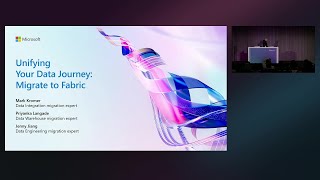
by
Jenny Jiang
(Microsoft)
,
Pushpendra Nagtode
(Statsig)
,
Mark Kromer
(Microsoft)
,
Priyanka Langade
(Microsoft)
Modernizing and migrating from Azure Synapse Gen 2 and Azure Data Factory can be complex. Microsoft Fabric streamlines this journey with a seamless migration experience. In this session, discover key migration scenarios, best practices, and how Fabric serves as a single destination for data integration, transformation, and analytics - helping you modernize your data estate while reducing complexity and accelerating time to value.
The explosive growth of cloud data—and its importance for analytics and AI—demands a new approach to protection and access. Traditional backup tools weren’t built to handle hyperscale workloads, such as Azure Blob Storage and Cosmos DB, resulting in costly silos. Discover how a cloud-native platform delivers hyperscale protection, automates operations, reduces TCO, and turns backups into a live, queryable data lake for analytics in Azure Synapse, Microsoft Fabric, and Azure OpenAI.
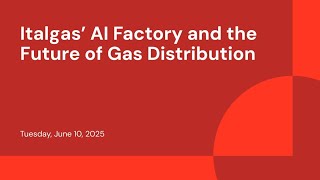
At Italgas, Europe’s leading gas distributor both by network size and number of customers, we are spearheading digital transformation through a state-of-the-art, fully-fledged Databricks Intelligent platform. Achieved 50% cost reduction and 20% performance boost migrating from Azure Synapse to Databricks SQL Deployed 41 ML/GenAI models in production, with 100% of workloads governed by Unity Catalog Empowered 80% of employees with self-service BI through Genie Dashboards Enabled natural language queries for control-room operators analyzing network status The future of gas distribution is data-driven: predictive maintenance, automated operations, and real-time decision making are now realities. Our AI Factory isn't just digitizing infrastructure—it's creating a more responsive, efficient, and sustainable gas network that anticipates needs before they arise.
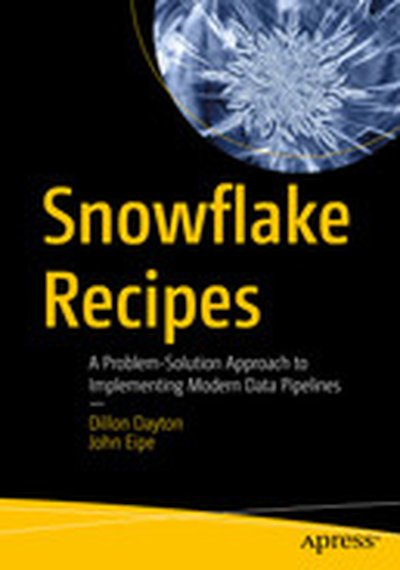
Explore Snowflake’s core concepts and unique features that differentiates it from industry competitors, such as, Azure Synapse and Google BigQuery. This book provides recipes for architecting and developing modern data pipelines on the Snowflake data platform by employing progressive techniques, agile practices, and repeatable strategies. You’ll walk through step-by-step instructions on ready-to-use recipes covering a wide range of the latest development topics. Then build scalable development pipelines and solve specific scenarios common to all modern data platforms, such as, data masking, object tagging, data monetization, and security best practices. Throughout the book you’ll work with code samples for Amazon Web Services, Microsoft Azure, and Google Cloud Platform. There’s also a chapter devoted to solving machine learning problems with Snowflake. Authors Dillon Dayton and John Eipe are both Snowflake SnowPro Core certified, specializing in data and digital services, and understand the challenges of finding the right solution to complex problems. The recipes in this book are based on real world use cases and examples designed to help you provide quality, performant, and secured data to solve business initiatives. What You’ll Learn Handle structured and un- structured data in Snowflake. Apply best practices and different options for data transformation. Understand data application development. Implement data sharing, data governance and security. Who This book Is For Data engineers, scientists and analysts moving into Snowflake, looking to build data apps. This book expects basic knowledge in Cloud (AWS or Azure or GCP), SQL and Python
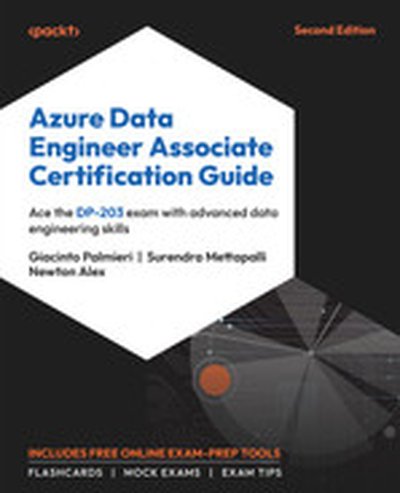
This book is your gateway to mastering the skills required for achieving the Azure Data Engineer Associate certification (DP-203). Whether you're new to the field or a seasoned professional, it comprehensively prepares you for the challenges of the exam. Learn to design and implement advanced data solutions, secure sensitive information, and optimize data processes effectively. What this Book will help me do Understand and utilize Azure's data services such as Azure Synapse and Azure Databricks for data processing. Master advanced data storage and management solutions, including designing partitions and lake architectures. Learn to secure data with state-of-the-art tools like RBAC, encryption, and Azure Purview. Develop and manage data pipelines and workflows using tools like Azure Data Factory (ADF) and Spark. Prepare for and confidently pass the DP-203 certification exam with the included practical resources and guidance. Author(s) The authors, None Palmieri, Surendra Mettapalli, and None Alex, bring a wealth of expertise in cloud and data engineering. With extensive industry experience, they've designed this guide to be both educational and practical, enabling learners to not only understand but also apply concepts in real-world scenarios. Their goal is to make complex topics approachable, supporting your journey to certification success. Who is it for? This guide is perfect for aspiring and current data engineers aiming to achieve the Azure Data Engineer Associate certification (DP-203). It's particularly useful for professionals familiar with cloud services and basic data engineering concepts who want to delve deeper into Azure's offerings. Additionally, managers and learners preparing for roles involving Azure cloud data solutions will find the content invaluable for career advancement.
Send us a text Welcome to the cozy corner of the tech world where ones and zeros mingle with casual chit-chat. Datatopics Unplugged is your go-to spot for relaxed discussions around tech, news, data, and society. Dive into conversations that should flow as smoothly as your morning coffee (but don't), where industry insights meet laid-back banter. Whether you're a data aficionado or just someone curious about the digital age, pull up a chair, relax, and let's get into the heart of data, unplugged style! In this episode #42, titled "Unraveling the Fabric of Data: Microsoft's Ecosystem and Beyond," we're joined once again by the tech maestro and newly minted Microsoft MVP, Sam Debruyn. Sam brings to the table a bevy of updates from his recent accolades to the intricacies of Microsoft's data platforms and the world of SQL.
Biz Buzz: From Reddit's IPO to the performance versus utility debate in database selection, we dissect the big moves shaking up the business side of tech. Read about Reddit's IPO.Microsoft's Fabric Unraveled: Get the lowdown on Microsoft's Fabric, the one-stop AI platform, as Sam Debruyn gives us a deep dive into its capabilities and integration with Azure Databricks and Power BI. Discover more about Fabric and dive into Sam's blog.dbt Developments: Sam talks dbt and the exciting new SQL tool for data pipeline building with upcoming unit testing capabilities.Polaris Project: Delving into Microsoft's internal storage projects, including insights on Polaris and its integration with Synapse SQL. Read the paper here.AI Advances: From the release of Grok-1 and Apple's MM1 AI model to GPT-4's trillion parameters, we discuss the leaps in artificial intelligence.Stability in Motion: After OpenAI's Sora, we look at Stability AI's new venture into motion with Stable Video. Check out Stable Video.Benchmarking Debate: A critical look at performance benchmarks in database selection and the ongoing search for the 'best' database. Contemplate benchmarking perspectives.Versioning Philosophy: Hot takes on semantic versioning and what stability really means in software development. Dive into Semantic Versioning.
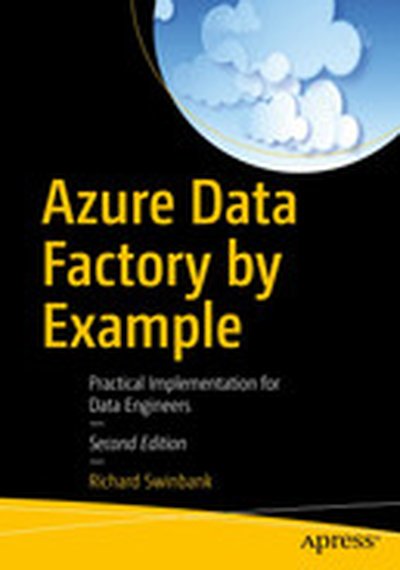
Data engineers who need to hit the ground running will use this book to build skills in Azure Data Factory v2 (ADF). The tutorial-first approach to ADF taken in this book gets you working from the first chapter, explaining key ideas naturally as you encounter them. From creating your first data factory to building complex, metadata-driven nested pipelines, the book guides you through essential concepts in Microsoft’s cloud-based ETL/ELT platform. It introduces components indispensable for the movement and transformation of data in the cloud. Then it demonstrates the tools necessary to orchestrate, monitor, and manage those components. This edition, updated for 2024, includes the latest developments to the Azure Data Factory service: Enhancements to existing pipeline activities such as Execute Pipeline, along with the introduction of new activities such as Script, and activities designed specifically to interact with Azure Synapse Analytics. Improvements to flow control provided by activity deactivation and the Fail activity. The introduction of reusable data flow components such as user-defined functions and flowlets. Extensions to integration runtime capabilities including Managed VNet support. The ability to trigger pipelines in response to custom events. Tools for implementing boilerplate processes such as change data capture and metadata-driven data copying. What You Will Learn Create pipelines, activities, datasets, and linked services Build reusable components using variables, parameters, and expressions Move data into and around Azure services automatically Transform data natively using ADF data flows and Power Query data wrangling Master flow-of-control and triggers for tightly orchestrated pipeline execution Publish and monitor pipelines easily and with confidence Who This Book Is For Data engineers and ETL developers taking their first steps in Azure Data Factory, SQL Server Integration Services users making the transition toward doing ETL in Microsoft’s Azure cloud, and SQL Server database administrators involved in data warehousing and ETL operations
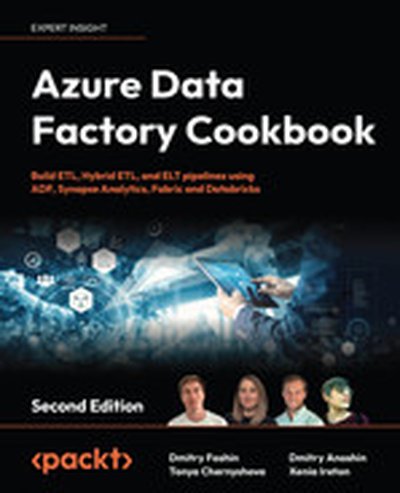
This comprehensive guide to Azure Data Factory shows you how to create robust data pipelines and workflows to handle both cloud and on-premises data solutions. Through practical recipes, you will learn to build, manage, and optimize ETL, hybrid ETL, and ELT processes. The book offers detailed explanations to help you integrate technologies like Azure Synapse, Data Lake, and Databricks into your projects. What this Book will help me do Master building and managing data pipelines using Azure Data Factory's latest versions and features. Leverage Azure Synapse and Azure Data Lake for streamlined data integration and analytics workflows. Enhance your ETL/ELT solutions with Microsoft Fabric, Databricks, and Delta tables. Employ debugging tools and workflows in Azure Data Factory to identify and solve data processing issues efficiently. Implement industry-grade best practices for reliable and efficient data orchestration and integration pipelines. Author(s) Dmitry Foshin, Tonya Chernyshova, Dmitry Anoshin, and Xenia Ireton collectively bring years of expertise in data engineering and cloud-based solutions. They are recognized professionals in the Azure ecosystem, dedicated to sharing their knowledge through detailed and actionable content. Their collaborative approach ensures that this book provides practical insights for technical audiences. Who is it for? This book is ideal for data engineers, ETL developers, and professional architects who work with cloud and hybrid environments. If you're looking to upskill in Azure Data Factory or expand your knowledge into related technologies like Synapse Analytics or Databricks, this is for you. Readers should have a foundational understanding of data warehousing concepts to fully benefit from the material.
Join Roberto Freato in this illuminating session as he guides you on how to implement a Serverless Data Platform with Microsoft Azure. 🚀 Explore the latest insights and tools like Synapse and DataLake Storage to create a custom Data Platform, all while embracing a serverless, consumption-based model for maximum efficiency. 💻🌐 #Azure #ServerlessDataPlatform
✨ H I G H L I G H T S ✨
🙌 A huge shoutout to all the incredible participants who made Big Data Conference Europe 2023 in Vilnius, Lithuania, from November 21-24, an absolute triumph! 🎉 Your attendance and active participation were instrumental in making this event so special. 🌍
Don't forget to check out the session recordings from the conference to relive the valuable insights and knowledge shared! 📽️
Once again, THANK YOU for playing a pivotal role in the success of Big Data Conference Europe 2023. 🚀 See you next year for another unforgettable conference! 📅 #BigDataConference #SeeYouNextYear
Summary
A significant portion of the time spent by data engineering teams is on managing the workflows and operations of their pipelines. DataOps has arisen as a parallel set of practices to that of DevOps teams as a means of reducing wasted effort. Agile Data Engine is a platform designed to handle the infrastructure side of the DataOps equation, as well as providing the insights that you need to manage the human side of the workflow. In this episode Tevje Olin explains how the platform is implemented, the features that it provides to reduce the amount of effort required to keep your pipelines running, and how you can start using it in your own team.
Announcements
Hello and welcome to the Data Engineering Podcast, the show about modern data management RudderStack helps you build a customer data platform on your warehouse or data lake. Instead of trapping data in a black box, they enable you to easily collect customer data from the entire stack and build an identity graph on your warehouse, giving you full visibility and control. Their SDKs make event streaming from any app or website easy, and their extensive library of integrations enable you to automatically send data to hundreds of downstream tools. Sign up free at dataengineeringpodcast.com/rudderstack Your host is Tobias Macey and today I'm interviewing Tevje Olin about Agile Data Engine, a platform that combines data modeling, transformations, continuous delivery and workload orchestration to help you manage your data products and the whole lifecycle of your warehouse
Interview
Introduction How did you get involved in the area of data management? Can you describe what Agile Data Engine is and the story behind it? What are some of the tools and architectures that an organization might be able to replace with Agile Data Engine?
How does the unified experience of Agile Data Engine change the way that teams think about the lifecycle of their data? What are some of the types of experiments that are enabled by reduced operational overhead?
What does CI/CD look like for a data warehouse?
How is it different from CI/CD for software applications?
Can you describe how Agile Data Engine is architected?
How have the design and goals of the system changed since you first started working on it? What are the components that you needed to develop in-house to enable your platform goals?
What are the changes in the broader data ecosystem that have had the most influence on your product goals and customer adoption? Can you describe the workflow for a team that is using Agile Data Engine to power their business analytics?
What are some of the insights that you generate to help your customers understand how to improve their processes or identify new opportunities?
In your "about" page it mentions the unique approaches that you take for warehouse automation. How do your practices differ from the rest of the industry? How have changes in the adoption/implementation of ML and AI impacted the ways that your customers exercise your platform? What are the most interesting, innovative, or unexpected ways that you have seen the Agile Data Engine platform used? What are the most interesting, unexpected, or challenging lessons that you have learned while working on Agile Data Engine? When is Agile Data Engine the wrong choice? What do you have planned for the future of Agile Data Engine?
Guest Contact Info
Parting Question
From your perspective, what is the biggest gap in the tooling or technology for data management today?
About Agile Data Engine
Agile Data Engine unlocks the potential of your data to drive business value - in a rapidly changing world. Agile Data Engine is a DataOps Management platform for designing, deploying, operating and managing data products, and managing the whole lifecycle of a data warehouse. It combines data modeling, transformations, continuous delivery and workload orchestration into the same platform.
Links
Agile Data Engine Bill Inmon Ralph Kimball Snowflake Redshift BigQuery Azure Synapse Airflow
The intro and outro music is from The Hug by The Freak Fandango Orchestra / CC BY-SA
Sponsored By:
Rudderstack: 
RudderStack provides all your customer data pipelines in one platform. You can collect, transform, and route data across your entire stack with its event streaming, ETL, and reverse ETL pipelines.
RudderStack’s warehouse-first approach means it does not store sensitive information, and it allows you to leverage your existing data warehouse/data lake infrastructure to build a single source of truth for every team.
RudderStack also supports real-time use cases. You can Implement RudderStack SDKs once, then automatically send events to your warehouse and 150+ business tools, and you’ll never have to worry about API changes again.
Visit dataengineeringpodcast.com/rudderstack to sign up for free today, and snag a free T-Shirt just for being a Data Engineering Podcast listener.Support Data Engineering Podcast
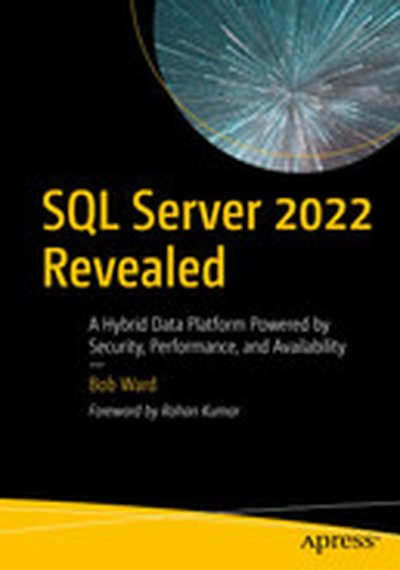
Know how to use the new capabilities and cloud integrations in SQL Server 2022. This book covers the many innovative integrations with the Azure Cloud that make SQL Server 2022 the most cloud-connected edition ever. The book covers cutting-edge features such as the blockchain-based Ledger for creating a tamper-evident record of changes to data over time that you can rely on to be correct and reliable. You'll learn about built-in Query Intelligence capabilities to help you to upgrade with confidence that your applications will perform at least as fast after the upgrade than before. In fact, you'll probably see an increase in performance from the upgrade, with no code changes needed. Also covered are innovations such as contained availability groups and data virtualization with S3 object storage. New cloud integrations covered in this book include Microsoft Azure Purview and the use of Azure SQL for high availability and disaster recovery. The bookcovers Azure Synapse Link with its built-in capabilities to take changes and put them into Synapse automatically. Anyone building their career around SQL Server will want this book for the valuable information it provides on building SQL skills from edge to the cloud. What You Will Learn Know how to use all of the new capabilities and cloud integrations in SQL Server 2022 Connect to Azure for disaster recovery, near real-time analytics, and security Leverage the Ledger to create a tamper-evident record of data changes over time Upgrade from prior releases and achieve faster and more consistent performance with no code changes Access data and storage in different and new formats, such as Parquet and S3, without moving the data and using your existing T-SQL skills Explore new application scenarios using innovations with T-SQL in areassuch as JSON and time series Who This Book Is For SQL Server professionals who want to upgrade their skills to the latest edition of SQL Server; those wishing to take advantage of new integrations with Microsoft Azure Purview (governance), Azure Synapse (analytics), and Azure SQL (HA and DR); and those in need of the increased performance and security offered by Query Intelligence and the new Ledger
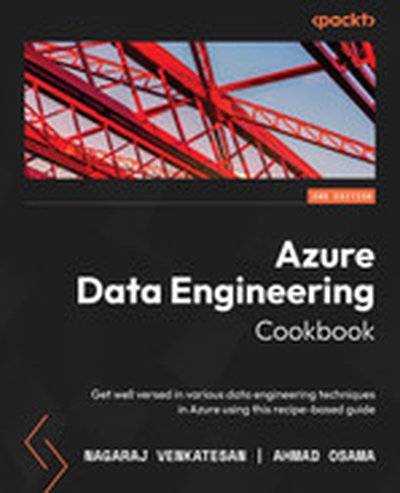
Azure Data Engineering Cookbook is your ultimate guide to mastering data engineering on Microsoft's Azure platform. Through an engaging collection of recipes, this book breaks down procedures to build sophisticated data pipelines, leveraging tools like Azure Data Factory, Data Lake, Databricks, and Synapse Analytics. What this Book will help me do Efficiently process large datasets using Azure Synapse analytics and Azure Databricks pipelines. Transform and shape data within systems by leveraging Azure Synapse data flows. Implement and manage relational databases in Azure with performance tuning and administration. Configure data pipeline solutions integrated with Power BI for insightful reporting. Monitor, optimize, and ensure lineage tracking for your data systems efficiently with Purview and Log analytics. Author(s) Nagaraj Venkatesan is an experienced cloud architect specializing in Microsoft Azure, with years of hands-on data engineering expertise. Ahmad Osama is a seasoned data professional and author's shared emphasis is on practical learning and bridging this with actionable skills effectively. Who is it for? This book is essential for data engineers seeking expertise in Azure's rich engineering capabilities. It's tailored for professionals with a foundational knowledge of cloud services, looking to achieve advanced proficiency in Azure data engineering pipelines.
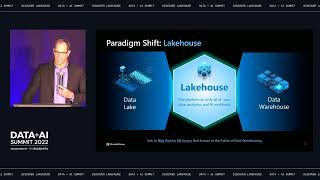
Azure Databricks is an easy, open, and collaborative service for data, analytics & AI use cases, enabled by Lakehouse architecture. Join this session to discover how you can get the most out of your Azure investments by combining the best of Azure Synapse Analytics, Azure Databricks and Power BI for building a complete analytics & AI solution based on Lakehouse architecture.
Connect with us: Website: https://databricks.com Facebook: https://www.facebook.com/databricksinc Twitter: https://twitter.com/databricks LinkedIn: https://www.linkedin.com/company/data... Instagram: https://www.instagram.com/databricksinc/
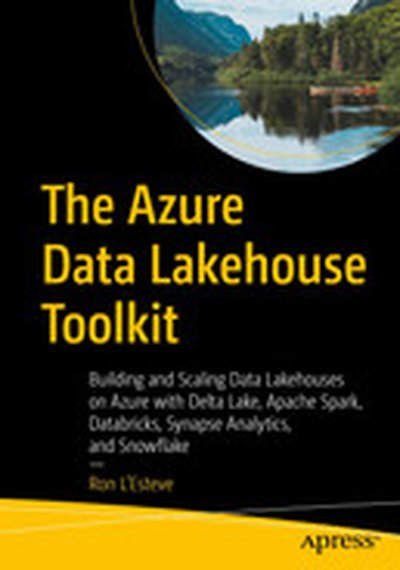
Design and implement a modern data lakehouse on the Azure Data Platform using Delta Lake, Apache Spark, Azure Databricks, Azure Synapse Analytics, and Snowflake. This book teaches you the intricate details of the Data Lakehouse Paradigm and how to efficiently design a cloud-based data lakehouse using highly performant and cutting-edge Apache Spark capabilities using Azure Databricks, Azure Synapse Analytics, and Snowflake. You will learn to write efficient PySpark code for batch and streaming ELT jobs on Azure. And you will follow along with practical, scenario-based examples showing how to apply the capabilities of Delta Lake and Apache Spark to optimize performance, and secure, share, and manage a high volume, high velocity, and high variety of data in your lakehouse with ease. The patterns of success that you acquire from reading this book will help you hone your skills to build high-performing and scalable ACID-compliant lakehouses using flexible and cost-efficient decoupled storage and compute capabilities. Extensive coverage of Delta Lake ensures that you are aware of and can benefit from all that this new, open source storage layer can offer. In addition to the deep examples on Databricks in the book, there is coverage of alternative platforms such as Synapse Analytics and Snowflake so that you can make the right platform choice for your needs. After reading this book, you will be able to implement Delta Lake capabilities, including Schema Evolution, Change Feed, Live Tables, Sharing, and Clones to enable better business intelligence and advanced analytics on your data within the Azure Data Platform. What You Will Learn Implement the Data Lakehouse Paradigm on Microsoft’s Azure cloud platform Benefit from the new Delta Lake open-source storage layer for data lakehouses Take advantage of schema evolution, change feeds, live tables, and more Writefunctional PySpark code for data lakehouse ELT jobs Optimize Apache Spark performance through partitioning, indexing, and other tuning options Choose between alternatives such as Databricks, Synapse Analytics, and Snowflake Who This Book Is For Data, analytics, and AI professionals at all levels, including data architect and data engineer practitioners. Also for data professionals seeking patterns of success by which to remain relevant as they learn to build scalable data lakehouses for their organizations and customers who are migrating into the modern Azure Data Platform.
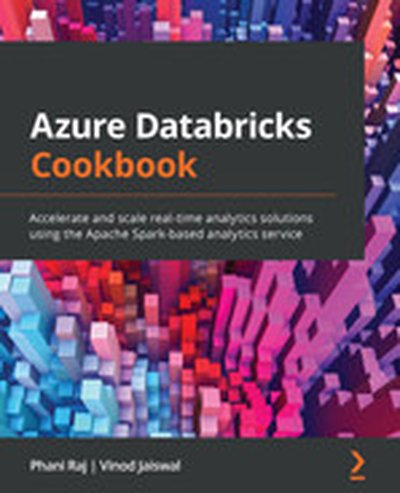
Azure Databricks is a robust analytics platform that leverages Apache Spark and seamlessly integrates with Azure services. In the Azure Databricks Cookbook, you'll find hands-on recipes to ingest data, build modern data pipelines, and perform real-time analytics while learning to optimize and secure your solutions. What this Book will help me do Design advanced data workflows integrating Azure Synapse, Cosmos DB, and streaming sources with Databricks. Gain proficiency in using Delta Tables and Spark for efficient data storage and analysis. Learn to create, deploy, and manage real-time dashboards with Databricks SQL. Master CI/CD pipelines for automating deployments of Databricks solutions. Understand security best practices for restricting access and monitoring Azure Databricks. Author(s) None Raj and None Jaiswal are experienced professionals in the field of big data and analytics. They are well-versed in implementing Azure Databricks solutions for real-world problems. Their collaborative writing approach ensures clarity and practical focus. Who is it for? This book is tailored for data engineers, scientists, and big data professionals who want to apply Azure Databricks and Apache Spark to their analytics workflows. A basic familiarity with Spark and Azure is recommended to make the best use of the recipes provided. If you're looking to scale and optimize your analytics pipelines, this book is for you.
Build efficient and scalable batch and real-time data ingestion pipelines, DevOps continuous integration and deployment pipelines, and advanced analytics solutions on the Azure Data Platform. This book teaches you to design and implement robust data engineering solutions using Data Factory, Databricks, Synapse Analytics, Snowflake, Azure SQL database, Stream Analytics, Cosmos database, and Data Lake Storage Gen2. You will learn how to engineer your use of these Azure Data Platform components for optimal performance and scalability. You will also learn to design self-service capabilities to maintain and drive the pipelines and your workloads. The approach in this book is to guide you through a hands-on, scenario-based learning process that will empower you to promote digital innovation best practices while you work through your organization’s projects, challenges, and needs. The clear examples enable you to use this book as a reference and guide for building data engineering solutions in Azure. After reading this book, you will have a far stronger skill set and confidence level in getting hands on with the Azure Data Platform. What You Will Learn Build dynamic, parameterized ELT data ingestion orchestration pipelines in Azure Data Factory Create data ingestion pipelines that integrate control tables for self-service ELT Implement a reusable logging framework that can be applied to multiple pipelines Integrate Azure Data Factory pipelines with a variety of Azure data sources and tools Transform data with Mapping Data Flows in Azure Data Factory Apply Azure DevOps continuous integration and deployment practices to your Azure Data Factory pipelines and development SQL databases Design and implement real-time streaming and advanced analytics solutions using Databricks, Stream Analytics, and Synapse Analytics Get started with a variety of Azure data services through hands-on examples Who This Book Is For Data engineers and data architects who are interested in learning architectural and engineering best practices around ELT and ETL on the Azure Data Platform, those who are creating complex Azure data engineering projects and are searching for patterns of success, and aspiring cloud and data professionals involved in data engineering, data governance, continuous integration and deployment of DevOps practices, and advanced analytics who want a full understanding of the many different tools and technologies that Azure Data Platform provides
Data Modeling for Azure Data Services is an essential guide that delves into the intricacies of designing, provisioning, and implementing robust data solutions within the Azure ecosystem. Through practical examples and hands-on exercises, this book equips you with the knowledge to create scalable, performant, and adaptable database designs tailored to your business needs. What this Book will help me do Understand and apply normalization, dimensional modeling, and data vault modeling for relational databases. Learn to provision and implement scalable solutions like Azure SQL DB and Azure Synapse SQL Pool. Master how to design and model a Data Lake using Azure Storage efficiently. Gain expertise in NoSQL database modeling and implementing solutions using Azure Cosmos DB. Develop ETL/ELT processes effectively using Azure Data Factory to support data integration workflows. Author(s) None Braake brings a wealth of expertise as a data architect and cloud solutions builder specializing in Azure's data services. With hands-on experience in projects requiring sophisticated data modeling and optimization, None crafts detailed learning material to help professionals level up their database design and Azure deployment skills. Dedicated to explaining complex topics with clarity and approachable language, None ensures that the learners gain not just knowledge but applied competence. Who is it for? This book is a valuable resource for business intelligence developers, data architects, and consultants aiming to refine their skills in data modeling within modern cloud ecosystems, particularly Microsoft Azure. Whether you're a beginner with some foundational cloud data management knowledge or an experienced professional seeking to deepen your Azure data services proficiency, this book caters to your learning needs.
Learn about business intelligence (BI) features in T-SQL and how they can help you with data science and analytics efforts without the need to bring in other languages such as R and Python. This book shows you how to compute statistical measures using your existing skills in T-SQL. You will learn how to calculate descriptive statistics, including centers, spreads, skewness, and kurtosis of distributions. You will also learn to find associations between pairs of variables, including calculating linear regression formulas and confidence levels with definite integration. No analysis is good without data quality. Advanced Analytics with Transact-SQL introduces data quality issues and shows you how to check for completeness and accuracy, and measure improvements in data quality over time. The book also explains how to optimize queries involving temporal data, such as when you search for overlapping intervals. More advanced time-oriented information in the book includes hazard and survival analysis. Forecasting with exponential moving averages and autoregression is covered as well. Every web/retail shop wants to know the products customers tend to buy together. Trying to predict the target discrete or continuous variable with few input variables is important for practically every type of business. This book helps you understand data science and the advanced algorithms use to analyze data, and terms such as data mining, machine learning, and text mining. Key to many of the solutions in this book are T-SQL window functions. Author Dejan Sarka demonstrates efficient statistical queries that are based on window functions and optimized through algorithms built using mathematical knowledge and creativity. The formulas and usage of those statistical procedures are explained so you can understand and modify the techniques presented. T-SQL is supported in SQL Server,Azure SQL Database, and in Azure Synapse Analytics. There are so many BI features in T-SQL that it might become your primary analytic database language. If you want to learn how to get information from your data with the T-SQL language that you already are familiar with, then this is the book for you. What You Will Learn Describe distribution of variables with statistical measures Find associations between pairs of variables Evaluate the quality of the data you are analyzing Perform time-series analysis on your data Forecast values of a continuous variable Perform market-basket analysis to predict customer purchasing patterns Predict target variable outcomes from one or more input variables Categorize passages of text by extracting and analyzing keywords Who This Book Is For Database developers and database administrators who want to translate their T-SQL skills into the world of business intelligence (BI) and data science. For readers who want to analyze large amounts of data efficiently by using their existing knowledge of T-SQL and Microsoft’s various database platforms such as SQL Server and Azure SQL Database. Also for readers who want to improve their querying by learning new and original optimization techniques.