talk-data.com talk-data.com

Topic

data-lake

35

tagged

Activity Trend

1 peak/qtr
2020-Q1 2026-Q1

Activities

35 activities · Newest first

Engineering Lakehouses with Open Table Formats

Engineering Lakehouses with Open Table Formats introduces the architecture and capabilities of open table formats like Apache Iceberg, Apache Hudi, and Delta Lake. The book guides you through the design, implementation, and optimization of lakehouses that can handle modern data processing requirements effectively with real-world practical insights. What this Book will help me do Understand the fundamentals of open table formats and their benefits in lakehouse architecture. Learn how to implement performant data processing using tools like Apache Spark and Flink. Master advanced topics like indexing, partitioning, and interoperability between data formats. Explore data lifecycle management and integration with frameworks like Apache Airflow and dbt. Build secure lakehouses with regulatory compliance using best practices detailed in the book. Author(s) Dipankar Mazumdar and Vinoth Govindarajan are seasoned professionals with extensive experience in big data processing and software architecture. They bring their expertise from working with data lakehouses and are known for their ability to explain complex technical concepts clearly. Their collaborative approach brings valuable insights into the latest trends in data management. Who is it for? This book is ideal for data engineers, architects, and software professionals aiming to master modern lakehouse architectures. If you are familiar with data lakes or warehouses and wish to transition to an open data architectural design, this book is suited for you. Readers should have basic knowledge of databases, Python, and Apache Spark for the best experience.
Apache Polaris: The Definitive Guide

Revolutionize your understanding of modern data management with Apache Polaris (incubating), the open source catalog designed for data lakehouse industry standard Apache Iceberg. This comprehensive guide takes you on a journey through the intricacies of Apache Iceberg data lakehouses, highlighting the pivotal role of Iceberg catalogs. Authors Alex Merced, Andrew Madson, and Tomer Shiran explore Apache Polaris's architecture and features in detail, equipping you with the knowledge needed to leverage its full potential. Data engineers, data architects, data scientists, and data analysts will learn how to seamlessly integrate Apache Polaris with popular data tools like Apache Spark, Snowflake, and Dremio to enhance data management capabilities, optimize workflows, and secure datasets. Get a comprehensive introduction to Iceberg data lakehouses Understand how catalogs facilitate efficient data management and querying in Iceberg Explore Apache Polaris's unique architecture and its powerful features Deploy Apache Polaris locally, and deploy managed Apache Polaris from Snowflake and Dremio Perform basic table operations on Apache Spark, Snowflake, and Dremio

Building Modern Data Applications Using Databricks Lakehouse

This book, "Building Modern Data Applications Using Databricks Lakehouse," provides a comprehensive guide for data professionals to master the Databricks platform. You'll learn to effectively build, deploy, and monitor robust data pipelines with Databricks' Delta Live Tables, empowering you to manage and optimize cloud-based data operations effortlessly. What this Book will help me do Understand the foundations and concepts of Delta Live Tables and its role in data pipeline development. Learn workflows to process and transform real-time and batch data efficiently using the Databricks lakehouse architecture. Master the implementation of Unity Catalog for governance and secure data access in modern data applications. Deploy and automate data pipeline changes using CI/CD, leveraging tools like Terraform and Databricks Asset Bundles. Gain advanced insights in monitoring data quality and performance, optimizing cloud costs, and managing DataOps tasks effectively. Author(s) Will Girten, the author, is a seasoned Solutions Architect at Databricks with over a decade of experience in data and AI systems. With a deep expertise in modern data architectures, Will is adept at simplifying complex topics and translating them into actionable knowledge. His books emphasize real-time application and offer clear, hands-on examples, making learning engaging and impactful. Who is it for? This book is geared towards data engineers, analysts, and DataOps professionals seeking efficient strategies to implement and maintain robust data pipelines. If you have a basic understanding of Python and Apache Spark and wish to delve deeper into the Databricks platform for streamlining workflows, this book is tailored for you.

Practical Lakehouse Architecture

This concise yet comprehensive guide explains how to adopt a data lakehouse architecture to implement modern data platforms. It reviews the design considerations, challenges, and best practices for implementing a lakehouse and provides key insights into the ways that using a lakehouse can impact your data platform, from managing structured and unstructured data and supporting BI and AI/ML use cases to enabling more rigorous data governance and security measures. Practical Lakehouse Architecture shows you how to: Understand key lakehouse concepts and features like transaction support, time travel, and schema evolution Understand the differences between traditional and lakehouse data architectures Differentiate between various file formats and table formats Design lakehouse architecture layers for storage, compute, metadata management, and data consumption Implement data governance and data security within the platform Evaluate technologies and decide on the best technology stack to implement the lakehouse for your use case Make critical design decisions and address practical challenges to build a future-ready data platform Start your lakehouse implementation journey and migrate data from existing systems to the lakehouse

Apache Iceberg: The Definitive Guide

Traditional data architecture patterns are severely limited. To use these patterns, you have to ETL data into each tool—a cost-prohibitive process for making warehouse features available to all of your data. The lack of flexibility with these patterns requires you to lock into a set of priority tools and formats, which creates data silos and data drift. This practical book shows you a better way. Apache Iceberg provides the capabilities, performance, scalability, and savings that fulfill the promise of an open data lakehouse. By following the lessons in this book, you'll be able to achieve interactive, batch, machine learning, and streaming analytics with this high-performance open source format. Authors Tomer Shiran, Jason Hughes, and Alex Merced from Dremio show you how to get started with Iceberg. With this book, you'll learn: The architecture of Apache Iceberg tables What happens under the hood when you perform operations on Iceberg tables How to further optimize Iceberg tables for maximum performance How to use Iceberg with popular data engines such as Apache Spark, Apache Flink, and Dremio Discover why Apache Iceberg is a foundational technology for implementing an open data lakehouse.

Azure Data Factory by Example: Practical Implementation for Data Engineers

Data engineers who need to hit the ground running will use this book to build skills in Azure Data Factory v2 (ADF). The tutorial-first approach to ADF taken in this book gets you working from the first chapter, explaining key ideas naturally as you encounter them. From creating your first data factory to building complex, metadata-driven nested pipelines, the book guides you through essential concepts in Microsoft’s cloud-based ETL/ELT platform. It introduces components indispensable for the movement and transformation of data in the cloud. Then it demonstrates the tools necessary to orchestrate, monitor, and manage those components. This edition, updated for 2024, includes the latest developments to the Azure Data Factory service: Enhancements to existing pipeline activities such as Execute Pipeline, along with the introduction of new activities such as Script, and activities designed specifically to interact with Azure Synapse Analytics. Improvements to flow control provided by activity deactivation and the Fail activity. The introduction of reusable data flow components such as user-defined functions and flowlets. Extensions to integration runtime capabilities including Managed VNet support. The ability to trigger pipelines in response to custom events. Tools for implementing boilerplate processes such as change data capture and metadata-driven data copying. What You Will Learn Create pipelines, activities, datasets, and linked services Build reusable components using variables, parameters, and expressions Move data into and around Azure services automatically Transform data natively using ADF data flows and Power Query data wrangling Master flow-of-control and triggers for tightly orchestrated pipeline execution Publish and monitor pipelines easily and with confidence Who This Book Is For Data engineers and ETL developers taking their first steps in Azure Data Factory, SQL Server Integration Services users making the transition toward doing ETL in Microsoft’s Azure cloud, and SQL Server database administrators involved in data warehousing and ETL operations

Azure Data Factory Cookbook - Second Edition

This comprehensive guide to Azure Data Factory shows you how to create robust data pipelines and workflows to handle both cloud and on-premises data solutions. Through practical recipes, you will learn to build, manage, and optimize ETL, hybrid ETL, and ELT processes. The book offers detailed explanations to help you integrate technologies like Azure Synapse, Data Lake, and Databricks into your projects. What this Book will help me do Master building and managing data pipelines using Azure Data Factory's latest versions and features. Leverage Azure Synapse and Azure Data Lake for streamlined data integration and analytics workflows. Enhance your ETL/ELT solutions with Microsoft Fabric, Databricks, and Delta tables. Employ debugging tools and workflows in Azure Data Factory to identify and solve data processing issues efficiently. Implement industry-grade best practices for reliable and efficient data orchestration and integration pipelines. Author(s) Dmitry Foshin, Tonya Chernyshova, Dmitry Anoshin, and Xenia Ireton collectively bring years of expertise in data engineering and cloud-based solutions. They are recognized professionals in the Azure ecosystem, dedicated to sharing their knowledge through detailed and actionable content. Their collaborative approach ensures that this book provides practical insights for technical audiences. Who is it for? This book is ideal for data engineers, ETL developers, and professional architects who work with cloud and hybrid environments. If you're looking to upskill in Azure Data Factory or expand your knowledge into related technologies like Synapse Analytics or Databricks, this is for you. Readers should have a foundational understanding of data warehousing concepts to fully benefit from the material.

Deciphering Data Architectures

Data fabric, data lakehouse, and data mesh have recently appeared as viable alternatives to the modern data warehouse. These new architectures have solid benefits, but they're also surrounded by a lot of hyperbole and confusion. This practical book provides a guided tour of these architectures to help data professionals understand the pros and cons of each. James Serra, big data and data warehousing solution architect at Microsoft, examines common data architecture concepts, including how data warehouses have had to evolve to work with data lake features. You'll learn what data lakehouses can help you achieve, as well as how to distinguish data mesh hype from reality. Best of all, you'll be able to determine the most appropriate data architecture for your needs. With this book, you'll: Gain a working understanding of several data architectures Learn the strengths and weaknesses of each approach Distinguish data architecture theory from reality Pick the best architecture for your use case Understand the differences between data warehouses and data lakes Learn common data architecture concepts to help you build better solutions Explore the historical evolution and characteristics of data architectures Learn essentials of running an architecture design session, team organization, and project success factors Free from product discussions, this book will serve as a timeless resource for years to come.

Practical Implementation of a Data Lake: Translating Customer Expectations into Tangible Technical Goals

This book explains how to implement a data lake strategy, covering the technical and business challenges architects commonly face. It also illustrates how and why client requirements should drive architectural decisions. Drawing upon a specific case from his own experience, author Nayanjyoti Paul begins with the consideration from which all subsequent decisions should flow: what does your customer need? He also describes the importance of identifying key stakeholders and the key points to focus on when starting a new project. Next, he takes you through the business and technical requirement-gathering process, and how to translate customer expectations into tangible technical goals. From there, you’ll gain insight into the security model that will allow you to establish security and legal guardrails, as well as different aspects of security from the end user’s perspective. You’ll learn which organizational roles need to be onboarded into the data lake, their responsibilities, the services they need access to, and how the hierarchy of escalations should work. Subsequent chapters explore how to divide your data lakes into zones, organize data for security and access, manage data sensitivity, and techniques used for data obfuscation. Audit and logging capabilities in the data lake are also covered before a deep dive into designing data lakes to handle multiple kinds and file formats and access patterns. The book concludes by focusing on production operationalization and solutions to implement a production setup. After completing this book, you will understand how to implement a data lake, the best practices to employ while doing so, and will be armed with practical tips to solve business problems. What You Will Learn Understand the challenges associated with implementing a data lake Explore the architectural patterns and processes used to design a new data lake Design and implement data lake capabilities Associate business requirements with technical deliverables to drive success Who This Book Is For Data Scientists and Architects, Machine Learning Engineers, and Software Engineers.

The Cloud Data Lake

More organizations than ever understand the importance of data lake architectures for deriving value from their data. Building a robust, scalable, and performant data lake remains a complex proposition, however, with a buffet of tools and options that need to work together to provide a seamless end-to-end pipeline from data to insights. This book provides a concise yet comprehensive overview on the setup, management, and governance of a cloud data lake. Author Rukmani Gopalan, a product management leader and data enthusiast, guides data architects and engineers through the major aspects of working with a cloud data lake, from design considerations and best practices to data format optimizations, performance optimization, cost management, and governance. Learn the benefits of a cloud-based big data strategy for your organization Get guidance and best practices for designing performant and scalable data lakes Examine architecture and design choices, and data governance principles and strategies Build a data strategy that scales as your organizational and business needs increase Implement a scalable data lake in the cloud Use cloud-based advanced analytics to gain more value from your data

Unlock Complex and Streaming Data with Declarative Data Pipelines

Unlocking the value of modern data is critical for data-driven companies. This report provides a concise, practical guide to building a data architecture that efficiently delivers big, complex, and streaming data to both internal users and customers. Authors Ori Rafael, Roy Hasson, and Rick Bilodeau from Upsolver examine how modern data pipelines can improve business outcomes. Tech leaders and data engineers will explore the role these pipelines play in the data architecture and learn how to intelligently consider tradeoffs between different data architecture patterns and data pipeline development approaches. You will: Examine how recent changes in data, data management systems, and data consumption patterns have made data pipelines challenging to engineer Learn how three data architecture patterns (event sourcing, stateful streaming, and declarative data pipelines) can help you upgrade your practices to address modern data Compare five approaches for building modern data pipelines, including pure data replication, ELT over a data warehouse, Apache Spark over data lakes, declarative pipelines over data lakes, and declarative data lake staging to a data warehouse

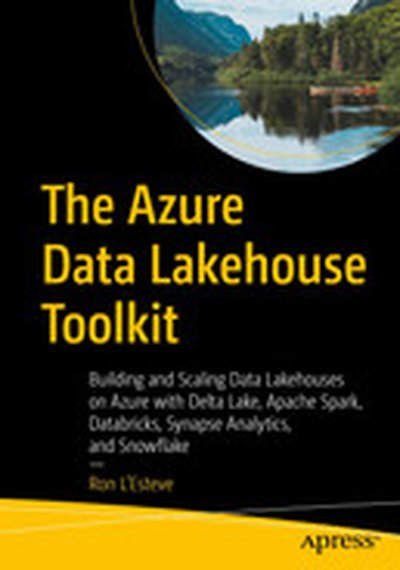
The Azure Data Lakehouse Toolkit: Building and Scaling Data Lakehouses on Azure with Delta Lake, Apache Spark, Databricks, Synapse Analytics, and Snowflake

Design and implement a modern data lakehouse on the Azure Data Platform using Delta Lake, Apache Spark, Azure Databricks, Azure Synapse Analytics, and Snowflake. This book teaches you the intricate details of the Data Lakehouse Paradigm and how to efficiently design a cloud-based data lakehouse using highly performant and cutting-edge Apache Spark capabilities using Azure Databricks, Azure Synapse Analytics, and Snowflake. You will learn to write efficient PySpark code for batch and streaming ELT jobs on Azure. And you will follow along with practical, scenario-based examples showing how to apply the capabilities of Delta Lake and Apache Spark to optimize performance, and secure, share, and manage a high volume, high velocity, and high variety of data in your lakehouse with ease. The patterns of success that you acquire from reading this book will help you hone your skills to build high-performing and scalable ACID-compliant lakehouses using flexible and cost-efficient decoupled storage and compute capabilities. Extensive coverage of Delta Lake ensures that you are aware of and can benefit from all that this new, open source storage layer can offer. In addition to the deep examples on Databricks in the book, there is coverage of alternative platforms such as Synapse Analytics and Snowflake so that you can make the right platform choice for your needs. After reading this book, you will be able to implement Delta Lake capabilities, including Schema Evolution, Change Feed, Live Tables, Sharing, and Clones to enable better business intelligence and advanced analytics on your data within the Azure Data Platform. What You Will Learn Implement the Data Lakehouse Paradigm on Microsoft’s Azure cloud platform Benefit from the new Delta Lake open-source storage layer for data lakehouses Take advantage of schema evolution, change feeds, live tables, and more Writefunctional PySpark code for data lakehouse ELT jobs Optimize Apache Spark performance through partitioning, indexing, and other tuning options Choose between alternatives such as Databricks, Synapse Analytics, and Snowflake Who This Book Is For Data, analytics, and AI professionals at all levels, including data architect and data engineer practitioners. Also for data professionals seeking patterns of success by which to remain relevant as they learn to build scalable data lakehouses for their organizations and customers who are migrating into the modern Azure Data Platform.

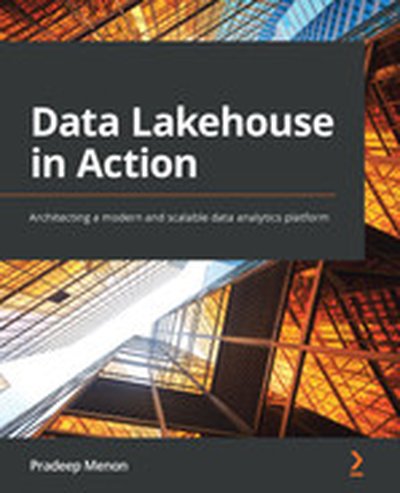
Data Lakehouse in Action

"Data Lakehouse in Action" provides a comprehensive exploration of the Data Lakehouse architecture, a modern solution for scalable and effective large-scale analytics. This book guides you through understanding the principles and components of the architecture, and its implementation using cloud platforms like Azure. Learn the practical techniques for designing robust systems tailored to organizational needs and maturity. What this Book will help me do Understand the evolution and need for modern data architecture patterns like Data Lakehouse. Learn how to design systems for data ingestion, storage, processing, and serving in a Data Lakehouse. Develop best practices for data governance and security in the Data Lakehouse architecture. Discover various analytics workflows enabled by the Data Lakehouse, including real-time and batch approaches. Implement practical Data Lakehouse patterns on a cloud platform, and integrate them with macro-patterns such as Data Mesh. Author(s) Pradeep Menon is a seasoned data architect and engineer with extensive experience implementing data analytics solutions for leading companies. With a penchant for simplifying complex architectures, Pradeep has authored several technical publications and frequently shares his expertise at industry conferences. His hands-on approach and passion for teaching shine through in his practical guides. Who is it for? This book is ideal for data professionals including architects, engineers, and data strategists eager to enhance their knowledge in modern analytics platforms. If you have a basic understanding of data architecture and are curious about implementing systems governed by the Data Lakehouse paradigm, this book is for you. It bridges foundational concepts with advanced practices, making it suitable for learners aiming to contribute effectively to their organization's analytics efforts.

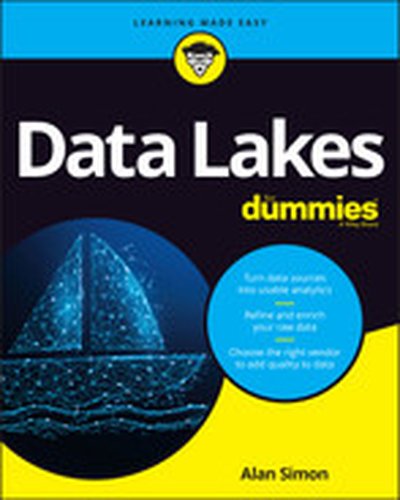
Data Lakes For Dummies

Take a dive into data lakes “Data lakes” is the latest buzz word in the world of data storage, management, and analysis. Data Lakes For Dummies decodes and demystifies the concept and helps you get a straightforward answer the question: “What exactly is a data lake and do I need one for my business?” Written for an audience of technology decision makers tasked with keeping up with the latest and greatest data options, this book provides the perfect introductory survey of these novel and growing features of the information landscape. It explains how they can help your business, what they can (and can’t) achieve, and what you need to do to create the lake that best suits your particular needs. With a minimum of jargon, prolific tech author and business intelligence consultant Alan Simon explains how data lakes differ from other data storage paradigms. Once you’ve got the background picture, he maps out ways you can add a data lake to your business systems; migrate existing information and switch on the fresh data supply; clean up the product; and open channels to the best intelligence software for to interpreting what you’ve stored. Understand and build data lake architecture Store, clean, and synchronize new and existing data Compare the best data lake vendors Structure raw data and produce usable analytics Whatever your business, data lakes are going to form ever more prominent parts of the information universe every business should have access to. Dive into this book to start exploring the deep competitive advantage they make possible—and make sure your business isn’t left standing on the shore.

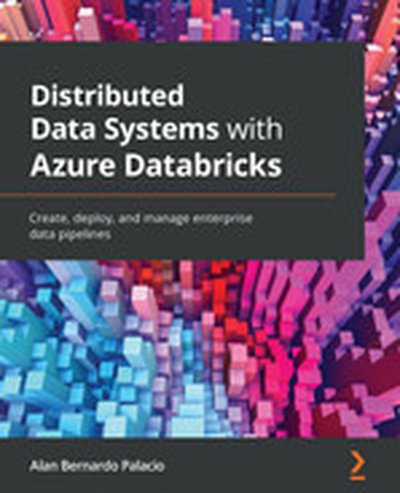
Distributed Data Systems with Azure Databricks

In 'Distributed Data Systems with Azure Databricks', you will explore the capabilities of Microsoft Azure Databricks as a platform for building and managing big data pipelines. Learn how to process, transform, and analyze data at scale while developing expertise in training distributed machine learning models and integrating them into enterprise workflows. What this Book will help me do Design and implement Extract, Transform, Load (ETL) pipelines using Azure Databricks. Conduct distributed training of machine learning models using TensorFlow and Horovod. Integrate Azure Databricks with Azure Data Factory for optimized data pipeline orchestration. Utilize Delta Engine for efficient querying and analysis of data within Delta Lake. Employ Databricks Structured Streaming to manage real-time production-grade data flows. Author(s) None Palacio is an experienced data engineer and cloud computing specialist, with extensive knowledge of the Microsoft Azure platform. With years of practical application of Databricks in enterprise settings, Palacio provides clear, actionable insights through relatable examples. They bring a passion for innovative solutions to the field of big data automation. Who is it for? This book is ideal for data engineers, machine learning engineers, and software developers looking to master Azure Databricks for large-scale data processing and analysis. Readers should have basic familiarity with cloud platforms, understanding of data pipelines, and a foundational grasp of Python and machine learning concepts. It is perfect for those wanting to create scalable and manageable data workflows.

What Is a Data Lake?

A revolution is occurring in data management regarding how data is collected, stored, processed, governed, managed, and provided to decision makers. The data lake is a popular approach that harnesses the power of big data and marries it with the agility of self-service. With this report, IT executives and data architects will focus on the technical aspects of building a data lake for your organization. Alex Gorelik from Facebook explains the requirements for building a successful data lake that business users can easily access whenever they have a need. You'll learn the phases of data lake maturity, common mistakes that lead to data swamps, and the importance of aligning data with your company's business strategy and gaining executive sponsorship. You'll explore: The ingredients of modern data lakes, such as the use of different ingestion methods for different data formats, and the importance of the three Vs: volume, variety, and velocity Building blocks of successful data lakes, including data ingestion, integration, persistence, data governance, and business intelligence and self-service analytics State-of-the-art data lake architectures offered by Amazon Web Services, Microsoft Azure, and Google Cloud

Data Lake Analytics on Microsoft Azure: A Practitioner's Guide to Big Data Engineering

Get a 360-degree view of how the journey of data analytics solutions has evolved from monolithic data stores and enterprise data warehouses to data lakes and modern data warehouses. You will This book includes comprehensive coverage of how: To architect data lake analytics solutions by choosing suitable technologies available on Microsoft Azure The advent of microservices applications covering ecommerce or modern solutions built on IoT and how real-time streaming data has completely disrupted this ecosystem These data analytics solutions have been transformed from solely understanding the trends from historical data to building predictions by infusing machine learning technologies into the solutions Data platform professionals who have been working on relational data stores, non-relational data stores, and big data technologies will find the content in this book useful. The book also can help you start your journey into the data engineer world as it provides an overview of advanced data analytics and touches on data science concepts and various artificial intelligence and machine learning technologies available on Microsoft Azure. What Will You Learn You will understand the: Concepts of data lake analytics, the modern data warehouse, and advanced data analytics Architecture patterns of the modern data warehouse and advanced data analytics solutions Phases—such as Data Ingestion, Store, Prep and Train, and Model and Serve—of data analytics solutions and technology choices available on Azure under each phase In-depth coverage of real-time and batch mode data analytics solutions architecture Various managed services available on Azure such as Synapse analytics, event hubs, Stream analytics, CosmosDB, and managed Hadoop services such as Databricks and HDInsight Who This Book Is For Data platform professionals, database architects, engineers, and solution architects

Data Lakes

The concept of a data lake is less than 10 years old, but they are already hugely implemented within large companies. Their goal is to efficiently deal with ever-growing volumes of heterogeneous data, while also facing various sophisticated user needs. However, defining and building a data lake is still a challenge, as no consensus has been reached so far. Data Lakes presents recent outcomes and trends in the field of data repositories. The main topics discussed are the data-driven architecture of a data lake; the management of metadata – supplying key information about the stored data, master data and reference data; the roles of linked data and fog computing in a data lake ecosystem; and how gravity principles apply in the context of data lakes. A variety of case studies are also presented, thus providing the reader with practical examples of data lake management.

SQL Server Big Data Clusters: Data Virtualization, Data Lake, and AI Platform

Use this guide to one of SQL Server 2019’s most impactful features—Big Data Clusters. You will learn about data virtualization and data lakes for this complete artificial intelligence (AI) and machine learning (ML) platform within the SQL Server database engine. You will know how to use Big Data Clusters to combine large volumes of streaming data for analysis along with data stored in a traditional database. For example, you can stream large volumes of data from Apache Spark in real time while executing Transact-SQL queries to bring in relevant additional data from your corporate, SQL Server database. Filled with clear examples and use cases, this book provides everything necessary to get started working with Big Data Clusters in SQL Server 2019. You will learn about the architectural foundations that are made up from Kubernetes, Spark, HDFS, and SQL Server on Linux. You then are shown how to configure and deploy Big Data Clusters in on-premises environments or in the cloud. Next, you are taught about querying. You will learn to write queries in Transact-SQL—taking advantage of skills you have honed for years—and with those queries you will be able to examine and analyze data from a wide variety of sources such as Apache Spark. Through the theoretical foundation provided in this book and easy-to-follow example scripts and notebooks, you will be ready to use and unveil the full potential of SQL Server 2019: combining different types of data spread across widely disparate sources into a single view that is useful for business intelligence and machine learning analysis. What You Will Learn Install, manage, and troubleshoot Big Data Clusters in cloud or on-premise environments Analyze large volumes of data directly from SQL Server and/or Apache Spark Manage data stored in HDFS from SQL Server as if it wererelational data Implement advanced analytics solutions through machine learning and AI Expose different data sources as a single logical source using data virtualization Who This Book Is For Data engineers, data scientists, data architects, and database administrators who want to employ data virtualization and big data analytics in their environments

Operationalizing the Data Lake

Big data and advanced analytics have increasingly moved to the cloud as organizations pursue actionable insights and data-driven products using the growing amounts of information they collect. But few companies have truly operationalized data so it’s usable for the entire organization. With this pragmatic ebook, engineers, architects, and data managers will learn how to build and extract value from a data lake in the cloud and leverage the compute power and scalability of a cloud-native data platform to put your company’s vast data trove into action. Holden Ackerman and Jon King of Qubole take you through the basics of building a data lake operation, from people to technology, employing multiple technologies and frameworks in a cloud-native data platform. You'll dive into the tools and processes you need for the entire lifecycle of a data lake, from data preparation, storage, and management to distributed computing and analytics. You’ll also explore the unique role that each member of your data team needs to play as you migrate to your cloud-native data platform. Leverage your data effectively through a single source of truth Understand the importance of building a self-service culture for your data lake Define the structure you need to build a data lake in the cloud Implement financial governance and data security policies for your data lake through a cloud-native data platform Identify the tools you need to manage your data infrastructure Delineate the scope, usage rights, and best tools for each team working with a data lake—analysts, data scientists, data engineers, and security professionals, among others