talk-data.com talk-data.com

Topic

apache-spark

68

tagged

Activity Trend

1 peak/qtr
2020-Q1 2026-Q1

Activities

68 activities · Newest first

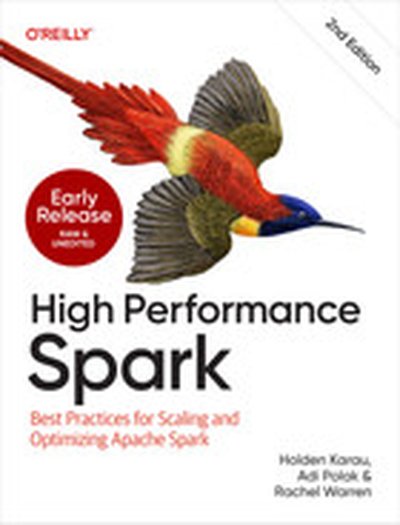
High Performance Spark, 2nd Edition

Apache Spark is amazing when everything clicks. But if you haven't seen the performance improvements you expected or still don't feel confident enough to use Spark in production, this practical book is for you. Authors Holden Karau, Rachel Warren, and Anya Bida walk you through the secrets of the Spark code base, and demonstrate performance optimizations that will help your data pipelines run faster, scale to larger datasets, and avoid costly antipatterns. Ideal for data engineers, software engineers, data scientists, and system administrators, the second edition of High Performance Spark presents new use cases, code examples, and best practices for Spark 3.x and beyond. This book gives you a fresh perspective on this continually evolving framework and shows you how to work around bumps on your Spark and PySpark journey. With this book, you'll learn how to: Accelerate your ML workflows with integrations including PyTorch Handle key skew and take advantage of Spark's new dynamic partitioning Make your code reliable with scalable testing and validation techniques Make Spark high performance Deploy Spark on Kubernetes and similar environments Take advantage of GPU acceleration with RAPIDS and resource profiles Get your Spark jobs to run faster Use Spark to productionize exploratory data science projects Handle even larger datasets with Spark Gain faster insights by reducing pipeline running times

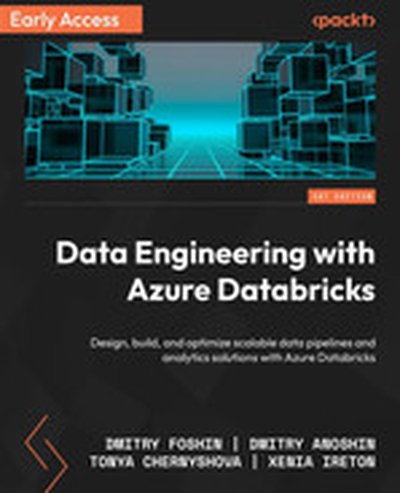
Data Engineering with Azure Databricks

Master end-to-end data engineering on Azure Databricks. From data ingestion and Delta Lake to CI/CD and real-time streaming, build secure, scalable, and performant data solutions with Spark, Unity Catalog, and ML tools. Key Features Build scalable data pipelines using Apache Spark and Delta Lake Automate workflows and manage data governance with Unity Catalog Learn real-time processing and structured streaming with practical use cases Implement CI/CD, DevOps, and security for production-ready data solutions Explore Databricks-native ML, AutoML, and Generative AI integration Book Description "Data Engineering with Azure Databricks" is your essential guide to building scalable, secure, and high-performing data pipelines using the powerful Databricks platform on Azure. Designed for data engineers, architects, and developers, this book demystifies the complexities of Spark-based workloads, Delta Lake, Unity Catalog, and real-time data processing. Beginning with the foundational role of Azure Databricks in modern data engineering, you’ll explore how to set up robust environments, manage data ingestion with Auto Loader, optimize Spark performance, and orchestrate complex workflows using tools like Azure Data Factory and Airflow. The book offers deep dives into structured streaming, Delta Live Tables, and Delta Lake’s ACID features for data reliability and schema evolution. You’ll also learn how to manage security, compliance, and access controls using Unity Catalog, and gain insights into managing CI/CD pipelines with Azure DevOps and Terraform. With a special focus on machine learning and generative AI, the final chapters guide you in automating model workflows, leveraging MLflow, and fine-tuning large language models on Databricks. Whether you're building a modern data lakehouse or operationalizing analytics at scale, this book provides the tools and insights you need. What you will learn Set up a full-featured Azure Databricks environment Implement batch and streaming ingestion using Auto Loader Optimize Spark jobs with partitioning and caching Build real-time pipelines with structured streaming and DLT Manage data governance using Unity Catalog Orchestrate production workflows with jobs and ADF Apply CI/CD best practices with Azure DevOps and Git Secure data with RBAC, encryption, and compliance standards Use MLflow and Feature Store for ML pipelines Build generative AI applications in Databricks Who this book is for This book is for data engineers, solution architects, cloud professionals, and software engineers seeking to build robust and scalable data pipelines using Azure Databricks. Whether you're migrating legacy systems, implementing a modern lakehouse architecture, or optimizing data workflows for performance, this guide will help you leverage the full power of Databricks on Azure. A basic understanding of Python, Spark, and cloud infrastructure is recommended.

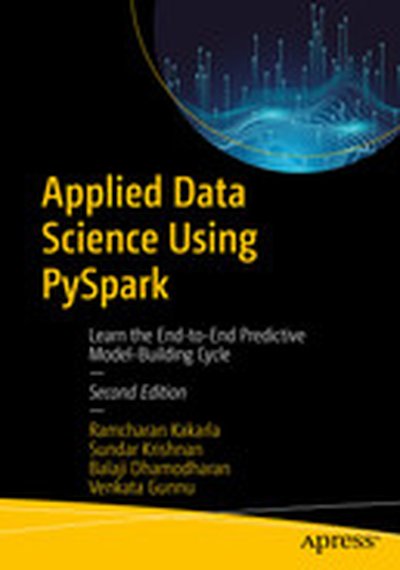
Applied Data Science Using PySpark: Learn the End-to-End Predictive Model-Building Cycle

This comprehensive guide, featuring hand-picked examples of daily use cases, will walk you through the end-to-end predictive model-building cycle using the latest techniques and industry tricks. In Chapters 1, 2, and 3, we will begin by setting up the environment and covering the basics of PySpark, focusing on data manipulation. Chapter 4 delves into the art of variable selection, demonstrating various techniques available in PySpark. In Chapters 5, 6, and 7, we explore machine learning algorithms, their implementations, and fine-tuning techniques. Chapters 8 and 9 will guide you through machine learning pipelines and various methods to operationalize and serve models using Docker/API. Chapter 10 will demonstrate how to unlock the power of predictive models to create a meaningful impact on your business. Chapter 11 introduces some of the most widely used and powerful modeling frameworks to unlock real value from data. In this new edition, you will learn predictive modeling frameworks that can quantify customer lifetime values and estimate the return on your predictive modeling investments. This edition also includes methods to measure engagement and identify actionable populations for effective churn treatments. Additionally, a dedicated chapter on experimentation design has been added, covering steps to efficiently design, conduct, test, and measure the results of your models. All code examples have been updated to reflect the latest stable version of Spark. You will: Gain an overview of end-to-end predictive model building Understand multiple variable selection techniques and their implementations Learn how to operationalize models Perform data science experiments and learn useful tips

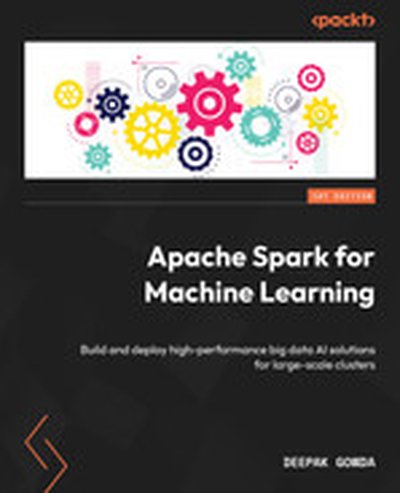
Apache Spark for Machine Learning

Dive into the power of Apache Spark as a tool for handling and processing big data required for machine learning. With this book, you will explore how to configure, execute, and deploy machine learning algorithms using Spark's scalable architecture and learn best practices for implementing real-world big data solutions. What this Book will help me do Understand the integration of Apache Spark with large-scale infrastructures for machine learning applications. Employ data processing techniques for preprocessing and feature engineering efficiently with Spark. Master the implementation of advanced supervised and unsupervised learning algorithms using Spark. Learn to deploy machine learning models within Spark ecosystems for optimized performance. Discover methods for analyzing big data trends and machine learning model tuning for improved accuracy. Author(s) The author, Deepak Gowda, is an experienced data scientist with over ten years of expertise in machine learning and big data. His career spans industries such as supply chain, cybersecurity, and more where he has utilized Apache Spark extensively. Deepak's teaching style is marked by clarity and practicality, making complex concepts approachable. Who is it for? Apache Spark for Machine Learning is tailored for data engineers, machine learning practitioners, and computer science students looking to advance their ability to process, analyze, and model using large datasets. If you're already familiar with basic machine learning and want to scale your solutions using Spark, this book is ideal for your studies and professional growth.

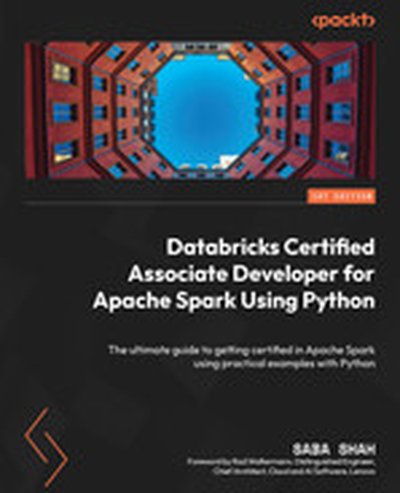
Databricks Certified Associate Developer for Apache Spark Using Python

This book serves as the ultimate preparation for aspiring Databricks Certified Associate Developers specializing in Apache Spark. Deep dive into Spark's components, its applications, and exam techniques to achieve certification and expand your practical skills in big data processing and real-time analytics using Python. What this Book will help me do Deeply understand Apache Spark's core architecture for building big data applications. Write optimized SQL queries and leverage Spark DataFrame API for efficient data manipulation. Apply advanced Spark functions, including UDFs, to solve complex data engineering tasks. Use Spark Streaming capabilities to implement real-time and near-real-time processing solutions. Get hands-on preparation for the certification exam with mock tests and practice questions. Author(s) Saba Shah is a seasoned data engineer with extensive experience working at Databricks and leading data science teams. With her in-depth knowledge of big data applications and Spark, she delivers clear, actionable insights in this book. Her approach emphasizes practical learning and real-world applications. Who is it for? This book is ideal for data professionals such as engineers and analysts aiming to achieve Databricks certification. It is particularly helpful for individuals with moderate Python proficiency who are keen to understand Spark from scratch. If you're transitioning into big data roles, this guide prepares you comprehensively.

Scaling Machine Learning with Spark

Learn how to build end-to-end scalable machine learning solutions with Apache Spark. With this practical guide, author Adi Polak introduces data and ML practitioners to creative solutions that supersede today's traditional methods. You'll learn a more holistic approach that takes you beyond specific requirements and organizational goals--allowing data and ML practitioners to collaborate and understand each other better. Scaling Machine Learning with Spark examines several technologies for building end-to-end distributed ML workflows based on the Apache Spark ecosystem with Spark MLlib, MLflow, TensorFlow, and PyTorch. If you're a data scientist who works with machine learning, this book shows you when and why to use each technology. You will: Explore machine learning, including distributed computing concepts and terminology Manage the ML lifecycle with MLflow Ingest data and perform basic preprocessing with Spark Explore feature engineering, and use Spark to extract features Train a model with MLlib and build a pipeline to reproduce it Build a data system to combine the power of Spark with deep learning Get a step-by-step example of working with distributed TensorFlow Use PyTorch to scale machine learning and its internal architecture

Advanced Analytics with PySpark

The amount of data being generated today is staggering and growing. Apache Spark has emerged as the de facto tool to analyze big data and is now a critical part of the data science toolbox. Updated for Spark 3.0, this practical guide brings together Spark, statistical methods, and real-world datasets to teach you how to approach analytics problems using PySpark, Spark's Python API, and other best practices in Spark programming. Data scientists Akash Tandon, Sandy Ryza, Uri Laserson, Sean Owen, and Josh Wills offer an introduction to the Spark ecosystem, then dive into patterns that apply common techniques-including classification, clustering, collaborative filtering, and anomaly detection, to fields such as genomics, security, and finance. This updated edition also covers NLP and image processing. If you have a basic understanding of machine learning and statistics and you program in Python, this book will get you started with large-scale data analysis. Familiarize yourself with Spark's programming model and ecosystem Learn general approaches in data science Examine complete implementations that analyze large public datasets Discover which machine learning tools make sense for particular problems Explore code that can be adapted to many uses

Data Algorithms with Spark

Apache Spark's speed, ease of use, sophisticated analytics, and multilanguage support makes practical knowledge of this cluster-computing framework a required skill for data engineers and data scientists. With this hands-on guide, anyone looking for an introduction to Spark will learn practical algorithms and examples using PySpark. In each chapter, author Mahmoud Parsian shows you how to solve a data problem with a set of Spark transformations and algorithms. You'll learn how to tackle problems involving ETL, design patterns, machine learning algorithms, data partitioning, and genomics analysis. Each detailed recipe includes PySpark algorithms using the PySpark driver and shell script. With this book, you will: Learn how to select Spark transformations for optimized solutions Explore powerful transformations and reductions including reduceByKey(), combineByKey(), and mapPartitions() Understand data partitioning for optimized queries Build and apply a model using PySpark design patterns Apply motif-finding algorithms to graph data Analyze graph data by using the GraphFrames API Apply PySpark algorithms to clinical and genomics data Learn how to use and apply feature engineering in ML algorithms Understand and use practical and pragmatic data design patterns

Simplify Big Data Analytics with Amazon EMR

Simplify Big Data Analytics with Amazon EMR is a thorough guide to harnessing Amazon's EMR service for big data processing and analytics. From distributed computation pipelines to real-time streaming analytics, this book provides hands-on knowledge and actionable steps for implementing data solutions efficiently. What this Book will help me do Understand the architecture and key components of Amazon EMR and how to deploy it effectively. Learn to configure and manage distributed data processing pipelines using Amazon EMR. Implement security and data governance best practices within the Amazon EMR ecosystem. Master batch ETL and real-time analytics techniques using technologies like Apache Spark. Apply optimization and cost-saving strategies to scalable data solutions. Author(s) Sakti Mishra is a seasoned data professional with extensive expertise in deploying scalable analytics solutions on cloud platforms like AWS. With a background in big data technologies and a passion for teaching, Sakti ensures practical insights accompany every concept. Readers will find his approach thorough, hands-on, and highly informative. Who is it for? This book is perfect for data engineers, data scientists, and other professionals looking to leverage Amazon EMR for scalable analytics. If you are familiar with Python, Scala, or Java and have some exposure to Hadoop or AWS ecosystems, this book will empower you to design and implement robust data pipelines efficiently.

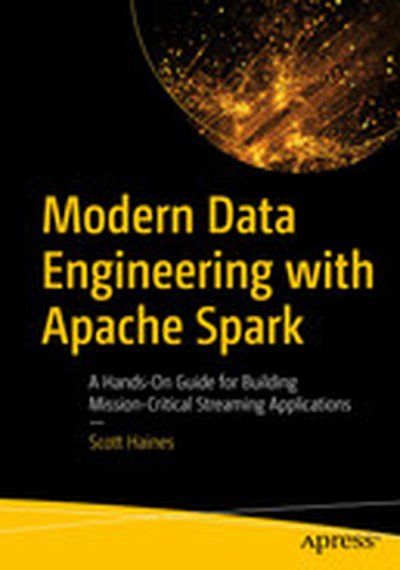
Modern Data Engineering with Apache Spark: A Hands-On Guide for Building Mission-Critical Streaming Applications

Leverage Apache Spark within a modern data engineering ecosystem. This hands-on guide will teach you how to write fully functional applications, follow industry best practices, and learn the rationale behind these decisions. With Apache Spark as the foundation, you will follow a step-by-step journey beginning with the basics of data ingestion, processing, and transformation, and ending up with an entire local data platform running Apache Spark, Apache Zeppelin, Apache Kafka, Redis, MySQL, Minio (S3), and Apache Airflow. Apache Spark applications solve a wide range of data problems from traditional data loading and processing to rich SQL-based analysis as well as complex machine learning workloads and even near real-time processing of streaming data. Spark fits well as a central foundation for any data engineering workload. This book will teach you to write interactive Spark applications using Apache Zeppelin notebooks, write and compilereusable applications and modules, and fully test both batch and streaming. You will also learn to containerize your applications using Docker and run and deploy your Spark applications using a variety of tools such as Apache Airflow, Docker and Kubernetes. ​Reading this book will empower you to take advantage of Apache Spark to optimize your data pipelines and teach you to craft modular and testable Spark applications. You will create and deploy mission-critical streaming spark applications in a low-stress environment that paves the way for your own path to production. ​ What You Will Learn Simplify data transformation with Spark Pipelines and Spark SQL Bridge data engineering with machine learning Architect modular data pipeline applications Build reusable application components and libraries Containerize your Spark applications for consistency and reliability Use Docker and Kubernetes to deploy your Spark applications Speed up application experimentation using Apache Zeppelin and Docker Understand serializable structured data and data contracts Harness effective strategies for optimizing data in your data lakes Build end-to-end Spark structured streaming applications using Redis and Apache Kafka Embrace testing for your batch and streaming applications Deploy and monitor your Spark applications Who This Book Is For Professional software engineers who want to take their current skills and apply them to new and exciting opportunities within the data ecosystem, practicing data engineers who are looking for a guiding light while traversing the many challenges of moving from batch to streaming modes, data architects who wish to provide clear and concise direction for how best to harness anduse Apache Spark within their organization, and those interested in the ins and outs of becoming a modern data engineer in today's fast-paced and data-hungry world

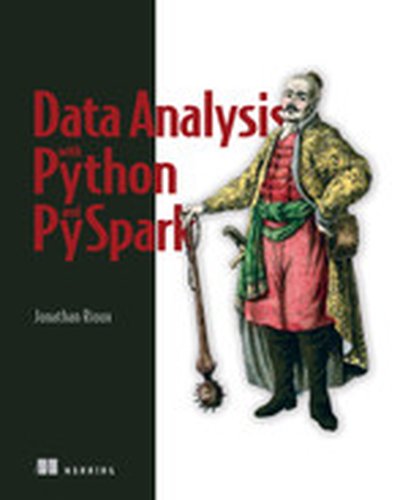
Data Analysis with Python and PySpark

Think big about your data! PySpark brings the powerful Spark big data processing engine to the Python ecosystem, letting you seamlessly scale up your data tasks and create lightning-fast pipelines. In Data Analysis with Python and PySpark you will learn how to: Manage your data as it scales across multiple machines Scale up your data programs with full confidence Read and write data to and from a variety of sources and formats Deal with messy data with PySpark’s data manipulation functionality Discover new data sets and perform exploratory data analysis Build automated data pipelines that transform, summarize, and get insights from data Troubleshoot common PySpark errors Creating reliable long-running jobs Data Analysis with Python and PySpark is your guide to delivering successful Python-driven data projects. Packed with relevant examples and essential techniques, this practical book teaches you to build pipelines for reporting, machine learning, and other data-centric tasks. Quick exercises in every chapter help you practice what you’ve learned, and rapidly start implementing PySpark into your data systems. No previous knowledge of Spark is required. About the Technology The Spark data processing engine is an amazing analytics factory: raw data comes in, insight comes out. PySpark wraps Spark’s core engine with a Python-based API. It helps simplify Spark’s steep learning curve and makes this powerful tool available to anyone working in the Python data ecosystem. About the Book Data Analysis with Python and PySpark helps you solve the daily challenges of data science with PySpark. You’ll learn how to scale your processing capabilities across multiple machines while ingesting data from any source—whether that’s Hadoop clusters, cloud data storage, or local data files. Once you’ve covered the fundamentals, you’ll explore the full versatility of PySpark by building machine learning pipelines, and blending Python, pandas, and PySpark code. What's Inside Organizing your PySpark code Managing your data, no matter the size Scale up your data programs with full confidence Troubleshooting common data pipeline problems Creating reliable long-running jobs About the Reader Written for data scientists and data engineers comfortable with Python. About the Author As a ML director for a data-driven software company, Jonathan Rioux uses PySpark daily. He teaches the software to data scientists, engineers, and data-savvy business analysts. Quotes A clear and in-depth introduction for truly tackling big data with Python. - Gustavo Patino, Oakland University William Beaumont School of Medicine The perfect way to learn how to analyze and master huge datasets. - Gary Bake, Brambles Covers both basic and more advanced topics of PySpark, with a good balance between theory and hands-on. - Philippe Van Bergenl, P² Consulting For beginner to pro, a well-written book to help understand PySpark. - Raushan Kumar Jha, Microsoft

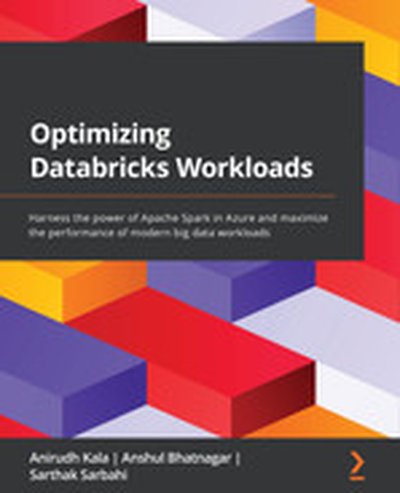
Optimizing Databricks Workloads

Unlock the full potential of Apache Spark on the Databricks platform with "Optimizing Databricks Workloads". This book equips you with must-know techniques to effectively configure, manage, and optimize big data processing pipelines. Dive into real-world scenarios and learn practical approaches to reduce costs and improve performance in your data engineering processes. What this Book will help me do Understand and apply optimization techniques for Databricks workloads. Choose the right cluster configurations to maximize efficiency and minimize costs. Leverage Delta Lake for performance-boosted data processing and optimization. Develop skills for managing Spark DataFrames and core functionalities in Databricks. Gain insights into real-world scenarios to effectively improve workload performance. Author(s) Anirudh Kala and the co-authors are experienced practitioners in the fields of data engineering and analytics. With years of professional expertise in leveraging Apache Spark and Databricks, they bring real-world insight into performance optimization. Their approach blends practical instruction with actionable strategies, making this book an essential guide for data engineers aiming to excel in this domain. Who is it for? This book is tailored for data engineers, data scientists, and cloud architects looking to elevate their skills in managing Databricks workloads. Ideal for readers with basic knowledge of Spark and Databricks, it helps them get hands-on with optimization techniques. If you are aiming to enhance your Spark-based data processing systems, this book offers the guidance you need.

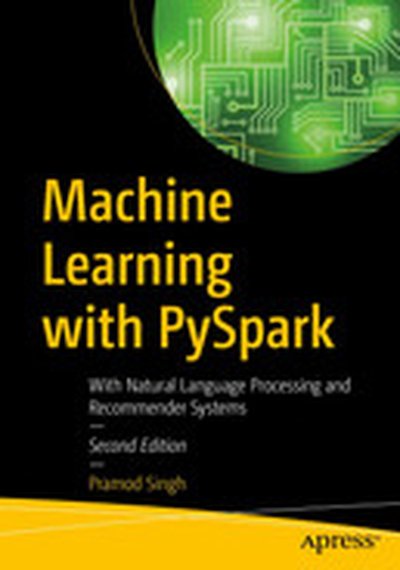
Machine Learning with PySpark: With Natural Language Processing and Recommender Systems

Master the new features in PySpark 3.1 to develop data-driven, intelligent applications. This updated edition covers topics ranging from building scalable machine learning models, to natural language processing, to recommender systems. Machine Learning with PySpark, Second Edition begins with the fundamentals of Apache Spark, including the latest updates to the framework. Next, you will learn the full spectrum of traditional machine learning algorithm implementations, along with natural language processing and recommender systems. You’ll gain familiarity with the critical process of selecting machine learning algorithms, data ingestion, and data processing to solve business problems. You’ll see a demonstration of how to build supervised machine learning models such as linear regression, logistic regression, decision trees, and random forests. You’ll also learn how to automate the steps using Spark pipelines, followed by unsupervised models such as K-means and hierarchical clustering. A section on Natural Language Processing (NLP) covers text processing, text mining, and embeddings for classification. This new edition also introduces Koalas in Spark and how to automate data workflow using Airflow and PySpark’s latest ML library. After completing this book, you will understand how to use PySpark’s machine learning library to build and train various machine learning models, along with related components such as data ingestion, processing and visualization to develop data-driven intelligent applications What you will learn: Build a spectrum of supervised and unsupervised machine learning algorithms Use PySpark's machine learning library to implement machine learning and recommender systems Leverage the new features in PySpark’s machine learning library Understand data processing using Koalas in Spark Handle issues around feature engineering, class balance, bias andvariance, and cross validation to build optimally fit models Who This Book Is For Data science and machine learning professionals.

Essential PySpark for Scalable Data Analytics

Dive into the world of scalable data processing with 'Essential PySpark for Scalable Data Analytics'. This book is a comprehensive guide that helps beginners understand and utilize PySpark to process, analyze, and draw insights from large datasets effectively. With hands-on tutorials and clear explanations, you will gain the confidence to tackle big data analytics challenges. What this Book will help me do Understand and apply the distributed computing paradigm for big data. Learn to perform scalable data ingestion, cleansing, and preparation using PySpark. Create and utilize data lakes and the Lakehouse paradigm for efficient data storage and access. Develop and deploy machine learning models with scalability in mind. Master real-time analytics pipelines and create impactful data visualizations. Author(s) None Nudurupati is an experienced data engineer and educator, specializing in distributed systems and big data technologies. With years of practical experience in the field, None brings a clear and approachable teaching style to technical topics. Passionate about empowering readers, the author has designed this book to be both practical and inspirational for aspiring data practitioners. Who is it for? This book is ideal for data professionals including data scientists, engineers, and analysts looking to scale their data analytics processes. It assumes familiarity with basic data science concepts and Python, as well as some experience with SQL-like data analysis. This is particularly suitable for individuals aiming to expand their knowledge in distributed computing and PySpark to handle big data challenges. Achieving scalable and efficient data solutions is at the core of this guide.

Data Engineering with Apache Spark, Delta Lake, and Lakehouse

Data Engineering with Apache Spark, Delta Lake, and Lakehouse is a comprehensive guide packed with practical knowledge for building robust and scalable data pipelines. Throughout this book, you will explore the core concepts and applications of Apache Spark and Delta Lake, and learn how to design and implement efficient data engineering workflows using real-world examples. What this Book will help me do Master the core concepts and components of Apache Spark and Delta Lake. Create scalable and secure data pipelines for efficient data processing. Learn best practices and patterns for building enterprise-grade data lakes. Discover how to operationalize data models into production-ready pipelines. Gain insights into deploying and monitoring data pipelines effectively. Author(s) None Kukreja is a seasoned data engineer with over a decade of experience working with big data platforms. He specializes in implementing efficient and scalable data solutions to meet the demands of modern analytics and data science. Writing with clarity and a practical approach, he aims to provide actionable insights that professionals can apply to their projects. Who is it for? This book is tailored for aspiring data engineers and data analysts who wish to delve deeper into building scalable data platforms. It is suitable for those with basic knowledge of Python, Spark, and SQL, and seeking to learn Delta Lake and advanced data engineering concepts. Readers should be eager to develop practical skills for tackling real-world data engineering challenges.

Azure Databricks Cookbook

Azure Databricks is a robust analytics platform that leverages Apache Spark and seamlessly integrates with Azure services. In the Azure Databricks Cookbook, you'll find hands-on recipes to ingest data, build modern data pipelines, and perform real-time analytics while learning to optimize and secure your solutions. What this Book will help me do Design advanced data workflows integrating Azure Synapse, Cosmos DB, and streaming sources with Databricks. Gain proficiency in using Delta Tables and Spark for efficient data storage and analysis. Learn to create, deploy, and manage real-time dashboards with Databricks SQL. Master CI/CD pipelines for automating deployments of Databricks solutions. Understand security best practices for restricting access and monitoring Azure Databricks. Author(s) None Raj and None Jaiswal are experienced professionals in the field of big data and analytics. They are well-versed in implementing Azure Databricks solutions for real-world problems. Their collaborative writing approach ensures clarity and practical focus. Who is it for? This book is tailored for data engineers, scientists, and big data professionals who want to apply Azure Databricks and Apache Spark to their analytics workflows. A basic familiarity with Spark and Azure is recommended to make the best use of the recipes provided. If you're looking to scale and optimize your analytics pipelines, this book is for you.

Introducing .NET for Apache Spark: Distributed Processing for Massive Datasets

Get started using Apache Spark via C# or F# and the .NET for Apache Spark bindings. This book is an introduction to both Apache Spark and the .NET bindings. Readers new to Apache Spark will get up to speed quickly using Spark for data processing tasks performed against large and very large datasets. You will learn how to combine your knowledge of .NET with Apache Spark to bring massive computing power to bear by distributed processing of extremely large datasets across multiple servers. This book covers how to get a local instance of Apache Spark running on your developer machine and shows you how to create your first .NET program that uses the Microsoft .NET bindings for Apache Spark. Techniques shown in the book allow you to use Apache Spark to distribute your data processing tasks over multiple compute nodes. You will learn to process data using both batch mode and streaming mode so you can make the right choice depending on whether you are processing an existing dataset or are working against new records in micro-batches as they arrive. The goal of the book is leave you comfortable in bringing the power of Apache Spark to your favorite .NET language. What You Will Learn Install and configure Spark .NET on Windows, Linux, and macOS Write Apache Spark programs in C# and F# using the .NET bindings Access and invoke the Apache Spark APIs from .NET with the same high performance as Python, Scala, and R Encapsulate functionality in user-defined functions Transform and aggregate large datasets Execute SQL queries against files through Apache Hive Distribute processing of large datasets across multiple servers Create your own batch, streaming, and machine learning programs Who This Book Is For .NETdevelopers who want to perform big data processing without having to migrate to Python, Scala, or R; and Apache Spark developers who want to run natively on .NET and take advantage of the C# and F# ecosystems

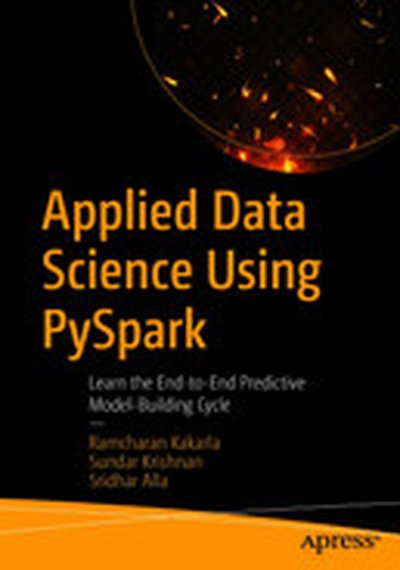
Applied Data Science Using PySpark: Learn the End-to-End Predictive Model-Building Cycle

Discover the capabilities of PySpark and its application in the realm of data science. This comprehensive guide with hand-picked examples of daily use cases will walk you through the end-to-end predictive model-building cycle with the latest techniques and tricks of the trade. Applied Data Science Using PySpark is divided unto six sections which walk you through the book. In section 1, you start with the basics of PySpark focusing on data manipulation. We make you comfortable with the language and then build upon it to introduce you to the mathematical functions available off the shelf. In section 2, you will dive into the art of variable selection where we demonstrate various selection techniques available in PySpark. In section 3, we take you on a journey through machine learning algorithms, implementations, and fine-tuning techniques. We will also talk about different validation metrics and how to use them for picking the best models. Sections 4 and 5 go through machine learning pipelines and various methods available to operationalize the model and serve it through Docker/an API. In the final section, you will cover reusable objects for easy experimentation and learn some tricks that can help you optimize your programs and machine learning pipelines. By the end of this book, you will have seen the flexibility and advantages of PySpark in data science applications. This book is recommended to those who want to unleash the power of parallel computing by simultaneously working with big datasets. What You Will Learn Build an end-to-end predictive model Implement multiple variable selection techniques Operationalize models Master multiple algorithms and implementations Who This Book is For Data scientists and machine learning and deep learning engineers who want to learn and use PySpark for real-time analysis of streamingdata.

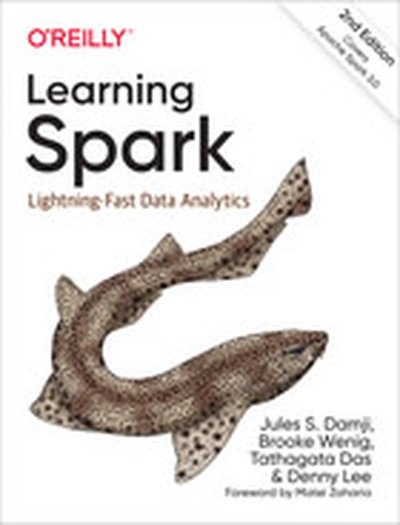
Learning Spark, 2nd Edition

Data is bigger, arrives faster, and comes in a variety of formatsâ??and it all needs to be processed at scale for analytics or machine learning. But how can you process such varied workloads efficiently? Enter Apache Spark. Updated to include Spark 3.0, this second edition shows data engineers and data scientists why structure and unification in Spark matters. Specifically, this book explains how to perform simple and complex data analytics and employ machine learning algorithms. Through step-by-step walk-throughs, code snippets, and notebooks, youâ??ll be able to: Learn Python, SQL, Scala, or Java high-level Structured APIs Understand Spark operations and SQL Engine Inspect, tune, and debug Spark operations with Spark configurations and Spark UI Connect to data sources: JSON, Parquet, CSV, Avro, ORC, Hive, S3, or Kafka Perform analytics on batch and streaming data using Structured Streaming Build reliable data pipelines with open source Delta Lake and Spark Develop machine learning pipelines with MLlib and productionize models using MLflow

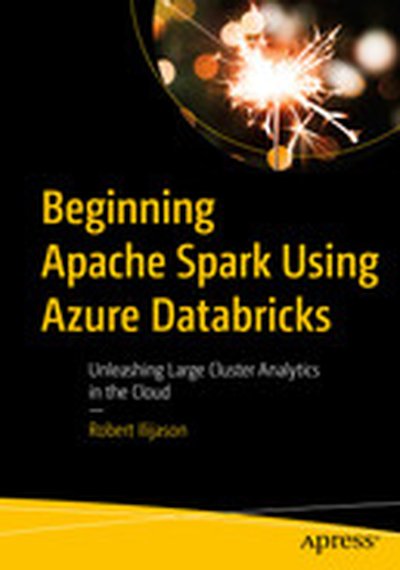
Beginning Apache Spark Using Azure Databricks: Unleashing Large Cluster Analytics in the Cloud

Analyze vast amounts of data in record time using Apache Spark with Databricks in the Cloud. Learn the fundamentals, and more, of running analytics on large clusters in Azure and AWS, using Apache Spark with Databricks on top. Discover how to squeeze the most value out of your data at a mere fraction of what classical analytics solutions cost, while at the same time getting the results you need, incrementally faster. This book explains how the confluence of these pivotal technologies gives you enormous power, and cheaply, when it comes to huge datasets. You will begin by learning how cloud infrastructure makes it possible to scale your code to large amounts of processing units, without having to pay for the machinery in advance. From there you will learn how Apache Spark, an open source framework, can enable all those CPUs for data analytics use. Finally, you will see how services such as Databricks provide the power of Apache Spark, without you having to know anything aboutconfiguring hardware or software. By removing the need for expensive experts and hardware, your resources can instead be allocated to actually finding business value in the data. This book guides you through some advanced topics such as analytics in the cloud, data lakes, data ingestion, architecture, machine learning, and tools, including Apache Spark, Apache Hadoop, Apache Hive, Python, and SQL. Valuable exercises help reinforce what you have learned. What You Will Learn Discover the value of big data analytics that leverage the power of the cloud Get started with Databricks using SQL and Python in either Microsoft Azure or AWS Understand the underlying technology, and how the cloud and Apache Spark fit into the bigger picture See how these tools are used in the real world Run basic analytics, including machine learning, on billions of rows at a fraction of a cost or free Who This Book Is For Data engineers, data scientists, and cloud architects who want or need to run advanced analytics in the cloud. It is assumed that the reader has data experience, but perhaps minimal exposure to Apache Spark and Azure Databricks. The book is also recommended for people who want to get started in the analytics field, as it provides a strong foundation.