talk-data.com talk-data.com

Topic

analytics-platforms

6

tagged

Activity Trend

1 peak/qtr
2020-Q1 2026-Q1

Activities

Showing filtered results

Filtering by: Jack Shostak ×
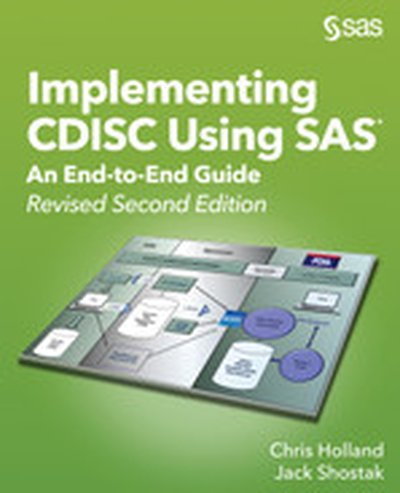
Implementing CDISC Using SAS, 2nd Edition

For decades researchers and programmers have used SAS to analyze, summarize, and report clinical trial data. Now Chris Holland and Jack Shostak have updated their popular Implementing CDISC Using SAS, the first comprehensive book on applying clinical research data and metadata to the Clinical Data Interchange Standards Consortium (CDISC) standards. Implementing CDISC Using SAS: An End-to-End Guide, Revised Second Edition, is an all-inclusive guide on how to implement and analyze the Study Data Tabulation Model (SDTM) and the Analysis Data Model (ADaM) data and prepare clinical trial data for regulatory submission. Updated to reflect the 2017 FDA mandate for adherence to CDISC standards, this new edition covers creating and using metadata, developing conversion specifications, implementing and validating SDTM and ADaM data, determining solutions for legacy data conversions, and preparing data for regulatory submission. The book covers products such as Base SAS, SAS Clinical Data Integration, and the SAS Clinical Standards Toolkit, as well as JMP Clinical. Topics included in this edition include an implementation of the Define-XML 2.0 standard, new SDTM domains, validation with Pinnacle 21 software, event narratives in JMP Clinical, STDM and ADAM metadata spreadsheets, and of course new versions of SAS and JMP software. The second edition was revised to add the latest C-Codes from the most recent release as well as update the make_define macro that accompanies this book in order to add the capability to handle C-Codes. The metadata spreadsheets were updated accordingly. Any manager or user of clinical trial data in this day and age is likely to benefit from knowing how to either put data into a CDISC standard or analyzing and finding data once it is in a CDISC format. If you are one such person--a data manager, clinical and/or statistical programmer, biostatistician, or even a clinician--then this book is for you.
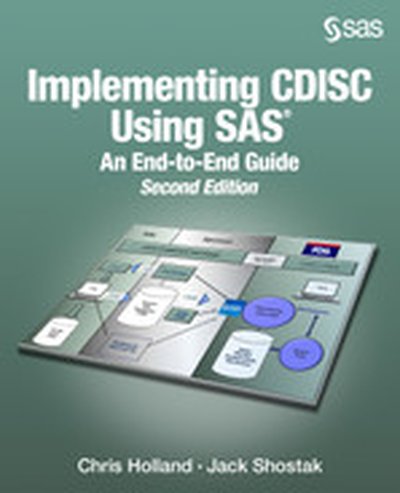
Implementing CDISC Using SAS

For decades researchers and programmers have used SAS to analyze, summarize, and report clinical trial data. Now Chris Holland and Jack Shostak have updated their popular Implementing CDISC Using SAS, the first comprehensive book on applying clinical research data and metadata to the Clinical Data Interchange Standards Consortium (CDISC) standards.

Implementing CDISC Using SAS: An End-to-End Guide, Second Edition, is an all-inclusive guide on how to implement and analyze the Study Data Tabulation Model (SDTM) and the Analysis Data Model (ADaM) data and prepare clinical trial data for regulatory submission. Updated to reflect the 2017 FDA mandate for adherence to CDISC standards, this new edition covers creating and using metadata, developing conversion specifications, implementing and validating SDTM and ADaM data, determining solutions for legacy data conversions, and preparing data for regulatory submission. The book covers products such as Base SAS, SAS Clinical Data Integration, and the SAS Clinical Standards Toolkit, as well as JMP Clinical. Topics included in this new edition include an implementation of the Define-XML 2.0 standard, new SDTM domains, validation with Pinnacle 21 software, event narratives in JMP Clinical, and of course new versions of SAS and JMP software.

Any manager or user of clinical trial data in this day and age is likely to benefit from knowing how to either put data into a CDISC standard or analyzing and finding data once it is in a CDISC format. If you are one such person--a data manager, clinical and/or statistical programmer, biostatistician, or even a clinician--then this book is for you.
SAS Programming in the Pharmaceutical Industry, Second Edition, 2nd Edition

This comprehensive resource provides on-the-job training for statistical programmers who use SAS in the pharmaceutical industry

This one-stop resource offers a complete review of what entry- to intermediate-level statistical programmers need to know in order to help with the analysis and reporting of clinical trial data in the pharmaceutical industry.

SAS Programming in the Pharmaceutical Industry, Second Edition begins with an introduction to the pharmaceutical industry and the work environment of a statistical programmer. Then it gives a chronological explanation of what you need to know to do the job. It includes information on importing and massaging data into analysis data sets, producing clinical trial output, and exporting data. This edition has been updated for SAS 9.4, and it features new graphics as well as all new examples using CDISC SDTM or ADaM model data structures.

Whether you're a novice seeking an introduction to SAS programming in the pharmaceutical industry or a junior-level programmer exploring new approaches to problem solving, this real-world reference guide offers a wealth of practical suggestions to help you sharpen your skills.

This book is part of the SAS Press program.

Implementing CDISC Using SAS
For decades researchers and programmers have used SAS to analyze, summarize, and report clinical trial data. Now Chris Holland and Jack Shostak have written the first comprehensive book on applying clinical research data and metadata to the Clinical Data Interchange Standards Consortium (CDISC) standards.

Implementing CDISC Using SAS: An End-to-End Guide is an all-inclusive guide on how to implement and analyze Study Data Tabulation Model (SDTM) and Analysis Data Model (ADaM) data and prepare clinical trial data for regulatory submissions. Topics covered include creating and using metadata, developing conversion specifications, implementing and validating SDTM and ADaM data, determining solutions for legacy data conversions, and preparing data for regulatory submission. The book covers products such as Base SAS, SAS Clinical Data Integration, and the SAS Clinical Standards Toolkit, as well as JMP Clinical.

Anyone dealing with CDISC standards--including SAS or JMP programmers, statisticians, and data managers in the pharmaceutical, biotechnology, or medical device industries--will find the philosophical best practices and implementation examples in this book invaluable.

This book is part of the SAS Press program.

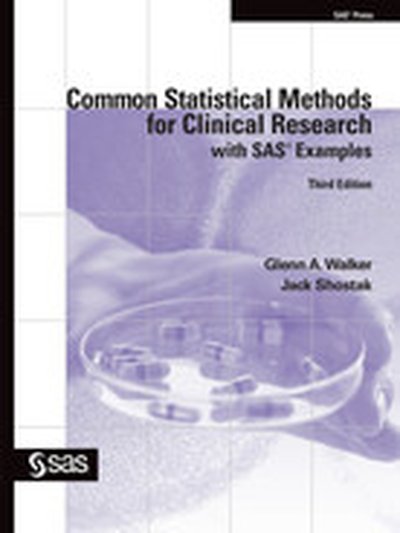
Common Statistical Methods for Clinical Research with SAS Examples, Third Edition, 3rd Edition

Glenn Walker and Jack Shostak's Common Statistical Methods for Clinical Research with SAS Examples, Third Edition, is a thoroughly updated edition of the popular introductory statistics book for clinical researchers. This new edition has been extensively updated to include the use of ODS graphics in numerous examples as well as a new emphasis on PROC MIXED. Straightforward and easy to use as either a text or a reference, the book is full of practical examples from clinical research to illustrate both statistical and SAS methodology. Each example is worked out completely, step by step, from the raw data.

Common Statistical Methods for Clinical Research with SAS Examples, Third Edition, is an applications book with minimal theory. Each section begins with an overview helpful to nonstatisticians and then drills down into details that will be valuable to statistical analysts and programmers. Further details, as well as bonus information and a guide to further reading, are presented in the extensive appendices. This text is a one-source guide for statisticians that documents the use of the tests used most often in clinical research, with assumptions, details, and some tricks--all in one place.

This book is part of the SAS Press program.

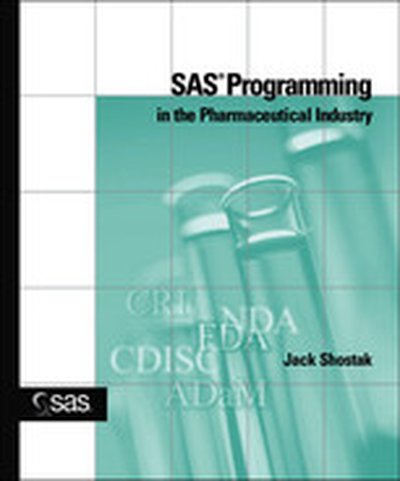
SAS® Programming in the Pharmaceutical Industry

At last! A real-world reference guide for clinical trial SAS programming, packed with solutions that programmers can apply to their day-to-day problems. Discover key techniques and tools available within Base SAS (including the macro language and PROC SQL), SAS/GRAPH, and SAS/STAT that can be used to resolve many common issues in working with clinical trial data. Organized to reflect the statistical programmer's work flow, this user-friendly text begins with an introduction to the working environment, then presents chapters on importing and massaging data into analysis data sets, producing clinical trial output, and exporting data. Valuable plug-and-play programming examples are provided throughout. Whether you're a novice seeking an introduction to SAS programming for the pharmaceutical industry or a junior-level programmer exploring new approaches to problem solving, you'll find a wealth of practical suggestions to help you sharpen your skills.