

talk-data.com talk-data.com

Topic

Bash

shell_scripting command_line unix

3

tagged

Activity Trend

1 peak/qtr
2020-Q1 2026-Q1

Activities

Showing filtered results

Filtering by: O'Reilly Data Science Books ×
Cracking the Data Science Interview

"Cracking the Data Science Interview" is your ultimate resource for preparing for roles in the competitive field of data science. With this book, you'll explore essential topics such as Python, SQL, statistics, and machine learning, as well as learn practical skills for building portfolios and acing interviews. Follow its guidance and you'll be equipped to stand out in any data science interview. What this Book will help me do Confidently explain complex statistical and machine learning concepts. Develop models and deploy them while ensuring version control and efficiency. Learn and apply scripting skills in shell and Bash for productivity. Master Git workflows to handle collaborative coding in projects. Perfectly tailor portfolios and resumes to land data science opportunities. Author(s) Leondra R. Gonzalez, with years of data science and mentorship experience, co-authors this book with None Stubberfield, a seasoned expert in technology and machine learning. Together, they integrate their expertise to provide practical advice for navigating the data science job market. Who is it for? If you're preparing for data science interviews, this book is for you. It's ideal for candidates with a foundational knowledge of Python, SQL, and statistics looking to refine and expand their technical and professional skills. Professionals transitioning into data science will also find it invaluable for building confidence and succeeding in this rewarding field.
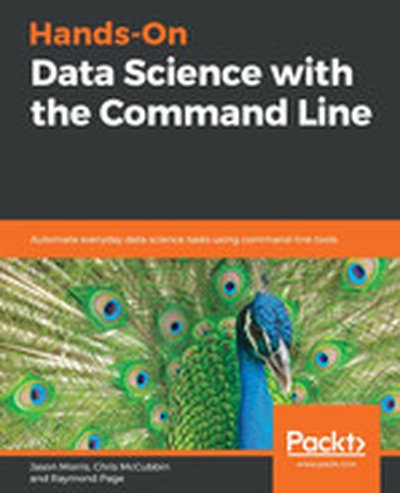
Hands-On Data Science with the Command Line

"Hands-On Data Science with the Command Line" introduces the incredible power of command-line tools to simplify and automate data science tasks. Leveraging tools like AWK, Bash, and more, you'll learn not only to handle datasets effectively but also to create efficient data pipelines and visualize data directly from the command line. What this Book will help me do Learn to set up and optimize the command line interface for data science tasks. Master using AWK and similar tools for data processing. Discover strategies for scripting, automation, and managing files efficiently. Understand how to visualize data directly from the command line. Gain fluency in combining tools to create seamless data pipelines. Author(s) The authors, None Morris, None McCubbin, and None Page, are experienced data scientists and technical authors with a passion for teaching complex topics in approachable ways. Their extensive experience using command-line tools for data-related workflows equips them to guide readers step-by-step in mastering these powerful techniques. Who is it for? This book is ideal for data scientists and data analysts seeking to streamline and automate their workflows using command-line tools. If you have basic experience with data science and are curious about incorporating the efficiency of the command line into your work, this guide is perfect for you.

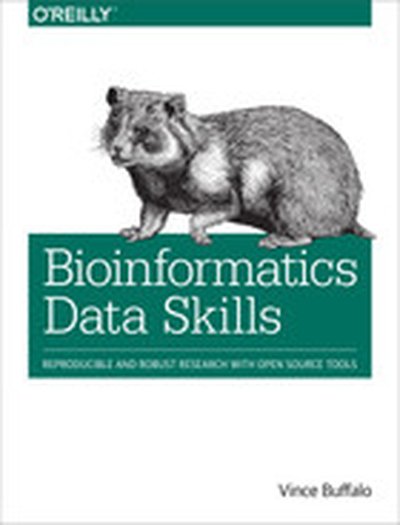
Bioinformatics Data Skills

Learn the data skills necessary for turning large sequencing datasets into reproducible and robust biological findings. With this practical guide, you’ll learn how to use freely available open source tools to extract meaning from large complex biological data sets. At no other point in human history has our ability to understand life’s complexities been so dependent on our skills to work with and analyze data. This intermediate-level book teaches the general computational and data skills you need to analyze biological data. If you have experience with a scripting language like Python, you’re ready to get started. Go from handling small problems with messy scripts to tackling large problems with clever methods and tools Process bioinformatics data with powerful Unix pipelines and data tools Learn how to use exploratory data analysis techniques in the R language Use efficient methods to work with genomic range data and range operations Work with common genomics data file formats like FASTA, FASTQ, SAM, and BAM Manage your bioinformatics project with the Git version control system Tackle tedious data processing tasks with with Bash scripts and Makefiles