
talk-data.com talk-data.com

Event

O'Reilly Data Engineering Books

2001-10-19 – 2027-05-25 Oreilly Visit website ↗

Activities tracked

615

Collection of O'Reilly books on Data Engineering.

Filtering by: Cyber Security ×

Sessions & talks

Showing 526–550 of 615 · Newest first

Search within this event →
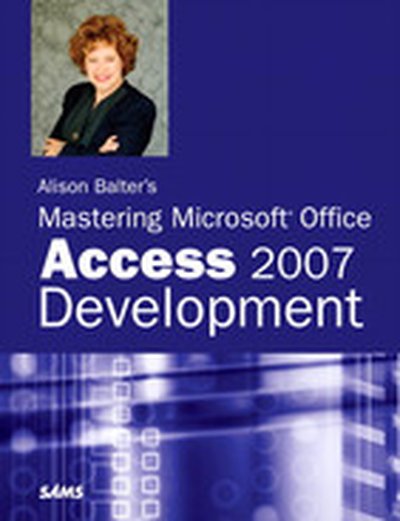
Alison Balter’s Mastering Microsoft® Office Access 2007 Development

Microsoft Office 2007 is a major upgrade from the last version of Office; Access will also be greatly revised. Alison Balter is the name that Access developers will trust to guide them through Access 2007's new features. She has the rare ability to take complex topics and explain them clearly, as shown by the success of her ten previous books on Access. Balter is known for providing real-world solutions to specific Access development problems. She also is known for her ability to back up her practical examples with just enough underlying theory to give the reader a good overall understanding of Access. In short, this book will provide beginning and intermediate Access developers with everything that they need to know to design and build Access 2007 applications. It should also appeal to DBAs and power users who want or need to get started building custom Access apps. This latest book in her Mastering Access series will not disappoint her many fans who anxiously await each new version, and should win her new fans as well. Introduction Part I The Basics of Access Development 1 Access as a Development Tool. . . . . . . . . . . . . . . . . . . . . . . . . . . . . . . . . . . . . . . . . . . . . . . . . . . . . . . . . . . 7 2 What Every Developer Needs to Know About Databases and Tables . . . . . . . 75 3 Relationships: Your Key to Data Integrity . . . . . . . . . . . . . . . . . . . . . . . . . . . . . . . . . . . . . . . . 115 4 What Every Developer Needs to Know About Query Basics. . . . . . . . . . . . . . . . . 137 5 What Every Developer Needs to Know About Forms. . . . . . . . . . . . . . . . . . . . . . . . . . 189 6 What Every Developer Needs to Know About Reports. . . . . . . . . . . . . . . . . . . . . . . . 269 7 What Are Macros, and When Do You Need Them? . . . . . . . . . . . . . . . . . . . . . . . . . . . 315 8 VBA: An Introduction . . . . . . . . . . . . . . . . . . . . . . . . . . . . . . . . . . . . . . . . . . . . . . . . . . . . . . . . . . . . . . . . . . 345 9 Objects, Properties, Methods, and Events Explained . . . . . . . . . . . . . . . . . . . . . . . . . . 401 10 Advanced Form Techniques. . . . . . . . . . . . . . . . . . . . . . . . . . . . . . . . . . . . . . . . . . . . . . . . . . . . . . . . . . . 431 11 Advanced Report Techniques. . . . . . . . . . . . . . . . . . . . . . . . . . . . . . . . . . . . . . . . . . . . . . . . . . . . . . . . . 493 12 Advanced Query Techniques . . . . . . . . . . . . . . . . . . . . . . . . . . . . . . . . . . . . . . . . . . . . . . . . . . . . . . . . . 539 13 Advanced VBA Techniques. . . . . . . . . . . . . . . . . . . . . . . . . . . . . . . . . . . . . . . . . . . . . . . . . . . . . . . . . . . . 599 14 Exploiting the Power of Class Modules. . . . . . . . . . . . . . . . . . . . . . . . . . . . . . . . . . . . . . . . . . . . 637 15 What Are ActiveX Data Objects, and Why Are They Important?. . . . . . . . . . 671 Part II What to Do When Things Don’t Go as Planned 16 Debugging: Your Key to Successful Development . . . . . . . . . . . . . . . . . . . . . . . . . . . . . . 727 17 Error Handling: Preparing for the Inevitable . . . . . . . . . . . . . . . . . . . . . . . . . . . . . . . . . . . . 755 18 Optimizing Your Application. . . . . . . . . . . . . . . . . . . . . . . . . . . . . . . . . . . . . . . . . . . . . . . . . . . . . . . . . 801 Part III Developing Multiuser and Enterprise Applications 19 A Strategy to Developing Access Applications. . . . . . . . . . . . . . . . . . . . . . . . . . . . . . . . . . . 835 20 Using External Data. . . . . . . . . . . . . . . . . . . . . . . . . . . . . . . . . . . . . . . . . . . . . . . . . . . . . . . . . . . . . . . . . . . . . 847 21 Access 2007 and SharePoint . . . . . . . . . . . . . . . . . . . . . . . . . . . . . . . . . . . . . . . . . . . . . . . . . . . . . . . . . . 883 22 Developing Multiuser and Enterprise Applications . . . . . . . . . . . . . . . . . . . . . . . . . . . . 909 00_0672329328_FM.qxd 5/4/07 9:23 AM Page iii Part IV Black Belt Programming 23 Working with and Customizing Ribbons . . . . . . . . . . . . . . . . . . . . . . . . . . . . . . . . . . . . . . . . . 935 24 Automation: Communicating with Other Applications. . . . . . . . . . . . . . . . . . . . . . 949 25 Exploiting the Power of the Windows API . . . . . . . . . . . . . . . . . . . . . . . . . . . . . . . . . . . . . . . 985 26 Creating Your Own Libraries. . . . . . . . . . . . . . . . . . . . . . . . . . . . . . . . . . . . . . . . . . . . . . . . . . . . . . . . 1011 27 Using Builders and Wizards . . . . . . . . . . . . . . . . . . . . . . . . . . . . . . . . . . . . . . . . . . . . . . . . . . . . . . . . . 1027 28 An Introduction to Access and the Internet/Intranet. . . . . . . . . . . . . . . . . . . . . . . . 1055 Part V Adding Polish to Your Application 29 Documenting Your Application. . . . . . . . . . . . . . . . . . . . . . . . . . . . . . . . . . . . . . . . . . . . . . . . . . . . 1073 30 Maintaining Your Application. . . . . . . . . . . . . . . . . . . . . . . . . . . . . . . . . . . . . . . . . . . . . . . . . . . . . . 1091 31 Database Security Made Easy . . . . . . . . . . . . . . . . . . . . . . . . . . . . . . . . . . . . . . . . . . . . . . . . . . . . . . . 1103 The following appendixes are available for download at www.samspublishing.com/title/0672329328. Part VI Appendixes A Naming Conventions. . . . . . . . . . . . . . . . . . . . . . . . . . . . . . . . . . . . . . . . . . . . . . . . . . . . . . . . . . . PDF:1131 B Table Structures. . . . . . . . . . . . . . . . . . . . . . . . . . . . . . . . . . . . . . . . . . . . . . . .
Expert SQL Server 2005 Development

While building on the skills you already have, Expert SQL Server 2005 Development will help you become an even better developer by focusing on best practices and demonstrating how to design high-performance, maintainable database applications. This book starts by reintroducing the database as a integral part of the software development ecosystem. You'll learn how to think about SQL Server development as you would any other software development. For example, there's no reason you can't architect and test database routines just as you would architect and test application code. And nothing should stop you from implementing the types of exception handling and security rules that are considered so important in other tiers, even if they are usually ignored in the database. You'll learn how to apply development methodologies like these to produce high-quality encryption and SQLCLR solutions. Furthermore, you'll discover how to exploit a variety of tools that SQL Server offers in order to properly use dynamic SQL and to improve concurrency in your applications. Finally, you'll become well versed in implementing spatial and temporal database designs, as well as approaching graph and hierarchy problems.

SQL for MySQL Developers: A Comprehensive Tutorial and Reference

The Most Complete and Practical Guide to MySQL Version 5’s Powerful SQL Dialect MySQL version 5 offers a SQL dialect with immense power. In SQL for MySQL Developers, Rick F. van der Lans helps you master this version ofSQL and take advantage of its full potential. Using case study examplesand hands-on exercises, van der Lans illuminates every key concept,technique, and statement–including advanced features that make iteasier to create even the most complex statements and programs. Drawing on decades of experience as an SQL standards team member and enterprise consultant, he reveals exactly why MySQL’s dialect works as it does–and how to get the most out of it. You’ll gain powerful insight into everything from basic queries to stored procedures, transactions to data security. Whether you’re a programmer, Web developer, analyst, DBA, or database user, this book can take you from “apprentice” to true SQL expert. If you’ve used SQL in older versions of MySQL, you’ll become dramatically more effective–and if you’re migrating from other database platforms, you’ll gain practical mastery fast. Coverage includes Writing queries, including joins, functions, and subqueries Updating data Creating tables, views, and other database objects Specifying keys and other integrity constraints Improving efficiency with indexes Enforcing security via passwords and privileges Embedding SQL statements within PHP programs Building stored procedures and triggers Using transactions, locking, rollback, and isolation levels Utilizing MySQL’s catalog All of the book’s sample programs are available for download from www.r20.nl. About the Author Rick F. van der Lans is author of the classic Introduction to SQL, the definitive SQL guide that database developers have relied on for more than 20 years. He is a consultant, author, and lecturer specializing in database technology, development tools, data warehousing, and XML. As managing director of the Netherlands-based R20/Consultancy, he has advised many large companies on defining their IT architectures. He chairs the European Meta Data Conference, and writes columns for several magazines. Contents About the Author Preface PART I Introduction CHAPTER 1 Introduction to MySQL CHAPTER 2 The Tennis Club Sample Database CHAPTER 3 Installing the Software CHAPTER 4 SQL in a Nutshell PART II Querying and Updating Data CHAPTER 5 SELECT Statement: Common Elements CHAPTER 6 SELECT Statements, Table Expressions, and Subqueries CHAPTER 7 SELECT Statement:The FROM Clause CHAPTER 8 SELECT Statement: The WHERE Clause CHAPTER 9 SELECT Statement: SELECT Clause and Aggregation Functions CHAPTER 10 SELECT Statement: The GROUP BY Clause CHAPTER 11 SELECT Statement: The HAVING Clause CHAPTER 12 SELECT Statement: The ORDER BY Clause CHAPTER 13 SELECT Statement: The LIMIT Clause CHAPTER 14 Combining Table Expressions CHAPTER 15 The User Variable and the SET Statement CHAPTER 16 The HANDLER Statement CHAPTER 17 Updating Tables CHAPTER 18 Loading and Unloading Data CHAPTER 19 Working with XML Documents PART III Creating Database Objects CHAPTER 20 Creating Tables CHAPTER 21 Specifying Integrity Constraints CHAPTER 22 Character Sets and Collations CHAPTER 23 The ENUM and SET Types CHAPTER 24 Changing and Dropping Tables CHAPTER 25 Using Indexes CHAPTER 26 Views CHAPTER 27 Creating Databases CHAPTER 28 Users and Data Security CHAPTER 29 Statements for Table Maintenance CHAPTER 30 The SHOW, DESCRIBE, and HELP Statements PART IV Procedural Database Objects CHAPTER 31 Stored Procedures CHAPTER 32 Stored Functions CHAPTER 33 Triggers CHAPTER 34 Events PART V Programming with SQL CHAPTER 35 MySQL and PHP CHAPTER 36 Dynamic SQL with Prepared Statement CHAPTER 37 Transactions and Multiuser Usage APPENDIX A Syntax of SQL APPENDIX B Scalar Functions APPENDIX C System Variables APPENDIX D Bibliography Index

Microsoft® Office Access 2007 Security

Web Online Copy Access 2007 security is extremely different than that of its predecessors. For example, Access 2007 security eliminates user-level security. These changes to security have major implications for the applications built by an organization's employees. This Short Cut covers new topics such as using an Access 2007 database in a trusted location, encrypting in Access 2007, and packaging, signing, and distributing an Access 2007 database. It also covers how security works with databases created in other versions of Access. Finally, it covers the process of running unsafe expressions. All of these topics are vital for securing and successfully working with an Access 2007 database. Learn what’s new in Access 2007 security Find out how security applies to databases stored in one of the older file formats Get to know the Trust Center Learn how to package and sign a database Discover how easy it is to place a database in a Trusted Location Explore the new encryption feature in Access 2007 Table of Contents Why This Short Cut Is Important What's New in Access 2007 Security? What Happened to User-Level Security? Trusting a Database Using a Database Password to Encrypt an Office Access 2007 Database Packaging, Signing, and Distributing an Access Database Using the Trust Center Understanding How Databases Behave When Trusted and Untrusted Working in Sandbox Mode Removing User-Level Security Enabling or Disabling ActiveX Controls Enabling or Disabling Add-ins Adding a Trusted Publisher Practice Examples: Securing an Access 2007 Database

Microsoft SQL Server 2005 Performance Optimization and Tuning Handbook

Database professionals will find that this new edition aids in mastering the latest version of Microsoft’s SQL Server. Developers and database administrators (DBAs) use SQL on a daily basis in application development and the subsequent problem solving and fine tuning. Answers to SQL issues can be quickly located helping the DBA or developer optimize and tune a database to maximum efficiency. Basic questions are easily located on the topics of filtering, sorting, operators, conditionals, pseudo columns, single row functions, joins, grouping functions, sub queries, composite queries, hierarchies, flashback queries, parallel queries, expressions and regular expressions. Assistance on DML, data types (including collections), XML, DDL for basic database objects such as tales, views and indexes, partitioning, and security is also considered. * Identifies the most common issues DBAs face day to day for easy reference *Provides DBAs with solutions actually used by the authors in enterprise environments to resolve common and specialized problems to optimization issues. * Addresses issues that have been introduced by new features which can add more control but reduce performance.

Access™ 2007 Bible

I recommend this book for anyone who wants a strong foundation in Access. —Jeff Lenamon, CIBC World Markets Updated edition with exciting new Access 2007 features! Harness the power of Access 2007 with the expert guidance in this comprehensive reference. Beginners will appreciate the thorough attention to database fundamentals and terminology. Experienced users can jump right into Access 2007 enhancements like the all-new user interface and wider use of XML and Web services. Each of the book's six parts thoroughly focuses on key elements in a logical sequence, so you have what you need, when you need it. Designed as both a reference and a tutorial, Access 2007 Bible is a powerful tool for developers needing to make the most of the new features in Access 2007. Build Access tables using good relational database techniques Construct efficient databases using a five-step design method Design efficient data-entry and data display forms Utilize the improved Access report designer Use Visual Basic(r) for Applications and the VBA Editor to automate applications Build and customize Access 2007 ribbons Seamlessly exchange Access data with SharePoint(r) Employ advanced techniques such as the Windows(r) API and object-oriented programming Add security and use data replication in your Access applications What's on the CD-ROM? Follow the examples in the book chapter by chapter using the bonus materials on the CD-ROM. You'll find separate Microsoft Access database files for each chapter and other working files, including All the examples and databases used in the book, including database files, images, data files in various formats, and icon files used in the book's examples A complete sample application file, including queries, reports, objects, and modules, that you can use as a reference See the CD-ROM appendix for details and complete system requirements. Note: CD-ROM/DVD and other supplementary materials are not included as part of eBook file.

Informix Dynamic Server V10 . . . Extended Functionality for Modern Business

This IBM Redbooks publication provides an overview of the Informix Dynamic Server (IDS), Version 10. IDS provides the reliability, flexibility, and ease of maintenance that can enable you to adapt to new customer requirements. It is well known for its blazing online transaction processing (OLTP) performance, legendary reliability, and nearly hands-free administration for businesses of all sizes--all while simplifying and automating enterprise database deployment. Version 10 offers significant improvements in performance, availability, security, and manageability, including patent-pending technology that virtually eliminates downtime and automates many of the tasks that are associated with deploying mission-critical enterprise systems. New features speed application development, enable more robust enterprise data replication, and enable improved programmer productivity through support of IBM Rational development tools, JDBC 3.0, and Microsoft .NET as examples. Version 10 provides a robust foundation for e-business infrastructures with optimized Java support, IBM WebSphere certification, and XML and Web services support. Ready for service-oriented architecture (SOA)? This book also includes descriptions and demonstrations of support that are specific to IDS for an SOA.

Microsoft SQL Server 2005 Analysis Services

Microsoft SQL Server Analysis Services provides fast access to data by means of multidimensional data structures and the multidimensional query languag MDX. Analysis Services provides the capability to design, create, and manage multidimensional cubes based on data warehouse tables, and it serves as the foundation for the Microsoft Business Intelligence strategy. Microsoft SQL Server 2005 Analysis Services gives the reader insight into the way Analysis Services functions. It not only explains ways to design and create multidimensional objects, databases, dimensions, and cubes, but also provides invaluable information about the reasons behind design decisions made by the development team. Here's what you will find inside: Understand the key concepts of multidimensional modeling Explore the multidimensional object model and its definition language Learn the main concepts of the MDX language and gain an in-depth understanding of advanced MDX concepts Understand the mechanisms of integrating multidimensional and relational databases Learn how to build client applications to access data in Analysis Services Examine server architecture, including main data structures, data processing, and query resolution algorithms Gain a deep understanding of the internal and external protocols for data transfer, including the XML/A protocol Explore how Analysis Services manages memory Explore the security model, including role-based security, code-access security, and data security Discover how to monitor and manage Analysis Services All the code for the sample database used in the book can be found at www.informit.com/title/0672327821.

Beginning SQL Server™ 2005 Administration

For the first time, SQL Server 2005 provides features that can support large-scale enterprise databases. With this powerful new release, you may find yourself being called upon to perform duties that are no longer strictly "administrative," duties that have become much more complicated and difficult. With that in mind, a team of experienced Microsoft Certified Professionals provides you with the necessary information to be a more competent and successful database developer or administrator. Beginning with a foundation that features detailed coverage of typical administrative duties, the authors proceed to explain how to build complex data transformations for data import, build distributed data solutions, and maintain the security and integrity of the database. You will be able to apply what you learn to real-world scenarios, and smoothly navigate the vastly changed landscape of SQL Server 2005 administration. What you will learn from this book How to install, maintain, and manage an SQL Server 2005 installation, including high availability and security considerations Various features such as the Common Language Runtime, SQL Server Integration Services, Notification Service, and the Service Broker How to use the tools that are necessary to manage configuration, backups, restores, security, availability, performance, and monitoring A sampling of some of the more advanced areas and complex jobs of the broadening role of a database administrator in the enterprise Who this book is for This book is for both developers and administrators who are responsible for the management and maintenance of an SQL Server 2005 database. Familiarity with relational database concepts and SQL is assumed. Wrox Beginning guides are crafted to make learning programming languages and technologies easier than you think, providing a structured, tutorial format that will guide you through all the techniques involved. Enhance Your Knowledge Advance Your Career

Creating your MySQL Database: Practical Design Tips and Techniques

This book is your guide to efficiently designing and structuring databases using MySQL. Through practical insights, you will learn how to organize data effectively and design with an emphasis on future growth and performance. By following this book's tips, you'll be able to streamline the backend of your applications and improve their robustness and scalability. What this Book will help me do Understand how to collect and organize data for a MySQL database. Master structuring database schemas for optimal performance. Learn about data security and applying privileges and views. Gain techniques to document and visualize data effectively. Develop and validate relational database structure with SQL queries. Author(s) Marc Delisle is an experienced database practitioner and an advocate for practical database design. With years of expertise in MySQL, Marc has helped numerous organizations optimize their data handling strategies. His writing simplifies complex concepts and focuses on empowering readers to apply lessons directly to real projects. Who is it for? This book is intended for software developers or IT professionals who handle applications with MySQL databases. It suits those with beginner to intermediate SQL and MySQL knowledge aiming to enhance their database design skills. Readers seeking practical, hands-on techniques for efficient database structuring will find this book invaluable. By learning the provided methods, readers can ensure their databases perform reliably in production environments.

SQL Hacks

Whether you're running Access, MySQL, SQL Server, Oracle, or PostgreSQL, this book will help you push the limits of traditional SQL to squeeze data effectively from your database. The book offers 100 hacks -- unique tips and tools -- that bring you the knowledge of experts who apply what they know in the real world to help you take full advantage of the expressive power of SQL. You'll find practical techniques to address complex data manipulation problems. Learn how to: Wrangle data in the most efficient way possible Aggregate and organize your data for meaningful and accurate reporting Make the most of subqueries, joins, and unions Stay on top of the performance of your queries and the server that runs them Avoid common SQL security pitfalls, including the dreaded SQL injection attack Let SQL Hacks serve as your toolbox for digging up and manipulating data. If you love to tinker and optimize, SQL is the perfect technology and SQL Hacks is the must-have book for you.

Learning MySQL

Whether you're running a business, keeping track of members andmeetings for a club, or just trying to organize a large and diversecollection of information, you'll find the MySQL database engineuseful for answering questions such as: Which are my top ten fastest-selling products? How frequently does this person come to our facility? What was the highest, lowest, and average score of the team last season? MySQL, the most popular open-source database, offers the power ofa relational database in a package that's easy to set up andadminister, and Learning MySQL provides all the tools you need toget started. This densely packed tutorial includes detailedinstructions to help you set up and design an effective database,create powerful queries using SQL, configure MySQL for improvedsecurity, and squeeze information out of your data. After covering the basics, the book travels far into MySQL'ssubtleties, including complex queries and joins, how to interact withthe database over the Web using PHP or Perl, and importanthouse-keeping such as backups and security. Topic include: Installation on Linux, Windows, and Mac OS X Basic and advanced querying using SQL User management and security Backups and recovery Tuning for improved efficiency Developing command-line and web database applications using thePHP and Perl programming languages The authors, Saied Tahaghoghi and Hugh E. Williams, have careers inacademia and business, and share a keen interest in research intosearch technologies. Whether you've never touched a database or have already completedsome MySQL projects, you'll find insights in Learning MySQLthat will last a career.

Negus Live Linux Series Practical PHP and MySQL

"Practical PHP and MySQL reflects Jono's commitment to the spirit of making open source subjects accessible to everyone. The book carefully walks you through the code for eight useful, dynamic Web applications. Projects are presented in a playful way, like the forum project that touts horror movies that make you 'hide behind the couch.'" -From the Foreword by Christopher Negus, Series Editor, Negus Live Linux Series Build Dynamic Web Sites Fast, with PHP and MySQL... Learn from Eight Ready-to-Run Applications! Suddenly, it’s easy to build commercial-quality Web applications using free and open source software. With this book, you’ll learn from eight ready-to-run, real-world applications—all backed by clear diagrams and screenshots, well-documented code, and simple, practical explanations. Leading open source author Jono Bacon teaches the core skills you’ll need to build virtually any application. You’ll discover how to connect with databases, upload content, perform cascading deletes, edit records, validate registrations, specify user security, create reusable components, use PEAR extensions, and even build Ajax applications. Working from complete examples on the CD-ROM, you’ll create Generic dynamic Web sites Blogs Discussion forums Shopping carts Auction sites Calendars FAQ systems Reusable components Content management systems News sites JONO BACON is Ubuntu community manager for Canonical, Ubuntu’s sponsor. He is an established speaker, author, and contributor to the open source community. Bacon co-authored Linux Desktop Hacks and The Official Ubuntu Book; has served as a columnist for Linux Format, Linux User & Developer, and PC Plus; and is an O’Reilly Networkweblog author. He is a lead developer onthe Jokosher (www.jokosher.org) project,and co-founder of LUGRadio—a podcastwith more than 15,000 listeners, andan annual event that attracts visitorsfrom around the world. CD-ROM Includes XAMPP for Linux: easy-to-install, preconfigured Apache distributions containing MySQL, PHP, Perl, and more Source code for all eight fully-working applications discussed in the book A remastered Ubuntu live CD, set to run all eight applications live System Requirements CPU: Pentium III, 650 MHz. RAM: 256MB (recommended 512MB). Hard disk: No space required to run live CD; 250MB of space needed to put XAMPP server and projects on installed system.

Getting Started with IBM Tivoli Workload Scheduler V8.3

IBM Tivoli Workload Scheduler is an IBM strategic scheduling product that runs on different platforms including the mainframe. The new version of the product, IBM Tivoli Workload Scheduler V8.3, comes with some important enhancements, such as relational database management system (RDBMS) support, new advanced planning system, which allows the definition of plans that span more that 24 hours, removal of framework requirements, new application programming interface (API), Job Scheduling Console enhancements, and so on. This IBM Redbooks publication documents the architecture, deployment, best practices, and migration scenarios for IBM Tivoli Workload Scheduler V8.3 on distributed environment. In addition, we cover IBM Tivoli Workload Scheduler V8.3 security, IBM DB2 and IBM WebSphere considerations, troubleshooting, tuning for performance, application programming interface, and JnextPlan, which has replaced the JnextDay process in this release. Clients and Tivoli professionals who are responsible for installing, administering, maintaining, or using IBM Tivoli Workload Scheduler V8.3 will find this book a major reference.

Inside SQL Server 2005 Tools

Direct from Microsoft Insiders: the Complete Hands-On Guide to SQL Server 2005’s Powerful Tools! Microsoft SQL Server 2005’s high-powered management tools can dramatically improve DBA productivity and effectiveness. Now there’s a comprehensive guide to SQL Server 2005’s toolset, straight from the Microsoft team that created it. This book covers the entire toolset in unprecedented depth, guides database professionals in choosing the right tools, and shows them how to use various tools collectively to solve real-world problems. The authors present “how-to” solutions and never-before-published tips for SQL Server 2005 installation, upgrades, configuration, authoring, schema design, development, deployment, optimization, troubleshooting, and more. Coverage includes  Understanding how SQL Server 2005 tools differ from their predecessors  Leveraging the new Business Intelligence Development Studio and Management Studio to accomplish dozens of common tasks  Improving security by reducing the “surface area” you expose  Executing queries with the new Query Editor and SQLCMD query tools  Optimizing with the revamped SQL Server Profiler and Database Engine Tuning Advisor  Scheduling maintenance tasks with the SQL Server Agent  Monitoring with the Activity Monitor, SQL Server Agent, and other tools  Moving data efficiently and reliably with Integration Services  Using SQL Server’s new e-mail tool, Database Mail  Managing replication in complex distributed environments  Mastering SQL Server’s Analysis Services’ OLAP and Data Mining tools  Using Notification Services 2.0, Reporting Services, and more  Extending functionality using underlying APIs and the included CD-ROM’s sample code. MICHAEL RAHEEM is the senior product manager of the Microsoft SQL Server team and led the design and implementation of several SQL Server tools, such as SQL Server Management Studio, Database Mail, Upgrade Advisors, and Surface Area Configuration. He currently leads the SQL Server enterprise marketing efforts including high availability, scalability, and performance. DIMA SONKIN is development lead in the SQL Server Tools group responsible for SQL Server Agent, SMO, DMO, SQL Profiler, Database Engine Tuning Advisor, Database Mail, SQLMail, SqlCmd, and OSQL. THIERRY D’HERS is the lead program manager on Microsoft’s SQL BI Analysis Services team and has spent five years designing and specifying Analysis Services tools. KAMI LEMONDS is the documentation manager for Microsoft’s SQL Server User Education team and contributed to the SQL Server 2000 Resource Kit. CD-ROM contains all sample code from the book and corresponding Visual Studio project files. Contents Foreword . . . . . . . . . . . . . . . . . . . . . . . . . . . . . . . xvii Preface . . . . . . . . . . . . . . . . . . . . . . . . . . . . . . . . xix Acknowledgments . . . . . . . . . . . . . . . . . . . . . . . xxvi About the Authors . . . . . . . . . . . . . . . . . . . . . . . xxvii Chapter 1 Inside the Fundamentals. . . . . . . . . . . . . . . . . . . . . 1 Chapter 2 Inside the Installation and Upgrade Tools. . . . . . . 23 Chapter 3 Inside the Configuration Tools . . . . . . . . . . . . . . . 73 Chapter 4 Inside Management and Administration Tools . . 129 Chapter 5 Inside Data Authoring Tools . . . . . . . . . . . . . . . . 181 Chapter 6 Inside SQLCMD Query Tools . . . . . . . . . . . . . . . . 199 Chapter 7 Inside Tuning and Optimization Tools . . . . . . . . . 237 Chapter 8 Inside Scheduling Tools . . . . . . . . . . . . . . . . . . . 273 Chapter 9 Inside Monitoring Tools. . . . . . . . . . . . . . . . . . . . 305 Chapter 10 Inside Email Tools . . . . . . . . . . . . . . . . . . . . . . . . 337 Chapter 11 Inside Programming Object Models . . . . . . . . . . 357 Chapter 12 Inside Replication Tools . . . . . . . . . . . . . . . . . . . 385 Chapter 13 Inside Analysis Services OLAP Tools . . . . . . . . . 429 Chapter 14 Inside Analysis Services Data Mining Tools . . . . . . . . . . . . . . . . . . . . . . . . . . . . 519 Chapter 15 Inside Notification Services Tools . . . . . . . . . . . 543 Chapter 16 Inside Integration Services Tools . . . . . . . . . . . . 601 Chapter 17 Inside the Reporting Services Tools . . . . . . . . . . 679 Appendix A Sample KPI Client Code— Retrieving and Exposing Your First KPI. . . . . . . . . . . . . . . . . . . . 711 Appendix B KPI Utilities—Code for Parsing Display Folders and Getting Image Indexes . . . . . . . . . . 713 Appendix C KPI Viewer . . . . . . . . . . . . . . . . . . . . . . . . . . . . . 721 Appendix D Complete List of Data Mining Stored Procedures . . . . . . . . . . . . . . . . . . . . . . . . . . . . . 723 Index . . . . . . . . . . . . . . . . . . . . . . . . . . . . . . . . . . 733
Introduction to SQL: Mastering the Relational Database Language, Fourth Edition/20th Anniversary Edition

The Classic SQL Tutorial: Fully Updated for Today’s Standards and Today’s Top Databases For twenty years, van der Lans’ Introduction to SQL has been the definitive SQL tutorial for database professionals everywhere, regardless of experience or platform. Now van der Lans has systematically updated this classic guide to reflect the latest SQL standards and the newest versions of today’s leading RDBMSs: Oracle, Microsoft SQL Server, DB2, and MySQL. Using case study examples and hands-on exercises, van der Lans illuminates every key SQL concept, technique, and statement. Drawing on decades of experience as an SQL standards team member and enterprise consultant, he reveals exactly why SQL works as it does–and how to get the most out of it. You’ll gain powerful insight into everything from basic queries to stored procedures, transactions to data security. Whether you’re a programmer or DBA, a student or veteran, this book will take you from “apprentice” to true SQL master. Writing queries and updating data: all you need to know about SELECT Working with joins, functions, and subqueries Creating database objects: tables, indexes, views, and more Specifying keys and other integrity constraints Using indexes to improve efficiency Enforcing security via passwords and privileges Building stored procedures and triggers Developing with embedded SQL and ODBC Working with transactions, including rollbacks, savepoints, isolation levels, and more Optimizing performance by reformulating SQL statements Using object-relational features: subtables, references, sets, and user-defined data types Reference section: SQL statement definitions and SQL function lists

MCITP Administrator: Microsoft® SQL Server™ 2005 Database Server Infrastructure Design Study Guide

This comprehensive book guides readers through Microsoft's brand-new SQL 2005 administrator exam: Designing a Database Server Infrastructure by Using Microsoft SQL Server 2005 (Exam 70443) Addresses the database tasks that the MCITP exam focuses on such as design, development, deployment, optimization, maintenance, and support Reviews key topics, including defining high availability solutions, automating administrative tasks, defining security solutions, monitoring and troubleshooting the database server, and much more The CD-ROM features leading-edge exam prep software with test engine plus hundreds of practice questions and electronic flashcards Note: CD-ROM/DVD and other supplementary materials are not included as part of eBook file.

Microsoft® SQL Server™ 2005: Database Essentials Step by Step

SQL Server 2005 is Microsoft’s next-generation data management and analysis solution that delivers enhanced scalability, availability, and security features to enterprise data and analytical applications while making them easier to create, deploy, and manage. Now you can teach yourself how to design, build, test, deploy, and maintain SQL Server databases—one step at a time. With STEP BY STEP, you work at your own pace through hands-on, learn-by-doing exercises. Instead of merely focusing on describing new features, this book shows new database programmers and administrators how to use specific features within typical business scenarios. Each chapter puts you to work, providing a highly practical learning experience that demonstrates how to build database solutions to solve common business problems.

Identity Management Advanced Design for IBM Tivoli Identity Manager

Identity and user lifecycle management projects are being deployed more and more frequently - and demand is growing. By demonstrating how IBM Tivoli Identity Manager can be made resilient and adapted to special functional requirements, this IBM Redbooks publication creates or enhances confidence in the IBM Tivoli Identity Manager-based solution for senior management, architects, and security administrators. Advanced design topics can start with infrastructure availability for all involved components, Web application, and database server clustering as well as LDAP multi-master setups, continuing with compliance challenges addressing enhanced auditing and reporting, and designing and creating your own self-care/self-registration application environment that embraces external users and business partners offering fine-tuned workflow options and lifecycle management capabilities. The powerful features and extensions of IBM Tivoli Identity Manager are opening doors into a world of advanced design and customization for every identity management challenge you might encounter. Please note that the additional material referenced in the text is not available from IBM.

SQL For Dummies®

See how SQL interfaces with today's environments Start building and using relational databases with SQL's newest features The database may be the twenty-first century filing cabinet, but building one is a little more complex than sliding drawers into a metal box. With this book to guide you through all the newest features of SQL, you'll soon be whipping up relational databases, using SQL with XML to power data-driven Web sites, and more! Discover how to * Use SQL in a client/server system * Build a multitable relational database * Construct nested and recursive queries * Set up database security * Use SQL within applications * Map SQL to XML

SAP Query Reporting

SAP Query Reporting is everything an SAP user needs to know to create your own reports in SAP using Query tools, no programming required! Designed as a hands-on learning aid, you will be able to follow along and perform each new skill learned on your own SAP system. The book's tutorial style, step-by-step instruction will teach you everything you need to know to use the SAP Query tools, including its configuration, advanced usage, and integration to Microsoft. Additionally the book gives best business practice recommendations for the technology and internal business use of the tools. Learn to: Understand query security, table reads, and table joins Perform basic and advanced calculations Incorporate pictures and graphics into reports Configure shortcuts and tran codes, schedule jobs and email PDFs Utilize SAP Reporting with Microsoft Office applications

FileMaker® Pro Design & Scripting For Dummies®

Get the scoop on designing databases for Mac and Windows Use FileMaker Pro design and scripting to quickly, easily build databases that solve real problems FileMaker Pro has grown up, and it's better than ever! This easy-to-use guide shows you how to design a great FileMaker application, build a database that works, add the functionality you need, populate your database, and venture into programming with ScriptMaker. You'll find out how to share and protect your database, too. Discover how to Build a layout that works Create custom triggers and calculated fields Generate reports automatically Manage security Publish your database on the Web Embed pictures, sound, and video

Microsoft® SQL Server™ 2005: Applied Techniques Step by Step

SQL Server 2005 is Microsoft’s next-generation data management and analysis solution that delivers increased security, scalability, and availability to enterprise data and analytical applications while making them easier to create, deploy, and manage. This book shows readers with fundamental SQL Server skills, as well as new-to-topic but experienced database developers, techniques to design, build, test, deploy, and maintain better SQL Server databases. The format is a hands-on, sequential, developer’s companion, providing beyond-the-basics guidance. This book is not a feature-driven reference manual, but a highly practical learning experience demonstrating how to build database solutions to solve business problems.

Administrator’s Guide to SQL Server 2005

“Buck Woody’s new book will help new and experienced users alike in getting productive with SQL Server 2005 quickly. His special attention to security and performance make this an exceptional reference that is sure to remain relevant for some time.” —Chip Andrews, CISSP, MCDBA, Director of Research and Development Special Ops Security, Inc. “SQL 2005 is the most exciting upgrade to come out of Redmond in years; this book will help you get up and running quickly to take full advantage of it! If you are looking for a book about upgrading to SQL 2005, look no further, this one is all you need. It gives you all you need to take advantage of everything SQL 2005 has to offer, and that is a lot!” —Doug Ellis, Area Technical Manager, Cognos “Buck Woody provides insight into administering SQL Server 2005 that all developers and database administrators will find useful; the book assumes very little knowledge by providing ‘DBA 101’ sections which will not alienate the experienced reader while providing the necessary introduction to topics for those less experienced.” —Doug Holland, Visual C# MVP, Precision Objects “SQL Server 2005 is a landmark release and this title does an awesome job of hitting everything new in SQL 2005. It covers new and improved administration tools, and contains an overview of Notification Services, SQL Server Service Broker, Reporting Services, Integration Services, and Analysis Services. As a result, you’ll be able to work on your own SQL Server 2005 solutions quickly and painlessly. Ultimately, this book provides you with a starting point, a roadmap, and then the tools and knowledge to exploit this powerful new database server to its fullest power. So, start your computer and get ready to learn SQL Server 2005!” —Alexzander N. Nepomnjashiy, SQL Server DBA, NeoSystems NorthWest “A solid introduction to administering SQL 2005. The ‘DBA 101’ sections provide useful tips for the new DBA, good review for the experienced DBA, and the 101 label enables the seasoned DBA to skip basic material and jump ahead to where the REAL action is…. Buck’s conversational writing style makes this an enjoyable and refreshing contrast to the majority of tech books written these days.” —Brad Russell, MCDBA, Visionary Integration Professionals The Complete, Practical, 100% Useful Guide for Every SQL Server 2005 DBA! This book has one goal: to help database administrators and their managers run SQL Server 2005 with maximum efficiency, reliability, and performance. Renowned SQL Server expert Buck Woody covers every facet of database administration, from installation and configuration through maintaining enterprise-class business intelligence environments. If you’re a new SQL Server administrator, Buck will help you master core tasks rapidly—and avoid costly mistakes that only show up when it’s too late. If you’re familiar with previous versions of SQL Server, he’ll get you up-to-speed fast on everything new that matters, from high availability improvements and Integration Services to the SQL Server Management Studio. Whatever your background, you’ll find best practices, real-world scenarios, and easy-to-use automation scripts—all grounded in Buck’s unsurpassed SQL Server knowledge. • Timesaving tips, practical applications, and start-to-finish examples throughout • Understand the key “decision points” at every stage of your SQL Server deployment • Perform day-to-day maintenance more efficiently, from hotfixes to backup/recovery • Automate maintenance tasks with the SQL Server Agent • Establish and audit security on SQL Server 2005 and the underlying Windows Server platform • Monitor and optimize SQL Server: baselining, profiling, index strategies, query refactoring, and more • Maximize availability using replication, clustering, mirroring, and SQL Server’s new online indexing • Leverage important new improvements in Integration Services and Reporting Services • Use Analysis Services to support enterprise-class Business Intelligence deployments • Even set up a simple configuration of SQL Server 2005 for free—legally! Foreword xviii Chapter 1: Installation and Configuration 1 Chapter 2: Architecture and Tools 35 Chapter 3: Maintenance and Automation 99 Chapter 4: Security 173 Chapter 5: Monitoring and Optimization 237 Chapter 6: High Availability 295 Chapter 7: Notification Services and the Service Broker 365 Chapter 8: Integration Services 399 Chapter 9: Reporting Services 451 Chapter 10: Analysis Services 515 Appendix A: Upgrading to SQL Server 2005 581 Index 605

Robust Data Synchronization with IBM Tivoli Directory Integrator

Don’t be fooled by the name; IBM Tivoli Directory Integrator integrates anything, and it is not in any way limited to directories. It is a truly generic data integration tool that is suitable for a wide range of problems that usually require custom coding and significantly more resources to address with traditional integration tools. This IBM Redbooks publication shows you how Directory Integrator can be used for a wide range of applications utilizing its unique architecture and unparalleled flexibility. We discuss the business context for this evolutionary data integration and tell you how to architect and design an enterprise data synchronization approach. By telling you everything about Directory Integrator’s component structure and then applying all the techniques in two comprehensive business scenarios, we build a formidable base for your own data integration and synchronization projects. This book is a valuable resource for security administrators and architects who want to understand and implement a directory synchronization project. Please note that the additional material referenced in the text is not available from IBM.