talk-data.com talk-data.com

R

Speaker

Russell Jurney

4

talks

author

Filter by Event / Source

Talks & appearances

4 activities · Newest first

Search activities →
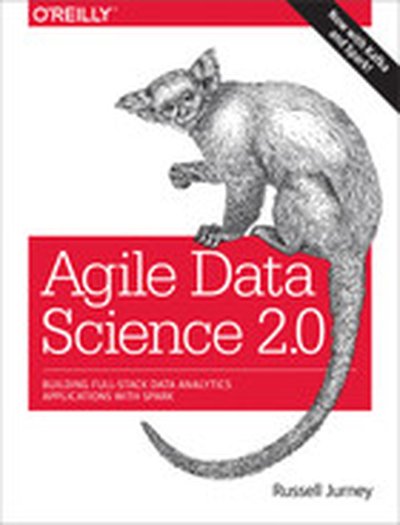
Agile Data Science 2.0

Data science teams looking to turn research into useful analytics applications require not only the right tools, but also the right approach if they’re to succeed. With the revised second edition of this hands-on guide, up-and-coming data scientists will learn how to use the Agile Data Science development methodology to build data applications with Python, Apache Spark, Kafka, and other tools. Author Russell Jurney demonstrates how to compose a data platform for building, deploying, and refining analytics applications with Apache Kafka, MongoDB, ElasticSearch, d3.js, scikit-learn, and Apache Airflow. You’ll learn an iterative approach that lets you quickly change the kind of analysis you’re doing, depending on what the data is telling you. Publish data science work as a web application, and affect meaningful change in your organization. Build value from your data in a series of agile sprints, using the data-value pyramid Extract features for statistical models from a single dataset Visualize data with charts, and expose different aspects through interactive reports Use historical data to predict the future via classification and regression Translate predictions into actions Get feedback from users after each sprint to keep your project on track
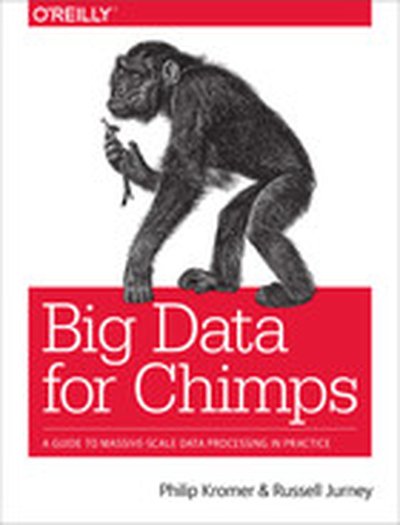
Big Data for Chimps

Finding patterns in massive event streams can be difficult, but learning how to find them doesn’t have to be. This unique hands-on guide shows you how to solve this and many other problems in large-scale data processing with simple, fun, and elegant tools that leverage Apache Hadoop. You’ll gain a practical, actionable view of big data by working with real data and real problems. Perfect for beginners, this book’s approach will also appeal to experienced practitioners who want to brush up on their skills. Part I explains how Hadoop and MapReduce work, while Part II covers many analytic patterns you can use to process any data. As you work through several exercises, you’ll also learn how to use Apache Pig to process data. Learn the necessary mechanics of working with Hadoop, including how data and computation move around the cluster Dive into map/reduce mechanics and build your first map/reduce job in Python Understand how to run chains of map/reduce jobs in the form of Pig scripts Use a real-world dataset—baseball performance statistics—throughout the book Work with examples of several analytic patterns, and learn when and where you might use them

Mapping Big Data

To discover the shape and structure of the big data market, the San Francisco-based startup Relato took a unique approach to market research and created the first fully data-driven market report. Company CEO Russell Jurney and his team collected and analyzed raw data from a variety of sources to reveal a boatload of business insights about the big data space. This exceptional report is now available for free download. Using data analytic techniques such as social network analysis (SNA), Relato exposed the vast and complex partnership network that exists among tens of thousands of unique big data vendors. The dataset Relato collected is centered around Cloudera, Hortonworks, and MapR, the major platform vendors of Hadoop, the primary force behind this market. From this snowball sample, a 2-hop network, the Relato team was able to answer several questions, including: Who are the major players in the big data market? Which is the leading Hadoop vendor? What sectors are included in this market and how do they relate? Which among the thousands of partnerships are most important? Who’s doing business with whom? Metrics used in this report are also visible in Relato’s interactive web application, via a link in the report, which walks you through the insights step-by-step.

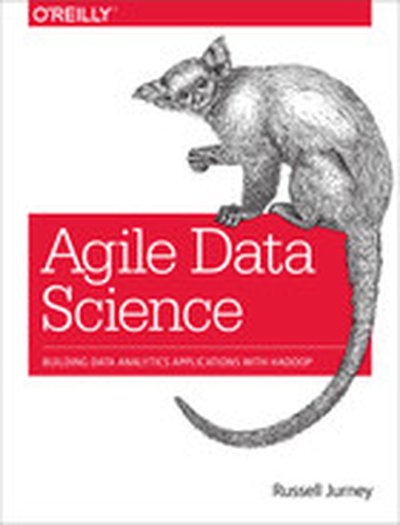
Agile Data Science

Mining big data requires a deep investment in people and time. How can you be sure you’re building the right models? With this hands-on book, you’ll learn a flexible toolset and methodology for building effective analytics applications with Hadoop. Using lightweight tools such as Python, Apache Pig, and the D3.js library, your team will create an agile environment for exploring data, starting with an example application to mine your own email inboxes. You’ll learn an iterative approach that enables you to quickly change the kind of analysis you’re doing, depending on what the data is telling you. All example code in this book is available as working Heroku apps. Create analytics applications by using the agile big data development methodology Build value from your data in a series of agile sprints, using the data-value stack Gain insight by using several data structures to extract multiple features from a single dataset Visualize data with charts, and expose different aspects through interactive reports Use historical data to predict the future, and translate predictions into action Get feedback from users after each sprint to keep your project on track