talk-data.com talk-data.com

Topic

Plotly

data_visualization interactive_charts graphing

7

tagged

Activity Trend

2 peak/qtr
2020-Q1 2026-Q1

Activities

7 activities · Newest first

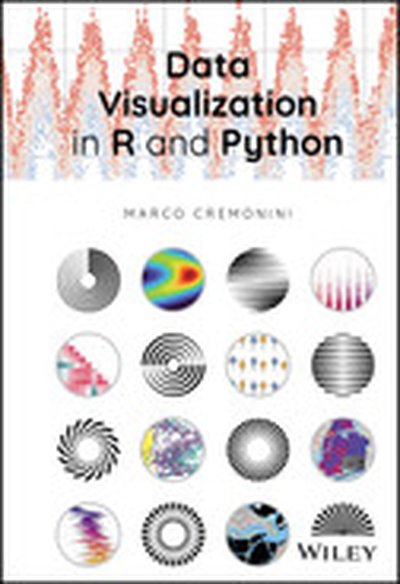
Data Visualization in R and Python

Communicate the data that is powering our changing world with this essential text The advent of machine learning and neural networks in recent years, along with other technologies under the broader umbrella of ‘artificial intelligence,’ has produced an explosion in Data Science research and applications. Data Visualization, which combines the technical knowledge of how to work with data and the visual and communication skills required to present it, is an integral part of this subject. The expansion of Data Science is already leading to greater demand for new approaches to Data Visualization, a process that promises only to grow. Data Visualization in R and Python offers a thorough overview of the key dimensions of this subject. Beginning with the fundamentals of data visualization with Python and R, two key environments for data science, the book proceeds to lay out a range of tools for data visualization and their applications in web dashboards, data science environments, graphics, maps, and more. With an eye towards remarkable recent progress in open-source systems and tools, this book offers a cutting-edge introduction to this rapidly growing area of research and technological development. Data Visualization in R and Python readers will also find: Coverage suitable for anyone with a foundational knowledge of R and Python Detailed treatment of tools including the Ggplot2, Seaborn, and Altair libraries, Plotly/Dash, Shiny, and others Case studies accompanying each chapter, with full explanations for data operations and logic for each, based on Open Data from many different sources and of different formats Data Visualization in R and Python is ideal for any student or professional looking to understand the working principles of this key field.
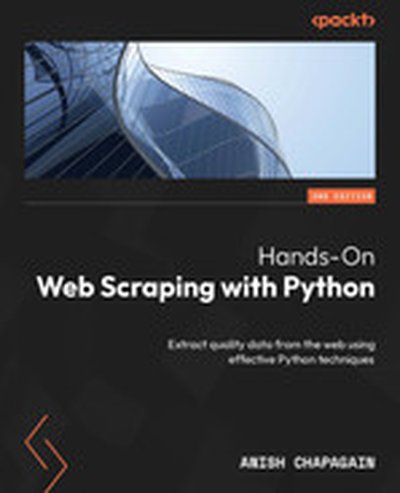
Hands-On Web Scraping with Python - Second Edition

In "Hands-On Web Scraping with Python," you'll learn how to harness the power of Python libraries to extract, process, and analyze data from the web. This book provides a practical, step-by-step guide for beginners and data enthusiasts alike. What this Book will help me do Master the use of Python libraries like requests, lxml, Scrapy, and Beautiful Soup for web scraping. Develop advanced techniques for secure browsing and data extraction using APIs and Selenium. Understand the principles behind regex and PDF data parsing for comprehensive scraping. Analyze and visualize data using data science tools such as Pandas and Plotly. Build a portfolio of real-world scraping projects to demonstrate your capabilities. Author(s) Anish Chapagain, the author of "Hands-On Web Scraping with Python," is an experienced programmer and instructor who specializes in Python and data-related technologies. With his vast experience in teaching individuals from diverse backgrounds, Anish approaches complex concepts with clarity and a hands-on methodology. Who is it for? This book is perfect for aspiring data scientists, Python beginners, and anyone who wants to delve into web scraping. Readers should have a basic understanding of how websites work but no prior coding experience is required. If you aim to develop scraping skills and understand data analysis, this book is the ideal starting point.

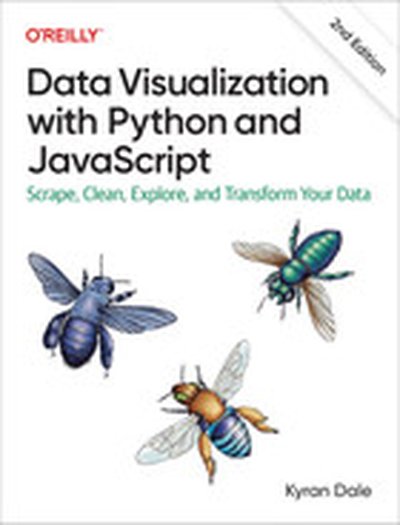
Data Visualization with Python and JavaScript, 2nd Edition

How do you turn raw, unprocessed, or malformed data into dynamic, interactive web visualizations? In this practical book, author Kyran Dale shows data scientists and analysts--as well as Python and JavaScript developers--how to create the ideal toolchain for the job. By providing engaging examples and stressing hard-earned best practices, this guide teaches you how to leverage the power of best-of-breed Python and JavaScript libraries. Python provides accessible, powerful, and mature libraries for scraping, cleaning, and processing data. And while JavaScript is the best language when it comes to programming web visualizations, its data processing abilities can't compare with Python's. Together, these two languages are a perfect complement for creating a modern web-visualization toolchain. This book gets you started. You'll learn how to: Obtain data you need programmatically, using scraping tools or web APIs: Requests, Scrapy, Beautiful Soup Clean and process data using Python's heavyweight data processing libraries within the NumPy ecosystem: Jupyter notebooks with pandas+Matplotlib+Seaborn Deliver the data to a browser with static files or by using Flask, the lightweight Python server, and a RESTful API Pick up enough web development skills (HTML, CSS, JS) to get your visualized data on the web Use the data you've mined and refined to create web charts and visualizations with Plotly, D3, Leaflet, and other libraries

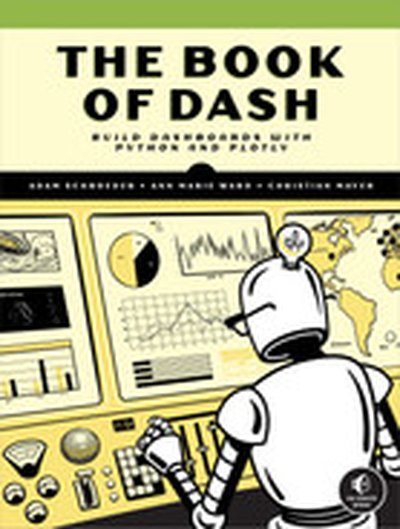
The Book of Dash

A swift and practical introduction to building interactive data visualization apps in Python, known as dashboards. Youâ??ve seen dashboards before; think election result visualizations you can update in real time, or population maps you can filter by demographic. With the Python Dash library youâ??ll create analytic dashboards that present data in effective, usable, elegant ways in just a few lines of code. The book is fast-paced and caters to those entirely new to dashboards. It will talk you through the necessary software, then get straight into building the dashboards themselves. Youâ??ll learn the basic format of a Dash app by building a twitter analysis dashboard that maps the number of likes certain accounts gained over time. Youâ??ll build up skills through three more sophisticated projects. The first is a global analysis app that compares country data in three areas: the percentage of a population using the internet, percentage of parliament seats held by women, and CO2 emissions. Youâ??ll then build an investment portfolio dashboard, and an app that allows you to visualize and explore machine learning algorithms. In this book you will: â?¢Create and run your first Dash apps â?¢Use the pandas library to manipulate and analyze social media data â?¢Use Git to download and build on existing apps written by the pros â?¢Visualize machine learning models in your apps â?¢Create and manipulate statistical and scientific charts and maps using Plotly Dash combines several technologies to get you building dashboards quickly and efficiently. This book will do the same.

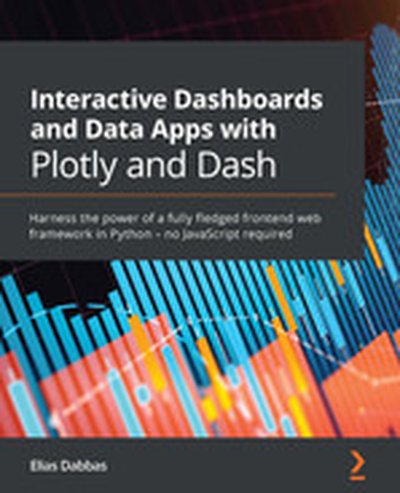
Interactive Dashboards and Data Apps with Plotly and Dash

This book, "Interactive Dashboards and Data Apps with Plotly and Dash", is a practical guide to building dynamic dashboards and applications using the Dash Python framework. It covers creating visualizations, integrating interactive controls, and deploying the apps, all without requiring JavaScript expertise. What this Book will help me do Master creating interactive data dashboards using Dash and Plotly. Understand how to integrate controls such as sliders and dropdowns into apps. Learn to use Plotly Express for visually representing data with ease. Develop capabilities to deploy a fully functional web app for data interaction. Understand how to use multi-page configurations and URLs for advanced apps. Author(s) None Dabbas is a seasoned Python developer with extensive expertise in data visualization and full-stack development. Drawing from real-world experience, None brings a practical approach to teaching, ensuring that learners understand not only how to build applications but why the approach works. Who is it for? This book is ideal for data analysts, engineers, and developers looking to enhance their visualization capabilities. If you are familiar with Python and have basic HTML skills, you will find this book accessible and rewarding. Beginners looking to explore advanced dashboard creation without JavaScript will also appreciate the clear approach.

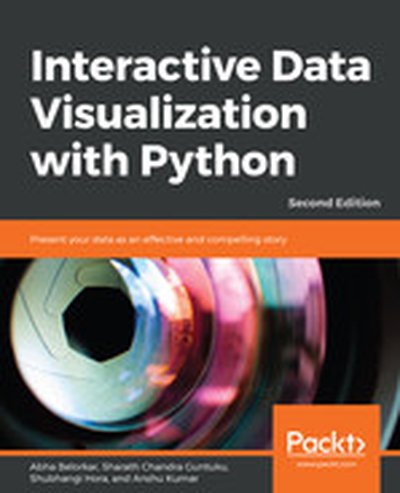
Interactive Data Visualization with Python - Second Edition

With Interactive Data Visualization with Python, you will learn to turn raw data into compelling, interactive visual stories. This book guides you through the practical uses of Python libraries such as Bokeh and Plotly, teaching you skills to create visualizations that captivate and inform. What this Book will help me do Understand and apply different principles and techniques of interactive data visualization to bring your data to life. Master the use of libraries like Matplotlib, Seaborn, Altair, and Bokeh for creating a variety of data visualizations. Learn how to customize data visualizations effectively to meet the needs of different audiences and use cases. Gain proficiency in using advanced tools like Plotly for creating dynamic and engaging visual presentations. Acquire the ability to identify common pitfalls in visualization and learn strategies to avoid them, ensuring clarity and impact. Author(s) Abha Belorkar, Sharath Chandra Guntuku, Shubhangi Hora, and Anshu Kumar are experts in Python programming and data visualization with years of experience in data science and software development. They have collaborated to blend their knowledge into this book-a clear and practical guide to mastering interactive visualization with Python. Who is it for? This book is perfect for Python developers, data analysts, and data scientists who want to enhance their skills in data presentation. If you are ready to transform complex data into digestible and interactive visuals, this book is for you. A basic familiarity with Python programming and libraries like pandas is recommended. By the end of the book, you'll feel confident in creating professional-grade data visualizations.

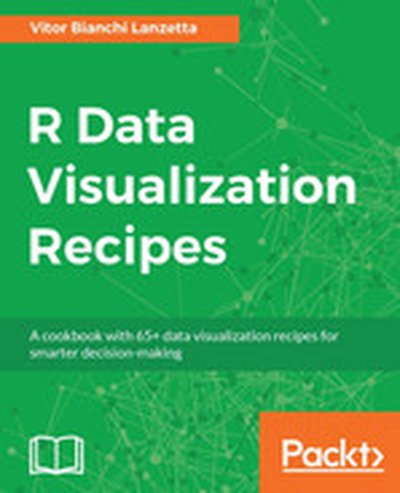
R Data Visualization Recipes

"R Data Visualization Recipes" is a valuable resource for data professionals who want to create clear and effective data visualizations using R. Through a series of practical recipes, the book walks you through various techniques, from mastering the basics to creating advanced, interactive dashboards. By following these recipes, you'll be equipped to use R's visualization packages to their full potential. What this Book will help me do Understand and effectively use R's diverse data visualization libraries. Create polished and informative graphics with ggplot2, ggvis, and plotly. Enhance plots with interactive and animated elements to tell a compelling story. Develop expertise in creating three-dimensional and multivariate visualizations. Design custom interactive dashboards using the power of Shiny. Author(s) None Bianchi Lanzetta is an expert in data visualization and programming, bringing years of experience in using R for applications in data analysis and graphics. With a background in software development, data science, and teaching, the author shares practical insights and clear instructions. Lanzetta's approachable and methodical writing style makes even complex topics accessible. Who is it for? This book is perfect for data professionals, analysts, and scientists who know the basics of R and want to enhance their ability to communicate findings visually. Even if you are a beginner with some exposure to R's ggplot2 package or similar, you'll find the recipes approachable and methodical. The book is ideal for readers who want practical, directly applicable techniques. Whether you're looking to augment your reporting abilities or explore advanced data visualization, you'll gain valuable skills.