talk-data.com talk-data.com

Topic

DynamoDB

database nosql aws cloud

6

tagged

Activity Trend

12 peak/qtr
2020-Q1 2026-Q1

Activities

Showing filtered results

Filtering by: O'Reilly Data Engineering Books ×
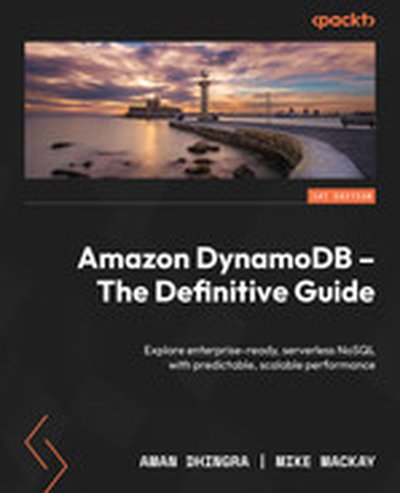
Amazon DynamoDB - The Definitive Guide

Master Amazon DynamoDB, the serverless NoSQL database designed for lightning-fast performance and scalability, with this definitive guide. You'll delve into its features, learn advanced concepts, and acquire practical skills to harness DynamoDB for modern application development. What this Book will help me do Understand AWS DynamoDB fundamentals for real-world applications. Model and optimize NoSQL databases with advanced techniques. Integrate DynamoDB into scalable, high-performance architectures. Utilize DynamoDB indexing, caching, and analytical features effectively. Plan and execute RDBMS to NoSQL data migrations successfully. Author(s) None Dhingra, an AWS DynamoDB solutions expert, and None Mackay, a seasoned NoSQL architect, bring their combined expertise straight from Amazon Web Services to guide you step-by-step in mastering DynamoDB. Combining comprehensive technical knowledge with approachable explanations, they empower readers to implement practical and efficient data strategies. Who is it for? This book is ideal for software developers and architects seeking to deepen their knowledge about AWS solutions like DynamoDB, engineering managers aiming to incorporate scalable NoSQL solutions into their projects, and data professionals transitioning from RDBMS towards a serverless data approach. Individuals with basic knowledge in cloud computing or database systems and those ready to advance in DynamoDB will find this book particularly beneficial.
Seven NoSQL Databases in a Week

Learn the fundamentals of seven essential NoSQL databases in just one week with this book. Covering MongoDB, DynamoDB, Redis, Cassandra, Neo4j, InfluxDB, and HBase, you'll explore their functionalities and practical applications. Designed to give you a working understanding of NoSQL database types, this guide helps aspiring DBAs and developers comprehend and utilize modern data solutions. What this Book will help me do Master the fundamentals of MongoDB, including high-performance, high-availability, and scaling features. Gain hands-on experience with Neo4j to perform database queries and integrate with Python and Java applications. Learn efficient querying with Redis for storage and retrieval tasks. Understand Cassandra's powerful solution for scalable and fault-tolerant systems. Get well-versed with HBase for creating tables, and reading and writing data efficiently. Author(s) Sudarshan Kadambi and Xun (Brian) Wu bring a wealth of experience in database technologies. They have worked extensively in the software development and database management fields. With their practical and concise teaching approach, the authors make complex topics accessible for readers. Who is it for? This book is ideal for budding DBAs and developers looking to understand NoSQL databases. It is particularly useful for those transitioning from relational databases who want to learn about modern database technologies. Suitable for both beginners and those with some database knowledge, it aims to bridge skill gaps and expand the reader's technical expertise.

DynamoDB Cookbook

This comprehensive guide introduces you to Amazon's DynamoDB, a NoSQL database designed for high scalability and performance. Using this book, you will learn how to build robust web and mobile applications on DynamoDB and integrate it seamlessly with other AWS services for a complete cloud solution. What this Book will help me do Understand the key design concepts of DynamoDB and leverage its performance and scalability in your projects. Learn best practices for operating and managing DynamoDB tables, including optimizing throughput and designing efficient indexes. Master techniques for securing data in DynamoDB, including encryption and access management approaches. Explore integration strategies with other AWS services such as S3, EMR, and Lambda, to develop complex, real-world applications. Learn cost-effective solutions and tips for managing DynamoDB usage to avoid unnecessary expenses while maximizing resources. Author(s) None Deshpande, an expert in AWS and NoSQL databases, brings years of practical experience and engineering best practices to this book. With a strong focus on clear and actionable insights, Deshpande is dedicated to enabling developers to unlock the full potential of DynamoDB and related services for scalable application development. Who is it for? This book is most suited for developers and architects familiar with AWS who aim to deepen their understanding of DynamoDB. It is ideal for individuals looking to harness NoSQL databases for robust and scalable application solutions. The topics covered range from foundational knowledge to advanced integrations, making the book approachable yet comprehensive for both learners and seasoned practitioners.

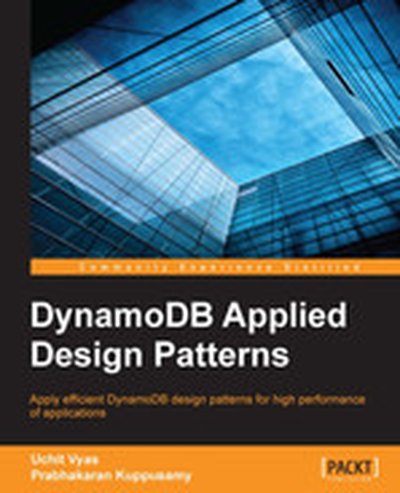
DynamoDB Applied Design Patterns

In "DynamoDB Applied Design Patterns", you'll dive deep into the effective design patterns that optimize the performance of applications using DynamoDB. Through practical examples and best practices, this guide empowers developers to create scalable, efficient, and robust DynamoDB implementations. What this Book will help me do Master how to design effective data models using DynamoDB's native features such as tables, attributes, and indexes. Learn to utilize DynamoDB features like global and local secondary indexes to optimize performance. Gain in-depth knowledge on managing and querying DynamoDB using AWS services and tools. Integrate DynamoDB seamlessly with AWS services such as Redshift, S3, and MapReduce. Leverage advanced DynamoDB API features to retrieve data efficiently for diverse application use cases. Author(s) Uchit Hamendra Vyas is a highly skilled professional specializing in AWS and cloud computing. With years of experience as a developer and architect, he brings practical insights into designing efficient database solutions. His approachable teaching style makes complex topics clear and accessible. Who is it for? This book is designed for developers working with or interested in using DynamoDB in their projects. It assumes a moderate familiarity with database design and AWS concepts. Readers aiming to enhance their DynamoDB skills and optimize performance will greatly benefit. If you're looking to take your NoSQL database knowledge to the next level, this book is for you.

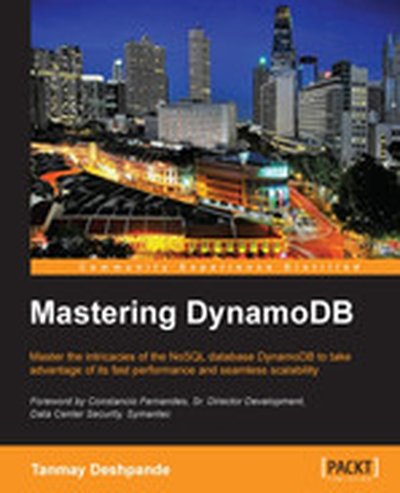
Mastering DynamoDB

"Mastering DynamoDB" will guide you through the advanced usage and operational subtleties of DynamoDB, Amazon's fully managed NoSQL database solution. By mastering the topics in this book, readers will unlock the tools to efficiently build scalable and high-performance applications using DynamoDB, leveraging its unique architecture and features. What this Book will help me do Gain a deep understanding of DynamoDB's data model and how it supports scalable performance. Master advanced DynamoDB architecture concepts for reliability and data handling. Learn to integrate DynamoDB securely with other AWS services to build a comprehensive ecosystem. Use tools and libraries to automate processes like autoscaling, testing, and data backups for DynamoDB. Develop mobile and web applications using DynamoDB as a backend, ensuring high availability and speedy operations. Author(s) None Deshpande, the author of "Mastering DynamoDB", is an experienced cloud computing and database professional. With a strong background in AWS technologies and particular expertise in DynamoDB, None brings hands-on knowledge to the forefront. The author is dedicated to making complex concepts accessible and practical for learners, aiding in their professional growth. Who is it for? This book is ideal for developers and IT professionals who want to deepen their expertise in cloud-based NoSQL databases. Readers should ideally have intermediate experience with programming, AWS services, and an interest in enhancing their skills around scalable database systems. Those seeking practical insights for advanced database integration and application development will benefit the most. If you aim to build robust, high-performance applications, "Mastering DynamoDB" is for you.

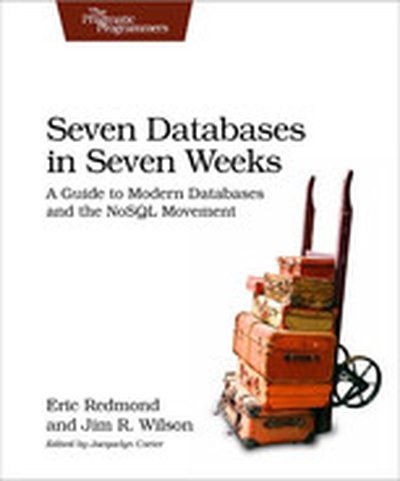
Seven Databases in Seven Weeks

Data is getting bigger and more complex by the day, and so are the choices in handling that data. As a modern application developer you need to understand the emerging field of data management, both RDBMS and NoSQL. Seven Databases in Seven Weeks takes you on a tour of some of the hottest open source databases today. In the tradition of Bruce A. Tate's Seven Languages in Seven Weeks, this book goes beyond your basic tutorial to explore the essential concepts at the core each technology. Redis, Neo4J, CouchDB, MongoDB, HBase, Riak and Postgres. With each database, you'll tackle a real-world data problem that highlights the concepts and features that make it shine. You'll explore the five data models employed by these databases-relational, key/value, columnar, document and graph-and which kinds of problems are best suited to each. You'll learn how MongoDB and CouchDB are strikingly different, and discover the Dynamo heritage at the heart of Riak. Make your applications faster with Redis and more connected with Neo4J. Use MapReduce to solve Big Data problems. Build clusters of servers using scalable services like Amazon's Elastic Compute Cloud (EC2). Discover the CAP theorem and its implications for your distributed data. Understand the tradeoffs between consistency and availability, and when you can use them to your advantage. Use multiple databases in concert to create a platform that's more than the sum of its parts, or find one that meets all your needs at once. Seven Databases in Seven Weeks will take you on a deep dive into each of the databases, their strengths and weaknesses, and how to choose the ones that fit your needs. What You Need: To get the most of of this book you'll have to follow along, and that means you'll need a *nix shell (Mac OSX or Linux preferred, Windows users will need Cygwin), and Java 6 (or greater) and Ruby 1.8.7 (or greater). Each chapter will list the downloads required for that database.