
talk-data.com talk-data.com

Topic

Tableau

data_visualization bi analytics

162

tagged

Activity Trend

11 peak/qtr
2020-Q1 2026-Q1

Activities

162 activities · Newest first

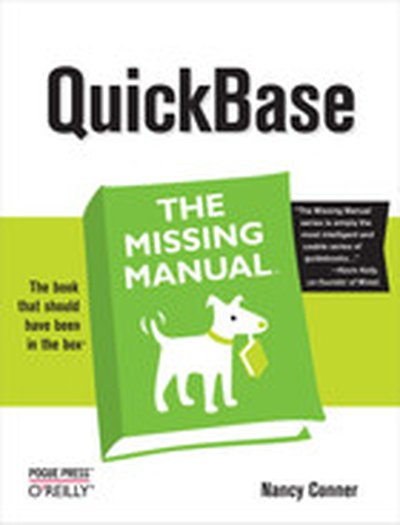
QuickBase: The Missing Manual

Ready to put Intuit's QuickBase to work? Our new Missing Manual shows you how to capture, modify, share, and manage data and documents with this web-based data-sharing program quickly and easily. No longer do you have to coordinate your team through a blizzard of emails or play frustrating games of "guess which document is the right one." QuickBase saves your organization time and money, letting you manage and share the information that makes your business tick: sales figures, project timelines, drafts of documents, purchase or work requests--whatever information you need to keep business flowing smoothly. QuickBase: The Missing Manual shows you how to choose among QuickBase's dozens of ready-made applications (mini-databases, essentially) and how to customize one to fit your needs exactly. You'll also learn to assign people different roles within the application. The guide also shows you how to: Capture and modify data: Whatever kind of data you need to store--sales leads, catalog listings, project milestones, workflow checklists--you can use QuickBase's forms to record and organize that data so it makes sense to you. Filter, sort, and group data: Easily find the records that match your criteria, and then sort those records into groups that make their relationships clear. Display your data: QuickBase uses different views (Table, Grid Edit, Summary/Crosstab, Calendar, Chart, and Timeline) to display and summarize data. Switching between them is easy, like taking tasks listed in a table and displaying them as a timeline. Create reports: Print out a hard copy, embed charts in the annual report, or email this month's sales numbers. Because Intuit frequently introduces new features to QuickBase, you'll find updates to this book at our Missing Manual web site so you can benefit from the latest technology and user suggestions right away.
Is BI Too Big for Small Data?

This is a talk about how we thought we had Big Data, and we built everything planning for Big Data, but then it turns out we didn't have Big Data, and while that's nice and fun and seems more chill, it's actually ruining everything, and I am here asking you to please help us figure out what we are supposed to do now.

📓 Resources Big Data is Dead: https://motherduck.com/blog/big-data-... Small Data Manifesto: https://motherduck.com/blog/small-dat... Is Excel Immortal?: https://benn.substack.com/p/is-excel-immortal Small Data SF: https://www.smalldatasf.com/

➡️ Follow Us LinkedIn: / motherduck
X/Twitter : / motherduck
Blog: https://motherduck.com/blog/


Mode founder David Wheeler challenges the data industry's obsession with "big data," arguing that most companies are actually working with "small data," and our tools are failing us. This talk deconstructs the common sales narrative for BI tools, exposing why the promise of finding game-changing insights through data exploration often falls flat. If you've ever built dashboards nobody uses or wondered why your analytics platform doesn't deliver on its promises, this is a must-watch reality check on the modern data stack.

We explore the standard BI demo, where an analyst uncovers a critical insight by drilling into event data. This story sells tools like Tableau and Power BI, but it rarely reflects reality, leading to a "revolving door of BI" as companies swap tools every few years. Discover why the narrative of the intrepid analyst finding a needle in the haystack only works in movies and how this disconnect creates a cycle of failed data initiatives and unused "trashboards."

The presentation traces our belief that "data is the new oil" back to the early 2010s, with examples from Target's predictive analytics and Facebook's growth hacking. However, these successes were built on truly massive datasets. For most businesses, analyzing small data results in noisy charts that offer vague "directional vibes" rather than clear, actionable insights. We contrast the promise of big data analytics with the practical challenges of small data interpretation.

Finally, learn actionable strategies for extracting real value from the data you actually have. We argue that BI tools should shift focus from data exploration to data interpretation, helping users understand what their charts actually mean. Learn why "doing things that don't scale," like manually analyzing individual customer journeys, can be more effective than complex models for small datasets. This talk offers a new perspective for data scientists, analysts, and developers looking for better data analysis techniques beyond the big data hype.