talk-data.com talk-data.com

Topic

graph-databases

20

tagged

Activity Trend

1 peak/qtr
2020-Q1 2026-Q1

Activities

20 activities · Newest first

Neo4j: The Definitive Guide

Looking to improve the performance of Cypher queries or learn how to model graphs to support business use cases? A graph database like Neo4j can help. In fact, many enterprises are leveraging Neo4j to power their business-critical applications. This book offers practical and concise recipes on how and when to successfully leverage Neo4j into architectures. Authors Christophe Willemsen and Luanne Misquitta walk you through typical Neo4j implementation strategies from proof of concept to iterative improvements and, finally, to production readiness and beyond. By the end of this book, you should understand how to: Make practical decisions in the proof of concept stage to maximize value Revisit and revise your decisions when transitioning to production Configure and implement observability features for in-production data graphs Integrate graph databases into existing enterprise architectures

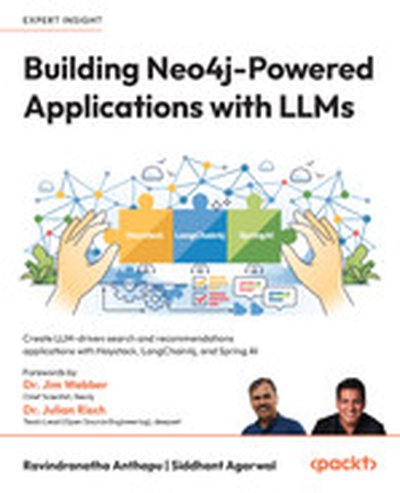
Building Neo4j-Powered Applications with LLMs

Dive into building applications that combine the power of Large Language Models (LLMs) with Neo4j knowledge graphs, Haystack, and Spring AI to deliver intelligent, data-driven recommendations and search outcomes. This book provides actionable insights and techniques to create scalable, robust solutions by leveraging the best-in-class frameworks and a real-world project-oriented approach. What this Book will help me do Understand how to use Neo4j to build knowledge graphs integrated with LLMs for enhanced data insights. Develop skills in creating intelligent search functionalities by combining Haystack and vector-based graph techniques. Learn to design and implement recommendation systems using LangChain4j and Spring AI frameworks. Acquire the ability to optimize graph data architectures for LLM-driven applications. Gain proficiency in deploying and managing applications on platforms like Google Cloud for scalability. Author(s) Ravindranatha Anthapu, a Principal Consultant at Neo4j, and Siddhant Agarwal, a Google Developer Expert in Generative AI, bring together their vast experience to offer practical implementations and cutting-edge techniques in this book. Their combined expertise in Neo4j, graph technology, and real-world AI applications makes them authoritative voices in the field. Who is it for? Designed for database developers and data scientists, this book caters to professionals aiming to leverage the transformational capabilities of knowledge graphs alongside LLMs. Readers should have a working knowledge of Python and Java as well as familiarity with Neo4j and the Cypher query language. If you're looking to enhance search or recommendation functionalities through state-of-the-art AI integrations, this book is for you.

Graph-Powered Analytics and Machine Learning with TigerGraph

With the rapid rise of graph databases, organizations are now implementing advanced analytics and machine learning solutions to help drive business outcomes. This practical guide shows data scientists, data engineers, architects, and business analysts how to get started with a graph database using TigerGraph, one of the leading graph database models available. You'll explore a three-stage approach to deriving value from connected data: connect, analyze, and learn. Victor Lee, Phuc Kien Nguyen, and Alexander Thomas present real use cases covering several contemporary business needs. By diving into hands-on exercises using TigerGraph Cloud, you'll quickly become proficient at designing and managing advanced analytics and machine learning solutions for your organization. Use graph thinking to connect, analyze, and learn from data for advanced analytics and machine learning Learn how graph analytics and machine learning can deliver key business insights and outcomes Use five core categories of graph algorithms to drive advanced analytics and machine learning Deliver a real-time 360-degree view of core business entities, including customer, product, service, supplier, and citizen Discover insights from connected data through machine learning and advanced analytics

Graph Data Science with Neo4j

"Graph Data Science with Neo4j" teaches you how to utilize Neo4j 5 and its Graph Data Science Library 2.0 for analyzing and making predictions with graph data. By integrating graph algorithms into actionable machine learning pipelines using Python, you'll harness the power of graph-based data models. What this Book will help me do Query and manipulate graph data using Cypher in Neo4j. Design and implement graph datasets using your data and public sources. Utilize graph-specific algorithms for tasks such as link prediction. Integrate graph data science pipelines into machine learning projects. Understand and apply predictive modeling using the GDS Library. Author(s) None Scifo, the author of "Graph Data Science with Neo4j," is an experienced data scientist with expertise in graph databases and advanced machine learning techniques. Their technical approach combines practical implementation with clear, step-by-step guidance to provide readers the skills they need to excel. Who is it for? This book is ideal for data scientists and analysts familiar with basic Neo4j concepts and Python-based data science workflows who wish to deepen their skills in graph algorithms and machine learning integration. It is particularly suited for professionals aiming to advance their expertise in graph data science for practical applications.

Graph Data Processing with Cypher

This comprehensive guide, "Graph Data Processing with Cypher," provides a clear and practical approach to mastering Cypher for querying Neo4j graph databases. Packed with real-world examples and detailed explanations, you'll learn how to model graph data, write and optimize Cypher queries, and leverage advanced features to extract meaningful insights from your data. What this Book will help me do Master the Cypher query language, from basics to advanced graph traversal techniques. Develop graph data models based on real-world business requirements and efficiently load data. Optimize Cypher queries for performance through query profiling and tuning techniques. Enhance Cypher's capabilities using APOC utilities for advanced data processing. Create impactful visualizations of graph data using tools like Neo4j Bloom. Author(s) Ravindranatha Anthapu has vast expertise in graph databases and years of professional experience working with Cypher and Neo4j. He brings a hands-on and accessible approach to teaching technical concepts, aiming to empower developers to effectively use graph databases. Through a passion for knowledge-sharing, Ravindranatha ensures readers feel both supported and challenged in their learning journey. Who is it for? This book is ideal for database administrators, developers, and architects, especially those who work with graph databases or want to transition into this domain. Beginners with basic Cypher knowledge and professionals aiming to advance their graph modeling and query optimization skills will find this resource invaluable. It is especially beneficial for individuals seeking to harness the full potential of Neo4j graph databases through Cypher.

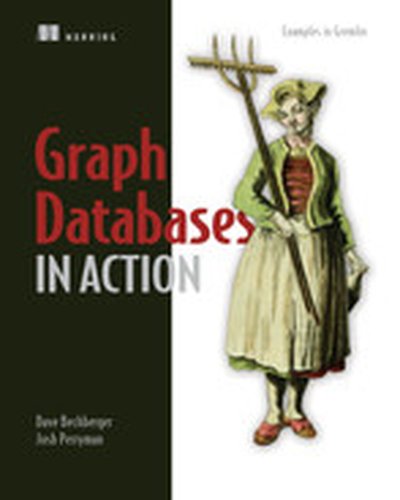
Graph Databases in Action

Relationships in data often look far more like a web than an orderly set of rows and columns. Graph databases shine when it comes to revealing valuable insights within complex, interconnected data such as demographics, financial records, or computer networks. In Graph Databases in Action, experts Dave Bechberger and Josh Perryman illuminate the design and implementation of graph databases in real-world applications. You'll learn how to choose the right database solutions for your tasks, and how to use your new knowledge to build agile, flexible, and high-performing graph-powered applications! About the Technology Isolated data is a thing of the past! Now, data is connected, and graph databases—like Amazon Neptune, Microsoft Cosmos DB, and Neo4j—are the essential tools of this new reality. Graph databases represent relationships naturally, speeding the discovery of insights and driving business value. About the Book Graph Databases in Action introduces you to graph database concepts by comparing them with relational database constructs. You'll learn just enough theory to get started, then progress to hands-on development. Discover use cases involving social networking, recommendation engines, and personalization. What's Inside Graph databases vs. relational databases Systematic graph data modeling Querying and navigating a graph Graph patterns Pitfalls and antipatterns About the Reader For software developers. No experience with graph databases required. About the Authors Dave Bechberger and Josh Perryman have decades of experience building complex data-driven systems and have worked with graph databases since 2014. Quotes A comprehensive overview of graph databases and how to build them using Apache tools. - Richard Vaughan, Purple Monkey Collective A well-written and thorough introduction to the topic of graph databases. - Luis Moux, EMO A great guide in your journey towards graph databases and exploiting the new possibilities for data processing. - Mladen Knežić, CROZ A great introduction to graph databases and how you should approach designing systems that leverage graph databases. - Ron Sher, Intuit


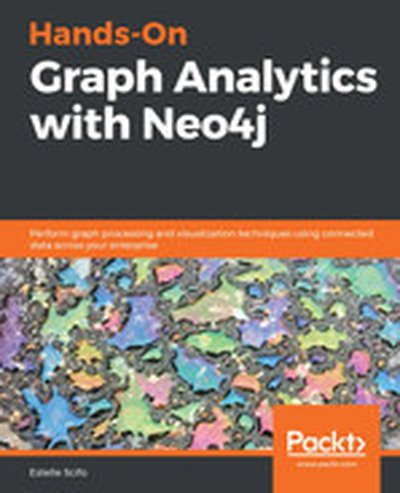
Hands-On Graph Analytics with Neo4j

This book is your gateway into the world of graph analytics with Neo4j, empowering you to reveal insights hidden in connected data. By diving into real-world examples, you'll learn how to implement algorithms to uncover relationships and patterns critical for applications such as fraud detection, recommendation systems, and more. What this Book will help me do Understand fundamental concepts of the Neo4j graph database, including nodes, relationships, and Cypher querying. Effectively explore and visualize data relationships, enhancing applications like search engines and recommendations. Gain proficiency in graph algorithms such as pathfinding and spatial search to solve key business challenges. Leverage Neo4j's Graph Data Science library for machine learning and predictive analysis tasks. Implement web applications that utilize Neo4j for scalable, production-ready graph data management. Author(s) None Scifo is an experienced author in graph technologies, extensively working with Neo4j. He brings practical knowledge and a hands-on approach to the forefront, making complex topics accessible to learners of all levels. Through his work, he continues to inspire readers to harness the power of connected data effectively. Who is it for? This book is perfect for professionals like data analysts, business analysts, graph analysts, and database developers aiming to delve into graph data. It caters to those seeking to solve problems through graph analytics, whether in fraud detection, recommendation systems, or other fields. Some prior experience with Neo4j is recommended for maximal benefit.

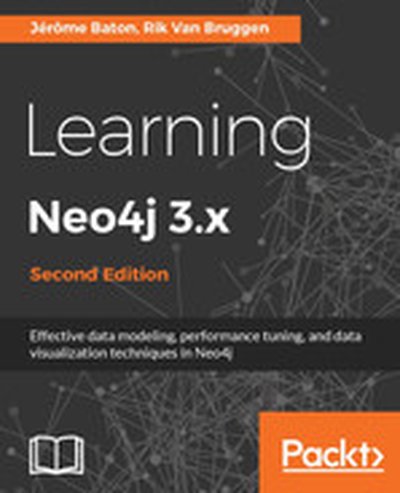
Learning Neo4j 3.x - Second Edition

"Learning Neo4j 3.x" provides a comprehensive introduction to the world of graph databases, focusing on practical usage of Neo4j. This book guides you through the fundamentals, from installation and modeling to advanced features including security and optimization. You'll gain the skills to harness Neo4j for effective data management and visualization. What this Book will help me do Understand the basics of graph databases and how to use them effectively in real-world scenarios. Master the Cypher query language to query and manipulate graph data powerfully and intuitively. Learn to implement and optimize advanced graph techniques using the APOC library. Develop the ability to extend Neo4j's core functionality using available plugins and advanced extensions. Acquire skills to design and deploy scalable, secure enterprise-grade graph database solutions. Author(s) Jerome Baton and None Van Bruggen are experienced Neo4j specialists who share a passion for making complex technical concepts accessible. Jerome brings years of real-world experience in graph database applications, while None contributes expertise in data modeling and visualization. Together, they provide clear, focused insights with practical examples and hands-on guidance. Who is it for? This book is tailored for developers looking to extend their knowledge with graph databases to take on modern connected data challenges. It is suitable for those new to Neo4j, including beginners with databases, and will serve as a valuable guide for professionals aiming to deepen their expertise in data storage and query optimization using Neo4j.

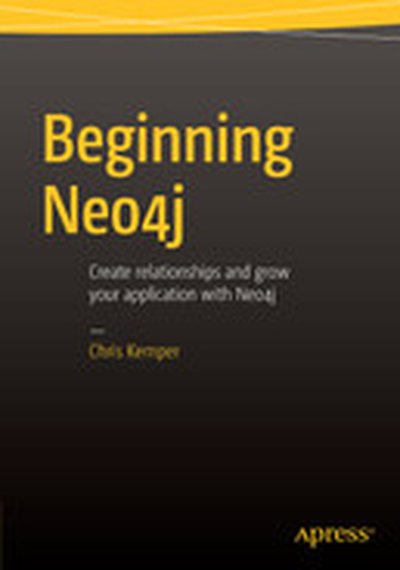
Beginning Neo4j

This book is your introduction in the world of graph databases, and the benefits they can bring to your applications. Neo4j is the most established graph database on the market, and it's always improving to bring more of its benefits to you. Beginning Neo4j will take you from the installation of Neo4j through to building a full application with Neo4j at its heart, and everything in between. Using this book, you'll get everything up and running, and then learn how to use Neo4j to build up recommendations, relationships, and calculate the shortest route between two locations. With example data models, and an application putting everything together, this book will give you everything you need to really get started with Neo4j. Neo4j is being used by social media and ecommerce industry giants. You can take advantage of Neo4j's powerful features and benefits - add Beginning Neo4j to your library today.

Neo4j Graph Data Modelling

Neo4j Graph Data Modelling provides practical guidance in designing and implementing graph databases using Neo4j. This book walks you through modeling concepts, database evolution, and performance optimization. You'll learn how to model real-world domains, write Cypher queries, and adapt your database as requirements change. What this Book will help me do Model data effectively using Neo4j to represent complex relationships. Translate real-world problems into graph database designs efficiently. Write optimized Cypher queries to retrieve and manipulate data. Improve database performance through thoughtful design practices. Adapt and evolve databases seamlessly as application needs change. Author(s) Mahesh K Lal is an experienced developer and database specialist with a deep understanding of graph data modeling. With a focus on practical and accessible instruction, Mahesh's work provides actionable insights into database design. Neo4j Graph Data Modelling reflects his years of hands-on experience with Neo4j. Who is it for? This book is designed for software developers and data professionals looking to explore graph databases. If you aim to effectively model real-world situations using Neo4j or optimize database queries, this guide is for you. Prior experience with databases is helpful but not mandatory.

Building web applications with Python and Neo4j

Expand your Python web development expertise by integrating Neo4j into your applications. Through this book, you'll journey from understanding Neo4j's fundamentals to building powerful Python-based applications using tools like Flask, Py2neo, and Django. Learn how to model, query, and update graph data effectively. What this Book will help me do Gain an in-depth understanding of Neo4j installation, licensing, and tools. Master using Cypher for querying and modifying graph data models. Learn how to integrate Python with Neo4j effectively using Py2neo. Build RESTful services with Flask leveraging Neo4j for structured data. Create robust Django applications using graph-based data models with Neomodel. Author(s) Sumit Gupta is a seasoned Python developer with a strong background in graph database design and integration. He has extensive experience using Neo4j to create efficient, scalable applications for real-world problems. His hands-on approach combines practical examples with the depth of knowledge required to develop expertise. Who is it for? This book is ideal for Python developers with an interest in enhancing their applications through graph database technology. If you possess a moderate understanding of Python and wish to explore Neo4j for creating smarter, more interconnected data-driven solutions, this book is for you. You should be comfortable with basic programming concepts to fully benefit from this book.

Graph Databases, 2nd Edition

Discover how graph databases can help you manage and query highly connected data. With this practical book, you’ll learn how to design and implement a graph database that brings the power of graphs to bear on a broad range of problem domains. Whether you want to speed up your response to user queries or build a database that can adapt as your business evolves, this book shows you how to apply the schema-free graph model to real-world problems. This second edition includes new code samples and diagrams, using the latest Neo4j syntax, as well as information on new functionality. Learn how different organizations are using graph databases to outperform their competitors. With this book’s data modeling, query, and code examples, you’ll quickly be able to implement your own solution. Model data with the Cypher query language and property graph model Learn best practices and common pitfalls when modeling with graphs Plan and implement a graph database solution in test-driven fashion Explore real-world examples to learn how and why organizations use a graph database Understand common patterns and components of graph database architecture Use analytical techniques and algorithms to mine graph database information

Neo4j Cookbook

Dive into Neo4j and uncover how to harness its powerful capabilities in graph data analysis with the Neo4j Cookbook. Across 75 well-structured recipes, you'll learn to apply practical techniques in modeling, querying, and visualizing graph databases, enabling you to address real-world challenges efficiently. What this Book will help me do Access Neo4j from popular programming languages such as Java, Python, and Scala, enabling easier integration into your projects. Migrate data seamlessly from various data stores, including SQL and NoSQL, into Neo4j, maintaining data consistency. Use best practices for data modeling with Neo4j to optimize performance and scalability for your applications. Analyze social data from sources like Facebook and Twitter, revealing valuable insights from connections and relationships. Integrate geospatial data to enable location-based queries and nearest-point searches, opening up advanced application features. Author(s) Ankur Goel, the author of Neo4j Cookbook, is an experienced technologist with an extensive background in handling database solutions and applications. Passionate about simplifying complex systems, Ankur excels in teaching essential database concepts through clear and actionable recipes. His writing is rooted in practical insights, reflecting his hands-on experience in the industry. Who is it for? This book is ideal for developers and data engineers who currently use or plan to integrate Neo4j into their workflows. If you are migrating from a traditional database system or delving into graph databases for the first time, this book offers structured guidance. Readers should have a fundamental understanding of programming and familiarity with database concepts for the best experience. It caters to individuals aiming to build or enhance data-driven applications using Neo4j's robust graph modeling.

Neo4j High Performance

Dive into the world of graph databases with "Neo4j High Performance." This book takes you through the intricacies of designing, building, and maintaining robust and scalable graph-based systems tailored for your application's specific needs. Whether you're optimizing your database structures or exploring performance enhancements, this guide equips you with the skills to utilize Neo4j effectively. What this Book will help me do Understand the fundamentals of graph database principles and Neo4j's architecture. Learn how to design efficient graph data schemas to optimize performance. Develop the ability to customize Neo4j operations for high-traffic applications. Master advanced indexing and querying techniques to unlock the full potential of your data. Gain expertise in Neo4j's REST API and practical scenarios, including building recommendation systems. Author(s) Sonal Raj is a seasoned expert in graph databases and related technologies, specializing in Neo4j. With hands-on experience in solving complex data problems using graph systems, Sonal brings deep insights and practical usage paradigms to this book. Passionate about sharing knowledge, Sonal ensures this material bridges the gap from beginner understanding to expert application. Who is it for? This book is perfect for professionals and enthusiasts eager to excel in graph database technologies. If you're familiar with basic graph theory or have practical experience with Neo4j, you'll find this book insightful. Beginners seeking a structured introduction and advanced users pursuing optimization techniques will benefit equally. Ideal for developers aiming to scale their applications using graph data efficiently.

Practical Neo4j

" Why have developers at places like Facebook and Twitter increasingly turned to graph databases to manage their highly connected big data? The short answer is that graphs offer superior speed and flexibility to get the job done. It’s time you added skills in graph databases to your toolkit. In Practical Neo4j, database expert Greg Jordan guides you through the background and basics of graph databases and gets you quickly up and running with Neo4j, the most prominent graph database on the market today. Jordan walks you through the data modeling stages for projects such as social networks, recommendation engines, and geo-based applications. The book also dives into the configuration steps as well as the language options used to create your Neo4j-backed applications. Neo4j runs some of the largest connected datasets in the world, and developing with it offers you a fast, proven NoSQL database option. Besides those working for social media, database, and networking companies of all sizes, academics and researchers will find Neo4j a powerful research tool that can help connect large sets of diverse data and provide insights that would otherwise remain hidden. Using Practical Neo4j, you will learn how to harness that power and create elegant solutions that address complex data problems. This book: Explains the basics of graph databases Demonstrates how to configure and maintain Neo4j Shows how to import data into Neo4j from a variety of sources Provides a working example of a Neo4j-based application using an array of language of options including Java, .Net, PHP, Python, Spring, and Ruby As you’ll discover, Neo4j offers a blend of simplicity and speed while allowing data relationships to maintain first-class status. That’s one reason among many that such a wide range of industries and fields have turned to graph databases to analyze deep, dense relationships. After reading this book, you’ll have a potent, elegant tool you can use to develop projects profitably and improve your career options.

Neo4j in Action

Neo4j in Action is a comprehensive guide to Neo4j, aimed at application developers and software architects. Using hands-on examples, you'll learn to model graph domains naturally with Neo4j graph structures. The book explores the full power of native Java APIs for graph data manipulation and querying. About the Technology Much of the data today is highly connected--from social networks to supply chains to software dependency management--and more connections are continually being uncovered. Neo4j is an ideal graph database tool for highly connected data. It is mature, production-ready, and unique in enabling developers to simply and efficiently model and query connected data. About the Book Neo4j in Action is a comprehensive guide to designing, implementing, and querying graph data using Neo4j. Using hands-on examples, you'll learn to model graph domains naturally with Neo4j graph structures. The book explores the full power of native Java APIs for graph data manipulation and querying. It also covers Cypher, Neo4j's graph query language. Along the way, you'll learn how to integrate Neo4j into your domain-driven app using Spring Data Neo4j, as well as how to use Neo4j in standalone server or embedded modes. What's Inside Graph database patterns How to model data in social networks How to use Neo4j in your Java applications How to configure and set up Neo4j About the Reader Knowledge of Java basics is required. No prior experience with graph data or Neo4j is assumed. About the Authors Aleksa Vukotic is an architect specializing in graph data models. Nicki Watt, Dominic Fox, Tareq Abedrabbo, and Jonas Partner work at OpenCredo, a Neo Technology partner, and have been involved in many projects using Neo4j. Quotes A pragmatic programmatic tour through Neo4j’s APIs and query language. - From the Foreword by Jim Webber and Ian Robinson, Neo Technology Excellent coverage of one of the most successful NoSQL products. - Pouria Amirian, PhD, University of Oxford A great resource for rethinking your data storage using graphs in Neo4j. - Stephen Kitt, ERDF

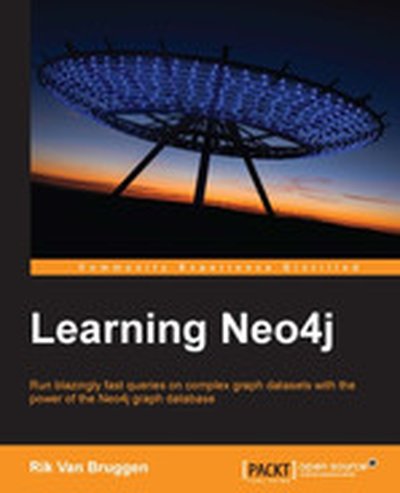
Learning Neo4j

Dive into the exciting world of graph databases with "Learning Neo4j". This book introduces you to the Neo4j graph database system, showing how graph theory can unlock new ways of organizing and querying complex datasets. Through practical examples, you will explore Neo4j's capabilities and learn to implement real-world applications using graph data models. What this Book will help me do Understand the fundamentals of graph theory and how it relates to databases. Install and set up the Neo4j graph database on local and cloud platforms. Model complex data for use in Neo4j and import various datasets into it. Implement real-world use cases, such as recommendation systems and social networks. Explore visualization tools and resources for enhancing graph database applications. Author(s) The author, None Van Bruggen, is a seasoned expert in data systems with extensive hands-on experience with Neo4j. Drawing from real-world expertise, they provide practical guidance, bridging theoretical concepts to practical utility seamlessly. None Van Bruggen's accessible writing style makes navigating the complexities of graph databases achievable and rewarding for learners. Who is it for? This book is ideal for IT professionals, database administrators, and data analysts looking to harness the power of graph databases. Readers should have a basic understanding of relational databases and data modeling concepts. Whether you're starting with Neo4j or seeking to deepen your knowledge, this book provides the guidance you need. It is particularly great for anyone interested in implementing graph data solutions in real-world scenarios.

Learning Cypher

"Learning Cypher" provides an in-depth look into Cypher, the functional query language for Neo4j, the powerful graph database. Whether you're transitioning from relational databases or exploring graph technology for the first time, this book offers practical guidance to help you write efficient, clear, and reusable queries. What this Book will help me do Master the Cypher declarative query syntax for graph databases. Write optimized Cypher queries for better application performance. Transform relational database data to graph database structures with ease. Understand the nuances of transitioning from SQL to graph paradigms. Learn the common pitfalls in Neo4j programming and how to avoid them. Author(s) Onofrio Panzarino is an experienced database developer specializing in graph technologies and Neo4j. He is passionate about teaching industry best practices to developers and has extensive experience in designing graph-based solutions. Through his approachable style, he empowers readers to excel in using graph databases effectively. Who is it for? This book is for database developers, data analysts, and software engineers who want to expand their knowledge into graph databases. If you work with large-scale connected data or are transitioning from SQL to a graph model, this book is ideal for you. Prior experience with any database query language will be helpful. The book is also suitable for students and professionals looking to integrate graph technology into their projects.

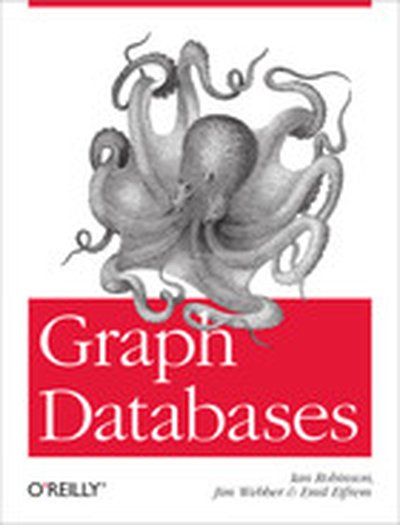
Graph Databases

Discover how graph databases can help you manage and query highly connected data. With this practical book, you’ll learn how to design and implement a graph database that brings the power of graphs to bear on a broad range of problem domains. Whether you want to speed up your response to user queries or build a database that can adapt as your business evolves, this book shows you how to apply the schema-free graph model to real-world problems. Learn how different organizations are using graph databases to outperform their competitors. With this book’s data modeling, query, and code examples, you’ll quickly be able to implement your own solution. Model data with the Cypher query language and property graph model Learn best practices and common pitfalls when modeling with graphs Plan and implement a graph database solution in test-driven fashion Explore real-world examples to learn how and why organizations use a graph database Understand common patterns and components of graph database architecture Use analytical techniques and algorithms to mine graph database information