talk-data.com talk-data.com

Topic

web-mobile

6

tagged

Activity Trend

1 peak/qtr
2020-Q1 2026-Q1

Activities

6 activities · Newest first

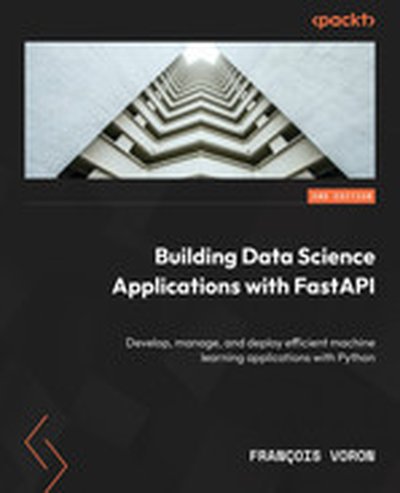
Building Data Science Applications with FastAPI - Second Edition

Building Data Science Applications with FastAPI is your comprehensive guide to mastering the FastAPI framework to build efficient, reliable data science applications and APIs. You'll explore examples and projects that integrate machine learning models, manage databases, and leverage advanced FastAPI features like asynchronous I/O and WebSockets. What this Book will help me do Develop an understanding of the fundamentals and advanced features of the FastAPI framework, like dependency injection and type hinting. Learn how to integrate machine learning models into a FastAPI-based web backend effectively. Master concepts of authentication, database connections, and asynchronous programming in Python. Build and deploy two practical AI applications: a real-time object detection tool and a text-to-image generator. Acquire skills to monitor, log, and maintain software systems for optimal performance and reliability. Author(s) François Voron is an experienced Python developer and data scientist with extensive knowledge of western frameworks including FastAPI. With years of experience designing and deploying machine learning and data science applications, François focuses on empowering developers with practical techniques and real-world applications. His guidance helps readers tackle contemporary challenges in software development. Who is it for? This book is ideal for data scientists and software engineers looking to broaden their skillset by creating robust web APIs for data science applications. Readers are expected to have a working knowledge of Python and basic data science concepts, offering them a chance to expand into backend development. If you're keen to deploy machine learning models and integrate them seamlessly with web technologies, this book is for you. It provides both fundamental insights and advanced techniques to serve a broad range of learners.
Building Data Science Applications with FastAPI

This comprehensive guide to FastAPI walks readers through developing modern web backends optimized for data science applications. By mastering key concepts like dependency injection and asynchronous programming, you will create high-performing REST APIs and machine learning powered systems. What this Book will help me do Master asynchronous programming and type hinting in Python for efficient coding. Design comprehensive RESTful APIs for machine learning with FastAPI. Build, test, and maintain scalable data science applications. Integrate Python libraries like NumPy and scikit-learn into web backends. Deploy modular and efficient FastAPI-backed systems to production. Author(s) None Voron is a seasoned software developer specialized in web frameworks and data science applications. With a strong background in building scalable systems, they bring invaluable insights on utilizing FastAPI. Voron emphasizes clarity and hands-on learning, sharing their expertise to help developers master the technology efficiently. Who is it for? This book is ideal for data scientists and Python developers interested in creating efficient data science backends. If you have groundwork knowledge of machine learning concepts and Python programming, this book will enhance your ability to deploy and manage APIs for data-driven applications.

Integrating D3.js with React: Learn to Bring Data Visualization to Life

Integrate D3.js into a React TypeScript project and create a chart component working in harmony with React. This book will show you how utilize D3 with React to bring life to your charts. Seasoned author Elad Elrom will show you how to create simple charts such as line, bar, donut, scatter, histogram and others, and advanced charts such as a world map and force charts. You'll also learn to share the data across your components and charts using React Recoil state management. Then integrate third-party chart libraries that are built on D3 such as Rechart, Visx, Nivo, React-vi, and Victory and in the end deploy your chart as a server or serverless app on popular platforms. React and D3 are two of the most popular frameworks in their respective areas – learn to bring them together and take your storytelling to the next level. What You'll Learn Set up your project with React, TypeScript and D3.js Create simple and advanced D3.js charts Work with complex charts such as world and force charts Integrate D3 data with React state management Improve the performance of your D3 components Deploy as a server or serverless app and debug test Who This Book Is ForReaders that already have basic knowledge of React, HTML, CSS and JavaScript.

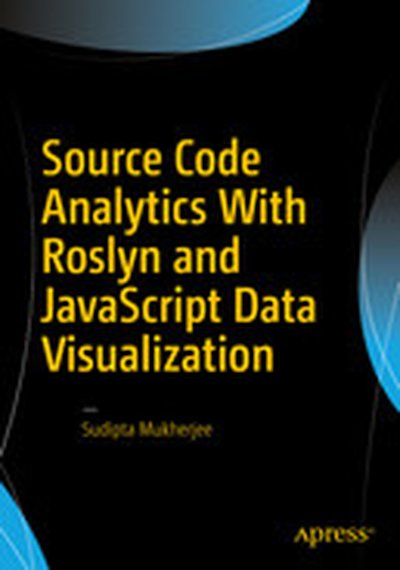
Source Code Analytics With Roslyn and JavaScript Data Visualization

Learn how to build an interactive source code analytics system using Roslyn and JavaScript. This concise 150 page book will help you create and use practical code analysis tools utilizing the new features of Microsoft's Roslyn compiler to understand the health of your code and identify parts of the code for refactoring. Source code is one of the biggest assets of a software company. However if not maintained well, it can become a big liability. As source code becomes larger. more complex and accessed via the cloud, maintaining code quality becomes even more challenging. The author provides straightforward tools and advice on how to manage code quality in this new environment. Roslyn exposes a set of APIs which allow developers to parse their C# and VB.NET code and drastically lower the barrier to entry for Meta programming in .NET. Roslyn has a dedicated set of APIs for creating custom refactoring for integrating with Visual Studio. This title will show readers how to use Roslyn along with industry standard JavaScript visualization APIs like HighCharts, D3.js etc to create a scalable and highly responsive source code analytics system. What You Will Learn Understand the Roslyn Syntax API Use Data Visualization techniques to assist code analysis process visually Code health monitoring matrices (from the standard of Code Query Language) Code mining techniques to identify design patterns used in source code Code forensics techniques to identify probable author of a given source code Techniques to identify duplicate/near duplicate code Who This Book is For .NET Software Developers and Architects

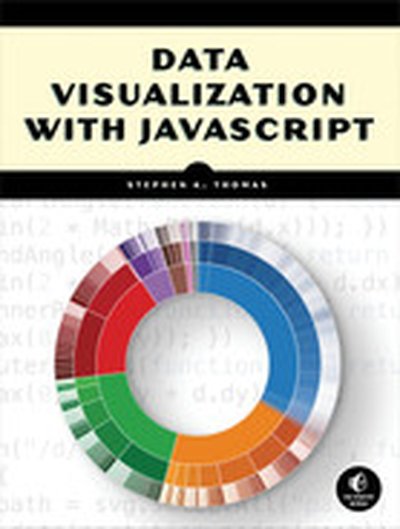
Data Visualization with JavaScript

You've got data to communicate. But what kind of visualization do you choose, how do you build it, and how do you ensure that it's up to the demands of the Web? In Data Visualization with JavaScript, you'll learn how to use JavaScript, HTML, and CSS to build the most practical visualizations for your data. Step-by-step examples walk you through creating, integrating, and debugging different types of visualizations and will have you building basic visualizations, like bar, line, and scatter graphs, in no time. Then you'll move on to more advanced topics, including how to: Create tree maps, heat maps, network graphs, word clouds, and timelines Map geographic data, and build sparklines and composite charts Add interactivity and retrieve data with AJAX Manage data in the browser and build data-driven web applications Harness the power of the Flotr2, Flot, Chronoline.js, D3.js, Underscore.js, and Backbone.js libraries If you already know your way around building a web page but aren't quite sure how to build a good visualization, Data Visualization with JavaScript will help you get your feet wet without throwing you into the deep end. Before you know it, you'll be well on your way to creating simple, powerful data visualizations.

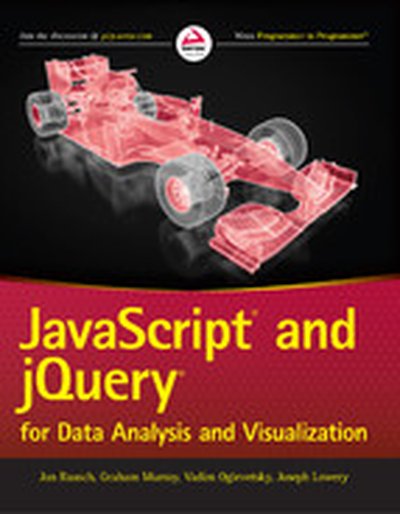
JavaScript and jQuery for Data Analysis and Visualization

Go beyond design concepts—build dynamic data visualizations using JavaScript JavaScript and jQuery for Data Analysis and Visualization goes beyond design concepts to show readers how to build dynamic, best-of-breed visualizations using JavaScript—the most popular language for web programming. The authors show data analysts, developers, and web designers how they can put the power and flexibility of modern JavaScript libraries to work to analyze data and then present it using best-of-breed visualizations. They also demonstrate the use of each technique with real-world use cases, showing how to apply the appropriate JavaScript and jQuery libraries to achieve the desired visualization. All of the key techniques and tools are explained in this full-color, step-by-step guide. The companion website includes all sample codes used to generate the visualizations in the book, data sets, and links to the libraries and other resources covered. Go beyond basic design concepts and get a firm grasp of visualization approaches and techniques using JavaScript and jQuery Discover detailed, step-by-step directions for building specific types of data visualizations in this full-color guide Learn more about the core JavaScript and jQuery libraries that enable analysis and visualization Find compelling stories in complex data, and create amazing visualizations cost-effectively Let JavaScript and jQuery for Data Analysis and Visualization be the resource that guides you through the myriad strategies and solutions for combining analysis and visualization with stunning results.