talk-data.com talk-data.com

Topic

HTML

HyperText Markup Language (HTML)

web_development markup_language front_end

370

tagged

Activity Trend

15 peak/qtr
2020-Q1 2026-Q1

Activities

370 activities · Newest first

XSLT 1.0 Pocket Reference

XSLT is an essential tool for converting XML into other kinds of documents: HTML, PDF file, and many others. It's a critical technology for XML-based platforms such as Microsoft .NET, Sun Microsystems' Sun One, as well as for most web browsers and authoring tools. As useful as XSLT is, however, most people have a difficult time getting used to its peculiar characteristics. The ability to use advanced techniques depends on a clear and exact understanding of how XSLT templates work and interact. The XSLT 1.0 Pocket Reference from O'Reilly wants to make sure you achieve that level of understanding. With its concise approach, this handy pocket guide quickly gets you up to speed on XSLT 1.0 so you can covert XML like a seasoned pro. In addition to covering the basics of stylesheet structure, it also explains how to: use template rules create a result tree apply conditional processing transform multiple source documents employ number formatting Thanks to their convenient, quick-reference format, O'Reilly's Pocket References spare you from having to hunt through larger books for answers. They deliver just what you need to get the job done in a timely fashion. And the XSLT 1.0 Pocket Reference is no different--it's the ideal companion to have at your desk when you need an answer fast.

XML For Dummies, 4th Edition

See how XML works for business needs and RSS feeds Create consistency on the Web, or tag your data for different purposes Tag -- XML is it! XML tags let you share your format as well as your data, and this handy guide will show you how. You'll soon be using this markup language to create everything from Web sites to business forms, discovering schemas and DOCTYPES, wandering the Xpath, teaming up XML with Office 2003, and more. Discover how to * Make information portable * Use XML with Word 2003 * Store different types of data * Convert HTML documents to XHTML * Add CSS to XML * Understand and use DTDs

Oracle SQL*Plus Pocket Reference, 3rd Edition

The Oracle SQL is a must-have for anyone working with Oracle databases, especially those looking to maximize the effectiveness of SQLPlus. As Oracle's long-standing interactive query tool, SQL Plus Pocket Reference Plus is available at every Oracle site, from the largest data warehouse to the smallest single-user system. Despite its wide use, however, SQLPlus is still often not completely understood or fully utilized.Database administrators and developers alike will therefore find the Oracle SQL to be extremely beneficial. In addition to summarizing all of the SQLPlus syntax and format options, including new Oracle Database 10 Plus Pocket Reference g features, this handy, on-the-job guide specifically shows readers how to: The new third edition of this book has been updated for Oracle Database 10 Differentiate between SQL and SQL Plus Interact with SQLPlus from both the command line and the web browser Select, insert, update, and delete data Format both text and HTML reports with SQL Plus Specify SQLPlus commands and format elements Tune SQL queries g to include information on both SQL Plus and SQL. New SQL information includes the SELECT statement's new MODEL clause, flashback queries, partition outer joins, and DBMS_XPLAN.With its quick-reference format and compact size, the Plus Pocket Reference follows in the long line of successful "pocket references" offered by O'Reilly. It also serves as the ideal companion to O'Reilly's larger, more comprehensive book on SQL Oracle SQL Plus, the bestselling Plus: The Definitive Guide.Author Jonathan Gennick is an editor for O'Reilly specializing in database and programming titles, having amassed some 17 years of programming and database management experience. Oracle SQL

XML Publishing with AxKit

Web developers rely on XML to separate data from presentation and create a consistent templating system for a web site. Although limited XML-to-HTML conversion is possible within some browsers, web developers creating dynamic or complex sites will find server-side XML transformation a necessity. Unfortunately, until recently, there have been few XML tools available for server-side XML transformation or authoring. AxKit, a mod_perl and Apache-based XML content delivery solution, was designed to meet that need with a cost-effective and efficient plugin architecture. AxKit allows the developer to quickly design modules to create faster web sites, and deliver them in a wide variety of media formats. AxKit also takes care of caching so the developer doesn't have to worry about it. AxKit meets the demands of the web developer nicely, but, as with any new toolkit, there is a learning curve. For developers who want to flatten that learning curve and get right to work with AxKit, XML Publishing with AxKit provides detailed information on how to install, configure, and deploy AxKit effectively. The first book solely devoted to AxKit, XML Publishing with AxKit also offers a concise and focused look at how to create XSLT and XPathScript-based pipelines for XML data transfer. This solidly useful new book presents web programmers with the hands-on knowledge they need to get really creative with AxKit. It features a thorough introduction to XSP (extensible Server Pages), which applies the concepts of Server Pages technologies (embedded code, tag libraries, etc) to the XML world, and covers integrating AxKit with other tools such as Template Toolkit, Apache:: Mason, Apache::ASP, and plain CGI. The book also includes invaluable reference sections on configuration directives, XPathScript, and XSP. With XML Publishing with AxKit, web developers will have all the tools they need to deliver complex XML-based systems quickly, the power to develop their own systems for style sheet negotiation, and the flexibility to design completely new style sheet languages. XML Publishing with AxKit gives those new to XML all the background and the courage they need to jump right in and deploy AxKit. And it gives XML-savvy professionals everything they need to hit the ground running.

Learning XSLT

XSLT is a powerful language for transforming XML documents into something else. That something else can be an HTML document, another XML document, a Portable Document Format (PDF) file, a Scalable Vector Graphics (SVG) file, a Virtual Reality Modeling Language (VRML) file, Java code, or a number of other things. You write an XSLT stylesheet to define the rules for transforming an XML document, and the XSLT processor does the work.As useful as XSLT is, its peculiar characteristics make it a difficult language in which to get started. In fact, newcomers are often a little dazed on first contact. Learning XSLT offers a hands-on introduction to help them get up to speed with XSLT quickly. The book will help web developers and designers understand this powerful but often mystifying template-driven and functional-styled language, getting them over the many differences between XSLT and the more conventional programming languages. Learning XSLT moves smoothly from the simple to complex, illustrating all aspects of XSLT 1.0 through step-by-step examples that you'll practice as you work through the book. Thorough in its coverage of the language, the book makes few assumptions about what you may already know. You'll learn about XSLT's template-based syntax, how XSLT templates work with each other, and gain an understanding of XSLT variables. Learning XSLT also explains how the XML Path Language (XPath) is used by XSLT and provides a glimpse of what the future holds for XSLT 2.0 and XPath 2.0.The ability to transform one XML vocabulary to another is fundamental to exploiting the power of XML. Learning XSLT is a carefully paced, example-rich introduction to XSLT that will have you understanding and using XSLT on your own in no time.

The Little SAS® Book: A Primer, Third Edition

Getting started with SAS is easy with The Little SAS Book. This friendly, easy-to-read guide gently introduces you to the most commonly used features of SAS software plus a whole lot more! The book has been revised to include concepts of the Output Delivery System; the STYLE= option in the PRINT, REPORT, and TABULATE procedures; ODS HTML, RTF, PRINTER, and OUTPUT destinations; PROC REPORT; more on PROC TABULATE; exporting data; and the colon modifier for informats. You'll find clear and concise explanations of basic SAS concepts (such as DATA and PROC steps), inputting data, modifying and combining data sets, summarizing and presenting data, basic statistical procedures, and debugging SAS programs. Each topic is presented in a self-contained, two-page layout complete with examples and graphics. This format enables new users to get up and running quickly, while the examples allow you to type in the program and see it work!

XForms: XML Powered Web Forms

Praise for XForms: XML Powered Web Forms “XForms is an exciting new technology for designing Web forms in an elegant and accessible way. Raman’s book provides strong motivations for flexibility in the design of human-machine interactions, and explains how to use XForms to this end in crystal-clear prose.” — Eve Maler XML Standards Architect, Sun Microsystems “Interactive forms technology is the logical evolution of Web user interface design. XForms represents a significant leap forward in that evolution.” — Sean McGrath CTO, Propylon “The greatest strength of this book is the skill with which T. V. Raman links the XForms technology with the larger context of the Web. The limitations of HTML forms, the ways in which XForms provides a better foundation for Web and Web service user interfaces, and the opportunities for an XForms-powered Web that is accessible to all users and devices are outlined and brought together in a compelling way.” — Michael Champion Advisory Research and Development Specialist, Software AG “Raman’s book gives the reader an excellent explanation of the emerging W3C XForms recommendation. It’s a well-organized and well-written book that begins with a gentle introduction to the concepts that motivated the development of XForms and then provides a reasonable overview of the relevant XML technology related to XForms. Most of the book covers XForms components: user interface controls, model properties, functions, actions, and events. It concludes with XForms as a Web service, offering multi-modal access and accessibility. In light of the October 2003 deadline for U.S. federal agencies to comply with the mandate of the Government Paperwork Elimination Act (GPEA) to give citizens the opportunity to provide information online, this important technical work comes none too soon. As T. V. masterfully elucidates, XForms provides the ‘last mile’ in ‘connecting users to their data.’ Insightfully, he also observes ‘the document is the human interface’ to data—an understanding without which the challenge to make eGov services ‘citizen-centered’ simply cannot and will not be met.” — Owen Ambur Cofounder and Cochair, XML Working Group, U.S. CIO Council “I found the author’s straightforward style quite comfortable and informative. I heartily recommend this book, especially for government XML developers interested in the broader area of E-Forms. Understanding XForms is key to developing robust and flexible E-Forms solutions that separate content, logic, validation, and presentation. You’ll never look at (X)HTML forms the same way after reading Raman’s book.” — Kenneth Sall GSA eGov Technical Architect/XML Specialist, SiloSmashers “Reusable components such as E-Forms are at the heart of the U.S. Federal Enterprise Architecture and E-Government, and XML standards-based solutions are starting to appear for use across the government. T. V. Raman’s book meticulously explains how XForms leverage the power of using XML for E-Forms and have been designed to abstract much of XML’s functionality into a set of components referred to as MVC (Model, View, Controller), which separates the model from its final presentation. This XForms component architecture serves as an excellent roadmap for the reader. T. V. eloquently shows how XForms make the original promise of ‘the document is the interface’ a reality so the collected data can be directly submitted to a Web service—thus putting a human face on Web services!” —Brand Niemann, Ph.D., Chair, XML Web Services Working Group, U.S. CIO Council XForms—XML-powered Web forms—are set to replace HTML forms as the backbone of electronic commerce. XForms enable the creation and editing of structured XML content within a familiar Web browser environment, which is likely to play a key role in enabling simple browser-based access to Web services. XForms leverage the power of XML in modeling, collecting, and serializing user input. In this book, World Wide Web Consortium (W3C) XForms specification editor T. V. Raman explains how programmers can create durable and dependable feature-rich forms accessible from multiple platforms and devices and available in multiple languages and modes. XForms play a key role in connecting humans to information technologies, deployed as Web services. This book begins by providing an overview of the XForms technology and the set of XML standards on which it is built, including XML Path Language (XPath), Dom2 events, XML events, XML namespaces, and XML Schema. Part II profiles the XForms architecture and its components. An introduction to the available user interface controls leads into a guide to creating complex user interfaces. The following chapters describe XForms model properties, functions, actions, and events. Each chapter’s increasingly complex examples illustrate the concepts discussed. The final part of the book details how XForms will be used to create a new generation of human-centric, multimodal, accessible Web transactions. Readers will learn: Why XForms can deliver better user interaction at less cost How the XForms technology works What comprises the XForms architecture How to use XForms to connect users to Web services How XForms can accommodate spoken and visual interaction How to ensure universal accessibility to Web content with XForms XForms will transform the way companies and consumers handle Web transactions. provides Web developers, IT professionals, and Web server administrators with a firm grasp of this standard, how it will shape emerging solutions, and how it will change the nature of their day-to-day work. XForms: XML Powered Web Forms

XForms Essentials

The use of forms on the web is so commonplace that most user interactions involve some type of form. XForms--a combination of XML and forms--offers a powerful alternative to HTML-based forms. By providing excellent XML integration, including XML Schema, XForms allows developers to create flexible, web-based user-input forms for a wide variety of platforms, including desktop computers, handhelds, information appliances, and more. XForms Essentials is an introduction and practical guide to the new XForms specification. Written by Micah Dubinko, a member of the W3C XForms working group and an editor of the specification, the book explains the how and why of XForms, showing readers how to take advantage of them without having to write their own code. You'll learn how to integrate XForms with both HTML and XML vocabularies, and how XForms can simplify the connection between client-based user input and server-based processing. XForms Essentials begins with a general introduction to web forms, including information on history and basic construction of forms. The second part of the book serves as a reference manual to the XForms specification. The third section offers additional hints, guidelines, and techniques for working with XForms. Topics covered in the book include: creating XForms files in a text or XML editor converting existing forms (electronic or paper) to XForms collecting XML data from users in a user-friendly way reducing the amount of JavaScript needed within browser interfaces increasing the security and reliability of your current forms system by combining client-side and server-side checks into a common code base creating interactive websites using the latest standard technology XForms Essentials focuses on the practical application of XForms technology. If you work with forms, HTML, or XML information, XForms Essentials will provide you with a much simpler route to more sophisticated interactions with users.

IBM Tivoli Web Access for Information Management

IBM Tivoli Web Access for Information Management is a sophisticated Web application that combines the power of Information Management for z/OS with the flexibility and usability of a Web browser to enable customers to manage their business environments from the Web. A drop-in problem and change management solution designed for help desk, developer, manager, and end user personnel is provided, along with a toolkit for customization support. Also included with the toolkit are administrative tasks that allow you to manage your application from the Web. Web Access supports e-mail and pager notification, change approval, document attachments, and personal profiles and preferences. Using Information Management for z/OS and Web Access, you can easily add or modify record types for a customized application. The HTML generator supplied with the toolkit lets you create the HTML for your records so that you do not have to create it from scratch. Sample business logic is provided, and additional logic can be easily added by writing simple REXX routines. To provide a complete solution, a guidebook is required. This IBM Redbooks publication describes product usage, installation, customization, and other pertinent information regarding the product.

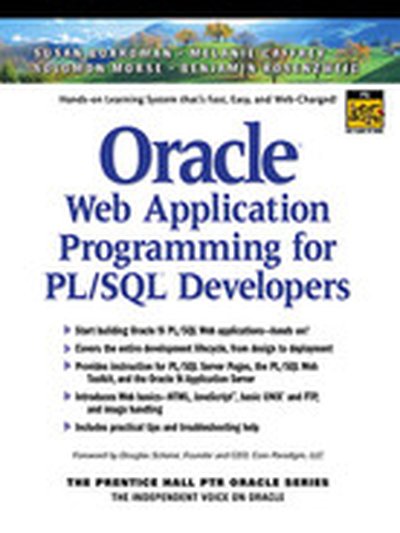
Oracle® Web Application Programming for PL/SQL® Developers

The hands-on, rapid-mastery guide to Oracle PL/SQL Web development. Start building Oracle 9i PL/SQL Web applications—hands on Covers the entire development lifecycle, from design to deployment Provides instruction for PL/SQL Server Pages, the PL/SQL Web Toolkit, and the Oracle 9i Application Server Introduces Web basics—HTML, JavaScript, basic UNIX and FTP, and image handling Reviews PL/SQL and SQL concepts Includes practical tips and troubleshooting help Leverage your SQL and PL/SQL experience to build powerful data-driven Web and e-business applications—starting right now! In this book, a team of Columbia University PL/SQL instructors cover the core pieces of what you need to know, from preliminary configuration to deployment of dynamic, data-driven applications. You'll find practical examples, hands-on exercises, and dozens of practical tips and solutions designed to save you time, effort, and frustration. One step at a time, discover how to: Configure Oracle's Internet Application Server Control Web applications and servers remotely Build Oracle Web applications with PL/SQL Create dynamic, data-driven pages Test, debug, troubleshoot, and deploy your applications Maintain and optimize running Web applications Whether you've been writing simple queries or complex PL/SQL code, this book takes your database development skills onto the Web—and into the future!

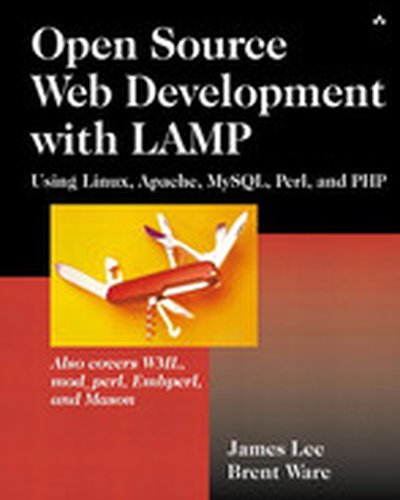
Open Source Web Development with LAMP: Using Linux, Apache, MySQL, Perl, and PHP

Open Source technologies are providing contemporary developers with a range of cost-effective and robust alternatives to commercial software for building dynamic, data-driven Web applications. This practical guide presents a comprehensive survey of LAMP (Linux, Apache, MySQL, Perl, and PHP), and it shows how these solutions can be implemented efficiently and securely while improving reliability and dramatically cutting costs. focuses on the most important core material necessary so that developers can "hit the ground running" and begin building applications right away. This book presents a balanced overview of LAMP technologies and allows the reader to decide which tool may be appropriate for the particular task at hand. After a general overview of Open Source technologies, the book presents an overview of the Web before moving on to cover structural, static, dynamic, and embedded technologies. The coverage here provides a description of the strengths and weaknesses of each Open Source technology and also acts as a reference guide for each application. Open Source Web Development with LAMP Topics covered include: A comprehensive survey of Open Source technologies Static and dynamic data and embedded HTML on the Web Linux and Unix distributions, installations, and commands Apache Web Server, Perl, and MySQL Web site META language (WML) Common gateway interface (CGI) and mod_perl Server Side Includes (SSI), Embperl, and Mason PHP syntax and functions In addition to the discussions in the book, a companion Web site--www.opensourcewebbook.com--contains supplemental information, including tools, source code, helpful links to additional resources, and errata as needed. Complete in coverage and practical in presentation, spotlights the tools and technologies today's developers need to create workable, dynamic, and secure Web sites using Open Source technologies. Open Source Web Development with LAMP 020177061XB11072002

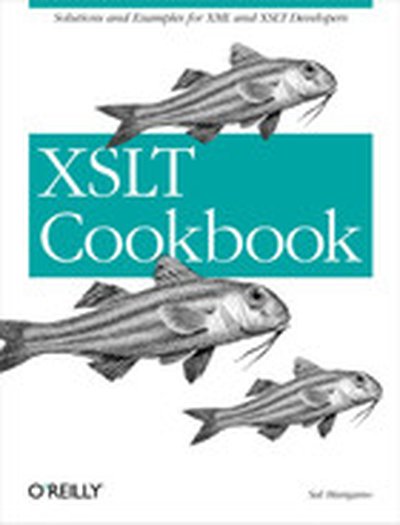
XSLT Cookbook

Critical for converting XML documents, and extremely versatile, the XSLT language nevertheless has complexities that can be daunting. The XSLT Cookbook is a collection of hundreds of solutions to problems that Extensible Stylesheet Language Transformations (XSLT) developers regularly face. The recipes range from simple string-manipulation and mathematical processing to more complex topics like extending XSLT, testing and debugging XSLT stylesheets, and graphics creation with SVG. Recipes can be run directly or tweaked to fit your particular application's needs more precisely. Each recipe walks through a problem and a solution, with explanations of the choices made and techniques used in creating that solution, and many recipes include alternate solutions and explore issues like convenience and performance. Topics covered include: String manipulation Mathematical processing Date and time handling Interactions between calendar systems Selecting content in source documents Efficient tree-manipulation Conversions from XML to plain text Tweaking XML documents with stylesheets Using XSLT to query XML documents Generating HTML with XSLT Creating charts and graphs with SVG and XSLT Generating C and XSLT code using XSLT Processing Visio documents in XSLT Working with XML Topic Maps (XTM) Using XSLT to create SOAP documentation from WSDL Extending XSLT with additional functions Embedding XSLT in other processing Testing and debugging XSLT stylesheets Creating generic XSLT processors which work on many XML vocabularies The XSLT Cookbook provides an ideal companion both for developers still figuring out XSLT's template-based approach who want to learn by example, and for developers who know XSLT and want a collection of quickly reusable recipes. XSLT frequently offers a number of ways to perform a transformation, and the best solution may not always be the most straightforward. The recipes in this Cookbook demonstrate and explain XSLT's template-based logic, a frequent stumbling block for developers new to XSLT. Among the variety of XSLT books now available, none has the explicit solution-oriented approach of this Cookbook.

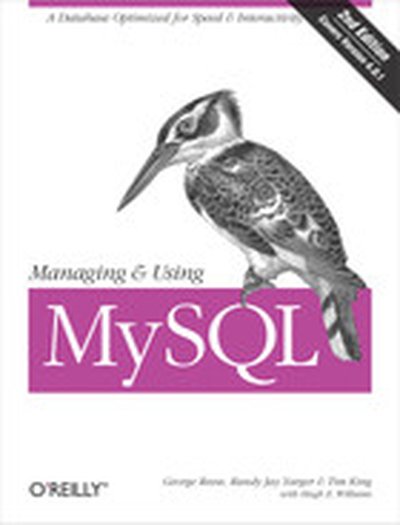
Managing & Using MySQL, 2nd Edition

MySQL is a popular and robust open source database product that supports key subsets of SQL on both Linux and Unix systems. MySQL is free for nonprofit use and costs a small amount for commercial use. Unlike commercial databases, MySQL is affordable and easy to use. This book includes introductions to SQL and to relational database theory. If you plan to use MySQL to build web sites or other Linux or Unix applications, this book teaches you to do that, and it will remain useful as a reference once you understand the basics. Ample tutorial material and examples are included throughout. This book has all you need to take full advantage of this powerful database management system. It takes you through the whole process from installation and configuration to programming interfaces and database administration. This second edition has a greatly enhanced administration chapter that includes information on administrative tools, server configuration, server startup and shutdown, log file management, database backup and restore, and database administration and repair. In addition, a new chapter on security describes data, server, and client-server security, while a chapter on extending MySQL provides an overview of MySQL internals and describes the use of MySQL user-defined functions. If you know C/C++, Java, Perl, PHP, or Python, you can write programs to interact with your MySQL database. In addition, you can embed queries and updates directly in an HTML file so that a web page becomes its own interface to the database. Managing and Using MySQL includes chapters on the programming language interfaces, and it also includes a complete reference section with specific function calls for each language. Also included in the reference section are references to the SQL language, and details of the MySQL system variables, programs, and utilities. New to the second edition is a reference to the internal MySQL tables, which will be of particular interest to those who want to work extensively with MySQL security.

XSLT for Dummies

Restructuring information in an XML document so that it works in other formats used to be a time-consuming ordeal involving lots of blood, sweat, and tears. Now XSLT (Extensible Stylesheet Language Transformations) makes the process nearly instantaneous. Just provide an example of the kind of information you'd like to see, and XSLT does the rest. With XSLT you can effortlessly transform XML documents into virtually any kind of output, including other XML documents and HTML pages. But mastering XSLT can be tricky, especially if you've never worked with XML or HTML; and most books on the subject are written for people who have. Here comes XSLT For Dummies to the rescue! XSLT For Dummies is your ticket to quickly mastering XSLT—no matter what your prior programming experience. Writing in easygoing, plain English, XML pro Richard Wagner provides expert advice, step-by-step guidance, and tons of crystal-clear examples to help you harness the power of XSLT to transform documen ts. In no time you'll: Understand how XSLT works with XSL and XPath Experiment with templates, stylesheets, and expressions Perform HTML transformations Master XPath data types and functions Combine XSLT stylesheets Explore cool XSLT programming tricks XSLT For Dummies works from the ground up, starting with a practical introduction of the "X-Team"—XML, XSL, XSLT, and X-Path—and instructions on how to write a XSLT stylesheet. From there it quickly moves onward and upward through the whole range of important XSLT topics, including: Transforming with stylesheets Understanding and using template rules Using XPath to locate nodes in XML documents Combining XSLT stylesheets and adding processing instructions Debugging XSLT transformations Ten XSLT processors available online It doesn't matter whether you're a babe in the woods who can't tell a "tag" from an element, or you're an old pro at creating XML documents, XSLT For Dummies offers you a fun, easy way to explore and take full advantage of Extensible Stylesheet Language Transformations.

Special Edition Using XSLT

Special Edition Using XSLT starts with an overview explaining how XSLT fits into the bigger picture of the Extensible Stylesheet Language, and the differences between XSLT and XSL-FO. It then demonstrates practical examples of XSL transformations from XML to a variety of other useful formats including HTML, PDF, SVG and others. Later chapters discuss developer techniques for implementing XSLT within dynamic web environments including ASP and JSP. The author also covers debugging techniques and how XSLT relates to .NET. The book finishes with a useful reference section including detailed coverage of XSLT, XPath and XSL-FO.

Guru's Guide to SQL Server™ Stored Procedures, XML, and HTML, The

"This is a book that deserves a prominent place by anyone who aspires to be a real professional developer of SQL Server applications." --from the Foreword by Ron Soukup The message of this book is that building stored procedures in Transact-SQL is very much like building programs in any other language. It requires the same type of skill, planning, attention to detail, and overall grasp of technology that successful development in other languages requires. To master Transact-SQL, one must first master the fundamental concepts of software development, then build on this foundation by embracing and studying Transact-SQL as a programming language in its own right. This book teaches you how to do that and more. More than just a catalog of coding tricks and syntax subtleties, explores the philosophy of Transact-SQL programming. It teaches readers how to apply this philosophy in order to develop their own coding techniques and discover their own solutions to real-world programming problems. A follow-up to the widely acclaimed The Guru's Guide to SQL Server(TM) Stored Procedures, XML, and HTML The Guru's Guide to Transact-SQL, this book teaches that stored procedure development does not occur in a vacuum--it involves a wide variety of skills, subjects, and technologies--and helps the reader become a better software engineer, not just a stored procedure expert. Blending theoretical detail with practical application, this comprehensive reference begins with a foundational overview of SQL Server(TM) stored procedure programming. From there, the focus moves on to best practices and design considerations before progressing to advanced topics and a general philosophy of software craftsmanship. In all, this book provides the most complete coverage of SQL Server stored procedure programming available in one source. Topics such as user-defined functions, views, triggers, extended procedures, error handling, OLE Automation, database design, and XML are covered in detail. The book spotlights undocumented language features and brings the first application of design patterns to the SQL language. The preview of .NET and a groundbreaking approach to adding arrays to Transact-SQL make for the most thorough and engaging read published to date on SQL Server programming. The accompanying CD-ROM contains the book's source code. More than 700 SQL scripts, programming utilities, and extended procedures provide a veritable treasure trove of high-quality example code. Theoretically sound, yet immensely practical, provides developers with the tools they need to become expert stored procedure programmers and better software engineers. The Guru's Guide to SQL Server(TM) Stored Procedures, XML, and HTML 0201700468B11262001

XML Companion, The, Third Edition

Building on the success of the first and second editions of The XML Companion, Neil Bradley has up-dated this accessible, in-depth reference to cover many of the new supporting standards that have emerged since XML was released in 1998. Apart from the core chapters on the XML standard itself, this book concentrates on related standards developed by the W3C and on the two most popular applications of this technology: document publishing and data exchange. The XML Companion Provides accessible, comprehensive description of each XML feature Does not assume experience of HTML or SGML Detailed study of the standard is supported by the inclusion of cross-referenced ‘roadmaps’ of the building blocks that comprise the standard. Includes an extensive glossary Related standards for cataloguing, processing, linking and styling XML are covered in detail.

XSLT

XSLT documents a core technology for processing XML. Originally created for page layout, XSLT (Extensible Stylesheet Transformations) is now much more: a general-purpose translation tool, a system for reorganizing document content, and a way to generate multiple results-- such as HTML, WAP, and SVG--from the same content. What sets XSLT apart from other books on this critical tool is the depth of detail and breadth of knowledge that Doug Tidwell, a developer with years of XSLT experience, brings to his concise treatment of the many talents of XSLT. He covers XSLT and XPath, a critical companion standard, and addresses topics ranging from basic transformations to complex sorting and linking. He explores extension functions on a variety of different XSLT processors and shows ways to combine multiple documents using XSLT. Code examples add a real-world dimension to each technique. Useful as XSLT is, its peculiar characteristics make it difficult to get started in, and the ability to use advanced techniques depends on a clear and exact understanding of how XSLT templates work and interact. For instance, the understanding of "variables" in XSLT is deeply different from the understanding of "variables" in procedural languages. The author explains XSLT by building from the basics to its more complex and powerful possibilities, so that whether you're just starting out in XSLT or looking for advanced techniques, you'll find the level of information you need.

Java and XML, Second Edition

While the XML "buzz" still dominates talk among Internet developers, the critical need is for information that cuts through the hype and lets Java programmers put XML to work. Java & XML shows how to use the APIs, tools, and tricks of XML to build real-world applications, with the end result that both the data and the code are portable. This second edition of Java & XML adds chapters on Advanced SAX and Advanced DOM, new chapters on SOAP and data binding, and new examples throughout. A concise chapter on XML basics introduces concepts, and the rest of the book focuses on using XML from your Java applications. Java developers who need to work with XML, or think that they will in the future--as well as developers involved in the new peer-to-peer movement, messaging, or web services--will find the new Java & XML a constant companion. This book covers: The basics of XML, including DTDs, namespaces, XML Schema, XPath, and XSL The SAX API, including all handlers, the SAX 2 extensions, filters, and writers The DOM API, including DOM Level 2, Level 3, and the Traversal, Range, CSS, Events, and HTML modules. The JDOM API, including the core, a look at XPath support, and JDOM as a JSR Using web publishing frameworks like Apache Cocoon Developing applications with XML-RPC Using SOAP and UDDI for web services Data Binding, using both DTDs and XML Schema for constraints Building business-to-business applications with XML Building information channels with RSS and dynamic content with XSP Includes a quick reference on SAX 2.0, DOM Level 2, and JDOM.

XSLT and XPATH: A Guide to XML Transformations

Gain total control over your information with XSLT and XPath! Master XSLT and XPath—the "keys to the XML kingdom" Build custom XML output solutions that won't become obsolete Learn everything from basic XML-to-HTML conversions to leading edge techniques CD-ROM includes all examples from the book Mastering XSLT and XPath gives you unprecedented control over your information—and helps you leverage virtually every new XML technology, from XLink to schemas. Discover XSLT's powerful vocabulary of easy, programming-like features, and learn how to build custom solutions that resist obsolescence. By the end of the first chapter, you'll be performing XML-to-HTML conversions for display in any Web browser. Then build on your knowledge through a series of hands-on examples that transform you into an XSLT/XPath expert! XSLT as an XML document instance: leveraging your existing XML skills XSLT stylesheet concepts and constructs: fundamental through advanced level XPath patterns and functions XSLT subroutine functions and variables XSLT processing of multiple nodes: iterative and conditional XSLT elements Controlling output options XSLT extensions, and more Whether you're an experienced programmer or a novice markup specialist, here's your chance to master XML's most potent tools for organizing, updating, and delivering digital information—any data, anywhere, any time!