talk-data.com talk-data.com

Topic

HTML

HyperText Markup Language (HTML)

web_development markup_language front_end

370

tagged

Activity Trend

15 peak/qtr
2020-Q1 2026-Q2

Activities

370 activities · Newest first

XML: Visual QuickStart Guide, Second Edition

What is XML? XML, or eXtensible Markup Language, is a specification for storing information. It is also a specification for describing the structure of that information. And while XML is a markup language (just like HTML), XML has no tags of its own. It allows the person writing the XML to create whatever tags they need. The only condition is that these newly created tags adhere to the rules of the XML specification. In the seven years since the first edition of “XML: Visual QuickStart Guide” was published, XML has taken its place next to HTML as a foundational language on the Internet. XML has become a very popular method for storing data and the most popular method for transmitting data between all sorts of systems and applications. The reason being, where HTML was designed to display information, XML was designed to manage it. This book begins by showing you the basics of the XML language. Then, by building on that knowledge, additional and supporting languages and systems will be discussed. To get the most out of this book, you should be somewhat familiar with HTML, although you don’t need to be an expert coder by any stretch. No other previous knowledge is required. “XML: Visual QuickStart Guide, 2nd Edition” is divided into seven parts. Each part contains one or more chapters with step-by-step instructions that explain how to perform XML-related tasks. Wherever possible, examples of the concepts being discussed are displayed, and the parts of the examples on which to focus are highlighted. The order of the book is intentionally designed to be an introduction to the fundamentals of XML, followed by discussions of related XML technologies. • In Part 1 of the book, you will learn how to create an XML document. It’s relatively straightforward, and even more so if you know a little HTML. • Part 2 focuses on XSL, which is a set of languages designed to transform an XML document into something else: an HTML file, a PDF document, or another XML document. Remember, XML is designed to store and transport data, not display it. • Parts 3 and 4 of the book discuss DTD and XML Schema, languages designed to define the structure of an XML document. In conjunction with XML Namespaces (Part 5), you can guarantee that XML documents conform to a pre-defined structure, whether created by you or by someone else. • Part 6, Developments and Trends, details some of the up-and-coming XML-related languages, as well as a few new versions of existing languages. • Finally, Part 7 identifies some well-known uses of XML in the world today; some of which you may be surprised to learn. This beginner’s guide to XML is broken down as follows: • Introduction • Chapter 1: Writing XML • Part 2: XSL • Chapter 2: XSLT • Chapter 3: XPath Patterns and Expressions • Chapter 4: XPath Functions • Chapter 5: XSL-FO • Part 3: DTD • Chapter 6: Creating a DTD • Chapter 7: Entities and Notations in DTDs • Chapter 8: Validation and Using DTDs • Part 4: XML Schema • Chapter 9: XML Schema Basics • Chapter 10: Defining Simple Types • Chapter 11: Defining Complex Types • Part 5: Namespaces • Chapter 12: XML Namespaces • Chapter 13: Using XML Namespaces • Part 6: Recent W3C Recommendations • Chapter 14: XSLT 2.0 • Chapter 15: XPath 2.0 • Chapter 16: XQuery 1.0 • Part 7: XML in Practice • Chapter 17: Ajax, RSS, SOAP and More

Beginning Google Maps Mashups with Mapplets, KML, and GeoRSS: From Novice to Professional

Beginning Google Maps Mashups with Mapplets, KML, and GeoRSS is a beginner's guide to creating web mashups using Google mapping technology. Serves as a single–source primer to displaying data on Google Maps Covers both Mapplets and the Google Maps API Provides everything you need to start participating in the geographic Web What you'll learn "Mash up" GeoWeb services onto a Google map Package your mashup as a mapplet and publish it to maps.google.com Enhance your map with driving directions, local search, map advertising, and more Discover common Google–mapping mistakes to avoid Find out how and when to geocode existing data into mappable coordinates Deliver your own data as GeoXML Who this book is for This book is for web designers and developers who have not worked with Google Maps or geographic data before. A working knowledge of HTML is required, and some programming experience is beneficial.

The KML Handbook: Geographic Visualization for the Web

“The way the information is presented appeals to teachers, hobbyists, web designers—anyone looking for a way to enhance their content by using customized maps.” —Warren Kelly, Pastor “It could become the de-facto tutorial volume for the subject, as well as the classic reference guide.” —Thomas Duff, Lead Developer “This book is written so well and is so easy to follow it’s a joy to go through.” — Daniel McKinnon, Software Engineer KML began as the file format for Google Earth, but it has evolved into a full-fledged international standard for describing any geographic content—the “HTML of geography.” It’s already supported by applications ranging from Microsoft Virtual Earth and NASA WorldWind to Photoshop and AutoCAD. You can do amazing things with KML, and this book will show you how, using practical examples drawn from today’s best online mapping applications. Drawing on her extensive experience with the creators of KML, Wernecke teaches techniques that can be used by everyone from programmers to real estate agents, scientists, students, architects, virtual explorers, and more. Highlights include Incorporating rich content in Placemark balloons Creating overlays that superimpose your images on standard Earth browsers Generating animations that move through Placemarks, Overlays, and Models Controlling and updating map content across the Web Managing large data sets using regions and custom data types Complete KML language reference: elements, types, syntax, file structure, and conventions

Microsoft SQL Server 2008 Reporting Services, 3rd Edition

The Definitive Guide to Microsoft SQL Server 2008 Reporting Services Create and deliver data-rich reports across the enterprise using this complete server-based reporting solution. Written by a member of the original Reporting Services development team, Microsoft SQL Server 2008 Reporting Services covers the entire report-building and distribution process, including data extraction, integration with desktop and Web applications, and end-user access. The book explains how to maximize all of the powerful features, including the new Tablix data format, as well as enhanced performance, scalability, and visualization capabilities. Install, configure, and customize SQL Server 2008 Reporting Services Create SELECT queries to extract data Generate reports from the Report Wizard and from scratch Add charts, images, and gauges Build reusable report templates Use the new Tablix data format to create reports with any structure Export reports to Word, Excel, PDF, HTML, XML, and other formats Enable end-user access to reports via the Report Server and its Report Manager web interface

XSLT, 2nd Edition

After years of anticipation and delay, the W3C finally released the XSLT 2.0 standard in January 2007. The revised edition of this classic book offers practical, real-world examples that demonstrate how you can apply XSLT stylesheets to XML data using either the new specification, or the older XSLT 1.0 standard. XSLT is a critical language for converting XML documents into other formats, such as HTML code or a PDF file. With XSLT, you get a thorough understanding of XSLT and XPath and their relationship to other web standards, along with recommendations for a honed toolkit in an open platform-neutral, standards-based environment. This book: Covers the XSLT basics, including simple stylesheets and methods for setting up transformation engines Walks you through the many parts of XSLT, particularly XSLT's template-based approach to transformations Applies both XSLT 1.0 and 2.0 solutions to the same problems, helping you decide which version of XSLT is more appropriate for your project Includes profuse examples that complement both the tutorial and the reference material The new edition of XSLT has been updated thoroughly to explain XSLT 2.0's many dependencies, notably XML Schema and XPath 2.0. Want to find out how the 2.0 specification improves on the old? This book will explain.

XSLT 2.0 and XPath 2.0 Programmer's Reference, 4th Edition

This book is primarily a practical reference book for professional XSLT developers. It assumes no previous knowledge of the language, and many developers have used it as their first introduction to XSLT; however, it is not structured as a tutorial, and there are other books on XSLT that provide a gentler approach for beginners. The book does assume a basic knowledge of XML, HTML, and the architecture of the Web, and it is written for experienced programmers. There's no assumption that you know any particular language such as Java or Visual Basic, just that you recognize the concepts that all programming languages have in common. The book is suitable both for XSLT 1.0 users upgrading to XSLT 2.0, and for newcomers to XSLT. The book is also equally suitable whether you work in the Java or .NET world. As befits a reference book, a key aim is that the coverage should be comprehensive and authoritative. It is designed to give you all the details, not just an overview of the 20 percent of the language that most people use 80 percent of the time. It's designed so that you will keep coming back to the book whenever you encounter new and challenging programming tasks, not as a book that you skim quickly and then leave on the shelf. If you like detail, you will enjoy this book; if not, you probably won't. But as well as giving the detail, this book aims to explain the concepts, in some depth. It's therefore a book for people who not only want to use the language but who also want to understand it at a deep level. The book aims to tell you everything you need to know about the XSLT 2.0 language. It gives equal weight to the things that are new in XSLT 2.0 and the things that were already present in version 1.0. The book is about the language, not about specific products. However, there are appendices about Saxon (the author's own implementation of XSLT 2.0), about the Altova XSLT 2.0 implementation, and about the Java and Microsoft APIs for controlling XSLT transformations, which will no doubt be upgraded to handle XSLT 2.0 as well as 1.0. A third XSLT 2.0 processor, Gestalt, was released shortly before the book went to press, too late to describe it in any detail. But the experience of XSLT 1.0 is that there has been a very high level of interoperability between different XSLT processors, and if you can use one of them, then you can use them all. In the previous edition we split XSLT 2.0 and XPath 2.0 into separate volumes. The idea was that some readers might be interested in XPath alone. However, many bought the XSLT 2.0 book without its XPath companion and were left confused as a result; so this time, the material is back together. The XPath reference information is in self-contained chapters, so it should still be accessible when you use XPath in contexts other than XSLT. The book does not cover XSL Formatting Objects, a big subject in its own right. Nor does it cover XML Schemas in any detail. If you want to use these important technologies in conjunction with XSLT, there are other books that do them justice. This book contains twenty chapters and eight appendixes (the last of which is a glossary) organized into four parts. The following section outlines what you can find in each part, chapter, and appendix. Part I: Foundations: The first part of the book covers essential concepts. You should read these before you start coding. If you ignore this advice, as most people do, then you read them when you get to that trough of despair when you find it impossible to make the language do anything but the most trivial tasks. XSLT is different from other languages, and to make it work for you, you need to understand how it was designed to be used. Chapter 1: XSLT in Context: This chapter explains how XSLT fits into the big picture: how the language came into being and how it sits alongside other technologies. It also has a few simple coding examples to keep you alert. Chapter 2: The XSLT Processing Model: This is about the architecture of an XSLT processor: the inputs, the outputs, and the data model. Understanding the data model is perhaps the most important thing that distinguishes an XSLT expert from an amateur; it may seem like information that you can't use immediately, but it's knowledge that will stop you making a lot of stupid mistakes. Chapter 3: Stylesheet Structure: XSLT development is about writing stylesheets, and this chapter takes a bird's eye view of what stylesheets look like. It explains the key concepts of rule-based programming using templates, and explains how to undertake programming-in-the-large by structuring your application using modules and pipelines. Chapter 4: Stylesheets and Schemas: A key innovation in XSLT 2.0 is that stylesheets can take advantage of knowledge about the structure of your input and output documents, provided in the form of an XML Schema. This chapter provides a quick overview of XML Schema to describe its impact on XSLT development. Not everyone uses schemas, and you can skip this chapter if you fall into that category. Chapter 5: The Type System: XPath 2.0 and XSLT 2.0 offer strong typing as an alternative to the weak typing approach of the 1.0 languages. This means that you can declare the types of your variables, functions, and parameters, and use this information to get early warning of programming errors. This chapter explains the data types available and the mechanisms for creating user-defined types. Part II: XSLT and XPath Reference: This section of the book contains reference material, organized in the hope that you can easily find what you need when you need it. It's not designed for sequential reading, though you might well want to leaf through the pages to discover what's there. Chapter 6: XSLT Elements: This monster chapter lists all the XSLT elements you can use in a stylesheet, in alphabetical order, giving detailed rules for the syntax and semantics of each element, advice on usage, and examples. This is probably the part of the book you will use most frequently as you become an expert XSLT user. It's a "no stone unturned" approach, based on the belief that as a professional developer you need to know what happens when the going gets tough, not just when the wind is in your direction. Chapter 7: XPath Fundamentals: This chapter explains the basics of XPath: the low-level constructs such as literals, variables, and function calls. It also explains the context rules, which describe how the evaluation of XPath expressions depends on the XSLT processing context in which they appear. Chapter 8: XPath: Operators on Items: XPath offers the usual range of operators for performing arithmetic, boolean comparison, and the like. However, these don't always behave exactly as you would expect, so it's worth reading this chapter to see what's available and how it differs from the last language that you used. Chapter 9: XPath: Path Expressions: Path expressions are what make XPath special; they enable you to navigate around the structure of an XML document. This chapter explains the syntax of path expressions, the 13 axes that you can use to locate the nodes that you need, and associated operators such as union, intersection, and difference. Chapter 10: XPath: Sequence Expressions: Unlike XPath 1.0, in version 2.0 all values are sequences (singletons are just a special case). Some of the most important operators in XPath 2.0 are those that manipulate sequences, notably the "for" expression, which translates one sequence into another by applying a mapping. Chapter 11: XPath: Type Expressions: The type system was explained in Chapter 5; this chapter explains the operations that you can use to take advantage of types. This includes the "cast" operation which is used to convert values from one type to another.A big part of this chapter is devoted to the detailed rules for how these conversions are done. Chapter 12: XSLT Patterns: This chapter returns from XPath to a subject that's specific to XSLT. Patterns are used to define template rules, the essence of XSLT's rule-based programming approach. The reason for explaining them now is that the syntax and semantics of patterns depends strongly on the corresponding rules for XPath expressions. Chapter 13: The Function Library: XPath 2.0 includes a library of functions that can be called from any XPath expression; XSLT 2.0 extends this with some additional functions that are available only when XPath is used within XSLT. The library has grown immensely since XPath 1.0. This chapter provides a single alphabetical reference for all these functions. Chapter 14: Regular Expressions: Processing of text is an area where XSLT 2.0 and XPath 2.0 are much more powerful than version 1.0, and this is largely through the use of constructs that exploit regular expressions. If you're familiar with regexes from languages such as Perl, this chapter tells you how XPath regular expressions differ. If you're new to the subject, it explains it from first principles. Chapter 15: Serialization: Serialization in XSLT means the ability to generate a textual XML document from the tree structure that's manipulated by a stylesheet. This isn't part of XSLT processing proper, so (following W3C's lead) it's separated it into its own chapter. You can control serialization from the stylesheet using an declaration, but many products also allow you to control it directly via an API. Part III: Exploitation: The final section of the book is advice and guidance on how to take advantage of XSLT to write real applications. It's intended to make you not just a competent XSLT coder, but a competent designer too. The best way of learning is by studying the work of others, so the emphasis here is on practical case studies. Chapter 16: Extensibility: This chapter describes the "hooks" provided in the XSLT specification to allow vendors and users to plug in extra functionality. The way this works will vary from one implementation to another, so we can't cover all possibilities, but one important aspect that the chapter does cover is how to use such extensions and still keep your code portable. Chapter 17: Stylesheet Design Patterns: This chapter explores a number of design and coding patterns for XSLT programming, starting with the simplest "fill-in-the-blanks" stylesheet, and extending to the full use of recursive programming in the functional programming style, which is needed to tackle problems of any computational complexity. This provides an opportunity to explain the thinking behind functional programming and the change in mindset needed to take full advantage of this style of development. Chapter 18: Case Study: XMLSpec: XSLT is often used for rendering documents, so where better to look for a case study than the stylesheets used by the W3C to render the XML and XSLT specifications, and others in the same family, for display on the web? The resulting stylesheets are typical of those you will find in any publishing organization that uses XML to develop a series of documents with a compatible look-and-feel. Chapter 19: Case Study: A Family Tree: Displaying a family tree is another typical XSLT application. This example with semi-structured data—a mixture of fairly complex data and narrative text—that can be presented in many different ways for different audiences. It also shows how to tackle another typical XSLT problem, conversion of the data into XML from a legacy text-based format. As it happens, this uses nearly all the important new XSLT 2.0 features in one short stylesheet. But another aim of this chapter is to show a collection of stylesheets doing different jobs as part of a complete application. Chapter 20: Case Study: Knight's Tour: Finding a route around a chessboard where a knight visits every square without ever retracing its steps might sound a fairly esoteric application for XSLT, but it's a good way of showing how even the most complex of algorithms are within the capabilities of the language. You may not need to tackle this particular problem, but if you want to construct an SVG diagram showing progress against your project plan, then the problems won't be that dissimilar. Part IV: Appendices: Appendix A: XPath 2.0 Syntax Summary: Collects the XPath grammar rules and operator precedences into one place for ease of reference. Appendix B: Error Codes: A list of all the error codes defined in the XSLT and XPath language specifications, with brief explanations to help you understand what's gone wrong. Appendix C: Backward Compatibility: The list of things you need to look out for when converting applications from XSLT 1.0. Appendix D: Microsoft XSLT Processors: Although the two Microsoft XSLT processors don't yet support XSLT 2.0, we thought many readers would find it useful to have a quick summary here of the main objects and methods used in their APIs. Appendix E: JAXP: the Java API for XML Processing: JAXP is an interface rather than a product. Again, it doesn't have explicit support yet for XSLT 2.0, but Java programmers will often be using it in XSLT 2.0 projects, so the book includes an overview of the classes and methods available. Appendix F: Saxon: At the time of writing Saxon (developed by the author of this book) provides the most comprehensive implementation of XSLT 2.0 and XPath 2.0, so its interfaces and extensions are covered in some detail. Appendix G: Altova: Altova, the developers of XML Spy, have an XSLT 2.0 processor that can be used either as part of the development environment or as a freestanding component. This appendix gives details of its interfaces. Appendix H: Glossary Note: CD-ROM/DVD and other supplementary materials are not included as part of eBook file.

Ferret

With the introduction of Ferret, Ruby users now have one of the fastest and most flexible search libraries available. And it's surprisingly easy to use. This book will show you how to quickly get up and running with Ferret. You'll learn how to index different document types such as PDF, Microsoft Word, and HTML, as well as how to deal with foreign languages and different character encodings. Ferret describes the Ferret Query Language in detail along with the object-oriented approach to building queries. You will also be introduced to sorting, filtering, and highlighting your search results, with an explanation of exactly how you need to set up your index to perform these tasks. You will also learn how to optimize a Ferret index for lightning fast indexing and split-second query results.

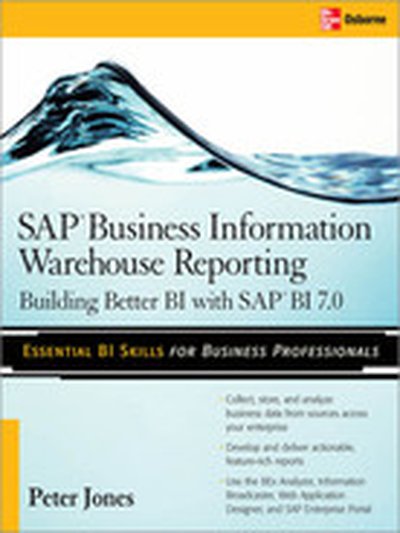
SAP Business Information Warehouse Reporting

Your Hands-On Guide to SAP Business Information Warehouse Give your company the competitive edge by delivering up-to-date, pertinent business reports to users inside and outside your enterprise. SAP Business Information Warehouse Reporting shows you how to construct Enterprise Data Warehouses, create workbooks and queries, analyze and format results, and supply meaningful reports. Learn how to use the BEx and Web Analyzers, Web Application Designer, Visual Composer, and Information Broadcaster. You will also find out how to forecast future business trends, build enterprise portals and websites, and tune performance. Group data into InfoCubes and DataStore Objects and generate reports using queries and workbooks Work with the BEx Analyzer, Web Analyzer, and Query Designer Build queries and reports using the Business Administration Workbench Add attachments and drill-through using Document Integration and RRI Format and distribute results using Report Designer and Information Broadcaster Extend functionality with Enterprise Portal, Data Modeling, and Visual Composer Deploy charts, maps, diagrams, and unit of measure conversions Predict trends and possible outcomes using SBC and Integrated Planning Generate HTML pages using Enterprise Reporting and Web Application Designer Create BI-based corporate Web and intranet sites using SAP Enterprise Portal

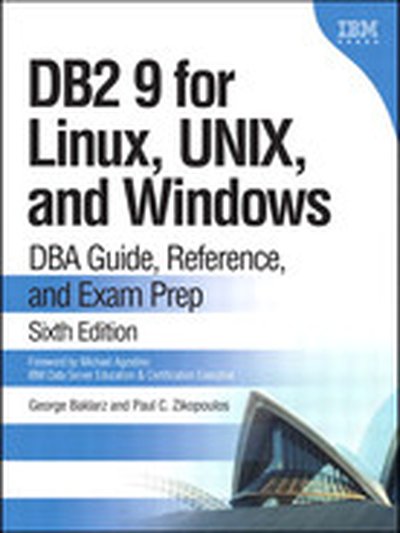
DB2® 9 for Linux®, UNIX®, and Windows®: DBA Guide, Reference, and Exam Prep, Sixth Edition

DB2 ® 9 builds on the world's number one enterprise database to simplify the delivery of information as a service, accelerate development, and dramatically improve operational efficiency, security, and resiliency. Now, this new edition offers complete, start-to-finish coverage of DB2 9 administration and development for Linux ®, UNIX ®, and Windows ® platforms, as well as authoritative preparation for the latest IBM DB2 certification exam. Written for both DBAs and developers, this definitive reference and self-study guide covers all aspects of deploying and managing DB2 9, including DB2 database design and development; day-to-day administration and backup; deployment of networked, Internet-centered, and SOA-based applications; migration; and much more. You'll also find an unparalleled collection of expert tips for optimizing performance, availability, and value. Coverage includes: Important security and resiliency enhancements, including advanced access control; fine-grained, label-based security; and the new security administrator role Breakthrough pureXML ™ features that make it easier to succeed with service-oriented architecture Operational improvements that enhance DBA efficiency--including self-tuning memory allocation, automated storage management, and storage optimization Table-partitioning features that improve scalability and manageability Powerful improvements for more agile and rapid development, including the new Eclipse-based Developer Workbench and simple SQL or XQuery access to all data Whatever your role in working with DB2 or preparing for certification, is the one book you can't afford to be without. DB2 9 for Linux, UNIX, and Windows, Sixth Edition Download Complete DB2 V9 Trial Version Visit ibm.com/db2/9/download.html to download a complete trial version of DB2, which enables you to try out dozens of the most powerful features of DB2 for yourself: everything from pureXML support to automated administration and optimization. Straight from IBM, the ultimate guide to running DB2 9 and preparing for the latest IBM DB2 certification exam! Covers powerful DB2 9 enhancements ranging from automated management to improved compression Covers the full spectrum of DBA responsibilities, including server management, data placement, XML concepts, activity analysis, high availability, and security Presents expert tips and best practices from the DB2 customer support organization

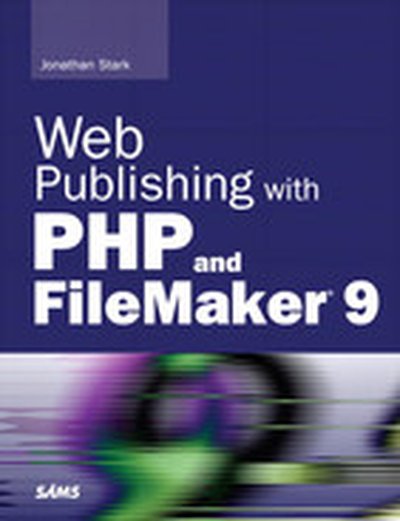
Web Publishing with PHP and FileMaker® 9

Whether you are a FileMaker developer who is new to web publishing, a web developer who is new to FileMaker, or a complete beginner looking to put your data online, this book is for you. In Part I, you learn the basics of how web publishing works and how to write your own HTML and PHP. In Part II, you learn how to build a FileMaker database and install and configure the FileMaker Server to host the database. In Part III, you learn how to put it all together to create web pages that talk to your database and allow people to view the data and, if you like, modify it. Throughout the book, publishing a FileMaker Product Catalog to the web is used as an example. Each chapter builds on the previous chapter. When you are done, you will have a working website! Detailed information on how to… Master web publishing Read and write basic HTML Read and write basic PHP Build a FileMaker database Install and configure FileMaker Server Publish your FileMaker data to the web Work with portals and container fields Repurpose your FileMaker layouts on the web Introduction 1

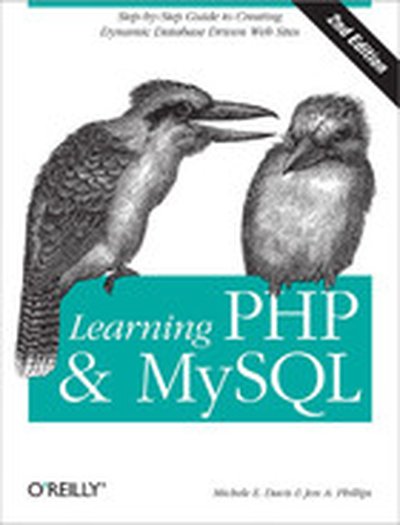
Learning PHP & MySQL, 2nd Edition

PHP and MySQL are quickly becoming the de facto standard for rapid development of dynamic, database-driven web sites. This book is perfect for newcomers to programming as well as hobbyists who are intimidated by harder-to-follow books. With concepts explained in plain English, the new edition starts with the basics of the PHP language, and explains how to work with MySQL, the popular open source database. You then learn how to put the two together to generate dynamic content. If you come from a web design or graphics design background and know your way around HTML, Learning PHP & MySQL is the book you've been looking for. The content includes: PHP basics such as strings and arrays, and pattern matching A detailed discussion of the variances in different PHP versions MySQL data fundamentals like tables and statements Information on SQL data access for language A new chapter on XHTML Error handling, security, HTTP authentication, and more Learning PHP & MySQL explains everything from fundamental concepts to the nuts and bolts of performing specific tasks. As part of O'Reilly's bestselling Learning series, the book is an easy-to-use resource designed specifically for beginners. It's a launching pad for future learning, providing you with a solid foundation for more advanced development.

FileMaker Web Publishing: A Complete Guide to Using the API for PHP

FileMaker Web Publishing offers an unparalleled development strategy for database managers, web designers, and programmers who are interested in getting the most out of FileMaker databases on the web. The book introduces the basics of HTML, cascading style sheets, and PHP, then moves on to specific concepts such as database portals, value lists, and complex navigation systems. Advanced topics include uploading and referencing files within the database and sending dynamically formatted emails.

Visualizing Information with Microsoft® Office Visio® 2007

Create and distribute data-connected Microsoft Office Visio diagrams and reports Get full details on the powerful features of Microsoft Office Visio 2007 inside this comprehensive volume. Written by Visio expert David Parker, Visualizing Information with Microsoft Office Visio 2007 demonstrates how to effectively visualize, explore, and communicate complex business information. Learn to use PivotDiagrams, Data Graphics, and Smart Tags, as well as link data to shapes and create meaningful Visio documents and reports. Plus, you'll get vital security information, time-saving tips, troubleshooting techniques, and downloadable macros and code samples. Essential Skills for Database Users and Professionals Create shapes and link them to data Summarize and analyze information using PivotDiagrams Use Data Graphics, Smart Tags, and SmartShapes to reinforce information Generate robust Excel, HTML, and XML reports Create custom, reusable templates, stencils, and masters Update and enhance diagrams with Reviewer's comments and markups Integrate Visio diagrams with other Windows applications Publish and securely distribute Visio documents and summaries Extend functionality using VBA macros, add-ins, and wrapper applications

Beginning XML, 4th Edition

When the first edition of this book was written, XML was a relatively new language but already gaining ground fast and becoming more and more widely used in a vast range of applications. By the time of the second edition, XML had already proven itself to be more than a passing fad, and was in fact being used throughout the industry for an incredibly wide range of uses. With the third edition, it was clear that XML was a mature technology, but more important, it became evident that the XML landscape was dividing into several areas of expertise. Now in this edition, we needed to categorize the increasing number of specifications surrounding XML, which either use XML or provide functionality in addition to the XML core specification. So what is XML? It's a markup language, used to describe the structure of data in meaningful ways. Anywhere that data is input/output, stored, or transmitted from one place to another, is a potential fit for XML's capabilities. Perhaps the most well-known applications are web-related (especially with the latest developments in handheld web access—for which some of the technology is XML-based). However, there are many other non-web-based applications for which XML is useful—for example, as a replacement for (or to complement) traditional databases, or for the transfer of financial information between businesses. News organizations, along with individuals, have also been using XML to distribute syndicated news stories and blog entries. This book aims to teach you all you need to know about XML—what it is, how it works, what technologies surround it, and how it can best be used in a variety of situations, from simple data transfer to using XML in your web pages. It answers the fundamental questions: What is XML? How do you use XML? How does it work? * What can you use it for, anyway? This book is for people who know that it would be a pretty good idea to learn XML but aren't 100 percent sure why. You've heard the hype but haven't seen enough substance to figure out what XML is and what it can do. You may be using development tools that try to hide the XML behind user interfaces and scripts, but you want to know what is really happening behind the scenes. You may already be somehow involved in web development and probably even know the basics of HTML, although neither of these qualifications is absolutely necessary for this book. What you don't need is knowledge of markup languages in general. This book assumes that you're new to the concept of markup languages, and we have structured it in a way that should make sense to the beginner and yet quickly bring you to XML expert status. The word "Beginning" in the title refers to the style of the book, rather than the reader's experience level. There are two types of beginner for whom this book is ideal: Programmers who are already familiar with some web programming or data exchange techniques. Programmers in this category will already understand some of the concepts discussed here, but you will learn how you can incorporate XML technologies to enhance those solutions you currently develop. Those working in a programming environment but with no substantial knowledge or experience of web development or data exchange applications. In addition to learning how XML technologies can be applied to such applications, you will be introduced to some new concepts to help you understand how such systems work. The subjects covered in this book are arranged to take you from novice to expert in as logical a manner as we could. This Fourth Edition is structured in sections based on various areas of XML expertise. Unless you are already using XML, you should start by reading the introduction to XML in Part I. From there, you can quickly jump into specific areas of expertise, or, if you prefer, you can read through the book in order. Keep in mind that there is quite a lot of overlap in XML, and that some of the sections make use of techniques described elsewhere in the book. The book begins by explaining what exactly XML is and why the industry felt that a language like this was needed. After covering the why, the next logical step is the how, so it shows you how to create well-formed XML. Once you understand the whys and hows of XML, you'll go on to some more advanced things you can do when creating your XML documents, to make them not only well formed, but valid. (And you'll learn what "valid" really means.) After you're comfortable with XML and have seen it in action, the book unleashes the programmer within and looks at an XML-based programming language that you can use to transform XML documents from one format to another. Eventually, you will need to store and retrieve XML information from databases. At this point, you will learn not only the state of the art for XML and databases, but also how to query XML information using an SQL-like syntax called XQuery. XML wouldn't really be useful unless you could write programs to read the data in XML documents and create new XML documents, so we'll get back to programming and look at a couple of ways that you can do that. Understanding how to program and use XML within your own business is one thing, but sending that information to a business partner or publishing it to the Internet is another. You'll learn about technologies that use XML that enable you to send messages across the Internet, publish information, and discover services that provide information. Since you have all of this data in XML format, it would be great if you could easily display it to people, and it turns out you can. You'll see an XML version of HTML called XHTML. You'll also look at a technology you may already be using in conjunction with HTML documents called CSS. CSS enables you to add visual styles to your XML documents. In addition, you'll learn how to design stunning graphics and make interactive forms using XML. Finally, the book ends with a case study, which should help to give you ideas about how XML can be used in real-life situations, and which could be used in your own applications. This book builds on the strengths of the earlier editions, and provides new material to reflect the changes in the XML landscape—notably XQuery, RSS and Atom, and AJAX. Updates have been made to reflect the most recent versions of specifications and best practices throughout the book. In addition to the many changes, each chapter has a set of exercise questions to test your understanding of the material. Possible solutions to these questions appear in Appendix A. Part I: Introduction: The introduction is where most readers should begin. The first three chapters introduce some of the goals of XML as well as the specific rules for constructing XML. Once you have read this part you should be able to read and create your own XML documents. Chapter 1: What Is XML?: This chapter cover some basic concepts, introducing the fact that XML is a markup language (a bit like HTML) whereby you can define your own elements, tags, and attributes (known as a vocabulary). You'll see that tags have no presentation meaning—they're just a way to describe the structure of the data. Chapter 2: Well-Formed XML: In addition to explaining what well-formed XML is, we offer a look at the rules that exist (the XML 1.0 and 1.1 Recommendations) for naming and structuring elements—you need to comply with these rules in order to produce well-formed XML. Chapter 3: XML Namespaces: Because tags can be made up, you need to avoid name conflicts when sharing documents. Namespaces provide a way to uniquely identify a group of tags, using a URI. This chapter explains how to use namespaces. Part II: Validation: In addition to the well-formedness rules you learn in Part I, you will most likely want to learn how to create and use different XML vocabularies. This Part introduces you to DTDs, XML Schemas, and RELAX NG: three languages that define custom XML vocabularies. It also shows you how to utilize these definitions to validate your XML documents. Chapter 4: Document Type Definitions: You can specify how an XML document should be structured, and even provide default values, using Document Type Definitions (DTDs). If XML conforms to the associated DTD, it is known as valid XML. This chapter covers the basics of using DTDs. Chapter 5: XML Schemas: XML Schemas, like DTDs, enable you to define how a document should be structured. In addition to defining document structure, they enable you to specify the individual datatypes of attribute values and element content. They are a more powerful alternative to DTDs. Chapter 6: RELAX NG: RELAX NG is a third technology used to define the structure of documents. In addition to a new syntax and new features, it takes the best from XML Schemas and DTDs, and is therefore very simple and very powerful. RELAX NG has two syntaxes; both the full syntax and compact syntax are discussed. Part III: Processing: In addition to defining and creating XML documents, you need to know how to work with documents to extract information and convert it to other formats. In fact, easily extracting information and converting it to other formats is what makes XML so powerful. Chapter 7: XPath: The XPath language is used to locate sections and data in the XML document, and it's important in many other XML technologies. Chapter 8: XSLT: XML can be transformed into other XML documents, HTML, and other formats using XSLT stylesheets, which are introduced in this chapter. Part IV: Databases: Creating and processing XML documents is good, but eventually you will want to store those documents. This section describes strategies for storing and retrieving XML documents and document fragments from different databases. Chapter 9: XQuery, the XML Query Language: Very often, you will need to retrieve information from within a database. XQuery, which is built on XPath and XPath2, enables you to do this in an elegant way. Chapter 10: XML and Databases: XML is perfect for structuring data, and some traditional databases are beginning to offer support for XML. This chapter discusses these, and provides a general overview of how XML can be used in an n-tier architecture. In addition, new databases based on XML are introduced. Part V: Programming: At some point in your XML career, you will need to work with an XML document from within a custom application. The two most popular methodologies, the Document Object Model (DOM) and the Simple API for XML (SAX), are explained in this part. Chapter 11: The Document Object Model (DOM): Programmers can use a variety of programming languages to manipulate XML using the Document Object Model's objects, interfaces, methods, and properties, which are described in this chapter. Chapter 12: Simple API for XML (SAX): An alternative to the DOM for programmatically manipulating XML data is to use the Simple API for XML (SAX) as an interface. This chapter shows how to use SAX and utilizes examples from the Java SAX API. Part VI: Communication: Sending and receiving data from one computer to another is often difficult, but several technologies have been created to make communication with XML much easier. This part discusses RSS and content syndication, as well as web services and SOAP. This edition includes a new chapter on Ajax techniques. Chapter 13: RSS, Atom, and Content Syndication: RSS is an actively evolving technology that is used to publish syndicated news stories and website summaries on the Internet. This chapter not only discusses how to use the different versions of RSS and Atom, it also covers the future direction of the technology. In addition, it demonstrates how to create a simple newsreader application that works with any of the currently published versions. Chapter 14: Web Services: Web services enable you to perform cross-computer communications. This chapter describes web services and introduces you to using remote procedure calls in XML (using XML-RPC and REST), as well as giving you a brief look at major topics such as SOAP. Finally, it breaks down the assortment of specifications designed to work in conjunction with web services. Chapter 15: SOAP and WSDL: Fundamental to XML web services, the Simple Object Access Protocol (SOAP) is one of the most popular specifications for allowing cross-computer communications. Using SOAP, you can package up XML documents and send them across the Internet to be processed. This chapter explains SOAP and the Web Services Description Language (WSDL) that is used to publish your service. Chapter 16: Ajax: Ajax enables you to utilize JavaScript with web services and SOAP, or REST communications. Additionally, Ajax patterns can be used within web pages to communicate with the web server without refreshing. This chapter is new to the Fourth Edition. Part VII: Display: Several XML technologies are devoted to displaying the data stored inside of an XML document. Some of these technologies are web-based, and some are designed for applications and mobile devices. This part discusses the primary display strategies and formats used today. Chapter 17: Cascading Style Sheets (CSS): Website designers have long been using Cascading Style Sheets (CSS) with their HTML to easily make changes to a website's presentation without having to touch the underlying HTML documents. This power is also available for XML, enabling you to display XML documents right in the browser. Or, if you need a bit more flexibility with your presentation, you can use XSLT to transform your XML to HTML or XHTML and then use CSS to style these documents. Chapter 18: XHTML: XHTML is a new version of HTML that follows the rules of XML. This chapter discusses the differences between HTML and XHTML, and shows you how XHTML can help make your sites available to a wider variety of browsers, from legacy browsers to the latest browsers on mobile phones. Chapter 19: Scalable Vector Graphics (SVG): Do you want to produce a custom graphic using XML? SVG enables you to describe a graphic using XML-based vector commands. This chapter teaches you the basics of SVG and then dives into a more complex SVG-based application that can be published to the Internet. Chapter 20: XForms: XForms are XML-based forms that can be used to design desktop applications, paper-based forms, and of course XHTML-based forms. This chapter demonstrates both the basics and some of the more interesting uses of XForms. Part VIII: Case Study: Throughout the book you'll gain an understanding of how XML is used in web, business-to-business (B2B), data storage, and many other applications. The case study covers an example application and shows how the theory can be put into practice in real-life situations. The case study is new to this edition. Chapter 21: Case Study: Payment Calculator: This case study explores some of the possibilities and strategies for using XML in your website. It includes an example that demonstrates a loan payment calculator by creating a web page using XHTML and CSS, communicating with a local web service using AJAX, utilizing an XML Schema to build data structures in .NET, and ultimately using the Document Object Model to display the results in SVG. An online version of this case study on the book's website covers the same material using Ruby on Rails instead of .NET. Appendixes: Appendix A provides answers to the exercise questions that appear throughout the book. The remaining appendixes provide reference material that you may find useful as you begin to apply the knowledge gained throughout the book in your own applications. These are: Appendix B: XPath Reference; Appendix C: XSLT Reference; Appendix D: The XML Document Object Model; Appendix E: XML Schema Element and Attribute Reference; Appendix F: XML Schema Datatypes Reference; Appendix G: SAX 2.0.2 Reference. Appendixes A, B, and C are included within the book; Appendixes D-G are available on the book's website.

Programming Firefox

This is your guide to building Internet applications and user interfaces with the Mozilla component framework, which is best known for the Firefox web browser and Thunderbird email client. Programming Firefox demonstrates how to use the XML User Interface Language (XUL) with open source tools in the framework's Cross-Platform Component (XPCOM) library to develop a variety of projects, such as commercial web applications and Firefox extensions. This book serves as both a programmer's reference and an in-depth tutorial, so not only do you get a comprehensive look at XUL's capabilities--from simple interface design to complex, multitier applications with real-time operations--but you also learn how to build a complete working application with XUL. If you're coming from a Java or .NET environment, you'll be amazed at how quickly large-scale applications can be constructed with XPCOM and XUL. Topics in Programming Firefox include: An overview of Firefox technology An introduction to the graphical elements that compose a XUL application Firefox development tools and the process used to design and build applications Managing an application with multiple content areas Introduction to Resource Description Files, and how the Firefox interface renders RDF Manipulating XHTML with JavaScript Displaying documents using the Scalable Vector Graphics standard and HTML Canvas The XML Binding Language and interface overlays to extend Firefox Implementing the next-generation forms interface through XForms Programming Firefox is ideal for the designer or developer charged with delivering innovative standards-based Internet applications, whether they're web server applications or Internet-enabled desktop applications. It's not just a how-to book, but a what-if exploration that encourages you to push the envelope of the Internet experience.

Microsoft® Office Access 2007 on Demand

Microsoft Office Access 2007 For those who would rather be shown how than told how See How To Create databases more efficiently using a new results-oriented interface Use tools for building a database that makes information easier to find and use Import data from other programs, HTML, XML files, and other databases Use forms, filters, queries, and reports to capture and analyze data Discover ways to prevent data corruption and unauthorized access Share your data with others through interactive web pages Put your newly acquired skills to work using the online workshops Organize information and add impact with clip art, SmartArt diagrams, tables, and charts Use Groove and SharePoint Team Services to collaborate and share documents and information Prepare for the Microsoft Certified Application Specialist (MCAS) exam On the Web This book uses real-world examples to give you a context in which to use the task. This book also includes workshops to help you put together individual tasks into projects. The Access example files that you need for project tasks are available at www.perspection.com Author Bio Perspection has written and produced books on a variety of computer software–including Microsoft Office 2003 and XP, Microsoft Windows XP, Apple Mac OS X Panther, Adobe Photoshop CS2, Macromedia Flash 8, Macromedia Director MX, and Macromedia Fireworks–and Web publishing. In 1991, after working for Apple Computer and Microsoft, Steve Johnson founded Perspection, Inc. Perspection is committed to providing information and training to help people use software more effectively. Perspection has written more than 80 computer books, and sold more Includes MCAS Exam Objectives! This courseware meets the objectives for the Microsoft Certified Application Specialist (MCAS). Upon completion of this courseware, you may be prepared to take the exam for MCAS qualification. To learn more about becoming a Microsoft Certified Application Specialist, visit www.microsoft.com. Category Database Covers Microsoft Office Access 2007 User Level Beginning–Intermediate 1 Getting Started with Access 2 Touring Access Databases 3 Planning and Creating a Custom Database 4 Working with Fields 5 Working with Tables 6 Locating Specific Information Using a Query 7 Simplifying Data Entry with Forms 8 Creating Reports to Convey Information 9 Improving the Appearance of Forms and Reports 10 Working on the Web 11 Importing and Exporting Information 12 Managing a Database 13 Protecting and Securing a Database 14 Customizing Access 15 Enhancing a Database with Programming 16 Working Together on Office Documents New Features Microsoft Certified Applications Specialist Index

Java and XML, 3rd Edition

Java and XML, 3rd Edition, shows you how to cut through all the hype about XML and put it to work. It teaches you how to use the APIs, tools, and tricks of XML to build real-world applications. The result is a new approach to managing information that touches everything from configuration files to web sites. After two chapters on XML basics, including XPath, XSL, DTDs, and XML Schema, the rest of the book focuses on using XML from your Java applications. This third edition of Java and XML covers all major Java XML processing libraries, including full coverage of the SAX, DOM, StAX, JDOM, and dom4j APIs as well as the latest version of the Java API for XML Processing (JAXP) and Java Architecture for XML Binding (JAXB). The chapters on web technology have been entirely rewritten to focus on the today's most relevant topics: syndicating content with RSS and creating Web 2.0 applications. You'll learn how to create, read, and modify RSS feeds for syndicated content and use XML to power the next generation of websites with Ajax and Adobe Flash. Topics include: The basics of XML, including DTDs, namespaces, XML Schema, XPath, and Transformations The SAX API, including all handlers, filters, and writers The DOM API, including DOM Level 2, Level 3, and the DOM HTML module The JDOM API, including the core and a look at XPath support The StAX API, including StAX factories, producing documents and XMLPull Data Binding with JAXB, using the new JAXB 2.0 annotations Web syndication and podcasting with RSS XML on the Presentation Layer, paying attention to Ajax and Flash applications If you are developing with Java and need to use XML, or think that you will be in the future; if you're involved in the new peer-to-peer movement, messaging, or web services; or if you're developing software for electronic commerce, Java and XML will be an indispensable companion.

Integrating and Extending BIRT

A new edition of this title is available, ISBN-10: 0321580303 ISBN-13: 9780321580306 The second of a two-book series about business intelligence and reporting technology, introduces programmers to BIRT architecture and the reporting framework. Built on the Eclipse platform, this exciting technology makes it possible for programmers to build and deploy customized reports using scripting and BIRT APIs. In addition, programmers can extend the BIRT framework by building new plug-ins using the Eclipse Plug-in Development Environment. Integrating and Extending BIRT This book describes the key components of BIRT architecture, applications, and engines, including installing, deploying, and troubleshooting the Reporting and Charting engines in an Enterprise Java application-server environment.For developers who wish to incorporate custom business logic in their reports or access data from Java objects, the book describes BIRT's extensive scripting capabilities in JavaScript and Java. For developers who want to extend the BIRT framework, the book describes the key extension points to use in creating customized report items, rendering extensions for generating output other than HTML or PDF, and Open Data Access (ODA) drivers for new data sources. The book provides extensive examples of how to build plug-ins to extend the features of the BIRT framework. Topics discussed include Installing and deploying BIRT Deploying a BIRT report to an application server Understanding BIRT architecture Scripting in a BIRT report design Integrating BIRT functionality in applications Working with the BIRT extension framework

XAML in a Nutshell

When Microsoft releases Windows Vista, the new operating system will support applications that employ graphics now used by computer games--clear, stunning, and active. The cornerstone for building these new user interfaces is XAML ("Zammel"), the XML-based markup language that works with Windows Presentation Foundation (WPF), Vista's new graphics subsystem. An acronym for Extensible Application Markup Language, XAML offers a wealth of new controls and elements with exciting capabilities, including animation and rendering of 3D graphics. Windows developers are already jazzed by the possibilities of using XAML for fixed and flow format documents like PDF and HTML, 2D and 3D vector-based graphics, form development, animation, audio and video, transparent layering, and a lot more. Many feel that XAML will eliminate the need for multiple file formats or plug-ins (read: Flash), while lowering development costs and reducing time to market. The problem is, most developers don't know XAML. While it is fairly easy to understand, you still need a quick guide to bring you up to speed before Vista's release, and that's where this book's simple, no nonsense approach comes in. XAML in a Nutshell covers everything necessary to design user interfaces and .NET applications that take advantage of WPF. Prerequisites such as Microsoft's new unified build system, MSBuild, and core XAML constructs and syntax--including shortcuts--are all presented with plenty of examples to get you started. The Core XAML Reference section lets you dig even deeper into syntax rules and attributes for all XAML elements with a series of quick-reference chapters. This section divides XAML elements into logical categories of elements, controls, shapes and geometry, layout, animations, and transformations for easy reference. XAML in a Nutshell helps you learn, firsthand, how to use this XML-based markup language to implement the new generation of user interface graphics. As one reviewer noted, "Strong code examples and an efficient, conversational style take the tedium out of learning XAML and make the subject understandable--even interesting."

XSLT Cookbook, 2nd Edition

Forget those funky robot toys that were all the rage in the '80s, XSLT (Extensible Stylesheet Transformations) is the ultimate transformer. This powerful language is expert at transforming XML documents into PDF files, HTML documents, JPEG files--virtually anything your heart desires. As useful as XSLT is, though, most people have a difficult time learning its many peculiarities. And now Version 2.0, while elegant and powerful, has only added to the confusion. XSLT Cookbook, Second Edition wants to set the record straight. It helps you sharpen your programming skills and overall understanding of XSLT through a collection of detailed recipes. Each recipe breaks down a specific problem into manageable chunks, giving you an easy-to-grasp roadmap for integrating XSLT with your data and applications. No other XSLT book around employs this practical problem-solution-discussion format. In addition to offering code recipes for solving everyday problems with XSLT 1.0, this new edition shows you how to leverage the improvements found in XSLT 2.0, such as how to simplify the string manipulation and date/time conversion processes. The book also covers XPath 2.0, a critical companion standard, as well as topics ranging from basic transformations to complex sorting and linking. It even explores extension functions on a variety of different XSLT processors and shows ways to combine multiple documents using XSLT. Code examples add a real-world dimension to each technique. Whether you're just starting out in XSLT or looking for advanced techniques, you'll find the level of information you need in XSLT Cookbook, Second Edition.