talk-data.com talk-data.com

Topic

Looker

bi data_exploration analytics

5

tagged

Activity Trend

14 peak/qtr
2020-Q1 2026-Q1

Activities

5 activities · Newest first

Path to Stellar Business Performance Analysis : A Design and Implementation Handbook

Business performance analysis is central to any business, as it helps to make or mend products, services, and processes. This book provides several blueprints for setting up business performance analytics (BPA) shops, from process layout for performance measures to tracking the underlying metrics of them using website tools such as Google Analytics and Looker Studio. Delivering satisfying user experiences in the context of overarching business objectives is key to delivering elevated business performance. This book transcends the topic of tracking user behaviors in websites from generic to specific KPI scenario-based tracking using Google Analytics/Google Tag Manager. Business Performance Analysis stands out by helping you create fit-for-purpose and coherent performance analysis blueprints by integrating performance measure creation and website analytics of BPA together. What You Will Learn Design a Business Performance Analysis function Analyze performance metrics with website analytics tools Identify business performance metrics for common product scenarios Who This Book is For Senior leaders, product managers, product owners, UX and web analytics professionals
Business Intelligence with Looker Cookbook

Discover the power of Looker for Business Intelligence and data visualization in this comprehensive cookbook. This book serves as your guide to mastering Looker's tools and features, enabling you to transform data into actionable insights. What this Book will help me do Understand Looker's key components, including LookML and dashboards. Explore advanced Looker capabilities, including data modeling and interactivity. Create dynamic dashboards to monitor and present critical metrics effectively. Integrate Looker with additional tools and systems to extend its capabilities. Leverage Looker's tools for fostering data-driven decision-making within your team. Author(s) Khrystyna Grynko is a seasoned data professional with extensive experience in Business Intelligence and analytics. She brings practical insights into how to effectively utilize Looker for real-world applications. Khrystyna is known for her clear, instructional writing style that makes complex topics approachable. Who is it for? This book is an essential resource for business analysts, data analysts, or BI developers looking to expand their expertise in Looker. Suitable for readers with a basic understanding of business intelligence concepts. Ideal for professionals who aim to leverage Looker for creating insightful and interactive data applications to inform business strategy.

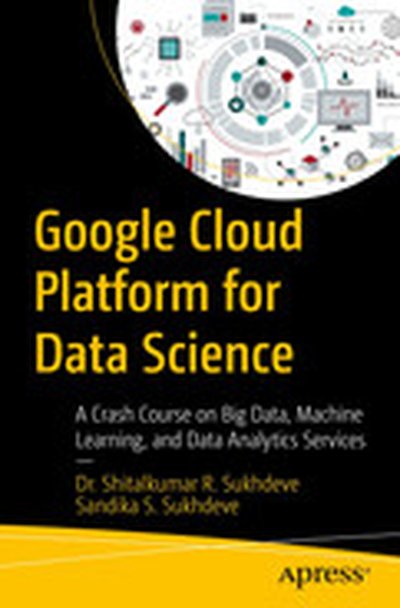
Google Cloud Platform for Data Science: A Crash Course on Big Data, Machine Learning, and Data Analytics Services

This book is your practical and comprehensive guide to learning Google Cloud Platform (GCP) for data science, using only the free tier services offered by the platform. Data science and machine learning are increasingly becoming critical to businesses of all sizes, and the cloud provides a powerful platform for these applications. GCP offers a range of data science services that can be used to store, process, and analyze large datasets, and train and deploy machine learning models. The book is organized into seven chapters covering various topics such as GCP account setup, Google Colaboratory, Big Data and Machine Learning, Data Visualization and Business Intelligence, Data Processing and Transformation, Data Analytics and Storage, and Advanced Topics. Each chapter provides step-by-step instructions and examples illustrating how to use GCP services for data science and big data projects. Readers will learn how to set up a Google Colaboratory account and run Jupyternotebooks, access GCP services and data from Colaboratory, use BigQuery for data analytics, and deploy machine learning models using Vertex AI. The book also covers how to visualize data using Looker Data Studio, run data processing pipelines using Google Cloud Dataflow and Dataprep, and store data using Google Cloud Storage and SQL. What You Will Learn Set up a GCP account and project Explore BigQuery and its use cases, including machine learning Understand Google Cloud AI Platform and its capabilities Use Vertex AI for training and deploying machine learning models Explore Google Cloud Dataproc and its use cases for big data processing Create and share data visualizations and reports with Looker Data Studio Explore Google Cloud Dataflow and its use cases for batch and stream data processing Run data processing pipelines on Cloud Dataflow Explore Google Cloud Storageand its use cases for data storage Get an introduction to Google Cloud SQL and its use cases for relational databases Get an introduction to Google Cloud Pub/Sub and its use cases for real-time data streaming Who This Book Is For Data scientists, machine learning engineers, and analysts who want to learn how to use Google Cloud Platform (GCP) for their data science and big data projects

Data Storytelling with Google Looker Studio

Data Storytelling with Google Looker Studio is your definitive guide to creating compelling dashboards using Looker Studio. In this book, you'll journey through the principles of effective data visualization and learn how to harness Looker Studio to convey impactful data stories. Step by step, you'll acquire the skills to design, build, and refine dashboards using real-world data. What this Book will help me do Understand and apply data visualization principles to enhance data analysis and storytelling. Master the features and capabilities of Google Looker Studio for dashboard building. Learn to use a structured 3D approach - determine, design, and develop - for creating dashboards. Explore practical examples to apply your knowledge effectively in real projects. Gain insights into monitoring and measuring the impact of Looker Studio dashboards. Author(s) Sireesha Pulipati is an accomplished data analytics professional with extensive experience in business intelligence tools and data visualization. Leveraging her years of expertise, she has crafted this book to empower readers to effectively use Looker Studio. Sireesha's approachable teaching style and practical insights make complex concepts accessible to learners. Who is it for? This book is perfect for aspiring data analysts eager to master data visualization and dashboard design. It caters to beginners and requires no prior experience, making it a great starting point. Intermediate and seasoned professionals in analytics and business intelligence who are keen on using Looker Studio effectively will find immense value as well. If you aim to create insightful dashboards and refine your data storytelling skills, this book is for you.

Architecting for Access

Fragmented, disparate backend data systems have become the norm in today’s enterprise, where you’ll find a mix of relational databases, Hadoop stores, and NoSQL engines, with access and analytics tools bolted on every which way. This mishmash of options presents a real challenge when it comes to choosing frontend analytics and visualization tools. How did we get here? In this O’Reilly report, IT veteran Rich Morrow takes you through the rapid changes to both backend storage and frontend analytics over the past decade, and provides a pragmatic list of requirements for an analytics stack that will centralize access to all of these data systems. You’ll examine current analytics platforms, including Looker—a new breed of analytics and visualization tools built specifically to handle our fragmented data space. Understand why and how data became so fractured so quickly Explore the tangled web of data and backend tools in today’s enterprises Learn the tool requirements for accessing and analyzing the full spectrum of data Examine the relative strengths of popular analytics and visualization tools, including Looker, Tableau, and MicroStrategy Inspect Looker’s unique focus on both the frontend and backend