talk-data.com talk-data.com

Event

O'Reilly Data Engineering Books

2001-10-19 – 2027-05-25 Oreilly Visit website ↗

Activities tracked

499

Collection of O'Reilly books on Data Engineering.

Filtering by: Cloud Computing ×

Sessions & talks

Showing 476–499 of 499 · Newest first

Search within this event →
50 Ways to Protect Your Identity in a Digital Age: New Financial Threats You Need to Know and How to Avoid Them, Second Edition

It is better to stop identity theft from happening in the first place than have to fix or repair the situation afterwards. Steve Weisman reveals the threats of new identity theft attacks based on use of Facebook, iPad, iPhone, Android, cloud apps, iPod, and other new technologies -- and shows you how to protect yourself, or how to fix the damage if you've already been attacked! Discover why ID theft is more dangerous than ever, and discover today's most dangerous new threats -- including attacks targeting medical records, personal finance and online banking sites, the elderly, and military service members. Meet the hackers and organized crime groups who want to steal your identity and money -- and learn how to protect your data and your life! Step by step, Weisman shows how to avoid risks, minimize risks you can't completely avoid, and immediately take the right steps if you're ever victimized. He objectively reviews new products and services that promise to fight identity theft, and previews emerging dangers, such as RFID credit cards. If you use a computer, the Internet, a smartphone, cell phone, tablet, or any other communications device, 50 Ways to Protect Your Identity in a Digital Age isn't just an indispensable wake-up call: it's the world's best resource for protecting yourself!
Microsoft® SQL Server 2012 Management and Administration, Second Edition

If you need to deploy, manage, or secure Microsoft SQL Server 2012, this is the complete, fast-paced, task-based reference you’ve been searching for. Authored by a worldclass expert on running SQL Server in the enterprise, this book goes far beyond the basics, taking on the complex tasks that DBAs need to make the most of Microsoft’s first cloud-enabled database platform. Designed for maximum practical usability, it’s packed with expert tips and up-to-date real-world configuration guidance you simply won’t find anywhere else. As someone who helped influence the design of SQL Server 2012 and drawing on many months of beta testing, Ross Mistry provides immediately usable solutions for installation and upgrades, management and monitoring, performance and availability, security, consolidation, virtualization, troubleshooting, and more. Mistry identifies new features and corresponding best practices in every chapter, helping you take full advantage of new SQL Server innovations ranging from private cloud support to AlwaysOn Availability Groups. Understand how to: Efficiently install or upgrade the SQL Server 2012 database engine Administer and configure database engine settings, storage, I/O, and partitioning Transfer data on-premise or to the cloud Manage and optimize indexes Learn how to consolidate, virtualize and optimize SQL Server for Private Clouds Harden and audit SQL Server 2012 environments Administer security and authorization, including new Contained Databases Encrypt data and communications Design and deploy new AlwaysOn high-availability and disaster recovery features Implement maintenance best practices, including Policy-Based Management

Programming Microsoft® SQL Server® 2012

Your essential guide to key programming features in Microsoft SQL Server 2012 Take your database programming skills to a new level—and build customized applications using the developer tools introduced with SQL Server 2012. This hands-on reference shows you how to design, test, and deploy SQL Server databases through tutorials, practical examples, and code samples. If you’re an experienced SQL Server developer, this book is a must-read for learning how to design and build effective SQL Server 2012 applications. Discover how to: Build and deploy databases using the SQL Server Data Tools IDE Query and manipulate complex data with powerful Transact-SQL enhancements Integrate non-relational features, including native file streaming and geospatial data types Consume data with Microsoft ADO.NET, LINQ, and Entity Framework Deliver data using Windows Communication Foundation (WCF) Data Services and WCF RIA Services Move your database to the cloud with Windows Azure SQL Database Develop Windows Phone cloud applications using SQL Data Sync Use SQL Server BI components, including xVelocity in-memory technologies

Principles of Data Integration

Principles of Data Integration is the first comprehensive textbook of data integration, covering theoretical principles and implementation issues as well as current challenges raised by the semantic web and cloud computing. The book offers a range of data integration solutions enabling you to focus on what is most relevant to the problem at hand. Readers will also learn how to build their own algorithms and implement their own data integration application. Written by three of the most respected experts in the field, this book provides an extensive introduction to the theory and concepts underlying today's data integration techniques, with detailed, instruction for their application using concrete examples throughout to explain the concepts. This text is an ideal resource for database practitioners in industry, including data warehouse engineers, database system designers, data architects/enterprise architects, database researchers, statisticians, and data analysts; students in data analytics and knowledge discovery; and other data professionals working at the R&D and implementation levels. Offers a range of data integration solutions enabling you to focus on what is most relevant to the problem at hand Enables you to build your own algorithms and implement your own data integration applications

Beginning SQL Server 2012 Administration

Beginning SQL Server 2012 Administration provides the essential skills and knowledge needed to begin a successful career as an SQL Server database administrator. It's an ideal book for those new to database administration, as well for those moving to SQL Server from other database brands such as Oracle and IBM DB2. SQL Server is more than just a database. It's situated within a larger context that includes solutions for reporting, for integrating data from other systems, for business intelligence and analysis, and more. Beginning SQL Server 2012 Administration paints the big picture to help you understand SQL Server's place in the grand scheme. Then you'll move into the nuts and bolts of installing the product, learning the management tools at your disposal, creating your first database, and maintaining that database in an ongoing state of readiness. Beginning SQL Server 2012 Administration goes beyond teaching just the core competencies of effective database administration. You will also learn the latest trends in SQL Server such as virtualizing and consolidating of servers, and using SQL Server in the cloud as a service. Administrators experienced on other platforms will find insight from comparisons of key features between SQL Server and other platforms. Beginning SQL Server 2012 Administration lays an excellent foundation for success as an SQL Server database administrator. Provides the essentials of successful SQL Server administration Covers the latest trends such as virtualization and cloud computing Paints the big picture of Microsoft's data platform

Information Storage and Management: Storing, Managing, and Protecting Digital Information in Classic, Virtualized, and Cloud Environments, Second Edition

The new edition of a bestseller, now revised and update throughout! This new edition of the unparalleled bestseller serves as a full training course all in one and as the world's largest data storage company, EMC is the ideal author for such a critical resource. They cover the components of a storage system and the different storage system models while also offering essential new material that explores the advances in existing technologies and the emergence of the "Cloud" as well as updates and vital information on new technologies. Features a separate section on emerging area of cloud computing Covers new technologies such as: data de-duplication, unified storage, continuous data protection technology, virtual provisioning, FCoE, flash drives, storage tiering, big data, and more Details storage models such as Network Attached Storage (NAS), Storage Area Network (SAN), Object Based Storage along with virtualization at various infrastructure components Explores Business Continuity and Security in physical and virtualized environment Includes an enhanced Appendix for additional information This authoritative guide is essential for getting up to speed on the newest advances in information storage and management.

Hadoop: The Definitive Guide, 3rd Edition

Ready to unlock the power of your data? With this comprehensive guide, you’ll learn how to build and maintain reliable, scalable, distributed systems with Apache Hadoop. This book is ideal for programmers looking to analyze datasets of any size, and for administrators who want to set up and run Hadoop clusters. You’ll find illuminating case studies that demonstrate how Hadoop is used to solve specific problems. This third edition covers recent changes to Hadoop, including material on the new MapReduce API, as well as MapReduce 2 and its more flexible execution model (YARN). Store large datasets with the Hadoop Distributed File System (HDFS) Run distributed computations with MapReduce Use Hadoop’s data and I/O building blocks for compression, data integrity, serialization (including Avro), and persistence Discover common pitfalls and advanced features for writing real-world MapReduce programs Design, build, and administer a dedicated Hadoop cluster—or run Hadoop in the cloud Load data from relational databases into HDFS, using Sqoop Perform large-scale data processing with the Pig query language Analyze datasets with Hive, Hadoop’s data warehousing system Take advantage of HBase for structured and semi-structured data, and ZooKeeper for building distributed systems

Seven Databases in Seven Weeks

Data is getting bigger and more complex by the day, and so are the choices in handling that data. As a modern application developer you need to understand the emerging field of data management, both RDBMS and NoSQL. Seven Databases in Seven Weeks takes you on a tour of some of the hottest open source databases today. In the tradition of Bruce A. Tate's Seven Languages in Seven Weeks, this book goes beyond your basic tutorial to explore the essential concepts at the core each technology. Redis, Neo4J, CouchDB, MongoDB, HBase, Riak and Postgres. With each database, you'll tackle a real-world data problem that highlights the concepts and features that make it shine. You'll explore the five data models employed by these databases-relational, key/value, columnar, document and graph-and which kinds of problems are best suited to each. You'll learn how MongoDB and CouchDB are strikingly different, and discover the Dynamo heritage at the heart of Riak. Make your applications faster with Redis and more connected with Neo4J. Use MapReduce to solve Big Data problems. Build clusters of servers using scalable services like Amazon's Elastic Compute Cloud (EC2). Discover the CAP theorem and its implications for your distributed data. Understand the tradeoffs between consistency and availability, and when you can use them to your advantage. Use multiple databases in concert to create a platform that's more than the sum of its parts, or find one that meets all your needs at once. Seven Databases in Seven Weeks will take you on a deep dive into each of the databases, their strengths and weaknesses, and how to choose the ones that fit your needs. What You Need: To get the most of of this book you'll have to follow along, and that means you'll need a *nix shell (Mac OSX or Linux preferred, Windows users will need Cygwin), and Java 6 (or greater) and Ruby 1.8.7 (or greater). Each chapter will list the downloads required for that database.

Beginning Microsoft® SQL Server® 2012 Programming

Get up to speed on the extensive changes to the newest release of Microsoft SQL Server The 2012 release of Microsoft SQL Server changes how you develop applications for SQL Server. With this comprehensive resource, SQL Server authority Robert Vieira presents the fundamentals of database design and SQL concepts, and then shows you how to apply these concepts using the updated SQL Server. Publishing time and date with the 2012 release, Beginning Microsoft SQL Server 2012 Programming begins with a quick overview of database design basics and the SQL query language and then quickly proceeds to show you how to implement the fundamental concepts of Microsoft SQL Server 2012. You'll explore the key additions and changes to this newest version, including conditional action constructs, enhanced controls for results paging, application integration with SharePoint and Excel, and development of BI applications. Covers new features such as SQL Azure for cloud computing, client-connectivity enhancements, security and compliance, data replication, and data warehouse performance improvements Addresses essential topics including managing keys, writing scripts, and working with store procedures Shares helpful techniques for creating and changing tables, programming with XML, and using SQL Server Reporting and Integration Services Beginning Microsoft SQL Server 2012 Programming demystifies even the most difficult challenges you may face with the new version of Microsoft SQL Server.

Professional Microsoft SQL Server 2012 Administration

An essential how-to guide for experienced DBAs on the most significant product release since 2005! Microsoft SQL Server 2012 will have major changes throughout the SQL Server and will impact how DBAs administer the database. With this book, a team of well-known SQL Server experts introduces the many new features of the most recent version of SQL Server and deciphers how these changes will affect the methods that administrators have been using for years. Loaded with unique tips, tricks, and workarounds for handling the most difficult SQL Server admin issues, this how-to guide deciphers topics such as performance tuning, backup and recovery, scaling and replication, clustering, and security. Serves as a must-have how-to guide on the new features of the 2012 release of Microsoft SQL Server Walks you through ways to manage and monitor SQL Server and automate administration Guides you through SQL Azure for cloud computing, data replication, and data warehouse performance improvements Addresses client-connectivity enhancements, new features that ensure high availability of mission-critical applications, and tighter integration with Excel and SharePoint for data analysis and reporting Highlights major changes to the suite of SQL Server BI tools, including integration, reporting, and analysis services Includes real-world case examples and best practices from Microsoft insiders If you're a database administrator eager to get started with the newest version of SQL Server, then this book is essential reading.

BizTalk Server 2010 Cookbook

Dive into the intricacies of BizTalk Server 2010 with this comprehensive cookbook. By learning from over 50 detailed recipes, you'll enhance both your technical skills in BizTalk implementation and guiding principles for setting up durable, efficient environments. Written by expert Steef-Jan Wiggers, this book provides practical models to create robust orchestration and messaging solutions. What this Book will help me do Learning to deploy robust and high-performing BizTalk environments with optimal settings. Enhancing orchestration designs using well-defined BizTalk patterns for scalability. Utilizing best practices for BizTalk artifact instrumentation and error handling. Strengthening knowledge of BizTalk messaging security and SOA pattern application. Expanding BizTalk solutions to integrate with modern cloud-based technologies. Author(s) Steef-Jan Wiggers is a recognized expert and Microsoft MVP in BizTalk Server. With extensive experience as both a developer and an administrator, Steef-Jan brings a wealth of practical knowledge to this book. His approach to teaching BizTalk is grounded in real-world applications, focusing on equipping professionals with actionable insights and clear guidance. Who is it for? This book is ideal for BizTalk developers and administrators who have foundational knowledge of BizTalk Server, SOA, and enterprise application integration concepts. Whether advancing professional ambitions, honing skills, or tackling specific BizTalk challenges, readers can rely on this book to deliver essential knowledge and actionable techniques.

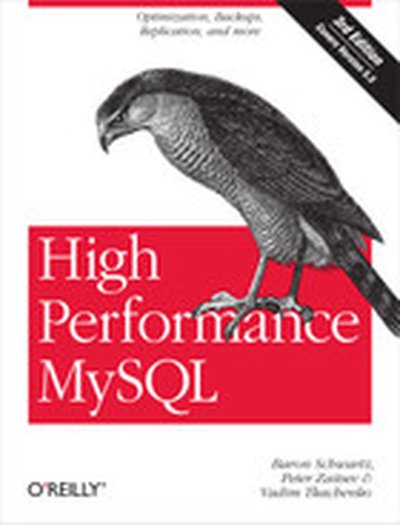
High Performance MySQL, 3rd Edition

How can you bring out MySQL’s full power? With High Performance MySQL, you’ll learn advanced techniques for everything from designing schemas, indexes, and queries to tuning your MySQL server, operating system, and hardware to their fullest potential. This guide also teaches you safe and practical ways to scale applications through replication, load balancing, high availability, and failover. Updated to reflect recent advances in MySQL and InnoDB performance, features, and tools, this third edition not only offers specific examples of how MySQL works, it also teaches you why this system works as it does, with illustrative stories and case studies that demonstrate MySQL’s principles in action. With this book, you’ll learn how to think in MySQL. Learn the effects of new features in MySQL 5.5, including stored procedures, partitioned databases, triggers, and views Implement improvements in replication, high availability, and clustering Achieve high performance when running MySQL in the cloud Optimize advanced querying features, such as full-text searches Take advantage of modern multi-core CPUs and solid-state disks Explore backup and recovery strategies—including new tools for hot online backups

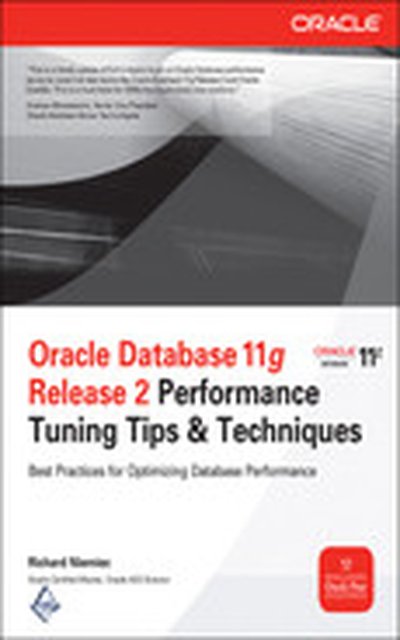
Oracle Database 11g Release 2 Performance Tuning Tips & Techniques

Implement Proven Database Optimization Solutions Systematically identify and eliminate database performance problems with help from Oracle Certified Master Richard Niemiec. Filled with real-world case studies and best practices, Oracle Database 11g Release 2 Performance Tuning Tips & Techniques details the latest monitoring, troubleshooting, and optimization methods. Find out how to find and fix bottlenecks, configure storage devices, execute effective queries, and develop bug-free SQL and PL/SQL code. Testing, reporting, and security enhancements are also covered in this Oracle Press guide. Properly index and partition Oracle Database 11 g Release 2 Work with Oracle Exadata and Oracle Exalogic Elastic Cloud Efficiently manage disk drives, RAID arrays, and memory Tune queries with Oracle SQL hints and the TRACE utility Troubleshoot databases using V$ views and X$ tables Distribute workload using Oracle Real Application Testing Generate reports using Oracle's Statspack and Automatic Workload Repository tools Use sar, vmstat, and iostat to monitor system statistics “This is a timely update of Rich’s classic book on Oracle Database performance tuning to cover hot new topics like Oracle Database 11g Release 2 and Oracle Exadata. This is a must-have for DBAs moving to these new products.” --Andrew Mendelsohn, Senior Vice President, Oracle Database Server Technologies

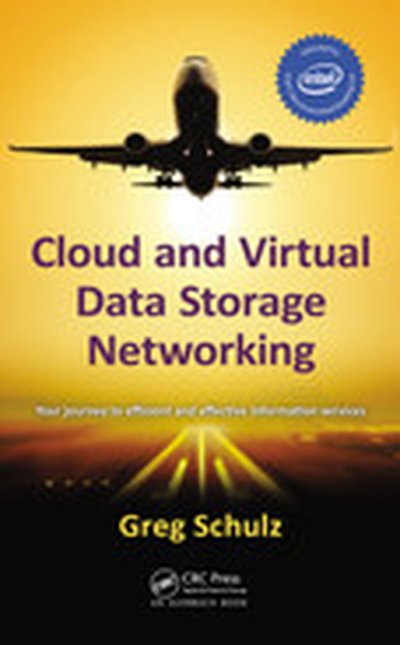
Cloud and Virtual Data Storage Networking

Written by noted author, blogger, industry analyst, and IT veteran, Greg Schulz, this book covers data storage networks for cloud and virtual environments, from a hardware, software, services, and best practices perspective. Filled with real-world insights, blueprints, and best practices, this vendor- and technology-neutral text provides the tools to achieve efficient, optimized, flexible, scalable, and resilient data storage networking infrastructures. Coverage includes public and private cloud, virtualization, and traditional IT environments.

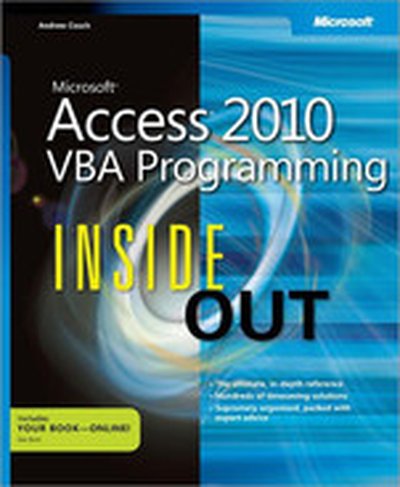
Microsoft® Access® 2010 VBA Programming Inside Out

You're beyond the basics, so dive right in and customize, automate, and extend Access—using Visual Basic for Applications (VBA). This supremely organized reference is packed with hundreds of time-saving solutions, troubleshooting tips, and workarounds. It's all muscle and no fluff. Discover how the experts use VBA to exploit the power of Access—and challenge yourself to new levels of mastery! Enhance your application with VBA built-in functions and SQL code Use the Access Object Model to work with data in forms and reports Manipulate data using SQL, queries, and recordsets with Data Access Objects (DAO) Create classes for handling form and control events Connect your Access database to different sources of data Effectively plan how to upsize an existing Access database to Microsoft SQL Server Dynamically update Microsoft Excel spreadsheets from the database Migrate your Access database directly to the cloud using SQL Azure

The Legacy of Arthur Andersen: A Model for Excellence

Most people recognize that Arthur Andersen was a great Firm. For the authors, it was perhaps the greatest. Its fulminating, unexpected and shameful collapse, with the Enron case and ensuing disappearance from the market, leaving a cloud of local professional firms, has left in the collective memory a totally negative image, erasing any earlier merits as if they never existed. After an introductory chapter, that goes briefly through the Arthur Andersen history, the book is organized in three main parts: I. The Seven Columns or Basic Principles of the Andersen Model, II. Turning Principles into Practice and III. The Decomposition of the Model.

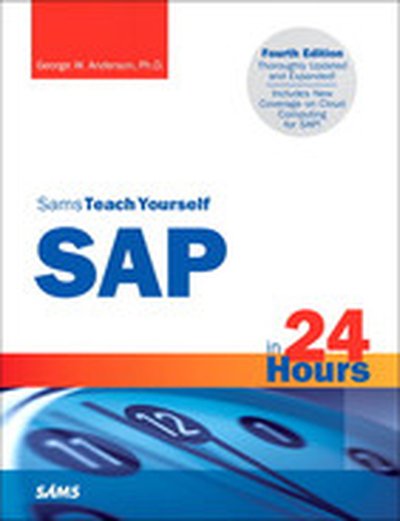
Sams Teach Yourself SAP in 24 Hours, Fourth Edition

The #1 hands-on SAP tutorial for beginners: now fully updated and 100% refocused on two key audiences: business users and IT professionals Now easier to read and more useful, with more actionable guidance, better screenshots, and better foundational material for beginners Reflects new SAP technologies and roadmaps, including SAP in the cloud Covers the full lifecycle: project management, installation, administration, usage - even SAP careers Step-by-step instructions, case studies, exercises, and tips In just 24 sessions of one hour or less, beginning-to-intermediate-level managers and IT pro master the latest version of SAP, and learn how to use it in real business environments. You learn hands-on, step-by-step, through practical examples based on SAP's free demonstration software. This edition has been fully reorganized and updated to help business and technical readers quickly learn what they need to know, and to help absolute beginners move forward more rapidly. Each chapter is built around a real-world case study that helps you put your new knowledge to the test. Long-time SAP consultant George Anderson explains SAP's goals, functionality, roles, and implementation considerations; NetWeaver, SAP ERP, and the SAP Business Suite; SAP's user interface; core SAP business tasks; reporting and querying; extending SAP with Microsoft Duet; managing implementations; using Basis; developing new applications; day-to-day administration; enhancements, upgrades, replatforming, cloud services, and more. Each lesson builds on what you've already learned, delivering a strong real-world foundation for success with SAP in any organization.

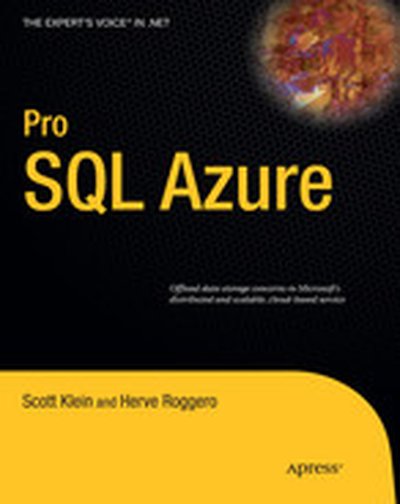
Pro SQL Azure

SQL Azure represents Microsoft's cloud-based delivery of its enterprise-caliber, SQL Server database management system (formerly under the code name "Oslo"). Pro SQL Azure introduces you to this new platform, showing you how to program and administer it in a variety of cloud computing scenarios. You'll learn to program SQL Azure from Silverlight, ASP.NET, WinForms, and from SQL Reporting Services. You'll also understand how to manage the platform by planning for scalability, troubleshooting performance issues, and implementing strong security. Shows how to use SQL Azure from Silverlight, ASP.NET, and more Covers management, scalability, and troubleshooting Addresses the all-important issue of securing your data

Hadoop: The Definitive Guide, 2nd Edition

Discover how Apache Hadoop can unleash the power of your data. This comprehensive resource shows you how to build and maintain reliable, scalable, distributed systems with the Hadoop framework -- an open source implementation of MapReduce, the algorithm on which Google built its empire. Programmers will find details for analyzing datasets of any size, and administrators will learn how to set up and run Hadoop clusters. This revised edition covers recent changes to Hadoop, including new features such as Hive, Sqoop, and Avro. It also provides illuminating case studies that illustrate how Hadoop is used to solve specific problems. Looking to get the most out of your data? This is your book. Use the Hadoop Distributed File System (HDFS) for storing large datasets, then run distributed computations over those datasets with MapReduce Become familiar with Hadoop’s data and I/O building blocks for compression, data integrity, serialization, and persistence Discover common pitfalls and advanced features for writing real-world MapReduce programs Design, build, and administer a dedicated Hadoop cluster, or run Hadoop in the cloud Use Pig, a high-level query language for large-scale data processing Analyze datasets with Hive, Hadoop’s data warehousing system Take advantage of HBase, Hadoop’s database for structured and semi-structured data Learn ZooKeeper, a toolkit of coordination primitives for building distributed systems "Now you have the opportunity to learn about Hadoop from a master -- not only of the technology, but also of common sense and plain talk." --Doug Cutting, Cloudera

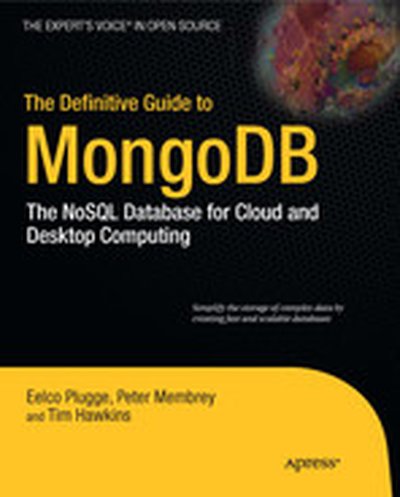
The Definitive Guide to MongoDB: The NoSQL Database for Cloud and Desktop Computing

MongoDB, a cross-platform NoSQL database, is the fastest-growing new database in the world. MongoDB provides a rich document orientated structure with dynamic queries that you'll recognize from RDMBS offerings such as MySQL. In other words, this is a book about a NoSQL database that does not require the SQL crowd to re-learn how the database world works! MongoDB has reached 1.0 and already boasts 50,000+ users. The community is strong and vibrant and MongoDB is improving at a fast rate. With scalable and fast databases becoming critical for today's applications, this book shows you how to install, administer and program MongoDB without pretending SQL never existed.

MySQL High Availability

Server bottlenecks and failures are a fact of life in any database deployment, but they don't have to bring everything to a halt. MySQL has several features that can help you protect your system from outages, whether it's running on hardware, virtual machines, or in the cloud. MySQL High Availability explains how to use these replication, cluster, and monitoring features in a wide range of real-life situations. Written by engineers who designed many of the tools covered inside, this book reveals undocumented or hard-to-find aspects of MySQL reliability and high availability -- knowledge that’s essential for any organization using this database system. "MySQL replication is widely deployed but has never been adequately explained. This book changes that."-- Mark Callaghan, MySQL contributor and leader of MySQL engineering efforts at a few of the world's largest Internet companies Explore the binary log, a file for replication that helps in disaster recovery and troubleshooting Get techniques for improving response time and handling large data sets Monitor database activity and performance, as well as major operating system parameters Keep track of what masters and slaves are doing, and deal with failures and restarts, corruption, and other incidents Automate key tasks with code from an open source library written by the authors Learn techniques for using MySQL in virtualized environments, such as Amazon Web Services Use MySQL Cluster to achieve high availability

Oracle RMAN 11g Backup and Recovery

Master Oracle Recovery Master Protect your databases from hardware, software, and operator failures using the detailed information in this Oracle Press guide. Oracle RMAN 11g Backup and Recovery explains how to configure databases, generate accurate archives, and carry out system restores. Work from the command line or Oracle Enterprise Manager, automate the backup process, perform Oracle Flashback recoveries, and integrate cloud computing technology. This authoritative resource also shows you how to create reports, optimize performance, and implement third-party administration utilities. Set up, configure, and maintain Oracle Recovery Manager (Oracle RMAN) Manage physical and virtual media with Oracle Secure Backup Work with Oracle RMAN catalogs, packages, and control files Use the Amazon Web Services cloud as an offsite storage solution Create online, offline, and incremental system backups Perform full and partial Oracle RMAN database restores Correct user-induced errors with Oracle Flashback Product clone and standby databases on local or remote servers Use Oracle Real Application Clusters and synch and split technology For a complete list of Oracle Press titles, visit www.OraclePressBooks.com

Pro Hadoop

You learn the ins and outs of MapReduce; how to structure a cluster, design, and implement the Hadoop file system; and how to structure your first cloud—computing tasks using Hadoop. Learn how to let Hadoop take care of distributing and parallelizing your software—you just focus on the code, Hadoop takes care of the rest.

Hadoop: The Definitive Guide

Hadoop: The Definitive Guide helps you harness the power of your data. Ideal for processing large datasets, the Apache Hadoop framework is an open source implementation of the MapReduce algorithm on which Google built its empire. This comprehensive resource demonstrates how to use Hadoop to build reliable, scalable, distributed systems: programmers will find details for analyzing large datasets, and administrators will learn how to set up and run Hadoop clusters. Complete with case studies that illustrate how Hadoop solves specific problems, this book helps you: Use the Hadoop Distributed File System (HDFS) for storing large datasets, and run distributed computations over those datasets using MapReduce Become familiar with Hadoop's data and I/O building blocks for compression, data integrity, serialization, and persistence Discover common pitfalls and advanced features for writing real-world MapReduce programs Design, build, and administer a dedicated Hadoop cluster, or run Hadoop in the cloud Use Pig, a high-level query language for large-scale data processing Take advantage of HBase, Hadoop's database for structured and semi-structured data Learn ZooKeeper, a toolkit of coordination primitives for building distributed systems If you have lots of data -- whether it's gigabytes or petabytes -- Hadoop is the perfect solution. Hadoop: The Definitive Guide is the most thorough book available on the subject. "Now you have the opportunity to learn about Hadoop from a master-not only of the technology, but also of common sense and plain talk."-- Doug Cutting, Hadoop Founder, Yahoo!