talk-data.com talk-data.com

Topic

Analytics

data_analysis insights metrics

4552

tagged

Activity Trend

398 peak/qtr
2020-Q1 2026-Q1

Activities

4552 activities · Newest first

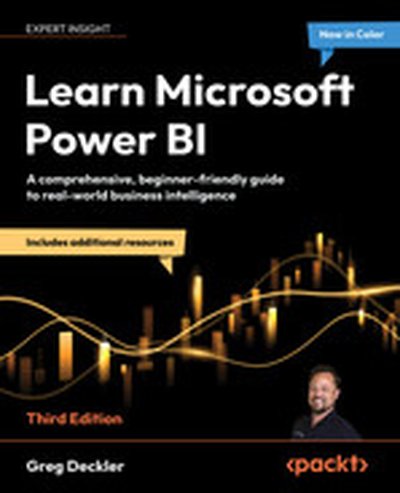
Learn Microsoft Power BI - Third Edition

This comprehensive guide provides the perfect introduction to Microsoft Power BI, offering practical examples to help you learn the key tools and concepts of data visualization and analytics. By exploring real-world use cases, you'll gain the skills necessary to manage data, build interactive dashboards, and unlock valuable business insights. What this Book will help me do Learn the fundamentals of Power BI and business intelligence. Understand advanced features like Microsoft Fabric and Copilot. Transform raw data into meaningful visualizations and reports. Design professional dashboards to convey data insights clearly. Deploy and share reports effectively within your organization. Author(s) Greg Deckler is a recognized authority in Microsoft Power BI, holding the title of a 7-time Microsoft MVP. With extensive experience in business intelligence, Greg is known for his ability to distill complex concepts into clear and practical advice. His approachable teaching style makes technical learning accessible and engaging. Who is it for? This book is ideal for aspiring data analysts or IT professionals looking to gain a solid foundation in Power BI. Beginners with no prior experience in Power BI or business intelligence will find it especially useful. It's also suitable for professionals transitioning from other BI tools. Whether you're looking to enhance your current career or start a new one, this book is for you.

In this episode of Hub & Spoken, Jason Foster, CEO & Founder of Cynozure, speaks with David Germain, portfolio Non-Executive Director and former senior technology and transformation leader in banking, financial services and insurance. Drawing on 30 years of global experience, David shares how sustainable business growth depends on more than just strategy and technology - it's rooted in inclusive leadership, organisational culture, and curiosity at every level. They explore why leadership teams must reflect their customer base, how to create psychological safety to encourage innovation, and why "constructive disruption" is essential for long-term success. David discusses the challenge of balancing today's operational pressures with the future ambitions of an organisation, and why trust, diversity of thought, and resilience are non-negotiables. The conversation also examines the role of technology, particularly AI, as both an enabler and a disruptor, and why leaders must prepare their people for the cultural and operational shifts it brings. If you're a business leader seeking practical ways to align people, culture, and technology for lasting impact, this episode offers clear, real-world perspectives. —— Cynozure is a leading data, analytics and AI company that helps organisations to reach their data potential. It works with clients on data and AI strategy, data management, data architecture and engineering, analytics and AI, data culture and literacy, and data leadership. The company was named one of The Sunday Times' fastest-growing private companies in both 2022 and 2023 and recognised as The Best Place to Work in Data by DataIQ in 2023 and 2024. Cynozure is a certified B Corporation. 

Está no ar, o Data Hackers News !! Os assuntos mais quentes da semana, com as principais notícias da área de Dados, IA e Tecnologia, que você também encontra na nossa Newsletter semanal, agora no Podcast do Data Hackers !! Aperte o play e ouça agora, o Data Hackers News dessa semana ! Para saber tudo sobre o que está acontecendo na área de dados, se inscreva na Newsletter semanal: ⁠⁠⁠⁠⁠⁠⁠⁠⁠⁠⁠⁠⁠⁠⁠⁠⁠⁠⁠⁠⁠⁠⁠⁠⁠⁠⁠⁠⁠⁠⁠⁠https://www.datahackers.news/⁠⁠⁠⁠⁠⁠⁠⁠⁠⁠⁠⁠⁠⁠⁠⁠⁠⁠⁠⁠⁠⁠⁠⁠⁠⁠⁠⁠⁠⁠⁠⁠ Acesse os links: ⁠Inscrições do Data Hackers Challenge 2025⁠ ⁠Live Zoho: Decisões Baseadas em Dados: Aplicando Machine Learning com o Zoho Analytics Conheça nossos comentaristas do Data Hackers News: ⁠⁠⁠⁠⁠⁠⁠⁠⁠⁠⁠⁠⁠⁠⁠⁠⁠⁠⁠⁠⁠⁠⁠⁠⁠⁠⁠⁠Monique Femme⁠⁠⁠⁠⁠⁠⁠⁠⁠⁠⁠⁠⁠⁠⁠⁠⁠⁠⁠⁠⁠⁠⁠⁠⁠⁠⁠⁠⁠ ⁠Matérias/assuntos comentados: Live finalistas do Data Hackers Challenge 2025 (Concorra a prêmios); Evento Mettup Itaú Materia da Meta Matéria Sam Altman Demais canais do Data Hackers: ⁠⁠⁠⁠⁠⁠⁠⁠⁠⁠⁠⁠⁠⁠⁠⁠⁠⁠⁠⁠⁠⁠⁠⁠⁠⁠⁠⁠⁠⁠⁠⁠Site⁠⁠⁠⁠⁠⁠⁠⁠⁠⁠⁠⁠⁠⁠⁠⁠⁠⁠⁠⁠⁠⁠⁠⁠⁠⁠⁠⁠⁠⁠⁠⁠ ⁠⁠⁠⁠⁠⁠⁠⁠⁠⁠⁠⁠⁠⁠⁠⁠⁠⁠⁠⁠⁠⁠⁠⁠⁠⁠⁠⁠⁠⁠⁠⁠Linkedin⁠⁠⁠⁠⁠⁠⁠⁠⁠⁠⁠⁠⁠⁠⁠⁠⁠⁠⁠⁠⁠⁠⁠⁠⁠⁠⁠⁠⁠⁠⁠⁠ ⁠⁠⁠⁠⁠⁠⁠⁠⁠⁠⁠⁠⁠⁠⁠⁠⁠⁠⁠⁠⁠⁠⁠⁠⁠⁠⁠⁠⁠⁠⁠⁠Instagram⁠⁠⁠⁠⁠⁠⁠⁠⁠⁠⁠⁠⁠⁠⁠⁠⁠⁠⁠⁠⁠⁠⁠⁠⁠⁠⁠⁠⁠⁠⁠⁠ ⁠⁠⁠⁠⁠⁠⁠⁠⁠⁠⁠⁠⁠⁠⁠⁠⁠⁠⁠⁠⁠⁠⁠⁠⁠⁠⁠⁠⁠⁠⁠⁠Tik Tok⁠⁠⁠⁠⁠⁠⁠⁠⁠⁠⁠⁠⁠⁠⁠⁠⁠⁠⁠⁠⁠⁠⁠⁠⁠⁠⁠⁠⁠⁠⁠⁠ ⁠⁠⁠⁠⁠⁠⁠⁠⁠⁠⁠⁠⁠⁠⁠⁠⁠⁠⁠⁠⁠⁠⁠⁠⁠⁠⁠⁠⁠⁠⁠⁠You Tube⁠⁠⁠⁠⁠⁠⁠⁠⁠⁠⁠⁠⁠⁠⁠⁠⁠⁠⁠⁠⁠⁠⁠⁠⁠⁠⁠⁠⁠⁠⁠

I first built an AI that thinks like an analyst. Now I have built a better AI Data analyst for the practical use of AI. This episode breaks down the simple rebuild: start with a clear objective, pick 5–8 focus columns, and ship a one-page Markdown brief. You’ll also get a 3-minute quiz (10:33), a Substack discussion (17:04), and a 9-step checklist you can use today. What you’ll learn How to start with a clear business goal (not charts)Why focusing on 5–8 columns increases signalHow a 1-page brief moves work faster than a dashboardQuiz & Discussion Take the Lightning QuizJoin the Substack discussion: https://mukundansankar.substack.com/(Tell your day-two story, your one metric, and your 5–8 focus columns.)Listener Checklist Copy/paste: 1) Objective (one line) 2) 5–8 focus columns 3) 10 questions + why 4) Quick data health checks 5) Export 1-page brief 6) Share in Slack/Notion/Jira 7) Run 2–3 quick analyses today 8) Log learning + next decision 9) Repeat tomorrow Links Blog version: (with Medium membership): https://medium.com/data-science-collective/i-built-an-ai-that-thinks-like-a-data-analyst-then-it-went-viral-so-i-made-it-smarter-1f3206a8254b(Free): https://mukundansankar.substack.com/p/i-built-an-ai-that-thinks-like-aSubstack Note (comments hub): https://mukundansankar.substack.com/notesTools I use for my Podcast:Recording Partner: Riverside → Sign up here (affiliate)Host Your Podcast: RSS.com (affiliate )Research Tools: Sider.ai (affiliate)🔗 Connect with Me:Free Email Newsletter: https://data-ai-with-ms.kit.com/bae4d0c550Website: https://mukundansankar.substack.com/Twitter/X: @sankarmukund475LinkedIn: https://www.linkedin.com/in/mukundansankar/YouTube: https://www.youtube.com/@MukundSankar

Feeling behind on your data journey? Don't worry. Today, I'll list down the 13 signs that prove you're actually ahead (even if you're actually doing just some of these). ✨ Try Julius today at https://landadatajob.com/Julius-YT 💌 Join 10k+ aspiring data analysts & get my tips in your inbox weekly 👉 https://www.datacareerjumpstart.com/newsletter 🆘 Feeling stuck in your data journey? Come to my next free "How to Land Your First Data Job" training 👉 https://www.datacareerjumpstart.com/training 👩‍💻 Want to land a data job in less than 90 days? 👉 https://www.datacareerjumpstart.com/daa 👔 Ace The Interview with Confidence 👉 https://www.datacareerjumpstart.com/interviewsimulator ⌚ TIMESTAMPS 00:00 Introduction 00:05 #1 You can analyze data in Excel without panicking 00:52 #2 You know how to write basic SQL queries 01:17 #3 You can build a bar chart and scatter plot in Tableau or Power BI 01:59 #4 You can Google (or ChatGPT) your way through any error 02:45 #5 You can send me one portfolio project right now 03:45 #6 You talk about your data journey with friends and family regularly 05:50 #7 You’re actually applying to jobs (not just watching tutorials) 07:03 #8 You’ve joined a data community 07:48 #9 Your resume now includes (lots of) the right keywords 10:11 #10 You’ve optimized your LinkedIn for data roles 10:45 #11 A recruiter reaches out to you on LinkedIn 11:58 #12 You’ve had at least one real interview 12:52 #13 You’re comfortable not knowing everything (yet) 🔗 CONNECT WITH AVERY 🎥 YouTube Channel: https://www.youtube.com/@averysmith 🤝 LinkedIn: https://www.linkedin.com/in/averyjsmith/ 📸 Instagram: https://instagram.com/datacareerjumpstart 🎵 TikTok: https://www.tiktok.com/@verydata 💻 Website: https://www.datacareerjumpstart.com/ Mentioned in this episode: Join the last cohort of 2025! The LAST cohort of The Data Analytics Accelerator for 2025 kicks off on Monday, December 8th and enrollment is officially open!

To celebrate the end of the year, we’re running a special End-of-Year Sale, where you’ll get: ✅ A discount on your enrollment 🎁 6 bonus gifts, including job listings, interview prep, AI tools + more

If your goal is to land a data job in 2026, this is your chance to get ahead of the competition and start strong.

👉 Join the December Cohort & Claim Your Bonuses: https://DataCareerJumpstart.com/daa https://www.datacareerjumpstart.com/daa

This is part two of the framework; if you missed part one, head to episode 175 and start there so you're all caught up. 

In this episode of Experiencing Data, I continue my deep dive into the MIRRR UX Framework for designing trustworthy agentic AI applications. Building on Part 1’s “Monitor” and “Interrupt,” I unpack the three R’s: Redirect, Rerun, and Rollback—and share practical strategies for data product managers and leaders tasked with creating AI systems people will actually trust and use. I explain human-centered approaches to thinking about automation and how to handle unexpected outcomes in agentic AI applications without losing user confidence. I am hoping this control framework will help you get more value out of your data while simultaneously creating value for the human stakeholders, users, and customers.

Highlights / Skip to:

Introducing the MIRRR UX Framework (1:08) Designing for trust and user adoption plus perspectives you should be including when designing systems. (2:31) Monitor and interrupt controls let humans pause anything from a single AI task to the entire agent (3:17) Explaining “redirection” in the example context of use cases for claims adjusters working on insurance claims—so adjusters (users) can focus on important decisions. (4:35)  Rerun controls: lets humans redo an angentic task after unexpected results, preventing errors and building trust in early AI rollouts (11:12) Rerun vs. Redirect: what the difference is in the context of AI, using additional use cases from the insurance claim processing domain  (12:07) Empathy and user experience in AI adoption, and how the most useful insights come from directly observing users—not from analytics (18:28) Thinking about agentic AI as glue for existing applications and workflows, or as a worker  (27:35)

Quotes from Today’s Episode

The value of AI isn’t just about technical capability, it’s based in large part on whether the end-users will actually trust and adopt it. If we don’t design for trust from the start, even the most advanced AI can fail to deliver value."

"In agentic AI, knowing when to automate is just as important as knowing what to automate. Smart product and design decisions mean sometimes holding back on full automation until the people, processes, and culture are ready for it."

"Sometimes the most valuable thing you can do is slow down, create checkpoints, and give people a chance to course-correct before the work goes too far in the wrong direction."

"Reruns and rollbacks shouldn’t be seen as failures, they’re essential safety mechanisms that protect both the integrity of the work and the trust of the humans in the loop. They give people the confidence to keep using the system, even when mistakes happen."

"You can’t measure trust in an AI system by counting logins or tracking clicks. True adoption comes from understanding the people using it, listening to them, observing their workflows, and learning what really builds or breaks their confidence."

"You’ll never learn the real reasons behind a team’s choices by only looking at analytics, you have to actually talk to them and watch them work."

"Labels matter, what you call a button or an action can shape how people interpret and trust what will happen when they click it."

Quotes from Today’s Episode

Part 1: The MIRRR UX Framework for Designing Trustworthy Agentic AI Applications 

Imagine a world where business users simply fire up their analytics AI tool, ask for some insights, and get a clear and accurate response in return. That's the dream, isn't it? Is it just around the corner, or is it years away? Or is that vision embarrassingly misguided at its core? The very real humans who responded to our listener survey wanted to know where and how AI would be fitting into the analyst's toolkit, and, frankly, so do we! Maybe they (and you!) can fire up ol' Claude and ask it to analyze this episode with Juliana Jackson from the Standard Deviation podcast and Beyond the Mean Substack to find out!

For complete show notes, including links to items mentioned in this episode and a transcript of the show, visit the show page.

podcast_episode
by Matt Colyar (Moody's Analytics) , Cris deRitis , Mark Zandi (Moody's Analytics) , Marisa DiNatale (Moody's Analytics)

It was a week headlined by crucial inflation data. The Inside Economics crew is joined by colleague Matt Colyar to dig into July’s consumer price index. July’s CPI was unsurprising, but that doesn’t mean it was good. The group discusses why markets might have been too cheery about it and what they think inflation looks like in the coming months (see July’s producer price index). Finally, some loquacious responses to a handful of listener questions.  Hosts: Mark Zandi – Chief Economist, Moody’s Analytics, Cris deRitis – Deputy Chief Economist, Moody’s Analytics, and Marisa DiNatale – Senior Director - Head of Global Forecasting, Moody’s Analytics Follow Mark Zandi on 'X' and BlueSky @MarkZandi, Cris deRitis on LinkedIn, and Marisa DiNatale on LinkedIn

Questions or Comments, please email us at [email protected]. We would love to hear from you.    To stay informed and follow the insights of Moody's Analytics economists, visit Economic View.

Hosted by Simplecast, an AdsWizz company. See pcm.adswizz.com for information about our collection and use of personal data for advertising.

We live in a world where people are concerned about social media tracking their data—but at the same time, willingly send their DNA to companies like 23andMe. Why does this happen? What do companies actually do with our data? And how can we, as individuals, become more data-literate to make informed decisions? In this episode, we sit down with Kathy Rondon, author of "We The People: A Playbook for Data Ethics in a Democratic Society," data expert and advocate for data literacy. If you've ever wondered how to take control of your digital footprint, make sense of statistics, or separate fact from fiction in a world full of data, this episode is for you. What You'll Learn: How companies collect and use your data—sometimes in ways you wouldn't expect Why do we trust some organizations with our most personal data while fearing others The power of statistics and how understanding the basics would help everyone better navigate news, research, and even politics   📚 Be sure to check out Kathy's book: "We The People: A Playbook for Data Ethics in a Democratic Society"  Follow Kathy on LinkedIn!   Register for free to be part of the next live session: https://bit.ly/3XB3A8b   Follow us on Socials: LinkedIn YouTube Instagram (Mavens of Data) Instagram (Maven Analytics) TikTok Facebook Medium X/Twitter

Whether they’re part of a workflow or powering a user experience, AI agents often need to work on your data at interactive speeds. Because of this, they demand more from data systems than traditional analytics workloads. Low latency is no longer a luxury, and handling concurrency is essential if you want an agent to scale with a growing platform. But with great access comes great risk: safeguards and strict permission models are critical. This talk will explore the principles and patterns for building responsive, reliable data infrastructure that agents can trust and users can depend on.

Beat instant rejections. Use an AI resume audit to pass ATS filters and turn silence into interviews—clear steps, a one-week plan, and a free checker. AI job search without the guesswork. In this episode I use a tiny AI resume & portfolio audit to beat ATS filters—what to highlight, what’s missing, and how to rewrite one project so a hiring manager actually cares. It’s personal, practical, and ends with a one-week plan you can apply today. You’ll learn • How modern ATS screeners work—and why they’re fast (and unforgiving) • The simple AI workflow behind my ATS simulator (no hype, just outcomes) • Three lessons from failing my own test—and what actually moved the score • How to translate your story so it passes the bots and reaches humans • A one-week action plan to raise your odds on your next application Key takeaways • ATS = gatekeeper. If you don’t pass it, humans may never see you. • Match keywords exactly from the JD—“close enough” doesn’t count. • ATS-friendly formatting beats fancy templates that break parsing. • Quantify outcomes so machines and recruiters see impact. • Test before you apply with an ATS checker/simulator. Try this today (no code) Paste into your AI tool of choice: “Here’s my resume + 3 project summaries and the job description I’m applying to. 1) What should I highlight to match the JD? 2) What am I missing? 3) Rewrite one project to emphasize measurable business outcomes in 2–3 bullets.” One-week plan Day 1: Baseline ATS check; log gaps. Day 2: Map exact JD keywords to your resume/projects. Day 3: Rewrite top project in outcome language (numbers first). Day 4: Fix formatting (simple headings, standard section names). Day 5: Add two quantified wins; remove tool-only bullets. Day 6: Align portfolio links to the role (pin your best two). Day 7: Re-test; apply to three roles; track results. Resources Full story + DIY steps: https://medium.com/data-science-collective/when-an-ai-tool-i-built-evaluated-my-resume-i-learned-what-100-rejections-never-taught-me-8e8eea1f3d8fRecommended: use any reputable ATS checker to preview parsing before you apply.Affiliate Disclosure This episode may contain affiliate links. If you purchase via these links, I may earn a small commission at no extra cost to you. Thanks for supporting the show. Affiliate partners (links below): RSS: your podcast, get free transcripts, and earn ad revenue with as few as 10 monthly downloads. Sign up here.Sider AI. AI-powered research and productivity assistant for breaking down job descriptions into keywords. Try Sider here.Riverside FM: Record your podcast in studio-quality audio and 4K video from anywhere. Get started with Riverside here.Do this next Run your resume through an ATS checker this week. Find the gaps. Fill them. If this helped, share with a friend who’s job hunting and follow/subscribe for more real-world AI workflows.

Está no ar, o Data Hackers News !! Os assuntos mais quentes da semana, com as principais notícias da área de Dados, IA e Tecnologia, que você também encontra na nossa Newsletter semanal, agora no Podcast do Data Hackers !! Aperte o play e ouça agora, o Data Hackers News dessa semana ! Para saber tudo sobre o que está acontecendo na área de dados, se inscreva na Newsletter semanal: ⁠⁠⁠⁠⁠⁠⁠⁠⁠⁠⁠⁠⁠⁠⁠⁠⁠⁠⁠⁠⁠⁠⁠⁠⁠⁠⁠⁠⁠⁠⁠⁠https://www.datahackers.news/⁠⁠⁠⁠⁠⁠⁠⁠⁠⁠⁠⁠⁠⁠⁠⁠⁠⁠⁠⁠⁠⁠⁠⁠⁠⁠⁠⁠⁠⁠⁠⁠ Acesse os links: ⁠Inscrições do Data Hackers Challenge 2025⁠ ⁠Live Zoho: Decisões Baseadas em Dados: Aplicando Machine Learning com o Zoho Analytics Conheça nossos comentaristas do Data Hackers News: ⁠⁠⁠⁠⁠⁠⁠⁠⁠⁠⁠⁠⁠⁠⁠⁠⁠⁠⁠⁠⁠⁠⁠⁠⁠⁠⁠⁠Monique Femme⁠⁠⁠⁠⁠⁠⁠⁠⁠⁠⁠⁠⁠⁠⁠⁠⁠⁠⁠⁠⁠⁠⁠⁠⁠⁠⁠⁠⁠ ⁠Matérias/assuntos comentados: Live finalistas do Data Hackers Challenge 2025; Evento Mettup Itaú Matéria lançamento ChatGpt5; Matéria Elon Musk libera Grok grátis nos EUA. Demais canais do Data Hackers: ⁠⁠⁠⁠⁠⁠⁠⁠⁠⁠⁠⁠⁠⁠⁠⁠⁠⁠⁠⁠⁠⁠⁠⁠⁠⁠⁠⁠⁠⁠⁠⁠Site⁠⁠⁠⁠⁠⁠⁠⁠⁠⁠⁠⁠⁠⁠⁠⁠⁠⁠⁠⁠⁠⁠⁠⁠⁠⁠⁠⁠⁠⁠⁠⁠ ⁠⁠⁠⁠⁠⁠⁠⁠⁠⁠⁠⁠⁠⁠⁠⁠⁠⁠⁠⁠⁠⁠⁠⁠⁠⁠⁠⁠⁠⁠⁠⁠Linkedin⁠⁠⁠⁠⁠⁠⁠⁠⁠⁠⁠⁠⁠⁠⁠⁠⁠⁠⁠⁠⁠⁠⁠⁠⁠⁠⁠⁠⁠⁠⁠⁠ ⁠⁠⁠⁠⁠⁠⁠⁠⁠⁠⁠⁠⁠⁠⁠⁠⁠⁠⁠⁠⁠⁠⁠⁠⁠⁠⁠⁠⁠⁠⁠⁠Instagram⁠⁠⁠⁠⁠⁠⁠⁠⁠⁠⁠⁠⁠⁠⁠⁠⁠⁠⁠⁠⁠⁠⁠⁠⁠⁠⁠⁠⁠⁠⁠⁠ ⁠⁠⁠⁠⁠⁠⁠⁠⁠⁠⁠⁠⁠⁠⁠⁠⁠⁠⁠⁠⁠⁠⁠⁠⁠⁠⁠⁠⁠⁠⁠⁠Tik Tok⁠⁠⁠⁠⁠⁠⁠⁠⁠⁠⁠⁠⁠⁠⁠⁠⁠⁠⁠⁠⁠⁠⁠⁠⁠⁠⁠⁠⁠⁠⁠⁠ ⁠⁠⁠⁠⁠⁠⁠⁠⁠⁠⁠⁠⁠⁠⁠⁠⁠⁠⁠⁠⁠⁠⁠⁠⁠⁠⁠⁠⁠⁠⁠⁠You Tube⁠⁠⁠⁠⁠⁠⁠⁠⁠⁠⁠⁠⁠⁠⁠⁠⁠⁠⁠⁠⁠⁠⁠⁠⁠⁠⁠⁠⁠⁠⁠

The relationship between AI and data professionals is evolving rapidly, creating both opportunities and challenges. As companies embrace AI-first strategies and experiment with AI agents, the skills needed to thrive in data roles are fundamentally changing. Is coding knowledge still essential when AI can generate code for you? How important is domain expertise when automated tools can handle technical tasks? With data engineering and analytics engineering gaining prominence, the focus is shifting toward ensuring data quality and building reliable pipelines. But where does the human fit in this increasingly automated landscape, and how can you position yourself to thrive amid these transformations? Megan Bowers is Senior Content Manager, Digital Customer Success at Alteryx, where she develops resources for the Maveryx Community. She writes technical blogs and hosts the Alter Everything podcast, spotlighting best practices from data professionals across the industry. Before joining Alteryx, Megan worked as a data analyst at Stanley Black & Decker, where she led ETL and dashboarding projects and trained teams on Alteryx and Power BI. Her transition into data began after earning a degree in Industrial Engineering and completing a data science bootcamp. Today, she focuses on creating accessible, high-impact content that helps data practitioners grow. Her favorite topics include switching career paths after college, building a professional brand on LinkedIn, writing technical blogs people actually want to read, and best practices in Alteryx, data visualization, and data storytelling. Presented by Alteryx, Alter Everything serves as a podcast dedicated to the culture of data science and analytics, showcasing insights from industry specialists. Covering a range of subjects from the use of machine learning to various analytics career trajectories, and all that lies between, Alter Everything stands as a celebration of the critical role of data literacy in a data-driven world. In the episode, Richie and Megan explore the impact of AI on job functions, the rise of AI agents in business, and the importance of domain knowledge and process analytics in data roles. They also discuss strategies for staying updated in the fast-paced world of AI and data science, and much more. Links Mentioned in the Show: Alter EverythingConnect with MeganSkill Track: Alteryx FundamentalsRelated Episode: Scaling Enterprise Analytics with Libby Duane Adams, Chief Advocacy Officer and Co-Founder of AlteryxRewatch RADAR AI  New to DataCamp? Learn on the go using the DataCamp mobile appEmpower your business with world-class data and AI skills with DataCamp for business

Description: Join Mukundan Sankar as he explores the challenges of delivering an effective elevator pitch and how AI can assist in crafting one. Mukundan shares personal anecdotes and demonstrates AI-generated pitches tailored for different career stages. Key Takeaways: The importance of a well-crafted elevator pitch How AI can personalize pitches for different roles Real-life examples of AI-generated pitches Resources: 1]Elevator Pitch AI Code Mukundan's Blog Post: https://substack.com/home/post/p-170400977 2] Thinking about starting a podcast but worried it’ll take forever to grow? Here’s the thing — you don’t need a huge audience to get started or to earn money. I run my show on RSS.com, and it’s the simplest way to get your podcast live on Spotify, Apple, Amazon, YouTube, iHeartRadio, Deezer, and more — all in one step. Their analytics tell me exactly where my listeners are tuning in from, so I know what’s working. And here’s the best part — with their paid plan, you can start earning revenue through ads with as little as 10 downloads a month. That’s right — you don’t need to wait for thousands of listeners to start monetizing. Start your podcast for free today at RSS.com. (Affiliate link — I may earn a commission at no extra cost to you.) 3] 💡 Sider.ai– Your AI Copilot for Productivity: Sider.ai is the all-in-one AI assistant that works inside your browser, letting you research, write, summarize, and brainstorm without switching tabs. Whether you’re prepping for an interview, drafting your next pitch, or refining your business plan, Sider.ai can supercharge your productivity. It’s like having GPT-4 on standby, ready to help you think faster and write better. Try Sider.ai today and see how much more you can accomplish in less time. (Affiliate link — I may earn a commission if you sign up.)

What does it take to land a data analyst job at Tesla, and what challenges await you once you're there? Join me as I interview Lily BL, a former Tesla data analyst, who reveals her exhilarating journey in the world of data at one of the world's most innovative companies. 💌 Join 10k+ aspiring data analysts & get my tips in your inbox weekly 👉 https://www.datacareerjumpstart.com/newsletter 🆘 Feeling stuck in your data journey? Come to my next free "How to Land Your First Data Job" training 👉 https://www.datacareerjumpstart.com/training 👩‍💻 Want to land a data job in less than 90 days? 👉 https://www.datacareerjumpstart.com/daa 👔 Ace The Interview with Confidence 👉 https://www.datacareerjumpstart.com/interviewsimulator ⌚ TIMESTAMPS 00:00 - Introduction 00:31 - Working on Data Projects at Tesla 01:45 - Was it challenging working at Tesla? 08:34 - Hiring Process and Employee Evaluation 11:56 - Tools and Technologies Used 13:38 - Lily Landing the Job at Tesla 15:42 - Advice for Aspiring Data Professionals 19:36 - How the Data Analytics Accelerator helped Lily 25:11 - Data Analyst Titles Matrix 29:50 - Linking Business Needs to Data Solutions 🔗 CONNECT WITH LILY BL 🤝 LinkedIn: https://www.linkedin.com/in/lilybl/

🔗 CONNECT WITH AVERY 🎥 YouTube Channel: https://www.youtube.com/@averysmith 🤝 LinkedIn: https://www.linkedin.com/in/averyjsmith/ 📸 Instagram: https://instagram.com/datacareerjumpstart 🎵 TikTok: https://www.tiktok.com/@verydata 💻 Website: https://www.datacareerjumpstart.com/ Mentioned in this episode: Join the last cohort of 2025! The LAST cohort of The Data Analytics Accelerator for 2025 kicks off on Monday, December 8th and enrollment is officially open!

To celebrate the end of the year, we’re running a special End-of-Year Sale, where you’ll get: ✅ A discount on your enrollment 🎁 6 bonus gifts, including job listings, interview prep, AI tools + more

If your goal is to land a data job in 2026, this is your chance to get ahead of the competition and start strong.

👉 Join the December Cohort & Claim Your Bonuses: https://DataCareerJumpstart.com/daa https://www.datacareerjumpstart.com/daa

Summary In this episode of the Data Engineering Podcast Lucas Thelosen and Drew Gilson from Gravity talk about their development of Orion, an autonomous data analyst that bridges the gap between data availability and business decision-making. Lucas and Drew share their backgrounds in data analytics and how their experiences have shaped their approach to leveraging AI for data analysis, emphasizing the potential of AI to democratize data insights and make sophisticated analysis accessible to companies of all sizes. They discuss the technical aspects of Orion, a multi-agent system designed to automate data analysis and provide actionable insights, highlighting the importance of integrating AI into existing workflows with accuracy and trustworthiness in mind. The conversation also explores how AI can free data analysts from routine tasks, enabling them to focus on strategic decision-making and stakeholder management, as they discuss the future of AI in data analytics and its transformative impact on businesses.

Announcements Hello and welcome to the Data Engineering Podcast, the show about modern data managementData migrations are brutal. They drag on for months—sometimes years—burning through resources and crushing team morale. Datafold's AI-powered Migration Agent changes all that. Their unique combination of AI code translation and automated data validation has helped companies complete migrations up to 10 times faster than manual approaches. And they're so confident in their solution, they'll actually guarantee your timeline in writing. Ready to turn your year-long migration into weeks? Visit dataengineeringpodcast.com/datafold today for the details.Your host is Tobias Macey and today I'm interviewing Lucas Thelosen and Drew Gilson about the engineering and impact of building an autonomous data analystInterview IntroductionHow did you get involved in the area of data management?Can you describe what Orion is and the story behind it?How do you envision the role of an agentic analyst in an organizational context?There have been several attempts at building LLM-powered data analysis, many of which are essentially a text-to-SQL interface. How have the capabilities and architectural patterns grown in the past ~2 years to enable a more capable system?One of the key success factors for a data analyst is their ability to translate business questions into technical representations. How can an autonomous AI-powered system understand the complex nuance of the business to build effective analyses?Many agentic approaches to analytics require a substantial investment in data architecture, documentation, and semantic models to be effective. What are the gradations of effectiveness for autonomous analytics for companies who are at different points on their journey to technical maturity?Beyond raw capability, there is also a significant need to invest in user experience design for an agentic analyst to be useful. What are the key interaction patterns that you have found to be helpful as you have developed your system?How does the introduction of a system like Orion shift the workload for data teams?Can you describe the overall system design and technical architecture of Orion?How has that changed as you gained further experience and understanding of the problem space?What are the most interesting, innovative, or unexpected ways that you have seen Orion used?What are the most interesting, unexpected, or challenging lessons that you have learned while working on Orion?When is Orion/agentic analytics the wrong choice?What do you have planned for the future of Orion?Contact Info LucasLinkedInDrewLinkedInParting Question From your perspective, what is the biggest gap in the tooling or technology for data management today?Closing Announcements Thank you for listening! Don't forget to check out our other shows. Podcast.init covers the Python language, its community, and the innovative ways it is being used. The AI Engineering Podcast is your guide to the fast-moving world of building AI systems.Visit the site to subscribe to the show, sign up for the mailing list, and read the show notes.If you've learned something or tried out a project from the show then tell us about it! Email [email protected] with your story.Links OrionLookerGravityVBA == Visual Basic for ApplicationsText-To-SQLOne-shotLookMLData GrainLLM As A JudgeGoogle Large Time Series ModelThe intro and outro music is from The Hug by The Freak Fandango Orchestra / CC BY-SA

Data science continues to evolve in the age of AI, but is it still the 'sexiest job of the 21st century'? While generative AI has transformed the landscape, it hasn't replaced data scientists—instead, it's created more demand for their skills. Data professionals now incorporate AI into their workflows to boost efficiency, analyze data faster, and communicate insights more effectively. But with these technological advances come questions: How should you adapt your skills to stay relevant? What's the right balance between traditional data science techniques and new AI capabilities? And as roles like analytics engineer and machine learning engineer emerge, how do you position yourself for success in this rapidly changing field? Dawn Choo is the Co-Founder of Interview Master, a platform designed to streamline technical interview preparation. With a foundation in data science, financial analysis, and product strategy, she brings a cross-disciplinary lens to building data-driven tools that improve hiring outcomes. Her career spans roles at leading tech firms, including ClassDojo, Patreon, and Instagram, where she delivered insights to support product development and user engagement. Earlier, Dawn held analytical and engineering positions at Amazon and Bank of America, focusing on business intelligence, financial modeling, and risk analysis. She began her career at Facebook as a marketing analyst and continues to be a visible figure in the data science community—offering practical guidance to job seekers navigating technical interviews and career transitions. In the episode, Richie and Dawn explore the evolving role of data scientists in the age of AI, the impact of generative AI on workflows, the importance of foundational skills, and the nuances of the hiring process in data science. They also discuss the integration of AI in products and the future of personalized AI models, and much more. Links Mentioned in the Show: Interview MasterConnect with DawnDawn’s Newsletter: Ask Data DawnGet Certified: AI Engineer for Data Scientists Associate CertificationRelated Episode: How To Get Hired As A Data Or AI Engineer with Deepak Goyal, CEO & Founder at Azurelib AcademyRewatch RADAR AI  New to DataCamp? Learn on the go using the DataCamp mobile appEmpower your business with world-class data and AI skills with DataCamp for business

Problemas antigos. Novas Ferramentas. Neste episódio, vamos mostrar como você pode utilizar a Inteligência Artificial Generativa (GenAI) para te auxiliar na análise dados não-estruturados e aumentar sua produtividade. Reunimos Felipe Fiamozzini e Lara Marinelli, especialistas da Bain & Company que vivem o dia a dia da área, para explorar os desafios que existiam antes da chegada da GenAI, os métodos e frameworks recomendados e como o ciclo da análise de dados está sendo adaptado com essas novas tecnologias. Também discutimos o papel das lideranças nesse cenário de transformação e damos dicas práticas para quem está começando na área de dados e quer desenvolver habilidades em GenAI. Vem com a gente entender como extrair valor de dados não-estruturados com o apoio da GenAI! Lembrando que você pode encontrar todos os podcasts da comunidade Data Hackers no Spotify, iTunes, Google Podcast, Castbox e muitas outras plataformas. Convidados: Felipe Fiamozzini - Sócio na Bain Company focado em dados e IA Lara Marinelli - Gerente de Machine Learning Engineering Nossa Bancada Data Hackers: Paulo Vasconcellos — Co-founder da Data Hackers e Principal Data Scientist na Hotmart. Gabriel Lages - Co-founder da Data Hackers e Data & Analytics Sr. Director na Hotmart.

If you were only going to learn a few statistical techniques as an analyst, where should you focus? Josh Starmer, Founder of StatQuest, shares how learning these skills can boost your career. We dive into why linear regression is the bedrock for advanced statistical tests like the t-test, and why understanding Principal Component Analysis (PCA) can give you an edge in working with complex datasets. But it's not just about the math—we also explore how expanding your skill set beyond the numbers can make you a stronger candidate for promotions and new roles. From building a diverse portfolio of skills to positioning yourself effectively in quarterly reviews, we discuss strategies to ensure you stand out in your organization and the broader job market. Whether you're early in your data career or looking to sharpen your expertise, this episode gives you actionable insights to grow both technically and professionally. What You'll Learn: Core statistical methods every analyst should know, including why linear regression is the foundation for advanced analytics  How learning tangential skills like Principal Component Analysis (PCA) can set you apart in the field  Positioning yourself for success in quarterly reviews and career conversations   Be sure to check out Josh's Illustrated Guide to Machine Learning and his YouTube channel! Follow Josh on LinkedIn!   Register for free to be part of the next live session: https://bit.ly/3XB3A8b   Follow us on Socials: LinkedIn YouTube Instagram (Mavens of Data) Instagram (Maven Analytics) TikTok Facebook Medium X/Twitter

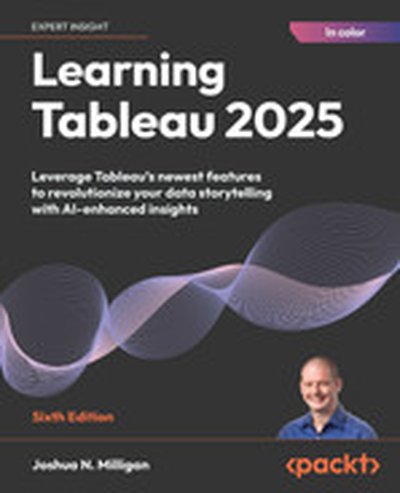
Learning Tableau 2025 - Sixth Edition

"Learning Tableau 2025" provides a comprehensive guide to mastering Tableau's latest features, including advanced AI capabilities like Tableau Pulse and Agent. This book, authored by Tableau expert Joshua N. Milligan, will equip you with the tools to transform complex data into actionable insights and interactive dashboards. What this Book will help me do Learn to use Tableau's advanced AI features, including Tableau Agent and Pulse, to streamline data analysis and automate insights. Develop skills to create and customize dynamic dashboards tailored to interactive data storytelling. Understand and utilize new geospatial functions within Tableau for advanced mapping and analytics. Master Tableau Prep's enhanced data preparation capabilities for efficient data modeling and structuring. Learn to effectively integrate and analyze data from multiple sources, enhancing your ability to extract meaningful insights. Author(s) Joshua N. Milligan, a Tableau Zen Master and Visionary, has years of experience in the field of data visualization and analytics. With a hands-on approach, Joshua combines his expertise and passion for Tableau to make complex topics accessible and engaging. His teaching method ensures that readers gain practical, actionable knowledge. Who is it for? This book is ideal for aspiring business intelligence developers, data analysts, data scientists, and professionals seeking to enhance their data visualization skills. It's suitable for both beginners looking to get started with Tableau and experienced users eager to explore its new features. A Tableau license or access to a 14-day trial is recommended.