talk-data.com talk-data.com

Topic

Cyber Security

cybersecurity information_security data_security privacy

2078

tagged

Activity Trend

297 peak/qtr
2020-Q1 2026-Q1

Activities

2078 activities · Newest first

Oracle Essentials, 4th Edition

Oracle is an enormous system, with myriad technologies, options, and releases. Most users--even experienced developers and database administrators--find it difficult to get a handle on the full scope of the Oracle database. And, as each new Oracle version is released, users find themselves under increasing pressure to learn about a whole range of new technologies. The latest challenge is Oracle Database 11g. This book distills an enormous amount of information about Oracle into a compact, easy-to-read volume filled with focused text, illustrations, and helpful hints. It contains chapters on: The latest Oracle Database 11g features: query result set caching, Automatic Memory Management, the Real Application Testing, Advanced Compression, Total Recall, and Active Data Guard Option Options, changes to the OLAP Option (transparently accessed and managed as materialized views), the Flashback transaction command, transparent data encryption, the Support Workbench (and diagnosability infrastructure), and partitioning enhancements (including interval and new composite types) Oracle products, options, data structures, and overall architecture for Oracle Database 11g, as well as earlier releases (Oracle Database 10g, Oracle9i, and Oracle8i) Installing, running, managing, monitoring, networking, and tuning Oracle, including Enterprise Manager (EM) and Oracle's self-tuning and management capabilities; and using Oracle security, auditing, and compliance (a new chapter in this edition) Multiuser concurrency, data warehouses, distributed databases, online transaction processing (OLTP), high availability, and hardware architectures (e.g., SMP, clusters, NUMA, and grid computing) Features beyond the Oracle database: Oracle Application Express, Fusion Middleware (including Oracle Application Server), and database SOA support as a Web services provider For new Oracle users, DBAs, developers, and managers, Oracle Essentials provides an invaluable, all-in-one introduction to the full range of Oracle features and technologies, including the just-released Oracle Database 11g features. But even if you already have a library full of Oracle documentation, you'll find that this compact book is the one you turn to, again and again, as your one-stop, truly essential reference. " Oracle Essentials gives a clear explanation of the key database concepts and architecture underlying the Oracle database. It's a great reference for anyone doing development or management of Oracle databases." --Andrew Mendelsohn, Senior Vice President, Database Server Technologies, Oracle Corporation
Microsoft® SQL Server 2005 Management and Administration

Microsoft SQL Server 2005 Management and Administration, based on Service Pack 2, addresses the challenges database administrators regularly encounter on SQL Server 2005 by providing detailed guidance in the areas of management, administration, security, and monitoring. With coverage of the new features and functionality of SQL Server 2005 Service Pack 2, this book is designed to be comprehensive, resulting in something for all database administrators—from simple tips to tactical solutions. Microsoft SQL Server 2005 Management and Administration goes far beyond the basic installation and setup information found in many other resources. The book looks at day-to-day administration, best practices, tips, and step-by-step configurations based on real-world examples found in the industry. Unlike others, this book includes not only administration and management details on the Database Engine, but also coverage of other SQL Server 2005 components often overlooked, including Analysis Services, Reporting Services, and more. Understand how to… Configure and tune the Database Engine, Reporting Services, Analysis Services, Integration Services, and Notification Services Harden a SQL Server implementation Implement SQL Server highavailability alternatives, such as Failover Clustering, Log Shipping, Database Mirroring, and Replication Monitor a SQL Server 2005 infrastructure with Operations Manager 2007, including how to configure the SQL Server Management Pack and install Operations Manager 2007 Automate SQL Server routine maintenance Encrypt SQL Server data and communications, including setting up a Certificate Authority Performance tune and troubleshoot a SQL Server environment Create Integration Services packages and transfer data On the Web: Download bonus chapters from www.informit.com/title/9780672329562 Introduction 1 Part I Administering SQL Server Components 1 Administering SQL Server 2005 Database Engine 11 2 Administering SQL Server 2005 Analysis Services 67 3 Administering SQL Server 2005 Reporting Services 99 4 Administering SQL Server 2005 Notification Services 149 5 Administering SQL Server 2005 Integration Services 183 6 Administering SQL Server Replication 209 Part II Managing SQL Server 2005 7 Conducting a SQL Server 2005 Health Check 261 8 SQL Server 2005 Maintenance Practices 289 9 Managing and Optimizing SQL Server 2005 Indexes 317 10 Managing Full-Text Catalogs 353 11 Creating Packages and Transferring Data 387 Part III Securing the SQL Server Implementation 12 Hardening a SQL Server 2005 Environment 435 13 Administering SQL Server Security 469 14 Encrypting SQL Server Data and Communications 509 The following chapters are located online: Part IV SQL Server 2005 Overview (located online) 15 SQL Server 2005 Technology Primer 537 16 Tools of the Trade 571 Part V Disaster Recovery and High Availability (located online) 17 Backing Up and Restoring the SQL Server 2005 Environment 597 18 Administering and Managing Failover Clustering 647 19 Administering and Managing Database Mirroring 691 20 Administering and Managing Log Shipping 721 Part VI Monitoring and Troubleshooting SQL Server (located online) 21 Monitoring SQL Server 2005 753 22 Performance Tuning and Troubleshooting SQL Server 2005 787 Appendix SQL Server 2005 Management and Administration 821

IBM System Storage N series Multiprotocol Use Guide

Many customer sites need to access data from both Windows and UNIX clients. For these environments, Data ONTAP has native multiprotocol support. After the user is authenticated on the network, if the user has both appropriate share or export permissions and the necessary file permissions, the user can access all data from UNIX hosts using NFS or from Windows hosts using CIFS. IBM System Storage N series allows users to access data from both types of clients by supporting multiple security models. This IBM Redbooks publication discusses those models in detail. It can help storage administrators in determining what type of data access configuration is appropriate for their environment.

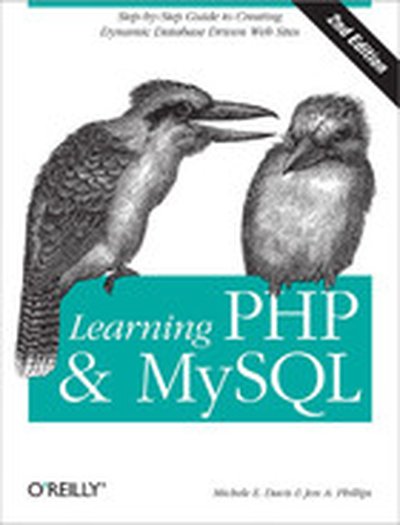
Learning PHP & MySQL, 2nd Edition

PHP and MySQL are quickly becoming the de facto standard for rapid development of dynamic, database-driven web sites. This book is perfect for newcomers to programming as well as hobbyists who are intimidated by harder-to-follow books. With concepts explained in plain English, the new edition starts with the basics of the PHP language, and explains how to work with MySQL, the popular open source database. You then learn how to put the two together to generate dynamic content. If you come from a web design or graphics design background and know your way around HTML, Learning PHP & MySQL is the book you've been looking for. The content includes: PHP basics such as strings and arrays, and pattern matching A detailed discussion of the variances in different PHP versions MySQL data fundamentals like tables and statements Information on SQL data access for language A new chapter on XHTML Error handling, security, HTTP authentication, and more Learning PHP & MySQL explains everything from fundamental concepts to the nuts and bolts of performing specific tasks. As part of O'Reilly's bestselling Learning series, the book is an easy-to-use resource designed specifically for beginners. It's a launching pad for future learning, providing you with a solid foundation for more advanced development.

Microsoft SQL Server 2005, Compact Edition

SQL Server Compact Edition is a slimmed down version of SQL Server that you can use on Pocket PCs, Smart phones, Tablet PCs, and Desktops. With this book, you will learn how to build applications for resource constrained devices. You’ll discover how the SQL Server Compact Edition database can also be used as an embedded in-proc database for desktop-based applications. You’ll learn how to manage the SQL Server Compact Edition database using SQL Server Management Studio, Visual Studio, and Query Analyzer. Laptops, Tablet PCs, and mobile devices enable information workers to access enterprise data from remote locations. With the step-by-step exercises provided in this book, you’ll learn how to synchronize data between SQL Server and SQL Server Compact Edition. You’ll also learn Remote Data Access–a lightweight method to exchange data between SQL Server and SQL Server Compact Edition. Also in this book are code samples to help you write database applications for mobile devices and for desktop PCs. Throughout the book you’ll find expert tips for building and deploying enterprise applications. Understand how to… Build mobile and desktop applications using SQL Server Compact Edition Set up the development and production environment with Visual Studio, SQL Server, and SQL Server Compact Edition Optimize performance and plan for security Manage databases using SQL Server Management Studio, Visual Studio, and Query Analyzer Develop applications using ADO.NET and OLEDB provider for SQL Server Compact Edition Upgrade from earlier versions of SQL CE, .NET Compact Framework, and Visual Studio Use Merge Replication to synchronize data between SQL Server and SQL Server Compact Edition Exchange data between SQL Server and SQL Server Compact Edition using Remote Data Access Introduction 1 1 Getting Started with SQL Server 2005 Compact Edition 7 2 Platform Support and Installation35 3 Getting to Know the Tools 63 4 Managing the SQL Server 2005 Compact Edition Database 109 5 Defining Database Structure 131 6 Manipulating the Database 175 7 Programming SQL Server 2005 Compact Edition with ADO.NET 205 8 Introducing Native Access 247 9 Using Operators in SQL Server 2005 Compact Edition 279 10 Using the Built-In Functions 295 11 Upgrading from a Previous Version 327 12 Synchronizing Data with Merge Replication 345 13 Synchronizing Data with Remote Data Access 411 14 Securing the SQL Server 2005 Compact Edition Database 459 15 SQL Server 2005 Compact Edition Performance Tuning 505 Index 551

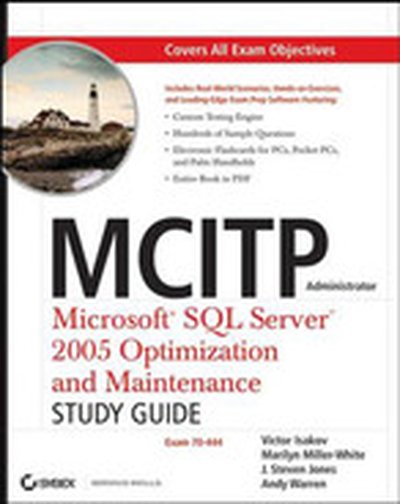
MCITP Administrator: Microsoft® SQL Server™ 2005 Optimization and Maintenance (70-444): Study Guide

This ebook does not provide access to the CD-ROM files. Covering Microsoft's brand-new SQL 2005 administrator exam, this study guide walks you through setting up, maintaining, and troubleshooting database solutions. You'll review key topics such as defining high-availability solutions, automating administrative tasks, defining security solutions, monitoring and troubleshooting the database server, and designing and executing deployments. Plus, the CD-ROM features leading exam prep software with an assessment test, test engine of case study practice questions, and electronic flashcards.

IBM i5/OS IP Networks: Dynamic

Over the course of many years, the developers in both the Endicott and Rochester labs have been working very hard adding We start low with the details of IP interface and route implementation on i5/OS. Through the study of these building blocks, we show how to create IP networks that are easier to configure, tolerant of faults, and can perform both inbound and i5/OS has always had many built-in Network Security features. These features have been enhanced to include an Intrusion Detection System (IDS). This allows you to be notified of attempts to hack into, disrupt, or deny service to the system. Moving up to the application layer, we demonstrate the dynamic power of IP by having the DHCP server assigning IP addresses and automatically updating the i5/OS Dynamic DNS. Now clients and servers can be added dynamically to the IP network and assigned a name automatically.

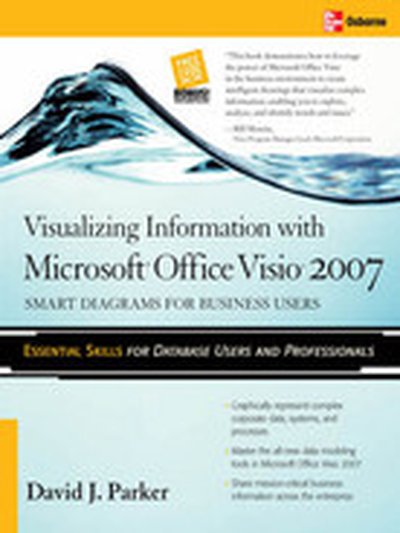
Visualizing Information with Microsoft® Office Visio® 2007

Create and distribute data-connected Microsoft Office Visio diagrams and reports Get full details on the powerful features of Microsoft Office Visio 2007 inside this comprehensive volume. Written by Visio expert David Parker, Visualizing Information with Microsoft Office Visio 2007 demonstrates how to effectively visualize, explore, and communicate complex business information. Learn to use PivotDiagrams, Data Graphics, and Smart Tags, as well as link data to shapes and create meaningful Visio documents and reports. Plus, you'll get vital security information, time-saving tips, troubleshooting techniques, and downloadable macros and code samples. Essential Skills for Database Users and Professionals Create shapes and link them to data Summarize and analyze information using PivotDiagrams Use Data Graphics, Smart Tags, and SmartShapes to reinforce information Generate robust Excel, HTML, and XML reports Create custom, reusable templates, stencils, and masters Update and enhance diagrams with Reviewer's comments and markups Integrate Visio diagrams with other Windows applications Publish and securely distribute Visio documents and summaries Extend functionality using VBA macros, add-ins, and wrapper applications

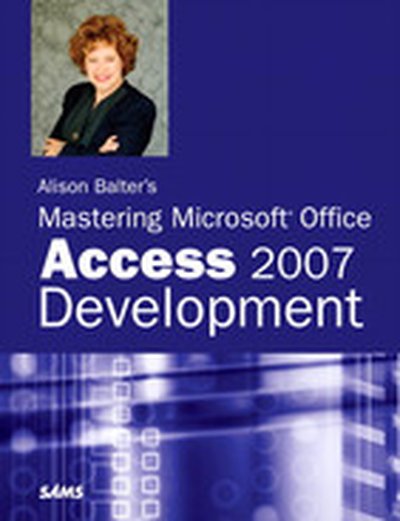
Alison Balter’s Mastering Microsoft® Office Access 2007 Development

Microsoft Office 2007 is a major upgrade from the last version of Office; Access will also be greatly revised. Alison Balter is the name that Access developers will trust to guide them through Access 2007's new features. She has the rare ability to take complex topics and explain them clearly, as shown by the success of her ten previous books on Access. Balter is known for providing real-world solutions to specific Access development problems. She also is known for her ability to back up her practical examples with just enough underlying theory to give the reader a good overall understanding of Access. In short, this book will provide beginning and intermediate Access developers with everything that they need to know to design and build Access 2007 applications. It should also appeal to DBAs and power users who want or need to get started building custom Access apps. This latest book in her Mastering Access series will not disappoint her many fans who anxiously await each new version, and should win her new fans as well. Introduction Part I The Basics of Access Development 1 Access as a Development Tool. . . . . . . . . . . . . . . . . . . . . . . . . . . . . . . . . . . . . . . . . . . . . . . . . . . . . . . . . . . 7 2 What Every Developer Needs to Know About Databases and Tables . . . . . . . 75 3 Relationships: Your Key to Data Integrity . . . . . . . . . . . . . . . . . . . . . . . . . . . . . . . . . . . . . . . . 115 4 What Every Developer Needs to Know About Query Basics. . . . . . . . . . . . . . . . . 137 5 What Every Developer Needs to Know About Forms. . . . . . . . . . . . . . . . . . . . . . . . . . 189 6 What Every Developer Needs to Know About Reports. . . . . . . . . . . . . . . . . . . . . . . . 269 7 What Are Macros, and When Do You Need Them? . . . . . . . . . . . . . . . . . . . . . . . . . . . 315 8 VBA: An Introduction . . . . . . . . . . . . . . . . . . . . . . . . . . . . . . . . . . . . . . . . . . . . . . . . . . . . . . . . . . . . . . . . . . 345 9 Objects, Properties, Methods, and Events Explained . . . . . . . . . . . . . . . . . . . . . . . . . . 401 10 Advanced Form Techniques. . . . . . . . . . . . . . . . . . . . . . . . . . . . . . . . . . . . . . . . . . . . . . . . . . . . . . . . . . . 431 11 Advanced Report Techniques. . . . . . . . . . . . . . . . . . . . . . . . . . . . . . . . . . . . . . . . . . . . . . . . . . . . . . . . . 493 12 Advanced Query Techniques . . . . . . . . . . . . . . . . . . . . . . . . . . . . . . . . . . . . . . . . . . . . . . . . . . . . . . . . . 539 13 Advanced VBA Techniques. . . . . . . . . . . . . . . . . . . . . . . . . . . . . . . . . . . . . . . . . . . . . . . . . . . . . . . . . . . . 599 14 Exploiting the Power of Class Modules. . . . . . . . . . . . . . . . . . . . . . . . . . . . . . . . . . . . . . . . . . . . 637 15 What Are ActiveX Data Objects, and Why Are They Important?. . . . . . . . . . 671 Part II What to Do When Things Don’t Go as Planned 16 Debugging: Your Key to Successful Development . . . . . . . . . . . . . . . . . . . . . . . . . . . . . . 727 17 Error Handling: Preparing for the Inevitable . . . . . . . . . . . . . . . . . . . . . . . . . . . . . . . . . . . . 755 18 Optimizing Your Application. . . . . . . . . . . . . . . . . . . . . . . . . . . . . . . . . . . . . . . . . . . . . . . . . . . . . . . . . 801 Part III Developing Multiuser and Enterprise Applications 19 A Strategy to Developing Access Applications. . . . . . . . . . . . . . . . . . . . . . . . . . . . . . . . . . . 835 20 Using External Data. . . . . . . . . . . . . . . . . . . . . . . . . . . . . . . . . . . . . . . . . . . . . . . . . . . . . . . . . . . . . . . . . . . . . 847 21 Access 2007 and SharePoint . . . . . . . . . . . . . . . . . . . . . . . . . . . . . . . . . . . . . . . . . . . . . . . . . . . . . . . . . . 883 22 Developing Multiuser and Enterprise Applications . . . . . . . . . . . . . . . . . . . . . . . . . . . . 909 00_0672329328_FM.qxd 5/4/07 9:23 AM Page iii Part IV Black Belt Programming 23 Working with and Customizing Ribbons . . . . . . . . . . . . . . . . . . . . . . . . . . . . . . . . . . . . . . . . . 935 24 Automation: Communicating with Other Applications. . . . . . . . . . . . . . . . . . . . . . 949 25 Exploiting the Power of the Windows API . . . . . . . . . . . . . . . . . . . . . . . . . . . . . . . . . . . . . . . 985 26 Creating Your Own Libraries. . . . . . . . . . . . . . . . . . . . . . . . . . . . . . . . . . . . . . . . . . . . . . . . . . . . . . . . 1011 27 Using Builders and Wizards . . . . . . . . . . . . . . . . . . . . . . . . . . . . . . . . . . . . . . . . . . . . . . . . . . . . . . . . . 1027 28 An Introduction to Access and the Internet/Intranet. . . . . . . . . . . . . . . . . . . . . . . . 1055 Part V Adding Polish to Your Application 29 Documenting Your Application. . . . . . . . . . . . . . . . . . . . . . . . . . . . . . . . . . . . . . . . . . . . . . . . . . . . 1073 30 Maintaining Your Application. . . . . . . . . . . . . . . . . . . . . . . . . . . . . . . . . . . . . . . . . . . . . . . . . . . . . . 1091 31 Database Security Made Easy . . . . . . . . . . . . . . . . . . . . . . . . . . . . . . . . . . . . . . . . . . . . . . . . . . . . . . . 1103 The following appendixes are available for download at www.samspublishing.com/title/0672329328. Part VI Appendixes A Naming Conventions. . . . . . . . . . . . . . . . . . . . . . . . . . . . . . . . . . . . . . . . . . . . . . . . . . . . . . . . . . . PDF:1131 B Table Structures. . . . . . . . . . . . . . . . . . . . . . . . . . . . . . . . . . . . . . . . . . . . . . . .

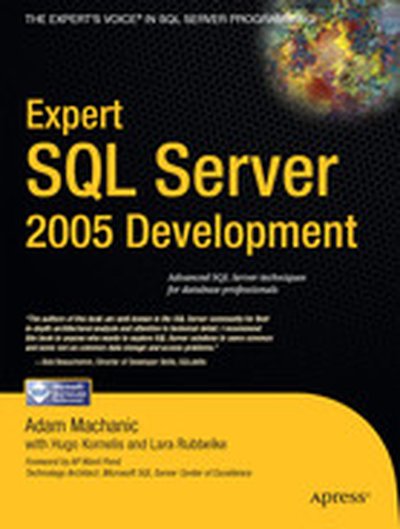
Expert SQL Server 2005 Development

While building on the skills you already have, Expert SQL Server 2005 Development will help you become an even better developer by focusing on best practices and demonstrating how to design high-performance, maintainable database applications. This book starts by reintroducing the database as a integral part of the software development ecosystem. You'll learn how to think about SQL Server development as you would any other software development. For example, there's no reason you can't architect and test database routines just as you would architect and test application code. And nothing should stop you from implementing the types of exception handling and security rules that are considered so important in other tiers, even if they are usually ignored in the database. You'll learn how to apply development methodologies like these to produce high-quality encryption and SQLCLR solutions. Furthermore, you'll discover how to exploit a variety of tools that SQL Server offers in order to properly use dynamic SQL and to improve concurrency in your applications. Finally, you'll become well versed in implementing spatial and temporal database designs, as well as approaching graph and hierarchy problems.

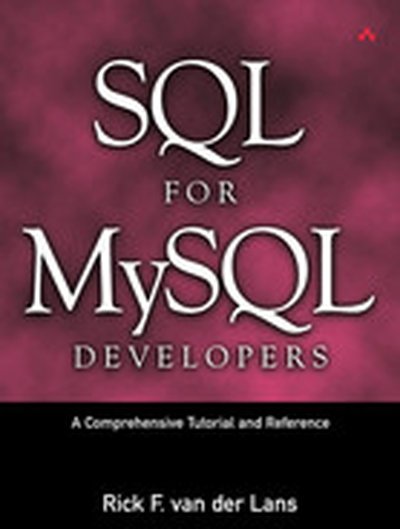
SQL for MySQL Developers: A Comprehensive Tutorial and Reference

The Most Complete and Practical Guide to MySQL Version 5’s Powerful SQL Dialect MySQL version 5 offers a SQL dialect with immense power. In SQL for MySQL Developers, Rick F. van der Lans helps you master this version ofSQL and take advantage of its full potential. Using case study examplesand hands-on exercises, van der Lans illuminates every key concept,technique, and statement–including advanced features that make iteasier to create even the most complex statements and programs. Drawing on decades of experience as an SQL standards team member and enterprise consultant, he reveals exactly why MySQL’s dialect works as it does–and how to get the most out of it. You’ll gain powerful insight into everything from basic queries to stored procedures, transactions to data security. Whether you’re a programmer, Web developer, analyst, DBA, or database user, this book can take you from “apprentice” to true SQL expert. If you’ve used SQL in older versions of MySQL, you’ll become dramatically more effective–and if you’re migrating from other database platforms, you’ll gain practical mastery fast. Coverage includes Writing queries, including joins, functions, and subqueries Updating data Creating tables, views, and other database objects Specifying keys and other integrity constraints Improving efficiency with indexes Enforcing security via passwords and privileges Embedding SQL statements within PHP programs Building stored procedures and triggers Using transactions, locking, rollback, and isolation levels Utilizing MySQL’s catalog All of the book’s sample programs are available for download from www.r20.nl. About the Author Rick F. van der Lans is author of the classic Introduction to SQL, the definitive SQL guide that database developers have relied on for more than 20 years. He is a consultant, author, and lecturer specializing in database technology, development tools, data warehousing, and XML. As managing director of the Netherlands-based R20/Consultancy, he has advised many large companies on defining their IT architectures. He chairs the European Meta Data Conference, and writes columns for several magazines. Contents About the Author Preface PART I Introduction CHAPTER 1 Introduction to MySQL CHAPTER 2 The Tennis Club Sample Database CHAPTER 3 Installing the Software CHAPTER 4 SQL in a Nutshell PART II Querying and Updating Data CHAPTER 5 SELECT Statement: Common Elements CHAPTER 6 SELECT Statements, Table Expressions, and Subqueries CHAPTER 7 SELECT Statement:The FROM Clause CHAPTER 8 SELECT Statement: The WHERE Clause CHAPTER 9 SELECT Statement: SELECT Clause and Aggregation Functions CHAPTER 10 SELECT Statement: The GROUP BY Clause CHAPTER 11 SELECT Statement: The HAVING Clause CHAPTER 12 SELECT Statement: The ORDER BY Clause CHAPTER 13 SELECT Statement: The LIMIT Clause CHAPTER 14 Combining Table Expressions CHAPTER 15 The User Variable and the SET Statement CHAPTER 16 The HANDLER Statement CHAPTER 17 Updating Tables CHAPTER 18 Loading and Unloading Data CHAPTER 19 Working with XML Documents PART III Creating Database Objects CHAPTER 20 Creating Tables CHAPTER 21 Specifying Integrity Constraints CHAPTER 22 Character Sets and Collations CHAPTER 23 The ENUM and SET Types CHAPTER 24 Changing and Dropping Tables CHAPTER 25 Using Indexes CHAPTER 26 Views CHAPTER 27 Creating Databases CHAPTER 28 Users and Data Security CHAPTER 29 Statements for Table Maintenance CHAPTER 30 The SHOW, DESCRIBE, and HELP Statements PART IV Procedural Database Objects CHAPTER 31 Stored Procedures CHAPTER 32 Stored Functions CHAPTER 33 Triggers CHAPTER 34 Events PART V Programming with SQL CHAPTER 35 MySQL and PHP CHAPTER 36 Dynamic SQL with Prepared Statement CHAPTER 37 Transactions and Multiuser Usage APPENDIX A Syntax of SQL APPENDIX B Scalar Functions APPENDIX C System Variables APPENDIX D Bibliography Index

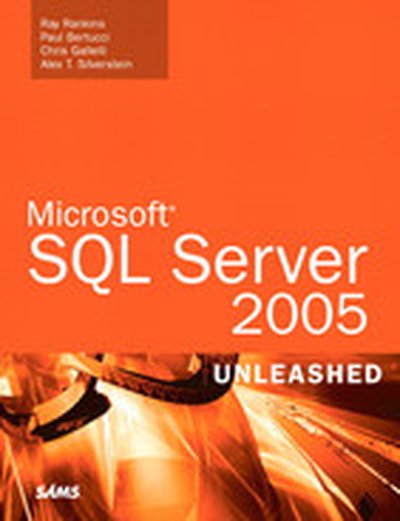
Microsoft® SQL Server 2005 Unleashed

Microsoft SQL Server 2005 Unleashed offers comprehensive coverage of SQL Server 2005 that goes beyond the basic syntax and information you’ll find in the product manuals, providing in-depth information derived from the authors’ real-world experience to help you build upon your working knowledge of the product and take your experience and knowledge to a higher level. This book focuses primarily on the information needed by system and database administrators, as well as for users with overlapping duties as both DBA and developer. Included is extensive coverage of the new features and upgraded tools and capabilities of SQL Server 2005, including .NET Framework integration, Integration Services, Service Broker, Database Mirroring and Snapshots, and Reporting Services. Detailed information on… Installing, upgrading, and administering SQL Server 2005 Database maintenance, backup, and recovery Creating and managing tables, views, stored procedures, triggers, and user-defined functions Database and index design SQL Server query optimization, and performance monitoring and tuning Transactions, transaction management, and distributed transactions SQL Server Management Studio—NEW! SQL Server Notification Services; Integration Services—NEW!; Analysis Services; Reporting Services—NEW!; Web Services—NEW! SQL Server Service Broker—NEW! SQL Server and Microsoft .NET Framework integration, including CLR-based stored procedures, functions, and triggers—NEW! SQL Server high availability and SQL Server clustering and replication Database Mirroring—NEW! Database Snapshots—NEW! Using XML in SQL Server 2005 SQL Server tools and utilities CD-ROM includes 8 bonus chapters covering topics such as Notification Services, Service Broker, and Full-Text Search Code samples, scripts, and sample databases A PDF version of the entire book Introduction Part I Welcome to Microsoft SQL Server 1 SQL Server 2005 Overview 2 What’s New in SQL Server 2005 Part II SQL Server Tools and Utilities 3 SQL Server Management Studio 4 SQL Server Command-Line Utilities 5 SQL Server Profiler Part III SQL Server Administration 6 SQL Server System and Database Administration 7 Installing SQL Server 2005 8 Upgrading to SQL Server 2005 9 Client Installation and Configuration 10 Security and User Administration 11 Database Backup and Restore 12 Database Mail 13 SQL Server Scheduling and Notification 14 SQL Server High Availability. 15 Replication 16 Database Mirroring 17 SQL Server Clustering Part IV Database Administration 18 Creating and Managing Databases 19 Creating and Managing Tables 20 Creating and Managing Indexes 21 Implementing Data Integrity 22 Creating and Managing Views in SQL Server 23 Creating and Managing Stored Procedures 24 Creating and Managing User-Defined Functions 25 Creating and Managing Triggers 26 Transaction Management and the Transaction Log 27 Database Snapshots 28 Database Maintenance Part V SQL Server Performance and Optimization 29 Indexes and Performance 30 Understanding Query Optimization 31 Query Analysis 32 Locking and Performance 33 Database Design and Performance 34 Monitoring SQL Server Performance Part VI SQL Server Application Development 35 What’s New for Transact-SQL in SQL Server 2005 36 SQL Server and the .NET Framework 37 Using XML in SQL Server 2005 38 SQL Server Web Services Part VII SQL Server Business Intelligence Features 39 SQL Server 2005 Analysis Services 40 SQL Server Integration Services 41 SQL Server 2005 Reporting Services Bonus Chapters on the CD 42 Managing Linked and Remote Servers 43 Configuring, Tuning, and Optimizing SQL Server Options 44 Administering Very Large SQL Server Databases 45 SQL Server Disaster Recovery Planning 46 Transact-SQL Programming Guidelines, Tips, and Tricks 47 SQL Server Notification Services 48 SQL Server Service Broker 49 SQL Server Full-Text Search Index

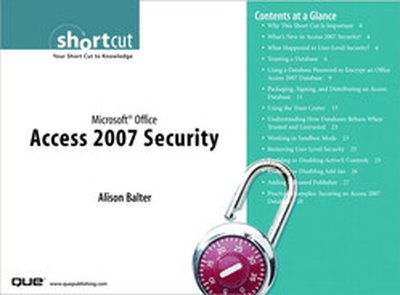
Microsoft® Office Access 2007 Security

Web Online Copy Access 2007 security is extremely different than that of its predecessors. For example, Access 2007 security eliminates user-level security. These changes to security have major implications for the applications built by an organization's employees. This Short Cut covers new topics such as using an Access 2007 database in a trusted location, encrypting in Access 2007, and packaging, signing, and distributing an Access 2007 database. It also covers how security works with databases created in other versions of Access. Finally, it covers the process of running unsafe expressions. All of these topics are vital for securing and successfully working with an Access 2007 database. Learn what’s new in Access 2007 security Find out how security applies to databases stored in one of the older file formats Get to know the Trust Center Learn how to package and sign a database Discover how easy it is to place a database in a Trusted Location Explore the new encryption feature in Access 2007 Table of Contents Why This Short Cut Is Important What's New in Access 2007 Security? What Happened to User-Level Security? Trusting a Database Using a Database Password to Encrypt an Office Access 2007 Database Packaging, Signing, and Distributing an Access Database Using the Trust Center Understanding How Databases Behave When Trusted and Untrusted Working in Sandbox Mode Removing User-Level Security Enabling or Disabling ActiveX Controls Enabling or Disabling Add-ins Adding a Trusted Publisher Practice Examples: Securing an Access 2007 Database

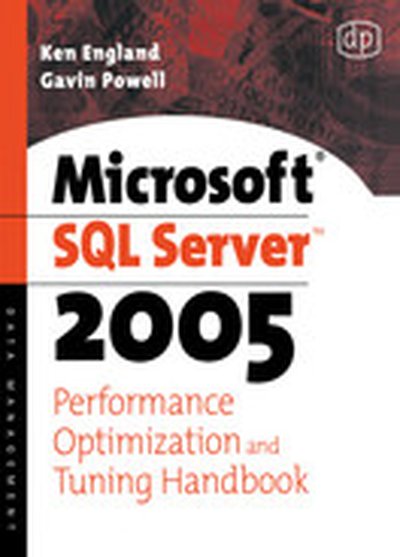
Microsoft SQL Server 2005 Performance Optimization and Tuning Handbook

Database professionals will find that this new edition aids in mastering the latest version of Microsoft’s SQL Server. Developers and database administrators (DBAs) use SQL on a daily basis in application development and the subsequent problem solving and fine tuning. Answers to SQL issues can be quickly located helping the DBA or developer optimize and tune a database to maximum efficiency. Basic questions are easily located on the topics of filtering, sorting, operators, conditionals, pseudo columns, single row functions, joins, grouping functions, sub queries, composite queries, hierarchies, flashback queries, parallel queries, expressions and regular expressions. Assistance on DML, data types (including collections), XML, DDL for basic database objects such as tales, views and indexes, partitioning, and security is also considered. * Identifies the most common issues DBAs face day to day for easy reference *Provides DBAs with solutions actually used by the authors in enterprise environments to resolve common and specialized problems to optimization issues. * Addresses issues that have been introduced by new features which can add more control but reduce performance.

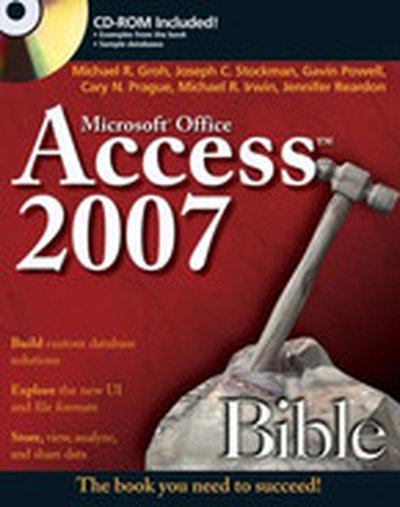
Access™ 2007 Bible

I recommend this book for anyone who wants a strong foundation in Access. —Jeff Lenamon, CIBC World Markets Updated edition with exciting new Access 2007 features! Harness the power of Access 2007 with the expert guidance in this comprehensive reference. Beginners will appreciate the thorough attention to database fundamentals and terminology. Experienced users can jump right into Access 2007 enhancements like the all-new user interface and wider use of XML and Web services. Each of the book's six parts thoroughly focuses on key elements in a logical sequence, so you have what you need, when you need it. Designed as both a reference and a tutorial, Access 2007 Bible is a powerful tool for developers needing to make the most of the new features in Access 2007. Build Access tables using good relational database techniques Construct efficient databases using a five-step design method Design efficient data-entry and data display forms Utilize the improved Access report designer Use Visual Basic(r) for Applications and the VBA Editor to automate applications Build and customize Access 2007 ribbons Seamlessly exchange Access data with SharePoint(r) Employ advanced techniques such as the Windows(r) API and object-oriented programming Add security and use data replication in your Access applications What's on the CD-ROM? Follow the examples in the book chapter by chapter using the bonus materials on the CD-ROM. You'll find separate Microsoft Access database files for each chapter and other working files, including All the examples and databases used in the book, including database files, images, data files in various formats, and icon files used in the book's examples A complete sample application file, including queries, reports, objects, and modules, that you can use as a reference See the CD-ROM appendix for details and complete system requirements. Note: CD-ROM/DVD and other supplementary materials are not included as part of eBook file.

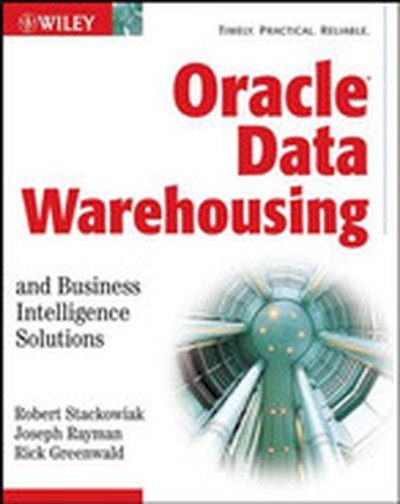
Oracle® Data Warehousing and Business Intelligence Solutions

Up-to-date, comprehensive coverage of the Oracle database and business intelligence tools Written by a team of Oracle insiders, this authoritative book provides you with the most current coverage of the Oracle data warehousing platform as well as the full suite of business intelligence tools. You'll learn how to leverage Oracle features and how those features can be used to provide solutions to a variety of needs and demands. Plus, you'll get valuable tips and insight based on the authors' real-world experiences and their own implementations. Avoid many common pitfalls while learning best practices for: Leveraging Oracle technologies to design, build, and manage data warehouses Integrating specific database and business intelligence solutions from other vendors Using the new suite of Oracle business intelligence tools to analyze data for marketing, sales, and more Handling typical data warehouse performance challenges Uncovering initiatives by your business community, security business sponsorship, project staffing, and managing risk

Informix Dynamic Server V10 . . . Extended Functionality for Modern Business

This IBM Redbooks publication provides an overview of the Informix Dynamic Server (IDS), Version 10. IDS provides the reliability, flexibility, and ease of maintenance that can enable you to adapt to new customer requirements. It is well known for its blazing online transaction processing (OLTP) performance, legendary reliability, and nearly hands-free administration for businesses of all sizes--all while simplifying and automating enterprise database deployment. Version 10 offers significant improvements in performance, availability, security, and manageability, including patent-pending technology that virtually eliminates downtime and automates many of the tasks that are associated with deploying mission-critical enterprise systems. New features speed application development, enable more robust enterprise data replication, and enable improved programmer productivity through support of IBM Rational development tools, JDBC 3.0, and Microsoft .NET as examples. Version 10 provides a robust foundation for e-business infrastructures with optimized Java support, IBM WebSphere certification, and XML and Web services support. Ready for service-oriented architecture (SOA)? This book also includes descriptions and demonstrations of support that are specific to IDS for an SOA.

Microsoft SQL Server 2005 Analysis Services

Microsoft SQL Server Analysis Services provides fast access to data by means of multidimensional data structures and the multidimensional query languag MDX. Analysis Services provides the capability to design, create, and manage multidimensional cubes based on data warehouse tables, and it serves as the foundation for the Microsoft Business Intelligence strategy. Microsoft SQL Server 2005 Analysis Services gives the reader insight into the way Analysis Services functions. It not only explains ways to design and create multidimensional objects, databases, dimensions, and cubes, but also provides invaluable information about the reasons behind design decisions made by the development team. Here's what you will find inside: Understand the key concepts of multidimensional modeling Explore the multidimensional object model and its definition language Learn the main concepts of the MDX language and gain an in-depth understanding of advanced MDX concepts Understand the mechanisms of integrating multidimensional and relational databases Learn how to build client applications to access data in Analysis Services Examine server architecture, including main data structures, data processing, and query resolution algorithms Gain a deep understanding of the internal and external protocols for data transfer, including the XML/A protocol Explore how Analysis Services manages memory Explore the security model, including role-based security, code-access security, and data security Discover how to monitor and manage Analysis Services All the code for the sample database used in the book can be found at www.informit.com/title/0672327821.

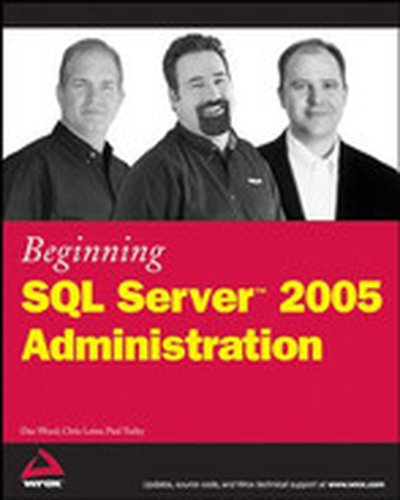
Beginning SQL Server™ 2005 Administration

For the first time, SQL Server 2005 provides features that can support large-scale enterprise databases. With this powerful new release, you may find yourself being called upon to perform duties that are no longer strictly "administrative," duties that have become much more complicated and difficult. With that in mind, a team of experienced Microsoft Certified Professionals provides you with the necessary information to be a more competent and successful database developer or administrator. Beginning with a foundation that features detailed coverage of typical administrative duties, the authors proceed to explain how to build complex data transformations for data import, build distributed data solutions, and maintain the security and integrity of the database. You will be able to apply what you learn to real-world scenarios, and smoothly navigate the vastly changed landscape of SQL Server 2005 administration. What you will learn from this book How to install, maintain, and manage an SQL Server 2005 installation, including high availability and security considerations Various features such as the Common Language Runtime, SQL Server Integration Services, Notification Service, and the Service Broker How to use the tools that are necessary to manage configuration, backups, restores, security, availability, performance, and monitoring A sampling of some of the more advanced areas and complex jobs of the broadening role of a database administrator in the enterprise Who this book is for This book is for both developers and administrators who are responsible for the management and maintenance of an SQL Server 2005 database. Familiarity with relational database concepts and SQL is assumed. Wrox Beginning guides are crafted to make learning programming languages and technologies easier than you think, providing a structured, tutorial format that will guide you through all the techniques involved. Enhance Your Knowledge Advance Your Career

Creating your MySQL Database: Practical Design Tips and Techniques

This book is your guide to efficiently designing and structuring databases using MySQL. Through practical insights, you will learn how to organize data effectively and design with an emphasis on future growth and performance. By following this book's tips, you'll be able to streamline the backend of your applications and improve their robustness and scalability. What this Book will help me do Understand how to collect and organize data for a MySQL database. Master structuring database schemas for optimal performance. Learn about data security and applying privileges and views. Gain techniques to document and visualize data effectively. Develop and validate relational database structure with SQL queries. Author(s) Marc Delisle is an experienced database practitioner and an advocate for practical database design. With years of expertise in MySQL, Marc has helped numerous organizations optimize their data handling strategies. His writing simplifies complex concepts and focuses on empowering readers to apply lessons directly to real projects. Who is it for? This book is intended for software developers or IT professionals who handle applications with MySQL databases. It suits those with beginner to intermediate SQL and MySQL knowledge aiming to enhance their database design skills. Readers seeking practical, hands-on techniques for efficient database structuring will find this book invaluable. By learning the provided methods, readers can ensure their databases perform reliably in production environments.