talk-data.com talk-data.com

Topic

Cyber Security

cybersecurity information_security data_security privacy

92

tagged

Activity Trend

297 peak/qtr
2020-Q1 2026-Q1

Activities

Showing filtered results

Filtering by: O'Reilly Data Science Books ×
Microsoft Power BI Quick Start Guide - Fourth Edition

Bring your data to life with the ultimate beginner's guide to Power BI, now featuring Microsoft Fabric, Copilot, and full-color visuals to make learning data modeling, storytelling, and dashboards easier and faster than ever Key Features Build data literacy and gain confidence using Power BI through real-world, beginner-friendly examples Learn to shape, clean, and model data using Power BI Desktop and Power Query, with zero experience required Build vibrant, accurate reports and dashboards with real-world modeling examples Book Description Updated with the latest innovations in Power BI, including integration with Microsoft Fabric for seamless data unification and Copilot for AI-powered guidance. This comprehensive guide empowers you to build compelling reports and dashboards from the ground up. Whether you're new to Power BI or stepping into a data role, this book provides a friendly, approachable introduction to business intelligence and data storytelling You'll start with the Power BI Desktop interface and its core functionality, then move into shaping and cleaning your data using the Power Query Editor. From designing intuitive data models to writing your first DAX formulas, you’ll develop practical skills that apply directly to real-world scenarios. he book emphasizes how to use visualizations and narrative techniques to turn numbers into meaningful insights The chapters focus on hands-on, real-world examples—like analyzing sales trends, tracking KPIs, and cleaning messy data. You'll learn to build and refresh reports, scale your Power BI setup, and enhance your solutions using Microsoft Fabric and Copilot. Fabric unifies analytics across your organization, while Copilot speeds up your workflow with AI-driven insights and report suggestions By the end of the book, you’ll have the confidence and experience to turn raw data into insightful, impactful dashboards What you will learn Understand why data literacy matters in decision-making and careers Connect to data using import, DirectQuery, and live connection modes Clean and transform data using Power Query Editor and dataflows Design reports with visuals that support clear data storytelling Apply row-level security to enforce access and data protection Manage and monitor Power BI cloud for scalability and teamwork Use AI tools like Copilot to speed up prep and generate insights Learn Microsoft Fabric basics to enable unified data experiences Who this book is for This book is ideal for anyone looking to build a solid foundation in Power BI, regardless of prior experience. Whether you're just starting out or stepping into a new role that involves data, you'll find clear, approachable guidance throughout. The step-by-step tutorials and real-world examples make it easy to follow along—even if it’s your first time working with business intelligence tools
Workflow Automation with Microsoft Power Automate - Third Edition

This book serves as a comprehensive guide to mastering Microsoft Power Automate, offering step-by-step instructions for creating and managing low-code workflows. From beginner to advanced techniques, it covers cloud and RPA functionalities, enhanced by AI features like Co-pilot. You'll gain the skills to build, analyze, and optimize powerful automations tailored to your organization's needs. What this Book will help me do Understand and implement workflows using Power Automate's connectors and triggers for seamless integration. Utilize AI Builder and the Co-pilot feature to design intelligent workflows with generative AI capabilities. Master robotic process automation to bridge digital and legacy systems effectively. Learn to monitor and troubleshoot workflows while ensuring security and compliance in automation. Scale and govern enterprise-level workflows with best practices for maintainability. Author(s) Aaron Guilmette is a seasoned expert in the field of workflow automation with extensive experience in the Microsoft ecosystem. As the author of multiple books on Power Automate, Aaron combines technical depth with practical know-how. He brings a hands-on approach to guiding readers through advanced features, making automation accessible and effective. Who is it for? This book is ideal for power users, information workers, and citizen developers looking to integrate automation into their work. Whether you're new to automation or expanding your skills, this book provides actionable insights. Familiarity with the Microsoft 365 platform is recommended but not required, as the book covers foundational as well as advanced topics. It is perfect for anyone aiming to streamline workflows and drive efficiency in their projects or organization.

The Definitive Guide to Microsoft Fabric

Master Microsoft Fabric from basics to advanced architectures with expert guidance to unify, secure, and scale analytics on real-world data platforms Key Features Build a complete data analytics platform with Microsoft Fabric Apply proven architectures, governance, and security strategies Gain real-world insights from five seasoned data experts Purchase of the print or Kindle book includes a free PDF eBook Book Description Microsoft Fabric is reshaping how organizations manage, analyze, and act on data by unifying ingestion, storage, transformation, analytics, AI, and visualization in a single platform. The Definitive Guide to Microsoft Fabric takes you from your very first workspace to building a secure, scalable, and future-proof analytics environment. You’ll learn how to unify data in OneLake, design data meshes, transform and model data, implement real-time analytics, and integrate AI capabilities. The book also covers advanced topics, such as governance, security, cost optimization, and team collaboration using DevOps and DataOps principles. Drawing on the real-world expertise of five seasoned professionals who have built and advised on platforms for startups, SMEs, and Europe’s largest enterprises, this book blends strategic insight with practical guidance. By the end of this book, you’ll have gained the knowledge and skills to design, deploy, and operate a Microsoft Fabric platform that delivers sustainable business value. What you will learn Understand Microsoft Fabric architecture and concepts Unify data storage and data governance with OneLake Ingest and transform data using multiple Fabric tools Implement real-time analytics and event processing Design effective semantic models and reports Integrate AI and machine learning into data workflows Apply governance, security, and compliance controls Optimize performance and costs at scale Who this book is for This book is for data engineers, analytics engineers, architects, and data analysts moving into platform design roles. It’s also valuable for technical leaders seeking to unify analytics in their organizations. You’ll need only a basic grasp of databases, SQL, and Python.

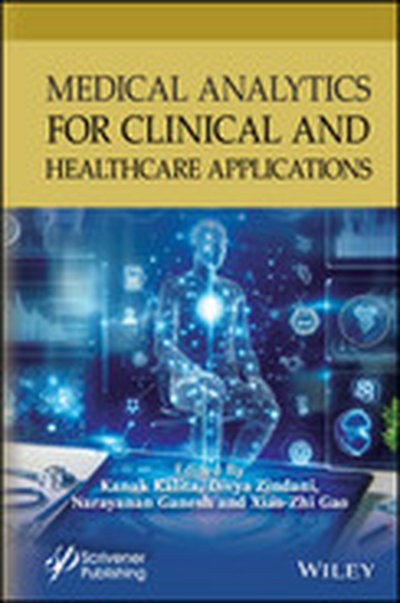
Medical Analytics for Clinical and Healthcare Applications

The book is essential for anyone exploring the forefront of healthcare innovation, as it offers a thorough exploration of transformative data-driven methodologies that can significantly enhance patient outcomes and clinical efficiency in today’s evolving medical landscape. In today’s rapidly advancing healthcare landscape, the integration of medical analytics has become essential for improving patient outcomes, clinical efficiency, and decision-making. Medical Analytics for Clinical and Healthcare Applications provides a comprehensive examination of how data-driven methodologies are revolutionizing the medical field. This book offers a deep dive into innovative techniques, real-world applications, and emerging trends in medical analytics, showcasing how these advancements are transforming disease detection, diagnosis, treatment planning, and healthcare management. Spanning sixteen chapters across five subsections, this edited volume covers a wide array of topics—from foundational principles of medical data analysis to cutting-edge applications in predictive healthcare and medical data security. Readers will encounter state-of-the-art methodologies, including machine learning models, predictive analytics, and deep learning techniques applied to various healthcare challenges such as mental health disorders, cancer detection, and hospital mortality predictions. Medical Analytics for Clinical and Healthcare Applications equips readers with the knowledge to harness the power of medical analytics and its potential to shape the future of healthcare. Through its interdisciplinary approach and expert insights, this volume is poised to serve as a valuable resource for advancing healthcare technologies and improving the overall quality of care. Readers will find the volume: Explores the latest medical analytics techniques applied across clinical settings, from diagnosis to treatment optimization; Features real-world case studies and tools for implementing data-driven solutions in healthcare; Bridges the gap between healthcare professionals, data scientists, and engineers for collaborative innovation in medical technologies; Provides foresight into emerging trends and technologies shaping the future of healthcare analytics. Audience Healthcare professionals, clinical researchers, medical data scientists, biomedical engineers, IT professionals, academics, and policymakers focused on the intersection of medicine and data analytics.

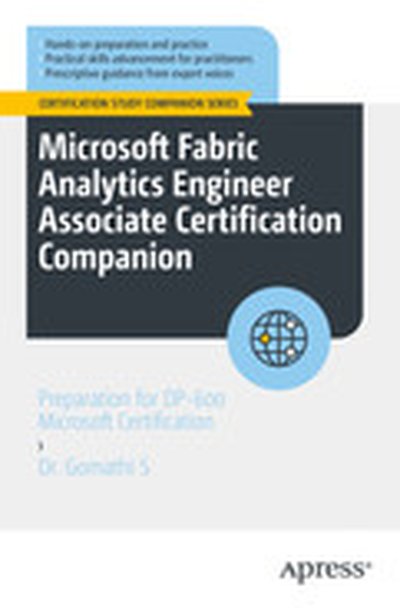
Microsoft Fabric Analytics Engineer Associate Certification Companion: Preparation for DP-600 Microsoft Certification

As organizations increasingly leverage Microsoft Fabric to unify their data engineering, analytics, and governance strategies, the role of the Fabric Analytics Engineer has become more crucial than ever. This book equips readers with the knowledge and hands-on skills required to excel in this domain and pass the DP-600 certification exam confidently. This book covers the entire certification syllabus with clarity and depth, beginning with an overview of Microsoft Fabric. You will gain an understanding of the platform’s architecture and how it integrates with data and AI workloads to provide a unified analytics solution. You will then delve into implementing a data warehouse in Microsoft Fabric, exploring techniques to ingest, transform, and store data efficiently. Next, you will learn how to work with semantic models in Microsoft Fabric, enabling them to create intuitive, meaningful data representations for visualization and reporting. Then, you will focus on administration and governance in Microsoft Fabric, emphasizing best practices for security, compliance, and efficient management of analytics solutions. Lastly, you will find detailed practice tests and exam strategies along with supplementary materials to reinforce key concepts. After reading the book, you will have the background and capability to learn the skills and concepts necessary both to pass the DP-600 exam and become a confident Fabric Analytics Engineer. What You Will Learn A complete understanding of all DP-600 certification exam objectives and requirements Key concepts and terminology related to Microsoft Fabric Analytics Step-by-step preparation for successfully passing the DP-600 certification exam Insights into exam structure, question patterns, and strategies for tackling challenging sections Confidence in demonstrating skills validated by the Microsoft Certified: Fabric Analytics Engineer Associate credential Who This Book Is For ​​​​​​​Data engineers, analysts, and professionals with some experience in data engineering or analytics, seeking to expand their knowledge of Microsoft Fabric

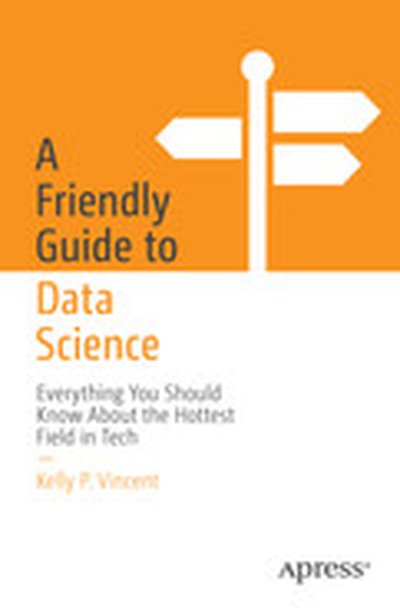
A Friendly Guide to Data Science: Everything You Should Know About the Hottest Field in Tech

Unlock the world of data science—no coding required. Curious about data science but not sure where to start? This book is a beginner-friendly guide to what data science is and how people use it. It walks you through the essential topics—what data analysis involves, which skills are useful, and how terms like “data analytics” and “machine learning” connect—without getting too technical too fast. Data science isn’t just about crunching numbers, pulling data from a database, or running fancy algorithms. It’s about asking the right questions, understanding the process from start to finish, and knowing what’s possible (and what’s not). This book teaches you all of that, while also introducing important topics like ethics, privacy, and security—because working with data means thinking about people, too. Whether you're a student exploring new skills, a professional navigating data-driven decisions, or someone considering a career change, this book is your friendly gateway into the world of data science, one of today’s most exciting fields. No coding or programming experience? No problem. You'll build a solid foundation and gain the confidence to engage with data science concepts— just as AI and data become increasingly central to everyday life. What You Will Learn Grasp foundational statistics and how it matters in data analysis and data science Understand the data science project life cycle and how to manage a data science project Examine the ethics of working with data and its use in data analysis and data science Understand the foundations of data security and privacy Collect, store, prepare, visualize, and present data Identify the many types of machine learning and know how to gauge performance Prepare for and find a career in data science Who This Book is for A wide range of readers who are curious about data science and eager to build a strong foundation. Perfect for undergraduates in the early semesters of their data science degrees, as it assumes no prior programming or industry experience. Professionals will find particular value in the real-world insights shared through practitioner interviews. Business leaders can use it to better understand what data science can do for them and how their teams are applying it. And for career changers, this book offers a welcoming entry point into the field—helping them explore the landscape before committing to more intensive learning paths like degrees or boot camps.

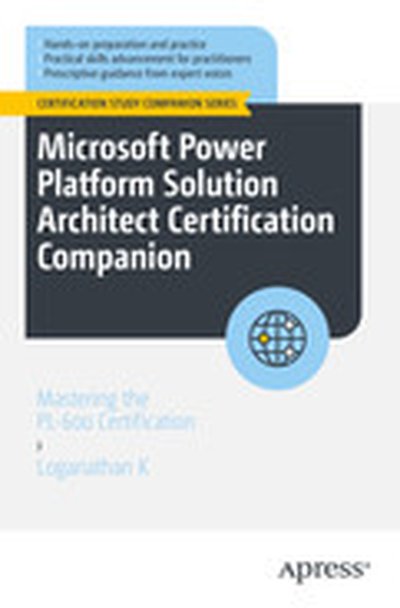
Microsoft Power Platform Solution Architect Certification Companion: Mastering the PL-600 Certification

This comprehensive guide book equips you with the knowledge and confidence needed to prep for the exam and thrive as a Power Platform Solution Architect. The book starts with a foundation for successful solution architecture, emphasizing essential skills such as requirements gathering, governance, and security. You will learn to navigate customer discovery, translate business needs into technical requirements, and design solutions that address both functional and non-functional needs. The second part of the book delves into the Microsoft Power Platform ecosystem, offering an in-depth look at its core components—Power Apps, Power Automate, Power BI, Microsoft Copilot, and Robotic Process Automation (RPA). Detailed insights into data modeling, security strategies, and AI integration will guide you in building scalable, secure solutions. Coverage of application life cycle management, which empowers solution architects to design, implement, and deploy Power Platform solutions effectively, is discussed next. You will then go through real-world scenarios, giving you a practical understanding of the challenges and considerations in managing Power Platform projects within a business context. The book concludes with strategies for continuous learning and resources for professional development, including practice questions to assess knowledge and readiness for the PL-600 exam. After reading the book, you will be ready to take the exam and become a successful Power Platform Solution Architect. What You Will Learn Understand the Solution Architect's role, responsibilities, and strategic approaches to successfully navigate projects Master the basics of Power Platform Solution Architecture Understand governance, security, and integration concepts in real-world scenarios Design and deploy effective business solutions using Power Platform components Gain the skills necessary to prep for the PL-600 certification exam Who This Book Is For Professionals pursuing Microsoft PL-600 Solution Architect certification and IT consultants and developers transitioning to solution architect roles

SAS For Dummies, 3rd Edition

Become data-savvy with the widely used data and AI software Data and analytics are essential for any business, giving insight into what's working, what can be improved, and what else needs to be done. SAS software helps you make sure you're doing data right, with a host of data management, reporting, and analysis tools. SAS For Dummies teaches you the essentials, helping you navigate this statistical software and turn information into value. In this book, learn how to gather data, create reports, and analyze results. You'll also discover how SAS machine learning and AI can help deliver decisions based on data. Even if you're brand new to data and analytics, this easy-to-follow guide will turn you into an SAS power user. Become familiar with the most popular SAS applications, including SAS 9 and SAS Viya Connect to data, organize your information, and adopt sound data security practices Get a primer on working with data sets, variables, and statistical analysis Explore and analyze data through SAS programming and rich application interfaces Create and share graphs interactive visualizations to deliver insights This is the perfect Dummies guide for new SAS users looking to improve their skills—in any industry and for any organization size.

Tableau Cookbook for Experienced Professionals

This book takes an advanced dive into using Tableau for professional data visualization and analytics. You will learn techniques for crafting highly interactive dashboards, optimizing their performance, and leveraging Tableau's APIs and server features. With a focus on real-world applications, this resource serves as a guide for professionals aiming to master advanced Tableau skills. What this Book will help me do Build robust, high-performing Tableau data models for enterprise analytics. Use advanced geospatial techniques to create dynamic, data-rich mapping visualizations. Leverage APIs and developer tools to integrate Tableau with other platforms. Optimize Tableau dashboards for performance and interactivity. Apply best practices for content management and data security in Tableau implementations. Author(s) Pablo Sáenz de Tejada and Daria Kirilenko are seasoned Tableau experts with vast professional experience in implementing advanced analytics solutions. Pablo specializes in enterprise-level dashboard design and has trained numerous professionals globally. Daria focuses on integrating Tableau into complex data ecosystems, bringing a practical and innovative approach to analytics. Who is it for? This book is tailored for professionals such as Tableau developers, data analysts, and BI consultants who already have a foundational knowledge of Tableau. It is ideal for those seeking to deepen their skills and gain expertise in tackling advanced data visualization challenges. Whether you work in corporate analytics or enjoy exploring data in your own projects, this book will enhance your Tableau proficiency.

Implementing Analytics Solutions Using Microsoft Fabric—DP-600 Exam Study Guide

Master the art of designing and implementing analytics solutions using Microsoft Fabric with this comprehensive guide. Whether you're preparing for the DP-600 certification exam or want to advance your career, this book offers expert insights into data analytics in Microsoft environments. What this Book will help me do Confidently pass the DP-600 certification exam by mastering exam-tested skills. Acquire practical expertise in deploying data analytics solutions with Microsoft Fabric. Understand and optimize data integration, security, and performance in analytics systems. Learn advanced techniques including semantic model optimization and advanced SQL querying. Prepare for real-world challenges through mock exams and hands-on exercises. Author(s) Jagjeet Singh Makhija and Charles Odunukwe, authors of this guide, are seasoned Microsoft specialists with decades of experience in data analytics, certification training, and technology consulting. Their clear and methodical approach ensures learners at all levels can grow their expertise. Who is it for? If you're a data analyst or IT professional looking to enhance your skills in analytics and Microsoft's technologies, this book is for you. It's ideal for those pursuing the DP-600 certification or aiming to improve their data integration and analysis capabilities.

The Impact of Algorithmic Technologies on Healthcare

The book explores the fundamental principles and transformative advancements in cutting-edge algorithmic technologies, detailing their application and impact on revolutionizing healthcare. This book provides an in-depth account of how technologies such as artificial intelligence (AI), machine learning (ML), and the Internet of Things (IoT) are reshaping healthcare, transitioning from traditional diagnostic and treatment approaches to data-driven solutions that improve predictive accuracy and patient outcomes. The text also addresses the challenges and considerations associated with adopting these technologies, including ethical implications, data security concerns, and the need for human-centered approaches in algorithmic medicine. After introducing digital twin technology and its potential to enhance healthcare delivery, the book examines the broader effects of digital technology on the healthcare system. Subsequent chapters explore topics such as innovations in medical imaging, predictive analytics for improved patient outcomes, and deep learning algorithms for brain tumor detection. Other topics include generative adversarial networks (GANs), convolutional neural networks (CNNs), smart wearables for remote patient monitoring, effective IoT solutions, telemedicine advancements, and blockchain security for healthcare systems. The integration of biometric systems driven by AI, securing cyber-physical systems in healthcare, and digitizing wellness through electronic health records (EHRs) and electronic medical records (EMRs) are also discussed. The book concludes with an extensive case study comparing the impacts of various healthcare applications, offering insights and encouraging further research and innovation in this dynamic field. Audience This book is suitable for academicians and professionals in health informatics, bioinformatics, biomedical science and engineering, artificial intelligence, as well as clinicians, IT specialists, and policymakers in healthcare.

Power Apps Tips, Tricks, and Best Practices

This book, "Power Apps Tips, Tricks, and Best Practices," is your guide to mastering the development of robust Power Apps solutions. Through its structured and practical approach, you'll gain insights into planning, building, and maintaining applications using the Power Platform. Master advanced techniques, integrate with other systems, and ensure governance and security for professional-grade outcomes. What this Book will help me do Create scalable and maintainable applications using Power Apps. Master the setup and integration of Power Apps with tools like Power Automate and Power BI. Apply governance and security measures effectively to your Power Apps solutions. Leverage advanced topics such as data connections, Copilot Studio, and error handling. Optimize application interfaces through best practices using filtering, formatting, and formulas. Author(s) Andrea Pinillos and Tim Weinzapfel, experienced practitioners in Power Platform technologies, bring their expertise to this book. With years of professional experience in design and implementation, they use their hands-on knowledge to explain complex topics simply and clearly. Their passion for teaching is evident in their step-by-step approach to help you build Power Apps effectively. Who is it for? This book is designed for business analysts, IT professionals, and developers aiming to improve their app development skills. It accommodates both technical and non-technical users with an interest in Power Apps and the Power Platform. Readers should have a basic understanding of Microsoft 365 and Power Apps, although advanced topics are explained for beginners to comprehend easily.

Computational Intelligence in Sustainable Computing and Optimization

Computational Intelligence in Sustainable Computing and Optimization: Trends and Applications focuses on developing and evolving advanced computational intelligence algorithms for the analysis of data involved in applications, such as agriculture, biomedical systems, bioinformatics, business intelligence, economics, disaster management, e-learning, education management, financial management, and environmental policies. The book presents research in sustainable computing and optimization, combining methods from engineering, mathematics, artificial intelligence, and computer science to optimize environmental resources Computational intelligence in the field of sustainable computing combines computer science and engineering in applications ranging from Internet of Things (IoT), information security systems, smart storage, cloud computing, intelligent transport management, cognitive and bio-inspired computing, and management science. In addition, data intelligence techniques play a critical role in sustainable computing. Recent advances in data management, data modeling, data analysis, and artificial intelligence are finding applications in energy networks and thus making our environment more sustainable. Presents computational, intelligence–based data analysis for sustainable computing applications such as pattern recognition, biomedical imaging, sustainable cities, sustainable transport, sustainable agriculture, and sustainable financial management Develops research in sustainable computing and optimization, combining methods from engineering, mathematics, and computer science to optimize environmental resources Includes three foundational chapters dedicated to providing an overview of computational intelligence and optimization techniques and their applications for sustainable computing

Income Statement Semantic Models: Building Enterprise-Grade Income Statement Models with Power BI

This comprehensive guide will teach you how to build an income statement semantic model, also known as the profit and loss (P&L) statement. Author Chris Barber— a business intelligence (BI) consultant, Microsoft MVP, and chartered accountant (ACMA, CGMA)—helps you master everything from designing conceptual models to building semantic models based on these designs. You will learn how to build a re-usable solution based on the trial balance and how to expand upon this to build enterprise-grade solutions. If you want to leverage the Microsoft BI platform to understand profit within your organization, this is the resource you need. What You Will Learn Modeling and the income statement: Learn what modelling the income statement entails, why it is important, and how income statements are constructed Calculating account balances: Learn how to optimally calculate account balances using a Star Schema Producing external income statement semantic models: Learn how to produce external income statement semantic models as they enable income statements to be analyzed from a range of perspectives and can be explored to reveal the underlying accounts and journal entries Producing internal income statement semantic models: Learn how to create multiple income statement layouts and further contextualize financial information by including percentages and non-financial information, and learn about the various security and self-service considerations Who This Book Is For Technical users (solution architects, Microsoft Fabric developers, Power BI developers) who require a comprehensive methodology for income statement semantic models because of the modeling complexities and knowledge needed of the accounting process; and finance (management accountants) who have hit the limits of Excel and have started using Power BI, but are unsure how income statement semantic models are built

Microsoft Power BI Performance Best Practices - Second Edition

Microsoft Power BI Performance Best Practices is your comprehensive guide to designing, optimizing, and scaling Power BI solutions. By understanding data modeling, DAX formulation, and report design, you will be able to enhance the efficiency and performance of your Power BI systems, ensuring that they meet the demands of modern data-driven decision-making. What this Book will help me do Understand and apply techniques for high-efficient data modeling to enhance Power BI performance and manage large datasets. Identify and resolve performance bottlenecks in Power BI reports and dashboards using tools like DAX Studio and VertiPaq Analyzer. Implement governance and monitoring strategies for Power BI performance to ensure robust and scalable systems. Gain expertise in leveraging Power BI Premium and Azure for handling larger scale data and integrations. Adopt best practices for designing, implementing row-level security, and optimizing queries for efficient operations. Author(s) Thomas LeBlanc and Bhavik Merchant are experienced professionals in the field of Business Intelligence and Power BI. Thomas brings over 30 years of IT expertise as a Business Intelligence Architect, ensuring practical and effective solutions for BI challenges. Bhavik is a recognized expert in enterprise-grade Power BI implementation. Together, they share actionable insights and strategies to make Power BI solutions advanced and highly performant. Who is it for? This book is ideal for data analysts, BI developers, and data professionals seeking to elevate their Power BI implementations. If you are proficient with the essentials of Power BI and aim to excel in optimizing its performance and scalability, this book will guide you to achieve those goals efficiently and effectively.

The Definitive Guide to KQL: Using Kusto Query Language for operations, defending, and threat hunting

Turn the avalanche of raw data from Azure Data Explorer, Azure Monitor, Microsoft Sentinel, and other Microsoft data platforms into actionable intelligence with KQL (Kusto Query Language). Experts in information security and analysis guide you through what it takes to automate your approach to risk assessment and remediation, speeding up detection time while reducing manual work using KQL. This accessible and practical guidedesigned for a broad range of people with varying experience in KQLwill quickly make KQL second nature for information security. Solve real problems with Kusto Query Language and build your competitive advantage: Learn the fundamentals of KQLwhat it is and where it is used Examine the anatomy of a KQL query Understand why data summation and aggregation is important See examples of data summation, including count, countif, and dcount Learn the benefits of moving from raw data ingestion to a more automated approach for security operations Unlock how to write efficient and effective queries Work with advanced KQL operators, advanced data strings, and multivalued strings Explore KQL for day-to-day admin tasks, performance, and troubleshooting Use KQL across Azure, including app services and function apps Delve into defending and threat hunting using KQL Recognize indicators of compromise and anomaly detection Learn to access and contribute to hunting queries via GitHub and workbooks via Microsoft Entra ID

Learn Microsoft Fabric

Dive into the wonders of Microsoft Fabric, the ultimate solution for mastering data analytics in the AI era. Through engaging real-world examples and hands-on scenarios, this book will equip you with all the tools to design, build, and maintain analytics systems for various use cases like lakehouses, data warehouses, real-time analytics, and data science. What this Book will help me do Understand and utilize the key components of Microsoft Fabric for modern analytics. Build scalable and efficient data analytics solutions with medallion architecture. Implement real-time analytics and machine learning models to derive actionable insights. Monitor and administer your analytics platform for high performance and security. Leverage AI-powered assistant Copilot to boost analytics productivity. Author(s) Arshad Ali and None Schacht bring years of expertise in data analytics and system architecture to this book. Arshad is a seasoned professional specialized in AI-integrated analytics platforms, while None Schacht has a proven track record in deploying enterprise data solutions. Together, they provide deep insights and practical knowledge with a structured and approachable teaching method. Who is it for? Ideal for data professionals such as data analysts, engineers, scientists, and AI/ML experts aiming to enhance their data analytics skills and master Microsoft Fabric. It's also suited for students and new entrants to the field looking to establish a firm foundation in analytics systems. Requires a basic understanding of SQL and Spark.

Learn Grafana 10.x - Second Edition

Learn Grafana 10.x is your essential guide to mastering the art of data visualization and monitoring through interactive dashboards. Whether you're starting from scratch or updating your knowledge to Grafana 10.x, this book walks you through installation, implementation, data transformation, and effective visualization techniques. What this Book will help me do Install and configure Grafana 10.x for real-time data visualization and analytics. Create and manage insightful dashboards with Grafana's enhanced features. Integrate Grafana with diverse data sources such as Prometheus, InfluxDB, and Elasticsearch. Set up dynamic templated dashboards and alerting systems for proactive monitoring. Implement Grafana's user authentication mechanisms for enhanced security. Author(s) None Salituro is a seasoned expert in data analytics and observability platforms with extensive experience working with time-series data using Grafana. Their practical teaching approach and passion for sharing insights make this book an invaluable resource for both newcomers and experienced users. Who is it for? This book is perfect for business analysts, data visualization enthusiasts, and developers interested in analyzing and monitoring time-series data. Whether you're a newcomer or have some background knowledge, this book offers accessible guidance and advanced tips suitable for all levels. If you're aiming to efficiently build and utilize Grafana dashboards, this is the book for you.

Pro Power BI Architecture: Development, Deployment, Sharing, and Security for Microsoft Power BI Solutions

This book provides detailed guidance around architecting and deploying Power BI reporting solutions, including help and best practices for sharing and security. You’ll find chapters on dataflows, shared datasets, composite model and DirectQuery connections to Power BI datasets, deployment pipelines, XMLA endpoints, and many other important features related to the overall Power BI architecture that are new since the first edition. You will gain an understanding of what functionality each of the Power BI components provide (such as Dataflow, Shared Dataset, Datamart, thin reports, and paginated reports), so that you can make an informed decision about what components to use in your solution. You will get to know the pros and cons of each component, and how they all work together within the larger Power BI architecture. Commonly encountered problems you will learn to handle include content unexpectedly changing while users are in the process of creating reports and building analyses, methods of sharing analyses that don’t cover all the requirements of your business or organization, and inconsistent security models. Detailed examples help you to understand and choose from among the different methods available for sharing and securing Power BI content so that only intended recipients can see it. The knowledge provided in this book will allow you to choose an architecture and deployment model that suits the needs of your organization. It will also help ensure that you do not spend your time maintaining your solution, but on using it for its intended purpose: gaining business value from mining and analyzing your organization’s data. What You Will Learn Architect Power BI solutions that are reliable and easy to maintain Create development templates and structures in support of reusability Set up and configure the Power BI gateway as a bridge between on-premises data sourcesand the Power BI cloud service Select a suitable connection type—Live Connection, DirectQuery, Scheduled Refresh, or Composite Model—for your use case Choose the right sharing method for how you are using Power BI in your organization Create and manage environments for development, testing, and production Secure your data using row-level and object-level security Save money by choosing the right licensing plan Who This Book Is For Data analysts and developers who are building reporting solutions around Power BI, as well as architects and managers who are responsible for the big picture of how Power BI meshes with an organization’s other systems, including database and data warehouse systems.