talk-data.com talk-data.com

Topic

Data Science

machine_learning statistics analytics

1516

tagged

Activity Trend

68 peak/qtr
2020-Q1 2026-Q1

Activities

1516 activities · Newest first

In this episode of DataFramed, we speak with Shameek Kundu, former group CDO at Standard Chartered Bank, and Chief Strategy Officer & Head of Financial Services at TruEra Inc about Scaling AI Adoption throughout financial services.

Throughout the episode, Shameek discusses his background, the state of data transformation in financial services, the depth vs breadth of machine learning operationalization in financial services today, the challenges standing in the way of scalable AI adoption in the industry, the importance of data literacy, the trust and responsibility challenge of AI, the future of data science in financial services, and more.

Relevant links from the interview:

We’d love your feedback! Let us know which topics you’d like us to cover and what you think of DataFramed by answering this 30-second surveyCheck out TruEra in actionBank of England Report: The impact of Covid on machine learning and data science in UK BankingMIT Tech Review — Hundreds of AI tools have been built to catch covid. None of them helped
We talked about:

Rishabh's background Rishabh’s experience  as a sales engineer Prescriptive analytics vs predictive analytics The problem with the term ‘data science’ Is machine learning a part of analytics? Day-to-day of people that work with ML Rule-based systems to machine learning The role of analysts in rule-based systems and in data teams Do data analysts know data better than data scientists? Data analysts’ documentation and recommendations Iterative work - data scientists/ML vs data analysts Analyzing results of experiments Overlaps between machine learning and analytics Using tools to bridge the gap between ML and analytics Do companies overinvest in ML and underinvest in analystics? Do companies hire data scientists while forgetting to hire data analysts? The difficulty of finding senior data analysts Is data science sexier than data analytics? Should ML and data analytics teams work together or independently? Building data teams Rishabh’s newsletter – MLOpsRoundup

Links:

https://mlopsroundup.substack.com/ https://twitter.com/rish_bhargava

Join DataTalks.Club: https://datatalks.club/slack.html

Our events: https://datatalks.club/events.html

AI and machine learning are seen by many as capabilities with enormous potential for unlocking digital personalisation and customer empathy at scale. Organisations that get this right are disrupting industries and leaving old-school competitors broke. Just think of what global businesses like Netflix, Amazon and Facebook have been able to achieve with data-driven personalisation. Yet, for many organisations, the promise of AI seems elusive or at least very hard to achieve. Many businesses are not realising the full potential of their stores of data, simply because they don’t know how. To help us understand the potential of AI and ML for Customer Experience Management, I recently spoke to my friend and co-author of Demystifying AI for the Enterprise, Dr Kirk Borne. Kirk is a truly unique individual who combines his incredible intelligence with a real passion for his chosen vocation. Having graduated with a PhD in Astrophysics, he spent 20 years working at NASA, before moving into the academic and corporate worlds. He spent 12 years as Professor of Astrophysics and Computational Science, where he created the world’s first data science undergraduate degree. He since moved into data science consulting where he has been an executive for the past 6 years. Kirk has a social media following of well over 300,000 which is a testament to the huge amount of value he creates through content creation and knowledge sharing. In this episode of Leaders of Analytics, we discuss: What data science, AI and machine learning can bring to digital and analogue customer experiencesThe most valuable applications of AI for customer experience managementHow AI can be used to amplify the abilities of front-line staffLeading applications of AI-driven customer experienceThe technical and organisational challenges that must be overcome to move up the analytics maturity curveThe importance of ModelOps in operationalising data science

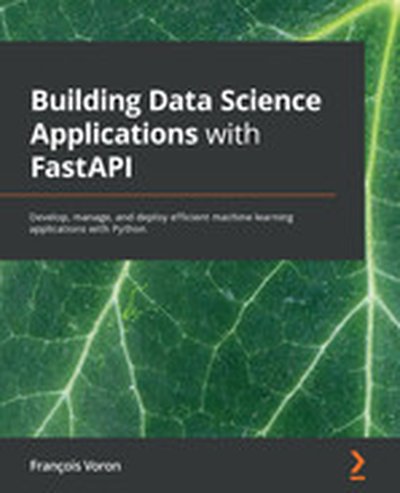
Building Data Science Applications with FastAPI

This comprehensive guide to FastAPI walks readers through developing modern web backends optimized for data science applications. By mastering key concepts like dependency injection and asynchronous programming, you will create high-performing REST APIs and machine learning powered systems. What this Book will help me do Master asynchronous programming and type hinting in Python for efficient coding. Design comprehensive RESTful APIs for machine learning with FastAPI. Build, test, and maintain scalable data science applications. Integrate Python libraries like NumPy and scikit-learn into web backends. Deploy modular and efficient FastAPI-backed systems to production. Author(s) None Voron is a seasoned software developer specialized in web frameworks and data science applications. With a strong background in building scalable systems, they bring invaluable insights on utilizing FastAPI. Voron emphasizes clarity and hands-on learning, sharing their expertise to help developers master the technology efficiently. Who is it for? This book is ideal for data scientists and Python developers interested in creating efficient data science backends. If you have groundwork knowledge of machine learning concepts and Python programming, this book will enhance your ability to deploy and manage APIs for data-driven applications.

What is a system without empathy? What is a show summary without an attempt to overly distill the discussion to the point of sounding like nonsense? On this episode, Hilary Parker (who you may know from the Not So Standard Deviations podcast or elsewhere) joined us to discuss what we can learn from the design process (as in: actual designers) when it comes to analytics and data science. Among other things, that mindset highlights the importance of the analyst empathizing with stakeholders. Tim got very uncomfortable. Michael said he understood Tim's discomfort. For complete show notes, including links to items mentioned in this episode and a transcript of the show, visit the show page.

In this episode of DataFramed, we speak with Syafri Bahar, VP of Data Science at Gojek about building high-performing data teams, and how data science is central to Gojek’s success. 

Throughout the episode, Syafri discusses his background, the hallmarks of a high-performance data team, how he measures the ROI on data activities, the skills needed in every successful data team, what is the best organizational model for data mature organizations, how Covid-19 affected Gojek’s data teams, his thoughts on data literacy and governance, future trends in data science and AI, and why data scientists should sharpen their maths and machine learning skills in an age of increasing automation. 

Relevant links from the interview:

We’d love your feedback! Let us know which topics you’d like us to cover and what you think of DataFramed by answering this 30-second surveyGojek’s Data Blog

We talked about:

Mihail’s background NLP and self-driving vehicles Transitioning from academia to the industry Machine learning researchers Finding open-ended problems Machine learning engineers Is data science more engineering or research? What can engineers and researchers learn from one another? Bridging the disconnect between researchers and engineers Breaking down silos Fluid roles Full-stack data scientists Advice to machine learning researchers Advice to machine learning engineers Reading papers Choosing between engineering or research if you’re just starting Confetti.ai

Links:

https://twitter.com/mihail_eric http://confetti.ai/

Join DataTalks.Club: https://datatalks.club/slack.html

Our events: https://datatalks.club/events.html

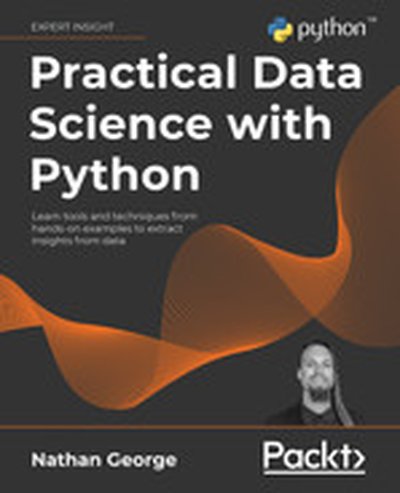
Practical Data Science with Python

Practical Data Science with Python guides you through the entire process of leveraging Python tools to analyze and gain insights from data. You'll start with foundational concepts and coding essentials, progressing through statistical analysis, machine learning techniques, and ethical considerations. What this Book will help me do Clean, prepare, and explore data using pandas and NumPy. Understand and implement machine learning models such as random forests and support vector machines. Perform statistical tests and analyze distributions to enhance data insights. Utilize SQL with Python for efficient data interaction. Generate automated reports and dashboards for data storytelling. Author(s) Nathan George has extensive professional experience as a data scientist and Python developer. He specializes in the application of machine learning and statistical methods to solve real-world problems. His writing combines technical depth with an approachable style, aiming to provide readers with actionable knowledge and skills. Who is it for? This book is perfect for data science beginners who have a basic understanding of Python and want to build practical data analysis skills. Students in analytics programs or professionals looking to transition into a data science role will find value in its approachable yet comprehensive coverage. Aspiring data analysts and career changers will gain firsthand exposure to Python-based data science best practices. If you're eager to develop practical, hands-on experience in the data science field, this is the guide for you.

We talked about:

Marianna’s background Being the only data scientist What should already be in the company How much experience do you need Identifying problems Prioritization What should the company already know? First week First month First quarter Managing expectations Solving problems without ML Project timelines Finding the best solution Evaluating performance Getting stuck Communicating with analysts Transitioning from engineering to data science Growing the team Stopping projects Questions for the company From research to production Wrapping up

Links:

Marianna's LinkedIn: https://www.linkedin.com/in/marianna-diachuk-53ba60116/

Join DataTalks.Club: https://datatalks.club/slack.html

Our events: https://datatalks.club/events.html

Join host Avery Smith on this episode of the Data Career Podcast for an exciting 'Ask Avery' session! We cover various topics, including the roles and differences between data analysts, data engineers, and data scientists, as well as transitioning careers, essential skills for data engineering, forecasting techniques, and more.

f you have questions about data visualization, Python, or breaking into data science, this episode has got you covered.

Tune in for valuable insights and professional advice to boost your data career!

Mentioned in this episode: Join the last cohort of 2025! The LAST cohort of The Data Analytics Accelerator for 2025 kicks off on Monday, December 8th and enrollment is officially open!

To celebrate the end of the year, we’re running a special End-of-Year Sale, where you’ll get: ✅ A discount on your enrollment 🎁 6 bonus gifts, including job listings, interview prep, AI tools + more

If your goal is to land a data job in 2026, this is your chance to get ahead of the competition and start strong.

👉 Join the December Cohort & Claim Your Bonuses: https://DataCareerJumpstart.com/daa https://www.datacareerjumpstart.com/daa

Pandas in Action

Take the next steps in your data science career! This friendly and hands-on guide shows you how to start mastering Pandas with skills you already know from spreadsheet software. In Pandas in Action you will learn how to: Import datasets, identify issues with their data structures, and optimize them for efficiency Sort, filter, pivot, and draw conclusions from a dataset and its subsets Identify trends from text-based and time-based data Organize, group, merge, and join separate datasets Use a GroupBy object to store multiple DataFrames Pandas has rapidly become one of Python's most popular data analysis libraries. In Pandas in Action, a friendly and example-rich introduction, author Boris Paskhaver shows you how to master this versatile tool and take the next steps in your data science career. You’ll learn how easy Pandas makes it to efficiently sort, analyze, filter and munge almost any type of data. About the Technology Data analysis with Python doesn’t have to be hard. If you can use a spreadsheet, you can learn pandas! While its grid-style layouts may remind you of Excel, pandas is far more flexible and powerful. This Python library quickly performs operations on millions of rows, and it interfaces easily with other tools in the Python data ecosystem. It’s a perfect way to up your data game. About the Book Pandas in Action introduces Python-based data analysis using the amazing pandas library. You’ll learn to automate repetitive operations and gain deeper insights into your data that would be impractical—or impossible—in Excel. Each chapter is a self-contained tutorial. Realistic downloadable datasets help you learn from the kind of messy data you’ll find in the real world. What's Inside Organize, group, merge, split, and join datasets Find trends in text-based and time-based data Sort, filter, pivot, optimize, and draw conclusions Apply aggregate operations About the Reader For readers experienced with spreadsheets and basic Python programming. About the Author Boris Paskhaver is a software engineer, Agile consultant, and online educator. His programming courses have been taken by 300,000 students across 190 countries. Quotes Of all the introductory pandas books I’ve read—and I did read a few—this is the best, by a mile. - Erico Lendzian, idibu.com This approachable guide will get you up and running quickly with all the basics you need to analyze your data. - Jonathan Sharley, SiriusXM Media Understanding and putting in practice the concepts of this book will help you increase productivity and make you look like a pro. - Jose Apablaza, Steadfast Networks Teaches both novice and expert Python users the essential concepts required for data analysis and data science. - Ben McNamara, DataGeek

In this episode of DataFramed, we speak with Noah Gift, founder of Pragmatic AI Labs and prolific author about operationalizing machine learning in organizations and his new book Practical MLOPs. 

Throughout the episode, Noah discusses his background, his philosophy around pragmatic AI, the differences between data science in academia and the real world, how data scientists can become more action-oriented by creating solutions that solve real-world problems, the importance of dev-ops, his most recent book on the practical guide to MLOps, how data science can be compared to Brazilian jiu-jitsu, what data scientists should learn to scale the amount of value they deliver, his thoughts on auto-ml and automation, and more. 

Relevant links from the interview:

We’d love your feedback! Let us know which topics you’d like us to cover and what you think of DataFramed by answering this 30-second surveyUnsettled: What Climate Science Tells Us, What It Doesn't, and Why It MattersCheck out Noah's booksCheck out Noah's course on DataCampConnect with Noah on LinkedInGain access to DataCamp's full course library at a discount!

Emily Vu changed her life with a Tweet she thought meant nothing. That tweet ended up being seen by millions, inspiring hundreds, opening dozens of doors, and eventually landed to an internship and full-time job offer from tech giant, Spotify.

In this episode, Emily and I discuss how she used the internet and a personal brand to overcome a non-tech background, to land awesome tech jobs. 

Follow Emily on Twitter: https://twitter.com/emvutweets

Follow Emily on TikTok: https://www.tiktok.com/@itsemvu?lang=en

Check out Emily's custom resume Kofi: https://ko-fi.com/emilyvu/commissions#buyCommissionModal

Want to break into data science? Check out online bootcamp Data Career Jumpstart - https://www.datacareerjumpstart.com - where I help you learn data science, and build a personal brand by focusing on projects and building an online portfolio. 

Mentioned in this episode: Join the last cohort of 2025! The LAST cohort of The Data Analytics Accelerator for 2025 kicks off on Monday, December 8th and enrollment is officially open!

To celebrate the end of the year, we’re running a special End-of-Year Sale, where you’ll get: ✅ A discount on your enrollment 🎁 6 bonus gifts, including job listings, interview prep, AI tools + more

If your goal is to land a data job in 2026, this is your chance to get ahead of the competition and start strong.

👉 Join the December Cohort & Claim Your Bonuses: https://DataCareerJumpstart.com/daa https://www.datacareerjumpstart.com/daa

Data Science For Dummies, 3rd Edition

Monetize your company’s data and data science expertise without spending a fortune on hiring independent strategy consultants to help What if there was one simple, clear process for ensuring that all your company’s data science projects achieve a high a return on investment? What if you could validate your ideas for future data science projects, and select the one idea that’s most prime for achieving profitability while also moving your company closer to its business vision? There is. Industry-acclaimed data science consultant, Lillian Pierson, shares her proprietary STAR Framework – A simple, proven process for leading profit-forming data science projects. Not sure what data science is yet? Don’t worry! Parts 1 and 2 of Data Science For Dummies will get all the bases covered for you. And if you’re already a data science expert? Then you really won’t want to miss the data science strategy and data monetization gems that are shared in Part 3 onward throughout this book. Data Science For Dummies demonstrates: The only process you’ll ever need to lead profitable data science projects Secret, reverse-engineered data monetization tactics that no one’s talking about The shocking truth about how simple natural language processing can be How to beat the crowd of data professionals by cultivating your own unique blend of data science expertise Whether you’re new to the data science field or already a decade in, you’re sure to learn something new and incredibly valuable from Data Science For Dummies. Discover how to generate massive business wins from your company’s data by picking up your copy today.

SQL for Data Scientists

Jump-start your career as a data scientist—l earn to develop datasets for exploration, analysis, and machine learning SQL for Data Scientists: A Beginner's Guide for Building Datasets for Analysis is a resource that’s dedicated to the Structured Query Language (SQL) and dataset design skills that data scientists use most. Aspiring data scientists will learn how to how to construct datasets for exploration, analysis, and machine learning. You can also discover how to approach query design and develop SQL code to extract data insights while avoiding common pitfalls. You may be one of many people who are entering the field of Data Science from a range of professions and educational backgrounds, such as business analytics, social science, physics, economics, and computer science. Like many of them, you may have conducted analyses using spreadsheets as data sources, but never retrieved and engineered datasets from a relational database using SQL, which is a programming language designed for managing databases and extracting data. This guide for data scientists differs from other instructional guides on the subject. It doesn’t cover SQL broadly. Instead, you’ll learn the subset of SQL skills that data analysts and data scientists use frequently. You’ll also gain practical advice and direction on "how to think about constructing your dataset." Gain an understanding of relational database structure, query design, and SQL syntax Develop queries to construct datasets for use in applications like interactive reports and machine learning algorithms Review strategies and approaches so you can design analytical datasets Practice your techniques with the provided database and SQL code In this book, author Renee Teate shares knowledge gained during a 15-year career working with data, in roles ranging from database developer to data analyst to data scientist. She guides you through SQL code and dataset design concepts from an industry practitioner’s perspective, moving your data scientist career forward!

Data Science for Marketing Analytics - Second Edition

In 'Data Science for Marketing Analytics', you'll embark on a journey that integrates the power of data analytics with strategic marketing. With a focus on practical application, this guide walks you through using Python to analyze datasets, implement machine learning models, and derive data-driven insights. What this Book will help me do Gain expertise in cleaning, exploring, and visualizing marketing data using Python. Build machine learning models to predict customer behavior and sales outcomes. Leverage unsupervised learning techniques for effective customer segmentation. Compare and optimize predictive models using advanced evaluation methods. Master Python libraries like pandas and Matplotlib for data manipulation and visualization. Author(s) Mirza Rahim Baig, Gururajan Govindan, and Vishwesh Ravi Shrimali combine their extensive expertise in data analytics and marketing to bring you this comprehensive guide. Drawing from years of applying analytics in real-world marketing scenarios, they provide a hands-on approach to learning data science tools and techniques. Who is it for? This book is perfect for marketing professionals and analysts eager to harness the capabilities of Python to enhance their data-driven strategies. It is also ideal for data scientists looking to apply their skills in marketing across various roles. While a basic understanding of data analysis and Python will help, all key concepts are introduced comprehensively for beginners.

In this episode of DataFramed, we speak with Rick Scavetta and Boyan Angelov about their new book, Python and R for the Modern Data Scientist: The Best of Both Worlds, and how it dawns the start of a new bilingual data science community.  

Throughout the episode, Rick and Boyan discuss the history of Python and R, what led them to write the book, how Python and R can be interoperable, the advantages of each language and where to use it, how beginner data scientists should think about learning programming languages, how experienced data scientists can take it to the next level by learning a language they’re not necessarily comfortable with, and more. 

Relevant links from the interview:

We’d love your feedback! Let us know which topics you’d like us to cover and what you think of DataFramed by answering this 30-second surveyCheck out Rick and Boyan’s bookCheck out Rick’s courses on DataCampCheck out Boyan's other booksConnect with Rick on LinkedInConnect with Boyan on LinkedIn

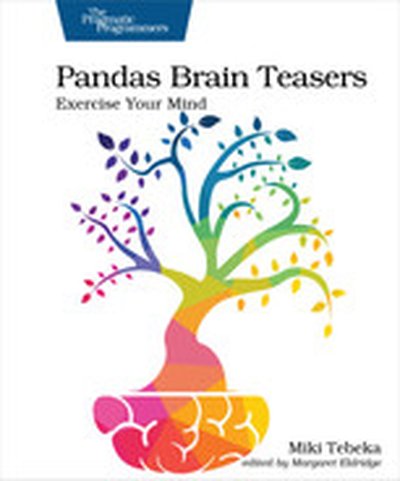
Pandas Brain Teasers

This book contains 25 short programs that will challenge your understanding of Pandas. Like any big project, the Pandas developers had to make some design decisions that at times seem surprising. This book uses those quirks as a teaching opportunity. By understanding the gaps in your knowledge, you'll become better at what you do. Some of the teasers are from the author's experience shipping bugs to production, and some from others doing the same. Teasers and puzzles are fun, and learning how to solve them can teach you to avoid programming mistakes and maybe even impress your colleagues and future employers. Working with data is central to nearly everything we do, from disease contact tracing and analyzing health records to smart meters that track utility consumption behavior. With the power of Python's pandas library, you can process and analyze this data in a highly efficient and simple-to-understand way. And with 25 brain teasers designed to turn this technology's quirks into a teaching opportunity, you'll be honing your data science skills while having fun at the same time. Following a simple format, you'll challenge yourself and your understanding of pandas. Read a short Python program that uses pandas, try to guess the output, run the code yourself, and then go to the next page for an explanation of the solution. From common pitfalls and hidden gotchas to unexpected twists and turns, you'll deepen your understanding of pandas, learn to write more efficient code, and reduce the number of bugs in the software you develop. You may even impress your colleagues and your employers, both present and future. Learn the tricks of the trade with Python's pandas, in one of the most fun and creative ways around. What You Need: To run the code you'll need Python version 3.8 or upper and Pandas version 1.0 or upper installed. We use Python version 3.8.3 and Pandas version 1.0.5; the output might change in future versions.

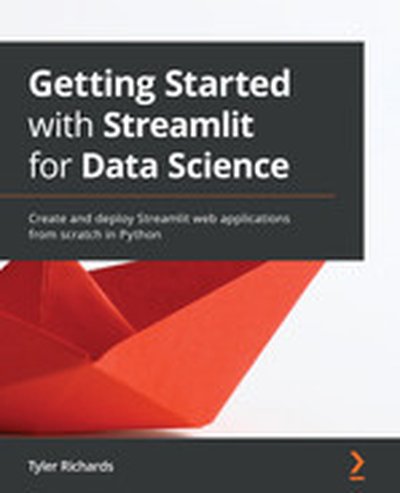
Getting Started with Streamlit for Data Science

Getting Started with Streamlit for Data Science is your essential guide to quickly and efficiently building dynamic data science web applications in Python using Streamlit. Whether you're embedding machine learning models, visualizing data, or deploying projects, this book helps you excel in creating and sharing interactive apps with ease. What this Book will help me do Set up a development environment to create your first Streamlit application. Implement and visualize dynamic data workflows by integrating various Python libraries into Streamlit. Develop and showcase machine learning models within Streamlit for clear and interactive presentations. Deploy your projects effortlessly using platforms like Streamlit Sharing, Heroku, and AWS. Utilize tools like Streamlit Components and themes to enhance the aesthetics and usability of your apps. Author(s) Tyler Richards is a data science expert with extensive experience in leveraging technology to present complex data models in an understandable way. He brings practical solutions to readers, aiming to empower them with the tools they need to succeed in the field of data science. Tyler adopts a hands-on teaching method with illustrative examples to ensure clarity and easy learning. Who is it for? This book is designed for anyone involved in data science, from beginners just starting in the field to experienced professionals who want to learn to create interactive web applications using Streamlit. Ideal for those with a working knowledge of Python, this resource will help you streamline your workflows and enhance your project presentations.