talk-data.com talk-data.com

Topic

DevOps

software_development it_operations continuous_delivery

10

tagged

Activity Trend

25 peak/qtr
2020-Q1 2026-Q1

Activities

Showing filtered results

Filtering by: O'Reilly Data Science Books ×
The Definitive Guide to Microsoft Fabric

Master Microsoft Fabric from basics to advanced architectures with expert guidance to unify, secure, and scale analytics on real-world data platforms Key Features Build a complete data analytics platform with Microsoft Fabric Apply proven architectures, governance, and security strategies Gain real-world insights from five seasoned data experts Purchase of the print or Kindle book includes a free PDF eBook Book Description Microsoft Fabric is reshaping how organizations manage, analyze, and act on data by unifying ingestion, storage, transformation, analytics, AI, and visualization in a single platform. The Definitive Guide to Microsoft Fabric takes you from your very first workspace to building a secure, scalable, and future-proof analytics environment. You’ll learn how to unify data in OneLake, design data meshes, transform and model data, implement real-time analytics, and integrate AI capabilities. The book also covers advanced topics, such as governance, security, cost optimization, and team collaboration using DevOps and DataOps principles. Drawing on the real-world expertise of five seasoned professionals who have built and advised on platforms for startups, SMEs, and Europe’s largest enterprises, this book blends strategic insight with practical guidance. By the end of this book, you’ll have gained the knowledge and skills to design, deploy, and operate a Microsoft Fabric platform that delivers sustainable business value. What you will learn Understand Microsoft Fabric architecture and concepts Unify data storage and data governance with OneLake Ingest and transform data using multiple Fabric tools Implement real-time analytics and event processing Design effective semantic models and reports Integrate AI and machine learning into data workflows Apply governance, security, and compliance controls Optimize performance and costs at scale Who this book is for This book is for data engineers, analytics engineers, architects, and data analysts moving into platform design roles. It’s also valuable for technical leaders seeking to unify analytics in their organizations. You’ll need only a basic grasp of databases, SQL, and Python.
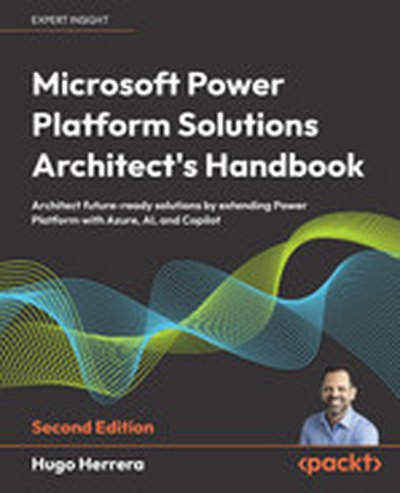
Microsoft Power Platform Solutions Architect's Handbook - Second Edition

Dive into 'Microsoft Power Platform Solution Architect's Handbook' to master the art of designing and delivering enterprise-grade solutions using Microsoft's cutting-edge Power Platform. Through a mix of practical examples and hands-on tutorials, this book equips you to harness tools like AI, Copilot, and DevOps for building innovative, scalable applications tailored to enterprise needs. What this Book will help me do Acquire the knowledge to effectively utilize AI tools such as Power Platform Copilot and ChatGPT to enhance application intelligence. Understand and apply enterprise-grade solution architecture principles for scalable and secure application development. Gain expertise in integrating heterogenous systems with Power Platform Pipes and third-party APIs. Develop proficiency in creating and maintaining reusable Dataverse data models. Learn to establish and manage a Center of Excellence to govern and scale Power Platform solutions. Author(s) Hugo Herrera is an experienced solution architect specializing in the Microsoft Power Platform with a deep focus on integrating AI and cloud-native strategies. With years of hands-on experience in enterprise software development and architectural design, Hugo brings real-world insights into his writing, emphasizing practical application of advanced concepts. His approach is clear, structured, and aimed at empowering readers to excel. Who is it for? This book is tailored for IT professionals like solution architects, enterprise architects, and technical consultants who are looking to elevate their capabilities in Power Platform development. It is also suitable for individuals with an intermediate understanding of Power Platform seeking to spearhead enterprise-level digital transformation projects. Ideal readers are those ready to deepen their integration, data modeling, and AI usage skills within the Microsoft ecosystem, particularly for enterprise applications.

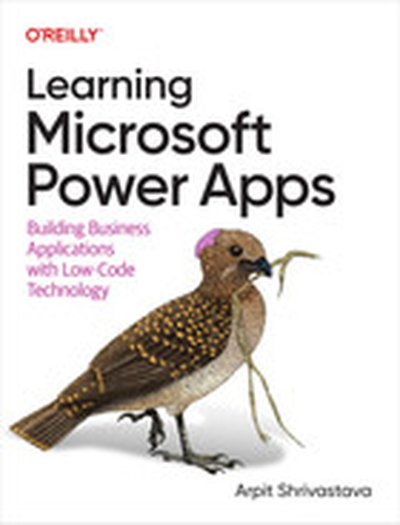
Learning Microsoft Power Apps

In today's fast-paced world, more and more organizations require rapid application development with reduced development costs and increased productivity. This practical guide shows application developers how to use PowerApps, Microsoft's no-code/low-code application framework that helps developers speed up development, modernize business processes, and solve tough challenges. Author Arpit Shrivastava provides a comprehensive overview of designing and building cost-effective applications with Microsoft Power Apps. You'll learn fundamental concepts behind low-code and no-code development, how to build applications using pre-built and blank templates, how to design an app using Copilot AI and drag and drop PowerPoint-like controls, use Excel-like expressions to write business logic for an app, and integrate apps with external data sources. With this book, you'll: Learn the importance of no-code/low-code application development Design mobile/tablet (canvas apps) applications using pre-built and blank templates Design web applications (model-driven apps) using low-code, no-code, and pro-code components Integrate PowerApps with external applications Learn basic coding concepts like JavaScript, Power Fx, and C# Apply best practices to customize Dynamics 365 CE applications Dive into Azure DevOps and ALM concepts to automate application deployment

Comet for Data Science

Discover how to manage and optimize the life cycle of your data science projects with Comet! By the end of this book, you will master preparing, analyzing, building, and deploying models, as well as integrating Comet into your workflow. What this Book will help me do Master managing data science workflows with Comet. Confidently prepare and analyze your data for effective modeling. Deploy and monitor machine learning models using Copet tools. Integrate Comet with DevOps and GitLab workflows for production readiness. Apply Comet to advanced topics like NLP, deep learning, and time series analysis. Author(s) Angelica Lo Duca is an experienced author and data scientist with years of expertise in data science workflows and tools. She brings practical insights into integrating platforms like Comet into modern data science tasks. Who is it for? If you are a data science practitioner or programmer looking to understand and implement efficient project lifecycles using Comet, this book is tailored for you. A basic backdrop in data science and programming is highly recommended, but prior expertise in Comet is unnecessary.

Microsoft Power Platform Solution Architect's Handbook

Microsoft Power Platform Solution Architect's Handbook is your definitive resource for mastering Enterprise-grade solution architecture using Microsoft Power Platform. By covering both practical examples and theoretical best practices, this book ensures you are well-prepared to tackle real-world challenges and excel in the PL-600 certification exam. What this Book will help me do Master the essential practices of solution architecture for optimal design. Develop secure integrations and data strategies for cutting-edge applications. Learn sophisticated lifecycle and compliance management using Azure DevOps. Build impactful, compliant, and flexible solutions using Power Platform. Prepare effectively for the PL-600 certification exam and excel in your field. Author(s) Hugo Herrera is a respected technology expert specializing in solution architecture and enterprise-grade IT solutions, particularly with Microsoft Power Platform. Drawing from years of experience, Hugo emphasizes practical, actionable strategies to elevate professionals. Through this book, Hugo shares his deep expertise and makes complex concepts accessible. Who is it for? This book is perfect for solution architects, enterprise architects, IT consultants, and analysts focused on Microsoft Power Platform and related technologies. It provides insight and tools for professionals looking to enhance their competencies, advance their careers, and prepare for the PL-600 exam. The reader should have a solid understanding of Power Platform fundamentals.

Practical DataOps: Delivering Agile Data Science at Scale

Gain a practical introduction to DataOps, a new discipline for delivering data science at scale inspired by practices at companies such as Facebook, Uber, LinkedIn, Twitter, and eBay. Organizations need more than the latest AI algorithms, hottest tools, and best people to turn data into insight-driven action and useful analytical data products. Processes and thinking employed to manage and use data in the 20th century are a bottleneck for working effectively with the variety of data and advanced analytical use cases that organizations have today. This book provides the approach and methods to ensure continuous rapid use of data to create analytical data products and steer decision making. Practical DataOps shows you how to optimize the data supply chain from diverse raw data sources to the final data product, whether the goal is a machine learning model or other data-orientated output. The book provides an approach to eliminate wasted effort and improve collaboration between data producers, data consumers, and the rest of the organization through the adoption of lean thinking and agile software development principles. This book helps you to improve the speed and accuracy of analytical application development through data management and DevOps practices that securely expand data access, and rapidly increase the number of reproducible data products through automation, testing, and integration. The book also shows how to collect feedback and monitor performance to manage and continuously improve your processes and output. What You Will Learn Develop a data strategy for your organization to help it reach its long-term goals Recognize and eliminate barriers to delivering data to users at scale Work on the right things for the right stakeholders through agile collaboration Create trust in data via rigorous testing and effective data management Build a culture of learning and continuous improvement through monitoring deployments and measuring outcomes Create cross-functional self-organizing teams focused on goals not reporting lines Build robust, trustworthy, data pipelines in support of AI, machine learning, and other analytical data products Who This Book Is For Data science and advanced analytics experts, CIOs, CDOs (chief data officers), chief analytics officers, business analysts, business team leaders, and IT professionals (data engineers, developers, architects, and DBAs) supporting data teams who want to dramatically increase the value their organization derives from data. The book is ideal for data professionals who want to overcome challenges of long delivery time, poor data quality, high maintenance costs, and scaling difficulties in getting data science output and machine learning into customer-facing production.

Managing Data Science

Discover how to successfully manage data science projects and build high-performing teams with 'Managing Data Science.' This book provides actionable insights on handling the entire data science workflow, from conception to production, and addresses common challenges with practical strategies. What this Book will help me do Understand the fundamentals of building scalable and efficient data science pipelines. Acquire techniques to manage every stage of data science projects effectively, from prototype to production. Learn proven strategies for assembling, cultivating, and sustaining a skilled data science team. Explore the latest tools, methodologies, and best practices in ModelOps and DevOps for data science. Gain insights into troubleshooting and optimizing data science workflows to achieve organizational goals. Author(s) None Dubovikov is a seasoned expert in data science and project management, bringing years of hands-on experience to both domains. With a passion for leveraging data to drive business success, None guides readers through building sustainable practices and effective teams in the growing field of data science. Who is it for? This book is perfect for data science professionals, project managers, and business leaders seeking practical guidance to reap the benefits of data-driven decision-making. Designed for readers with a foundational understanding of data science, it helps bridge the gap between technical expertise and managerial efficiency.

Mastering Kibana 6.x

Mastering Kibana 6.x is your guide to leveraging Kibana for creating impactful data visualizations and insightful dashboards. From setting up basic visualizations to exploring advanced analytics and machine learning integrations, this book equips you with the necessary skills to dive deep into your data and gain actionable insights at scale. You'll also learn to effectively manage and monitor data with powerful tools such as X-Pack and Beats. What this Book will help me do Build sophisticated dashboards to visualize elastic stack data effectively. Understand and utilize Timelion expressions for analyzing time series data. Incorporate X-Pack capabilities to enhance security and monitoring in Kibana. Extract, analyze, and visualize data from Elasticsearch for advanced analytics. Set up monitoring and alerting using Beats components for reliable data operations. Author(s) With extensive experience in big data technologies, the author brings a practical approach to teaching advanced Kibana topics. Having worked on real-world data analytics projects, their aim is to make complex concepts accessible while showing how to tackle analytics challenges using Kibana. Who is it for? This book is ideal for data engineers, DevOps professionals, and data scientists who want to optimize large-scale data visualizations. If you're looking to manage Elasticsearch data through insightful dashboards and visual analytics, or enhance your data operations with features like machine learning, then this book is perfect for you. A basic understanding of the Elastic Stack is helpful, though not required.

Creating a Data-Driven Enterprise with DataOps

Many companies are busy collecting massive amounts of data, but few are taking advantage of this treasure horde to build a truly data insights-driven organization. To do so, the data team must democratize both data and the insights in a way that provides real-time access to all employees in the organization. This report explores DataOps, the process, culture, tools, and people required to scale big data pervasively across the enterprise. Just as DevOps has enabled organizations to improve coordination between developers and the operations team, DataOps closely connects everyone who handles data, including engineers, data scientists, analysts, and business users. Democratizing data with this approach requires removing barriers typical of siloed data, teams, and systems. In this report, Apache Hive creators Ashish Thusoo and Joydeep Sen Sarma examine the characteristics of a data-driven organization that supports a self-service model. Explore related topics such as data lakes, metadata, cloud architecture, and data-infrastructure-as-a-service Examine conclusions from a survey of more than 400 senior executives whose companies are in various stages of data maturity Learn how data pioneers at Facebook, Uber, LinkedIn, Twitter, and eBay created data-driven cultures and self-service data infrastructures for their organizations

Ten Signs of Data Science Maturity

How well prepared is your organization to innovate, using data science? In this report, two leading data scientists at the consulting firm Booz Allen Hamilton describe ten characteristics of a mature data science capability. After spending years helping clients such as the US government and commercial organizations worldwide build innovative data science capabilities, Peter Guerra and Dr. Kirk Borne identified these characteristics to help you measure your company’s competence in this area. This report provides a detailed discussion of each of the 10 signs of data science maturity, which—among many other things—encourage you to: Give members of your organization access to all your available data Use Agile and leverage "DataOps"—DevOps for data product development Help your data science team sharpen its skills through open or internal competitions Personify data science as a way of doing things, and not a thing to do