talk-data.com talk-data.com

Topic

Matplotlib

data_visualization plotting_library python

63

tagged

Activity Trend

6 peak/qtr
2020-Q1 2026-Q1

Activities

63 activities · Newest first

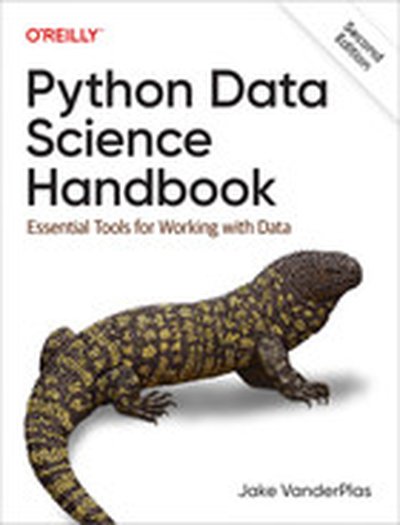
Python Data Science Handbook, 2nd Edition

Python is a first-class tool for many researchers, primarily because of its libraries for storing, manipulating, and gaining insight from data. Several resources exist for individual pieces of this data science stack, but only with the new edition of Python Data Science Handbook do you get them all—IPython, NumPy, pandas, Matplotlib, Scikit-Learn, and other related tools. Working scientists and data crunchers familiar with reading and writing Python code will find the second edition of this comprehensive desk reference ideal for tackling day-to-day issues: manipulating, transforming, and cleaning data; visualizing different types of data; and using data to build statistical or machine learning models. Quite simply, this is the must-have reference for scientific computing in Python. With this handbook, you'll learn how: IPython and Jupyter provide computational environments for scientists using Python NumPy includes the ndarray for efficient storage and manipulation of dense data arrays Pandas contains the DataFrame for efficient storage and manipulation of labeled/columnar data Matplotlib includes capabilities for a flexible range of data visualizations Scikit-learn helps you build efficient and clean Python implementations of the most important and established machine learning algorithms
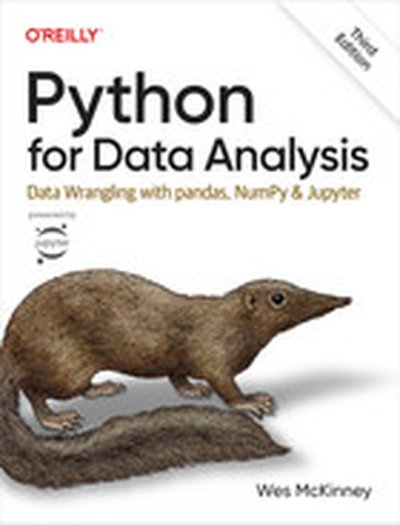
Python for Data Analysis, 3rd Edition

Get the definitive handbook for manipulating, processing, cleaning, and crunching datasets in Python. Updated for Python 3.10 and pandas 1.4, the third edition of this hands-on guide is packed with practical case studies that show you how to solve a broad set of data analysis problems effectively. You'll learn the latest versions of pandas, NumPy, and Jupyter in the process. Written by Wes McKinney, the creator of the Python pandas project, this book is a practical, modern introduction to data science tools in Python. It's ideal for analysts new to Python and for Python programmers new to data science and scientific computing. Data files and related material are available on GitHub. Use the Jupyter notebook and IPython shell for exploratory computing Learn basic and advanced features in NumPy Get started with data analysis tools in the pandas library Use flexible tools to load, clean, transform, merge, and reshape data Create informative visualizations with matplotlib Apply the pandas groupby facility to slice, dice, and summarize datasets Analyze and manipulate regular and irregular time series data Learn how to solve real-world data analysis problems with thorough, detailed examples

Python for Data Science

Python is an ideal choice for accessing, manipulating, and gaining insights from data of all kinds. Python for Data Science introduces you to the Pythonic world of data analysis with a learn-by-doing approach rooted in practical examples and hands-on activities. Youâ??ll learn how to write Python code to obtain, transform, and analyze data, practicing state-of-the-art data processing techniques for use cases in business management, marketing, and decision support. You will discover Pythonâ??s rich set of built-in data structures for basic operations, as well as its robust ecosystem of open-source libraries for data science, including NumPy, pandas, scikit-learn, matplotlib, and more. Examples show how to load data in various formats, how to streamline, group, and aggregate data sets, and how to create charts, maps, and other visualizations. Later chapters go in-depth with demonstrations of real-world data applications, including using location data to power a taxi service, market basket analysis to identify items commonly purchased together, and machine learning to predict stock prices.

The Pandas Workshop

The Pandas Workshop offers a detailed journey into the world of data analysis using Python and the pandas library. Throughout the book, you'll build skills in accessing, transforming, visualizing, and modeling data, all while focusing on real-world data science challenges. You will gain the knowledge and confidence needed to dissect and derive insights from complex datasets. What this Book will help me do Understand how to access and load data from various formats including databases and web-based sources. Manipulate and transform data for analysis using efficient pandas techniques. Create insightful visualizations using Matplotlib integrated with pandas for clearer data presentation. Build predictive and descriptive data models and glean data-driven insights. Handle and analyze time-series data to uncover trends and seasonal effects in data patterns. Author(s) Blaine Bateman, Saikat Basak, Thomas Joseph, and William So collectively bring diverse expertise in data analysis, programming, and teaching. Their goal is to make cutting-edge data science techniques accessible through clear explanations and practical exercises, helping learners from varied backgrounds master the pandas library. Who is it for? This book is best suited for novice to intermediate programmers and data enthusiasts who are already familiar with Python but are new to the pandas library. Ideal readers are those interested in honing their skills in data analysis and visualization, as well as leveraging data for informed decision-making. Whether you're an analyst, aspiring data scientist, or business professional seeking to strengthen your analytical toolkit, this book provides beneficial insights and techniques.

Hands-on Matplotlib: Learn Plotting and Visualizations with Python 3

Learn the core aspects of NumPy, Matplotlib, and Pandas, and use them to write programs with Python 3. This book focuses heavily on various data visualization techniques and will help you acquire expert-level knowledge of working with Matplotlib, a MATLAB-style plotting library for Python programming language that provides an object-oriented API for embedding plots into applications. You'll begin with an introduction to Python 3 and the scientific Python ecosystem. Next, you'll explore NumPy and ndarray data structures, creation routines, and data visualization. You'll examine useful concepts related to style sheets, legends, and layouts, followed by line, bar, and scatter plots. Chapters then cover recipes of histograms, contours, streamplots, and heatmaps, and how to visualize images and audio with pie and polar charts. Moving forward, you'll learn how to visualize with pcolor, pcolormesh, and colorbar, and how to visualize in 3D in Matplotlib, create simple animations, and embed Matplotlib with different frameworks. The concluding chapters cover how to visualize data with Pandas and Matplotlib, Seaborn, and how to work with the real-life data and visualize it. After reading Hands-on Matplotlib you'll be proficient with Matplotlib and able to comfortably work with ndarrays in NumPy and data frames in Pandas. What You'll Learn Understand Data Visualization and Python using Matplotlib Review the fundamental data structures in NumPy and Pandas Work with 3D plotting, visualizations, and animations Visualize images and audio data Who This Book Is For Data scientists, machine learning engineers and software professionals with basic programming skills.

Data Science for Marketing Analytics - Second Edition

In 'Data Science for Marketing Analytics', you'll embark on a journey that integrates the power of data analytics with strategic marketing. With a focus on practical application, this guide walks you through using Python to analyze datasets, implement machine learning models, and derive data-driven insights. What this Book will help me do Gain expertise in cleaning, exploring, and visualizing marketing data using Python. Build machine learning models to predict customer behavior and sales outcomes. Leverage unsupervised learning techniques for effective customer segmentation. Compare and optimize predictive models using advanced evaluation methods. Master Python libraries like pandas and Matplotlib for data manipulation and visualization. Author(s) Mirza Rahim Baig, Gururajan Govindan, and Vishwesh Ravi Shrimali combine their extensive expertise in data analytics and marketing to bring you this comprehensive guide. Drawing from years of applying analytics in real-world marketing scenarios, they provide a hands-on approach to learning data science tools and techniques. Who is it for? This book is perfect for marketing professionals and analysts eager to harness the capabilities of Python to enhance their data-driven strategies. It is also ideal for data scientists looking to apply their skills in marketing across various roles. While a basic understanding of data analysis and Python will help, all key concepts are introduced comprehensively for beginners.

Data Science Projects with Python - Second Edition

Data Science Projects with Python offers a hands-on, project-based approach to learning data science using real-world data sets and tools. You will explore data using Python libraries like pandas and Matplotlib, build machine learning models with scikit-learn, and apply advanced techniques like XGBoost and SHAP values. This book equips you to confidently extract insights, evaluate models, and deliver results with clarity. What this Book will help me do Learn to load, clean, and preprocess data using Python and pandas. Build and evaluate predictive models, including logistic regression and random forests. Visualize data effectively using Python libraries like Matplotlib. Master advanced techniques like XGBoost and algorithmic fairness. Communicate data-driven insights to aid decision making in practical scenarios. Author(s) Stephen Klosterman is an experienced data scientist with a strong focus on practical applications of machine learning in business. Combining a rich academic background with hands-on industry experience, he excels at explaining complex concepts in an approachable way. As the author of 'Data Science Projects with Python,' his goal is to provide learners with the skills needed for real-world data science challenges. Who is it for? This book is ideal for beginners in data science and machine learning who have some basic programming knowledge in Python. Aspiring data scientists will benefit from its practical, end-to-end examples. Professionals seeking to expand their skillset in predictive modeling and delivering business insights will find this book invaluable. Some foundation in statistics and programming is recommended.

Practical Python Data Visualization: A Fast Track Approach To Learning Data Visualization With Python

Quickly start programming with Python 3 for data visualization with this step-by-step, detailed guide. This book’s programming-friendly approach using libraries such as leather, NumPy, Matplotlib, and Pandas will serve as a template for business and scientific visualizations. You’ll begin by installing Python 3, see how to work in Jupyter notebook, and explore Leather, Python’s popular data visualization charting library. You’ll also be introduced to the scientific Python 3 ecosystem and work with the basics of NumPy, an integral part of that ecosystem. Later chapters are focused on various NumPy routines along with getting started with Scientific Data visualization using matplotlib. You’ll review the visualization of 3D data using graphs and networks and finish up by looking at data visualization with Pandas, including the visualization of COVID-19 data sets. The code examples are tested on popular platforms like Ubuntu, Windows, and Raspberry Pi OS. WithPractical Python Data Visualization you’ll master the core concepts of data visualization with Pandas and the Jupyter notebook interface. What You'll Learn Review practical aspects of Python Data Visualization with programming-friendly abstractions Install Python 3 and Jupyter on multiple platforms including Windows, Raspberry Pi, and Ubuntu Visualize COVID-19 data sets with Pandas Who This Book Is For Data Science enthusiasts and professionals, Business analysts and managers, software engineers, data engineers.

The Data Analysis Workshop

The Data Analysis Workshop teaches you how to analyze and interpret data to solve real-world business problems effectively. By working through practical examples and datasets, you'll gain actionable insights into modern analytic techniques and build your confidence as a data analyst. What this Book will help me do Understand and apply fundamental data analysis concepts and techniques to tackle diverse datasets. Perform rigorous hypothesis testing and analyze group differences within data sets. Create informative data visualizations using Python libraries like Matplotlib and Seaborn. Understand and use correlation metrics to identify relationships between variables. Leverage advanced data manipulation techniques to uncover hidden patterns in complex datasets. Author(s) The authors, Gururajan Govindan, Shubhangi Hora, and Konstantin Palagachev, are experts in data science and analytics with years of experience in industry and academia. Their background includes performing business-critical analysis for companies and teaching students how to approach data-driven decision-making. They bring their depth of knowledge and engaging teaching styles together in this approachable guide. Who is it for? This book is intended for programmers with proficiency in Python who want to apply their skills to the field of data analysis. Readers who have a foundational understanding of coding and are eager to implement hands-on data science techniques will gain the most value. The content is also suitable for anyone pursuing a data-driven problem-solving mindset. This is an excellent resource to help transition from basic coding proficiency to applying Python in real-world data science.

The Data Wrangling Workshop - Second Edition

The Data Wrangling Workshop is your beginner's guide to the essential techniques and practices of data manipulation using Python. Throughout the book, you will progressively build your skills, learning key concepts such as extracting, cleaning, and transforming data into actionable insights. By the end, you'll be confident in handling various data wrangling tasks efficiently. What this Book will help me do Understand and apply the fundamentals of data wrangling using Python. Combine and aggregate data from diverse sources like web data, SQL databases, and spreadsheets. Use descriptive statistics and plotting to examine dataset properties. Handle missing or incorrect data effectively to maintain data quality. Gain hands-on experience with Python's powerful data science libraries like Pandas, NumPy, and Matplotlib. Author(s) Brian Lipp, None Roychowdhury, and Dr. Tirthajyoti Sarkar are experienced educators and professionals in the fields of data science and engineering. Their collective expertise spans years of teaching and working with data technologies. They aim to make data wrangling accessible and comprehensible, focusing on practical examples to equip learners with real-world skills. Who is it for? The Data Wrangling Workshop is ideal for developers, data analysts, and business analysts aiming to become data scientists or analytics experts. If you're just getting started with Python, you will find this book guiding you step-by-step. A basic understanding of Python programming, as well as relational databases and SQL, is recommended for smooth learning.

The Data Visualization Workshop

In "The Data Visualization Workshop," you will explore the fascinating world of data visualization and learn how to turn raw data into compelling visualizations that clearly communicate your insights. This book provides practical guidance and hands-on exercises to familiarize you with essential topics such as plotting techniques and interactive visualizations using Python. What this Book will help me do Prepare and clean raw data for visualization using NumPy and pandas. Create effective and visually appealing charts using libraries like Matplotlib and Seaborn. Generate geospatial visualizations utilizing tools like geoplotlib. Develop interactive visualizations for web integration with the Bokeh library. Apply visualization techniques to real-world data analysis scenarios, including stock data and Airbnb datasets. Author(s) Mario Döbler and Tim Großmann are experienced authors and professionals in the field of Python programming and data science. They bring a wealth of knowledge and practical insights to data visualization. Through their collaborative efforts, they aim to empower readers with the skills to create compelling data visualizations and uncover meaningful data narratives. Who is it for? This book is ideal for beginners new to data visualization, as well as developers and data scientists seeking to enhance their practical skills. It is approachable for readers without prior visualization experience but assumes familiarity with Python programming and basic mathematics. If you're eager to bring your data to life in insightful and engaging ways, this book is for you.

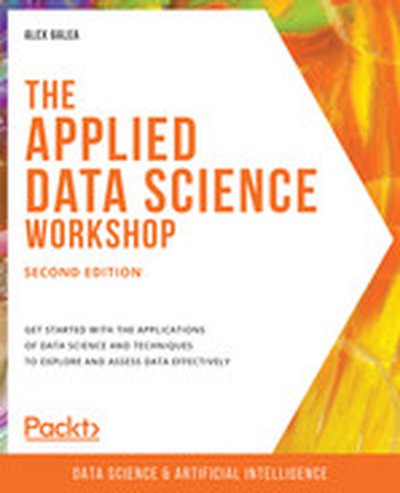
The Applied Data Science Workshop - Second Edition

Embark on an interactive journey into the world of data science with 'The Applied Data Science Workshop'. By following real-world scenarios and hands-on exercises, you will explore the fundamentals of data analysis and machine learning modeling within Jupyter Notebooks, leveraging Python libraries like pandas and sci-kit learn to draw meaningful insights from data. What this Book will help me do Master the process of setting up and using Jupyter Notebooks effectively for data science tasks. Learn to preprocess, analyze, and visualize data using Python libraries such as pandas, Matplotlib, and Seaborn. Discover methods to train and evaluate machine learning models using real-world data scenarios. Apply techniques to assess model performance and optimize them with advanced validation. Gain the skills to communicate insights through well-documented analyses and stakeholder-ready reports. Author(s) None Galea, an accomplished author in the data science domain, focuses on making technical concepts understandable and relatable. With this book, Galea leverages years of experience to introduce readers to practical applications of data science using Python. The author's approach ensures that readers not only learn the concepts but also apply them hands-on. Who is it for? This book caters to aspiring data scientists and developers interested in data analysis and practical applications of data science techniques. Beginners will find the step-by-step methodology approachable, while those with a basic understanding of Python programming or machine learning can quickly extend their skills. It suits anyone eager to apply data science in their professional toolbox.

Interactive Data Visualization with Python - Second Edition

With Interactive Data Visualization with Python, you will learn to turn raw data into compelling, interactive visual stories. This book guides you through the practical uses of Python libraries such as Bokeh and Plotly, teaching you skills to create visualizations that captivate and inform. What this Book will help me do Understand and apply different principles and techniques of interactive data visualization to bring your data to life. Master the use of libraries like Matplotlib, Seaborn, Altair, and Bokeh for creating a variety of data visualizations. Learn how to customize data visualizations effectively to meet the needs of different audiences and use cases. Gain proficiency in using advanced tools like Plotly for creating dynamic and engaging visual presentations. Acquire the ability to identify common pitfalls in visualization and learn strategies to avoid them, ensuring clarity and impact. Author(s) Abha Belorkar, Sharath Chandra Guntuku, Shubhangi Hora, and Anshu Kumar are experts in Python programming and data visualization with years of experience in data science and software development. They have collaborated to blend their knowledge into this book-a clear and practical guide to mastering interactive visualization with Python. Who is it for? This book is perfect for Python developers, data analysts, and data scientists who want to enhance their skills in data presentation. If you are ready to transform complex data into digestible and interactive visuals, this book is for you. A basic familiarity with Python programming and libraries like pandas is recommended. By the end of the book, you'll feel confident in creating professional-grade data visualizations.

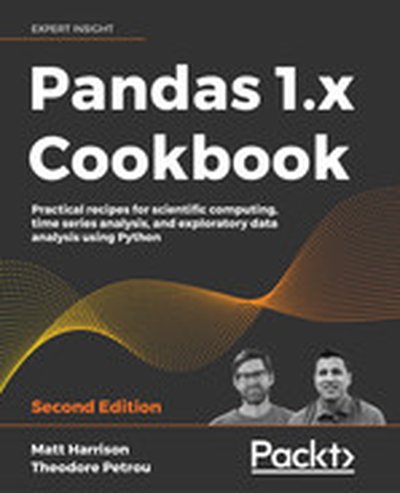
Pandas 1.x Cookbook - Second Edition

The 'Pandas 1.x Cookbook' offers a recipe-based guide for mastering the powerful Python library, pandas. You will gain practical knowledge for handling and manipulating data efficiently, from the fundamentals to advanced techniques. The book is an essential resource for exploring and analyzing datasets with pandas. What this Book will help me do Understand and apply data exploration techniques in pandas. Use pandas to manipulate, aggregate, and clean datasets to extract meaningful insights. Combine pandas with Matplotlib and Seaborn to create effective visualizations. Perform time series analysis and transform datasets for machine learning. Implement workflows for handling large-scale data that exceeds your computer's memory. Author(s) Matthew Harrison and Theodore Petrou are highly experienced educators and practitioners in data science and Python programming. With their extensive expertise in using pandas, they provide insights through practical exercises and approachable narratives. Their aim is to make complex concepts accessible to learners of varying skill levels. Who is it for? This book is ideal for Python programmers, analysts, and data scientists seeking to expand their data handling and analysis capabilities. It caters to both beginners who are new to pandas and those looking to deepen their understanding of its advanced features. If your goal is to explore, clean, and analyze complex datasets efficiently, this book is tailored for you.

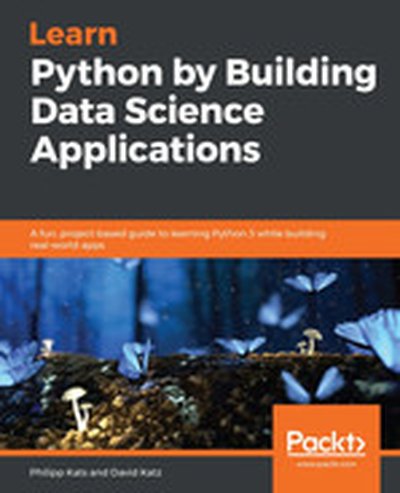
Learn Python by Building Data Science Applications

Learn Python by Building Data Science Applications takes a hands-on approach to teaching Python programming by guiding you through building engaging real-world data science projects. This book introduces Python's rich ecosystem and equips you with the skills to analyze data, train models, and deploy them as efficient applications. What this Book will help me do Get proficient in Python programming by learning core topics like data structures, loops, and functions. Explore data science libraries such as NumPy, Pandas, and scikit-learn to analyze and process data. Learn to create visualizations with Matplotlib and Altair, simplifying data communication. Build and deploy machine learning models using Python and share them as web services. Understand development practices such as testing, packaging, and continuous integration for professional workflows. Author(s) None Kats and None Katz are seasoned Python developers with years of experience in teaching programming and deploying data science applications. Their expertise spans providing learners with practical knowledge and versatile skills. They combine clear explanations with engaging projects to ensure a rewarding learning experience. Who is it for? This book is ideal for individuals new to programming or data science who want to learn Python through practical projects. Researchers, analysts, and ambitious students with minimal coding background but a keen interest in data analysis and application development will find this book beneficial. It's a perfect choice for anyone eager to explore and leverage Python for real-world solutions.

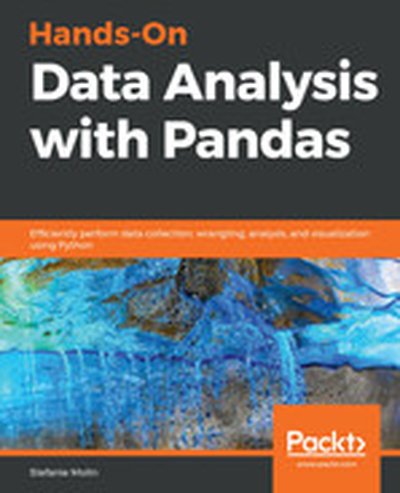
Hands-On Data Analysis with Pandas

Hands-On Data Analysis with Pandas provides an intensive dive into mastering the pandas library for data science and analysis using Python. Through a combination of conceptual explanations and practical demonstrations, readers will learn how to manipulate, visualize, and analyze data efficiently. What this Book will help me do Understand and apply the pandas library for efficient data manipulation. Learn to perform data wrangling tasks such as cleaning and reshaping datasets. Create effective visualizations using pandas and libraries like matplotlib and seaborn. Grasp the basics of machine learning and implement solutions with scikit-learn. Develop reusable data analysis scripts and modules in Python. Author(s) Stefanie Molin is a seasoned data scientist and software engineer with extensive experience in Python and data analytics. She specializes in leveraging the latest data science techniques to solve real-world problems. Her engaging and detailed writing draws from her practical expertise, aiming to make complex concepts accessible to all. Who is it for? This book is ideal for data analysts and aspiring data scientists who are at the beginning stages of their careers or looking to enhance their toolset with pandas and Python. It caters to Python developers eager to delve into data analysis workflows. Readers should have some programming knowledge to fully benefit from the examples and exercises.

Data Science Projects with Python

Data Science Projects with Python introduces you to data science and machine learning using Python through practical examples. In this book, you'll learn to analyze, visualize, and model data, applying techniques like logistic regression and random forests. With a case-study method, you'll build confidence implementing insights in real-world scenarios. What this Book will help me do Set up a data science environment with necessary Python libraries such as pandas and scikit-learn. Effectively visualize data insights through Matplotlib and summary statistics. Apply machine learning models including logistic regression and random forests to solve data problems. Identify optimal models through evaluation metrics like k-fold cross-validation. Develop confidence in data preparation and modeling techniques for real-world data challenges. Author(s) Stephen Klosterman is a seasoned data scientist with a keen interest in practical applications of machine learning. He combines a strong academic foundation with real-world experience to craft relatable content. Stephen excels in breaking down complex topics into approachable lessons, helping learners grow their data science expertise step by step. Who is it for? This book is ideal for data analysts, scientists, and business professionals looking to enhance their skills in Python and data science. If you have some experience in Python and a foundational understanding of algebra and statistics, you'll find this book approachable. It offers an excellent gateway to mastering advanced data analysis techniques. Whether you're seeking to explore machine learning or apply data insights, this book supports your growth.

Data Science for Marketing Analytics

Data Science for Marketing Analytics introduces you to leveraging state-of-the-art data science techniques to optimize marketing outcomes. You'll learn how to manipulate and analyze data using Python, create customer segments, and apply machine learning algorithms to predict customer behavior. This book provides a comprehensive, hands-on approach to marketing analytics. What this Book will help me do Learn to use Python libraries like pandas & Matplotlib for data analysis. Understand clustering techniques to create meaningful customer segments. Implement linear regression for predicting customer lifetime value. Explore classification algorithms to model customer preferences. Develop skills to build interactive dashboards for marketing reports. Author(s) None Blanchard, Nona Behera, and Pranshu Bhatnagar are experienced professionals in data science and marketing analytics, with extensive backgrounds in applying machine learning to real-world business applications. They bring a wealth of knowledge and an approachable teaching style to this book, focusing on practical, industry-relevant applications for learners. Who is it for? This book is for developers and marketing professionals looking to advance their analytics skills. It is ideal for individuals with a basic understanding of Python and mathematics who want to explore predictive modeling and segmentation strategies. Readers should have a curiosity for data-driven problem-solving in marketing contexts to benefit most from the content.
Numerical Python: Scientific Computing and Data Science Applications with Numpy, SciPy and Matplotlib

Leverage the numerical and mathematical modules in Python and its standard library as well as popular open source numerical Python packages like NumPy, SciPy, FiPy, matplotlib and more. This fully revised edition, updated with the latest details of each package and changes to Jupyter projects, demonstrates how to numerically compute solutions and mathematically model applications in big data, cloud computing, financial engineering, business management and more. Numerical Python, Second Edition, presents many brand-new case study examples of applications in data science and statistics using Python, along with extensions to many previous examples. Each of these demonstrates the power of Python for rapid development and exploratory computing due to its simple and high-level syntax and multiple options for data analysis. After reading this book, readers will be familiar with many computing techniques including array-based and symbolic computing, visualization and numerical file I/O, equation solving, optimization, interpolation and integration, and domain-specific computational problems, such as differential equation solving, data analysis, statistical modeling and machine learning. What You'll Learn Work with vectors and matrices using NumPy Plot and visualize data with Matplotlib Perform data analysis tasks with Pandas and SciPy Review statistical modeling and machine learning with statsmodels and scikit-learn Optimize Python code using Numba and Cython Who This Book Is For Developers who want to understand how to use Python and its related ecosystem for numerical computing.

Mastering Matplotlib 2.x

Mastering Matplotlib 2.x guides you through the art and science of creating sophisticated data visualizations with Python's powerful Matplotlib library. You will start by learning the basics of plotting and customizing your charts, progressing to more advanced topics such as 3D visualization, geospatial data display, and creating interactive plots using Jupyter Notebook. What this Book will help me do Create complex and highly customizable data plots using Matplotlib. Effectively visualize data in three dimensions, including geospatial data. Use advanced matplotlib features to represent non-Cartesian and vector data. Build interactive visualizations using Jupyter Notebook and Python. Develop special-purpose and movie-style plots to enhance data representation. Author(s) None Keller is a seasoned software engineer and data visualization enthusiast with years of experience using Python for data analysis. Their practical and hands-on approach ensures that readers can directly apply the concepts taught in their projects. None aims to make advanced visualization techniques accessible to all. Who is it for? This book is perfect for developers, scientists, and analysts who need sophisticated visualization tools for their projects. Prior experience with Python and basic familiarity with Matplotlib will help you get the most out of the book. If you're looking to deepen your understanding of data visualization or to create interactive and advanced visualizations, this book is for you.