talk-data.com talk-data.com

Topic

Matplotlib

data_visualization plotting_library python

63

tagged

Activity Trend

6 peak/qtr
2020-Q1 2026-Q1

Activities

63 activities · Newest first

Data Analysis and Visualization Using Python: Analyze Data to Create Visualizations for BI Systems

Look at Python from a data science point of view and learn proven techniques for data visualization as used in making critical business decisions. Starting with an introduction to data science with Python, you will take a closer look at the Python environment and get acquainted with editors such as Jupyter Notebook and Spyder. After going through a primer on Python programming, you will grasp fundamental Python programming techniques used in data science. Moving on to data visualization, you will see how it caters to modern business needs and forms a key factor in decision-making. You will also take a look at some popular data visualization libraries in Python. Shifting focus to data structures, you will learn the various aspects of data structures from a data science perspective. You will then work with file I/O and regular expressions in Python, followed by gathering and cleaning data. Moving on to exploring and analyzing data, you will look at advanced data structures in Python. Then, you will take a deep dive into data visualization techniques, going through a number of plotting systems in Python. In conclusion, you will complete a detailed case study, where you’ll get a chance to revisit the concepts you’ve covered so far. What You Will Learn Use Python programming techniques for data science Master data collections in Python Create engaging visualizations for BI systems Deploy effective strategies for gathering and cleaning data Integrate the Seaborn and Matplotlib plotting systems Who This Book Is For Developers with basic Python programming knowledge looking to adopt key strategies for data analysis and visualizations using Python.
Matplotlib 3.0 Cookbook

Matplotlib 3.0 Cookbook is your go-to guide for mastering the Matplotlib library in Python for creating a wide range of data visualizations. Through 150+ practical recipes, you will learn how to design intuitive and detailed charts, graphs, and dashboards, navigating from simple plots to advanced interactive and 3D visualizations. What this Book will help me do Develop professional-quality data visualizations using Matplotlib. Leverage Matplotlib's API for both quick plotting and advanced customization. Create interactive and animative plots for engaging data representation. Extend Matplotlib functionalities with toolkits like cartopy and axisartist. Integrate Matplotlib figures into GUI applications for broader usage. Author(s) None Poladi and None Borkar are experienced Python developers and enthusiasts who have collaborated in creating a resourceful guide to Matplotlib. They bring extensive experience in data science visualization and Python programming. Their collaborative effort ensures clarity and an approachable learning curve for anyone delving into graphical data representation using Matplotlib. Who is it for? This book is ideal for data scientists, Python developers, and visualization enthusiasts eager to enhance their technical plotting skills. The content covers both fundamentals and advanced topics, suitable for users ranging from beginners curious about Python visualization to experts seeking streamlined workflows and advanced techniques.

Python Data Analytics: With Pandas, NumPy, and Matplotlib

Explore the latest Python tools and techniques to help you tackle the world of data acquisition and analysis. You'll review scientific computing with NumPy, visualization with matplotlib, and machine learning with scikit-learn. This revision is fully updated with new content on social media data analysis, image analysis with OpenCV, and deep learning libraries. Each chapter includes multiple examples demonstrating how to work with each library. At its heart lies the coverage of pandas, for high-performance, easy-to-use data structures and tools for data manipulation Author Fabio Nelli expertly demonstrates using Python for data processing, management, and information retrieval. Later chapters apply what you've learned to handwriting recognition and extending graphical capabilities with the JavaScript D3 library. Whether you are dealing with sales data, investment data, medical data, web page usage, or other data sets, Python Data Analytics, Second Edition is an invaluable reference with its examples of storing, accessing, and analyzing data. What You'll Learn Understand the core concepts of data analysis and the Python ecosystem Go in depth with pandas for reading, writing, and processing data Use tools and techniques for data visualization and image analysis Examine popular deep learning libraries Keras, Theano,TensorFlow, and PyTorch Who This Book Is For Experienced Python developers who need to learn about Pythonic tools for data analysis

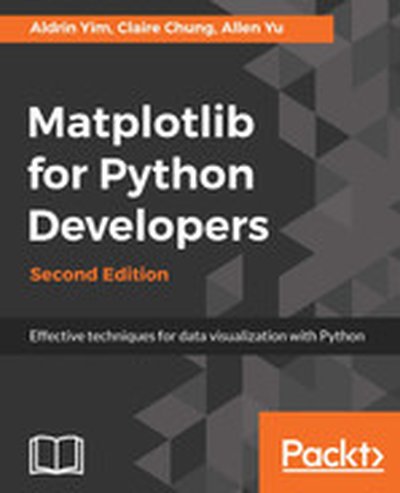
Matplotlib for Python Developers - Second Edition

"Matplotlib for Python Developers" is your comprehensive guide to creating interactive and informative data visualizations using the Matplotlib library in Python. This book covers all the essentials-from building static plots to integrating dynamic graphics with web applications. What this Book will help me do Design and customize stunning data visualizations including heatmaps and scatter plots. Integrate Matplotlib visualization seamlessly into GUI applications using GTK3 or Qt. Utilize advanced plotting libraries like Seaborn and GeoPandas for enhanced visual representation. Develop web-based dashboards and plots that dynamically update using Django. Master techniques to prepare your Matplotlib projects for deployment in a cloud-based environment. Author(s) Authors Aldrin Yim, Claire Chung, and Allen Yu are seasoned developers and data scientists with extensive experience in Python and data visualization. They bring a practical touch to technical concepts, aiming to bridge theory with hands-on applications. With such a skilled team behind this book, you'll gain both foundational knowledge and advanced insights into Matplotlib. Who is it for? This book is the ideal resource for Python developers and data analysts looking to enhance their data visualization skills. If you're familiar with Python and want to create engaging, clear, and dynamic visualizations, this book will give you the tools to achieve that. Designed for a range of expertise, from beginners understanding the basics to experienced users diving into complex integrations, this book has something for everyone. You'll be guided through every step, ensuring you build the confidence and skills needed to thrive in this area.

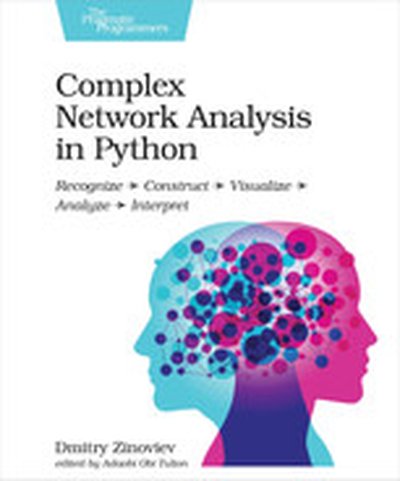
Complex Network Analysis in Python

Construct, analyze, and visualize networks with networkx, a Python language module. Network analysis is a powerful tool you can apply to a multitude of datasets and situations. Discover how to work with all kinds of networks, including social, product, temporal, spatial, and semantic networks. Convert almost any real-world data into a complex network--such as recommendations on co-using cosmetic products, muddy hedge fund connections, and online friendships. Analyze and visualize the network, and make business decisions based on your analysis. If you're a curious Python programmer, a data scientist, or a CNA specialist interested in mechanizing mundane tasks, you'll increase your productivity exponentially. Complex network analysis used to be done by hand or with non-programmable network analysis tools, but not anymore! You can now automate and program these tasks in Python. Complex networks are collections of connected items, words, concepts, or people. By exploring their structure and individual elements, we can learn about their meaning, evolution, and resilience. Starting with simple networks, convert real-life and synthetic network graphs into networkx data structures. Look at more sophisticated networks and learn more powerful machinery to handle centrality calculation, blockmodeling, and clique and community detection. Get familiar with presentation-quality network visualization tools, both programmable and interactive--such as Gephi, a CNA explorer. Adapt the patterns from the case studies to your problems. Explore big networks with NetworKit, a high-performance networkx substitute. Each part in the book gives you an overview of a class of networks, includes a practical study of networkx functions and techniques, and concludes with case studies from various fields, including social networking, anthropology, marketing, and sports analytics. Combine your CNA and Python programming skills to become a better network analyst, a more accomplished data scientist, and a more versatile programmer. What You Need: You will need a Python 3.x installation with the following additional modules: Pandas (>=0.18), NumPy (>=1.10), matplotlib (>=1.5), networkx (>=1.11), python-louvain (>=0.5), NetworKit (>=3.6), and generalizesimilarity. We recommend using the Anaconda distribution that comes with all these modules, except for python-louvain, NetworKit, and generalizedsimilarity, and works on all major modern operating systems.

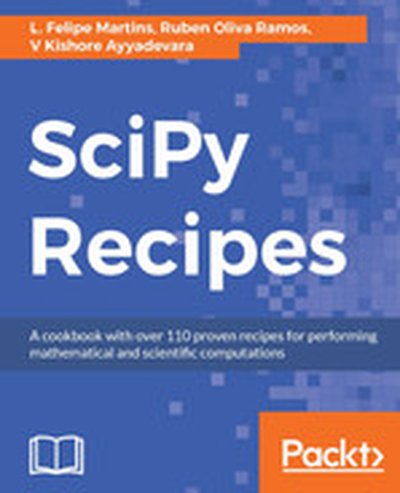
SciPy Recipes

Dive into the world of scientific computing with 'SciPy Recipes', a practical guide tailored for anyone seeking hands-on experience with the SciPy stack. With over 110 detailed recipes, you'll gain expertise in handling real-world data challenges, from statistical computations to crafting intricate visualizations and beyond. What this Book will help me do Learn to use the SciPy Stack libraries like NumPy, pandas, and matplotlib effectively for scientific computing tasks. Master data wrangling techniques using pandas for efficient data manipulation. Understand the process of creating informative visualizations using matplotlib. Perform advanced statistical and numerical computations with simplicity. Solve real-world problems like numerical analysis and linear algebra using SciPy components. Author(s) None Martins, Ruben Oliva Ramos, and V Kishore Ayyadevara bring years of experience in scientific computing and Python programming to this book. Individually, they have contributed extensively to the implementation of computational tools and systems. Together, they've crafted this book to be both accessible to learners and insightful for practitioners, blending instruction with real-world practical applications. Who is it for? This book is designed for Python developers, data scientists, and analysts eager to venture into scientific computing. If you have a basic understanding of Python and aspire to effectively manipulate and visualize data using the SciPy stack, this book is perfect for you. It's equally beneficial for those who seek practical solutions to complex computational challenges. Begin your journey into scientific computing with this essential guide.

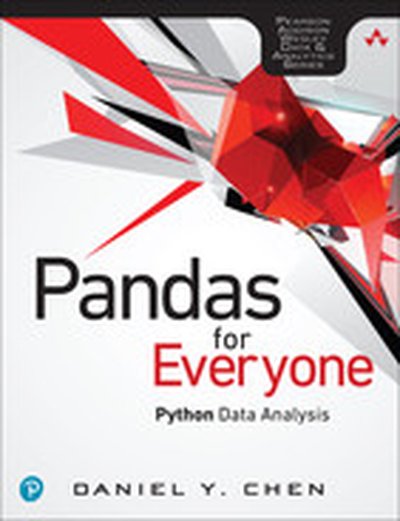
Pandas for Everyone: Python Data Analysis, First Edition

The Hands-On, Example-Rich Introduction to Pandas Data Analysis in Python Today, analysts must manage data characterized by extraordinary variety, velocity, and volume. Using the open source Pandas library, you can use Python to rapidly automate and perform virtually any data analysis task, no matter how large or complex. Pandas can help you ensure the veracity of your data, visualize it for effective decision-making, and reliably reproduce analyses across multiple datasets. brings together practical knowledge and insight for solving real problems with Pandas, even if you’re new to Python data analysis. Daniel Y. Chen introduces key concepts through simple but practical examples, incrementally building on them to solve more difficult, real-world problems. Pandas for Everyone Chen gives you a jumpstart on using Pandas with a realistic dataset and covers combining datasets, handling missing data, and structuring datasets for easier analysis and visualization. He demonstrates powerful data cleaning techniques, from basic string manipulation to applying functions simultaneously across dataframes. Once your data is ready, Chen guides you through fitting models for prediction, clustering, inference, and exploration. He provides tips on performance and scalability, and introduces you to the wider Python data analysis ecosystem. Work with DataFrames and Series, and import or export data Create plots with matplotlib, seaborn, and pandas Combine datasets and handle missing data Reshape, tidy, and clean datasets so they’re easier to work with Convert data types and manipulate text strings Apply functions to scale data manipulations Aggregate, transform, and filter large datasets with groupby Leverage Pandas’ advanced date and time capabilities Fit linear models using statsmodels and scikit-learn libraries Use generalized linear modeling to fit models with different response variables Compare multiple models to select the “best” Regularize to overcome overfitting and improve performance Use clustering in unsupervised machine learning Register your product at informit.com/register for convenient access to downloads, updates, and/or corrections as they become available.

Pandas Cookbook

The Pandas Cookbook offers a collection of practical recipes for mastering data manipulation, analysis, and visualization tasks using pandas. Through a methodological and hands-on approach, you will learn to utilize pandas for handling real-world datasets efficiently. By the end of this book, you will be able to solve complex data science problems and create insightful visual representations in Python. What this Book will help me do Understand the core functionalities of pandas 0.20 for exploring datasets effectively. Master filtering, selecting, and transforming data for targeted analysis. Leverage pandas' features for aggregating and transforming grouped data. Restructure data for analysis and create professional visualizations using integration with Seaborn and Matplotlib. Gain expertise in handling time series data and SQL-like merging operations. Author(s) Theodore Petrou, the author of the Pandas Cookbook, is a data scientist and Python expert with extensive experience teaching and using pandas in professional settings. Known for his practical approach, he meticulously explains each recipe and includes comprehensive examples and datasets in Jupyter notebooks to enhance your learning experience. Who is it for? This book is aimed at data scientists, Python developers, and analysts seeking an in-depth, practical guide to mastering data analysis with pandas. Whether you're a beginner with some knowledge of Python or an experienced analyst looking to refine your skills, this cookbook provides valuable insights and techniques for your data-driven tasks.

Python for Data Analysis, 2nd Edition

Get complete instructions for manipulating, processing, cleaning, and crunching datasets in Python. Updated for Python 3.6, the second edition of this hands-on guide is packed with practical case studies that show you how to solve a broad set of data analysis problems effectively. You’ll learn the latest versions of pandas, NumPy, IPython, and Jupyter in the process. Written by Wes McKinney, the creator of the Python pandas project, this book is a practical, modern introduction to data science tools in Python. It’s ideal for analysts new to Python and for Python programmers new to data science and scientific computing. Data files and related material are available on GitHub. Use the IPython shell and Jupyter notebook for exploratory computing Learn basic and advanced features in NumPy (Numerical Python) Get started with data analysis tools in the pandas library Use flexible tools to load, clean, transform, merge, and reshape data Create informative visualizations with matplotlib Apply the pandas groupby facility to slice, dice, and summarize datasets Analyze and manipulate regular and irregular time series data Learn how to solve real-world data analysis problems with thorough, detailed examples

Matplotlib 2.x By Example

"Matplotlib 2.x By Example" is your comprehensive guide to mastering data visualization in Python using the Matplotlib library. Through detailed explanations and hands-on examples, this book will teach you how to create stunning, insightful, and professional-looking visual representations of your data. You'll learn valuable skills tailored towards practical applications in science, marketing, and data analysis. What this Book will help me do Understand the core features of Matplotlib and how to use them effectively. Create professional 2D and 3D visualizations, such as scatter plots, line graphs, and more. Develop skills to transform raw data into meaningful insights through visualization. Enhance your data visualizations with interactive elements and animations. Leverage additional libraries such as Seaborn and Pandas to expand functionality. Author(s) Allen Yu, Claire Chung, and Aldrin Yim are seasoned data scientists and technical authors with extensive experience in Python and data visualization. Allen and his coauthors are dedicated to helping readers bridge the gap between their raw data and meaningful insights through visualization. With practical applications and real-world examples, their approachable writing makes complex libraries like Matplotlib accessible and production-ready. Who is it for? This book is perfect for data enthusiasts, analysts, and Python programmers looking to enhance their data visualization skills. Whether you're a professional aiming to create high-quality visual reports or a student eager to understand and present data effectively, this book provides practical and actionable insights. Basic Python knowledge is expected, while all Matplotlib-related aspects are thoroughly explained.

Python: Data Analytics and Visualization

Understand, evaluate, and visualize data About This Book Learn basic steps of data analysis and how to use Python and its packages A step-by-step guide to predictive modeling including tips, tricks, and best practices Effectively visualize a broad set of analyzed data and generate effective results Who This Book Is For This book is for Python Developers who are keen to get into data analysis and wish to visualize their analyzed data in a more efficient and insightful manner. What You Will Learn Get acquainted with NumPy and use arrays and array-oriented computing in data analysis Process and analyze data using the time-series capabilities of Pandas Understand the statistical and mathematical concepts behind predictive analytics algorithms Data visualization with Matplotlib Interactive plotting with NumPy, Scipy, and MKL functions Build financial models using Monte-Carlo simulations Create directed graphs and multi-graphs Advanced visualization with D3 In Detail You will start the course with an introduction to the principles of data analysis and supported libraries, along with NumPy basics for statistics and data processing. Next, you will overview the Pandas package and use its powerful features to solve data-processing problems. Moving on, you will get a brief overview of the Matplotlib API .Next, you will learn to manipulate time and data structures, and load and store data in a file or database using Python packages. You will learn how to apply powerful packages in Python to process raw data into pure and helpful data using examples. You will also get a brief overview of machine learning algorithms, that is, applying data analysis results to make decisions or building helpful products such as recommendations and predictions using Scikit-learn. After this, you will move on to a data analytics specialization - predictive analytics. Social media and IOT have resulted in an avalanche of data. You will get started with predictive analytics using Python. You will see how to create predictive models from data. You will get balanced information on statistical and mathematical concepts, and implement them in Python using libraries such as Pandas, scikit-learn, and NumPy. You'll learn more about the best predictive modeling algorithms such as Linear Regression, Decision Tree, and Logistic Regression. Finally, you will master best practices in predictive modeling. After this, you will get all the practical guidance you need to help you on the journey to effective data visualization. Starting with a chapter on data frameworks, which explains the transformation of data into information and eventually knowledge, this path subsequently cover the complete visualization process using the most popular Python libraries with working examples This Learning Path combines some of the best that Packt has to offer in one complete, curated package. It includes content from the following Packt products: Getting Started with Python Data Analysis, Phuong Vo.T.H &Martin Czygan Learning Predictive Analytics with Python, Ashish Kumar Mastering Python Data Visualization, Kirthi Raman Style and approach The course acts as a step-by-step guide to get you familiar with data analysis and the libraries supported by Python with the help of real-world examples and datasets. It also helps you gain practical insights into predictive modeling by implementing predictive-analytics algorithms on public datasets with Python. The course offers a wealth of practical guidance to help you on this journey to data visualization

Python Data Science Handbook

For many researchers, Python is a first-class tool mainly because of its libraries for storing, manipulating, and gaining insight from data. Several resources exist for individual pieces of this data science stack, but only with the Python Data Science Handbook do you get them all—IPython, NumPy, Pandas, Matplotlib, Scikit-Learn, and other related tools. Working scientists and data crunchers familiar with reading and writing Python code will find this comprehensive desk reference ideal for tackling day-to-day issues: manipulating, transforming, and cleaning data; visualizing different types of data; and using data to build statistical or machine learning models. Quite simply, this is the must-have reference for scientific computing in Python. With this handbook, you’ll learn how to use: IPython and Jupyter: provide computational environments for data scientists using Python NumPy: includes the ndarray for efficient storage and manipulation of dense data arrays in Python Pandas: features the DataFrame for efficient storage and manipulation of labeled/columnar data in Python Matplotlib: includes capabilities for a flexible range of data visualizations in Python Scikit-Learn: for efficient and clean Python implementations of the most important and established machine learning algorithms

Introduction to Machine Learning with Python

Machine learning has become an integral part of many commercial applications and research projects, but this field is not exclusive to large companies with extensive research teams. If you use Python, even as a beginner, this book will teach you practical ways to build your own machine learning solutions. With all the data available today, machine learning applications are limited only by your imagination. Youâ??ll learn the steps necessary to create a successful machine-learning application with Python and the scikit-learn library. Authors Andreas Müller and Sarah Guido focus on the practical aspects of using machine learning algorithms, rather than the math behind them. Familiarity with the NumPy and matplotlib libraries will help you get even more from this book. With this book, youâ??ll learn: Fundamental concepts and applications of machine learning Advantages and shortcomings of widely used machine learning algorithms How to represent data processed by machine learning, including which data aspects to focus on Advanced methods for model evaluation and parameter tuning The concept of pipelines for chaining models and encapsulating your workflow Methods for working with text data, including text-specific processing techniques Suggestions for improving your machine learning and data science skills

Data Visualization with Python and JavaScript

Learn how to turn raw data into rich, interactive web visualizations with the powerful combination of Python and JavaScript. With this hands-on guide, author Kyran Dale teaches you how build a basic dataviz toolchain with best-of-breed Python and JavaScript libraries—including Scrapy, Matplotlib, Pandas, Flask, and D3—for crafting engaging, browser-based visualizations. As a working example, throughout the book Dale walks you through transforming Wikipedia’s table-based list of Nobel Prize winners into an interactive visualization. You’ll examine steps along the entire toolchain, from scraping, cleaning, exploring, and delivering data to building the visualization with JavaScript’s D3 library. If you’re ready to create your own web-based data visualizations—and know either Python or JavaScript— this is the book for you. Learn how to manipulate data with Python Understand the commonalities between Python and JavaScript Extract information from websites by using Python’s web-scraping tools, BeautifulSoup and Scrapy Clean and explore data with Python’s Pandas, Matplotlib, and Numpy libraries Serve data and create RESTful web APIs with Python’s Flask framework Create engaging, interactive web visualizations with JavaScript’s D3 library

Python: Real-World Data Science

Unleash the power of Python and its robust data science capabilities About This Book Unleash the power of Python 3 objects Learn to use powerful Python libraries for effective data processing and analysis Harness the power of Python to analyze data and create insightful predictive models Unlock deeper insights into machine learning with this vital guide to cutting-edge predictive analytics Who This Book Is For Entry-level analysts who want to enter in the data science world will find this course very useful to get themselves acquainted with Python's data science capabilities for doing real-world data analysis. What You Will Learn Install and setup Python Implement objects in Python by creating classes and defining methods Get acquainted with NumPy to use it with arrays and array-oriented computing in data analysis Create effective visualizations for presenting your data using Matplotlib Process and analyze data using the time series capabilities of pandas Interact with different kind of database systems, such as file, disk format, Mongo, and Redis Apply data mining concepts to real-world problems Compute on big data, including real-time data from the Internet Explore how to use different machine learning models to ask different questions of your data In Detail The Python: Real-World Data Science course will take you on a journey to become an efficient data science practitioner by thoroughly understanding the key concepts of Python. This learning path is divided into four modules and each module are a mini course in their own right, and as you complete each one, you'll have gained key skills and be ready for the material in the next module. The course begins with getting your Python fundamentals nailed down. After getting familiar with Python core concepts, it's time that you dive into the field of data science. In the second module, you'll learn how to perform data analysis using Python in a practical and example-driven way. The third module will teach you how to design and develop data mining applications using a variety of datasets, starting with basic classification and affinity analysis to more complex data types including text, images, and graphs. Machine learning and predictive analytics have become the most important approaches to uncover data gold mines. In the final module, we'll discuss the necessary details regarding machine learning concepts, offering intuitive yet informative explanations on how machine learning algorithms work, how to use them, and most importantly, how to avoid the common pitfalls. Style and approach This course includes all the resources that will help you jump into the data science field with Python and learn how to make sense of data. The aim is to create a smooth learning path that will teach you how to get started with powerful Python libraries and perform various data science techniques in depth.

Python Business Intelligence Cookbook

Learn how to harness Python for business intelligence tasks with the 'Python Business Intelligence Cookbook.' This guide provides practical recipes that help transform raw data into actionable insights for better decision-making. From preparing and analyzing to visualizing data, you will acquire useful skills for implementing efficient BI systems within your organization. What this Book will help me do Master installing and setting up tools like Anaconda and MongoDB for BI work. Prepare datasets by cleaning, standardizing, and extracting essential data. Use Pandas and NoSQL databases to analyze data and extract insights. Build business dashboards utilizing visualization tools like Matplotlib. Gain the ability to create complete BI systems for various business needs. Author(s) None Dempsey has extensive experience in Python programming and data analysis. With a passion for teaching and applied business intelligence, Dempsey writes in a straightforward and approachable style, making complex topics accessible to readers. The recipes compiled in this book are built to be both practical and intuitive. Who is it for? This book is ideal for data analysts, managers, and professionals who have a basic understanding of Python and want to apply it to business intelligence tasks. It's also helpful for those familiar with BI concepts looking to enhance or modernize their workflows with Python-based tools. If you're seeking to gain actionable insights from data in your business, this book is for you.

Mastering Python Data Visualization

Mastering Python Data Visualization provides thorough, hands-on guidance for creating impactful visual representations of data by leveraging Python's powerful libraries such as Matplotlib, Pandas, and Scikit-Learn. By following this book, you will gain proficiency in understanding data, performing analyses, and ultimately presenting your findings in a clear and engaging way. What this Book will help me do Effectively transform raw data into insightful visualizations using Python's rich ecosystem of libraries. Understand and apply best practices for selecting the most appropriate visualization techniques for different datasets and objectives. Master the use of Python for interactive plotting, regression analysis, clustering, and classification tasks. Develop a solid foundation in data visualization aesthetics and how to convey information clearly through visuals. Utilize Python for specialized fields such as finance, bioinformatics, and social network analysis, incorporating advanced computation techniques. Author(s) Kirthi Raman is an experienced data scientist and Python advocate with a strong background in technical computing and data visualization. He has hands-on experience in using Python's ecosystem to solve real-world data problems and a passion for sharing knowledge. Raman's writing focuses on blending practical insights with comprehensive explanations, ensuring readers not only learn the tools but also apply them effectively. Who is it for? This book is ideal for data analysts, data scientists, and researchers who want to deepen their knowledge of Python-based data visualization techniques. It requires readers to have a basic understanding of Python and data manipulation. If your goal is to create professional and informative visual narratives that are both visually appealing and data-driven, this book is for you.

Learning IPython for Interactive Computing and Data Visualization, Second Edition

Dive into the powerful world of interactive computing and data visualization with Python in the Jupyter Notebook. In this book, you will gain foundational skills in Python and learn how to analyze and visualize data using popular libraries like pandas, NumPy, matplotlib, and more. By the end, you will be creating efficient computations and meaningful visualizations effortlessly. What this Book will help me do Understand the installation and usage of Anaconda and coding in Python through the Jupyter Notebook Gain practical experience in manipulating and exploring datasets with pandas Design advanced visualizations for data representation using matplotlib and seaborn Learn numerical computation and simulation techniques with NumPy and other tools Accelerate performance-sensitive tasks using tools like Numba and Cython Author(s) Cyrille Rossant, the author of this book, is a software developer and data scientist with extensive experience in Python, numerical computing, and data visualization. With a passion for making technical concepts approachable, his writing style blends clarity with practicality, ensuring readers from diverse backgrounds can successfully enhance their skills. Who is it for? This book is ideal for students, professionals, and hobbyists interested in data analysis and visualization. Beginners to Python programming will find it highly approachable. Those with some programming background but new to Python will also benefit greatly. Advanced readers will enjoy the in-depth discussions of performance optimizations and visualization customizations.

Python Data Analytics: Data Analysis and Science Using Pandas, matplotlib, and the Python Programming Language

Python Data Analytics will help you tackle the world of data acquisition and analysis using the power of the Python language. At the heart of this book lies the coverage of pandas, an open source, BSD-licensed library providing high-performance, easy-to-use data structures and data analysis tools for the Python programming language. Author Fabio Nelli expertly shows the strength of the Python programming language when applied to processing, managing and retrieving information. Inside, you will see how intuitive and flexible it is to discover and communicate meaningful patterns of data using Python scripts, reporting systems, and data export. This book examines how to go about obtaining, processing, storing, managing and analyzing data using the Python programming language. You will use Python and other open source tools to wrangle data and tease out interesting and important trends in that data that will allow you to predict future patterns. Whether you are dealing with sales data, investment data (stocks, bonds, etc.), medical data, web page usage, or any other type of data set, Python can be used to interpret, analyze, and glean information from a pile of numbers and statistics. This book is an invaluable reference with its examples of storing and accessing data in a database; it walks you through the process of report generation; it provides three real world case studies or examples that you can take with you for your everyday analysis needs.

Mastering Matplotlib

Mastering Matplotlib provides readers with the tools to not just create visualizations but to fully harness the capabilities of the Matplotlib library. You will explore advanced features, work on interactive visualizations, and learn to optimize plots for various platforms and datasets. By the end, you will be adept at using Matplotlib in complex projects involving data analysis and visualization. What this Book will help me do Understand the architecture and internals of Matplotlib to better utilize and extend its features. Develop visually dynamic and interactive plots that update in real-time with changes in the user interface. Leverage third-party libraries to visualize complex datasets and relationships efficiently. Create tailored styling for visualizations, meeting publication and presentation standards. Deploy and integrate Matplotlib-based visualizations into cloud environments and big data workflows seamlessly. Author(s) Duncan M. McGreggor is a seasoned software engineer with years of hands-on experience in data visualization and scientific computing. He specializes in utilizing Matplotlib for dynamic charting and advanced plotting use cases. His approach to writing focuses on empowering readers to apply and integrate visualization solutions in real-world scenarios. Who is it for? This book is ideal for scientists, software engineers, programmers, and students who have a foundational understanding of Matplotlib and are looking to take their skills to an advanced level. If you're aiming to leverage Matplotlib to handle intricate datasets or to create sophisticated visual representations, this book is for you. It caters to learners seeking practical guidance for professional or academic projects. Expand your visualization toolkit with this insightful guide.