talk-data.com talk-data.com

Event

O'Reilly Data Engineering Books

2001-10-19 – 2027-05-25 Oreilly Visit website ↗

Activities tracked

299

Collection of O'Reilly books on Data Engineering.

Filtering by: Big Data ×

Sessions & talks

Showing 26–50 of 299 · Newest first

Search within this event →
Data Analysis with Python and PySpark

Think big about your data! PySpark brings the powerful Spark big data processing engine to the Python ecosystem, letting you seamlessly scale up your data tasks and create lightning-fast pipelines. In Data Analysis with Python and PySpark you will learn how to: Manage your data as it scales across multiple machines Scale up your data programs with full confidence Read and write data to and from a variety of sources and formats Deal with messy data with PySpark’s data manipulation functionality Discover new data sets and perform exploratory data analysis Build automated data pipelines that transform, summarize, and get insights from data Troubleshoot common PySpark errors Creating reliable long-running jobs Data Analysis with Python and PySpark is your guide to delivering successful Python-driven data projects. Packed with relevant examples and essential techniques, this practical book teaches you to build pipelines for reporting, machine learning, and other data-centric tasks. Quick exercises in every chapter help you practice what you’ve learned, and rapidly start implementing PySpark into your data systems. No previous knowledge of Spark is required. About the Technology The Spark data processing engine is an amazing analytics factory: raw data comes in, insight comes out. PySpark wraps Spark’s core engine with a Python-based API. It helps simplify Spark’s steep learning curve and makes this powerful tool available to anyone working in the Python data ecosystem. About the Book Data Analysis with Python and PySpark helps you solve the daily challenges of data science with PySpark. You’ll learn how to scale your processing capabilities across multiple machines while ingesting data from any source—whether that’s Hadoop clusters, cloud data storage, or local data files. Once you’ve covered the fundamentals, you’ll explore the full versatility of PySpark by building machine learning pipelines, and blending Python, pandas, and PySpark code. What's Inside Organizing your PySpark code Managing your data, no matter the size Scale up your data programs with full confidence Troubleshooting common data pipeline problems Creating reliable long-running jobs About the Reader Written for data scientists and data engineers comfortable with Python. About the Author As a ML director for a data-driven software company, Jonathan Rioux uses PySpark daily. He teaches the software to data scientists, engineers, and data-savvy business analysts. Quotes A clear and in-depth introduction for truly tackling big data with Python. - Gustavo Patino, Oakland University William Beaumont School of Medicine The perfect way to learn how to analyze and master huge datasets. - Gary Bake, Brambles Covers both basic and more advanced topics of PySpark, with a good balance between theory and hands-on. - Philippe Van Bergenl, P² Consulting For beginner to pro, a well-written book to help understand PySpark. - Raushan Kumar Jha, Microsoft
Data Mesh

We're at an inflection point in data, where our data management solutions no longer match the complexity of organizations, the proliferation of data sources, and the scope of our aspirations to get value from data with AI and analytics. In this practical book, author Zhamak Dehghani introduces data mesh, a decentralized sociotechnical paradigm drawn from modern distributed architecture that provides a new approach to sourcing, sharing, accessing, and managing analytical data at scale. Dehghani guides practitioners, architects, technical leaders, and decision makers on their journey from traditional big data architecture to a distributed and multidimensional approach to analytical data management. Data mesh treats data as a product, considers domains as a primary concern, applies platform thinking to create self-serve data infrastructure, and introduces a federated computational model of data governance. Get a complete introduction to data mesh principles and its constituents Design a data mesh architecture Guide a data mesh strategy and execution Navigate organizational design to a decentralized data ownership model Move beyond traditional data warehouses and lakes to a distributed data mesh

Building Big Data Pipelines with Apache Beam

Building Big Data Pipelines with Apache Beam is the essential guide for mastering data processing using Apache Beam. This book covers both the basics and advanced concepts, from implementing pipelines to extending functionalities with custom I/O connectors. By the end, you'll be equipped to build scalable and reusable big data solutions. What this Book will help me do Understand the core principles of Apache Beam and its architecture. Learn how to create efficient data processing pipelines for diverse scenarios. Master the use of stateful processing for real-time data handling. Gain skills in using Beam's portability features for various languages. Explore advanced functionalities like creating custom I/O connectors. Author(s) None Lukavský is a seasoned data engineer with extensive experience in big data technologies and Apache Beam. Having worked on innovative data solutions across industries, None brings hands-on insights and practical expertise to this book. Their approach to teaching ensures readers can directly apply concepts to real-world scenarios. Who is it for? This book is designed for professionals involved in big data, such as data engineers, analysts, and scientists. It is particularly suited for those with an intermediate level of understanding of Java, aiming to expand their skill set to include advanced data pipeline construction. Whether you're stepping into Apache Beam for the first time or looking to deepen your expertise, this book offers valuable, actionable insights.

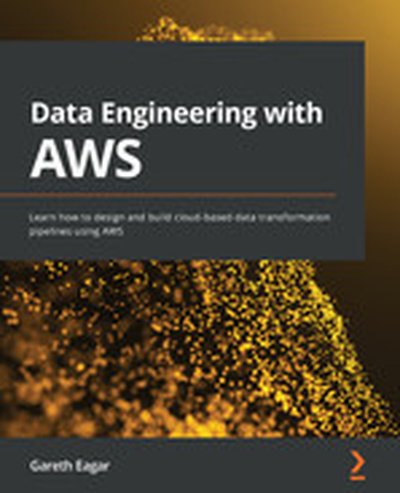
Data Engineering with AWS

Discover how to effectively build and manage data engineering pipelines using AWS with "Data Engineering with AWS". In this hands-on book, you'll explore the foundational principles of data engineering, learn to architect data pipelines, and work with essential AWS services to process, transform, and analyze data. What this Book will help me do Understand and implement modern data engineering pipelines with AWS services. Gain proficiency in automating data ingestion and transformation using Amazon tools. Perform efficient data queries and analysis leveraging Amazon Athena and Redshift. Create insightful data visualizations using Amazon QuickSight. Apply machine learning techniques to enhance data engineering processes. Author(s) None Eagar, a Senior Data Architect with over twenty-five years of experience, specializes in modern data architectures and cloud solutions. With a rich background in applying data engineering to real-world problems, None Eagar shares expertise in a clear and approachable way for readers. Who is it for? This book is perfect for data engineers and data architects aiming to grow their expertise in AWS-based solutions. It's also geared towards beginners in data engineering wanting to adopt the best practices. Those with a basic understanding of big data and cloud platforms will find it particularly valuable, but prior AWS experience is not required.

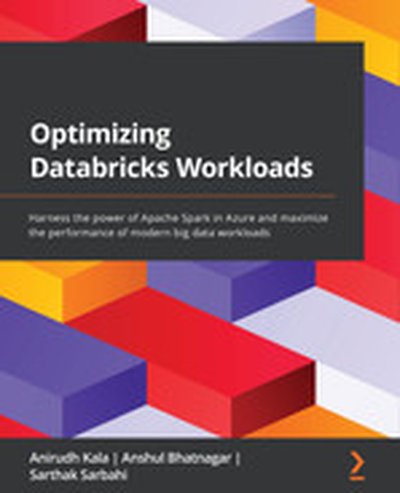
Optimizing Databricks Workloads

Unlock the full potential of Apache Spark on the Databricks platform with "Optimizing Databricks Workloads". This book equips you with must-know techniques to effectively configure, manage, and optimize big data processing pipelines. Dive into real-world scenarios and learn practical approaches to reduce costs and improve performance in your data engineering processes. What this Book will help me do Understand and apply optimization techniques for Databricks workloads. Choose the right cluster configurations to maximize efficiency and minimize costs. Leverage Delta Lake for performance-boosted data processing and optimization. Develop skills for managing Spark DataFrames and core functionalities in Databricks. Gain insights into real-world scenarios to effectively improve workload performance. Author(s) Anirudh Kala and the co-authors are experienced practitioners in the fields of data engineering and analytics. With years of professional expertise in leveraging Apache Spark and Databricks, they bring real-world insight into performance optimization. Their approach blends practical instruction with actionable strategies, making this book an essential guide for data engineers aiming to excel in this domain. Who is it for? This book is tailored for data engineers, data scientists, and cloud architects looking to elevate their skills in managing Databricks workloads. Ideal for readers with basic knowledge of Spark and Databricks, it helps them get hands-on with optimization techniques. If you are aiming to enhance your Spark-based data processing systems, this book offers the guidance you need.

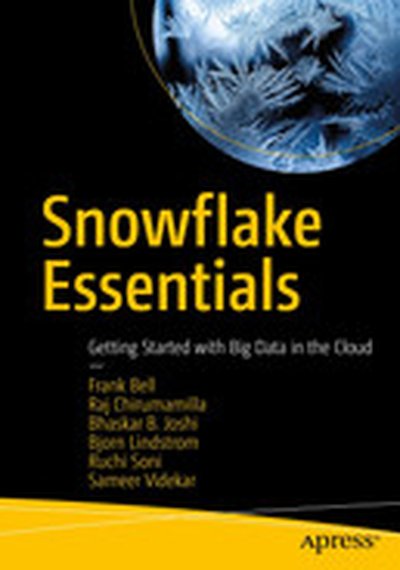
Snowflake Essentials: Getting Started with Big Data in the Cloud

Understand the essentials of the Snowflake Database and the overall Snowflake Data Cloud. This book covers how Snowflake’s architecture is different from prior on-premises and cloud databases. The authors also discuss, from an insider perspective, how Snowflake grew so fast to become the largest software IPO of all time. Snowflake was the first database made specifically to be optimized with a cloud architecture. This book helps you get started using Snowflake by first understanding its architecture and what separates it from other database platforms you may have used. You will learn about setting up users and accounts, and then creating database objects. You will know how to load data into Snowflake and query and analyze that data, including unstructured data such as data in XML and JSON formats. You will also learn about Snowflake’s compute platform and the different data sharing options that are available. What YouWill Learn Run analytics in the Snowflake Data Cloud Create users and roles in Snowflake Set up security in Snowflake Set up resource monitors in Snowflake Set up and optimize Snowflake Compute Load, unload, and query structured and unstructured data (JSON, XML) within Snowflake Use Snowflake Data Sharing to share data Set up a Snowflake Data Exchange Use the Snowflake Data Marketplace Who This Book Is For Database professionals or information technology professionals who want to move beyond traditional database technologies by learning Snowflake, a new and massively scalable cloud-based database solution

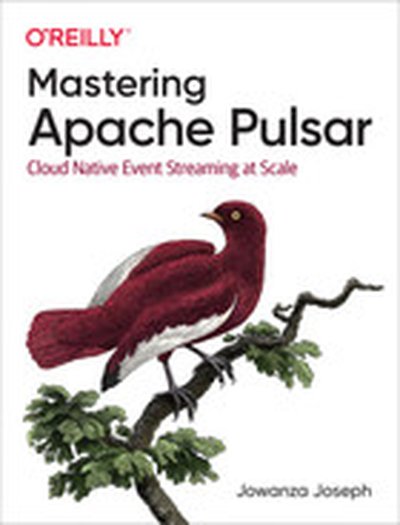
Mastering Apache Pulsar

Every enterprise application creates data, including log messages, metrics, user activity, and outgoing messages. Learning how to move these items is almost as important as the data itself. If you're an application architect, developer, or production engineer new to Apache Pulsar, this practical guide shows you how to use this open source event streaming platform to handle real-time data feeds. Jowanza Joseph, staff software engineer at Finicity, explains how to deploy production Pulsar clusters, write reliable event streaming applications, and build scalable real-time data pipelines with this platform. Through detailed examples, you'll learn Pulsar's design principles, reliability guarantees, key APIs, and architecture details, including the replication protocol, the load manager, and the storage layer. This book helps you: Understand how event streaming fits in the big data ecosystem Explore Pulsar producers, consumers, and readers for writing and reading events Build scalable data pipelines by connecting Pulsar with external systems Simplify event-streaming application building with Pulsar Functions Manage Pulsar to perform monitoring, tuning, and maintenance tasks Use Pulsar's operational measurements to secure a production cluster Process event streams using Flink and query event streams using Presto

Essential PySpark for Scalable Data Analytics

Dive into the world of scalable data processing with 'Essential PySpark for Scalable Data Analytics'. This book is a comprehensive guide that helps beginners understand and utilize PySpark to process, analyze, and draw insights from large datasets effectively. With hands-on tutorials and clear explanations, you will gain the confidence to tackle big data analytics challenges. What this Book will help me do Understand and apply the distributed computing paradigm for big data. Learn to perform scalable data ingestion, cleansing, and preparation using PySpark. Create and utilize data lakes and the Lakehouse paradigm for efficient data storage and access. Develop and deploy machine learning models with scalability in mind. Master real-time analytics pipelines and create impactful data visualizations. Author(s) None Nudurupati is an experienced data engineer and educator, specializing in distributed systems and big data technologies. With years of practical experience in the field, None brings a clear and approachable teaching style to technical topics. Passionate about empowering readers, the author has designed this book to be both practical and inspirational for aspiring data practitioners. Who is it for? This book is ideal for data professionals including data scientists, engineers, and analysts looking to scale their data analytics processes. It assumes familiarity with basic data science concepts and Python, as well as some experience with SQL-like data analysis. This is particularly suitable for individuals aiming to expand their knowledge in distributed computing and PySpark to handle big data challenges. Achieving scalable and efficient data solutions is at the core of this guide.

Data Engineering with Apache Spark, Delta Lake, and Lakehouse

Data Engineering with Apache Spark, Delta Lake, and Lakehouse is a comprehensive guide packed with practical knowledge for building robust and scalable data pipelines. Throughout this book, you will explore the core concepts and applications of Apache Spark and Delta Lake, and learn how to design and implement efficient data engineering workflows using real-world examples. What this Book will help me do Master the core concepts and components of Apache Spark and Delta Lake. Create scalable and secure data pipelines for efficient data processing. Learn best practices and patterns for building enterprise-grade data lakes. Discover how to operationalize data models into production-ready pipelines. Gain insights into deploying and monitoring data pipelines effectively. Author(s) None Kukreja is a seasoned data engineer with over a decade of experience working with big data platforms. He specializes in implementing efficient and scalable data solutions to meet the demands of modern analytics and data science. Writing with clarity and a practical approach, he aims to provide actionable insights that professionals can apply to their projects. Who is it for? This book is tailored for aspiring data engineers and data analysts who wish to delve deeper into building scalable data platforms. It is suitable for those with basic knowledge of Python, Spark, and SQL, and seeking to learn Delta Lake and advanced data engineering concepts. Readers should be eager to develop practical skills for tackling real-world data engineering challenges.

Storage Systems

Storage Systems: Organization, Performance, Coding, Reliability and Their Data Processing was motivated by the 1988 Redundant Array of Inexpensive/Independent Disks proposal to replace large form factor mainframe disks with an array of commodity disks. Disk loads are balanced by striping data into strips—with one strip per disk— and storage reliability is enhanced via replication or erasure coding, which at best dedicates k strips per stripe to tolerate k disk failures. Flash memories have resulted in a paradigm shift with Solid State Drives (SSDs) replacing Hard Disk Drives (HDDs) for high performance applications. RAID and Flash have resulted in the emergence of new storage companies, namely EMC, NetApp, SanDisk, and Purestorage, and a multibillion-dollar storage market. Key new conferences and publications are reviewed in this book.The goal of the book is to expose students, researchers, and IT professionals to the more important developments in storage systems, while covering the evolution of storage technologies, traditional and novel databases, and novel sources of data. We describe several prototypes: FAWN at CMU, RAMCloud at Stanford, and Lightstore at MIT; Oracle's Exadata, AWS' Aurora, Alibaba's PolarDB, Fungible Data Center; and author's paper designs for cloud storage, namely heterogeneous disk arrays and hierarchical RAID. Surveys storage technologies and lists sources of data: measurements, text, audio, images, and video Familiarizes with paradigms to improve performance: caching, prefetching, log-structured file systems, and merge-trees (LSMs) Describes RAID organizations and analyzes their performance and reliability Conserves storage via data compression, deduplication, compaction, and secures data via encryption Specifies implications of storage technologies on performance and power consumption Exemplifies database parallelism for big data, analytics, deep learning via multicore CPUs, GPUs, FPGAs, and ASICs, e.g., Google's Tensor Processing Units

Azure Databricks Cookbook

Azure Databricks is a robust analytics platform that leverages Apache Spark and seamlessly integrates with Azure services. In the Azure Databricks Cookbook, you'll find hands-on recipes to ingest data, build modern data pipelines, and perform real-time analytics while learning to optimize and secure your solutions. What this Book will help me do Design advanced data workflows integrating Azure Synapse, Cosmos DB, and streaming sources with Databricks. Gain proficiency in using Delta Tables and Spark for efficient data storage and analysis. Learn to create, deploy, and manage real-time dashboards with Databricks SQL. Master CI/CD pipelines for automating deployments of Databricks solutions. Understand security best practices for restricting access and monitoring Azure Databricks. Author(s) None Raj and None Jaiswal are experienced professionals in the field of big data and analytics. They are well-versed in implementing Azure Databricks solutions for real-world problems. Their collaborative writing approach ensures clarity and practical focus. Who is it for? This book is tailored for data engineers, scientists, and big data professionals who want to apply Azure Databricks and Apache Spark to their analytics workflows. A basic familiarity with Spark and Azure is recommended to make the best use of the recipes provided. If you're looking to scale and optimize your analytics pipelines, this book is for you.

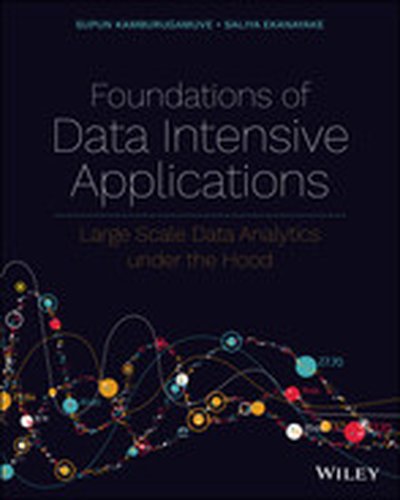
Foundations of Data Intensive Applications

PEEK “UNDER THE HOOD” OF BIG DATA ANALYTICS The world of big data analytics grows ever more complex. And while many people can work superficially with specific frameworks, far fewer understand the fundamental principles of large-scale, distributed data processing systems and how they operate. In Foundations of Data Intensive Applications: Large Scale Data Analytics under the Hood, renowned big-data experts and computer scientists Drs. Supun Kamburugamuve and Saliya Ekanayake deliver a practical guide to applying the principles of big data to software development for optimal performance. The authors discuss foundational components of large-scale data systems and walk readers through the major software design decisions that define performance, application type, and usability. You???ll learn how to recognize problems in your applications resulting in performance and distributed operation issues, diagnose them, and effectively eliminate them by relying on the bedrock big data principles explained within. Moving beyond individual frameworks and APIs for data processing, this book unlocks the theoretical ideas that operate under the hood of every big data processing system. Ideal for data scientists, data architects, dev-ops engineers, and developers, Foundations of Data Intensive Applications: Large Scale Data Analytics under the Hood shows readers how to: Identify the foundations of large-scale, distributed data processing systems Make major software design decisions that optimize performance Diagnose performance problems and distributed operation issues Understand state-of-the-art research in big data Explain and use the major big data frameworks and understand what underpins them Use big data analytics in the real world to solve practical problems

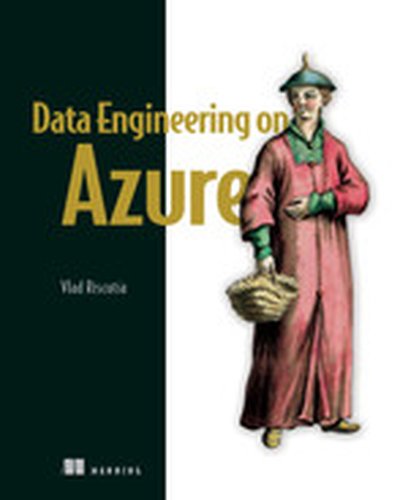
Data Engineering on Azure

Build a data platform to the industry-leading standards set by Microsoft’s own infrastructure. In Data Engineering on Azure you will learn how to: Pick the right Azure services for different data scenarios Manage data inventory Implement production quality data modeling, analytics, and machine learning workloads Handle data governance Using DevOps to increase reliability Ingesting, storing, and distributing data Apply best practices for compliance and access control Data Engineering on Azure reveals the data management patterns and techniques that support Microsoft’s own massive data infrastructure. Author Vlad Riscutia, a data engineer at Microsoft, teaches you to bring an engineering rigor to your data platform and ensure that your data prototypes function just as well under the pressures of production. You'll implement common data modeling patterns, stand up cloud-native data platforms on Azure, and get to grips with DevOps for both analytics and machine learning. About the Technology Build secure, stable data platforms that can scale to loads of any size. When a project moves from the lab into production, you need confidence that it can stand up to real-world challenges. This book teaches you to design and implement cloud-based data infrastructure that you can easily monitor, scale, and modify. About the Book In Data Engineering on Azure you’ll learn the skills you need to build and maintain big data platforms in massive enterprises. This invaluable guide includes clear, practical guidance for setting up infrastructure, orchestration, workloads, and governance. As you go, you’ll set up efficient machine learning pipelines, and then master time-saving automation and DevOps solutions. The Azure-based examples are easy to reproduce on other cloud platforms. What's Inside Data inventory and data governance Assure data quality, compliance, and distribution Build automated pipelines to increase reliability Ingest, store, and distribute data Production-quality data modeling, analytics, and machine learning About the Reader For data engineers familiar with cloud computing and DevOps. About the Author Vlad Riscutia is a software architect at Microsoft. Quotes A definitive and complete guide on data engineering, with clear and easy-to-reproduce examples. - Kelum Prabath Senanayake, Echoworx An all-in-one Azure book, covering all a solutions architect or engineer needs to think about. - Albert Nogués, Danone A meaningful journey through the Azure ecosystem. You’ll be building pipelines and joining components quickly! - Todd Cook, Appen A gateway into the world of Azure for machine learning and DevOps engineers. - Krzysztof Kamyczek, Luxoft

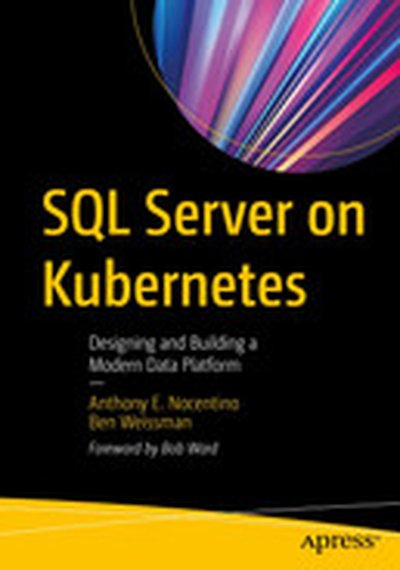
SQL Server on Kubernetes: Designing and Building a Modern Data Platform

Build a modern data platform by deploying SQL Server in Kubernetes. Modern application deployment needs to be fast and consistent to keep up with business objectives and Kubernetes is quickly becoming the standard for deploying container-based applications, fast. This book introduces Kubernetes and its core concepts. Then it shows you how to build and interact with a Kubernetes cluster. Next, it goes deep into deploying and operationalizing SQL Server in Kubernetes, both on premises and in cloud environments such as the Azure Cloud. You will begin with container-based application fundamentals and then go into an architectural overview of a Kubernetes container and how it manages application state. Then you will learn the hands-on skill of building a production-ready cluster. With your cluster up and running, you will learn how to interact with your cluster and perform common administrative tasks. Once you can admin the cluster, you will learn how to deploy applications and SQL Server in Kubernetes. You will learn about high-availability options, and about using Azure Arc-enabled Data Services. By the end of this book, you will know how to set up a Kubernetes cluster, manage a cluster, deploy applications and databases, and keep everything up and running. What You Will Learn Understand Kubernetes architecture and cluster components Deploy your applications into Kubernetes clusters Manage your containers programmatically through API objects and controllers Deploy and operationalize SQL Server in Kubernetes Implement high-availability SQL Server scenarios on Kubernetes using Azure Arc-enabled Data Services Make use of Kubernetes deployments for Big Data Clusters Who This Book Is For DBAs and IT architects who are ready to begin planning their next-generation data platform and want to understand what it takes to run SQL Server in a container in Kubernetes. SQL Server on Kubernetes is an excellent choice for those who want to understand the big picture of why Kubernetes is the next-generation deployment method for SQL Server but also want to understand the internals, or the how, of deploying SQL Server in Kubernetes. When finished with this book, you will have the vision and skills to successfully architect, build and maintain a modern data platform deploying SQL Server on Kubernetes.

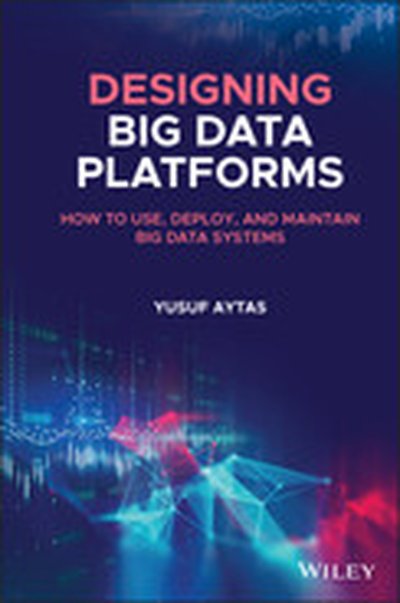
Designing Big Data Platforms

DESIGNING BIG DATA PLATFORMS Provides expert guidance and valuable insights on getting the most out of Big Data systems An array of tools are currently available for managing and processing data—some are ready-to-go solutions that can be immediately deployed, while others require complex and time-intensive setups. With such a vast range of options, choosing the right tool to build a solution can be complicated, as can determining which tools work well with each other. Designing Big Data Platforms provides clear and authoritative guidance on the critical decisions necessary for successfully deploying, operating, and maintaining Big Data systems. This highly practical guide helps readers understand how to process large amounts of data with well-known Linux tools and database solutions, use effective techniques to collect and manage data from multiple sources, transform data into meaningful business insights, and much more. Author Yusuf Aytas, a software engineer with a vast amount of big data experience, discusses the design of the ideal Big Data platform: one that meets the needs of data analysts, data engineers, data scientists, software engineers, and a spectrum of other stakeholders across an organization. Detailed yet accessible chapters cover key topics such as stream data processing, data analytics, data science, data discovery, and data security. This real-world manual for Big Data technologies: Provides up-to-date coverage of the tools currently used in Big Data processing and management Offers step-by-step guidance on building a data pipeline, from basic scripting to distributed systems Highlights and explains how data is processed at scale Includes an introduction to the foundation of a modern data platform Designing Big Data Platforms: How to Use, Deploy, and Maintain Big Data Systems is a must-have for all professionals working with Big Data, as well researchers and students in computer science and related fields.

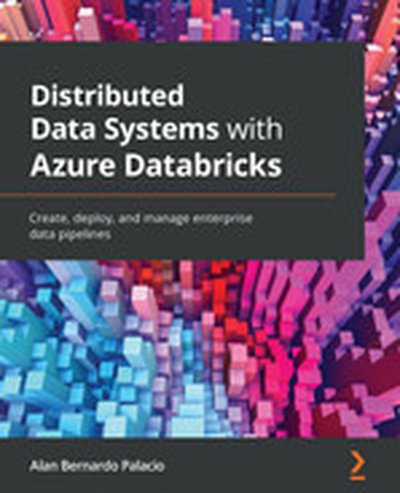
Distributed Data Systems with Azure Databricks

In 'Distributed Data Systems with Azure Databricks', you will explore the capabilities of Microsoft Azure Databricks as a platform for building and managing big data pipelines. Learn how to process, transform, and analyze data at scale while developing expertise in training distributed machine learning models and integrating them into enterprise workflows. What this Book will help me do Design and implement Extract, Transform, Load (ETL) pipelines using Azure Databricks. Conduct distributed training of machine learning models using TensorFlow and Horovod. Integrate Azure Databricks with Azure Data Factory for optimized data pipeline orchestration. Utilize Delta Engine for efficient querying and analysis of data within Delta Lake. Employ Databricks Structured Streaming to manage real-time production-grade data flows. Author(s) None Palacio is an experienced data engineer and cloud computing specialist, with extensive knowledge of the Microsoft Azure platform. With years of practical application of Databricks in enterprise settings, Palacio provides clear, actionable insights through relatable examples. They bring a passion for innovative solutions to the field of big data automation. Who is it for? This book is ideal for data engineers, machine learning engineers, and software developers looking to master Azure Databricks for large-scale data processing and analysis. Readers should have basic familiarity with cloud platforms, understanding of data pipelines, and a foundational grasp of Python and machine learning concepts. It is perfect for those wanting to create scalable and manageable data workflows.

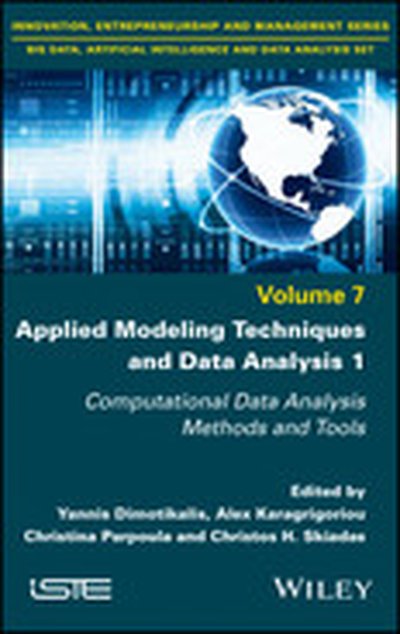
Applied Modeling Techniques and Data Analysis 1

BIG DATA, ARTIFICIAL INTELLIGENCE AND DATA ANALYSIS SET Coordinated by Jacques Janssen Data analysis is a scientific field that continues to grow enormously, most notably over the last few decades, following rapid growth within the tech industry, as well as the wide applicability of computational techniques alongside new advances in analytic tools. Modeling enables data analysts to identify relationships, make predictions, and to understand, interpret and visualize the extracted information more strategically. This book includes the most recent advances on this topic, meeting increasing demand from wide circles of the scientific community. Applied Modeling Techniques and Data Analysis 1 is a collective work by a number of leading scientists, analysts, engineers, mathematicians and statisticians, working on the front end of data analysis and modeling applications. The chapters cover a cross section of current concerns and research interests in the above scientific areas. The collected material is divided into appropriate sections to provide the reader with both theoretical and applied information on data analysis methods, models and techniques, along with appropriate applications.

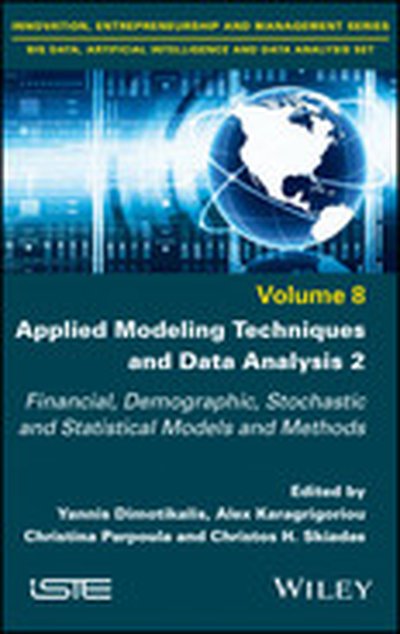
Applied Modeling Techniques and Data Analysis 2

BIG DATA, ARTIFICIAL INTELLIGENCE AND DATA ANALYSIS SET Coordinated by Jacques Janssen Data analysis is a scientific field that continues to grow enormously, most notably over the last few decades, following rapid growth within the tech industry, as well as the wide applicability of computational techniques alongside new advances in analytic tools. Modeling enables data analysts to identify relationships, make predictions, and to understand, interpret and visualize the extracted information more strategically. This book includes the most recent advances on this topic, meeting increasing demand from wide circles of the scientific community. Applied Modeling Techniques and Data Analysis 2 is a collective work by a number of leading scientists, analysts, engineers, mathematicians and statisticians, working on the front end of data analysis and modeling applications. The chapters cover a cross section of current concerns and research interests in the above scientific areas. The collected material is divided into appropriate sections to provide the reader with both theoretical and applied information on data analysis methods, models and techniques, along with appropriate applications.

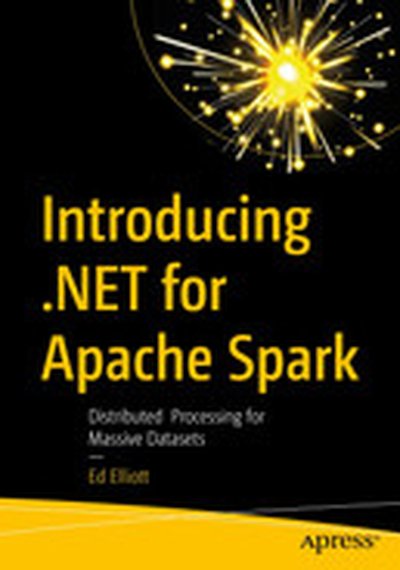
Introducing .NET for Apache Spark: Distributed Processing for Massive Datasets

Get started using Apache Spark via C# or F# and the .NET for Apache Spark bindings. This book is an introduction to both Apache Spark and the .NET bindings. Readers new to Apache Spark will get up to speed quickly using Spark for data processing tasks performed against large and very large datasets. You will learn how to combine your knowledge of .NET with Apache Spark to bring massive computing power to bear by distributed processing of extremely large datasets across multiple servers. This book covers how to get a local instance of Apache Spark running on your developer machine and shows you how to create your first .NET program that uses the Microsoft .NET bindings for Apache Spark. Techniques shown in the book allow you to use Apache Spark to distribute your data processing tasks over multiple compute nodes. You will learn to process data using both batch mode and streaming mode so you can make the right choice depending on whether you are processing an existing dataset or are working against new records in micro-batches as they arrive. The goal of the book is leave you comfortable in bringing the power of Apache Spark to your favorite .NET language. What You Will Learn Install and configure Spark .NET on Windows, Linux, and macOS Write Apache Spark programs in C# and F# using the .NET bindings Access and invoke the Apache Spark APIs from .NET with the same high performance as Python, Scala, and R Encapsulate functionality in user-defined functions Transform and aggregate large datasets Execute SQL queries against files through Apache Hive Distribute processing of large datasets across multiple servers Create your own batch, streaming, and machine learning programs Who This Book Is For .NETdevelopers who want to perform big data processing without having to migrate to Python, Scala, or R; and Apache Spark developers who want to run natively on .NET and take advantage of the C# and F# ecosystems

Implementation Guide for IBM Elastic Storage System 5000

This IBM® Redbooks® publication introduces and describes the IBM Elastic Storage® Server 5000 (ESS 5000) as a scalable, high-performance data and file management solution. The solution is built on proven IBM Spectrum® Scale technology, formerly IBM General Parallel File System (IBM GPFS). ESS is a modern implementation of software-defined storage, making it easier for you to deploy fast, highly scalable storage for AI and big data. With the lightning-fast NVMe storage technology and industry-leading file management capabilities of IBM Spectrum Scale, the ESS 3000 and ESS 5000 nodes can grow to over YB scalability and can be integrated into a federated global storage system. By consolidating storage requirements from the edge to the core data center — including kubernetes and Red Hat OpenShift — IBM ESS can reduce inefficiency, lower acquisition costs, simplify storage management, eliminate data silos, support multiple demanding workloads, and deliver high performance throughout your organization. This book provides a technical overview of the ESS 5000 solution and helps you to plan the installation of the environment. We also explain the use cases where we believe it fits best. Our goal is to position this book as the starting point document for customers that would use the ESS 5000 as part of their IBM Spectrum Scale setups. This book is targeted toward technical professionals (consultants, technical support staff, IT Architects, and IT Specialists) who are responsible for delivering cost-effective storage solutions with ESS 5000.

Blown to Bits: Your Life, Liberty, and Happiness After the Digital Explosion, 2nd Edition

What you must know to protect yourself today The digital technology explosion has blown everything to bits--and the blast has provided new challenges and opportunities. This second edition of Blown to Bits delivers the knowledge you need to take greater control of your information environment and thrive in a world thats coming whether you like it or not. Straight from internationally respected Harvard/MIT experts, this plain-English bestseller has been fully revised for the latest controversies over social media, fake news, big data, cyberthreats, privacy, artificial intelligence and machine learning, self-driving cars, the Internet of Things, and much more. Discover who owns all that data about youand what they can infer from it Learn to challenge algorithmic decisions See how close you can get to sending truly secure messages Decide whether you really want always-on cameras and microphones Explore the realities of Internet free speech Protect yourself against out-of-control technologies (and the powerful organizations that wield them) You will find clear explanations, practical examples, and real insight into what digital tech means to you--as an individual, and as a citizen.

What Is a Data Lake?

A revolution is occurring in data management regarding how data is collected, stored, processed, governed, managed, and provided to decision makers. The data lake is a popular approach that harnesses the power of big data and marries it with the agility of self-service. With this report, IT executives and data architects will focus on the technical aspects of building a data lake for your organization. Alex Gorelik from Facebook explains the requirements for building a successful data lake that business users can easily access whenever they have a need. You'll learn the phases of data lake maturity, common mistakes that lead to data swamps, and the importance of aligning data with your company's business strategy and gaining executive sponsorship. You'll explore: The ingredients of modern data lakes, such as the use of different ingestion methods for different data formats, and the importance of the three Vs: volume, variety, and velocity Building blocks of successful data lakes, including data ingestion, integration, persistence, data governance, and business intelligence and self-service analytics State-of-the-art data lake architectures offered by Amazon Web Services, Microsoft Azure, and Google Cloud

Big Data Management

Data analytics is core to business and decision making. The rapid increase in data volume, velocity and variety offers both opportunities and challenges. While open source solutions to store big data, like Hadoop, offer platforms for exploring value and insight from big data, they were not originally developed with data security and governance in mind. Big Data Management discusses numerous policies, strategies and recipes for managing big data. It addresses data security, privacy, controls and life cycle management offering modern principles and open source architectures for successful governance of big data. The author has collected best practices from the world’s leading organizations that have successfully implemented big data platforms. The topics discussed cover the entire data management life cycle, data quality, data stewardship, regulatory considerations, data council, architectural and operational models are presented for successful management of big data. The book is a must-read for data scientists, data engineers and corporate leaders who are implementing big data platforms in their organizations.

Data Lake Analytics on Microsoft Azure: A Practitioner's Guide to Big Data Engineering

Get a 360-degree view of how the journey of data analytics solutions has evolved from monolithic data stores and enterprise data warehouses to data lakes and modern data warehouses. You will This book includes comprehensive coverage of how: To architect data lake analytics solutions by choosing suitable technologies available on Microsoft Azure The advent of microservices applications covering ecommerce or modern solutions built on IoT and how real-time streaming data has completely disrupted this ecosystem These data analytics solutions have been transformed from solely understanding the trends from historical data to building predictions by infusing machine learning technologies into the solutions Data platform professionals who have been working on relational data stores, non-relational data stores, and big data technologies will find the content in this book useful. The book also can help you start your journey into the data engineer world as it provides an overview of advanced data analytics and touches on data science concepts and various artificial intelligence and machine learning technologies available on Microsoft Azure. What Will You Learn You will understand the: Concepts of data lake analytics, the modern data warehouse, and advanced data analytics Architecture patterns of the modern data warehouse and advanced data analytics solutions Phases—such as Data Ingestion, Store, Prep and Train, and Model and Serve—of data analytics solutions and technology choices available on Azure under each phase In-depth coverage of real-time and batch mode data analytics solutions architecture Various managed services available on Azure such as Synapse analytics, event hubs, Stream analytics, CosmosDB, and managed Hadoop services such as Databricks and HDInsight Who This Book Is For Data platform professionals, database architects, engineers, and solution architects

ETL with Azure Cookbook

ETL with Azure Cookbook is a comprehensive guide to building effective and scalable ETL solutions using the Azure cloud platform. Through hands-on recipes, this book explores the features and capabilities of Azure services for data integration and transformation, guiding you in creating efficient processes for moving and handling data. What this Book will help me do Master the basics and advanced techniques for building ETL processes on Azure. Learn practical skills in designing solutions that integrate multiple Azure services. Understand how to migrate existing on-premises ETL solutions to Azure successfully. Acquire knowledge of SQL Server and Azure Big Data Clusters for data integration. Gain experience in automating and optimizing data processes with BIML and Azure Databricks. Author(s) The authors of ETL with Azure Cookbook are experienced data engineers and Azure specialists with years of expertise in designing and implementing robust data solutions. Their professional journey includes hands-on work with SQL Server, Azure services, and scalable ETL frameworks. They aim to provide practical insights and actionable guidance to help readers achieve success in data engineering projects. Who is it for? This book is ideal for data architects, ETL developers, and IT professionals seeking to enhance their skills in data integration and transformation, particularly within the Azure ecosystem. It's suitable for individuals with some knowledge of data engineering principles, SQL, and familiarity with ETL processes who aim to adopt modern cloud-based approaches.