talk-data.com talk-data.com

Topic

API

Application Programming Interface (API)

integration software_development data_exchange

232

tagged

Activity Trend

65 peak/qtr
2020-Q1 2026-Q1

Activities

Showing filtered results

Filtering by: O'Reilly Data Engineering Books ×
HBase: The Definitive Guide

If you're looking for a scalable storage solution to accommodate a virtually endless amount of data, this book shows you how Apache HBase can fulfill your needs. As the open source implementation of Google's BigTable architecture, HBase scales to billions of rows and millions of columns, while ensuring that write and read performance remain constant. Many IT executives are asking pointed questions about HBase. This book provides meaningful answers, whether you’re evaluating this non-relational database or planning to put it into practice right away. Discover how tight integration with Hadoop makes scalability with HBase easier Distribute large datasets across an inexpensive cluster of commodity servers Access HBase with native Java clients, or with gateway servers providing REST, Avro, or Thrift APIs Get details on HBase’s architecture, including the storage format, write-ahead log, background processes, and more Integrate HBase with Hadoop's MapReduce framework for massively parallelized data processing jobs Learn how to tune clusters, design schemas, copy tables, import bulk data, decommission nodes, and many other tasks

HTML5 Geolocation

Truly revolutionary: now you can write geolocation applications directly in the browser, rather than develop native apps for particular devices. This concise book demonstrates the W3C Geolocation API in action, with code and examples to help you build HTML5 apps using the "write once, deploy everywhere" model. Along the way, you get a crash course in geolocation, browser support, and ways to integrate the API with common geo tools like Google Maps. Ideal for experienced JavaScript developers. Learn how geo information is gathered from different sources, depending on the device Discover how coordinate systems work, including geodetic systems and datums Use the API to collect location information from a user’s browser with JavaScript code Place geo information on a map using the Google Maps or ArcGIS JavaScript APIs Save geo data with databases, the Keyhole Markup Language, or the shapefile format Be familiar with several practical uses for geo data, such as geomarketing, geosocial, geotagging, and geo-applications

Querying XML

XML has become the lingua franca for representing business data, for exchanging information between business partners and applications, and for adding structure–and sometimes meaning—to text-based documents. XML offers some special challenges and opportunities in the area of search: querying XML can produce very precise, fine-grained results, if you know how to express and execute those queries.For software developers and systems architects: this book teaches the most useful approaches to querying XML documents and repositories. This book will also help managers and project leaders grasp how “querying XML” fits into the larger context of querying and XML. Querying XML provides a comprehensive background from fundamental concepts (What is XML?) to data models (the Infoset, PSVI, XQuery Data Model), to APIs (querying XML from SQL or Java) and more. * Presents the concepts clearly, and demonstrates them with illustrations and examples; offers a thorough mastery of the subject area in a single book. * Provides comprehensive coverage of XML query languages, and the concepts needed to understand them completely (such as the XQuery Data Model).* Shows how to query XML documents and data using: XPath (the XML Path Language); XQuery, soon to be the new W3C Recommendation for querying XML; XQuery's companion XQueryX; and SQL, featuring the SQL/XML * Includes an extensive set of XQuery, XPath, SQL, Java, and other examples, with links to downloadable code and data samples.

Data Source Handbook

If you're a developer looking to supplement your own data tools and services, this concise ebook covers the most useful sources of public data available today. You'll find useful information on APIs that offer broad coverage, tie their data to the outside world, and are either accessible online or feature downloadable bulk data. You'll also find code and helpful links. This guide organizes APIs by the subjects they cover—such as websites, people, or places—so you can quickly locate the best resources for augmenting the data you handle in your own service. Categories include: Website tools such as WHOIS, bit.ly, and Compete Services that use email addresses as search terms, including Github Finding information from just a name, with APIs such as WhitePages Services, such as Klout, for locating people with Facebook and Twitter accounts Search APIs, including BOSS and Wikipedia Geographical data sources, including SimpleGeo and U.S. Census Company information APIs, such as CrunchBase and ZoomInfo APIs that list IP addresses, such as MaxMind Services that list books, films, music, and products

Hadoop in Action

Hadoop in Action introduces the subject and teaches you how to write programs in the MapReduce style. It starts with a few easy examples and then moves quickly to show Hadoop use in more complex data analysis tasks. Included are best practices and design patterns of MapReduce programming. About the Technology Big data can be difficult to handle using traditional databases. Apache Hadoop is a NoSQL applications framework that runs on distributed clusters. This lets it scale to huge datasets. If you need analytic information from your data, Hadoop's the way to go. About the Book What's Inside Introduction to MapReduce Examples illustrating ideas in practice Hadoop's Streaming API Other related tools, like Pig and Hive About the Reader This book requires basic Java skills. Knowing basic statistical concepts can help with the more advanced examples. About the Author Chuck Lam is a Senior Engineer at RockYou! He has a PhD in pattern recognition from Stanford University. Quotes A guide for beginners, a source of insight for advanced users. - Philipp K. Janert, Principal Value, LLC A nice mix of the what, why, and how of Hadoop. - Paul Stusiak, Falcon Technologies Corp. Demystifies Hadoop. A great resource! - Rick Wagner, Acxiom Corp. Covers it all! Plus, gives you sweet extras no one else does. - John S. Griffin, Overstock.com An excellent introduction to Hadoop and MapReduce. - Kenneth DeLong, BabyCenter, LLC

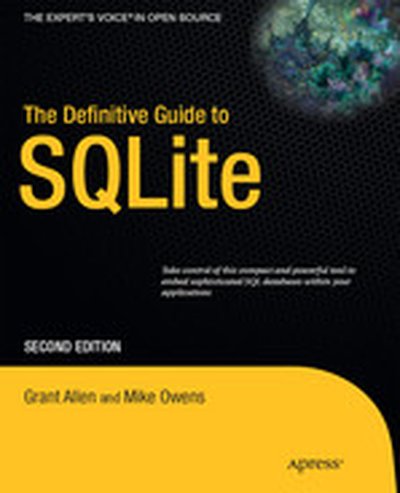
The Definitive Guide to SQLite, Second Edition

Outside of the world of enterprise computing, there is one database that enables a huge range of software and hardware to flex relational database capabilities, without the baggage and cost of traditional database management systems. That database is SQLite—an embeddable database with an amazingly small footprint, yet able to handle databases of enormous size. SQLite comes equipped with an array of powerful features available through a host of programming and development environments. It is supported by languages such as C, Java, Perl, PHP, Python, Ruby, TCL, and more. The Definitive Guide to SQLite, Second Edition is devoted to complete coverage of the latest version of this powerful database. It offers a thorough overview of SQLite's capabilities and APIs. The book also uses SQLite as the basis for helping newcomers make their first foray into database development. In only a short time you can be writing programs as diverse as a server-side browser plug-in or the next great iPhone or Android application! Learn about SQLite extensions for C, Java, Perl, PHP, Python, Ruby, and Tcl. Get solid coverage of SQLite internals. Explore developing iOS (iPhone) and Android applications with SQLite. SQLite is the solution chosen for thousands of products around the world, from mobile phones and GPS devices to set-top boxes and web browsers. You almost certainly use SQLite every day without even realizing it!

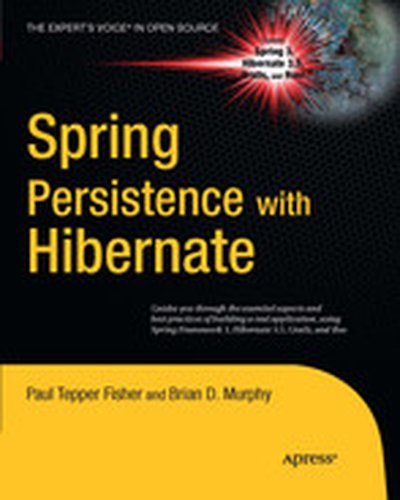
Spring Persistence with Hibernate

Persistence is an important set of techniques and technologies for accessing and transacting data, and ensuring that data is mobile regardless of specific applications and contexts. In Java development, persistence is a key factor in enterprise, e-commerce, and other transaction-oriented applications. Today, the Spring Framework is the leading out-of-the-box solution for enterprise Java developers; in it, you can find a number of Java Persistence solutions. This book gets you rolling with fundamental Spring Framework 3 concepts and integrating persistence functionality into enterprise Java applications using Hibernate, the Java™ Persistence API (JPA) 2, and the Grails Object Relational Mapping tool, GORM. Covers core Hibernate fundamentals, demonstrating how the framework can be best utilized within a Spring application context Covers how to use and integrate JPA 2, found in the new Java EE 6 platform Covers how to integrate and use the new Grails persistence engine, GORM

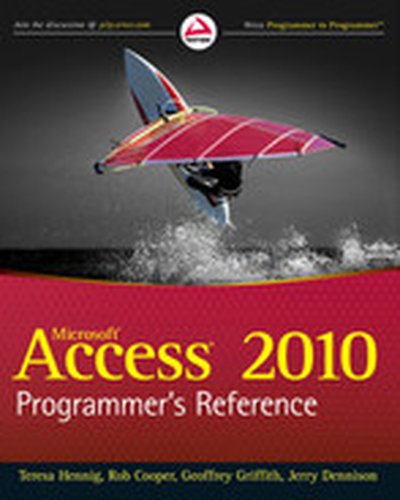
Microsoft® Access® 2010 Programmer's Reference

A comprehensive guide to programming for Access 2010 and 2007 Millions of people use the Access database applications, and hundreds of thousands of developers work with Access daily. Access 2010 brings better integration with SQL Server and enhanced XML support; this Wrox guide shows developers how to take advantage of these and other improvements. With in-depth coverage of VBA, macros, and other programming methods for building Access applications, this book also provides real-world code examples to demonstrate each topic. Access 2010 Programmer's Reference is a comprehensive guide to the best-of-breed techniques for programming Access applications. Coverage Includes: Introduction to Microsoft Access 2010 New Features Upgrading and Converting to Access 2010 Macros in Access 2010 Using the VBA Editor VBA Basics Using VBA in Access Creating Classes in VBA Extending VBA with APIs Working with the Windows Registry Using DAO to Access Data Using ADO to Access Data Using SQL with VBA Using VBA to Enhance Forms Enhancing Reports with VBA Customizing the Ribbon Customizing the Office Backstage Working with Office 2010 Working with SharePoint Working with .NET Building Client-Server Applications with Access The Access 2010 Templates Access Runtime Deployment Database Security Access 2010 Security Features

Lucene in Action, Second Edition

When Lucene first appeared, this superfast search engine was nothing short of amazing. Today, Lucene still delivers. Its high-performance, easy-to-use API, features like numeric fields, payloads, near-real-time search, and huge increases in indexing and searching speed make it the leading search tool. And with clear writing, reusable examples, and unmatched advice, Lucene in Action, Second Edition is still the definitive guide to effectively integrating search into your applications. This totally revised book shows you how to index your documents, including formats such as MS Word, PDF, HTML, and XML. It introduces you to searching, sorting, and filtering, and covers the numerous improvements to Lucene since the first edition. Source code is for Lucene 3.0.1. About the Technology About the Book What's Inside Performing hot backups Using numeric fields Tuning for indexing or searching speed Boosting matches with payloads Creating reusable analyzers Adding concurrency with threads Four new case studies Much more! About the Reader About the Authors Michael McCandless is a Lucene PMC member and committer with more than a decade of experience building search engines. Erik Hatcher and Otis Gospodnetić are the authors of the first edition of Lucene in Action and long-time contributors to Lucene, Solr, Mahout, and other Lucene-based projects. Quotes ... brings you up to speed. - Doug Cutting, Founder of Lucene, Nutch, and Hadoop This new edition has it all. - Chad Davis, Blackdog Software, Author of Struts 2 in Action Very readable, full of expert tips. - Rick Wagner, Acxiom Corp. Elegant, and easy to read - just like Lucene itself. - Shai Erera, IBM Haifa Research Labs For a Lucene developer, it's required reading. - Stuart Caborn, Thoughtworks

Inside Symbian SQL: A Mobile Developer's Guide to SQLite

This is the definitive guide for Symbian C++ developers looking to use Symbian SQL in applications or system software. Since Symbian SQL and SQLite are relatively new additions to the Symbian platform, Inside Symbian SQL begins with an introduction to database theory and concepts, including a Structured Query Language (SQL) tutorial. Inside Symbian SQL also provides a detailed overview of the Symbian SQL APIs. From the outset, you will “get your hands dirty” writing Symbian SQL code. The book includes snippets and examples that application developers can immediately put to use to get started quickly. For device creators and system software developers, Inside Symbian SQL offers a unique view into the internals of the implementation and a wealth of practical advice on how to make best and most efficient use of the Symbian SQL database. Several case studies are presented – these are success stories 'from the trenches', written by Symbian engineers. Special Features: The book assumes no prior knowledge of databases Includes detailed and approachable explanations of database concepts Easy to follow SQL tutorial with SQLite examples Unique view into the Symbian SQL internals Troubleshooting section with solutions to common problems Written by the Symbian engineers who implemented SQLite on Symbian, with more than 40 years combined Symbian C++ experience, this book is for anyone interested in finding out more about using a database on Symbian.

Developing Applications with IBM FileNet P8 APIs

This IBM® Redbooks® publication can help you develop content and process management applications with IBM FileNet® APIs. The IBM FileNet P8 suite of products contains a set of robust APIs that range from core platform APIs to supporting application APIs. This book focuses specifically on Content Engine and Process Engine APIs. Content Engine API topics that we discuss include creating, retrieving, updating, and deleting objects; querying and viewing documents; and batching and batch execution. We also explore more complex topics, including permissions and authorization, versioning, relationships, annotations, workflow subscriptions and event actions, metadata discovery, and dynamic security inheritance. Process Engine API topics that we discuss include launching a workflow, searching for and processing work items, and working with process status. The more complex topics we cover include, Component Integrator application space, role, workbasket, resource navigation in Process Engine REST API, ECM Widgets, and building a custom Get Next In-basket widget. To help you better understand programming with IBM FileNet APIs, we provide a sample application implemented for a fictional company. We include the data model, security model, workflows, and various applications developed for the sample. You can download them for your reference. This book is intended for IBM FileNet P8 application developers. We recommend using this book in conjunction with the online ECM help.

Oracle

Oracle Performance Survival Guide A Systematic Approach to Database Optimization The fast, complete, start-to-finish guide to optimizing Oracle performance Oracle Performance Survival Guide offers a structured, systematic, start-to-finish methodology for optimizing Oracle performance as efficiently as possible. Leading Oracle expert Guy Harrison shows how to maximize your tuning investment by focusing on causes rather than symptoms, and by quickly identifying the areas that deliver the greatest “bang for the buck.” Writing for DBAs and developers with all levels of experience, Harrison covers every area of Oracle performance management, from application design through SQL tuning, contention management through memory and physical IO management. He also presents up-to-the-minute guidance for optimizing the performance of the Oracle 11g Release 2. You’ll start by mastering Oracle structured performance tuning principles and tools, including techniques for tracing and monitoring Oracle execution. Harrison illuminates the interaction between applications and databases, guides you through choosing tuning tools, and introduces upfront design techniques that lead to higher-performance applications. He also presents a collection of downloadable scripts for reporting on all aspects of database performance. Coverage includes • “Tuning by layers,” the most effective, highest-value approach to Oracle performance optimization • Making the most of Oracle’s core tools for tracing, monitoring, and diagnosing performance • Highly efficient database logical and physical design, indexing, transaction design, and API use • SQL and PL/SQL tuning, including the use of parallel SQL techniques • Minimizing contention for locks, latches, shared memory, and other database resources • Optimizing memory and physical disk IO • Tuning Real Application Cluster (RAC) databases guyharrison.net informit.com/ph

Pro Business Activity Monitoring in BizTalk 2009

Business Activity Monitoring, or BAM, provides real-time business intelligence by capturing data as it flows through a business system. By using BAM, you can monitor a business process in real time and generate alerts when the process needs human intervention. Pro Business Activity Monitoring in BizTalk 2009 focuses on Microsoft's BAM tools, which provide a flexible infrastructure that captures data from Windows Communication Foundation, Windows Workflow Foundation, .NET applications, and BizTalk Server. This book shows why BAM is an important component of any business intelligence strategy because it bridges the gap between business intelligence and business process management. Part One of the book covers the basics of BAM. It teaches you how to install BAM, and then it leads you through a complete but simple project to capture data from a WCF service Part Two of the book describes the BAM tool set. It shows you how to define the data that is captured by BAM, wire up a BizTalk application for BAM, and view BAM data using the BAM Portal Part Three of the book focuses on monitoring applications written in WCF or WF. It also shows you how to use the BAM API Part Four of the book covers advanced topics in BAM. These topics include integrating BAM with Microsoft's BI stack, creating relationships between BAM activities, managing BAM servers, and monitoring BizTalk applications using BAM This book contains numerous exercises to help you learn BAM. Source code for the samples is available from Apress.com. For many CIOs, business intelligence is at the top of their priority lists. Learn why with Pro Business Activity Monitoring in BizTalk 2009. What you'll learn Show users what your application is doing and how their business Implement a BAM solution without writing any code Monitor applications written in WCF, WF, and BizTalk Server Create an observation model to define the data that BAM will collect from your application Use the BAM API to implement custom BAM solutions Manage a BAM solution Integrate BAM with your BI strategy and Microsoft's BI tools Who this book is for This book is for anyone who wants to know what's happening in their organization, right now! Developers building WCF, WF, or BizTalk applications will learn how to monitor those applications without writing extra code. Architects will learn how to bridge service-oriented architecture, business process management, and BI. Decision makers will learn how to see what's happening inside business processes. BI specialists will learn how BAM provides real-time capabilities that supplement any BI strategy. Business users and analysts will learn how BAM allows them to understand what's happening in the business every minute of every day. About the Apress Pro Series The Apress Pro series books are practical, professional tutorials to keep you on and moving up the professional ladder. You have gotten the job, now you need to hone your skills in these tough competitive times. The Apress Pro series expands your skills and expertise in exactly the areas you need. Master the content of a Pro book, and you will always be able to get the job done in a professional development project. Written by experts in their field, Pro series books from Apress give you the hard-won solutions to problems you will face in your professional programming career.

IBM® Lotus® Connections 2.0: Planning and Implementing Social Software for Your Enterprise

The Practical, Complete Guide to Leveraging the Power of Social Networks with Lotus Connections 2.0 IBM ® Lotus ® Connections 2.0 gives businesses all the tools they need to make the most of social networking—easily, securely, and cost-effectively. Now, a team of IBM Lotus Connections experts thoroughly introduce this breakthrough product and covers every facet of planning, deploying, and using it successfully. IBM Lotus Connections 2.0 covers both business and technical issues and presents proven best practices for every step of the implementation process. The authors first help you identify your best opportunities to use social networking for competitive advantage and demonstrate how Lotus Connections 2.0 places state-of-the-art social networking tools at your fingertips. Next, they carefully describe each component of the product, including profiles, activities, blogs, communities, “dog-ear” bookmarking, personal home pages, and more. They present practical coverage of administering Lotus Connections as well as detailed guidance on extending and integrating it. Whether you’re an executive, IT manager, or technical professional, this eBook has all the information you need to put social networking to work—and deliver powerful, quantifiable results. Coverage includes Assessing the potential value of social networking to your business Building dynamic networks of coworkers, partners, and customers that promote innovation and business agility Understanding the core services Lotus Connections 2.0 provides and the unique way in which they integrate Leveraging Lotus Connections’ consistent multitiered architecture Successfully planning for technical infrastructure and organizational change Walking through a best-practice installation and configuration process Building effective communities for employees with shared interests Using blogs to improve communications and overcome organizational silos or time zone differences Helping individuals and groups organize their work through Activities Performing administrative tasks such as customizing look-and-feel, collecting statistics, and troubleshooting Using plug-ins to integrate with Lotus Notes ®, Microsoft ® Office ®, Outlook ®, Windows ® Explorer, Lotus Sametime ®, and WebSphere ® Portal Displaying useful, up-to-the-minute information with prebuilt widgets Utilizing Lotus Connections’ REST-based API to create new integration points and build custom applications

NHibernate in Action

In the classic style of Manning's "In Action" series, NHibernate in Action introduces .NET developers to the NHibernate Object/Relational Mapping tool. As NHibernate is a port of Hibernate from Java to .NET, the book is based on Manning's bestselling Hibernate in Action. NHibernate in Action begins by describing how to implement persistence in a layered .NET application. The book then quickly springs into action by introducing NHibernate through a classic "Hello World" example. It explains how to configure NHibernate to specify the mapping information between business objects and database tables, and then explores the internal architecture of NHibernate. A complete example application is progressively built with Agile methodologies in mind, which shows readers all kinds of entity and relationship mappings and how to perform CRUD operations. The book also covers advanced techniques like caching, concurrency access, and isolation levels. The Hibernate Query Language (HQL) and criteria query APIs are thoroughly detailed with optimization tips. The last chapters of this book discuss various development scenarios, how to implement the layers of an NHibernate application (covering Windows and Web development), and which tools are available for these tasks. They also provide some solutions for data-binding objects to .NET GUI controls, integrating services, and interacting with components using DataSets. Finally, they explain how to build a complex application involving advanced session management and distributed transactions. About the Technology About the Book NHibernate in Action begins by describing how to implement persistence in a layered .NET application. The book then quickly springs into action by introducing NHibernate through a classic "Hello World" example. It explains how to configure NHibernate to specify the mapping information between business objects and database tables, and then explores the internal architecture of NHibernate. A complete example application is progressively built with Agile methodologies in mind, which shows readers all kinds of entity and relationship mappings and how to perform CRUD operations. The book also covers advanced techniques like caching, concurrency access, and isolation levels. The Hibernate Query Language (HQL) and criteria query APIs are thoroughly detailed with optimization tips. The last chapters of this book discuss various development scenarios, how to implement the layers of an NHibernate application (covering Windows and Web development), and which tools are available for these tasks. They also provide some solutions for data-binding objects to .NET GUI controls, integrating services, and interacting with components using DataSets. Finally, they explain how to build a complex application involving advanced session management and distributed transactions. What's Inside Object/Relational Mapping for .NET NHibernate configuration, mapping, and query APIs Development processes for the domain model and data-binding Advanced session management and distributed transactions Using NHibernate in real-world projects About the Reader About the Author Pierre Henri Kuaté is one of the main developers on the NHibernate project team, author of the NHibernate.Mapping.Attributes library, and a major contributor to the NHibernate forum. He's responsible for managing the NHibernate documentation, website, and forum on the Hibernate.org site. He started using NHibernate more than two years ago in commercial development. Tobin Harris has worked with NHibernate since it was in early Beta. His passion is tools and practices that help build quality software at high speeds. As an independent consultant and entrepreneur, Tobin works with companies across the globe in various sectors including banking, personal finance, healthcare, software components and new media. In 2001, Tobin was the founder of the Open Source SqlBuddy project. Subsequently he has worked in partnership with Frost Innovation on Gaia Ajax Widgets, an Open Source Ajax suite for .NET. Tobin obtained his degree in Software Engineering at Leeds Metropolitan University, and continues to work and live in Leeds, UK. Christian Bauer is a member of the Hibernate developer team and a trainer, consultant, and product manager for Hibernate, EJB 3.0, and JBoss Seam at JBoss. He is the lead author of Hibernate in Action and Java Persistence with Hibernate. Gavin King is a lead developer at JBoss, the creator of Hibernate, and a member of the EJB 3.0 (JSR 220) expert group. He also leads the Web Beans JSR 299, a standardization effort involving Hibernate concepts, JSF, and EJB 3.0. Quotes A much needed book for novices and experts. - Mark Monster, Rubicon Finally, a great book covering NHibernate. - Paul Wilson, McKesson A must-have for NHibernate developers. - Ayende Rahien, NHibernate Committer Accelerates your learning curve for ORM in .NET. - Doug Warren, Java Web Services

Beginning Google Maps Mashups with Mapplets, KML, and GeoRSS: From Novice to Professional

Beginning Google Maps Mashups with Mapplets, KML, and GeoRSS is a beginner's guide to creating web mashups using Google mapping technology. Serves as a single–source primer to displaying data on Google Maps Covers both Mapplets and the Google Maps API Provides everything you need to start participating in the geographic Web What you'll learn "Mash up" GeoWeb services onto a Google map Package your mashup as a mapplet and publish it to maps.google.com Enhance your map with driving directions, local search, map advertising, and more Discover common Google–mapping mistakes to avoid Find out how and when to geocode existing data into mappable coordinates Deliver your own data as GeoXML Who this book is for This book is for web designers and developers who have not worked with Google Maps or geographic data before. A working knowledge of HTML is required, and some programming experience is beneficial.

Googlepedia: The Ultimate Google Resource, Third Edition

Googlepedia® Third Edition The all-encompassing book about everything Google. Not only will you learn advanced search techniques, but you also will learn how to master Google’s web and software tools. It’s all inside! Google Chrome Google’s new web browser Google Gadgets create your own gadgets Google Gears turn web applications into desktop applications Android use Google’s phone Blogger create your own personal blog Gmail Google’s web-based email service Google Web Search the most popular search on the Internet Google AdSense put profit-making ads on their own website Google AdWords buy keyword advertising on the Google site Google Product Search find hot deals without ever leaving your office chair Google Calendar a web-based scheduling and public calendar service Google Desktop search documents and emails on your PC’s hard drive Google Docs create and share web-based word processing and spreadsheet documents Google Earth a fun way to view 3D maps of any location on Earth YouTube view and share videos over the Web Google Groups a collection of user-created message forums Google Maps maps, satellite images, and driving directions for any location GOOGLE MAY BE THE INTERNET’S MOST POPULAR SEARCH SITE, BUT IT’S ALSO MORE THAN JUST SIMPLE WEB SEARCHES. • Use Google developer tools and APIs • Create MySpace and Facebook applications with OpenSocial • Use Google Gears to turn web-based applications into desktop applications • Use Google to search for news headlines, scholarly articles, and the best prices on the Web • Read and respond to blog postings and create your own blogs with Blogger • View the latest viral videos with YouTube • Use Android, the new Google phone • Use Google with the Apple iPhone and iPod Touch • Create maps and driving directions with Google Maps • Use Google’s free web-based email service Gmail • Create your own custom Google Maps mashups–and put customized Google search on your own website Michael Miller has written more than 80 nonfiction how-to books, including Que’s Absolute Beginner’s Guide to Computer Basics, YouTube for Business, and Photopedia: The Ultimate Digital Photography Resource. Category: Internet Covers: Google User Level: Intermediate to Advanced

MySQL®

The Definitive Guide to Using, Programming, and Administering MySQL 5.0 and 5.1 MySQL is an open source relational database management system that has experienced a phenomenal growth in popularity and use. Known for its speed and ease of use, MySQL has proven itself to be particularly well-suited for developing database-backed websites and applications. In MySQL, Paul DuBois provides a comprehensive guide to using and administering MySQL effectively and productively. He describes everything from the basics of getting information into a database and formulating queries, to using MySQL with PHP or Perl to generate dynamic web pages, to writing your own programs that access MySQL databases, to administering MySQL servers. The fourth edition of this bestselling book has been meticulously revised and updated to thoroughly cover the latest features and capabilities of MySQL 5.0, as well as to add new coverage of features introduced with MySQL 5.1. “One of the best technical books I have read on any subject.” –Gregory Haley, C Vu, The Association of C & C++ Users “A top-notch user’s guide and reference manual, and in my opinion, the only book you’ll need for the daily operation and maintenance of MySQL databases.” –Eugene Kim, Web Techniques Introduction 1 Part I: General MySQL Use Chapter 1: Getting Started with MySQL 13 Chapter 2: Using SQL to Manage Data 101 Chapter 3: Data Types 201 Chapter 4: Stored Programs 289 Chapter 5: Query Optimization 303 Part II: Using MySQL Programming Interfaces Chapter 6: Introduction to MySQL Programming 341 Chapter 7: Writing MySQL Programs Using C 359 Chapter 8: Writing MySQL Programs Using Perl DBI 435 Chapter 9: Writing MySQL Programs Using PHP 527 Part III: MySQL Administration Chapter 10: Introduction to MySQL Administration 579 Chapter 11: The MySQL Data Directory 585 Chapter 12: General MySQL Administration 609 Chapter 13: Access Control and Security 699 Chapter 14: Database Maintenance, Backups, and Replication 737 Part IV: Appendixes Appendix A: Obtaining and Installing Software 777 Appendix B: Data Type Reference 797 Appendix C: Operator and Function Reference 813 Appendix D: System, Status, and User Variable Reference 889 Appendix E: SQL Syntax Reference 937 Appendix F: MySQL Program Reference 1037 Note: Appendixes G, H, and I are located online and are accessible either by registering this book at informit.com/register or by visiting www.kitebird.com/mysql-book. Appendix G: C API Reference 1121 Appendix H: Perl DBI API Reference 1177 Appendix I: PHP API Reference 1207 Index 1225

XSLT 2.0 and XPath 2.0 Programmer's Reference, 4th Edition

This book is primarily a practical reference book for professional XSLT developers. It assumes no previous knowledge of the language, and many developers have used it as their first introduction to XSLT; however, it is not structured as a tutorial, and there are other books on XSLT that provide a gentler approach for beginners. The book does assume a basic knowledge of XML, HTML, and the architecture of the Web, and it is written for experienced programmers. There's no assumption that you know any particular language such as Java or Visual Basic, just that you recognize the concepts that all programming languages have in common. The book is suitable both for XSLT 1.0 users upgrading to XSLT 2.0, and for newcomers to XSLT. The book is also equally suitable whether you work in the Java or .NET world. As befits a reference book, a key aim is that the coverage should be comprehensive and authoritative. It is designed to give you all the details, not just an overview of the 20 percent of the language that most people use 80 percent of the time. It's designed so that you will keep coming back to the book whenever you encounter new and challenging programming tasks, not as a book that you skim quickly and then leave on the shelf. If you like detail, you will enjoy this book; if not, you probably won't. But as well as giving the detail, this book aims to explain the concepts, in some depth. It's therefore a book for people who not only want to use the language but who also want to understand it at a deep level. The book aims to tell you everything you need to know about the XSLT 2.0 language. It gives equal weight to the things that are new in XSLT 2.0 and the things that were already present in version 1.0. The book is about the language, not about specific products. However, there are appendices about Saxon (the author's own implementation of XSLT 2.0), about the Altova XSLT 2.0 implementation, and about the Java and Microsoft APIs for controlling XSLT transformations, which will no doubt be upgraded to handle XSLT 2.0 as well as 1.0. A third XSLT 2.0 processor, Gestalt, was released shortly before the book went to press, too late to describe it in any detail. But the experience of XSLT 1.0 is that there has been a very high level of interoperability between different XSLT processors, and if you can use one of them, then you can use them all. In the previous edition we split XSLT 2.0 and XPath 2.0 into separate volumes. The idea was that some readers might be interested in XPath alone. However, many bought the XSLT 2.0 book without its XPath companion and were left confused as a result; so this time, the material is back together. The XPath reference information is in self-contained chapters, so it should still be accessible when you use XPath in contexts other than XSLT. The book does not cover XSL Formatting Objects, a big subject in its own right. Nor does it cover XML Schemas in any detail. If you want to use these important technologies in conjunction with XSLT, there are other books that do them justice. This book contains twenty chapters and eight appendixes (the last of which is a glossary) organized into four parts. The following section outlines what you can find in each part, chapter, and appendix. Part I: Foundations: The first part of the book covers essential concepts. You should read these before you start coding. If you ignore this advice, as most people do, then you read them when you get to that trough of despair when you find it impossible to make the language do anything but the most trivial tasks. XSLT is different from other languages, and to make it work for you, you need to understand how it was designed to be used. Chapter 1: XSLT in Context: This chapter explains how XSLT fits into the big picture: how the language came into being and how it sits alongside other technologies. It also has a few simple coding examples to keep you alert. Chapter 2: The XSLT Processing Model: This is about the architecture of an XSLT processor: the inputs, the outputs, and the data model. Understanding the data model is perhaps the most important thing that distinguishes an XSLT expert from an amateur; it may seem like information that you can't use immediately, but it's knowledge that will stop you making a lot of stupid mistakes. Chapter 3: Stylesheet Structure: XSLT development is about writing stylesheets, and this chapter takes a bird's eye view of what stylesheets look like. It explains the key concepts of rule-based programming using templates, and explains how to undertake programming-in-the-large by structuring your application using modules and pipelines. Chapter 4: Stylesheets and Schemas: A key innovation in XSLT 2.0 is that stylesheets can take advantage of knowledge about the structure of your input and output documents, provided in the form of an XML Schema. This chapter provides a quick overview of XML Schema to describe its impact on XSLT development. Not everyone uses schemas, and you can skip this chapter if you fall into that category. Chapter 5: The Type System: XPath 2.0 and XSLT 2.0 offer strong typing as an alternative to the weak typing approach of the 1.0 languages. This means that you can declare the types of your variables, functions, and parameters, and use this information to get early warning of programming errors. This chapter explains the data types available and the mechanisms for creating user-defined types. Part II: XSLT and XPath Reference: This section of the book contains reference material, organized in the hope that you can easily find what you need when you need it. It's not designed for sequential reading, though you might well want to leaf through the pages to discover what's there. Chapter 6: XSLT Elements: This monster chapter lists all the XSLT elements you can use in a stylesheet, in alphabetical order, giving detailed rules for the syntax and semantics of each element, advice on usage, and examples. This is probably the part of the book you will use most frequently as you become an expert XSLT user. It's a "no stone unturned" approach, based on the belief that as a professional developer you need to know what happens when the going gets tough, not just when the wind is in your direction. Chapter 7: XPath Fundamentals: This chapter explains the basics of XPath: the low-level constructs such as literals, variables, and function calls. It also explains the context rules, which describe how the evaluation of XPath expressions depends on the XSLT processing context in which they appear. Chapter 8: XPath: Operators on Items: XPath offers the usual range of operators for performing arithmetic, boolean comparison, and the like. However, these don't always behave exactly as you would expect, so it's worth reading this chapter to see what's available and how it differs from the last language that you used. Chapter 9: XPath: Path Expressions: Path expressions are what make XPath special; they enable you to navigate around the structure of an XML document. This chapter explains the syntax of path expressions, the 13 axes that you can use to locate the nodes that you need, and associated operators such as union, intersection, and difference. Chapter 10: XPath: Sequence Expressions: Unlike XPath 1.0, in version 2.0 all values are sequences (singletons are just a special case). Some of the most important operators in XPath 2.0 are those that manipulate sequences, notably the "for" expression, which translates one sequence into another by applying a mapping. Chapter 11: XPath: Type Expressions: The type system was explained in Chapter 5; this chapter explains the operations that you can use to take advantage of types. This includes the "cast" operation which is used to convert values from one type to another.A big part of this chapter is devoted to the detailed rules for how these conversions are done. Chapter 12: XSLT Patterns: This chapter returns from XPath to a subject that's specific to XSLT. Patterns are used to define template rules, the essence of XSLT's rule-based programming approach. The reason for explaining them now is that the syntax and semantics of patterns depends strongly on the corresponding rules for XPath expressions. Chapter 13: The Function Library: XPath 2.0 includes a library of functions that can be called from any XPath expression; XSLT 2.0 extends this with some additional functions that are available only when XPath is used within XSLT. The library has grown immensely since XPath 1.0. This chapter provides a single alphabetical reference for all these functions. Chapter 14: Regular Expressions: Processing of text is an area where XSLT 2.0 and XPath 2.0 are much more powerful than version 1.0, and this is largely through the use of constructs that exploit regular expressions. If you're familiar with regexes from languages such as Perl, this chapter tells you how XPath regular expressions differ. If you're new to the subject, it explains it from first principles. Chapter 15: Serialization: Serialization in XSLT means the ability to generate a textual XML document from the tree structure that's manipulated by a stylesheet. This isn't part of XSLT processing proper, so (following W3C's lead) it's separated it into its own chapter. You can control serialization from the stylesheet using an declaration, but many products also allow you to control it directly via an API. Part III: Exploitation: The final section of the book is advice and guidance on how to take advantage of XSLT to write real applications. It's intended to make you not just a competent XSLT coder, but a competent designer too. The best way of learning is by studying the work of others, so the emphasis here is on practical case studies. Chapter 16: Extensibility: This chapter describes the "hooks" provided in the XSLT specification to allow vendors and users to plug in extra functionality. The way this works will vary from one implementation to another, so we can't cover all possibilities, but one important aspect that the chapter does cover is how to use such extensions and still keep your code portable. Chapter 17: Stylesheet Design Patterns: This chapter explores a number of design and coding patterns for XSLT programming, starting with the simplest "fill-in-the-blanks" stylesheet, and extending to the full use of recursive programming in the functional programming style, which is needed to tackle problems of any computational complexity. This provides an opportunity to explain the thinking behind functional programming and the change in mindset needed to take full advantage of this style of development. Chapter 18: Case Study: XMLSpec: XSLT is often used for rendering documents, so where better to look for a case study than the stylesheets used by the W3C to render the XML and XSLT specifications, and others in the same family, for display on the web? The resulting stylesheets are typical of those you will find in any publishing organization that uses XML to develop a series of documents with a compatible look-and-feel. Chapter 19: Case Study: A Family Tree: Displaying a family tree is another typical XSLT application. This example with semi-structured data—a mixture of fairly complex data and narrative text—that can be presented in many different ways for different audiences. It also shows how to tackle another typical XSLT problem, conversion of the data into XML from a legacy text-based format. As it happens, this uses nearly all the important new XSLT 2.0 features in one short stylesheet. But another aim of this chapter is to show a collection of stylesheets doing different jobs as part of a complete application. Chapter 20: Case Study: Knight's Tour: Finding a route around a chessboard where a knight visits every square without ever retracing its steps might sound a fairly esoteric application for XSLT, but it's a good way of showing how even the most complex of algorithms are within the capabilities of the language. You may not need to tackle this particular problem, but if you want to construct an SVG diagram showing progress against your project plan, then the problems won't be that dissimilar. Part IV: Appendices: Appendix A: XPath 2.0 Syntax Summary: Collects the XPath grammar rules and operator precedences into one place for ease of reference. Appendix B: Error Codes: A list of all the error codes defined in the XSLT and XPath language specifications, with brief explanations to help you understand what's gone wrong. Appendix C: Backward Compatibility: The list of things you need to look out for when converting applications from XSLT 1.0. Appendix D: Microsoft XSLT Processors: Although the two Microsoft XSLT processors don't yet support XSLT 2.0, we thought many readers would find it useful to have a quick summary here of the main objects and methods used in their APIs. Appendix E: JAXP: the Java API for XML Processing: JAXP is an interface rather than a product. Again, it doesn't have explicit support yet for XSLT 2.0, but Java programmers will often be using it in XSLT 2.0 projects, so the book includes an overview of the classes and methods available. Appendix F: Saxon: At the time of writing Saxon (developed by the author of this book) provides the most comprehensive implementation of XSLT 2.0 and XPath 2.0, so its interfaces and extensions are covered in some detail. Appendix G: Altova: Altova, the developers of XML Spy, have an XSLT 2.0 processor that can be used either as part of the development environment or as a freestanding component. This appendix gives details of its interfaces. Appendix H: Glossary Note: CD-ROM/DVD and other supplementary materials are not included as part of eBook file.

MySQL in a Nutshell, 2nd Edition

When you need to find the right SQL keyword or MySQL client command-line option right away, turn to this convenient reference, known for the same speed and flexibility as the system it covers so thoroughly. MySQL is packed with so many capabilities that the odds of remembering a particular function or statement at the right moment are pretty slim. With MySQL in a Nutshell, you get the details you need, day in and day out, in one concise and extremely well organized book. The new edition contains all the commands and programming information for version 5.1, including new features and language interfaces. It's ideal for anyone using MySQL, from novices who need to get up to speed to advanced users who want a handy reference. Like all O'Reilly Nutshell references, it's easy to use and highly authoritative, written by the editor of the MySQL Knowledge Base at MySQL AB, the creator and owner of MySQL. Inside, you'll find: A thorough reference to MySQL statements, functions, and administrative utilities Several tutorial chapters to help newcomers get started Programming language APIs for PHP, Perl, and C Brief tutorials at the beginning of each API chapter to help anyone, regardless of experience level, understand and master unfamiliar territory New chapters on replication, triggers, and stored procedures Plenty of new examples of how MySQL is used in practice Useful tips to help you get through the most difficult subjectsWhether you employ MySQL in a mission-critical, heavy-use environment or for applications that are more modest, this book puts a wealth of easy-to-find information at your fingertips, saving you hundreds of hours of trial and error and tedious online searching. If you're ready to take advantage of everything MySQL has to offer, MySQL in a Nutshell has precisely what it takes.