talk-data.com talk-data.com

Topic

BI

Business Intelligence (BI)

data_visualization reporting analytics

224

tagged

Activity Trend

111 peak/qtr
2020-Q1 2026-Q1

Activities

Showing filtered results

Filtering by: O'Reilly Data Science Books ×
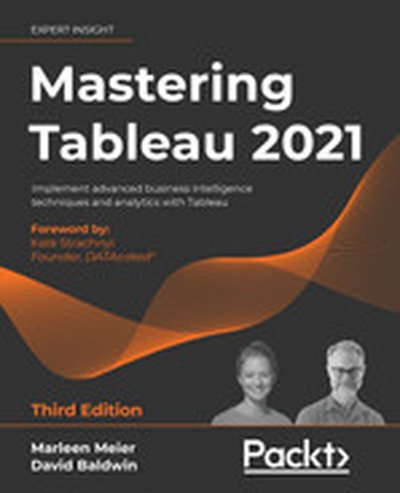
Mastering Tableau 2021 - Third Edition

Tableau 2021 brings a wide range of tools and techniques for mastering data visualization and business intelligence. In this book, you will delve into the advanced methodologies to fully utilize Tableau's capabilities. Whether you're dealing with geo-spatial, time-series analytics, or complex dashboards, this resource provides expertise through real-world data challenges. What this Book will help me do Draw connections between multiple databases and create insightful Tableau dashboards. Master advanced data visualization techniques that lead to impactful storytelling. Understand Tableau's integration with programming languages such as Python and R. Analyze datasets with time-series and geo-spatial methods to gain predictive insights. Leverage Tableau Prep Builder for efficient data cleaning and transformation processes. Author(s) Marleen Meier and David Baldwin are seasoned professionals in business intelligence and data analytics. They bring years of practical experience and have helped numerous organizations worldwide transform their data visualization strategies using Tableau. Their collaborative approach ensures a comprehensive, beginner to advanced learning experience. Who is it for? This book is perfect for business intelligence analysts, data analysts, and industry professionals who are already familiar with Tableau's basics and wish to expand their knowledge. It provides advanced techniques and implementations of Tableau for improving data storytelling and dashboard performance. Readers seeking to connect Tableau with external programming tools will also greatly benefit from this guide.

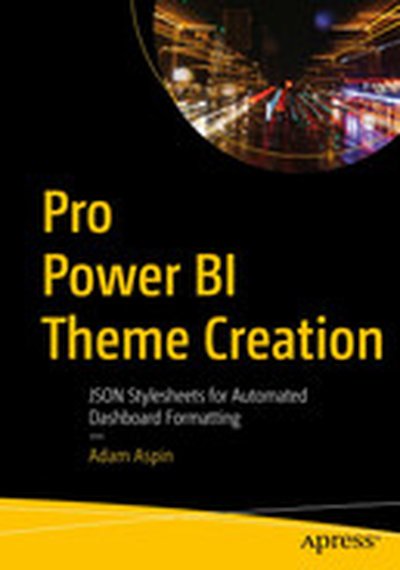
Pro Power BI Theme Creation: JSON Stylesheets for Automated Dashboard Formatting

Use JSON theme files to standardize the look of Power BI dashboards and reports. This book shows how you can create theme files using the Power BI Desktop application to define high-level formatting attributes for dashboards as well as how to tailor detailed formatting specifications for individual dashboard elements in JSON files. Standardize the look of your dashboards and apply formatting consistently over all your reports. The techniques in this book provide you with tight control over the presentation of all aspects of the Power BI dashboards and reports that you create. Power BI theme files use JSON (JavaScript Object Notation) as their structure, so the book includes a brief introduction to JSON as well as how it applies to Power BI themes. The book further includes a complete reference to all the current formatting definitions and JSON structures that are at your disposal for creating JSON theme files. Finally, the book includes dozens of theme files, from the simple to the most complex, that you can adopt and adapt to suit your own requirements. What You Will Learn Produce designer output without manually formatting every individual visual in a Power BI dashboard Standardize presentation for families of dashboard types Switch presentation styles in a couple of clicks Save dozens, or hundreds, of hours laboriously formatting dashboards Define enterprise-wide presentation standards Retroactively apply standard styles to existing dashboards Who This Book Is For Power BI users who want to save time by defining standardized formatting for their dashboards and reports, IT professionals who want to create corporate standards of dashboard presentation, and marketing and communication specialists who want to set organizational standards for dashboard delivery

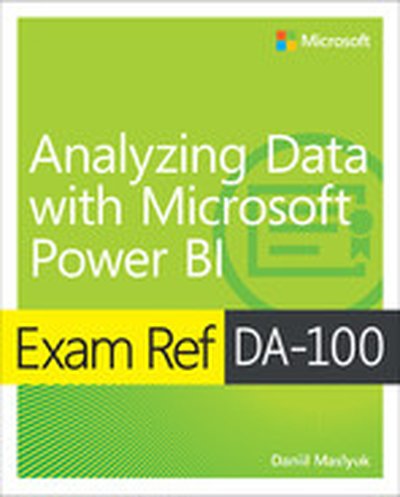
Exam Ref DA-100 Analyzing Data with Microsoft Power BI

Prepare for Microsoft Exam DA-100 and help demonstrate your real-world mastery of Power BI data analysis and visualization. Designed for experienced data analytics professionals ready to advance their status, Exam Ref focuses on the critical thinking and decision-making acumen needed for success at the Microsoft Certified Associate level. Focus on the expertise measured by these objectives: Prepare the data Model the data Visualize the data Analyze the data Deploy and maintain deliverables This Microsoft Exam Ref: Organizes its coverage by exam objectives Features strategic, what-if scenarios to challenge you Assumes you are an experienced business intelligence professional or data analyst, or have a similar role Analyzing Data with Microsoft Power BI About the Exam Exam DA-100 focuses on skills and knowledge needed to acquire, profile, clean, transform, and load data; design and develop data models; create measures with DAX; optimize model performance; create reports and dashboards; enrich reports for usability; enhance reports to expose insights; perform advanced analysis; manage datasets, and create and manage workspaces. About Microsoft Certification Passing this exam earns your Microsoft Certified: Data Analyst Associate certification, demonstrating your ability to help businesses maximize the value of data assets by using Microsoft Power BI. As subject matter experts, Data Analysts design and build scalable data models, clean and transform data, and enable advanced analytic capabilities that provide meaningful business value through easy-to-comprehend data visualizations. See full details at: microsoft.com/learn

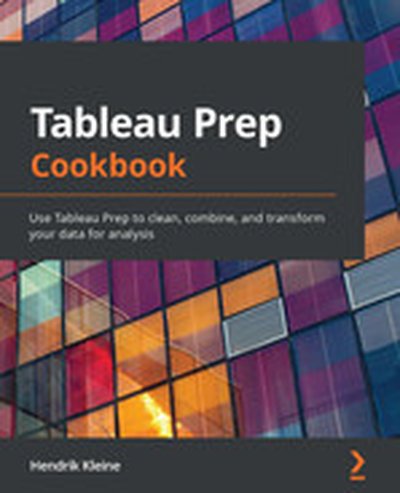
Tableau Prep Cookbook

Tableau Prep Cookbook is your practical guide to mastering Tableau Prep Builder for data preparation. Through real-world examples, you will learn techniques to clean, combine, and transform your data, enabling you to create robust pipelines for analytics and insights. Gain hands-on experience with concepts like data cleaning, advanced calculations, and preparing data for Business Intelligence tools. What this Book will help me do Master cleaning and combining data sources for analysis using Tableau Prep. Learn to create and deploy workflows for data preparation within your organization. Develop proficiency in building robust datasets for BI and analytics applications. Apply advanced techniques like scripting and custom calculations in Tableau Prep. Get hands-on experience by working through realistic, practical data scenarios. Author(s) None Kleine is an experienced data analytics professional with a passion for empowering organizations through robust data pipelines. Drawing from years of experience in BI tools and data preparation, None presents Tableau Prep Cookbook with a clear, actionable approach to learning. Their expertise ensures that readers gain practical skills to use Tableau Prep effectively. Who is it for? This book is perfect for data analysts, business intelligence professionals, and Tableau users looking to add Tableau Prep to their skills. If you're starting with beginner knowledge in data preparation or are looking to enhance your ability to manage data workflows, this book is designed for you. Gain the skills you need to prepare data effectively using Tableau Prep and elevate your analytics capabilities.

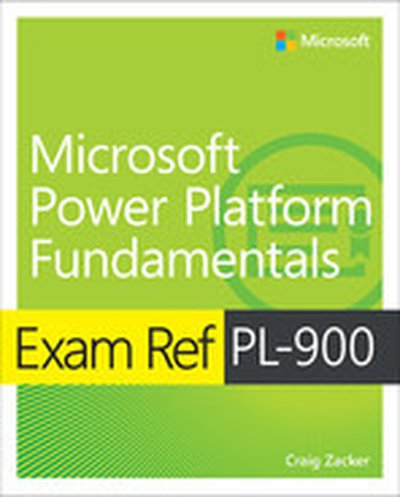
Exam Ref PL-900 Microsoft Power Platform Fundamentals

Prepare for Microsoft Exam PL-900: Demonstrate your real-world knowledge of the fundamentals of Microsoft Power Platform, including its business value, core components, and the capabilities and advantages of Power BI, Power Apps, Power Automate, and Power Virtual Agents. Designed for business users, functional consultants, and other professionals, this Exam Ref focuses on the critical thinking and decision-making acumen needed for success at the Microsoft Certified: Power Platform Fundamentals level. Focus on the expertise measured by these objectives: Describe the business value of Power Platform Identify the Core Components of Power Platform Demonstrate the capabilities of Power BI Demonstrate the capabilities of Power Apps Demonstrate the capabilities of Power Automate Demonstrate the capabilities of Power Virtual Agents This Microsoft Exam Ref: Organizes its coverage by exam objectives Features strategic, what-if scenarios to challenge you Assumes you are a business user, functional consultant, or other professional who wants to improve productivity by automating business processes, analyzing data, creating simple app experiences, or developing business enhancements to Microsoft cloud solutions. About the Exam Exam PL-900 focuses on knowledge needed to describe the value of Power Platform services and of extending solutions; describe Power Platform administration and security; describe Common Data Service, Connectors, and AI Builder; identify common Power BI components; connect to and consume data; build basic dashboards with Power BI; identify common Power Apps components; build basic canvas and model-driven apps; describe Power Apps portals; identify common Power Automate components; build basic flows; describe Power Virtual Agents capabilities; and build and publish basic chatbots. About Microsoft Certification Passing this exam fulfills your requirements for the Microsoft Certified: Power Platform Fundamentals certification, demonstrating your understanding of Power Platforms core capabilitiesfrom business value and core product capabilities to building simple apps, connecting data sources, automating basic business processes, creating dashboards, and creating chatbots. With this certification, you can move on to earn specialist certifications covering more advanced aspects of Power Apps and Power BI, including Microsoft Certified: Power Platform App Maker Associate and Power Platform Data Analyst Associate. See full details at: microsoft.com/learn

Exam Ref PL-900 Microsoft Power Platform Fundamentals

Prepare for Microsoft Exam PL-900: Demonstrate your real-world knowledge of the fundamentals of Microsoft Power Platform, including its business value, core components, and the capabilities and advantages of Power BI, Power Apps, Power Automate, and Power Virtual Agents. Designed for business users, functional consultants, and other professionals, this Exam Ref focuses on the critical thinking and decision-making acumen needed for success at the Microsoft Certified: Power Platform Fundamentals level. Focus on the expertise measured by these objectives: Describe the business value of Power Platform Identify the Core Components of Power Platform Demonstrate the capabilities of Power BI Demonstrate the capabilities of Power Apps Demonstrate the capabilities of Power Automate Demonstrate the capabilities of Power Virtual Agents This Microsoft Exam Ref: Organizes its coverage by exam objectives Features strategic, what-if scenarios to challenge you Assumes you are a business user, functional consultant, or other professional who wants to improve productivity by automating business processes, analyzing data, creating simple app experiences, or developing business enhancements to Microsoft cloud solutions. About the Exam Exam PL-900 focuses on knowledge needed to describe the value of Power Platform services and of extending solutions; describe Power Platform administration and security; describe Common Data Service, Connectors, and AI Builder; identify common Power BI components; connect to and consume data; build basic dashboards with Power BI; identify common Power Apps components; build basic canvas and model-driven apps; describe Power Apps portals; identify common Power Automate components; build basic flows; describe Power Virtual Agents capabilities; and build and publish basic chatbots. About Microsoft Certification Passing this exam fulfills your requirements for the Microsoft Certified: Power Platform Fundamentals certification, demonstrating your understanding of Power Platforms core capabilitiesfrom business value and core product capabilities to building simple apps, connecting data sources, automating basic business processes, creating dashboards, and creating chatbots. With this certification, you can move on to earn specialist certifications covering more advanced aspects of Power Apps and Power BI, including Microsoft Certified: Power Platform App Maker Associate and Power Platform Data Analyst Associate. See full details at: microsoft.com/learn

Pro Microsoft Power BI Administration: Creating a Consistent, Compliant, and Secure Corporate Platform for Business Intelligence

Manage Power BI within organizations. This book helps you systematize administration as Microsoft shifts Power BI from a self-service tool to an enterprise tool. You will learn best practices for many Power BI administrator tasks. And you will know how to manage artifacts such as reports, users, work spaces, apps, and gateways. The book also provides experience-based guidance on governance, licensing, and managing capacities. Good management includes policies and procedures that can be applied consistently and even automatically across a broad user base. This book provides a strategic road map for the creation and implementation of policies and procedures that support Power BI best practices in enterprises. Effective governance depends not only on good policies, but also on the active and timely monitoring of adherence to those policies. This book helps you evaluate the tools to automate and simplify the most common administrativeand monitoring tasks, freeing up administrators to provide greater value to the organization through better user training and awareness initiatives. What You Will Learn Recognize the roles and responsibilities of the Power BI administrator Manage users and their work spaces Know when to consider using Power BI Premium Govern your Power BI implementation and manage Power BI tenants Create an effective security strategy for Power BI in the enterprise Collaborate and share consistent views of the data across all users Follow a life cycle management strategy for rollout of dashboards and reports Create internal training resources backed up by accurate documentation Monitor Power BI to better understand risks and compliance manage costs, and track implementation Who This Book Is For IT professionals tasked with maintaining their corporate Power BI environments, Power BI administrators and power users interested in rolling out Power BI more widely in their organizations, and IT governance professionals tasked with ensuring adherence to policies and regulations

Microsoft Power BI Quick Start Guide - Second Edition

"Microsoft Power BI Quick Start Guide" is your essential companion to mastering data visualization and analysis using Microsoft Power BI. This book offers step-by-step guidance on exploring data sources, creating effective dashboards, and leveraging advanced features like dataflows and AI insights to derive actionable intelligence quickly and effectively. What this Book will help me do Connect and import data from various sources using Power BI tools. Transform and cleanse data using the Power BI Query Editor and other techniques. Design optimized data models with relationships and DAX calculations. Create dynamic and visually compelling reports and dashboards. Implement row-level security and manage Power BI deployments within an organization. Author(s) Devin Knight, Erin Ostrowsky, and Mitchell Pearson are seasoned Power BI experts with extensive experience in business intelligence and data analytics. They bring a hands-on approach to teaching, focusing on practical skills and real-world applications. Their joint experience ensures a thorough and clear learning experience. Who is it for? This book is tailored for aspiring business intelligence professionals who wish to harness the power of Microsoft Power BI. If you have foundational knowledge of business intelligence concepts and are eager to apply them practically, this guide is for you. It's also ideal for individuals looking to upgrade their BI skill set and adopt modern data analysis tools. Whether a beginner or looking to enhance your current skills, you'll find tremendous value here.

Advanced Analytics in Power BI with R and Python: Ingesting, Transforming, Visualizing

This easy-to-follow guide provides R and Python recipes to help you learn and apply the top languages in the field of data analytics to your work in Microsoft Power BI. Data analytics expert and author Ryan Wade shows you how to use R and Python to perform tasks that are extremely hard, if not impossible, to do using native Power BI tools. For example, you will learn to score Power BI data using custom data science models and powerful models from Microsoft Cognitive Services. The R and Python languages are powerful complements to Power BI. They enable advanced data transformation techniques that are difficult to perform in Power BI in its default configuration but become easier by leveraging the capabilities of R and Python. If you are a business analyst, data analyst, or a data scientist who wants to push Power BI and transform it from being just a business intelligence tool into an advanced data analytics tool, then this is the book to help you do that. What You Will Learn Create advanced data visualizations via R using the ggplot2 package Ingest data using R and Python to overcome some limitations of Power Query Apply machine learning models to your data using R and Python without the need of Power BI premium capacity Incorporate advanced AI in Power BI without the need of Power BI premium capacity via Microsoft Cognitive Services, IBM Watson Natural Language Understanding, and pre-trained models in SQL Server Machine Learning Services Perform advanced string manipulations not otherwise possible in Power BI using R and Python Who This Book Is For Power users, data analysts, and data scientists who want to go beyond Power BI’s built-in functionality to create advanced visualizations, transform data in ways not otherwise supported, and automate data ingestion from sources such as SQL Server and Excel in a more concise way

Pro Microsoft Power Platform: Solution Building for the Citizen Developer

Become a self-sufficient citizen developer by learning the tools within the Microsoft Power Platform and how they can be used together to drive change and multiply your productivity. Learn about PowerApps for building applications, Power Automate for automating business processes across those applications, and Power BI for analyzing results and communicating business intelligence through compelling visuals. By understanding the purpose and capabilities of these tools, you will be able to enhance your organization’s visibility into key areas and make informed business decisions in a timely matter. This book is divided into four parts and begins in Part I by showing you how to build applications through PowerApps. You will learn about screens and controls, application sharing and administration, and how to make your applications accessible from mobile devices such as phones and tablets. Part II is about creating workflows using Power Automate that implement business logic across your applications. Part III brings in dashboards and data analysis, showing you how to connect to a data source, cleanse the data from that source, and drive decision making through interactive reports and storytelling. Part IV brings together all the pieces by showing the integrations that are possible when all three tools are combined into a single solution. What You Will Learn Understand the need for the citizen developer in today’s business environment Organize and plan the building of line-of-business applications with PowerApps solutions Replace wasteful paper processes with automated applications built in PowerApps Automate workflows across processes with Power Automate Communicate analytical results through visualizations and storytelling Integrate PowerApps, Power Automate, and Power BI into solutions that multiply productivity Who This Book Is For Power users and analysts with strong Excel skills who need a more comprehensive set of tools that can better help them accomplish their vision on projects, those familiar with one of the Power Platform tools who wish to learn how all three can fit together, and those who are seen as as “rogue IT” problem solvers who get things done when others have tried but failed

Metabase Up and Running

Metabase Up and Running is your go-to guide for mastering Metabase, the open-source business intelligence tool. You'll progress from the basics of installation and setup to connecting data sources and creating insightful visualizations and dashboards. By the end, you'll be confident in implementing Metabase in your organization for impactful decision-making. What this Book will help me do Understand how to securely deploy and configure Metabase on Amazon Web Services. Master the creation of dashboards, reports, and visual visualizations using Metabase's tools. Gain expertise in user and permissions management within Metabase. Learn to use Metabase's SQL console for advanced database interactions. Acquire skills to embed Metabase within applications and automate reports via email or Slack. Author(s) None Abraham, an experienced tool specialist, is passionate about teaching others how to leverage data tools effectively. With a background in business analytics, Abraham has guided companies of all sizes. Their approachable writing style ensures a learning journey that is both informative and engaging. Who is it for? This book is ideal for business analysts and data professionals looking to amplify their business intelligence capabilities using Metabase. Readers should have some understanding of data analytics principles. Whether you're starting in analytics or seeking advanced automation, this book offers valuable guidance to meet your goals.

Microsoft Power Platform Enterprise Architecture

This comprehensive guide dives into the intricacies of designing enterprise-grade solutions using Microsoft Power Platform. You'll learn how to leverage the tools in the suite, such as Power Apps, Power Automate, and Power BI, alongside Microsoft 365 and Azure services. By exploring practical examples and methodologies, you will be equipped to handle complex requirements and business challenges. What this Book will help me do Master the integration of Microsoft 365 and Azure components to enhance Power Platform applications. Learn advanced security implementations to safeguard enterprise architecture solutions. Gain proficiency in data migration strategies for robust and seamless data handling across platforms. Understand application lifecycle management and best practices for enterprise-grade Power Platform solutions. Extend and customize Power Platform tools for tailored business applications. Author(s) Robert Rybaric is an experienced enterprise architect specializing in Microsoft technologies. With years of experience crafting complex architecture solutions for dynamic business environments, Robert brings insights that simplify and clarify the challenges of enterprise architecture. His hands-on experience and practical approach make him a trusted voice in the IT solutions space. Who is it for? This book is ideal for enterprise architects and IT decision-makers seeking to use Microsoft Power Platform to address complex business needs. It caters to professionals with a foundational understanding of the platform, aiming to enhance their ability to implement scalable, efficient solutions in competitive business environments.

Self-Service AI with Power BI Desktop: Machine Learning Insights for Business

This book explains how you can enrich the data you have loaded into Power BI Desktop by accessing a suite of Artificial Intelligence (AI) features. These AI features are built into Power BI Desktop and help you to gain new insights from existing data. Some of the features are automated and are available to you at the click of a button or through writing Data Analysis Expressions (DAX). Other features are available through writing code in either the R, Python, or M languages. This book opens up the entire suite of AI features to you with clear examples showing when they are best applied and how to invoke them on your own datasets. No matter if you are a business user, analyst, or data scientist – Power BI has AI capabilities tailored to you. This book helps you learn what types of insights Power BI is capable of delivering automatically. You will learn how to integrate and leverage the use of the R and Python languages for statistics, how to integrate with Cognitive Services andAzure Machine Learning Services when loading data, how to explore your data by asking questions in plain English ... and more! There are AI features for discovering your data, characterizing unexplored datasets, and building what-if scenarios. There’s much to like and learn from this book whether you are a newcomer to Power BI or a seasoned user. Power BI Desktop is a freely available tool for visualization and analysis. This book helps you to get the most from that tool by exploiting some of its latest and most advanced features. What You Will Learn Ask questions in natural language and get answers from your data Let Power BI explain why a certain data point differs from the rest Have Power BI show key influencers over categories of data Access artificial intelligence features available in the Azure cloud Walk the same drill down path in different parts of your hierarchy Load visualizations to add smartness to your reports Simulate changes in data and immediately see the consequences Know your data, even before you build your first report Create new columns by giving examples of the data that you need Transform and visualize your data with the help of R and Python scripts Who This Book Is For For the enthusiastic Power BI user who wants to apply state-of-the-art artificial intelligence (AI) features to gain new insights from existing data. For end-users and IT professionals who are not shy of jumping into a new world of machine learning and are ready to make that step and take a deeper look into their data. For those wanting to step up their game from doing simple reporting and visualizations by making the move into diagnostic and predictive analysis.

Learning Tableau 2020 - Fourth Edition

"Learning Tableau 2020" is a comprehensive resource designed to strengthen your understanding of Tableau. It takes you from mastering the fundamentals to achieving proficiency in advanced visualization and data handling techniques. Through this book, you will gain the ability to create impactful data visualizations and interactive dashboards, effectively leveraging the capabilities of Tableau 2020. What this Book will help me do Effectively utilize Tableau 2020 features to develop data visualizations and dashboards. Apply advanced Tableau techniques, such as LOD and table calculations, to solve complex data analysis problems. Clean and structure data using Tableau Prep, enhancing data quality and reliability. Incorporate mapping and geospatial visualization for geographic data insights. Master storytelling with data by constructing engaging and interactive dashboards. Author(s) Joshua N. Milligan, the author of "Learning Tableau 2020," is an experienced Tableau training consultant and professional. With extensive years in the data visualization and analytics field, Joshua brings a practical perspective to the book. He excels at breaking down complex topics into accessible learning paths, making advanced Tableau concepts approachable for learners of all levels. Who is it for? This book is perfect for aspiring data analysts, IT professionals, and data enthusiasts who aim to understand and create compelling business intelligence reports. Beginners in Tableau will find the learning process straightforward due to its structured and incremental lessons. Advanced users can refine their skills with the wide range of complex examples covered. A basic familiarity with working with data is beneficial, though not required.

Learn Grafana 7.0

"Learn Grafana 7.0" is the ultimate beginner's guide to leveraging Grafana's capabilities for analytics and interactive dashboards. You'll master real-time data monitoring, visualization, and learn how to query and explore metrics with a hands-on approach to Grafana 7.0's new features. What this Book will help me do Learn to install and configure Grafana from scratch, preparing you for real-world data analysis tasks. Navigate and utilize the Graph panel in Grafana effectively, ensuring clear and actionable visual insights. Incorporate advanced dashboard features such as annotations, templates, and links to enhance data monitoring. Integrate Grafana with major cloud providers like AWS and Azure for robust monitoring solutions. Implement secure user authentication and fine-tuned permissions for managing teams and sharing insights safely. Author(s) None Salituro, the author of "Learn Grafana 7.0," is an experienced data visualization expert with years of experience in software development and analytics. Salituro focuses on creating understandable and accessible resources for developers and analysts of all skill levels, bringing a hands-on practical approach to technical learning. Who is it for? This book is perfect for data analysts, business intelligence developers, and administrators looking to build skills in data visualization and monitoring with Grafana 7.0. If you're eager to create interactive dashboards and learn practical applications of Grafana's features, this book is for you. Beginners to Grafana are fully accommodated, though familiarity with data visualization principles is beneficial. For those seeking to monitor cloud services like AWS with Grafana, this book is indispensable.

Smarter Data Science

Organizations can make data science a repeatable, predictable tool, which business professionals use to get more value from their data Enterprise data and AI projects are often scattershot, underbaked, siloed, and not adaptable to predictable business changes. As a result, the vast majority fail. These expensive quagmires can be avoided, and this book explains precisely how. Data science is emerging as a hands-on tool for not just data scientists, but business professionals as well. Managers, directors, IT leaders, and analysts must expand their use of data science capabilities for the organization to stay competitive. Smarter Data Science helps them achieve their enterprise-grade data projects and AI goals. It serves as a guide to building a robust and comprehensive information architecture program that enables sustainable and scalable AI deployments. When an organization manages its data effectively, its data science program becomes a fully scalable function that’s both prescriptive and repeatable. With an understanding of data science principles, practitioners are also empowered to lead their organizations in establishing and deploying viable AI. They employ the tools of machine learning, deep learning, and AI to extract greater value from data for the benefit of the enterprise. By following a ladder framework that promotes prescriptive capabilities, organizations can make data science accessible to a range of team members, democratizing data science throughout the organization. Companies that collect, organize, and analyze data can move forward to additional data science achievements: Improving time-to-value with infused AI models for common use cases Optimizing knowledge work and business processes Utilizing AI-based business intelligence and data visualization Establishing a data topology to support general or highly specialized needs Successfully completing AI projects in a predictable manner Coordinating the use of AI from any compute node. From inner edges to outer edges: cloud, fog, and mist computing When they climb the ladder presented in this book, businesspeople and data scientists alike will be able to improve and foster repeatable capabilities. They will have the knowledge to maximize their AI and data assets for the benefit of their organizations.

Forensic Analytics, 2nd Edition

Become the forensic analytics expert in your organization using effective and efficient data analysis tests to find anomalies, biases, and potential fraud—the updated new edition Forensic Analytics reviews the methods and techniques that forensic accountants can use to detect intentional and unintentional errors, fraud, and biases. This updated second edition shows accountants and auditors how analyzing their corporate or public sector data can highlight transactions, balances, or subsets of transactions or balances in need of attention. These tests are made up of a set of initial high-level overview tests followed by a series of more focused tests. These focused tests use a variety of quantitative methods including Benford’s Law, outlier detection, the detection of duplicates, a comparison to benchmarks, time-series methods, risk-scoring, and sometimes simply statistical logic. The tests in the new edition include the newly developed vector variation score that quantifies the change in an array of data from one period to the next. The goals of the tests are to either produce a small sample of suspicious transactions, a small set of transaction groups, or a risk score related to individual transactions or a group of items. The new edition includes over two hundred figures. Each chapter, where applicable, includes one or more cases showing how the tests under discussion could have detected the fraud or anomalies. The new edition also includes two chapters each describing multi-million-dollar fraud schemes and the insights that can be learned from those examples. These interesting real-world examples help to make the text accessible and understandable for accounting professionals and accounting students without rigorous backgrounds in mathematics and statistics. Emphasizing practical applications, the new edition shows how to use either Excel or Access to run these analytics tests. The book also has some coverage on using Minitab, IDEA, R, and Tableau to run forensic-focused tests. The use of SAS and Power BI rounds out the software coverage. The software screenshots use the latest versions of the software available at the time of writing. This authoritative book: Describes the use of statistically-based techniques including Benford’s Law, descriptive statistics, and the vector variation score to detect errors and anomalies Shows how to run most of the tests in Access and Excel, and other data analysis software packages for a small sample of the tests Applies the tests under review in each chapter to the same purchasing card data from a government entity Includes interesting cases studies throughout that are linked to the tests being reviewed. Includes two comprehensive case studies where data analytics could have detected the frauds before they reached multi-million-dollar levels Includes a continually-updated companion website with the data sets used in the chapters, the queries used in the chapters, extra coverage of some topics or cases, end of chapter questions, and end of chapter cases. Written by a prominent educator and researcher in forensic accounting and auditing, the new edition of Forensic Analytics: Methods and Techniques for Forensic Accounting Investigations is an essential resource for forensic accountants, auditors, comptrollers, fraud investigators, and graduate students.

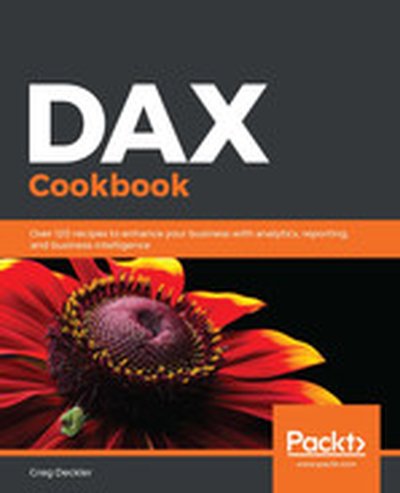
DAX Cookbook

"DAX Cookbook: Over 120 recipes to enhance your business with analytics, reporting, and business intelligence" is the ultimate guidebook for mastering DAX (Data Analysis Expressions) in business intelligence, Power BI, and SQL Server Analysis Services. With hands-on examples and extensive recipes, it enables professionals to solve real-world data challenges effectively. What this Book will help me do Understand how to create tailored calculations for dates, time, and duration to enhance data insights. Develop key performance indicators (KPIs) and advanced business metrics for strategic decision-making. Master text and numerical data transformations to construct dynamic dashboards and reports. Optimize data models and DAX queries for improved performance and analytics accuracy. Learn to handle and debug calculations, and implement complex statistical and mathematical measures. Author(s) Greg Deckler is a seasoned business intelligence professional with extensive experience in using DAX and Power BI to provide actionable insights. As a recognized expert in the field, Greg brings practical knowledge of developing scalable BI solutions. His teaching approach is rooted in clarity and real-world application, making complex topics accessible to learners of all levels. Who is it for? This book is perfect for business professionals, BI developers, and data analysts with basic knowledge of the DAX language and associated tools. If you are looking to enhance your DAX skills and solve tough analytical challenges, this book is tailored for you. It's highly relevant for those aiming to optimize business intelligence workflows and improve data-driven decisions.

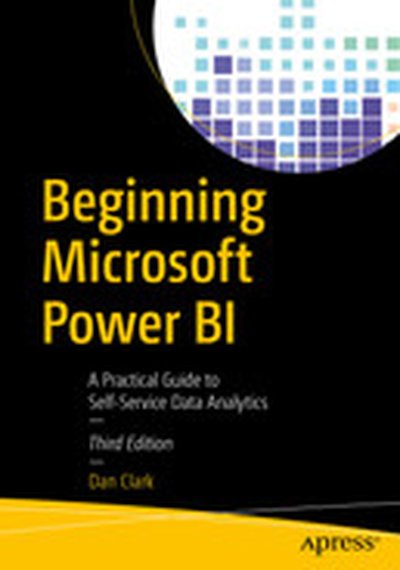
Beginning Microsoft Power BI: A Practical Guide to Self-Service Data Analytics

Analyze company data quickly and easily using Microsoft’s powerful data tools. Learn to build scalable and robust data models, clean and combine different data sources effectively, and create compelling and professional visuals. Beginning Power BI is a hands-on, activity-based guide that takes you through the process of analyzing your data using the tools that that encompass the core of Microsoft’s self-service BI offering. Starting with Power Query, you will learn how to get data from a variety of sources, and see just how easy it is to clean and shape the data prior to importing it into a data model. Using Power BI tabular and the Data Analysis Expressions (DAX), you will learn to create robust scalable data models which will serve as the foundation of your data analysis. From there you will enter the world of compelling interactive visualizations to analyze and gain insight into your data. You will wrap up your Power BI journey by learning how to package and share your reports and dashboards with your colleagues. Author Dan Clark takes you through each topic using step-by-step activities and plenty of screen shots to help familiarize you with the tools. This third edition covers the new and evolving features in the Power BI platform and new chapters on data flows and composite models. This book is your hands-on guide to quick, reliable, and valuable data insight. What You Will Learn Simplify data discovery, association, and cleansing Build solid analytical data models Create robust interactive data presentations Combine analytical and geographic data in map-based visualizations Publish and share dashboards and reports Who This Book Is For Business analysts, database administrators, developers, and other professionals looking to better understand and communicate with data

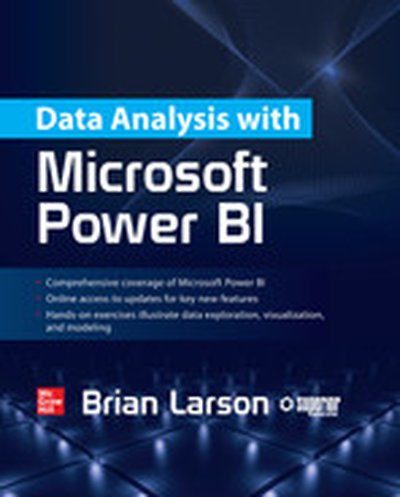
Data Analysis with Microsoft Power BI

Publisher's Note: Products purchased from Third Party sellers are not guaranteed by the publisher for quality, authenticity, or access to any online entitlements included with the product. Explore, create, and manage highly interactive data visualizations using Microsoft Power BI Extract meaningful business insights from your disparate enterprise data using the detailed information contained in this practical guide. Written by a recognized BI expert and bestselling author, Data Analysis with Microsoft Power BI teaches you the skills you need to interact with, author, and maintain robust visualizations and custom data models. Hands-on exercises based on real-life business scenarios clearly demonstrate each technique. Publishing your results to the Power BI Service (PowerBI.com) and Power BI Report Server are also fully covered. Inside, you will discover how to: •Understand Business Intelligence and self-service analytics •Explore the tools and features of Microsoft Power BI •Create and format effective data visualizations •Incorporate advanced interactivity and custom graphics •Build and populate accurate data models •Transform data using the Power BI Query Editor •Work with measures, calculated columns, and tabular models •Write powerful DAX language scripts •Share content on the PowerBI Service (PowerBI.com) •Store your visualizations on the Power BI Report Server