talk-data.com talk-data.com

Topic

Neo4j

graph_database nosql data_relationships

27

tagged

Activity Trend

22 peak/qtr
2020-Q1 2026-Q1

Activities

27 activities · Newest first

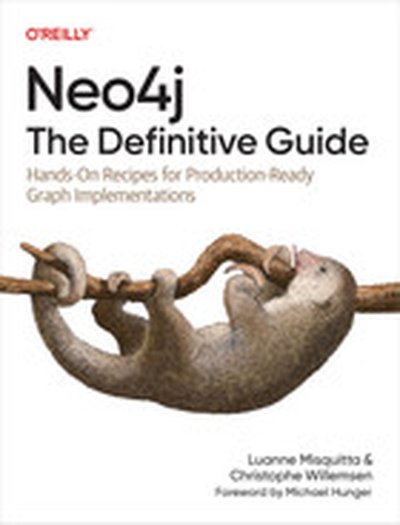
Neo4j: The Definitive Guide

Looking to improve the performance of Cypher queries or learn how to model graphs to support business use cases? A graph database like Neo4j can help. In fact, many enterprises are leveraging Neo4j to power their business-critical applications. This book offers practical and concise recipes on how and when to successfully leverage Neo4j into architectures. Authors Christophe Willemsen and Luanne Misquitta walk you through typical Neo4j implementation strategies from proof of concept to iterative improvements and, finally, to production readiness and beyond. By the end of this book, you should understand how to: Make practical decisions in the proof of concept stage to maximize value Revisit and revise your decisions when transitioning to production Configure and implement observability features for in-production data graphs Integrate graph databases into existing enterprise architectures

Building Neo4j-Powered Applications with LLMs

Dive into building applications that combine the power of Large Language Models (LLMs) with Neo4j knowledge graphs, Haystack, and Spring AI to deliver intelligent, data-driven recommendations and search outcomes. This book provides actionable insights and techniques to create scalable, robust solutions by leveraging the best-in-class frameworks and a real-world project-oriented approach. What this Book will help me do Understand how to use Neo4j to build knowledge graphs integrated with LLMs for enhanced data insights. Develop skills in creating intelligent search functionalities by combining Haystack and vector-based graph techniques. Learn to design and implement recommendation systems using LangChain4j and Spring AI frameworks. Acquire the ability to optimize graph data architectures for LLM-driven applications. Gain proficiency in deploying and managing applications on platforms like Google Cloud for scalability. Author(s) Ravindranatha Anthapu, a Principal Consultant at Neo4j, and Siddhant Agarwal, a Google Developer Expert in Generative AI, bring together their vast experience to offer practical implementations and cutting-edge techniques in this book. Their combined expertise in Neo4j, graph technology, and real-world AI applications makes them authoritative voices in the field. Who is it for? Designed for database developers and data scientists, this book caters to professionals aiming to leverage the transformational capabilities of knowledge graphs alongside LLMs. Readers should have a working knowledge of Python and Java as well as familiarity with Neo4j and the Cypher query language. If you're looking to enhance search or recommendation functionalities through state-of-the-art AI integrations, this book is for you.

DuckDB in Action

Dive into DuckDB and start processing gigabytes of data with ease—all with no data warehouse. DuckDB is a cutting-edge SQL database that makes it incredibly easy to analyze big data sets right from your laptop. In DuckDB in Action you’ll learn everything you need to know to get the most out of this awesome tool, keep your data secure on prem, and save you hundreds on your cloud bill. From data ingestion to advanced data pipelines, you’ll learn everything you need to get the most out of DuckDB—all through hands-on examples. Open up DuckDB in Action and learn how to: Read and process data from CSV, JSON and Parquet sources both locally and remote Write analytical SQL queries, including aggregations, common table expressions, window functions, special types of joins, and pivot tables Use DuckDB from Python, both with SQL and its "Relational"-API, interacting with databases but also data frames Prepare, ingest and query large datasets Build cloud data pipelines Extend DuckDB with custom functionality Pragmatic and comprehensive, DuckDB in Action introduces the DuckDB database and shows you how to use it to solve common data workflow problems. You won’t need to read through pages of documentation—you’ll learn as you work. Get to grips with DuckDB's unique SQL dialect, learning to seamlessly load, prepare, and analyze data using SQL queries. Extend DuckDB with both Python and built-in tools such as MotherDuck, and gain practical insights into building robust and automated data pipelines. About the Technology DuckDB makes data analytics fast and fun! You don’t need to set up a Spark or run a cloud data warehouse just to process a few hundred gigabytes of data. DuckDB is easily embeddable in any data analytics application, runs on a laptop, and processes data from almost any source, including JSON, CSV, Parquet, SQLite and Postgres. About the Book DuckDB in Action guides you example-by-example from setup, through your first SQL query, to advanced topics like building data pipelines and embedding DuckDB as a local data store for a Streamlit web app. You’ll explore DuckDB’s handy SQL extensions, get to grips with aggregation, analysis, and data without persistence, and use Python to customize DuckDB. A hands-on project accompanies each new topic, so you can see DuckDB in action. What's Inside Prepare, ingest and query large datasets Build cloud data pipelines Extend DuckDB with custom functionality Fast-paced SQL recap: From simple queries to advanced analytics About the Reader For data pros comfortable with Python and CLI tools. About the Authors Mark Needham is a blogger and video creator at @‌LearnDataWithMark. Michael Hunger leads product innovation for the Neo4j graph database. Michael Simons is a Java Champion, author, and Engineer at Neo4j. Quotes I use DuckDB every day, and I still learned a lot about how DuckDB makes things that are hard in most databases easy! - Jordan Tigani, Founder, MotherDuck An excellent resource! Unlocks possibilities for storing, processing, analyzing, and summarizing data at the edge using DuckDB. - Pramod Sadalage, Director, Thoughtworks Clear and accessible. A comprehensive resource for harnessing the power of DuckDB for both novices and experienced professionals. - Qiusheng Wu, Associate Professor, University of Tennessee Excellent! The book all we ducklings have been waiting for! - Gunnar Morling, Decodable

Building Knowledge Graphs

Incredibly useful, knowledge graphs help organizations keep track of medical research, cybersecurity threat intelligence, GDPR compliance, web user engagement, and much more. They do so by storing interlinked descriptions of entities—objects, events, situations, or abstract concepts—and encoding the underlying information. How do you create a knowledge graph? And how do you move it from theory into production? Using hands-on examples, this practical book shows data scientists and data engineers how to build their own knowledge graphs. Authors Jesús Barrasa and Jim Webber from Neo4j illustrate common patterns for building knowledge graphs that solve many of today's pressing knowledge management problems. You'll quickly discover how these graphs become increasingly useful as you add data and augment them with algorithms and machine learning. Learn the organizing principles necessary to build a knowledge graph Explore how graph databases serve as a foundation for knowledge graphs Understand how to import structured and unstructured data into your graph Follow examples to build integration-and-search knowledge graphs Learn what pattern detection knowledge graphs help you accomplish Explore dependency knowledge graphs through examples Use examples of natural language knowledge graphs and chatbots Use graph algorithms and ML to gain insight into connected data

Graph Data Science with Neo4j

"Graph Data Science with Neo4j" teaches you how to utilize Neo4j 5 and its Graph Data Science Library 2.0 for analyzing and making predictions with graph data. By integrating graph algorithms into actionable machine learning pipelines using Python, you'll harness the power of graph-based data models. What this Book will help me do Query and manipulate graph data using Cypher in Neo4j. Design and implement graph datasets using your data and public sources. Utilize graph-specific algorithms for tasks such as link prediction. Integrate graph data science pipelines into machine learning projects. Understand and apply predictive modeling using the GDS Library. Author(s) None Scifo, the author of "Graph Data Science with Neo4j," is an experienced data scientist with expertise in graph databases and advanced machine learning techniques. Their technical approach combines practical implementation with clear, step-by-step guidance to provide readers the skills they need to excel. Who is it for? This book is ideal for data scientists and analysts familiar with basic Neo4j concepts and Python-based data science workflows who wish to deepen their skills in graph algorithms and machine learning integration. It is particularly suited for professionals aiming to advance their expertise in graph data science for practical applications.

Graph Data Processing with Cypher

This comprehensive guide, "Graph Data Processing with Cypher," provides a clear and practical approach to mastering Cypher for querying Neo4j graph databases. Packed with real-world examples and detailed explanations, you'll learn how to model graph data, write and optimize Cypher queries, and leverage advanced features to extract meaningful insights from your data. What this Book will help me do Master the Cypher query language, from basics to advanced graph traversal techniques. Develop graph data models based on real-world business requirements and efficiently load data. Optimize Cypher queries for performance through query profiling and tuning techniques. Enhance Cypher's capabilities using APOC utilities for advanced data processing. Create impactful visualizations of graph data using tools like Neo4j Bloom. Author(s) Ravindranatha Anthapu has vast expertise in graph databases and years of professional experience working with Cypher and Neo4j. He brings a hands-on and accessible approach to teaching technical concepts, aiming to empower developers to effectively use graph databases. Through a passion for knowledge-sharing, Ravindranatha ensures readers feel both supported and challenged in their learning journey. Who is it for? This book is ideal for database administrators, developers, and architects, especially those who work with graph databases or want to transition into this domain. Beginners with basic Cypher knowledge and professionals aiming to advance their graph modeling and query optimization skills will find this resource invaluable. It is especially beneficial for individuals seeking to harness the full potential of Neo4j graph databases through Cypher.

Knowledge Graphs

Applying knowledge in the right context is the most powerful lever businesses can use to become agile, creative, and resilient. Knowledge graphs add context, meaning, and utility to business data. They drive intelligence into data for unparalleled automation and visibility into processes, products, and customers. Businesses use knowledge graphs to anticipate downstream effects, make decisions based on all relevant information, and quickly respond to dynamic markets. In this report for chief information and data officers, Jesus Barassa, Amy E. Hodler, and Jim Webber from Neo4j show how to use knowledge graphs to gain insights, reveal a flexible and intuitive representation of complex data relationships, and make better predictions based on holistic information. Explore knowledge graph mechanics and common organizing principles Build and exploit a connected representation of your enterprise data environment Use decisioning knowledge graphs to explore the advantages of adding relationships to data analytics and data science Conduct virtual testing using software versions of real-world processes Deploy knowledge graphs for more trusted data, higher accuracies, and better reasoning for contextual AI

Graph Databases in Action

Relationships in data often look far more like a web than an orderly set of rows and columns. Graph databases shine when it comes to revealing valuable insights within complex, interconnected data such as demographics, financial records, or computer networks. In Graph Databases in Action, experts Dave Bechberger and Josh Perryman illuminate the design and implementation of graph databases in real-world applications. You'll learn how to choose the right database solutions for your tasks, and how to use your new knowledge to build agile, flexible, and high-performing graph-powered applications! About the Technology Isolated data is a thing of the past! Now, data is connected, and graph databases—like Amazon Neptune, Microsoft Cosmos DB, and Neo4j—are the essential tools of this new reality. Graph databases represent relationships naturally, speeding the discovery of insights and driving business value. About the Book Graph Databases in Action introduces you to graph database concepts by comparing them with relational database constructs. You'll learn just enough theory to get started, then progress to hands-on development. Discover use cases involving social networking, recommendation engines, and personalization. What's Inside Graph databases vs. relational databases Systematic graph data modeling Querying and navigating a graph Graph patterns Pitfalls and antipatterns About the Reader For software developers. No experience with graph databases required. About the Authors Dave Bechberger and Josh Perryman have decades of experience building complex data-driven systems and have worked with graph databases since 2014. Quotes A comprehensive overview of graph databases and how to build them using Apache tools. - Richard Vaughan, Purple Monkey Collective A well-written and thorough introduction to the topic of graph databases. - Luis Moux, EMO A great guide in your journey towards graph databases and exploiting the new possibilities for data processing. - Mladen Knežić, CROZ A great introduction to graph databases and how you should approach designing systems that leverage graph databases. - Ron Sher, Intuit

Hands-On Graph Analytics with Neo4j

This book is your gateway into the world of graph analytics with Neo4j, empowering you to reveal insights hidden in connected data. By diving into real-world examples, you'll learn how to implement algorithms to uncover relationships and patterns critical for applications such as fraud detection, recommendation systems, and more. What this Book will help me do Understand fundamental concepts of the Neo4j graph database, including nodes, relationships, and Cypher querying. Effectively explore and visualize data relationships, enhancing applications like search engines and recommendations. Gain proficiency in graph algorithms such as pathfinding and spatial search to solve key business challenges. Leverage Neo4j's Graph Data Science library for machine learning and predictive analysis tasks. Implement web applications that utilize Neo4j for scalable, production-ready graph data management. Author(s) None Scifo is an experienced author in graph technologies, extensively working with Neo4j. He brings practical knowledge and a hands-on approach to the forefront, making complex topics accessible to learners of all levels. Through his work, he continues to inspire readers to harness the power of connected data effectively. Who is it for? This book is perfect for professionals like data analysts, business analysts, graph analysts, and database developers aiming to delve into graph data. It caters to those seeking to solve problems through graph analytics, whether in fraud detection, recommendation systems, or other fields. Some prior experience with Neo4j is recommended for maximal benefit.

Graph Algorithms

Learn how graph algorithms can help you leverage relationships within your data to develop intelligent solutions and enhance your machine learning models. With this practical guide,developers and data scientists will discover how graph analytics deliver value, whether they’re used for building dynamic network models or forecasting real-world behavior. Mark Needham and Amy Hodler from Neo4j explain how graph algorithms describe complex structures and reveal difficult-to-find patterns—from finding vulnerabilities and bottlenecksto detecting communities and improving machine learning predictions. You’ll walk through hands-on examples that show you how to use graph algorithms in Apache Spark and Neo4j, two of the most common choices for graph analytics. Learn how graph analytics reveal more predictive elements in today’s data Understand how popular graph algorithms work and how they’re applied Use sample code and tips from more than 20 graph algorithm examples Learn which algorithms to use for different types of questions Explore examples with working code and sample datasets for Spark and Neo4j Create an ML workflow for link prediction by combining Neo4j and Spark

Seven NoSQL Databases in a Week

Learn the fundamentals of seven essential NoSQL databases in just one week with this book. Covering MongoDB, DynamoDB, Redis, Cassandra, Neo4j, InfluxDB, and HBase, you'll explore their functionalities and practical applications. Designed to give you a working understanding of NoSQL database types, this guide helps aspiring DBAs and developers comprehend and utilize modern data solutions. What this Book will help me do Master the fundamentals of MongoDB, including high-performance, high-availability, and scaling features. Gain hands-on experience with Neo4j to perform database queries and integrate with Python and Java applications. Learn efficient querying with Redis for storage and retrieval tasks. Understand Cassandra's powerful solution for scalable and fault-tolerant systems. Get well-versed with HBase for creating tables, and reading and writing data efficiently. Author(s) Sudarshan Kadambi and Xun (Brian) Wu bring a wealth of experience in database technologies. They have worked extensively in the software development and database management fields. With their practical and concise teaching approach, the authors make complex topics accessible for readers. Who is it for? This book is ideal for budding DBAs and developers looking to understand NoSQL databases. It is particularly useful for those transitioning from relational databases who want to learn about modern database technologies. Suitable for both beginners and those with some database knowledge, it aims to bridge skill gaps and expand the reader's technical expertise.

Learning Neo4j 3.x - Second Edition

"Learning Neo4j 3.x" provides a comprehensive introduction to the world of graph databases, focusing on practical usage of Neo4j. This book guides you through the fundamentals, from installation and modeling to advanced features including security and optimization. You'll gain the skills to harness Neo4j for effective data management and visualization. What this Book will help me do Understand the basics of graph databases and how to use them effectively in real-world scenarios. Master the Cypher query language to query and manipulate graph data powerfully and intuitively. Learn to implement and optimize advanced graph techniques using the APOC library. Develop the ability to extend Neo4j's core functionality using available plugins and advanced extensions. Acquire skills to design and deploy scalable, secure enterprise-grade graph database solutions. Author(s) Jerome Baton and None Van Bruggen are experienced Neo4j specialists who share a passion for making complex technical concepts accessible. Jerome brings years of real-world experience in graph database applications, while None contributes expertise in data modeling and visualization. Together, they provide clear, focused insights with practical examples and hands-on guidance. Who is it for? This book is tailored for developers looking to extend their knowledge with graph databases to take on modern connected data challenges. It is suitable for those new to Neo4j, including beginners with databases, and will serve as a valuable guide for professionals aiming to deepen their expertise in data storage and query optimization using Neo4j.

Beginning Neo4j

This book is your introduction in the world of graph databases, and the benefits they can bring to your applications. Neo4j is the most established graph database on the market, and it's always improving to bring more of its benefits to you. Beginning Neo4j will take you from the installation of Neo4j through to building a full application with Neo4j at its heart, and everything in between. Using this book, you'll get everything up and running, and then learn how to use Neo4j to build up recommendations, relationships, and calculate the shortest route between two locations. With example data models, and an application putting everything together, this book will give you everything you need to really get started with Neo4j. Neo4j is being used by social media and ecommerce industry giants. You can take advantage of Neo4j's powerful features and benefits - add Beginning Neo4j to your library today.

Neo4j Graph Data Modelling

Neo4j Graph Data Modelling provides practical guidance in designing and implementing graph databases using Neo4j. This book walks you through modeling concepts, database evolution, and performance optimization. You'll learn how to model real-world domains, write Cypher queries, and adapt your database as requirements change. What this Book will help me do Model data effectively using Neo4j to represent complex relationships. Translate real-world problems into graph database designs efficiently. Write optimized Cypher queries to retrieve and manipulate data. Improve database performance through thoughtful design practices. Adapt and evolve databases seamlessly as application needs change. Author(s) Mahesh K Lal is an experienced developer and database specialist with a deep understanding of graph data modeling. With a focus on practical and accessible instruction, Mahesh's work provides actionable insights into database design. Neo4j Graph Data Modelling reflects his years of hands-on experience with Neo4j. Who is it for? This book is designed for software developers and data professionals looking to explore graph databases. If you aim to effectively model real-world situations using Neo4j or optimize database queries, this guide is for you. Prior experience with databases is helpful but not mandatory.

Building web applications with Python and Neo4j

Expand your Python web development expertise by integrating Neo4j into your applications. Through this book, you'll journey from understanding Neo4j's fundamentals to building powerful Python-based applications using tools like Flask, Py2neo, and Django. Learn how to model, query, and update graph data effectively. What this Book will help me do Gain an in-depth understanding of Neo4j installation, licensing, and tools. Master using Cypher for querying and modifying graph data models. Learn how to integrate Python with Neo4j effectively using Py2neo. Build RESTful services with Flask leveraging Neo4j for structured data. Create robust Django applications using graph-based data models with Neomodel. Author(s) Sumit Gupta is a seasoned Python developer with a strong background in graph database design and integration. He has extensive experience using Neo4j to create efficient, scalable applications for real-world problems. His hands-on approach combines practical examples with the depth of knowledge required to develop expertise. Who is it for? This book is ideal for Python developers with an interest in enhancing their applications through graph database technology. If you possess a moderate understanding of Python and wish to explore Neo4j for creating smarter, more interconnected data-driven solutions, this book is for you. You should be comfortable with basic programming concepts to fully benefit from this book.

Graph Databases, 2nd Edition

Discover how graph databases can help you manage and query highly connected data. With this practical book, you’ll learn how to design and implement a graph database that brings the power of graphs to bear on a broad range of problem domains. Whether you want to speed up your response to user queries or build a database that can adapt as your business evolves, this book shows you how to apply the schema-free graph model to real-world problems. This second edition includes new code samples and diagrams, using the latest Neo4j syntax, as well as information on new functionality. Learn how different organizations are using graph databases to outperform their competitors. With this book’s data modeling, query, and code examples, you’ll quickly be able to implement your own solution. Model data with the Cypher query language and property graph model Learn best practices and common pitfalls when modeling with graphs Plan and implement a graph database solution in test-driven fashion Explore real-world examples to learn how and why organizations use a graph database Understand common patterns and components of graph database architecture Use analytical techniques and algorithms to mine graph database information

Neo4j Cookbook

Dive into Neo4j and uncover how to harness its powerful capabilities in graph data analysis with the Neo4j Cookbook. Across 75 well-structured recipes, you'll learn to apply practical techniques in modeling, querying, and visualizing graph databases, enabling you to address real-world challenges efficiently. What this Book will help me do Access Neo4j from popular programming languages such as Java, Python, and Scala, enabling easier integration into your projects. Migrate data seamlessly from various data stores, including SQL and NoSQL, into Neo4j, maintaining data consistency. Use best practices for data modeling with Neo4j to optimize performance and scalability for your applications. Analyze social data from sources like Facebook and Twitter, revealing valuable insights from connections and relationships. Integrate geospatial data to enable location-based queries and nearest-point searches, opening up advanced application features. Author(s) Ankur Goel, the author of Neo4j Cookbook, is an experienced technologist with an extensive background in handling database solutions and applications. Passionate about simplifying complex systems, Ankur excels in teaching essential database concepts through clear and actionable recipes. His writing is rooted in practical insights, reflecting his hands-on experience in the industry. Who is it for? This book is ideal for developers and data engineers who currently use or plan to integrate Neo4j into their workflows. If you are migrating from a traditional database system or delving into graph databases for the first time, this book offers structured guidance. Readers should have a fundamental understanding of programming and familiarity with database concepts for the best experience. It caters to individuals aiming to build or enhance data-driven applications using Neo4j's robust graph modeling.

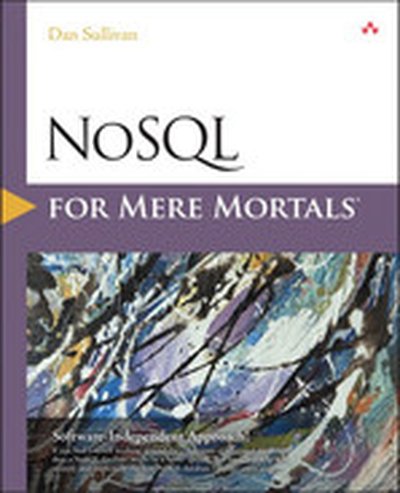
NoSQL for Mere Mortals®

NoSQL was developed to overcome the limitations of relational databases in the largest Web applications at companies such as Google, Yahoo and Facebook. As it is applied more widely, developers are finding that it can simplify scalability while requiring far less coding and management overhead. However, NoSQL requires fundamentally different approaches to database design and modeling, and many conventional relational techniques lead to suboptimal results. NoSQL for Mere Mortals is an easy, practical guide to succeeding with NoSQL in your environment. Following the classic, best-selling format pioneered in SQL Queries for Mere Mortals, enterprise database expert Dan Sullivan guides you step-by-step through choosing technologies, designing high-performance databases, and planning for long-term maintenance. Sullivan introduces each type of NoSQL database, shows how to install and manage them, and demonstrates how to leverage their features while avoiding common mistakes that lead to poor performance and unmet requirements. He uses four popular NoSQL databases as reference models: MongoDB, a document database; Cassandra, a column family data store; Redis, a key-value database; and Neo4j, a graph database. You'll find explanations of each database's structure and capabilities, practical guidelines for choosing amongst them, and expert guidance on designing databases with them. Packed with examples, NoSQL for Mere Mortals is today's best way to master NoSQL—whether you're a DBA, developer, user, or student.

Neo4j High Performance

Dive into the world of graph databases with "Neo4j High Performance." This book takes you through the intricacies of designing, building, and maintaining robust and scalable graph-based systems tailored for your application's specific needs. Whether you're optimizing your database structures or exploring performance enhancements, this guide equips you with the skills to utilize Neo4j effectively. What this Book will help me do Understand the fundamentals of graph database principles and Neo4j's architecture. Learn how to design efficient graph data schemas to optimize performance. Develop the ability to customize Neo4j operations for high-traffic applications. Master advanced indexing and querying techniques to unlock the full potential of your data. Gain expertise in Neo4j's REST API and practical scenarios, including building recommendation systems. Author(s) Sonal Raj is a seasoned expert in graph databases and related technologies, specializing in Neo4j. With hands-on experience in solving complex data problems using graph systems, Sonal brings deep insights and practical usage paradigms to this book. Passionate about sharing knowledge, Sonal ensures this material bridges the gap from beginner understanding to expert application. Who is it for? This book is perfect for professionals and enthusiasts eager to excel in graph database technologies. If you're familiar with basic graph theory or have practical experience with Neo4j, you'll find this book insightful. Beginners seeking a structured introduction and advanced users pursuing optimization techniques will benefit equally. Ideal for developers aiming to scale their applications using graph data efficiently.

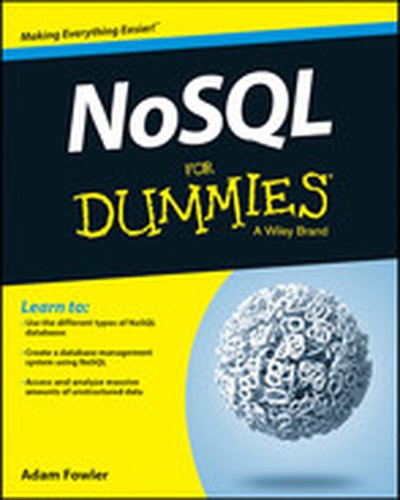
NoSQL For Dummies

Get up to speed on the nuances of NoSQL databases and what they mean for your organization This easy to read guide to NoSQL databases provides the type of no-nonsense overview and analysis that you need to learn, including what NoSQL is and which database is right for you. Featuring specific evaluation criteria for NoSQL databases, along with a look into the pros and cons of the most popular options, NoSQL For Dummies provides the fastest and easiest way to dive into the details of this incredible technology. You'll gain an understanding of how to use NoSQL databases for mission-critical enterprise architectures and projects, and real-world examples reinforce the primary points to create an action-oriented resource for IT pros. If you're planning a big data project or platform, you probably already know you need to select a NoSQL database to complete your architecture. But with options flooding the market and updates and add-ons coming at a rapid pace, determining what you require now, and in the future, can be a tall task. This is where NoSQL For Dummies comes in! Learn the basic tenets of NoSQL databases and why they have come to the forefront as data has outpaced the capabilities of relational databases Discover major players among NoSQL databases, including Cassandra, MongoDB, MarkLogic, Neo4J, and others Get an in-depth look at the benefits and disadvantages of the wide variety of NoSQL database options Explore the needs of your organization as they relate to the capabilities of specific NoSQL databases Big data and Hadoop get all the attention, but when it comes down to it, NoSQL databases are the engines that power many big data analytics initiatives. With NoSQL For Dummies, you'll go beyond relational databases to ramp up your enterprise's data architecture in no time.