talk-data.com talk-data.com

Topic

Oracle

database enterprise_software cloud

541

tagged

Activity Trend

33 peak/qtr
2020-Q1 2026-Q1

Activities

541 activities · Newest first

Understanding Oracle Clinical

This Short Cut is written to assist you, an Oracle Clinical Developer, with many of the tasks and decisions you may encounter on an occasional basis. These tasks involve study setup and maintenance, account maintenance, handling discrepancies, preparing data sets for analysis, batch-loading data, altering system-level settings and defining standard processes. A working knowledge of screen setup and procedure coding is assumed. Remote Data Capture (RDC), which moves data entry from the CRO or pharmaceutical company to the sites, is fast becoming the preferred way to gather and clean data for clinical trails. Thus, RDC, in either Classic or PDF form is frequently discussed here; however, occasionally traditional OC data entry methods will be noted. Ideally, you will have a general programming background as well as a strong knowledge of clinical trials and PL/SQL.
IBM System Storage N series Best Practice Guidelines for Oracle

This IBM Redbooks publication describes best practice guidelines for running Oracle databases on IBM System Storage N series products with system platforms such as Solaris, HP/UX, AIX, Linux, and Microsoft Windows. It provides tips and recommendations on how to best configure Oracle and the N series products for optimum operation. The book presents an introductory view of the current N series models and features. It also explains basic network setup. For those who are unfamiliar with the N series portfolio of products, this book also provides an introduction to aggregates, volumes, and setup. This document reflects work done by NetApp and Oracle, as well as by NetApp engineers at various joint customer sites. It is intended for storage administrators, database administrators, business partners, IBM personnel, or anyone who intends to use Oracle with the N series portfolio of products. It contains the bare minimum requirements for deployment of Oracle on the N series products. Therefore, you should use this document as a starting point for reference.

Forecasting Oracle Performance

What makes seasoned IT professionals run for cover? Answer: Forecasting Oracle Performance! Craig Shallahamer is an Oracle performance expert with over 18 years of experience. His book is the first to focus not on the problem of solving today's problem, but squarely on the problem of forecasting the future performance of an Oracle database. Other Oracle performance books are good for putting out fires; Craig's book helps you avoid all the heat in the first place. If you’re an IT practioner who appreciates application over mathematical proofs than you’ll be pleasantly surprised! Each chapter is filled with examples to transform the theory, mathematics, and methods into something you can practically apply. Craig's goal is to teach you about real-word Oracle performance forecasting. Period. There is no hidden agenda. This book is a kind of training course. After reading, studying, and practicing the material covered in this book, you to be able to confidently, responsibly, and professionally forecast performance and system capacity in a wide variety of real-life situations. If you are more management-minded (or want to be), you will be delighted with the service level management focus. Forecasting makes good business sense because it maximizes the return on IT investment and minimizes unplanned down time. To those who think forecasting is a waste of money: well...obviously, they’ve never been on the evening news because their company lost millions of dollars in revenue and brand destruction because of poorly performing or unavailable systems. Without a doubt, you will be equipped to deal with the realities of forecasting Oracle performance. But this book gives you more. Not only will you receive a technical and mathematical perspective, but also a communication, a presentation, and a management perspective. This is career building stuff and immensely satisfying! What you'll learn This book is a “how-to” book filled with examples to transform theory and mathematics into something you can practically apply. You will learn how to use a variety of forecasting models, which will enable you to methodically: Help manage service levels from a business value perspective Identify the risk of over utilized resources Predict what component of an architecture is at risk Predict when a system will be at risk Develop multiple risk mitigating strategies to ensure service levels are maintained Characterize a complex Oracle workload Who this book is for IT professionals who must ensure their production Oracle systems are meeting service levels, in part, through forecasting performance, identifying risk, and developing solutions to ensure systems are available without wasting budget. Readers include database administrators, IT managers, developers, capacity planners, systems architects, systems integrators.

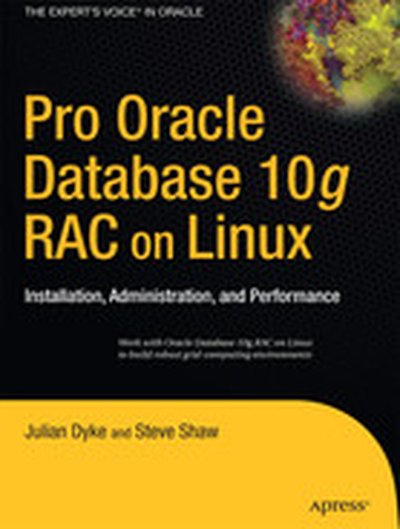
Pro Ora cle Database 10g RAC on Linux Installation, Administration, and Performance

Real Application Clusters (RAC) and the Grid architecture are Oracle's strategy for scaling out enterprise systems to cope with bigger workloads and more users. Many books limit themselves by conceptualizing and theorizing about RAC technology, but this book is the first to portray implementing and administering an Oracle 10 g RAC system in a Linux environment. This book features basic concepts underlying Linux and Oracle RAC, design strategies, hardware procurement and configuration, and many other topics. The RAC-specific technologies described include configuration of the interconnect, OCFS, ASM, Cluster Ready Services, and Grid Control. The Oracle features RMAN and Data Guard are also discussed, along with available hardware options. The authors include practical examples and configuration information, so that upon reading this book, you'll be armed with the information you need to build an Oracle RAC database on Linux, whether it is on a single laptop or a 64-node Itanium cluster.

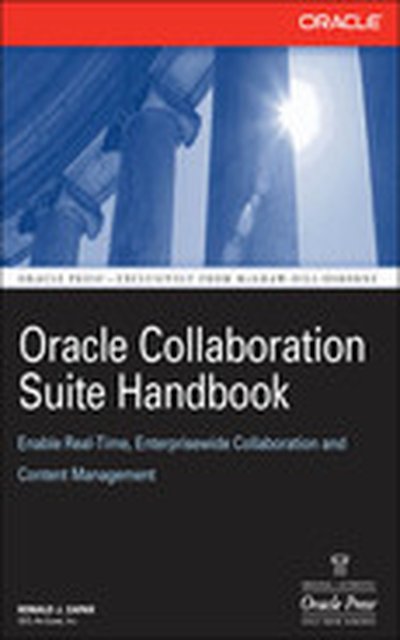
Oracle Collaboration Suite Handbook

Maximize the Capabilities of Oracle Collaboration Suite Facilitate enterprisewide communication, data sharing, and team work using Oracle Collaboration Suite 10g and the in-depth information contained in this Oracle Press guide.Oracle Collaboration Suite Handbook explains how to install, implement, manage, and optimize the suite in an enterprise environment.

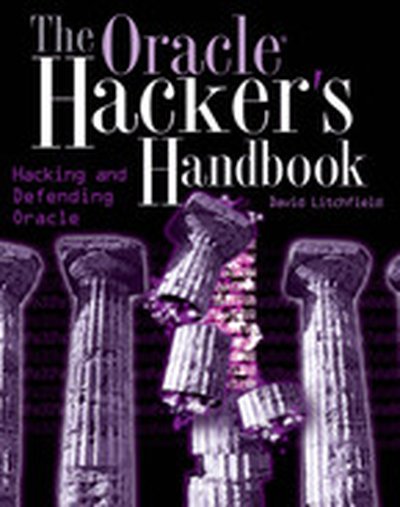
The Oracle® Hacker's Handbook: Hacking and Defending Oracle

David Litchfield has devoted years to relentlessly searching out the flaws in the Oracle database system and creating defenses against them. Now he offers you his complete arsenal to assess and defend your own Oracle systems. This in-depth guide explores every technique and tool used by black hat hackers to invade and compromise Oracle and then it shows you how to find the weak spots and defend them. Without that knowledge, you have little chance of keeping your databases truly secure.

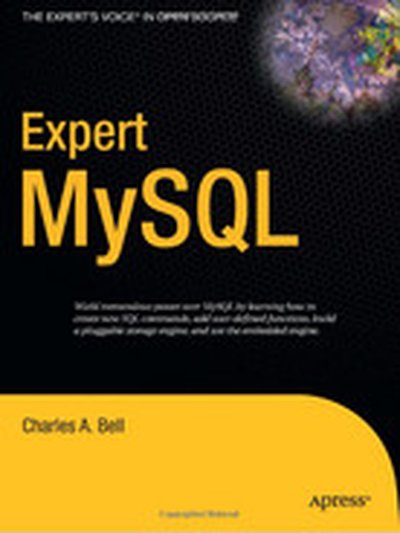
Expert MySQL

Since the enormous number of features made available with MySQL release 5.0, MySQL has been gaining steam as a viable alternative to database behemoths like Oracle and IBM DB2. MySQL users now have the ability to extend MySQL with new SQL commands, optimize query execution, and embed MySQL within low-resource environments like embedded devices and kiosks. Expert MySQL, by Dr. Charles A. Bell, is the first book to examine these opportunities in detail, showing you how to wield maximum control over this powerful open source database. You'll learn how to create your own custom storage handlers, ensuring maximum flexibility and speed within your specialized applications. You'll also gain valuable insight into MySQLs architecture and learn how to tweak its behavior through custom changes to the source code.

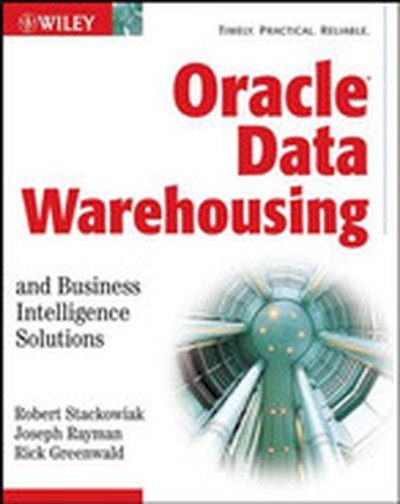
Oracle® Data Warehousing and Business Intelligence Solutions

Up-to-date, comprehensive coverage of the Oracle database and business intelligence tools Written by a team of Oracle insiders, this authoritative book provides you with the most current coverage of the Oracle data warehousing platform as well as the full suite of business intelligence tools. You'll learn how to leverage Oracle features and how those features can be used to provide solutions to a variety of needs and demands. Plus, you'll get valuable tips and insight based on the authors' real-world experiences and their own implementations. Avoid many common pitfalls while learning best practices for: Leveraging Oracle technologies to design, build, and manage data warehouses Integrating specific database and business intelligence solutions from other vendors Using the new suite of Oracle business intelligence tools to analyze data for marketing, sales, and more Handling typical data warehouse performance challenges Uncovering initiatives by your business community, security business sponsorship, project staffing, and managing risk

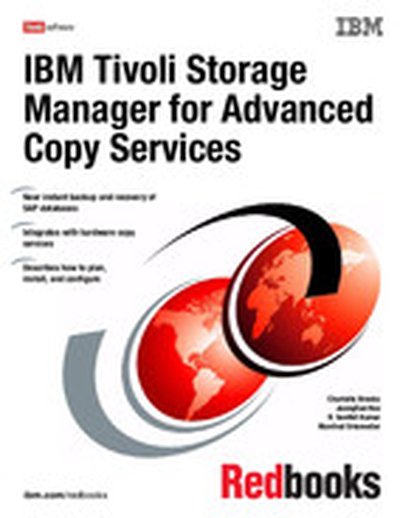
IBM Tivoli Storage Manager for Advanced Copy Services

Backing up SAP software environments is increasingly challenging in today’s 24x7 enterprises. Even more challenging is restoring these environments. Applications and databases grow ever larger, putting increasing strain on the management infrastructure. Using hardware-assisted copy mechanisms to perform fast backups and restores is one way to address these issues. Tivoli Storage Manager, along with associated products, allows you to leverage FlashCopy to perform fast backups, almost “instant” restores, as well as database cloning for testing and other purposes. These applications are fully integrated with SAP software in DB2 UDB and Oracle environments, providing reliable, intelligent techniques for data protection. This IBM Redbooks publication will help you plan, configure, and run IBM Tivoli Storage Manager for Advanced Copy Services and associated applications in your SAP software environments.

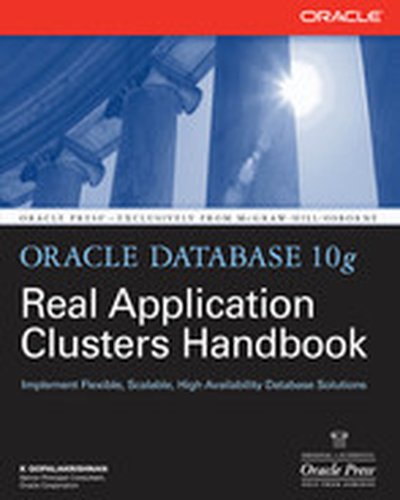
Oracle Database 10g Real Application Clusters Handbook

Learn cutting-edge technology from Oracle experts Written by Oracle insiders, this comprehensive guide covers everything you need to know about Real Application Clusters -- low-cost hardware platforms that can rival and exceed the quality of service, availability, and scalability of the most expensive mainframe systems. Concepts covered are applicable to all previous versions of Oracle Tuning and troubleshooting tips, providing insight on the most advanced diagnostics available Detailed coverage of advanced RAC concepts Working code for all examples available online

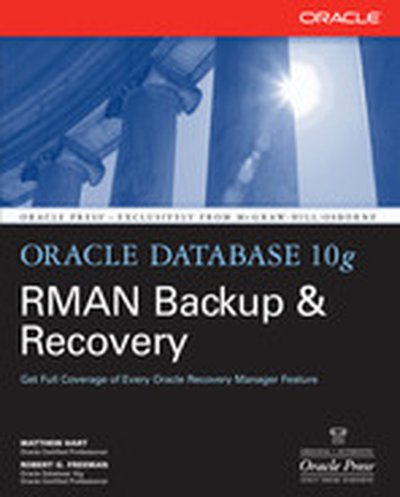
Oracle Database 10g RMAN Backup & Recovery

The Most Complete Guide to Maximizing Oracle Recovery Manager Deploy a rock-solid data backup and disaster recovery strategy with the in-depth guidance of this authoritative volume. From the exclusive publishers of Oracle Press books, Oracle Database 10g RMAN Backup & Recovery shows you, step by step, how to set up RMAN-ready databases, create reliable backup tapes and discs, and perform accurate Oracle system restores. Find out how to use RMAN from the command line and from Enterprise Manager, generate meaningful lists and reports, and automate administrative tasks using third-party media management tools. Plus, you'll learn to perform incremental backups, Flashback recoveries, and database cloning. Set up, configure, and maintain Oracle Database 10 g RMAN Use RMAN recovery catalogs, target database packages, and control files Centralize backup tape management using Oracle Secure Backup Perform online, offline, and incremental system backups Monitor and tune performance with Enterprise Manager Grid Control and Database Control Accomplish complete and partial RMAN database restores Improve functionality using VERITAS NetBackup, EMC NetWorker Module, and Tivoli Storage Manager Overcome human errors using Flashback Versions Query and Transaction Query Create clone and standby databases from tape and disc backups Work with Real Application Cluster (RAC) databases and sync-and-split hardware technologies

SQL Hacks

Whether you're running Access, MySQL, SQL Server, Oracle, or PostgreSQL, this book will help you push the limits of traditional SQL to squeeze data effectively from your database. The book offers 100 hacks -- unique tips and tools -- that bring you the knowledge of experts who apply what they know in the real world to help you take full advantage of the expressive power of SQL. You'll find practical techniques to address complex data manipulation problems. Learn how to: Wrangle data in the most efficient way possible Aggregate and organize your data for meaningful and accurate reporting Make the most of subqueries, joins, and unions Stay on top of the performance of your queries and the server that runs them Avoid common SQL security pitfalls, including the dreaded SQL injection attack Let SQL Hacks serve as your toolbox for digging up and manipulating data. If you love to tinker and optimize, SQL is the perfect technology and SQL Hacks is the must-have book for you.

Introduction to SQL: Mastering the Relational Database Language, Fourth Edition/20th Anniversary Edition

The Classic SQL Tutorial: Fully Updated for Today’s Standards and Today’s Top Databases For twenty years, van der Lans’ Introduction to SQL has been the definitive SQL tutorial for database professionals everywhere, regardless of experience or platform. Now van der Lans has systematically updated this classic guide to reflect the latest SQL standards and the newest versions of today’s leading RDBMSs: Oracle, Microsoft SQL Server, DB2, and MySQL. Using case study examples and hands-on exercises, van der Lans illuminates every key SQL concept, technique, and statement. Drawing on decades of experience as an SQL standards team member and enterprise consultant, he reveals exactly why SQL works as it does–and how to get the most out of it. You’ll gain powerful insight into everything from basic queries to stored procedures, transactions to data security. Whether you’re a programmer or DBA, a student or veteran, this book will take you from “apprentice” to true SQL master. Writing queries and updating data: all you need to know about SELECT Working with joins, functions, and subqueries Creating database objects: tables, indexes, views, and more Specifying keys and other integrity constraints Using indexes to improve efficiency Enforcing security via passwords and privileges Building stored procedures and triggers Developing with embedded SQL and ODBC Working with transactions, including rollbacks, savepoints, isolation levels, and more Optimizing performance by reformulating SQL statements Using object-relational features: subtables, references, sets, and user-defined data types Reference section: SQL statement definitions and SQL function lists

The Relational Database Dictionary

Avoid misunderstandings that can affect the design, programming, and use of database systems. Whether you're using Oracle, DB2, SQL Server, MySQL, or PostgreSQL, The Relational Database Dictionary will prevent confusion about the precise meaning of database-related terms (e.g., attribute, 3NF, one-to-many correspondence, predicate, repeating group, join dependency), helping to ensure the success of your database projects. Carefully reviewed for clarity, accuracy, and completeness, this authoritative and comprehensive quick-reference contains more than 600 terms, many with examples, covering issues and concepts arising from the relational model of data. This one-of-a-kind dictionary provides a single, compact source where DBAs, database designers, DBMS implementers, application developers, and database professors and students can find the accurate definitions they need on a daily basis, information that isn't readily available anywhere else. If you're working with or learning about relational databases, you need this pocket-sized quick-reference.

Hands-On Oracle Database 10g Express Edition for Windows

The fastest way to get up and running on Oracle Database XE Take full advantage of all the powerful features available in Oracle Database 10 Express Edition with help from this easy-to-follow Oracle Press guide.Hands-On Oracle Database 10 Express Edition for Windows shows you, step by step, how to set up, administer, tune, troubleshoot, and secure a robust database system. You will also learn to use PL/SQL and Oracle Application Express to build custom database applications. Get started today with the Oracle database that’s free to develop, deploy, and distribute. The ebook version does not provide access to the companion files.

Oracle 10g RAC Grid, Services & Clustering

Grid architecture is Oracle’s strategy for high-end computing and RAC is the stepping stone into this arena. This book focuses on current technology including all valid RAC features up through Oracle Database 10g Release 2, with a primary focus on deploying it in a high-end grid environment. The book discusses this technology at length which users will find beneficial when researching, implementing or monitoring a RAC environment. The author covers workshop implementation of services and the distribution of workload across instances, with threshold definitions and the new load balancing algorithms. In addition it includes detailed discussions on ASM that complements the implementation of RAC in Oracle Grid strategy. The book also includes discussions on new Oracle Clusterware, its components and its integration with RAC. Oracle 10g RAC focuses on RAC-specific topics including ASM, operating system configuration, installation and configuration of RAC and much more. Coverage includes network configuration for high availability, FAN, TAF, ONS, implementation of maximum availability architecture (MAA), EM Grid Control, AWR, ADDM and other performance-related tools. The author includes several scripts for performance tuning and implementation that the reader can use to configure a RAC environment either on a 2, 4, 8, 60 or 99 node configuration. * Focuses on implementing, testing and tuning features of Real Application Clusters (RAC) database version 10g Release 2 * Provides extensive coverage of usage, day-to-day functions and operations * Includes tips and techniques such as script samples to illustrate various features of RAC * A jumpstart into all the key features of 10g R2 RAC

Oracle PL/SQL For Dummies

Find tips for creating efficient PL/SQL code If you know a bit about SQL, this book will make PL/SQL programming painless! The Oracle has spoken—you need to get up to speed on PL/SQL programming, right? We predict it'll be a breeze with this book! You'll find out about code structures, best practices, and code naming standards, how to use conditions and loops, where to place PL/SQL code in system projects, ways to manipulate data, and more. Discover how to Write efficient, easy-to-maintain code Test and debug PL/SQL routines Integrate SQL and PL/SQL Apply PL/SQL best practices Use new features introduced in Oracle 9i and 10g

SQL Pocket Guide, 2nd Edition

SQL is the language of databases. It's used to create and maintain database objects, place data into those objects, query the data, modify the data, and, finally, delete data that is no longer needed. Databases lie at the heart of many, if not most business applications. Chances are very good that if you're involved with software development, you're using SQL to some degree. And if you're using SQL, you should own a good reference or two. Now available in an updated second edition, our very popular SQL Pocket Guide is a major help to programmers, database administrators, and everyone who uses SQL in their day-to-day work. The SQL Pocket Guide is a concise reference to frequently used SQL statements and commonly used SQL functions. Not just an endless collection of syntax diagrams, this portable guide addresses the language's complexity head on and leads by example. The information in this edition has been updated to reflect the latest versions of the most commonly used SQL variants including: Oracle Database 10g, Release 2 (includingthe free Oracle Database 10g Express Edition (XE)) Microsoft SQL Server 2005 MySQL 5 IBM DB2 8.2 PostreSQL 8.1 database

Oracle Discoverer 10g Handbook

Generate detailed reports that will give your company the competitive edge Put essential information in the hands of end-users across your organization using Oracle Business Intelligence Discoverer 10 g and the comprehensive information contained in this Oracle Press guide. You’ll learn, step-by-step, how to query databases and warehouses, format the results, and distribute dynamic, Web-enabled reports. All features are covered in full detail, including OracleBI Discoverer Desktop, Workbook Wizard, Plus, Viewer, Discoverer Administrator, Portlet Provider, OLAP, and Enterprise Manager. Real-world case studies and tutorials illustrate all of the analysis, security, and reporting capabilities of Oracle Discoverer 10 g. Set up, configure, and manage Oracle Business Intelligence Discoverer 10 g Perform ad hoc and fixed queries using the Workbook Wizard Integrate sorts, calculations, percentages, and parameters using Discoverer Plus Create reports with graphs, tables, titles, headers, footers, and margins Use Discoverer Viewer to review, format, export, email, and print reports Refine queries using interactive pivoting, drilling, and Hyper Drilling Control OLAP workbooks using the Discoverer Catalog and Oracle Enterprise Manager Establish access and sharing rights, and scheduling privileges with Discoverer Administrator Set up and use Portal using Discoverer Portlet Provider and Portlets Implement query shortcuts, cascading parameters and advanced analytic calculations using templates

MySQL Stored Procedure Programming

The implementation of stored procedures in MySQL 5.0 a hugemilestone -- one that is expected to lead to widespread enterprise adoption ofthe already extremely popular MySQL database. If you are serious aboutbuilding the web-based database applications of the future, you need toget up to speed quickly on how stored procedures work -- and how tobuild them the right way. This book, destined to be the bible of storedprocedure development, is a resource that no real MySQL programmer canafford to do without. In the decade since MySQL burst on the scene, it has become thedominant open source database, with capabilities and performancerivaling those of commercial RDBMS offerings like Oracle and SQLServer. Along with Linux and PHP, MySQL is at the heart of millions ofapplications. And now, with support for stored procedures, functions,and triggers in MySQL 5.0, MySQL offers the programming power neededfor true enterprise use. MySQL's new procedural language has a straightforward syntax, making iteasy to write simple programs. But it's not so easy to write secure,easily maintained, high-performance, and bug-free programs. Few in theMySQL world have substantial experience yet with stored procedures, butGuy Harrison and Steven Feuerstein have decades of combined expertise. In MySQL Stored Procedure Programming, they putthat hard-won experience to good use. Packed with code examples and coveringeverything from language basics to application building to advancedtuning and best practices, this highly readable book is the one-stopguide to MySQL development. It consists of four major sections: MySQL stored programming fundamentals -- tutorial, basicstatements, SQL in stored programs, and error handling Building MySQL stored programs -- transaction handling,built-in functions, stored functions, and triggers MySQL stored programs in applications -- using storedprograms with PHP, Java, Perl, Python, and .NET (C# and VB.NET) Optimizing MySQL stored programs -- security, basic andadvanced SQL tuning, optimizing stored program code, and programmingbest practices A companion web site contains many thousands of lines of code, that youcan put to use immediately. Guy Harrison is Chief Architect of Database Solutions at Quest Softwareand a frequent speaker and writer on MySQL topics. Steven Feuerstein isthe author of Oracle PL/SQL Programming, the classic reference for Oracle stored programming for more than ten years. Both have decades of experience as database developers, and between them they have authored a dozen books.