talk-data.com talk-data.com

Topic

Data Science

machine_learning statistics analytics

1516

tagged

Activity Trend

68 peak/qtr
2020-Q1 2026-Q1

Activities

1516 activities · Newest first

How do you make data analytics fun and engaging? In this episode, I chat with YouTube sensation Thu Vu. We discuss Python's growing significance, trends in the data job market, plus get a sneak peek into her new initiative, Python for AI Projects. 💌 Join 10k+ aspiring data analysts & get my tips in your inbox weekly 👉 https://www.datacareerjumpstart.com/newsletter 🆘 Feeling stuck in your data journey? Come to my next free "How to Land Your First Data Job" training 👉 https://www.datacareerjumpstart.com/training 👩‍💻 Want to land a data job in less than 90 days? 👉 https://www.datacareerjumpstart.com/daa 👔 Ace The Interview with Confidence 👉 https://www.datacareerjumpstart.com/interviewsimulator ⌚ TIMESTAMPS 05:54 - Creating cool projects with Local LLMs 13:48 - Learning and Teaching Python for AI 24:09 - Trends in Data and Tech Job Market 🔗 CONNECT WITH THU VU 🎥 YouTube Channel: https://www.youtube.com/@Thuvu5 🤝 LinkedIn: https://www.linkedin.com/in/thu-hien-vu-3766b174/ 📸 Instagram: https://www.instagram.com/thuvu.analytics/ 🎵 TikTok: https://www.tiktok.com/@thuvu.datanalytics 💻 Website: https://thuhienvu.com/ Free Data Science & AI tips thu-vu.ck.page/49c5ee08f6 Master Python for AI projects python-course-earlybird.framer.website 🔗 CONNECT WITH AVERY 🎥 YouTube Channel: https://www.youtube.com/@averysmith 🤝 LinkedIn: https://www.linkedin.com/in/averyjsmith/ 📸 Instagram: https://instagram.com/datacareerjumpstart 🎵 TikTok: https://www.tiktok.com/@verydata 💻 Website: https://www.datacareerjumpstart.com/ Mentioned in this episode: Join the last cohort of 2025! The LAST cohort of The Data Analytics Accelerator for 2025 kicks off on Monday, December 8th and enrollment is officially open!

To celebrate the end of the year, we’re running a special End-of-Year Sale, where you’ll get: ✅ A discount on your enrollment 🎁 6 bonus gifts, including job listings, interview prep, AI tools + more

If your goal is to land a data job in 2026, this is your chance to get ahead of the competition and start strong.

👉 Join the December Cohort & Claim Your Bonuses: https://DataCareerJumpstart.com/daa https://www.datacareerjumpstart.com/daa
In this podcast episode, we talked with Agita Jaunzeme about Career choices, transitions and promotions in and out of tech.

About the Speaker:

Agita has designed a career spanning DevOps/DataOps engineering, management, community building, education, and facilitation. She has worked on projects across corporate, startup, open source, and non-governmental sectors. Following her passion, she founded an NGO focusing on the inclusion of expats and locals in Porto. Embodying the values of innovation, automation, and continuous learning, Agita provides practical insights on promotions, career pivots, and aligning work with passion and purpose.

During this event, discussed their career journey, starting with their transition from art school to programming and later into DevOps, eventually taking on leadership roles. They explored the challenges of burnout and the importance of volunteering, founding an NGO to support inclusion, gender equality, and sustainability. The conversation also covered key topics like mentorship, the differences between data engineering and data science, and the dynamics of managing volunteers versus employees. Additionally, the guest shared insights on community management, developer relations, and the importance of product vision and team collaboration.

0:00 Introduction and Welcome 1:28 Guest Introduction: Agita’s Background and Career Highlights 3:05 Transition to Tech: From Art School to Programming 5:40 Exploring DevOps and Growing into Leadership Roles 7:24 Burnout, Volunteering, and Founding an NGO 11:00 Volunteering and Mentorship Initiatives 14:00 Discovering Programming Skills and Early Career Challenges 15:50 Automating Work Processes and Earning a Promotion 19:00 Transitioning from DevOps to Volunteering and Project Management 24:00 Managing Volunteers vs. Employees and Building Organizational Skills 31:07 Personality traits in engineering vs. data roles 33:14 Differences in focus between data engineers and data scientists 36:24 Transitioning from volunteering to corporate work 37:38 The role and responsibilities of a community manager 39:06 Community management vs. developer relations activities 41:01 Product vision and team collaboration 43:35 Starting an NGO and legal processes 46:13 NGO goals: inclusion, gender equality, and sustainability 49:02 Community meetups and activities 51:57 Living off-grid in a forest and sustainability 55:02 Unemployment party and brainstorming session 59:03 Unemployment party: the process and structure

🔗 CONNECT WITH AGITA JAUNZEME Linkedin - /agita

🔗 CONNECT WITH DataTalksClub Join DataTalks.Club: ⁠https://datatalks.club/slack.html⁠ Our events: ⁠https://datatalks.club/events.html⁠ Datalike Substack - ⁠https://datalike.substack.com/⁠ LinkedIn: ⁠  / datatalks-club  

2024 was another huge year for data and AI. Generative AI continued to shape the way we work and interact with technology, with companies of all sizes racing to integrate AI into their products. We saw strides in tools like AI-enhanced data science notebooks, rapid adoption of generative image AI, and a steady march toward video generation AI. At the same time, foundational skills like AI literacy and data governance gained traction as critical areas for individuals and organizations to master. This time last year, DataCamp Co-Founders Jonathan and Martijn made a series of predictions and data and AI for 2024, today, they join Richie to reflect on their 2024 predictions and share their vision for data and AI in 2025. In the episode, Richie, Jonathan, and Martijn review the mainstream adoption of generative AI and its journey toward daily use, the rise of AI literacy as a critical skill, the growing overlap between data science and software engineering with the emergence of AI engineers, evolving trends in programming languages, how generative AI has moved from prototype to production, the near-mainstreaming of video generation AI, why AI hype continues to thrive and much more. Links Mentioned in the Show: Data & AI Trends & Predictions 2025Skill Track: AI Business FundamentalsRelated Episode: Data Trends & Predictions 2024 with DataCamp's CEO & COO, Jonathan Cornelissen & Martijn TheuwissenRewatch sessions from RADAR: Forward Edition New to DataCamp? Learn on the go using the DataCamp mobile appEmpower your business with world-class data and AI skills with DataCamp for business

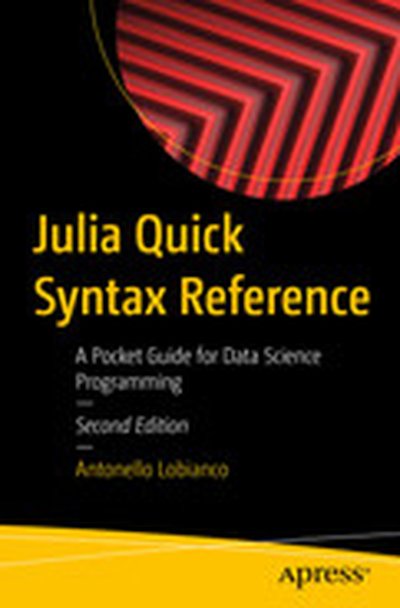
Julia Quick Syntax Reference: A Pocket Guide for Data Science Programming

Learn the Julia programming language as quickly as possible. This book is a must-have reference guide that presents the essential Julia syntax in a well-organized format, updated with the latest features of Julia’s APIs, libraries, and packages. This book provides an introduction that reveals basic Julia structures and syntax; discusses data types, control flow, functions, input/output, exceptions, metaprogramming, performance, and more. Additionally, you'll learn to interface Julia with other programming languages such as R for statistics or Python. At a more applied level, you will learn how to use Julia packages for data analysis, numerical optimization, symbolic computation, and machine learning, and how to present your results in dynamic documents. The Second Edition delves deeper into modules, environments, and parallelism in Julia. It covers random numbers, reproducibility in stochastic computations, and adds a section on probabilistic analysis. Finally, it provides forward-thinking introductions to AI and machine learning workflows using BetaML, including regression, classification, clustering, and more, with practical exercises and solutions for self-learners. What You Will Learn Work with Julia types and the different containers for rapid development Use vectorized, classical loop-based code, logical operators, and blocks Explore Julia functions: arguments, return values, polymorphism, parameters, anonymous functions, and broadcasts Build custom structures in Julia Use C/C++, Python or R libraries in Julia and embed Julia in other code. Optimize performance with GPU programming, profiling and more. Manage, prepare, analyse and visualise your data with DataFrames and Plots Implement complete ML workflows with BetaML, from data coding to model evaluation, and more. Who This Book Is For Experienced programmers who are new to Julia, as well as data scientists who want to improve their analysis or try out machine learning algorithms with Julia.

Big Data, Data Mining and Data Science

Through the application of cutting-edge techniques like Big Data, Data Mining, and Data Science, it is possible to extract insights from massive datasets. These methodologies are crucial in enabling informed decision-making and driving transformative advancements across many fields, industries, and domains. This book offers an overview of latest tools, methods and approaches while also highlighting their practical use through various applications and case studies.

If you're early in your data career or still trying to break in, you've probably got questions about the path ahead and how you can advance to more senior roles.

In this episode, you'll hear from industry veteran Andrew Madson who will share his best advice to help you navigate your career path. 

You'll leave with a better understanding of the road that lies ahead, and some concrete and actionable tips you can use to help accelerate your career. What You'll Learn: What you can expect from a career in data How promotion decisions are made and how you can position yourself well Strategies for building your brand, network, and skills to accelerate your career   This session was part of our OPEN CAMPUS week in October, which included 6 days of live expert sessions.   Register for free to be part of the next live session: https://bit.ly/3XB3A8b   About our guest: Andrew Madson is a Data Analytics, Data Science, and AI Evangelist at Dremio, with deep expertise in leveraging data to drive innovation. With a strong background in analytics, machine learning, and education, he empowers organizations and individuals to unlock the full potential of their data. Insights x Design Podcast Follow Andrew on LinkedIn

Follow us on Socials: LinkedIn YouTube Instagram (Mavens of Data) Instagram (Maven Analytics) TikTok Facebook Medium X/Twitter

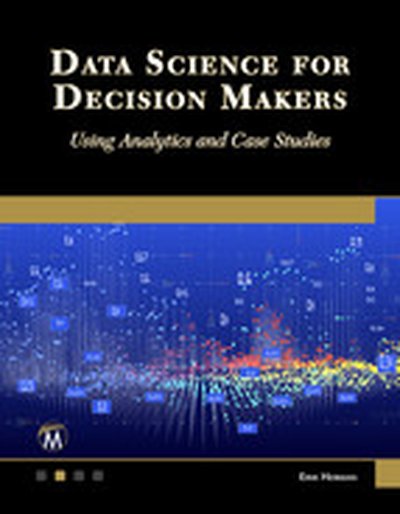
Data Science for Decision Makers

Data Science for Decision Makers is an essential guide for executives, managers, entrepreneurs, and anyone seeking to harness the power of data to drive business success. In today's fast-paced and increasingly digital world, the ability to make informed decisions based on data-driven insights is vital. This book serves as a bridge between the complex world of data science and the strategic decision-making process, providing readers with the knowledge and tools they need to leverage data effectively. With a clear focus on practical application, this book demystifies key concepts in data science, from data collection and analysis to predictive modeling and visualization. Via real-world examples, case studies, and actionable insights, readers will learn how to extract insights from data and translate them into actionable strategies that drive organizational growth. Written in a reader-friendly manner, this book caters to both novice and experienced professionals alike. Whether you're a seasoned executive looking to sharpen your strategic acumen or a manager seeking to enhance your team's data literacy, this essential reference provides the necessary foundation to navigate the complex landscape of data science with confidence.

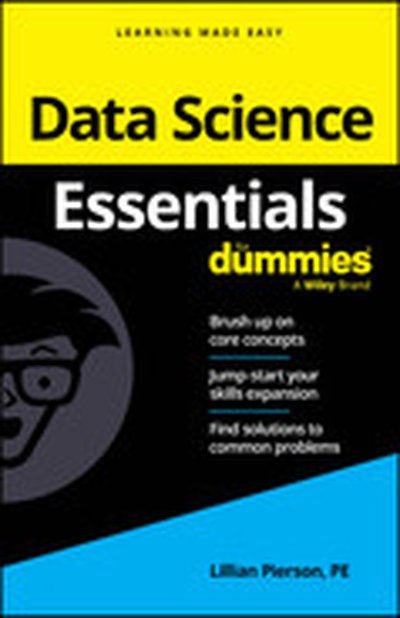
Data Science Essentials For Dummies

Feel confident navigating the fundamentals of data science Data Science Essentials For Dummies is a quick reference on the core concepts of the exploding and in-demand data science field, which involves data collection and working on dataset cleaning, processing, and visualization. This direct and accessible resource helps you brush up on key topics and is right to the point—eliminating review material, wordy explanations, and fluff—so you get what you need, fast. Strengthen your understanding of data science basics Review what you've already learned or pick up key skills Effectively work with data and provide accessible materials to others Jog your memory on the essentials as you work and get clear answers to your questions Perfect for supplementing classroom learning, reviewing for a certification, or staying knowledgeable on the job, Data Science Essentials For Dummies is a reliable reference that's great to keep on hand as an everyday desk reference.

This episode features an engaging discussion between Raja Iqbal, Founder and CEO of Data Science Dojo, and Amr Awadallah, Founder and CEO of Vectara, the trusted GenAI Platform for All Builders.

In this episode, Raja Iqbal sits down with Amr, a successful entrepreneur and a leader in the tech world, to talk about how technology is shaping our lives and work. They discuss how businesses can adapt to the rapid changes brought by new tools, the challenges faced by different industries, and how technology can improve our lives.Amr shares fascinating insights about how AI can help in healthcare and education, making them more accessible, especially in developing countries. He also talks about the skills our kids will need to thrive in the future and how technology is changing everything—from how we work to how we learn.This is a must-watch for anyone curious about how technology changes the world and what it means for the future!

podcast_episode
by Mona Kasra (University of Virginia) , Francesca Tripodi (University of North Carolina Chapel Hill) , David Nemer (University of Virginia)

In recent elections, the rise of misleading content—ranging from manipulated images to false narratives—has sparked growing concerns about misinformation and disinformation. How does this wave of deceptive content deepen political divides, shape voter perceptions, and erode trust? And what does it mean for our access to reliable information? Last month, the UVA Karsh Institute of Democracy and the School of Data Science co-hosted an in-depth discussion to ask these pressing questions and uncover the challenges at the intersection of truth, trust, and democracy.

Guests included Mona Kasra, associate professor of digital media design at the University of Virginia; Francesca Tripodi, associate professor at the University of North Carolina Chapel Hill and David Nemer, assistant professor in media studies at the University of Virginia.

If you would like to learn more about the Karsh Institute of Democracy or the School of Data Science, please visit karshinstitute.virginia.edu or datascience.virginia.edu.

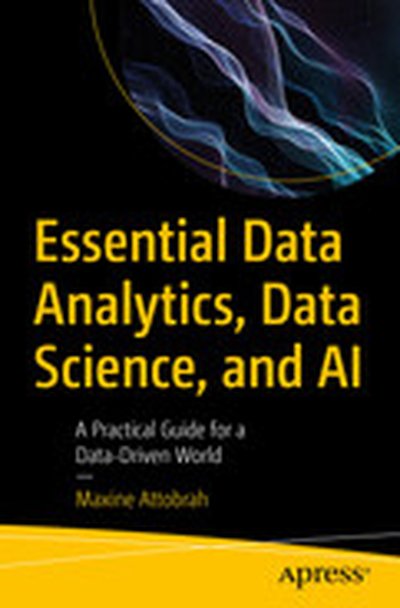
Essential Data Analytics, Data Science, and AI: A Practical Guide for a Data-Driven World

In today’s world, understanding data analytics, data science, and artificial intelligence is not just an advantage but a necessity. This book is your thorough guide to learning these innovative fields, designed to make the learning practical and engaging. The book starts by introducing data analytics, data science, and artificial intelligence. It illustrates real-world applications, and, it addresses the ethical considerations tied to AI. It also explores ways to gain data for practice and real-world scenarios, including the concept of synthetic data. Next, it uncovers Extract, Transform, Load (ETL) processes and explains how to implement them using Python. Further, it covers artificial intelligence and the pivotal role played by machine learning models. It explains feature engineering, the distinction between algorithms and models, and how to harness their power to make predictions. Moving forward, it discusses how to assess machine learning models after their creation, with insights into various evaluation techniques. It emphasizes the crucial aspects of model deployment, including the pros and cons of on-device versus cloud-based solutions. It concludes with real-world examples and encourages embracing AI while dispelling fears, and fostering an appreciation for the transformative potential of these technologies. Whether you’re a beginner or an experienced professional, this book offers valuable insights that will expand your horizons in the world of data and AI. What you will learn: What are Synthetic data and Telemetry data How to analyze data using programming languages like Python and Tableau. What is feature engineering What are the practical Implications of Artificial Intelligence Who this book is for: Data analysts, scientists, and engineers seeking to enhance their skills, explore advanced concepts, and stay up-to-date with ethics. Business leaders and decision-makers across industries are interested in understanding the transformative potential and ethical implications of data analytics and AI in their organizations.

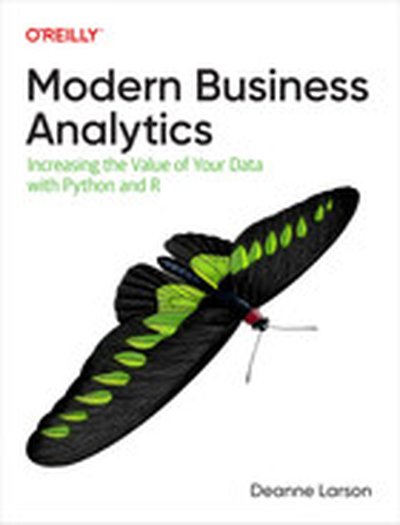
Modern Business Analytics

Deriving business value from analytics is a challenging process. Turning data into information requires a business analyst who is adept at multiple technologies including databases, programming tools, and commercial analytics tools. This practical guide shows programmers who understand analysis concepts how to build the skills necessary to achieve business value. Author Deanne Larson, data science practitioner and academic, helps you bridge the technical and business worlds to meet these requirements. You'll focus on developing these skills with R and Python using real-world examples. You'll also learn how to leverage methodologies for successful delivery. Learning methodology combined with open source tools is key to delivering successful business analytics and value. This book shows you how to: Apply business analytics methodologies to achieve successful results Cleanse and transform data using R and Python Use R and Python to complete exploratory data analysis Create predictive models to solve business problems in R and Python Use Python, R, and business analytics tools to handle large volumes of data Commit code to GitHub to collaborate with data engineers and data scientists Measure success in business analytics

In this podcast episode, we talked with Isabella Bicalho about Career advice, learning, and featuring women in ML and AI.

About the Speaker:

Isabella is a Machine Learning Engineer and Data Scientist with three years of hands-on AI development experience. She draws upon her early computational research expertise to develop ML solutions. While contributing to open-source projects, she runs a newsletter dedicated to showcasing women's accomplishments in data science.

During this event, the guest discussed her transition into machine learning, her freelance work in AI, and the growing AI scene in France. She shared insights on freelancing versus full-time work, the value of open-source contributions, and developing both technical and soft skills. The conversation also covered career advice, mentorship, and her Substack series on women in data science, emphasizing leadership, motivation, and career opportunities in tech.

0:00 Introduction 1:23 Background of Isabella Bicalho 2:02 Transition to machine learning 4:03 Study and work experience 5:00 Living in France and language learning 6:03 Internship experience 8:45 Focus areas of Inria 9:37 AI development in France 10:37 Current freelance work 11:03 Freelancing in machine learning 13:31 Moving from research to freelancing 14:03 Freelance vs. full-time data science 17:00 Finding first freelance client 18:00 Involvement in open-source projects 20:17 Passion for open-source and teamwork 23:52 Starting new projects 25:03 Community project experience 26:02 Teaching and learning 29:04 Contributing to open-source projects 32:05 Open-source tools vs. projects 33:32 Importance of community-driven projects 34:03 Learning resources 36:07 Green space segmentation project 39:02 Developing technical and soft skills 40:31 Gaining insights from industry experts 41:15 Understanding data science roles 41:31 Project challenges and team dynamics 42:05 Turnover in open-source projects 43:05 Managing expectations in open-source work 44:50 Mentorship in projects 46:17 Role of AI tools in learning 47:59 Overcoming learning challenges 48:52 Discussion on substack 49:01 Interview series on women in data 50:15 Insights from women in data science 51:20 Impactful stories from substack 53:01 Leadership challenges in projects 54:19 Career advice and opportunities 56:07 Motivating others to step out of comfort zone 57:06 Contacting for substack story sharing 58:00 Closing remarks and connections

🔗 CONNECT WITH ISABELLA BICALHO Github: github https://github.com/bellabf LinkedIn:   / isabella-frazeto  

🔗 CONNECT WITH DataTalksClub Join DataTalks.Club: https://datatalks.club/slack.html Our events: https://datatalks.club/events.html Datalike Substack - https://datalike.substack.com/ LinkedIn:   / datatalks-club  

Em uma conversa incrível com os especialistas da Bain & Company, uma das maiores consultorias estratégicas do mundo, exploramos o impacto da inteligência artificial generativa nos negócios e o futuro dessa tecnologia. Falamos sobre como a Gen AI tem transformado a forma como as empresas trabalham, abordando desde as estratégias até a implantação de projetos reais que estão remodelando omercados e entregando resultados tangíveis.

Neste episódio do Data Hackers — a maior comunidade de AI e Data Science do Brasil-, conheçam conheçam: Felipe Fiamozzini (Sócio na Bain & Company); Lara Marinelli (Lead Machine Learning Engineer na Bain); e Carlos Azevedo (Sócio associado na Bain). Juntos, eles compartilham práticas recomendadas, stacks utilizadas e as tendências emergentes que prometem moldar o futuro da Gen AI nos próximos anos.

Lembrando que você pode encontrar todos os podcasts da comunidade Data Hackers no Spotify, iTunes, Google Podcast, Castbox e muitas outras plataformas.

Falamos no episódio:

Carlos Azevedo — Sócio associado na Bain Lara Marinelli — Lead Machine Learning Engineer na Bain Felipe Fiamozzini — Sócio na Bain & Company

Nossa Bancada Data Hackers:

Paulo Vasconcellos — Co-founder da Data Hackers e Principal Data Scientist na Hotmart. Monique Femme — Head of Community Management na Data Hackers

Referências:

Preencha a pesquisa State of Data Brazil: https://www.stateofdata.com.br/podcast

We’re improving DataFramed, and we need your help! We want to hear what you have to say about the show, and how we can make it more enjoyable for you—find out more here. Imagine spending millions on data tools only to find you can’t trust the answers they provide. What if different teams define key metrics in different ways? Without a clear, unified approach, chaos reigns, and confidence erodes. What role do data governance and semantic layers play in helping you trust the AI tools you build and the insights you get from your data? Sarah Levy is a seasoned executive with extensive experience in data science, artificial intelligence, and technology leadership. Currently serving as Co-Founder and CEO of Euno since January 2023, Sarah has previously held significant positions, including VP of Data Science and Data Analytics for Real Estate at Pagaya and CTO at Sight Diagnostics, where innovative advancements in blood testing were achieved. With a strong foundation in research and development from roles at Sight Diagnostics and Natural Intelligence, as well as a robust background in cyber security gained from tenure at the IDF, Sarah has consistently driven impactful decision-making and technological advancements throughout their career. Academic credentials include a Master's degree in Condensed Matter Physics from the Weizmann Institute of Science and a Bachelor's degree in Mathematics and Physics from The Hebrew University of Jerusalem. In the episode, Richie and Sarah explore the challenges of data governance, the role of semantic layers in ensuring data trust, the emergence of analytics engineers, the integration of AI in data processes, and much more. Links Mentioned in the Show: EunoConnect with SarahCourse: Responsible AI Data ManagementRelated Episode: How Data Leaders Can Make Data Governance a Priority with Saurabh Gupta, Chief Strategy & Revenue Officer at The Modern Data CompanyRewatch sessions from RADAR: Forward Edition New to DataCamp? Learn on the go using the DataCamp mobile appEmpower your business with world-class data and AI skills with DataCamp for business

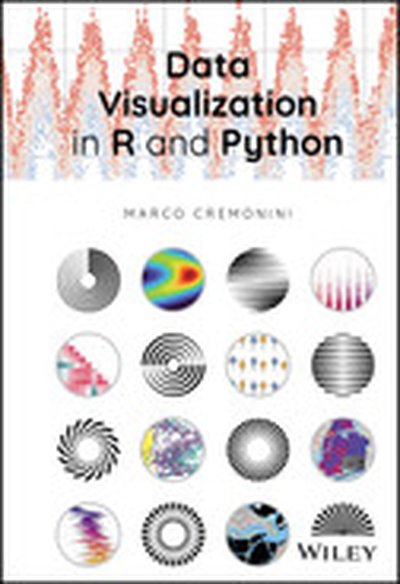
Data Visualization in R and Python

Communicate the data that is powering our changing world with this essential text The advent of machine learning and neural networks in recent years, along with other technologies under the broader umbrella of ‘artificial intelligence,’ has produced an explosion in Data Science research and applications. Data Visualization, which combines the technical knowledge of how to work with data and the visual and communication skills required to present it, is an integral part of this subject. The expansion of Data Science is already leading to greater demand for new approaches to Data Visualization, a process that promises only to grow. Data Visualization in R and Python offers a thorough overview of the key dimensions of this subject. Beginning with the fundamentals of data visualization with Python and R, two key environments for data science, the book proceeds to lay out a range of tools for data visualization and their applications in web dashboards, data science environments, graphics, maps, and more. With an eye towards remarkable recent progress in open-source systems and tools, this book offers a cutting-edge introduction to this rapidly growing area of research and technological development. Data Visualization in R and Python readers will also find: Coverage suitable for anyone with a foundational knowledge of R and Python Detailed treatment of tools including the Ggplot2, Seaborn, and Altair libraries, Plotly/Dash, Shiny, and others Case studies accompanying each chapter, with full explanations for data operations and logic for each, based on Open Data from many different sources and of different formats Data Visualization in R and Python is ideal for any student or professional looking to understand the working principles of this key field.

After getting started in construction management, Anna Jacobson traded in the hard hat for the world of data products and operations at a VC company. Anna, who has a structural engineering undergrad and a masters in data science, is also a Founding Member of the Data Product Leadership Community (DPLC). However, her work with data products is more “accidental” and is just part of her responsibility at Operator Collective. Nonetheless, Anna had a lot to share about building data products, dashboards, and insights for users—including resistant ones! 

That resistance is precisely what I wanted to talk to her about in this episode: how does Anna get somebody to adopt a data product to which they may be apathetic, if not completely resistant?

At the end of the episode, Anna gives us a sneak peek at what she’s planning to talk about in our final 2024 live DPLC group discussion coming up on 12/18/2024.

We covered:

(1:17) Anna's background and how she got involved with data products (3:32) The ways Anna applied her experiences working in construction management to her current work with data products at a VC firm (5:32) Explaining one of the main data products she works on at Operator Collective (9:55) How Anna defines success for her data products (15:21) The process of designing data products for "non-believers" (21:08) How to think about "super users" and their feedback on a data product (27:11) How a company's cultural problems can be a blocker for product adoption (38:21) A preview of what you can expect from Anna's talk and live group discussion in the DPLC (40:24) Closing thoughts from Anna (42:54) Where you can find more from Anna

Quotes from Today’s Episode

“People working with data products are always thinking about how to [gain user adoption of their product]... I can’t think of a single one where [all users] were immediately on board. There’s a lot to unpack in what it takes to get non-believers on board, and it’s something that none of us ever get any training on. You just learn through experience, and it’s not something that most people took a class on in college. All of the social science around what we do gets really passed over for all the technical stuff. It takes thinking through and understanding where different [users] are coming from, and [understanding] that my perspective alone is not enough to make it happen.” - Anna Jacobson (16:00) ​​“If you only bring together the super users and don’t try to get feedback from the average user, you are missing the perspective of the person who isn’t passionate about the product. A non-believer is someone who is just over capacity. They may be very hard-working, they may be very smart, but they just don’t have the bandwidth for new things. That’s something that has to be overcome when you’re putting a new product into place.” - Anna Jacobson (22:35) “If a company can’t find budget to support [a data product], that’s a cultural decision. It’s not a financial decision. They find the money for the things that they care about. Solving the technology challenge is pretty easy, but you have to have a company that’s motivated to do that. If you want to implement something new, be it a data product or any change in an organization, identifying the cultural barriers and figuring out how to bring [people in an organization] on board is the crux of it. The money and the technology can be found.” - Anna Jacobson (27:58) “I think people are actually very bad at explaining what they want, and asking people what they want is not helpful. If you ask people what they want to do, then I think you have a shot at being able to build a product that does [what they want]. The executive sponsors typically have a very different perspective on what the product [should be] than the users do. If all of your information is getting filtered through the executive sponsor, you’re probably not getting the full picture” - Anna Jacobson (31:45) “You want to define what the opportunity is, the problem, the solution, and you want to talk about costs and benefits. You want to align [the data product] with corporate strategy, and those things are fairly easy to map out. But as you get down to the user, what they want to know is, ‘How is this going to make my life easier? How is this going to make [my job] faster? How is it going to result in better outcomes?’ They may have an interest in how it aligns with corporate strategy, but that’s not what’s going to motivate them. It’s really just easier, faster, better.” - Anna Jacobson (35:00)

Links Referenced LinkedIn: https://www.linkedin.com/in/anna-ching-jacobson/

DPLC (Data Product Leadership Community): https://designingforanalytics.com/community

podcast_episode
by Val Kroll , Duncan Clark (Flourish; Canva) , Julie Hoyer , Tim Wilson (Analytics Power Hour - Columbus (OH) , Moe Kiss (Canva) , Michael Helbling (Search Discovery)

Data storytelling is a perpetually hot topic in analytics and data science. It's easy to say, and it feels pretty easy to understand, but it's quite difficult to consistently do well. As our guest, Duncan Clark, co-founder and CEO of Flourish and Head of Europe for Canva, described it, there's a difference between "communicating" and "understanding" (or, as Moe put it, there's a difference between "explaining" and "exploring"). Data storytelling is all about the former, and it requires hard work and practice: being crystal clear as to why your audience should care about the information, being able boil the story down to a single sentence (and then expand from there), and crafting a narrative that is much, much more than an accelerated journey through the path the analyst took with the data. Give it a listen and then live happily ever after! For complete show notes, including links to items mentioned in this episode and a transcript of the show, visit the show page.

Marcell Igneczi: Democratizing Digitalization: Empowering Every Layer of Your Organization

🌟 Session Overview 🌟

Session Name: Democratizing Digitalization: Empowering Every Layer of Your Organization Speaker: Marcell Igneczi Session Description: In today's rapidly evolving digital landscape, the power of data science, AI, and digitalization is undeniable. However, harnessing this power shouldn't be a privilege reserved for tech giants or a select few within an organization. This session delves into the concept of democratizing digitalization, ensuring that every individual, regardless of their role or expertise, has access to the tools and knowledge they need. From foundational principles to practical strategies, attendees will gain insights into how they can drive a more inclusive digital transformation within their own organizations.

🚀 About Big Data and RPA 2024 🚀

Unlock the future of innovation and automation at Big Data & RPA Conference Europe 2024! 🌟 This unique event brings together the brightest minds in big data, machine learning, AI, and robotic process automation to explore cutting-edge solutions and trends shaping the tech landscape. Perfect for data engineers, analysts, RPA developers, and business leaders, the conference offers dual insights into the power of data-driven strategies and intelligent automation. 🚀 Gain practical knowledge on topics like hyperautomation, AI integration, advanced analytics, and workflow optimization while networking with global experts. Don’t miss this exclusive opportunity to expand your expertise and revolutionize your processes—all from the comfort of your home! 📊🤖✨

📅 Yearly Conferences: Curious about the evolution of QA? Check out our archive of past Big Data & RPA sessions. Watch the strategies and technologies evolve in our videos! 🚀 🔗 Find Other Years' Videos: 2023 Big Data Conference Europe https://www.youtube.com/playlist?list=PLqYhGsQ9iSEpb_oyAsg67PhpbrkCC59_g 2022 Big Data Conference Europe Online https://www.youtube.com/playlist?list=PLqYhGsQ9iSEryAOjmvdiaXTfjCg5j3HhT 2021 Big Data Conference Europe Online https://www.youtube.com/playlist?list=PLqYhGsQ9iSEqHwbQoWEXEJALFLKVDRXiP

💡 Stay Connected & Updated 💡

Don’t miss out on any updates or upcoming event information from Big Data & RPA Conference Europe. Follow us on our social media channels and visit our website to stay in the loop!

🌐 Website: https://bigdataconference.eu/, https://rpaconference.eu/ 👤 Facebook: https://www.facebook.com/bigdataconf, https://www.facebook.com/rpaeurope/ 🐦 Twitter: @BigDataConfEU, @europe_rpa 🔗 LinkedIn: https://www.linkedin.com/company/73234449/admin/dashboard/, https://www.linkedin.com/company/75464753/admin/dashboard/ 🎥 YouTube: http://www.youtube.com/@DATAMINERLT

Jesse Anderson: The State of Data Engineering

🌟 Session Overview 🌟

Session Name: The State of Data Engineering Speaker: Jesse Anderson Session Description: The data landscape is fickle, and once-coveted roles like 'DBA' and 'Data Scientist' have faced challenges. Now, the spotlight shines on Data Engineers, but will they suffer the same fate? This talk dives into historical trends.

In the early 2010s, DBA/Data Warehouse was the sexiest job. Data Warehouse became the 'No Team.'

In the mid-2010s, Data Scientist was the sexiest job. Data Science became the 'mistaken for' team.

Now, Data Engineering is the sexiest job. Data Engineering has become the 'confused team.' The confusion runs rampant with questions about the industry: What is a data engineer? What do they do? Should we have all kinds of nuanced titles for variations? Just how technical should they be?

Together, let's go back in history and look for ways that data engineering can avoid the same fate as data warehousing and data science. This talk provides a thought-provoking discussion on navigating the exciting yet challenging world of data engineering. Let's avoid the pitfalls of the past and shape a future where data engineers thrive as essential drivers of innovation and success.

🚀 About Big Data and RPA 2024 🚀

Unlock the future of innovation and automation at Big Data & RPA Conference Europe 2024! 🌟 This unique event brings together the brightest minds in big data, machine learning, AI, and robotic process automation to explore cutting-edge solutions and trends shaping the tech landscape. Perfect for data engineers, analysts, RPA developers, and business leaders, the conference offers dual insights into the power of data-driven strategies and intelligent automation. 🚀 Gain practical knowledge on topics like hyperautomation, AI integration, advanced analytics, and workflow optimization while networking with global experts. Don’t miss this exclusive opportunity to expand your expertise and revolutionize your processes—all from the comfort of your home! 📊🤖✨

📅 Yearly Conferences: Curious about the evolution of QA? Check out our archive of past Big Data & RPA sessions. Watch the strategies and technologies evolve in our videos! 🚀 🔗 Find Other Years' Videos: 2023 Big Data Conference Europe https://www.youtube.com/playlist?list=PLqYhGsQ9iSEpb_oyAsg67PhpbrkCC59_g 2022 Big Data Conference Europe Online https://www.youtube.com/playlist?list=PLqYhGsQ9iSEryAOjmvdiaXTfjCg5j3HhT 2021 Big Data Conference Europe Online https://www.youtube.com/playlist?list=PLqYhGsQ9iSEqHwbQoWEXEJALFLKVDRXiP

💡 Stay Connected & Updated 💡

Don’t miss out on any updates or upcoming event information from Big Data & RPA Conference Europe. Follow us on our social media channels and visit our website to stay in the loop!

🌐 Website: https://bigdataconference.eu/, https://rpaconference.eu/ 👤 Facebook: https://www.facebook.com/bigdataconf, https://www.facebook.com/rpaeurope/ 🐦 Twitter: @BigDataConfEU, @europe_rpa 🔗 LinkedIn: https://www.linkedin.com/company/73234449/admin/dashboard/, https://www.linkedin.com/company/75464753/admin/dashboard/ 🎥 YouTube: http://www.youtube.com/@DATAMINERLT