talk-data.com talk-data.com

Topic

Data Modelling

data_governance data_quality metadata_management

61

tagged

Activity Trend

18 peak/qtr
2020-Q1 2026-Q1

Activities

Showing filtered results

Filtering by: O'Reilly Data Science Books ×
Microsoft Power BI Quick Start Guide - Fourth Edition

Bring your data to life with the ultimate beginner's guide to Power BI, now featuring Microsoft Fabric, Copilot, and full-color visuals to make learning data modeling, storytelling, and dashboards easier and faster than ever Key Features Build data literacy and gain confidence using Power BI through real-world, beginner-friendly examples Learn to shape, clean, and model data using Power BI Desktop and Power Query, with zero experience required Build vibrant, accurate reports and dashboards with real-world modeling examples Book Description Updated with the latest innovations in Power BI, including integration with Microsoft Fabric for seamless data unification and Copilot for AI-powered guidance. This comprehensive guide empowers you to build compelling reports and dashboards from the ground up. Whether you're new to Power BI or stepping into a data role, this book provides a friendly, approachable introduction to business intelligence and data storytelling You'll start with the Power BI Desktop interface and its core functionality, then move into shaping and cleaning your data using the Power Query Editor. From designing intuitive data models to writing your first DAX formulas, you’ll develop practical skills that apply directly to real-world scenarios. he book emphasizes how to use visualizations and narrative techniques to turn numbers into meaningful insights The chapters focus on hands-on, real-world examples—like analyzing sales trends, tracking KPIs, and cleaning messy data. You'll learn to build and refresh reports, scale your Power BI setup, and enhance your solutions using Microsoft Fabric and Copilot. Fabric unifies analytics across your organization, while Copilot speeds up your workflow with AI-driven insights and report suggestions By the end of the book, you’ll have the confidence and experience to turn raw data into insightful, impactful dashboards What you will learn Understand why data literacy matters in decision-making and careers Connect to data using import, DirectQuery, and live connection modes Clean and transform data using Power Query Editor and dataflows Design reports with visuals that support clear data storytelling Apply row-level security to enforce access and data protection Manage and monitor Power BI cloud for scalability and teamwork Use AI tools like Copilot to speed up prep and generate insights Learn Microsoft Fabric basics to enable unified data experiences Who this book is for This book is ideal for anyone looking to build a solid foundation in Power BI, regardless of prior experience. Whether you're just starting out or stepping into a new role that involves data, you'll find clear, approachable guidance throughout. The step-by-step tutorials and real-world examples make it easy to follow along—even if it’s your first time working with business intelligence tools
Financial Modeling and Reporting with Microsoft Power BI

Design powerful financial reports in Power BI by building models, measures, and dashboards tailored for real-world accounting and analytics Key Features Build a complete financial data model from ledgers, journals, and budgets Master DAX for income statements, KPIs, and performance analysis Learn Power BI Paginated and AI tools for printable and predictive reporting Purchase of the print or Kindle book includes a free PDF eBook Book Description Power BI for Financial Reporting is the definitive guide to designing high-performance, flexible, and insightful financial reports using Power BI. This book empowers finance and BI professionals to create everything from trial balances to enterprise-wide performance dashboards with ease and precision. The book starts by helping you define your reporting goals and data sources, mapping these needs to Power BI’s capabilities. You’ll then build a core financial data model—covering ledger transactions, charts of accounts, and multi-company support. As you proceed, you’ll integrate complex DAX measures, handle foreign exchange and journal entries, and extend your model with budgeting and inventory data. Each chapter builds toward a comprehensive suite of reports, complete with visual best practices and tested metrics. You’ll learn to streamline datasets using Power Query, test for data integrity, and generate printable reports via Power BI Paginated. The final chapters dive into using AI, predictive analytics, and Microsoft Fabric to future-proof your reporting. Whether you're consolidating data across systems or evolving your reports for changing business needs, this hands-on guide ensures you’re prepared to meet the demands of modern finance. What you will learn Build core financial models from ledgers and accounts Create Trial Balance and Income Statements using DAX Optimize Power BI with Power Query and data transformation Add budgets, targets, and KPIs to performance dashboards Integrate inventory data for nuanced stock reporting Produce printable reports using Power BI Paginated Apply AI for report generation and predictive analytics Test, tune, and evolve reports for secure, scalable use Who this book is for This book is for finance professionals, accountants, financial analysts, and BI developers who want to leverage Power BI to improve, automate, and future-proof their financial reporting. Whether consolidating data from ERPs, building reports across entities, or exploring advanced Power BI features, this book equips readers with practical skills and strategic insight.

Microsoft Power BI Step by Step

Are you ready to turn your data into powerful insights and make smarter business decisions? Microsoft Power BI Step by Step is your hands-on guide to mastering one of todays most in-demand business intelligence tools. Written by certified Power BI experts Nuric Ugarte and José Rafael Escalanteleaders in the Power BI community, with years of real-world consulting and teaching experiencethis book takes you from your very first steps in Power BI all the way to advanced data modeling, DAX calculations, and sharing interactive reports with your team. Whether youre a business analyst, data professional, Excel power user, or IT decision-maker, youll find clear, step-by-step instructions and practical exercises that make learning Power BI approachable and effective. Youll learn how to connect to a wide range of data sources, clean and transform your data, create stunning visualizations, and collaborate securely in the Power BI Service. Plus, youll discover how to use the latest features, including Copilot, to streamline your workflow and get answers faster. If you want to build your data skills, impress your organization, and unlock the full potential of Power BI, this is the book you need to get thereone step at a time.

The Definitive Guide to DAX: Mastering the semantic model expression language for Microsoft Power BI, Fabric, and Excel, 3rd Edition

Seasoned Experts Alberto Ferrari and Marco Russo Help You Master DAX for Superior Business Intelligence Solutions The Definitive Guide to DAX is an authoritative resource for mastering the DAX language, which is pivotal for creating measures for semantic models in Microsoft Power BI, Fabric, Analysis Services, and Excel. With years of experience since the inception of Power Pivot, the authors offer a comprehensive reference that navigates through the unique and complex concepts of DAX, making it an essential tool for BI professionals. This third edition updates you with the latest features and provides a framework for writing efficient DAX code, enhancing your ability to customize calculations in data models. You will gain the skills necessary to understand and apply advanced DAX concepts, structure code in user-defined functions, and leverage new calendars for time intelligence calculations. By reading this book, you will: Understand the foundational concepts of DAX and its unique language structure Master the use of evaluation contexts to enhance data analysis Utilize CALCULATE and CALCULATETABLE functions effectively Implement variables to simplify complex DAX expressions Leverage classic and new calendar based time intelligence functions Work with iterators to perform advanced calculations Apply visual calculations to improve report interactivity Create and manage calculation groups for dynamic reporting Handle complex hierarchies and relationships in data models Author DAX queries for testing and troubleshooting About This Book For BI professionals and Excel power users eager to deepen their understanding of DAX and enhance their data modeling capabilities with advanced techniques For data analysts and IT specialists seeking to optimize their use of Microsoft Power BI, Fabric, Analysis Services, and Excel for more efficient and insightful data analysis

Power BI for Finance

Build effective data models and reports in Power BI for financial planning, budgeting, and valuations with practical templates, logic, and step-by-step guidance. Free with your book: DRM-free PDF version + access to Packt's next-gen Reader Key Features Engineer optimal star schema data models for financial planning and analysis Implement common financial logic, calendars, and variance calculations Create dynamic, formatted reports for income statements, balance sheets, and cash flow Purchase of the print or Kindle book includes a free PDF eBook Book Description Martin Kratky brings his global experience of over 20 years as co-founder of Managility and creator of Acterys to empower CFOs and accountants with Power BI for Finance through this hands-on guide to streamlining and enhancing financial processes. Starting with the foundation of every effective BI solution, a well-designed data model, the book shows you how to structure star schemas and integrate common financial data sources like ERP and accounting systems. You’ll then learn to implement key financial logic using DAX and M, covering calendars, KPIs, and variance calculations. The book offers practical advice on creating clear and compliant financial reports, such as income statements, balance sheets, and cash flows with visual design and formatting best practices. With dedicated chapters on advanced workflows, you’ll learn how to handle multi-currency setups, perform group consolidations, and implement planning models like rolling forecasts, annual budgets, and sales and operations planning (S&OP). As you advance, you’ll gain insights from real-world case studies covering company valuations, Excel integration, and the use of write-back methods with Dynamics Business Performance Planning and Acterys. The concluding chapters highlight how AI and Copilot enhance financial analytics. Email sign-up and proof of purchase required What you will learn Apply multi-currency handling and group consolidation techniques in Power BI Model discounted cash flow and company valuation scenarios Design and manage write-back workflows with Dynamics BPP and Acterys Integrate Excel and Power BI using live connections and cube formulas Utilize AI, Copilot, and LLMs to enhance automation and insight generation Create complete finance-focused dashboards for sales and operations planning Who this book is for This book is for finance professionals including CFOs, FP&A managers, controllers, and certified accountants who want to enhance reporting, planning, and forecasting using Power BI. Basic familiarity with Power BI and financial concepts is recommended to get the most out of this hands-on guide.

Microsoft Power Platform Solutions Architect's Handbook - Second Edition

Dive into 'Microsoft Power Platform Solution Architect's Handbook' to master the art of designing and delivering enterprise-grade solutions using Microsoft's cutting-edge Power Platform. Through a mix of practical examples and hands-on tutorials, this book equips you to harness tools like AI, Copilot, and DevOps for building innovative, scalable applications tailored to enterprise needs. What this Book will help me do Acquire the knowledge to effectively utilize AI tools such as Power Platform Copilot and ChatGPT to enhance application intelligence. Understand and apply enterprise-grade solution architecture principles for scalable and secure application development. Gain expertise in integrating heterogenous systems with Power Platform Pipes and third-party APIs. Develop proficiency in creating and maintaining reusable Dataverse data models. Learn to establish and manage a Center of Excellence to govern and scale Power Platform solutions. Author(s) Hugo Herrera is an experienced solution architect specializing in the Microsoft Power Platform with a deep focus on integrating AI and cloud-native strategies. With years of hands-on experience in enterprise software development and architectural design, Hugo brings real-world insights into his writing, emphasizing practical application of advanced concepts. His approach is clear, structured, and aimed at empowering readers to excel. Who is it for? This book is tailored for IT professionals like solution architects, enterprise architects, and technical consultants who are looking to elevate their capabilities in Power Platform development. It is also suitable for individuals with an intermediate understanding of Power Platform seeking to spearhead enterprise-level digital transformation projects. Ideal readers are those ready to deepen their integration, data modeling, and AI usage skills within the Microsoft ecosystem, particularly for enterprise applications.

The Big Book of Data Science. Part I: Data Processing

There are already excellent books on software programming for data processing and data transformation for instance: Wes McKinney’s. This book, reflecting on my own industrial and teaching experience, tries to overcome the big learning curve newcomers to the field have to travel before they are ready to tackle real data science and AI challenges. In this regard this book is different to other books in that:

It assumes zero software programming knowledge. This instructional design is intentional given the book’s aim to open the practice of data science to anyone interested in data exploration and analysis irrespective of their previous background.

It follows an incremental approach to facilitate the assimilation of, sometimes, arcane software techniques to manipulate data.

It is practice oriented to ensure readers can apply what they learn in their daily practices.

Illustrates how to use generative AI to help you become a more productive data scientist and AI engineer.

By reading and working on the labs included in this book you will develop software programming skills required to successfully contribute to the data understanding and data preparation stages involved in any data related project. You will become proficient at manipulating and transforming datasets in industrial contexts and produce clean, reliable datasets that can drive accurate analysis and informed decision-making. Moreover you will be prepared to develop and deploy dashboards and visualizations supporting the insights and conclusions in the deployment stage.

Data modelling and evaluation are not covered in this book. We are working on a second installment of the book series illustrating the application of statistical and machine learning techniques to derive data insights.

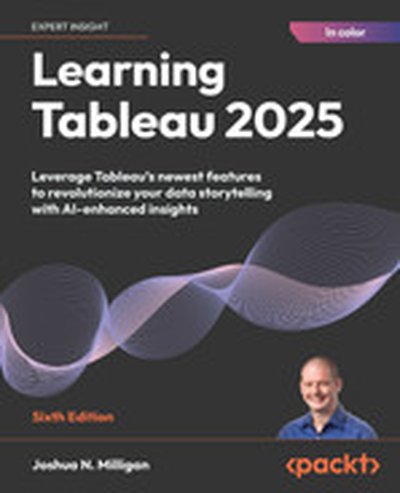
Learning Tableau 2025 - Sixth Edition

"Learning Tableau 2025" provides a comprehensive guide to mastering Tableau's latest features, including advanced AI capabilities like Tableau Pulse and Agent. This book, authored by Tableau expert Joshua N. Milligan, will equip you with the tools to transform complex data into actionable insights and interactive dashboards. What this Book will help me do Learn to use Tableau's advanced AI features, including Tableau Agent and Pulse, to streamline data analysis and automate insights. Develop skills to create and customize dynamic dashboards tailored to interactive data storytelling. Understand and utilize new geospatial functions within Tableau for advanced mapping and analytics. Master Tableau Prep's enhanced data preparation capabilities for efficient data modeling and structuring. Learn to effectively integrate and analyze data from multiple sources, enhancing your ability to extract meaningful insights. Author(s) Joshua N. Milligan, a Tableau Zen Master and Visionary, has years of experience in the field of data visualization and analytics. With a hands-on approach, Joshua combines his expertise and passion for Tableau to make complex topics accessible and engaging. His teaching method ensures that readers gain practical, actionable knowledge. Who is it for? This book is ideal for aspiring business intelligence developers, data analysts, data scientists, and professionals seeking to enhance their data visualization skills. It's suitable for both beginners looking to get started with Tableau and experienced users eager to explore its new features. A Tableau license or access to a 14-day trial is recommended.

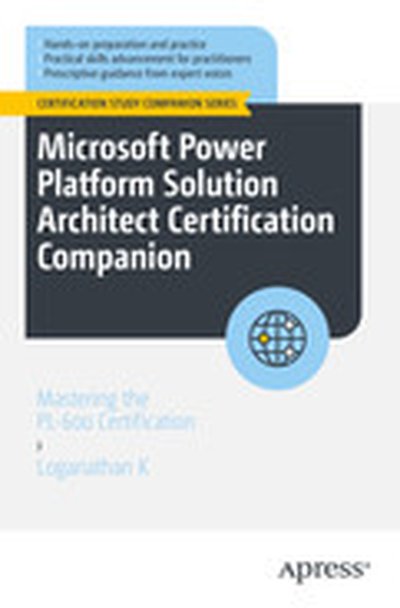
Microsoft Power Platform Solution Architect Certification Companion: Mastering the PL-600 Certification

This comprehensive guide book equips you with the knowledge and confidence needed to prep for the exam and thrive as a Power Platform Solution Architect. The book starts with a foundation for successful solution architecture, emphasizing essential skills such as requirements gathering, governance, and security. You will learn to navigate customer discovery, translate business needs into technical requirements, and design solutions that address both functional and non-functional needs. The second part of the book delves into the Microsoft Power Platform ecosystem, offering an in-depth look at its core components—Power Apps, Power Automate, Power BI, Microsoft Copilot, and Robotic Process Automation (RPA). Detailed insights into data modeling, security strategies, and AI integration will guide you in building scalable, secure solutions. Coverage of application life cycle management, which empowers solution architects to design, implement, and deploy Power Platform solutions effectively, is discussed next. You will then go through real-world scenarios, giving you a practical understanding of the challenges and considerations in managing Power Platform projects within a business context. The book concludes with strategies for continuous learning and resources for professional development, including practice questions to assess knowledge and readiness for the PL-600 exam. After reading the book, you will be ready to take the exam and become a successful Power Platform Solution Architect. What You Will Learn Understand the Solution Architect's role, responsibilities, and strategic approaches to successfully navigate projects Master the basics of Power Platform Solution Architecture Understand governance, security, and integration concepts in real-world scenarios Design and deploy effective business solutions using Power Platform components Gain the skills necessary to prep for the PL-600 certification exam Who This Book Is For Professionals pursuing Microsoft PL-600 Solution Architect certification and IT consultants and developers transitioning to solution architect roles

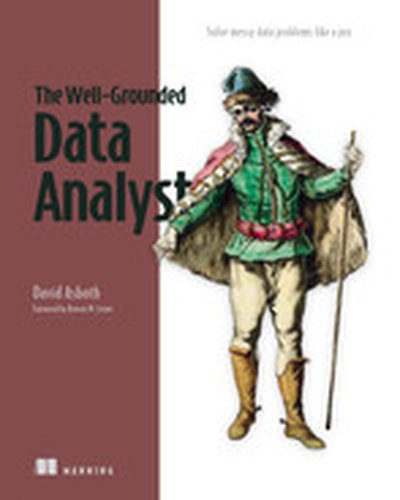
The Well-Grounded Data Analyst

Complete eight data science projects that lock in important real-world skills—along with a practical process you can use to learn any new technique quickly and efficiently. Data analysts need to be problem solvers—and The Well-Grounded Data Analyst will teach you how to solve the most common problems you'll face in industry. You'll explore eight scenarios that your class or bootcamp won’t have covered, so you can accomplish what your boss is asking for. In The Well-Grounded Data Analyst you'll learn: High-value skills to tackle specific analytical problems Deconstructing problems for faster, practical solutions Data modeling, PDF data extraction, and categorical data manipulation Handling vague metrics, deciphering inherited projects, and defining customer records The Well-Grounded Data Analyst is for junior and early-career data analysts looking to supplement their foundational data skills with real-world problem solving. As you explore each project, you'll also master a proven process for quickly learning new skills developed by author and Half Stack Data Science podcast host David Asboth. You'll learn how to determine a minimum viable answer for your stakeholders, identify and obtain the data you need to deliver, and reliably present and iterate on your findings. The book can be read cover-to-cover or opened to the chapter most relevant to your current challenges. About the Technology Real world data analysis is messy. Success requires tackling challenges like unreliable data sources, ambiguous requests, and incompatible formats—often with limited guidance. This book goes beyond the clean, structured examples you see in classrooms and bootcamps, offering a step-by-step framework you can use to confidently solve any data analysis problem like a pro. About the Book The Well-Grounded Data Analyst introduces you to eight scenarios that every data analyst is bound to face. You’ll practice author David Asboth’s results-oriented approach as you model data by identifying customer records, navigate poorly-defined metrics, extract data from PDFs, and much more! It also teaches you how to take over incomplete projects and create rapid prototypes with real data. Along the way, you’ll build an impressive portfolio of projects you can showcase at your next interview. What's Inside Deconstructing problems Handling vague metrics Data modeling Categorical data manipulation About the Reader For early-career data scientists. About the Author David Asboth is a data generalist educator, and software architect. He co-hosts the Half Stack Data Science podcast. Quotes Well reasoned and well written, with approaches to solve many sorts of data analysis problems. - Naomi Ceder, Fellow of the Python Software Foundation An excellent resource for any aspiring data scientist! - Andrew R. Freed, IBM David’s clear and repeatable framework will give you confidence to tackle open-ended stakeholder requests and reach an answer much faster! - Shaun McGirr, DevOn Software Services A book version of shadowing a senior data analyst while they explain handling frequent data problems at work, including all the ugly gotchas. - Randy Au, Google

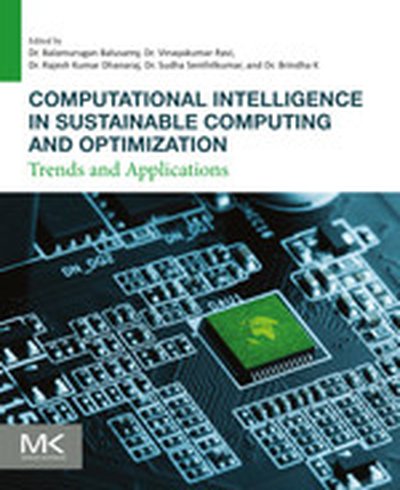
Computational Intelligence in Sustainable Computing and Optimization

Computational Intelligence in Sustainable Computing and Optimization: Trends and Applications focuses on developing and evolving advanced computational intelligence algorithms for the analysis of data involved in applications, such as agriculture, biomedical systems, bioinformatics, business intelligence, economics, disaster management, e-learning, education management, financial management, and environmental policies. The book presents research in sustainable computing and optimization, combining methods from engineering, mathematics, artificial intelligence, and computer science to optimize environmental resources Computational intelligence in the field of sustainable computing combines computer science and engineering in applications ranging from Internet of Things (IoT), information security systems, smart storage, cloud computing, intelligent transport management, cognitive and bio-inspired computing, and management science. In addition, data intelligence techniques play a critical role in sustainable computing. Recent advances in data management, data modeling, data analysis, and artificial intelligence are finding applications in energy networks and thus making our environment more sustainable. Presents computational, intelligence–based data analysis for sustainable computing applications such as pattern recognition, biomedical imaging, sustainable cities, sustainable transport, sustainable agriculture, and sustainable financial management Develops research in sustainable computing and optimization, combining methods from engineering, mathematics, and computer science to optimize environmental resources Includes three foundational chapters dedicated to providing an overview of computational intelligence and optimization techniques and their applications for sustainable computing

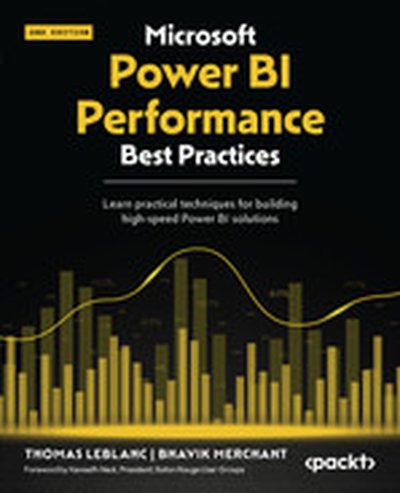
Microsoft Power BI Performance Best Practices - Second Edition

Microsoft Power BI Performance Best Practices is your comprehensive guide to designing, optimizing, and scaling Power BI solutions. By understanding data modeling, DAX formulation, and report design, you will be able to enhance the efficiency and performance of your Power BI systems, ensuring that they meet the demands of modern data-driven decision-making. What this Book will help me do Understand and apply techniques for high-efficient data modeling to enhance Power BI performance and manage large datasets. Identify and resolve performance bottlenecks in Power BI reports and dashboards using tools like DAX Studio and VertiPaq Analyzer. Implement governance and monitoring strategies for Power BI performance to ensure robust and scalable systems. Gain expertise in leveraging Power BI Premium and Azure for handling larger scale data and integrations. Adopt best practices for designing, implementing row-level security, and optimizing queries for efficient operations. Author(s) Thomas LeBlanc and Bhavik Merchant are experienced professionals in the field of Business Intelligence and Power BI. Thomas brings over 30 years of IT expertise as a Business Intelligence Architect, ensuring practical and effective solutions for BI challenges. Bhavik is a recognized expert in enterprise-grade Power BI implementation. Together, they share actionable insights and strategies to make Power BI solutions advanced and highly performant. Who is it for? This book is ideal for data analysts, BI developers, and data professionals seeking to elevate their Power BI implementations. If you are proficient with the essentials of Power BI and aim to excel in optimizing its performance and scalability, this book will guide you to achieve those goals efficiently and effectively.

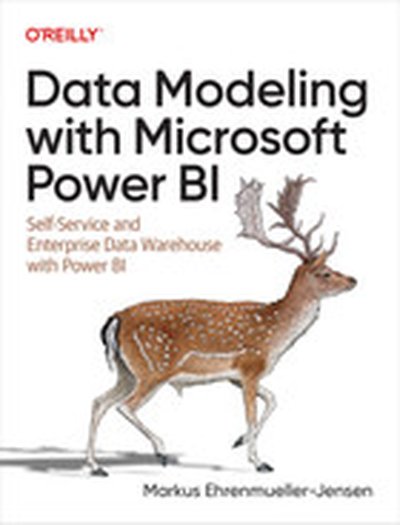
Data Modeling with Microsoft Power BI

Data modeling is the single most overlooked feature in Power BI Desktop, yet it's what sets Power BI apart from other tools on the market. This practical book serves as your fast-forward button for data modeling with Power BI, Analysis Services tabular, and SQL databases. It serves as a starting point for data modeling, as well as a handy refresher. Author Markus Ehrenmueller-Jensen, founder of Savory Data, shows you the basic concepts of Power BI's semantic model with hands-on examples in DAX, Power Query, and T-SQL. If you're looking to build a data warehouse layer, chapters with T-SQL examples will get you started. You'll begin with simple steps and gradually solve more complex problems. This book shows you how to: Normalize and denormalize with DAX, Power Query, and T-SQL Apply best practices for calculations, flags and indicators, time and date, role-playing dimensions and slowly changing dimensions Solve challenges such as binning, budget, localized models, composite models, and key value with DAX, Power Query, and T-SQL Discover and tackle performance issues by applying solutions in DAX, Power Query, and T-SQL Work with tables, relations, set operations, normal forms, dimensional modeling, and ETL

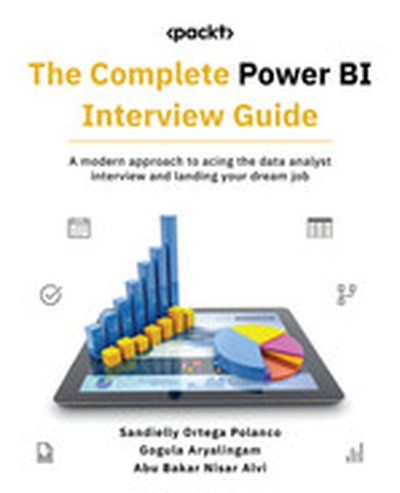
The Complete Power BI Interview Guide

The Complete Power BI Interview Guide is your companion to mastering Power BI roles and acing data analyst interviews. With hands-on skills, expert tips, and targeted preparation strategies, this resource equips you to excel in interviews and certifications while navigating the competitive job market. What this Book will help me do Create a powerful professional brand to optimize your resume and online presence. Master essential Power BI skills including data modeling, DAX programming, and visualization. Prepare effectively for interviews with industry-relevant questions, answers, and insights. Gain an edge in the market by understanding hiring procedures and negotiation tactics. Develop comprehensive analytics solutions exemplified with real-world case studies. Author(s) Sandielly Ortega Polanco, Gogula Aryalingam, and Abu Bakar Nisar Alvi bring years of collective experience in data analytics, Power BI, and career mentorship. Their insights are drawn from extensive professional practice and their passion for empowering future data analysts. Together, they provide an approachable and practical guide to securing roles in the competitive landscape of data analytics. Who is it for? This book is ideal for aspiring data analysts, business intelligence developers, or those shifting into Power BI roles who wish to enhance their knowledge and refine their strategies for interview success. It speaks to both newcomers to the field and seasoned professionals aiming to elevate their expertise.

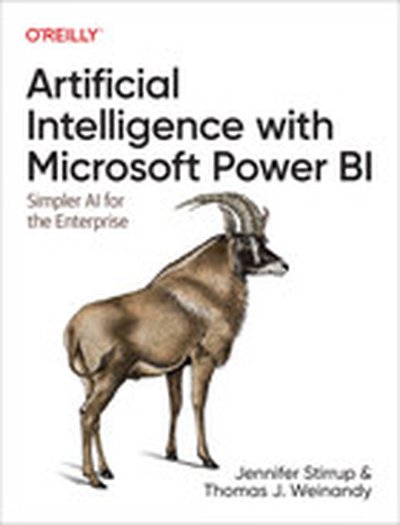
Artificial Intelligence with Microsoft Power BI

Advance your Power BI skills by adding AI to your repertoire at a practice level. With this practical book, business-oriented software engineers and developers will learn the terminologies, practices, and strategy necessary to successfully incorporate AI into your business intelligence estate. Jen Stirrup, CEO of AI and BI leadership consultancy Data Relish, and Thomas Weinandy, research economist at Upside, show you how to use data already available to your organization. Springboarding from the skills that you already possess, this book adds AI to your organization's technical capability and expertise with Microsoft Power BI. By using your conceptual knowledge of BI, you'll learn how to choose the right model for your AI work and identify its value and validity. Use Power BI to build a good data model for AI Demystify the AI terminology that you need to know Identify AI project roles, responsibilities, and teams for AI Use AI models, including supervised machine learning techniques Develop and train models in Azure ML for consumption in Power BI Improve your business AI maturity level with Power BI Use the AI feedback loop to help you get started with the next project

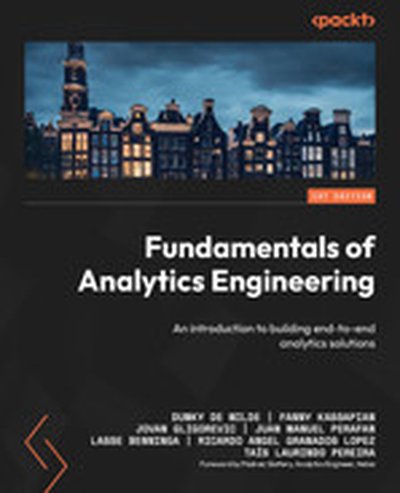
Fundamentals of Analytics Engineering

Master the art and science of analytics engineering with 'Fundamentals of Analytics Engineering.' This book takes you on a comprehensive journey from understanding foundational concepts to implementing end-to-end analytics solutions. You'll gain not just theoretical knowledge but practical expertise in building scalable, robust data platforms to meet organizational needs. What this Book will help me do Design and implement effective data pipelines leveraging modern tools like Airbyte, BigQuery, and dbt. Adopt best practices for data modeling and schema design to enhance system performance and develop clearer data structures. Learn advanced techniques for ensuring data quality, governance, and observability in your data solutions. Master collaborative coding practices, including version control with Git and strategies for maintaining well-documented codebases. Automate and manage data workflows efficiently using CI/CD pipelines and workflow orchestrators. Author(s) Dumky De Wilde, alongside six co-authors-experienced professionals from various facets of the analytics field-delivers a cohesive exploration of analytics engineering. The authors blend their expertise in software development, data analysis, and engineering to offer actionable advice and insights. Their approachable ethos makes complex concepts understandable, promoting educational learning. Who is it for? This book is a perfect fit for data analysts and engineers curious about transitioning into analytics engineering. Aspiring professionals as well as seasoned analytics engineers looking to deepen their understanding of modern practices will find guidance. It's tailored for individuals aiming to boost their career trajectory in data engineering roles, addressing fundamental to advanced topics.

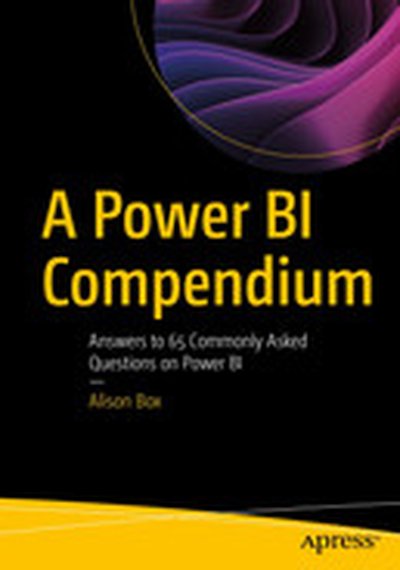
A Power BI Compendium: Answers to 65 Commonly Asked Questions on Power BI

Are you a reasonably competent Power BI user but still struggling to generate reports that truly tell the story of your data? Or do you simply want to extend your knowledge of Power BI by exploring more complex areas of visualizations, data modelling, DAX, and Power Query? If so, this book is for you. This book serves as a comprehensive resource for users to implement more challenging visuals, build better data models, use DAX with more confidence, and execute more complex queries so they can find and share important insights into their data. The contents of the chapters are in a question-and-answer format that explore everyday data analysis scenarios in Power BI. These questions have been generated from the author’s own client base and from commonly sought-for information from the Power BI community. They cover a wide and diverse range of topics that many Power BI users often struggle to get to grips with or don’t fully understand. Examples of suchquestions are: How can I generate dynamic titles for visuals? How can I control subtotals in a Matrix visual? Why do I need a date dimension? How can I show the previous N month’s sales in a column chart?Why do I need a Star Schema? Why aren't my totals correct? How can I bin measures into numeric ranges? Can I import a Word document? Can I dynamically append data from different source files? Solutions to these questions and many more are presented in non-technical and easy-to-follow explanations negating the requirement to perform tiresome and fruitless “google” searches. There are also companion Power BI Desktop files that set out the answers to each question so you can follow along with the examples given in the book.. After working through this book, you will have extended your knowledge of Power BI to an expert level, alleviating your existing frustrations and so enabling you to design Power BI reports where you are no longer limited by your lack of knowledge or experience. Who is This Book For: Power BI users who can build reports and now want to extend their knowledge of Power BI.

Extending Microsoft Business Central with Power Platform

Unlock the full potential of Microsoft Business Central by integrating it with the Power Platform through this practical and hands-on guide. With step-by-step tutorials, you'll learn how to combine the capabilities of tools like Power Apps, Power Automate, and Dataverse to build scalable and efficient business solutions. By the end of the book, you'll be equipped to streamline business processes and add significant value. What this Book will help me do Effectively deploy Power Platform functionalities for Microsoft Business Central projects. Seamlessly connect Business Central with cloud and on-premises services. Leverage Dataverse and virtual tables to enhance data modeling and accessibility. Build custom applications using Power Apps and automate workflows with Power Automate. Generate advanced visual reports with Power BI directly integrated with Business Central. Author(s) Kim Congleton and Shawn Sissenwein are industry professionals with extensive experience in ERP systems and Microsoft technologies. With a deep knowledge of Business Central and the Power Platform, they bring practical insights into maximizing business value through technological advancements. Their teaching approach focuses on hands-on learning, real-world application, and empowering readers with actionable skills. Who is it for? This book is ideal for Business Central users, consultants, and solution architects aiming to enhance Business Central's capabilities through the Power Platform. If you're familiar with Business Central's basics and seek to optimize and extend its functionality without requiring extensive programming knowledge, then this guide is tailored for you.

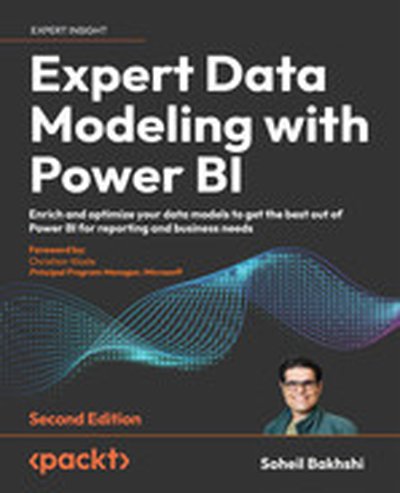
Expert Data Modeling with Power BI - Second Edition

Expert Data Modeling with Power BI, Second Edition, serves as your comprehensive guide to mastering data modeling using Power BI. With clear explanations, actionable examples, and a focus on hands-on learning, this book takes you through the concepts and advanced techniques that will enable you to build high-performing data models tailored to real-world requirements. What this Book will help me do Master time intelligence and virtual tables in DAX to enhance your data models. Understand best practices for creating efficient Star Schemas and preparing data in Power Query. Deploy advanced modeling techniques such as calculation groups, aggregations, and incremental refresh. Manage complex data models and streamline them to improve performance. Leverage data marts and data flows within Power BI for modularity and scalability. Author(s) Soheil Bakhshi is a seasoned expert in data visualization and analytics with extensive experience in leveraging Power BI for business intelligence solutions. Passionate about educating others, he combines practical insights and technical knowledge to make learning accessible and effective. His approachable writing style reflects his commitment to helping readers succeed. Who is it for? This book is ideal for business intelligence professionals, data analysts, or report developers with basic knowledge of Power BI and experience with Star Schema concepts. Whether you're looking to refine your data modeling skills or expand your expertise in advanced features, this guide aims to help you achieve your goals efficiently.

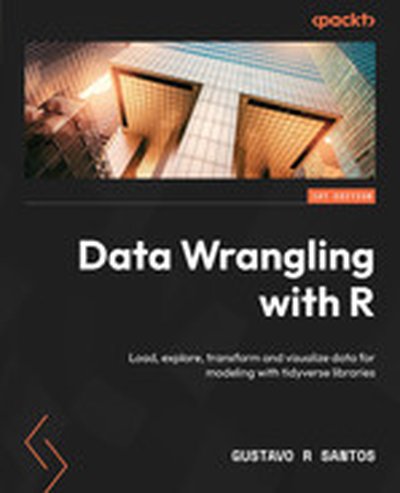
Data Wrangling with R

Data Wrangling with R guides you through mastering data preparation in the R programming language using tidyverse libraries. You will learn techniques to load, explore, transform, and visualize data effectively, gaining the skills needed for data modeling and insights extraction. What this Book will help me do Understand how to use R and tidyverse libraries to handle data wrangling tasks. Learn methods to work with diverse data types like numbers, strings, and dates. Gain proficiency in building visual representations of data using ggplot2. Build and validate your first predictive model for useful insights. Create an interactive web application with Shiny in R. Author(s) Gustavo Santos is an experienced data scientist specializing in R programming and data visualization. With a background in statistics and several years of professional experience in industry and academia, Gustavo excels at translating complex data analytics concepts into practical skills. His approach to teaching is hands-on and example-driven, aiming to empower readers to excel in real-world applications. Who is it for? If you are a data scientist, data analyst, or even a beginner programmer who wants to enhance their data manipulation and visualization skills, this book is perfect for you. Familiarity with R or a general understanding of programming concepts is suggested but not mandatory. It caters to professionals looking to refine their data wrangling workflow and to students aspiring to break into data-centered fields. By the end, you'll be ready to apply data wrangling and visualization tools in your projects.