talk-data.com talk-data.com

Topic

Data Modelling

data_governance data_quality metadata_management

355

tagged

Activity Trend

18 peak/qtr
2020-Q1 2026-Q1

Activities

355 activities · Newest first

Oracle SQL Developer Data Modeler for Database Design Mastery

Design Databases with Oracle SQL Developer Data Modeler In this practical guide, Oracle ACE Director Heli Helskyaho explains the process of database design using Oracle SQL Developer Data Modeler—the powerful, free tool that flawlessly supports Oracle and other database environments, including Microsoft SQL Server and IBM DB2. Oracle SQL Developer Data Modeler for Database Design Mastery covers requirement analysis, conceptual, logical, and physical design, data warehousing, reporting, and more. Create and deploy high-performance enterprise databases on any platform using the expert tips and best practices in this Oracle Press book. Configure Oracle SQL Developer Data Modeler Perform requirement analysis Translate requirements into a formal conceptual data model and process models Transform the conceptual (logical) model into a relational model Manage physical database design Generate data definition language (DDL) scripts to create database objects Design a data warehouse database Use subversion for version control and to enable a multiuser environment Document an existing database Use the reporting tools in Oracle SQL Developer Data Modeler Compare designs and the database

Modeling and Analysis of Compositional Data

Modeling and Analysis of Compositional Data presents a practical and comprehensive introduction to the analysis of compositional data along with numerous examples to illustrate both theory and application of each method. Based upon short courses delivered by the authors, it provides a complete and current compendium of fundamental to advanced methodologies along with exercises at the end of each chapter to improve understanding, as well as data and a solutions manual which is available on an accompanying website. Complementing Pawlowsky-Glahn's earlier collective text that provides an overview of the state-of-the-art in this field, Modeling and Analysis of Compositional Data fills a gap in the literature for a much-needed manual for teaching, self learning or consulting.

Practical Neo4j

" Why have developers at places like Facebook and Twitter increasingly turned to graph databases to manage their highly connected big data? The short answer is that graphs offer superior speed and flexibility to get the job done. It’s time you added skills in graph databases to your toolkit. In Practical Neo4j, database expert Greg Jordan guides you through the background and basics of graph databases and gets you quickly up and running with Neo4j, the most prominent graph database on the market today. Jordan walks you through the data modeling stages for projects such as social networks, recommendation engines, and geo-based applications. The book also dives into the configuration steps as well as the language options used to create your Neo4j-backed applications. Neo4j runs some of the largest connected datasets in the world, and developing with it offers you a fast, proven NoSQL database option. Besides those working for social media, database, and networking companies of all sizes, academics and researchers will find Neo4j a powerful research tool that can help connect large sets of diverse data and provide insights that would otherwise remain hidden. Using Practical Neo4j, you will learn how to harness that power and create elegant solutions that address complex data problems. This book: Explains the basics of graph databases Demonstrates how to configure and maintain Neo4j Shows how to import data into Neo4j from a variety of sources Provides a working example of a Neo4j-based application using an array of language of options including Java, .Net, PHP, Python, Spring, and Ruby As you’ll discover, Neo4j offers a blend of simplicity and speed while allowing data relationships to maintain first-class status. That’s one reason among many that such a wide range of industries and fields have turned to graph databases to analyze deep, dense relationships. After reading this book, you’ll have a potent, elegant tool you can use to develop projects profitably and improve your career options.

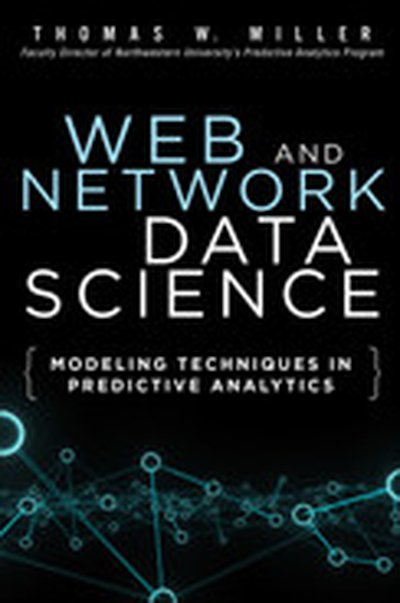
Web and Network Data Science: Modeling Techniques in Predictive Analytics

Master modern web and network data modeling: both theory and applications. In a top faculty member of Northwestern University’s prestigious analytics program presents the first fully-integrated treatment of both the business and academic elements of web and network modeling for predictive analytics. Web and Network Data Science, Some books in this field focus either entirely on business issues (e.g., Google Analytics and SEO); others are strictly academic (covering topics such as sociology, complexity theory, ecology, applied physics, and economics). This text gives today's managers and students what they really need: integrated coverage of concepts, principles, and theory in the context of real-world applications. Building on his pioneering Web Analytics course at Northwestern University, Thomas W. Miller covers usability testing, Web site performance, usage analysis, social media platforms, search engine optimization (SEO), and many other topics. He balances this practical coverage with accessible and up-to-date introductions to both social network analysis and network science, demonstrating how these disciplines can be used to solve real business problems.

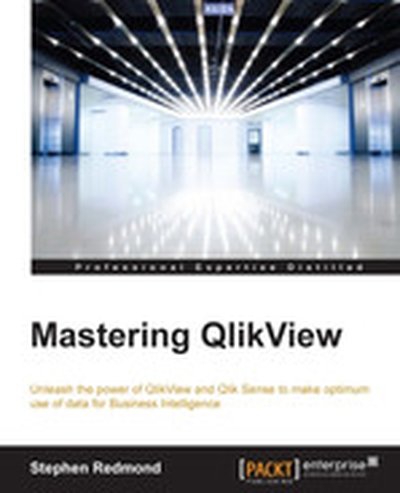
Mastering QlikView

"Mastering QlikView" is your advanced guide to unlocking the potential of business intelligence through QlikView. Dive deep into powerful data modeling, performance tuning, and visualization techniques, crafted to empower you in making data-driven decisions and optimizing your BI workflows. What this Book will help me do Understand and implement advanced QlikView data modeling techniques for efficient analysis. Master performance tuning methods to ensure your QlikView applications are fast and scalable. Apply industry best practices for ETL and data loading using QVDs and other QlikView features. Create advanced visualizations and dashboards that distill analytics into actionable insights. Leverage metadata management tools and governance techniques to maintain data integrity and consistency. Author(s) Stephen Redmond, an expert in business intelligence and data visualization, brings years of hands-on experience with QlikView and Qlik Sense. As a seasoned developer and thought leader, Stephen specializes in distilling complex BI methodologies into practical skills. His approachable style makes advanced topics accessible and engaging to readers. Who is it for? This book is tailored for business application developers and system analysts already familiar with QlikView. Ideal for professionals seeking to enhance their BI proficiency with advanced QlikView capabilities. If you're aiming to solve complex data challenges or refine your visualization skills, this book provides the expert guidance to take your knowledge further.

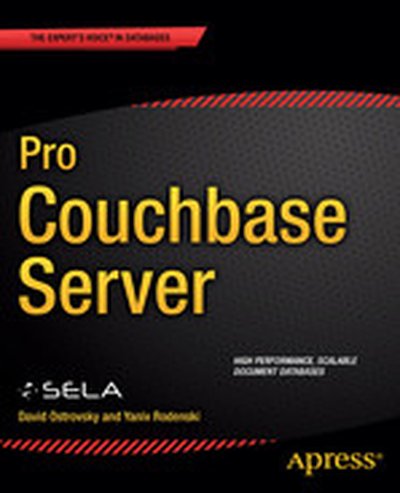
Pro Couchbase Server

The NoSQL movement has fundamentally changed the database world in recent years. Influenced by the growing needs of web-scale applications, NoSQL databases such as Couchbase Server provide new approaches to scalability, reliability, and performance. With the power and flexibility of Couchbase Server, you can model your data however you want, and easily change the data model any time you want. Pro Couchbase Server is a hands-on guide for developers and administrators who want to take advantage of the power and scalability of Couchbase Server in their applications. This book takes you from the basics of NoSQL database design, through application development, to Couchbase Server administration. Never have document databases been so powerful and performant. Pro Couchbase Server shows what is possible and helps you take full advantage of Couchbase Server and all the performance and scalability that it offers. Helps you design and develop a document database using Couchbase Server. Takes you through deploying and maintaining Couchbase Server. Gives you the tools to scale out your application as needed.

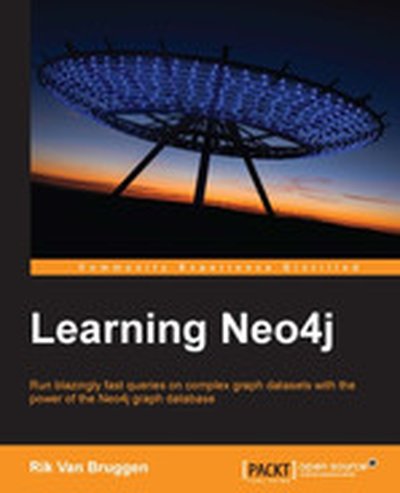
Learning Neo4j

Dive into the exciting world of graph databases with "Learning Neo4j". This book introduces you to the Neo4j graph database system, showing how graph theory can unlock new ways of organizing and querying complex datasets. Through practical examples, you will explore Neo4j's capabilities and learn to implement real-world applications using graph data models. What this Book will help me do Understand the fundamentals of graph theory and how it relates to databases. Install and set up the Neo4j graph database on local and cloud platforms. Model complex data for use in Neo4j and import various datasets into it. Implement real-world use cases, such as recommendation systems and social networks. Explore visualization tools and resources for enhancing graph database applications. Author(s) The author, None Van Bruggen, is a seasoned expert in data systems with extensive hands-on experience with Neo4j. Drawing from real-world expertise, they provide practical guidance, bridging theoretical concepts to practical utility seamlessly. None Van Bruggen's accessible writing style makes navigating the complexities of graph databases achievable and rewarding for learners. Who is it for? This book is ideal for IT professionals, database administrators, and data analysts looking to harness the power of graph databases. Readers should have a basic understanding of relational databases and data modeling concepts. Whether you're starting with Neo4j or seeking to deepen your knowledge, this book provides the guidance you need. It is particularly great for anyone interested in implementing graph data solutions in real-world scenarios.

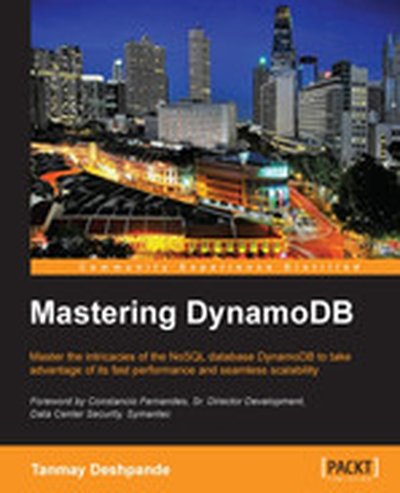
Mastering DynamoDB

"Mastering DynamoDB" will guide you through the advanced usage and operational subtleties of DynamoDB, Amazon's fully managed NoSQL database solution. By mastering the topics in this book, readers will unlock the tools to efficiently build scalable and high-performance applications using DynamoDB, leveraging its unique architecture and features. What this Book will help me do Gain a deep understanding of DynamoDB's data model and how it supports scalable performance. Master advanced DynamoDB architecture concepts for reliability and data handling. Learn to integrate DynamoDB securely with other AWS services to build a comprehensive ecosystem. Use tools and libraries to automate processes like autoscaling, testing, and data backups for DynamoDB. Develop mobile and web applications using DynamoDB as a backend, ensuring high availability and speedy operations. Author(s) None Deshpande, the author of "Mastering DynamoDB", is an experienced cloud computing and database professional. With a strong background in AWS technologies and particular expertise in DynamoDB, None brings hands-on knowledge to the forefront. The author is dedicated to making complex concepts accessible and practical for learners, aiding in their professional growth. Who is it for? This book is ideal for developers and IT professionals who want to deepen their expertise in cloud-based NoSQL databases. Readers should ideally have intermediate experience with programming, AWS services, and an interest in enhancing their skills around scalable database systems. Those seeking practical insights for advanced database integration and application development will benefit the most. If you aim to build robust, high-performance applications, "Mastering DynamoDB" is for you.

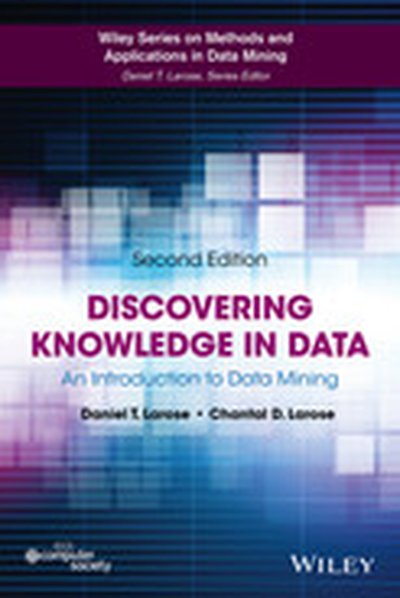
Discovering Knowledge in Data: An Introduction to Data Mining, 2nd Edition

The field of data mining lies at the confluence of predictive analytics, statistical analysis, and business intelligence. Due to the ever-increasing complexity and size of data sets and the wide range of applications in computer science, business, and health care, the process of discovering knowledge in data is more relevant than ever before. This book provides the tools needed to thrive in today's big data world. The author demonstrates how to leverage a company's existing databases to increase profits and market share, and carefully explains the most current data science methods and techniques. The reader will "learn data mining by doing data mining". By adding chapters on data modelling preparation, imputation of missing data, and multivariate statistical analysis, Discovering Knowledge in Data, Second Edition remains the eminent reference on data mining. The second edition of a highly praised, successful reference on data mining, with thorough coverage of big data applications, predictive analytics, and statistical analysis. Includes new chapters on Multivariate Statistics, Preparing to Model the Data, and Imputation of Missing Data, and an Appendix on Data Summarization and Visualization Offers extensive coverage of the R statistical programming language Contains 280 end-of-chapter exercises Includes a companion website with further resources for all readers, and Powerpoint slides, a solutions manual, and suggested projects for instructors who adopt the book

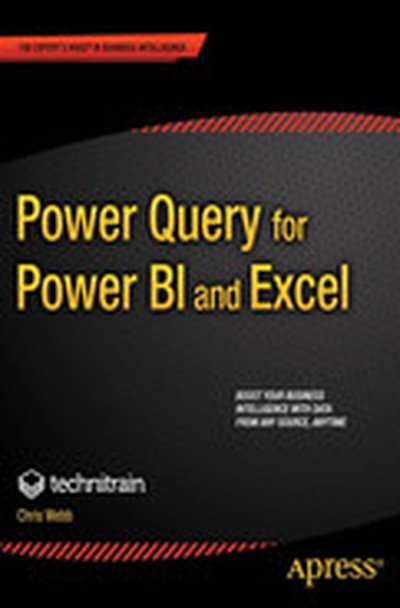
Power Query for Power BI and Excel

" Power Query for Power BI and Excel is a book for people who are tired of copying and pasting data into Excel worksheets. Power Query, part of the Microsoft Power BI suite, is a tool that automates the process of getting data into Excel and will save you hours of dull, repetitive, and error-prone work! Power Query makes it easy to extract data from many different data sources, filter that data, aggregate it, clean it and perform calculations on it, finally loading that data into either your worksheet or directly into the new Excel 2013 Data Model used by Power Pivot. This concise, practical book provides a complete guide to Power Query and how to use it to solve all of your Excel data-loading problems. Power Query for Power BI and Excel goes well beyond the surface of what Power Query can do. The book goes deep into the underlying M language, showing you how to do amazing things that aren't going to be possible from just the GUI interface that is covered in most other books. You'll have full command of the GUI, and you'll be able to drop into the M language to go beyond what the GUI provides. The depth in this book makes it a must-have item for anyone who is pushing Power BI and Excel to their limits in the pursuit of business intelligence from data analysis. " Teaches the basics of using Power Query to load data into Excel Helps you solve common, data-related problems with Power Query Shows how to write your own solutions in the powerful M language

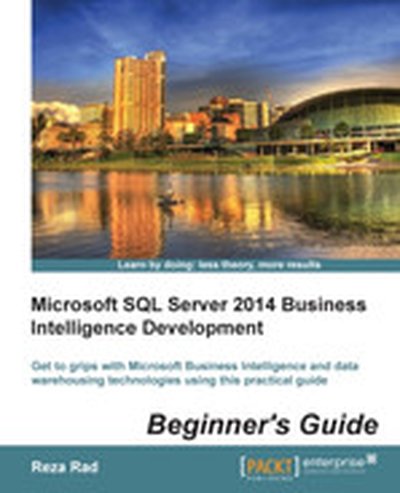
Microsoft SQL Server 2014 Business Intelligence Development Beginner's Guide

Microsoft SQL Server 2014 Business Intelligence Development Beginner's Guide introduces you to Microsoft's BI tools and systems. You'll gain hands-on experience building solutions that handle data warehousing, reporting, and predictive analytics. With step-by-step tutorials, you'll be equipped to transform data into actionable insights. What this Book will help me do Understand and implement multidimensional data models using SSAS and MDX. Write and use DAX queries and leverage SSAS tabular models effectively. Improve and maintain data integrity using MDS and DQS tools. Design and develop polished, insightful dashboards and reports using PerformancePoint, Power View, and SSRS. Explore advanced data analysis features, such as Power Query, Power Map, and basic data mining techniques. Author(s) Abolfazl Radgoudarzi and Reza Rad are experienced practitioners and educators in the field of business intelligence. They specialize in SQL Server BI technologies and have extensive careers helping organizations harness data for decision-making. Their approach combines clear explanations with practical examples, ensuring readers can effectively apply what they learn. Who is it for? This book is ideal for database developers, system analysts, and IT professionals looking to build strong foundations in Microsoft SQL Server's BI technologies. Beginners in business intelligence or data management will find the topics accessible. Intermediate practitioners will expand their ability to build complete BI solutions. It's designed for anyone eager to develop skills in data modeling, analysis, and visualization.

Practical Cassandra: A Developer’s Approach

Build and Deploy Massively Scalable, Super-fast Data Management Applications with Apache Cassandra is the first hands-on developer’s guide to building Cassandra systems and applications that deliver breakthrough speed, scalability, reliability, and performance. Fully up to date, it reflects the latest versions of Cassandra–including Cassandra Query Language (CQL), which dramatically lowers the learning curve for Cassandra developers. Practical Cassandra Pioneering Cassandra developers and Datastax MVPs Russell Bradberry and Eric Lubow walk you through every step of building a real production application that can store enormous amounts of structured, semi-structured, and unstructured data. Drawing on their exceptional expertise, Bradberry and Lubow share practical insights into issues ranging from querying to deployment, management, maintenance, monitoring, and troubleshooting. The authors cover key issues, from architecture to migration, and guide you through crucial decisions about configuration and data modeling. They provide tested sample code, detailed explanations of how Cassandra works ”under the covers,” and new case studies from three cutting-edge users: Ooyala, Hailo, and eBay. Coverage includes Understanding Cassandra’s approach, architecture, key concepts, and primary use cases– and why it’s so blazingly fast Getting Cassandra up and running on single nodes and large clusters Applying the new design patterns, philosophies, and features that make Cassandra such a powerful data store Leveraging CQL to simplify your transition from SQL-based RDBMSes Deploying and provisioning through the cloud or on bare-metal hardware Choosing the right configuration options for each type of workload Tweaking Cassandra to get maximum performance from your hardware, OS, and JVM Mastering Cassandra’s essential tools for maintenance and monitoring Efficiently solving the most common problems with Cassandra deployment, operation, and application development

Data Modeling of Financial Derivatives: A Conceptual Approach

Written in plain English and based on successful client engagements, Data Modeling of Financial Derivatives: A Conceptual Approach introduces new and veteran data modelers, financial analysts, and IT professionals to the fascinating world of financial derivatives. Covering futures, forwards, options, swaps, and forward rate agreements, finance and modeling expert Robert Mamayev shows you step-by-step how to structure and describe financial data using advanced data modeling techniques. The book introduces IT professionals, in particular, to various financial and data modeling concepts that they may not have seen before, giving them greater proficiency in the financial language of derivatives—and greater ability to communicate with financial analysts without fear or hesitation. Such knowledge will be especially useful to those looking to pick up the necessary skills to become productive right away working in the financial sector. Financial analysts reading this book will come to grips with various data modeling concepts and therefore be in better position to explain the underlying business to their IT audience. Data Modeling of Financial Derivatives—which presumes no advanced knowledge of derivatives or data modeling—will help you: Learn the best entity–relationship modeling method out there—Barker's CASE methodology—and its application in the financial industry Understand how to identify and creatively reuse data modeling patterns Gain an understanding of financial derivatives and their various applications Learn how to model derivatives contracts and understand the reasoning behind certain design decisions Resolve derivatives data modeling complexities parsimoniously so that your clients can understand them intuitively Packed with numerous examples, diagrams, and techniques, this book will enable you to recognize the various design patterns that you are most likely to encounter in your professional career and apply them successfully in practice. Anyone working with financial models will find it an invaluable tool and career booster. What you'll learn You will learn how to: Recognize and identify financial derivatives Reuse data modeling patterns and apply them to create something new Data model simple and complex options Data model SWAPS Data model futures and forward contracts Who this book is for Data modelers, financial analysts, IT professionals, and anyone with an interest in data modeling and business analysis.

Data Model Patterns

This is the digital version of the printed book (Copyright © 1996). Learning the basics of a modeling technique is not the same as learning how to use and apply it. To develop a data model of an organization is to gain insights into its nature that do not come easily. Indeed, analysts are often expected to understand subtleties of an organization's structure that may have evaded people who have worked there for years. Here's help for those analysts who have learned the basics of data modeling (or "entity/relationship modeling") but who need to obtain the insights required to prepare a good model of a real business. Structures common to many types of business are analyzed in areas such as accounting, material requirements planning, process manufacturing, contracts, laboratories, and documents. In each chapter, high-level data models are drawn from the following business areas: The Enterprise and Its World The Things of the Enterprise Procedures and Activities Contracts Accounting The Laboratory Material Requirements Planning Process Manufacturing Documents Lower-Level Conventions

Developing Business Intelligence Apps for SharePoint

Create dynamic business intelligence (BI) solutions for SharePoint faster and with more capabilities than previously possible. With this book, you’ll learn the entire process—from high-level concepts to development and deployment—for building data-rich BI applications with Visual Studio LightSwitch, SQL Server 2012, and a host of related Microsoft technologies. You’ll learn practical techniques and patterns necessary to use all of these technologies together as you build an example application through the course of the book, step by step. Discover how to solve real problems, using BI solutions that will evolve to meet future needs. Learn the fundamentals of SharePoint, LightSwitch, and SQL Server 2012 Get a solid grounding in BI application basics and database design principles Use LightSwitch to build a help desk app, including data model design and SharePoint data integration Build a tabular cube with Microsoft’s Business Intelligence Semantic Model (BISM) Dive into the data visualization stack, including Excel and SQL Server Reporting Services Create reports with Excel Services, Report Builder, and PowerView Use tips and tricks for setting up your BI application development environment

QlikView for Developers Cookbook

"QlikView for Developers Cookbook" empowers you to elevate your QlikView development skills beyond the introductory level. Through practical recipes, this book provides hands-on exercises covering topics like advanced visualizations, data modeling challenges, and script writing. This is an ideal resource for developers looking to master QlikView's functionalities and apply advanced techniques. What this Book will help me do Master techniques for creating advanced visualizations in QlikView. Improve your applications by applying best practices in data modeling. Learn to script and automate tasks effectively within QlikView. Enhance performance optimization to deliver faster QlikView applications. Implement robust security measures for your QlikView solutions. Author(s) Stephen Redmond is a seasoned QlikView developer with over seven years of experience in designing and implementing business intelligence solutions. His expertise encompasses advanced scripting, data modeling, and visualization techniques, making him an authority on QlikView development. Stephen's hands-on approach in teaching helps practitioners achieve excellence in their use of QlikView. Who is it for? This book is tailored for individuals with a foundational knowledge of QlikView who want to advance their skills. Whether you're a developer at a QlikView customer, partner, or QlikView itself, or someone aiming to become an expert in QlikView development, this book is crafted for you. It assumes you have a basic understanding and are eager to solve complex problems and create advanced solutions.

Graph Databases

Discover how graph databases can help you manage and query highly connected data. With this practical book, you’ll learn how to design and implement a graph database that brings the power of graphs to bear on a broad range of problem domains. Whether you want to speed up your response to user queries or build a database that can adapt as your business evolves, this book shows you how to apply the schema-free graph model to real-world problems. Learn how different organizations are using graph databases to outperform their competitors. With this book’s data modeling, query, and code examples, you’ll quickly be able to implement your own solution. Model data with the Cypher query language and property graph model Learn best practices and common pitfalls when modeling with graphs Plan and implement a graph database solution in test-driven fashion Explore real-world examples to learn how and why organizations use a graph database Understand common patterns and components of graph database architecture Use analytical techniques and algorithms to mine graph database information

IBM Cognos 10 Framework Manager

"IBM Cognos 10 Framework Manager" is your complete guide to mastering the key features of IBM Cognos Framework Manager for robust data modeling. By following practical, step-by-step lessons enhanced with expert tips, you'll progress from handling imported data to developing dynamic, user-friendly data models optimized for Business Intelligence reporting. What this Book will help me do Import and model relational data effectively to support diverse reporting needs. Create organized, well-structured reporting packages for easy data access and usage. Utilize parameters and parameter reports to enable dynamic and adaptable reporting solutions. Manage models in multi-user environments, fostering collaboration and enhanced functionality. Leverage the Model Design Accelerator to quickly develop well-designed initial data models. Author(s) Terence Phillip Curran has extensive experience in data modeling and IBM Cognos technology. Through his practical expertise and hands-on teaching methods, he has become a trusted source of guidance in the field. In this book, Curran combines his practical knowledge with clear explanations to help users fully utilize IBM Cognos Framework Manager. Who is it for? This book serves developers interested in using IBM Cognos Framework Manager to build and optimize data models. If you're new to the tool, you'll benefit from its thorough and accessible approach to learning. For experienced users, it offers advanced techniques and tips to improve and streamline your modeling efforts. Whether you're preparing reporting packages or building multi-user collaborative models, this book provides the practical guidance you need.

MySQL Workbench: Data Modeling & Development

The only Oracle Press guide to MySQL Workbench explains how to design and model MySQL databases. MySQL Workbench Data Modeling and Development helps developers learn how to effectively use this powerful product for database modeling, reverse engineering, and interaction with the database without writing SQL statements. MySQL Workbench is a graphical user interface that can be used to create and maintain MySQL databases without coding. The book covers the interface and explains how to accomplish each step by illustrating best practices visually. Clear examples, instructions, and explanations reveal, in a single volume, the art of database modeling. This Oracle Press guide shows you how to get the tool to do what you want. Annotated screen shots demonstrate all interactions with the tool, and text explains the how, what, and why of each step. Complete coverage Installation and Configuration; Creating and Managing Connections; Data Modeling Concepts; Creating an ERD; Defining the Physical Schemata; Creating and Managing Tables; Creating and Managing Relationships; Creating and Managing Views; Creating and Managing Routines; Creating and Managing Routine Groups; Creating and Managing User & Groups; Creating and Managing SQL Scripts; Generating SQL Scripts; Forward Engineering a Data Model; Synchronize a Model with a Database; Reverse Engineering a Database; Managing Differences in the Data Catalog; Creating and Managing Model Notes; Editing Table Data; Editing Generated Scripts; Creating New Instances; Managing Import and Export; Managing Security; Managing Server Instances