talk-data.com talk-data.com

Topic

SQL Server

Microsoft SQL Server

relational_database microsoft enterprise

33

tagged

Activity Trend

1 peak/qtr
2020-Q1 2026-Q1

Activities

Showing filtered results

Filtering by: O'Reilly SQL Books ×
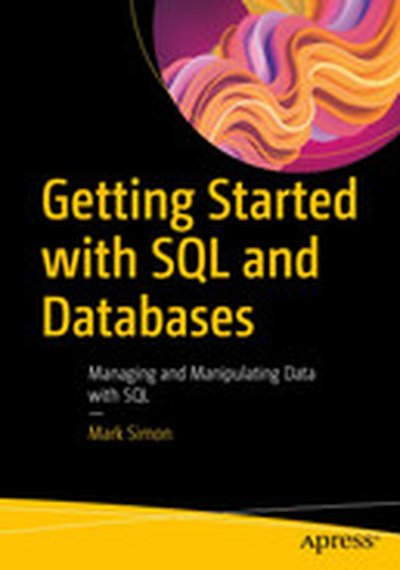
Getting Started with SQL and Databases: Managing and Manipulating Data with SQL

Learn the basics of writing SQL scripts. Using Standard SQL as the starting point, this book teaches writing SQL in various popular dialects, including PostgreSQL, MySQL/MariaDB, Microsoft SQL Server, Oracle, and SQLite. The book starts with a general introduction to writing SQL and covers the basic concepts. Author Mark Simon then covers database principles, and how database tables are designed. He teaches you how to filter data using the WHERE clause, and you will work with NULL, numbers, dates, and strings. You will also understand sorting results using the ORDER BY clause, sorting by calculated columns, and limiting the number of results. By the end of the book, you will know how to insert and update data, and summarize data with aggregate functions and groups. Three appendices cover differences between SQL dialects, working with tables, and a crash course in PDO. What You Will Learn Filter, sort, andcalculate data Summarize data with aggregate functions Modify data with insert, update, and delete statements Study design principles in developing a database Who This Book Is For Developers and analysts working with SQL, as well as web developers who want a stronger understanding of working with databases

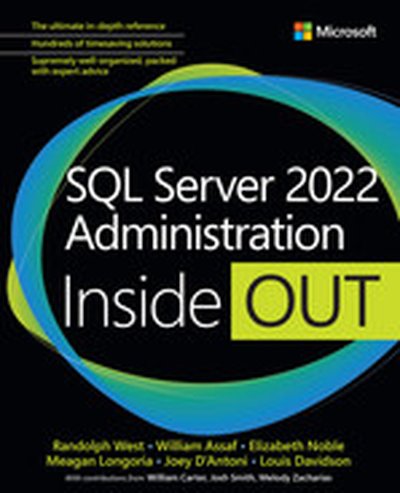
SQL Server 2022 Administration Inside Out

Conquer SQL Server 2022 and Azure SQL administration from the inside out! Dive into SQL Server 2022 administration and grow your Microsoft SQL Server data platform skillset. This well-organized reference packs in timesaving solutions, tips, and workarounds, all you need to plan, implement, deploy, provision, manage, and secure SQL Server 2022 in any environment: on-premises, cloud, or hybrid, including detailed, dedicated chapters on Azure SQL Database and Azure SQL Managed Instance. Nine experts thoroughly tour DBA capabilities available in the SQL Server 2022 Database Engine, SQL Server Data Tools, SQL Server Management Studio, PowerShell, and much more. Youll find extensive new coverage of Azure SQL Database and Azure SQL Managed Instance, both as a cloud platform of SQL Server and in their new integrations with SQL Server 2022, information available in no other book. Discover how experts tackle todays essential tasks and challenge yourself to new levels of mastery. Identify low-hanging fruit and practical, easy wins for improving SQL Server administration Get started with modern SQL Server tools, including SQL Server Management Studio, and Azure Data Studio Upgrade your SQL Server administration skillset to new features of SQL Server 2022, Azure SQL Database, Azure SQL Managed Instance, and SQL Server on Linux Design and implement modern on-premises database infrastructure, including Kubernetes Leverage data virtualization of third-party or non-relational data sources Monitor SQL instances for corruption, index activity, fragmentation, and extended events Automate maintenance plans, database mail, jobs, alerts, proxies, and event forwarding Protect data through encryption, privacy, and auditing Provision, manage, scale and secure, and bidirectionally synchronize Microsofts powerful Azure SQL Managed Instance Understand and enable new Intelligent Query Processing features to increase query concurrency Prepare a best-practice runbook for disaster recovery Use SQL Server 2022 features to span infrastructure across hybrid environments ...

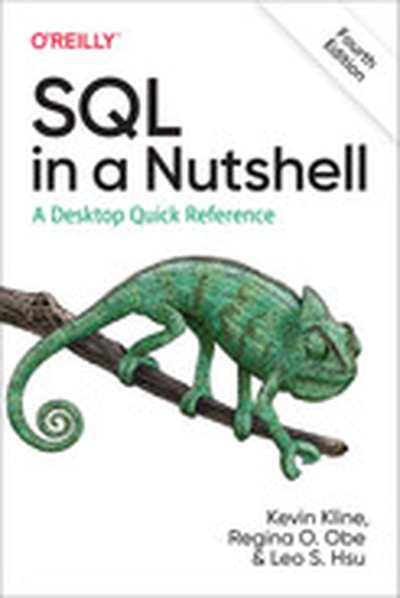
SQL in a Nutshell, 4th Edition

For programmers, analysts, and database administrators, this Nutshell guide is the essential reference for the SQL language used in today's most popular database products. This new fourth edition clearly documents SQL commands according to the latest ANSI/ISO standard and details how those commands are implemented in Microsoft SQL Server 2019 and Oracle 19c, as well as in the MySQL 8, MariaDB 10.5, and PostgreSQL 14 open source database products. You'll also get a concise overview of the relational database management system (RDBMS) model and a clear-cut explanation of foundational RDBMS concepts--all packed into a succinct, comprehensive, and easy-to-use format. Sections include: Background on the relational database model, including current and previous SQL standards Fundamental concepts necessary for understanding relational databases and SQL commands An alphabetical command reference to SQL statements, according to the SQL:2016 ANSI standard The implementation of each command by MySQL, Oracle, PostgreSQL, and SQL Server An alphabetical reference of the ANSI SQL:2016 functions and constructs as well as the vendor implementations Platform-specific functions unique to each implementation

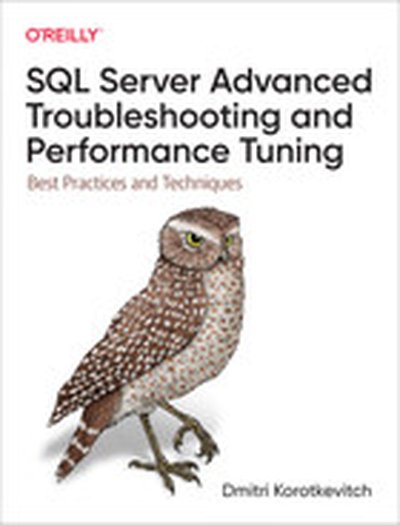
SQL Server Advanced Troubleshooting and Performance Tuning

This practical book provides a comprehensive overview of troubleshooting and performance tuning best practices for Microsoft SQL Server. Database engineers, including database developers and administrators, will learn how to identify performance issues, troubleshoot the system in a holistic fashion, and properly prioritize tuning efforts to attain the best system performance possible. Author Dmitri Korotkevitch, Microsoft Data Platform MVP and Microsoft Certified Master (MCM), explains the interdependencies between SQL Server database components. You'll learn how to quickly diagnose your system and discover the root cause of any issue. Techniques in this book are compatible with all versions of SQL Server and cover both on-premises and cloud-based SQL Server installations. Discover how performance issues present themselves in SQL Server Learn about SQL Server diagnostic tools, methods, and technologies Perform health checks on SQL Server installations Learn the dependencies between SQL Server components Tune SQL Server to improve performance and reduce bottlenecks Detect poorly optimized queries and inefficiencies in query execution plans Find inefficient indexes and common database design issues Use these techniques with Microsoft Azure SQL databases, Azure SQL Managed Instances, and Amazon RDS for SQL Server

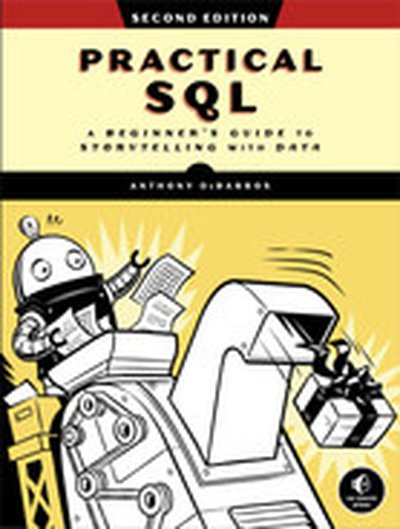
Practical SQL, 2nd Edition

Practical SQL is an approachable and fast-paced guide to SQL (Structured Query Language), the standard programming language for defining, organizing, and exploring data in relational databases. Anthony DeBarros, a journalist and data analyst, focuses on using SQL to find the story within your data. The examples and code use the open-source database PostgreSQL and its companion pgAdmin interface, and the concepts you learn will apply to most database management systems, including MySQL, Oracle, SQLite, and others.* You’ll first cover the fundamentals of databases and the SQL language, then build skills by analyzing data from real-world datasets such as US Census demographics, New York City taxi rides, and earthquakes from US Geological Survey. Each chapter includes exercises and examples that teach even those who have never programmed before all the tools necessary to build powerful databases and access information quickly and efficiently. You’ll learn how to: •Create databases and related tables using your own data •Aggregate, sort, and filter data to find patterns •Use functions for basic math and advanced statistical operations •Identify errors in data and clean them up •Analyze spatial data with a geographic information system (PostGIS) •Create advanced queries and automate tasks This updated second edition has been thoroughly revised to reflect the latest in SQL features, including additional advanced query techniques for wrangling data. This edition also has two new chapters: an expanded set of instructions on for setting up your system plus a chapter on using PostgreSQL with the popular JSON data interchange format. Learning SQL doesn’t have to be dry and complicated. Practical SQL delivers clear examples with an easy-to-follow approach to teach you the tools you need to build and manage your own databases. * Microsoft SQL Server employs a variant of the language called T-SQL, which is not covered by Practical SQL.

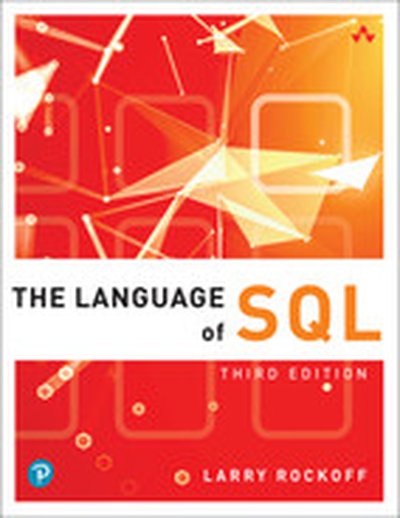
The Language of SQL, 3rd Edition

Get Started Fast with SQL! The only book you need to gain a quick working knowledge of SQL and relational databases. Many SQL texts attempt to serve as an encyclopedic reference on SQL syntaxan approach that is often counterproductive because that information is readily available in online references published by the major database vendors. For SQL beginners, its more important for a book to focus on general concepts and to offer clear explanations and examples of what various SQL statements can accomplish. This is that book. Several features make The Language of SQL unique among introductory SQL books. First, you will not be required to download software or sit with a computer as you read the text. The intent of this book is to provide examples of SQL usage that can be understood simply by reading. Second, topics are organized in an intuitive and logical sequence. SQL keywords are introduced one at a time, allowing you to grow your understanding as you encounter new terms and concepts. Finally, this book covers the syntax of the latest releases of three widely used databases: Microsoft SQL Server 2019, MySQL 8.0, and Oracle 18c. Special Database Differences sidebars clearly show you any differences in syntax among these three databases, and instructions are included on how to obtain and install free versions of the databases. Use SQL to retrieve data from relational databases Apply functions and calculations to data Group and summarize data in a variety of useful ways Use complex logic to retrieve only the data you need Design relational databases so that data retrieval is easy and intuitive Update data and create new tables Use spreadsheets to transform your data into meaningful displays Retrieve data from multiple tables via joins, subqueries, views, and set logic Create, modify, and execute stored procedures Install Microsoft SQL Server, MySQL, or Oracle

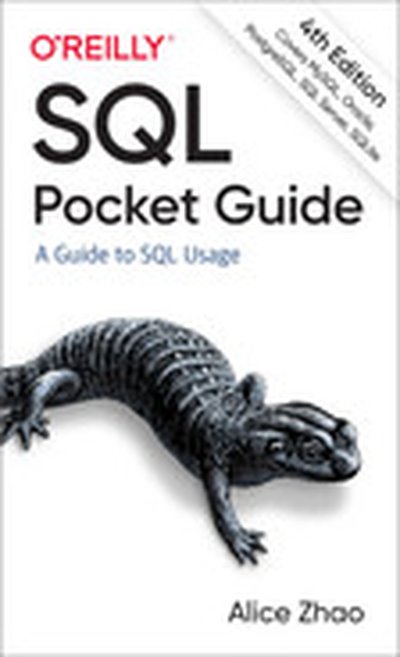
SQL Pocket Guide, 4th Edition

If you use SQL in your day-to-day work as a data analyst, data scientist, or data engineer, this popular pocket guide is your ideal on-the-job reference. You'll find many examples that address the language's complexities, along with key aspects of SQL used in Microsoft SQL Server, MySQL, Oracle Database, PostgreSQL, and SQLite. In this updated edition, author Alice Zhao describes how these database management systems implement SQL syntax for both querying and making changes to a database. You'll find details on data types and conversions, regular expression syntax, window functions, pivoting and unpivoting, and more. Quickly look up how to perform specific tasks using SQL Apply the book's syntax examples to your own queries Update SQL queries to work in five different database management systems NEW: Connect Python and R to a relational database NEW: Look up frequently asked SQL questions in the "How Do I?" chapter

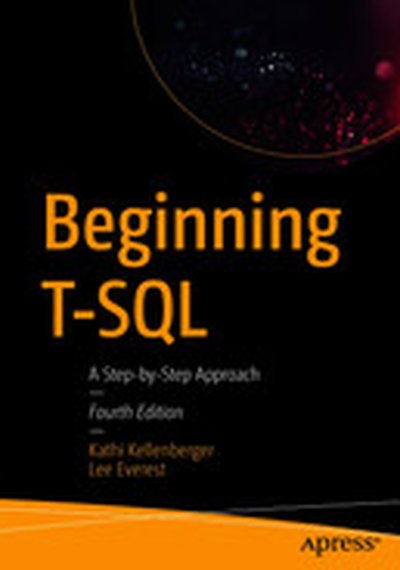
Beginning T-SQL: A Step-by-Step Approach

Get a performance-oriented introduction to the T-SQL language underlying the Microsoft SQL Server and Azure SQL database engines. This fourth edition is updated to include SQL Notebooks as well as up-to-date syntax and features for T-SQL on-premises and in the Azure cloud. Exercises and examples now include the WideWorldImporters database, the newest sample database from Microsoft for SQL Server. Also new in this edition is coverage of JSON from T-SQL, news about performance enhancements called Intelligent Query Processing, and an appendix on running SQL Server in a container on macOS or Linux. Beginning T-SQL starts you on the path to mastering T-SQL with an emphasis on best practices. Using the sound coding techniques taught in this book will lead to excellent performance in the queries that you write in your daily work. Important techniques such as windowing functions are covered to help you write fast-executing queries that solve real business problems.The book begins with an introduction to databases, normalization, and to setting up your learning environment. You will learn about the tools you need to use such as SQL Server Management Studio, Azure Data Studio, and SQL Notebooks. Each subsequent chapter teaches an aspect of T-SQL, building on the skills learned in previous chapters. Exercises in most chapters provide an opportunity for the hands-on practice that leads to true learning and distinguishes the competent professional. A stand-out feature in this book is that most chapters end with a Thinking About Performance section. These sections cover aspects of query performance relative to the content just presented, including the new Intelligent Query Processing features that make queries faster without changing code. They will help you avoid beginner mistakes by knowing about and thinking about performance from day 1. What You Will Learn Install a sandboxed SQL Server instance for learning Understand how relational databases are designed Create objects such as tables and stored procedures Query a SQL Server table Filter and order the results of a query Query and work with specialized data types such as XML and JSON Apply modern features such as window functions Choose correct techniques so that your queries perform well Who This Book Is For Anyone who wants to learn T-SQL from the beginning or improve their T-SQL skills; those who need T-SQL as an additional skill; and those who write queries such as application developers, database administrators, business intelligence developers, and data scientists. The book is also helpful for anyone who must retrieve data from a SQL Server database.

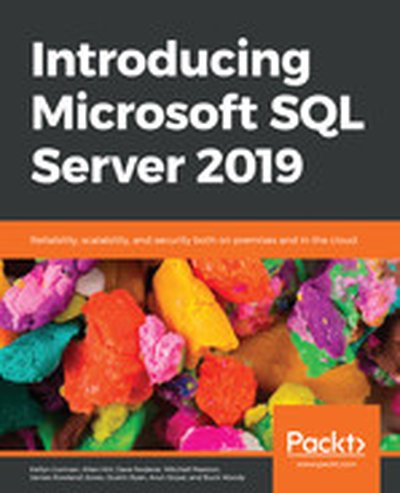
Introducing Microsoft SQL Server 2019

Introducing Microsoft SQL Server 2019 is the must-have guide for database professionals eager to leverage the latest advancements in SQL Server 2019. This book covers the features and capabilities that make SQL Server 2019 a powerful tool for managing and analyzing data both on-premises and in the cloud. What this Book will help me do Understand the new features introduced in SQL Server 2019 and their practical applications. Confidently manage and analyze relational, NoSQL, and big data within SQL Server 2019. Implement containerization for SQL Server using Docker and Kubernetes. Migrate and integrate your databases effectively to use Power BI Report Server. Query data from Hadoop Distributed File System with Azure Data Studio. Author(s) The authors of 'Introducing Microsoft SQL Server 2019' are subject matter experts including Kellyn Gorman, Allan Hirt, and others. With years of professional experience in database management and SQL Server, they bring a wealth of practical insight and knowledge to the book. Their experience spans roles as administrators, architects, and educators in the field. Who is it for? This book is aimed at database professionals such as DBAs, architects, and big data engineers who are currently using earlier versions of SQL Server or other database platforms. It is particularly well-suited for professionals aiming to understand and implement SQL Server 2019's new features. Readers should have basic familiarity with SQL Server and RDBMS concepts. If you're looking to explore SQL Server 2019 to improve data management and analytics in your organization, this book is for you.

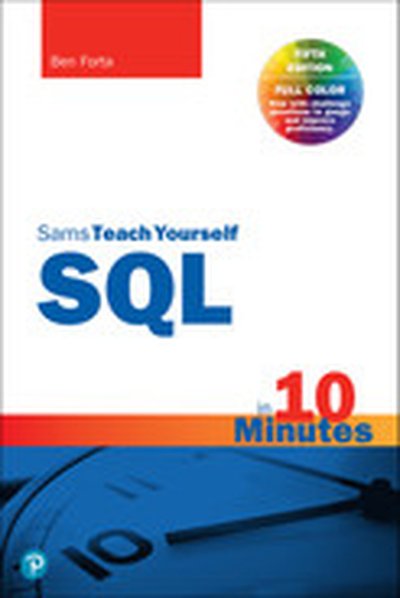
Sams Teach Yourself SQL in 10 Minutes a Day, 5th Edition

Sams Teach Yourself SQL in 10 Minutes offers straightforward, practical answers when you need fast results. By working through the book’s 22 lessons of 10 minutes or less, you’ll learn what you need to know to take advantage of the SQL language. Lessons cover IBM DB2, Microsoft SQL Server and SQL Server Express, MariaDB, MySQL, Oracle and Oracle express, PostgreSQL, and SQLite. Full-color code examples help you understand how SQL statements are structured Tips point out shortcuts and solutions Cautions help you avoid common pitfalls Notes explain additional concepts, and provide additional information 10 minutes is all you need to learn how to… Use the major SQL statements Construct complex SQL statements using multiple clauses and operators Retrieve, sort, and format database contents Pinpoint the data you need using a variety of filtering techniques Use aggregate functions to summarize data Join two or more related tables Insert, update, and delete data Create and alter database tables Work with views, stored procedures, and more

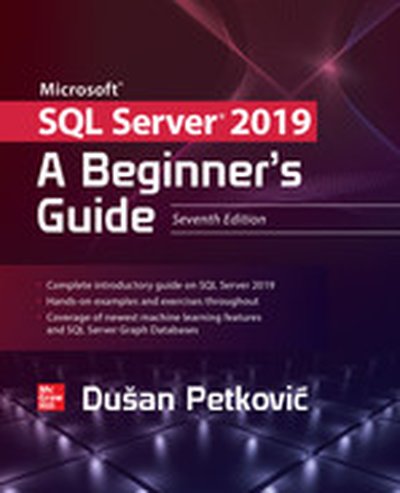
Microsoft SQL Server 2019: A Beginner's Guide, Seventh Edition, 7th Edition

Publisher's Note: Products purchased from Third Party sellers are not guaranteed by the publisher for quality, authenticity, or access to any online entitlements included with the product. Get Up to Speed on Microsoft® SQL Server® 2019 Quickly and Easily Start working with Microsoft SQL Server 2019 in no time with help from this thoroughly revised, practical resource. Filled with real-world examples and hands-on exercises, Microsoft SQL Server 2019: A Beginner’s Guide, Seventh Edition starts by explaining fundamental relational database system concepts. From there, you’ll learn how to write Transact-SQL statements, execute simple and complex database queries, handle system administration and security, and use powerful analysis and reporting tools. New topics such as SQL and JSON support, graph databases, and support for machine learning with R and Python are also covered in this step-by-step tutorial. • Install, configure, and customize Microsoft SQL Server 2019 • Create and modify database objects with Transact-SQL statements • Write stored procedures and user-defined functions • Handle backup and recovery, and automate administrative tasks • Tune your database system for optimal availability and reliability • Secure your system using authentication, encryption, and authorization • Work with SQL Server Analysis Services, Reporting Services, and other BI tools • Gain knowledge of relational storage, presentation, and retrieval of data stored in the JSON format • Manage graphs using SQL Server Graph Databases • Learn about machine learning support for R and Python

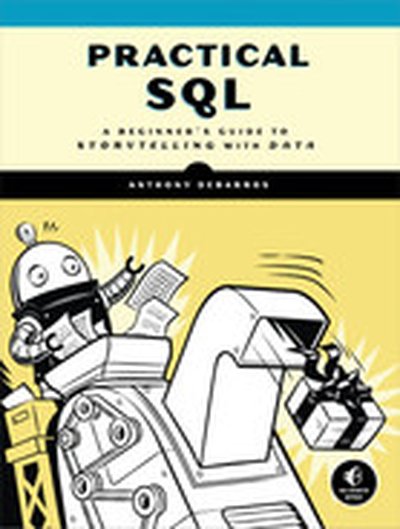
Practical SQL

"Practical SQL is an approachable and fast-paced guide to SQL (Structured Query Language), the standard programming language for defining, organizing, and exploring data in relational databases. The book focuses on using SQL to find the story your data tells, with the popular open-source database PostgreSQL and the pgAdmin interface as its primary tools. You’ll first cover the fundamentals of databases and the SQL language, then build skills by analyzing data from the U.S. Census and other federal and state government agencies. With exercises and real-world examples in each chapter, this book will teach even those who have never programmed before all the tools necessary to build powerful databases and access information quickly and efficiently. You’ll learn how to: • Create databases and related tables using your own data• Define the right data types for your information• Aggregate, sort, and filter data to find patterns• Use basic math and advanced statistical functions• Identify errors in data and clean them up• Import and export data using delimited text files• Write queries for geographic information systems (GIS)• Create advanced queries and automate tasks Learning SQL doesn’t have to be dry and complicated. Practical SQL delivers clear examples with an easy-to-follow approach to teach you the tools you need to build and manage your own databases. This book uses PostgreSQL, but the SQL syntax is applicable to many database applications, including Microsoft SQL Server and MySQL."

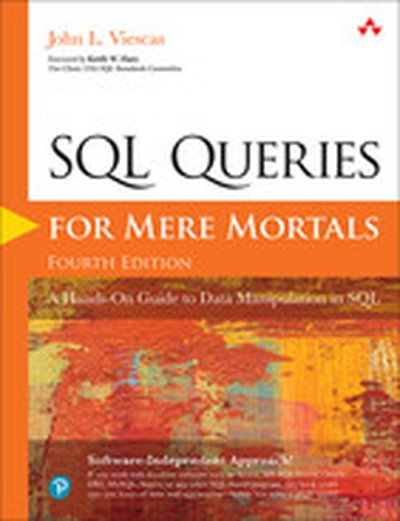
SQL Queries for Mere Mortals: A Hands-On Guide to Data Manipulation in SQL, 4th Edition

The #1 Easy, Common-Sense Guide to SQL Queries—Updated with More Advanced Techniques and Solutions Foreword by Keith W. Hare, Vice Chair, USA SQL Standards Committee SQL Queries for Mere Mortals has earned worldwide praise as the clearest, simplest tutorial on writing effective queries with the latest SQL standards and database applications. Now, author John L. Viescas has updated this hands-on classic with even more advanced and valuable techniques. Step by step, Viescas guides you through creating reliable queries for virtually any current SQL-based database. He demystifies all aspects of SQL query writing, from simple data selection and filtering to joining multiple tables and modifying sets of data. Building on the basics, Viescas shows how to solve challenging real-world problems, including applying multiple complex conditions on one table, performing sophisticated logical evaluations, and using unlinked tables to think “outside the box.” In two brand-new chapters, you learn how to perform complex calculations on groups for sophisticated reporting, and how to partition data into windows for more flexible aggregation. Practice all you want with downloadable sample databases for today’s versions of Microsoft Office Access, Microsoft SQL Server, and the open source MySQL and PostgreSQL databases. Whether you’re a DBA, developer, user, or student, there’s no better way to master SQL. Coverage includes: Getting started: understanding what relational databases are, and ensuring that your database structures are sound SQL basics: using SELECT statements, creating expressions, sorting information with ORDER BY, and filtering data using WHERE Summarizing and grouping data with GROUP BY and HAVING clauses Drawing data from multiple tables: using INNER JOIN, OUTER JOIN, and UNION operators, and working with subqueries Modifying data sets with UPDATE, INSERT, and DELETE statements Advanced queries: complex NOT and AND, conditions, if-then-else using CASE, unlinked tables, driver tables, and more NEW! Using advanced GROUP BY keywords to create subtotals, roll-ups, and more NEW! Applying window functions to answer more sophisticated questions, and gain deeper insight into your data Software-Independent Approach! If you work with database software such as Access, MS SQL Server, Oracle, DB2, MySQL, Ingres, or any other SQL-based program, this book could save you hours of time and aggravation—before you write a single query! .

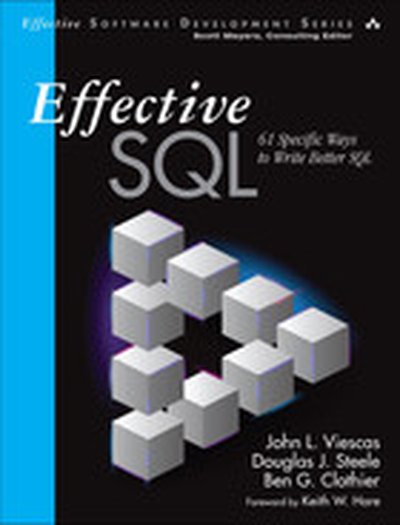
Effective SQL: 61 Specific Ways to Write Better SQL, First Edition

“Given the authors’ reputations, I expected to be impressed. I was blown away! . . . Most SQL books sit on my shelf. This one will live on my desk.” –Roger Carlson, Microsoft Access MVP (2006-2015) “Rather than stumble around reinventing wheels or catching glimpses of the proper approaches, do yourself a favor: Buy this book.” —Dave Stokes, MySQL Community Manager, Oracle Corporation brings together practical solutions and insights so you can solve complex problems with SQL and design databases that simplify data management in the future. It’s the only modern book that brings together advanced best practices and realistic example code for all of these versions of SQL: IBM DB2, Microsoft Access, Microsoft SQL Server, MySQL, Oracle Database, and PostgreSQL. Effective SQL Drawing on their immense experience as world-class database consultants and instructors, the authors identify 61 proven approaches to writing better SQL. Wherever SQL versions vary, the authors illuminate the key nuances, so you can get the most out of whatever version you prefer. This full-color guide provides clear, practical explanations; expert tips; and plenty of usable code. Going far beyond mere syntax, it addresses issues ranging from optimizing database designs to managing hierarchies and metadata. If you already know SQL’s basics, this guide will help you become a world-class SQL problem-solver. Craft better logical data models, and fix flawed models Implement indexes that improve query performance Handle external data from sources you don’t control Extract and aggregate the information you need, as efficiently as possible Write more flexible subqueries Analyze and retrieve metadata using your database platform of choice Use Cartesian Products and Tally Tables to solve problems you can’t address with conventional JOINs Model hierarchical data: managing SQL’s tradeoffs and shortcomings

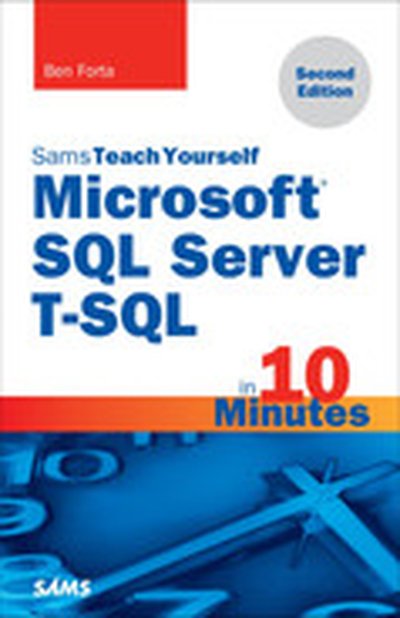
Sams Teach Yourself Microsoft® SQL Server T-SQL in 10 Minutes, Second Edition

Sams Teach Yourself Microsoft SQL Server T-SQL in 10 Minutes offers straightforward, practical answers when you need fast results. By working through the book’s 30 lessons of 10 minutes or less, you’ll learn what you need to know to take advantage of Microsoft SQL Server’s T-SQL language. This handy pocket guide starts with simple data retrieval and moves on to more complex topics, including the use of joins, subqueries, full text-based searches, functions and stored procedures, cursors, triggers, table constraints, XML, JSON, and much more. Learn how to… Use T-SQL in the Microsoft SQL Server environment Construct complex T-SQL statements using multiple clauses and operators Filter data so you get the information you need quickly Retrieve, sort, and format database contents Join two or more related tables Make SQL Server work for you with globalization and localization Create subqueries to pinpoint your data Automate your workload with triggers Create and alter database tables Work with views, stored procedures, and more Contents at a Glance 1 Understanding SQL 2 Introducing SQL Server 3 Working with SQL Server 4 Retrieving Data 5 Sorting Retrieved Data 6 Filtering Data 7 Advanced Data Filtering 8 Using Wildcard Filtering 9 Creating Calculated Fields 10 Using Data Manipulation Functions 11 Summarizing Data 12 Grouping Data 13 Working with Subqueries 14 Joining Tables 15 Creating Advanced Joins 16 Combining Queries 17 Full-Text Searching 18 Inserting Data 19 Updating and Deleting Data 20 Creating and Manipulating Tables 21 Using Views 22 Programming with T-SQL 23 Working with Stored Procedures 24 Using Cursors 25 Using Triggers 26 Managing Transaction Processing 27 Working with XML and JSON 28 Globalization and Localization 29 Managing Security 30 Improving Performance A The Example Tables B T-SQL Statement Syntax C T-SQL Datatypes D T-SQL Reserved Words

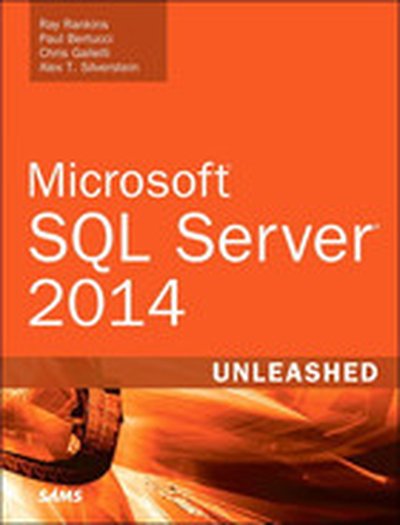
Microsoft SQL Server 2014 Unleashed

The industry’s most complete, useful, and up-to-date guide to SQL Server 2014. You’ll find start-to-finish coverage of SQL Server’s core database server and management capabilities: all the real-world information, tips, guidelines, and examples you’ll need to install, monitor, maintain, and optimize the most complex database environments. The provided examples and sample code provide plenty of hands-on opportunities to learn more about SQL Server and create your own viable solutions. Four leading SQL Server experts present deep practical insights for administering SQL Server, analyzing and optimizing queries, implementing data warehouses, ensuring high availability, tuning performance, and much more. You will benefit from their behind-the-scenes look into SQL Server, showing what goes on behind the various wizards and GUI-based tools. You’ll learn how to use the underlying SQL commands to fully unlock the power and capabilities of SQL Server. Writing for all intermediate-to-advanced-level SQL Server professionals, the authors draw on immense production experience with SQL Server. Throughout, they focus on successfully applying SQL Server 2014’s most powerful capabilities and its newest tools and features. Detailed information on how to… Understand SQL Server 2014’s new features and each edition’s capabilities and licensing Install, upgrade to, and configure SQL Server 2014 for better performance and easier management Streamline and automate key administration tasks with Smart Admin Leverage powerful new backup/restore options: flexible backup to URL, Managed Backup to Windows Azure, and encrypted backups Strengthen security with new features for enforcing “least privilege” Improve performance with updateable columnstore indexes, Delayed Durability, and other enhancements Execute queries and business logic more efficiently with memoryoptimized tables, buffer pool extension, and natively-compiled stored procedures Control workloads and Disk I/O with the Resource Governor Deploy AlwaysOn Availability Groups and Failover Cluster Instances to achieve enterprise-class availability and disaster recovery Apply new Business Intelligence improvements in Master Data Services, data quality, and Parallel Data Warehouse

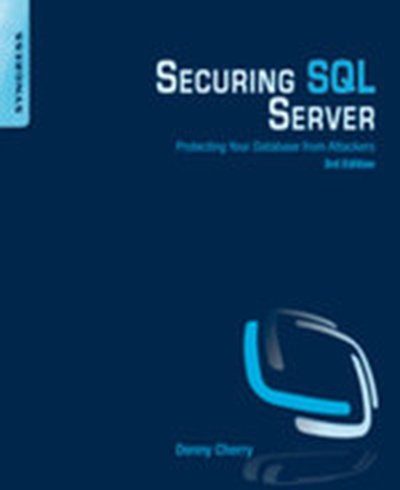
Securing SQL Server, 3rd Edition

SQL server is the most widely-used database platform in the world, and a large percentage of these databases are not properly secured, exposing sensitive customer and business data to attack. In Securing SQL Server, Third Edition, you will learn about the potential attack vectors that can be used to break into SQL server databases as well as how to protect databases from these attacks. In this book, Denny Cherry - a Microsoft SQL MVP and one of the biggest names in SQL server - will teach you how to properly secure an SQL server database from internal and external threats using best practices as well as specific tricks that the author employs in his role as a consultant for some of the largest SQL server deployments in the world. Fully updated to cover the latest technology in SQL Server 2014, this new edition walks you through how to secure new features of the 2014 release. New topics in the book include vLANs, setting up RRAS, anti-virus installs, key management, moving from plaintext to encrypted values in an existing application, securing Analysis Services Objects, Managed Service Accounts, OS rights needed by the DBA, SQL Agent Security, Table Permissions, Views, Stored Procedures, Functions, Service Broker Objects, and much more. Presents hands-on techniques for protecting your SQL Server database from intrusion and attack Provides the most in-depth coverage of all aspects of SQL Server database security, including a wealth of new material on Microsoft SQL Server 2014. Explains how to set up your database securely, how to determine when someone tries to break in, what the intruder has accessed or damaged, and how to respond and mitigate damage if an intrusion occurs.

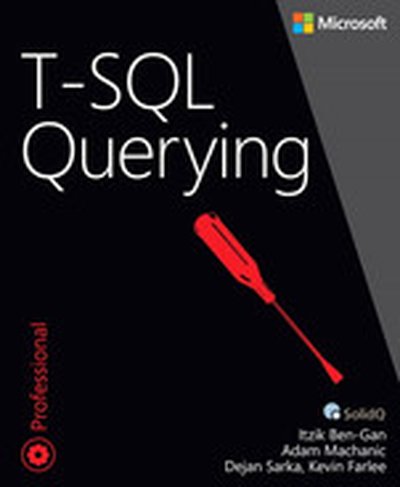
T-SQL Querying

T-SQL insiders help you tackle your toughest queries and query-tuning problems Squeeze maximum performance and efficiency from every T-SQL query you write or tune. Four leading experts take an in-depth look at T-SQL’s internal architecture and offer advanced practical techniques for optimizing response time and resource usage. Emphasizing a correct understanding of the language and its foundations, the authors present unique solutions they have spent years developing and refining. All code and techniques are fully updated to reflect new T-SQL enhancements in Microsoft SQL Server 2014 and SQL Server 2012. Write faster, more efficient T-SQL code: Move from procedural programming to the language of sets and logic Master an efficient top-down tuning methodology Assess algorithmic complexity to predict performance Compare data aggregation techniques, including new grouping sets Efficiently perform data-analysis calculations Make the most of T-SQL’s optimized bulk import tools Avoid date/time pitfalls that lead to buggy, poorly performing code Create optimized BI statistical queries without additional software Use programmable objects to accelerate queries Unlock major performance improvements with In-Memory OLTP Master useful and elegant approaches to manipulating graphs About This Book For experienced T-SQL practitioners Includes coverage updated from and Inside Microsoft SQL Server 2008 T-SQL Querying Inside Microsoft SQL Server 2008 T-SQL Programming Valuable to developers, DBAs, BI professionals, and data scientists Covers many MCSE 70-464 and MCSA/MCSE 70-461 exam topics

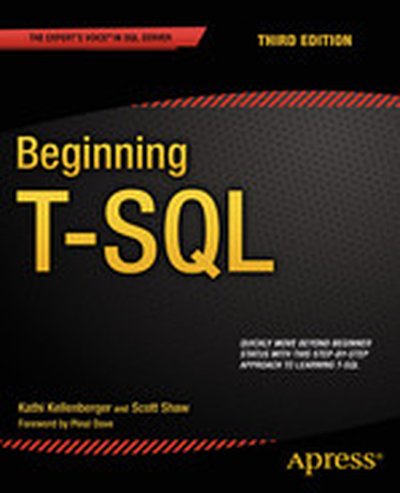
Beginning T-SQL

" " Beginning T-SQLis a performance-oriented introduction to the T-SQL language underlying the Microsoft SQL Server database engine. T-SQL is essential in writing SQL statements to get data into and out of a database. T-SQL is the foundation for business logic embedded in the database in the form of stored procedures and functions. Beginning T-SQLstarts you on the path to mastering T-SQL,with an emphasis on best-practices and sound coding techniques leading to excellent performance. This new edition is updated to cover the essential features of T-SQL found in SQL Server 2014, 2012, and 2008.Beginning T-SQL begins with an introduction to databases, normalization, and to SQL Server Management Studio. Attention is given to Azure SQL Database and how to connect to remote databases in the cloud. Each subsequent chapter teaches an aspect of T-SQL, building on the skills learned in previous chapters. Exercises in most chapters provide an opportunity for the hands-on practice that leads to true learning and distinguishes the competent professional. Important techniques such as windowing functions are covered to help write fast executing queries that solve real business problems.A stand-out feature in this book is that most chapters end with a ""Thinking About Performance"" section. These sections cover aspects of query performance relative to the content just presented. They'll help you avoid beginner mistakes by knowing about and thinking about performance from Day 1.

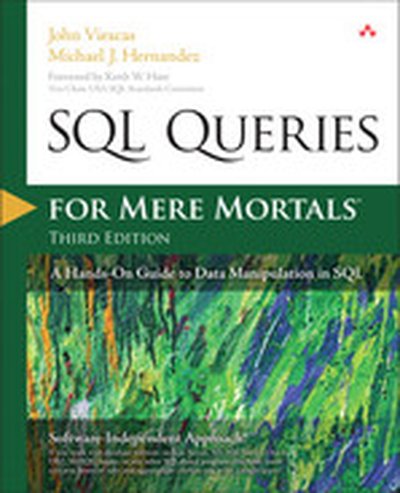
SQL Queries for Mere Mortals®: A Hands-On Guide to Data Manipulation in SQL, Third Edition

The #1 Easy, Common-Sense Guide to SQL Queries—Updated for Today’s Databases, Standards, and Challenges SQL Queries for Mere Mortals ® has earned worldwide praise as the clearest, simplest tutorial on writing effective SQL queries. The authors have updated this hands-on classic to reflect new SQL standards and database applications and teach valuable new techniques. Step by step, John L. Viescas and Michael J. Hernandez guide you through creating reliable queries for virtually any modern SQL-based database. They demystify all aspects of SQL query writing, from simple data selection and filtering to joining multiple tables and modifying sets of data. Three brand-new chapters teach you how to solve a wide range of challenging SQL problems. You’ll learn how to write queries that apply multiple complex conditions on one table, perform sophisticated logical evaluations, and think “outside the box” using unlinked tables. Coverage includes -- Getting started: understanding what relational databases are, and ensuring that your database structures are sound -- SQL basics: using SELECT statements, creating expressions, sorting information with ORDER BY, and filtering data using WHERE -- Summarizing and grouping data with GROUP BY and HAVING clauses -- Drawing data from multiple tables: using INNER JOIN, OUTER JOIN, and UNION operators, and working with subqueries -- Modifying data sets with UPDATE, INSERT, and DELETE statements Advanced queries: complex NOT and AND, conditions, if-then-else using CASE, unlinked tables, driver tables, and more Practice all you want with downloadable sample databases for today’s versions of Microsoft Office Access, Microsoft SQL Server, and the open source MySQL database. Whether you’re a DBA, developer, user, or student, there’s no better way to master SQL. informit.com/aw forMereMortals.com