talk-data.com talk-data.com

Topic

SQL

Structured Query Language (SQL)

database_language data_manipulation data_definition programming_language

780

tagged

Activity Trend

107 peak/qtr
2020-Q1 2026-Q1

Activities

Showing filtered results

Filtering by: O'Reilly Data Engineering Books ×
Mastering PostgreSQL 10

Mastering PostgreSQL 10 delves into the depths of PostgreSQL development and administration, guiding readers through advanced functionalities of the database. Covering topics such as query optimization, replication, high availability, and migration, this book equips you with the skills needed to harness the full power of PostgreSQL 10. What this Book will help me do Learn to optimize database queries to enhance performance in PostgreSQL 10. Understand advanced replication techniques and how to implement high availability. Gain expertise in managing security, backups and performing data migrations effectively. Explore query tuning and indexing strategies to speed up your database applications. Handle troubleshooting challenges by understanding problems and their solutions. Author(s) The authors of Mastering PostgreSQL 10 are experts in the field of databases, with years of experience in designing, developing, and managing PostgreSQL systems. They are passionate educators dedicated to helping professionals maximize their potential with PostgreSQL. Their practical and approachable style ensures that even complex topics are clearly explained. Who is it for? This book is ideal for PostgreSQL data architects and administrators who want to master advanced features of PostgreSQL 10. It is best suited for individuals who have prior database administration experience and a working knowledge of SQL. Readers aiming to enhance performance and implement transformations in their PostgreSQL setups will benefit immensely. Those tasked with ensuring high availability, migration, and recovery of PostgreSQL will find this book invaluable.
MySQL 8 Cookbook

With "MySQL 8 Cookbook," dive into over 150 practical recipes tailored for database professionals aiming to master MySQL 8. You will explore setup, querying, and advanced features like security and performance tuning. This book is your comprehensive guide to efficient database handling in MySQL 8. What this Book will help me do Efficiently set up and configure a MySQL 8 environment. Master advanced querying techniques using new MySQL features such as CTEs and window functions. Execute robust data backup and recovery strategies with MySQL 8. Implement performance improvements with tools and features like descending indexes and query optimizers. Secure, manage, and optimize databases to support scalable, high-performance applications. Author(s) Karthik Appigatla is a seasoned database administrator and developer with extensive expertise in MySQL and relational database systems. With years of industry experience, he brings a practical perspective to database solutions. His passion is to empower learners by simplifying complex database concepts with a hands-on approach. Who is it for? This book is tailored for MySQL developers or administrators who seek ready solutions for their MySQL challenges. Whether you're upgrading to MySQL 8 or want to leverage its latest features, this cookbook is for you. Ideal for those with basic Linux and SQL experience aiming to build advanced MySQL knowledge and skills.

Learning Google BigQuery

If you're ready to untap the potential of data analytics in the cloud, 'Learning Google BigQuery' will take you from understanding foundational concepts to mastering advanced techniques of this powerful platform. Through hands-on examples, you'll learn how to query and analyze massive datasets efficiently, develop custom applications, and integrate your results seamlessly with other tools. What this Book will help me do Understand the fundamentals of Google Cloud Platform and how BigQuery operates within it. Migrate enterprise-scale data seamlessly into BigQuery for further analytics. Master SQL techniques for querying large-scale datasets in BigQuery. Enable real-time data analytics and visualization with tools like Tableau and Python. Learn to create dynamic datasets, manage partition tables and use BigQuery APIs effectively. Author(s) None Berlyant, None Haridass, and None Brown are specialists with years of experience in data science, big data platforms, and cloud technologies. They bring their expertise in data analytics and teaching to make advanced concepts accessible. Their hands-on approach and real-world examples ensure readers can directly apply the skills they acquire to practical scenarios. Who is it for? This book is tailored for developers, analysts, and data scientists eager to leverage cloud-based tools for handling and analyzing large-scale datasets. If you seek to gain hands-on proficiency in working with BigQuery or want to enhance your organization's data capabilities, this book is a fit. No prior BigQuery knowledge is needed, just a willingness to learn.

XML and JSON Recipes for SQL Server: A Problem-Solution Approach

Quickly find solutions to dozens of common problems encountered while using XML and JSON features that are built into SQL Server. Content is presented in the popular problem-solution format. Look up the problem that you want to solve. Read the solution. Apply the solution directly in your own code. Problem solved! This book shows how to take advantage of XML and JSON to share data and automate tasks. JSON is commonly used to move data back and forth between the database and front-end applications, often running in a browser. This book shows all you need to know about transforming query results into JSON format, and back again. Also covered are the processes and techniques for moving data into and out of XML format for business intelligence and other purposes, such as when transferring data from a reporting system into a data warehouse, or between different database brands such as between SQL Server and Oracle. Microsoft intensively implements XML in SQL Server, and in many related products. Execution plans are generated in XML format, and this book shows you how to parse those plans and automate the detection of performance problems. The relatively new Extended Events feature writes tracing data into XML files, and the recipes in this book help in parsing those files. XML is also used in SQL Server's BI tool set, including in SSIS, SSR, and SSAS. XML is used in many configuration files, and is even behind the construction of DDL triggers. In reading this book you’ll dive deeply into the features that allow you to build and parse XML, and also JSON, which is a specific format of XML used to transmit objects in a web-friendly format between a database and its front-end applications. What You Will Learn Build XML and JSON objects in support of automation and data transfer Import and parse XML and JSON from operating system files Build appropriate indexes on XML objects to improve query performance Move data from query result sets into JSON format, and back again Automate the detection of database performance problems by querying and parsing the database’s own execution plans Replace external and manual JSON processes with SQL Server's internal, JSON functionality Who This Book Is For Database administrators, .NET developers, business intelligence developers, and other professionals who want a deep and detailed skill set around working with XML and JSON in a SQL Server database environment. Web developers will particularly find the book useful for its coverage of transforming database result sets into JSON text that can be transmitted to front-end web applications.

SQL Server 2017 Administrator's Guide

Dive into 'SQL Server 2017 Administrator's Guide' to master the administrative and maintenance aspects of SQL Server 2017. This comprehensive guide provides expert strategies and best practices to design, secure, and manage robust SQL Server systems effectively. What this Book will help me do Understand the new features and capabilities of SQL Server 2017 to enhance your database systems. Learn step-by-step how to configure, optimize, and troubleshoot SQL Server environments for maximum performance. Gain expertise in creating reliable backup and recovery solutions that minimize downtime and protect data. Develop skills in securing SQL Server instances against threats and maintaining system health. Explore integrating SQL Server 2017 with Azure and leveraging cloud capabilities for enhanced functionality. Author(s) The authors of 'SQL Server 2017 Administrator's Guide' are seasoned database administrators and experts in SQL Server technology. With years of practical experience, they have tackled challenges across various industries and bring a wealth of know-how to this book. They aim to provide clear, actionable guidance to help readers succeed. Who is it for? This book is ideal for database administrators who want to deepen their knowledge of SQL Server 2017 administration. It is especially suitable for professionals with some experience in earlier versions of SQL Server who wish to apply their skills to the latest edition. Whether you're an aspiring DBA or an experienced professional seeking to refine your strategies, this guide offers substantial value.

Exam Ref 70-765 Provisioning SQL Databases, First Edition

Prepare for Microsoft Exam 70-765–and help demonstrate your real-world mastery of provisioning SQL Server databases both on premise and in SQL Azure. Designed for experienced IT professionals ready to advance their status, Exam Ref focuses on the critical thinking and decision-making acumen needed for success at the MCSA level. Focus on the expertise measured by these objectives: • Implement SQL in Azure • Manage databases and instances • Manage storage This Microsoft Exam Ref: • Organizes its coverage by exam objectives • Features strategic, what-if scenarios to challenge you • Assumes you have working knowledge of SQL Server administration and maintenance, as well as Azure skills Provisioning SQL Databases About the Exam Exam 70-765 focuses on skills and knowledge for provisioning, upgrading, and configuring SQL Server; managing databases and files; and provisioning, migrating, and managing databases in the Microsoft Azure cloud. About Microsoft Certification Passing this exam as well as Exam 70-764: Administering a SQL Database Infrastructure earns you MCSA: SQL 2016 Database Administration certification, qualifying you for a position as a database administrator or infrastructure specialist. See full details at: microsoft.com/learning

Learning PostgreSQL 10 - Second Edition

Dive into the world of PostgreSQL 10, one of the most widely used open-source database systems. This comprehensive guide will teach you the essential features and functionalities of PostgreSQL, enabling you to develop, manage, and optimize database systems with confidence and efficiency. What this Book will help me do Gain a foundational understanding of relational databases and PostgreSQL. Learn how to install, set up, and configure a PostgreSQL database system. Master SQL query writing, data manipulation, and advanced queries with PostgreSQL. Understand server-side programming with PL/pgSQL and define advanced schema objects. Optimize database performance, leverage advanced data types, and connect PostgreSQL with Python applications. Author(s) None Juba and None Volkov are seasoned experts in database management and software development. Their extensive experience with PostgreSQL ensures that each concept is explained practically and effectively. They aim to simplify complex topics for beginners and provide tips that are valuable for practitioners at various levels. Who is it for? This book is ideal for students, developers, and IT professionals who are new to PostgreSQL or wish to deepen their understanding of database technology. It caters to beginners looking to acquire foundational skills and database enthusiasts aiming to master PostgreSQL functionalities. Whether you're exploring database management for the first time or refining your existing skills, this guide is tailored for your needs.

Beginning XML with C# 7: XML Processing and Data Access for C# Developers

Master the basics of XML as well as the namespaces and objects you need to know in order to work efficiently with XML. You’ll learn extensive support for XML in everything from data access to configuration, from raw parsing to code documentation. You will see clear, practical examples that illustrate best practices in implementing XML APIs and services as part of your C#-based Windows 10 applications. Beginning XML with C# 7 is completely revised to cover the XML features of .NET Framework 4.7 using C# 7 programming language. In this update, you’ll discover the tight integration of XML with ADO.NET and LINQ as well as additional .NET support for today’s RESTful web services and Web API. Written by a Microsoft Most Valuable Professional and developer, this book demystifies everything to do with XML and C# 7. What You Will Learn: Discover how XML works with the .NET Framework Read, write, access, validate, and manipulate XML documents Transform XML with XSLT Use XML serialization and web services Combine XML in ADO.NET and SQL Server Create services using Windows Communication Foundation Work with LINQ Use XML with Web API and more Who This Book Is For : Those with experience in C# and .NET new to the nuances of using XML. Some XML experience is helpful.

Exam Ref 70-767 Implementing a SQL Data Warehouse

Prepare for Microsoft Exam 70-767–and help demonstrate your real-world mastery of skills for managing data warehouses. This exam is intended for Extract, Transform, Load (ETL) data warehouse developers who create business intelligence (BI) solutions. Their responsibilities include data cleansing as well as ETL and data warehouse implementation. The reader should have experience installing and implementing a Master Data Services (MDS) model, using MDS tools, and creating a Master Data Manager database and web application. The reader should understand how to design and implement ETL control flow elements and work with a SQL Service Integration Services package. Focus on the expertise measured by these objectives: • Design, and implement, and maintain a data warehouse • Extract, transform, and load data • Build data quality solutionsThis Microsoft Exam Ref: • Organizes its coverage by exam objectives • Features strategic, what-if scenarios to challenge you • Assumes you have working knowledge of relational database technology and incremental database extraction, as well as experience with designing ETL control flows, using and debugging SSIS packages, accessing and importing or exporting data from multiple sources, and managing a SQL data warehouse. Implementing a SQL Data Warehouse About the Exam Exam 70-767 focuses on skills and knowledge required for working with relational database technology. About Microsoft Certification Passing this exam earns you credit toward a Microsoft Certified Professional (MCP) or Microsoft Certified Solutions Associate (MCSA) certification that demonstrates your mastery of data warehouse management Passing this exam as well as Exam 70-768 (Developing SQL Data Models) earns you credit toward a Microsoft Certified Solutions Associate (MCSA) SQL 2016 Business Intelligence (BI) Development certification. See full details at: microsoft.com/learning

Pro MySQL NDB Cluster

Create and run a real-time, highly-available, and high-redundancy version of the world's most popular open-source database, MySQL. You will understand the advantages and disadvantages of the MySQL NDB Cluster solution, and when MySQL NDB Cluster is the right choice. Pro MySQL NDB Cluster walks you through the full lifecycle of a MySQL Cluster installation: starting with the installation and initial configuration, moving through online configuration and schema changes, and completing with online upgrades. Along the way, you will learn to monitor your cluster, make decisions about schema design, implement geographic replication, troubleshoot and optimize performance, and much more. This book covers the many programming APIs that are supported by MySQL NDB Cluster. There's also robust coverage of connecting to MySQL NDB Cluster from Java, SQL, memcached, and even from C++. From any of these languages, you'll be able to connect and store and retrieve data as your applications demand. The book: Covers MySQL NDB Cluster concepts and architecture Takes you through the MySQL NDB Cluster lifecycle from installation to upgrades Guides you through DBA and Developer decisions when working with MySQL NDB Cluster What You'll Learn Understand the shared-nothing architecture behind MySQL NDB Cluster Plan, install, and configure a MySQL NDB Cluster environment Perform everyday tasks such as backing up, restoring, and upgrading Develop applications from Java, memcached, C++, and SQL Troubleshoot and resolve application performance problems Master enterprise-level features such the MySQL NDB Cluster Manager Who This Book Is For Database administrators and developers who are looking into deploying MySQL NDB Cluster, or who already have a cluster in production and want to increase their knowledge and ability to handle routine administrative tasks and troubleshooting. The book also is for those developers wanting to employ MySQL NDB Cluster as their chosen storage engine from Java, memcached, and C++ applications.

MariaDB and MySQL Common Table Expressions and Window Functions Revealed

Walk away from old-fashioned and cumbersome query approaches and answer your business intelligence questions through simple and powerful queries built on common table expressions (CTEs) and window functions. These new features in MariaDB and MySQL help you to write queries without having to wade through a quagmire of brittle self-joins and other crazy techniques from the past. Your queries will generate correct results, be more readable and less brittle in the face of unexpected data, and you’ll be able to adapt them quickly in the face of changing business requirements. MariaDB and MySQL Common Table Expressions and Window Functions Revealed introduces and explains CTEs and window functions, newly available in MariaDB 10.2 and MySQL 8.0, and helps you understand why and how every MariaDB and MySQL database programmer should learn and apply these features in their daily work. CTEs and especially window functions enable easy solutions to many query challenges that in prior releases have been difficult and sometimes impossible to surmount. Mastering these features opens the door to query solutions that are more robust, execute faster, and are easier to maintain over time than prior solutions using older techniques. The book: Takes you step-by-step through the workings of common table expressions and window functions Provides easy-to-follow examples of the new syntax Helps you answer business questions faster and easier than ever What You'll Learn Answer business questions using simple queries that don’t break in the face of unexpected data Avoid writing queries that are a difficult-to-maintain quagmire of self-joins and nested subqueries Recognize situations that call for window functions, and learn when to use these features Reduce the need for performance-robbing self-joins Simplify and speed the execution of analytical queries Create queries that finish in seconds instead of hours Who This Book Is For Database administrators and application developers who want to quickly get up to speed on important features in MariaDB and MySQL for writing business intelligence queries. Any developer writing SQL against MariaDB and MySQL databases will benefit tremendously from the knowledge and techniques this book provides.

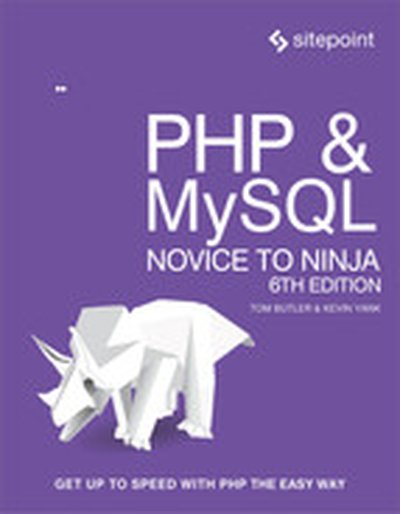
PHP & MySQL: Novice to Ninja, 6th Edition

PHP & MySQL: Novice to Ninja, 6th Edition is a hands-on guide to learning all the tools, principles, and techniques needed to build a fully functional application using PHP & MySQL. Comprehensively updated to cover PHP 7 and modern best practice, this practical and fun book covers everything from installing PHP and MySQL through to creating a complete online content management system. You'll learn how to: Install PHP & MySQL on Windows, Mac OS X, or Linux Gain a thorough understanding of PHP syntax Use object oriented programming techniques Master database design principles and SQL Develop robust websites that can handle high levels of traffic Build a working content management system (CMS) And much more!

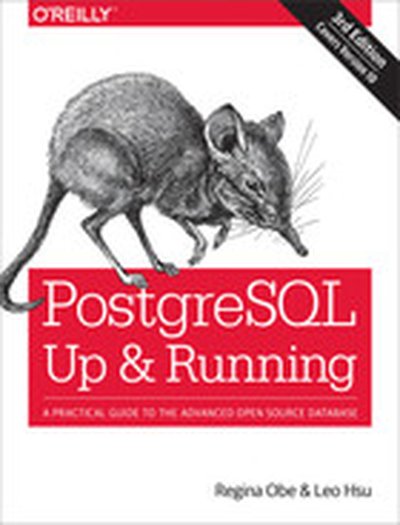
PostgreSQL: Up and Running, 3rd Edition

Thinking of migrating to PostgreSQL? This clear, fast-paced introduction helps you understand and use this open source database system. Not only will you learn about the enterprise class features in versions 9.5 to 10, you’ll also discover that PostgeSQL is more than a database system—it’s an impressive application platform as well. With examples throughout, this book shows you how to achieve tasks that are difficult or impossible in other databases. This third edition covers new features, such as ANSI-SQL constructs found only in proprietary databases until now: foreign data wrapper (FDW) enhancements; new full text functions and operator syntax introduced in version 9.6; XML constructs new in version 10; query parallelization features introduced in 9.6 and enhanced in 10; built-in logical replication introduced in Version 10.e. If you’re a current PostgreSQL user, you’ll pick up gems you may have missed before. Learn basic administration tasks such as role management, database creation, backup, and restore Apply the psql command-line utility and the pgAdmin graphical administration tool Explore PostgreSQL tables, constraints, and indexes Learn powerful SQL constructs not generally found in other databases Use several different languages to write database functions Tune your queries to run as fast as your hardware will allow Query external and variegated data sources with foreign data wrappers Learn how to use built-in replication to replicate data

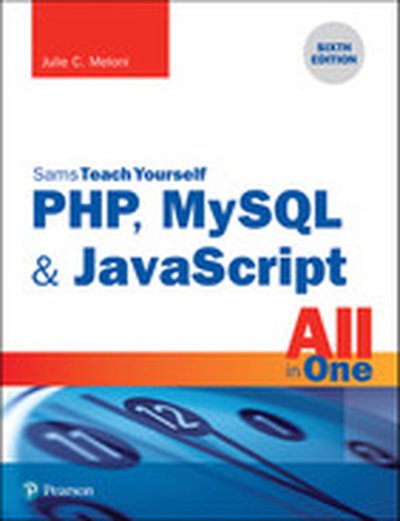
SamsTeachYourself PHP, MySQL & JavaScript: All in One, 6th Edition

In just a short time, you can learn how to use PHP, MySQL, and JavaScript together to create dynamic, interactive websites and applications using three leading web development technologies. No previous programming experience is required. Using a straightforward, step-by-step approach, each lesson in this book builds on the previous ones, enabling you to learn the essentials of full-stack web application development – from HTML, CSS, and JavaScript on the front end, to PHP scripting and MySQL databases on the server. Regardless of whether you run Linux, Windows, or MacOS, the book includes complete instructions to install all the software you need to set up a stable environment for learning, testing, and production. Step-by-step instructions carefully walk you through the most common web application development tasks. Practical, hands-on examples show you how to apply what you learn. Quizzes and exercises help you test your knowledge and stretch your skills. Learn how to: Build web pages with HTML5 and CSS Use JavaScript to build dynamic, interactive web pages Get PHP, MySQL, and JavaScript to work together to create modern, standards-compliant web applications Enhance interactivity with AJAX Leverage JavaScript libraries such as jQuery Work with cookies and user sessions Get user input with web-based forms Use basic SQL commands Interact with the MySQL database using PHP Write maintainable code and get started with version control Decide when frameworks such as Bootstrap, Foundation, React, Angular, and Laravel can be useful Create a web-based discussion forum or calendar Add a storefront and shopping cart to your site Contents at a Glance PART I Web Application Basics 1 Understanding How the Web Works 2 Structuring HTML and Using Cascading Style Sheets 3 Understanding the CSS Box Model and Positioning 4 Introducing JavaScript 5 Introducing PHP PART II Getting Started with Dynamic Web Sites 6 Understanding Dynamic Web Sites and HTML5 Applications 7 JavaScript Fundamentals: Variables, Strings, and Arrays 8 JavaScript Fundamentals: Functions, Objects, and Flow Control 9 Understanding JavaScript Event Handling 10 The Basics of Using jQuery PART III Taking Your Web Applications to the Next Level 11 AJAX: Getting Started with Remote Scripting 12 PHP Fundamentals: Variables, Strings, and Arrays 13 PHP Fundamentals: Functions, Objects, and Flow Control 14 Working with Cookies and User Sessions 15 Working with Web-Based Forms PART IV Integrating a Database into Your Applications 16 Understanding the Database Design Process 17 Learning Basic SQL Commands 18 Interacting with MySQL Using PHP PART V Getting Started with Application Development 19 Creating a Simple Discussion Forum 20 Creating an Online Storefront 21 Creating a Simple Calendar 22 Managing Web Applications PART VI Appendixes A Installation QuickStart with XAMPP B Installing and Configuring MySQL C Installing and Configuring Apache D Installing and Configuring PHP

Exam Ref 70-764 Administering a SQL Database Infrastructure

Prepare for Microsoft Exam 70-764—and help demonstrate your real-world mastery of skills for database administration. This exam is intended for database administrators charged with installation, maintenance, and configuration tasks. Their responsibilities also include setting up database systems, making sure those systems operate efficiently, and regularly storing, backing up, and securing data from unauthorized access. Focus on the expertise measured by these objectives: Configure data access and auditing Manage backup and restore of databases Manage and monitor SQL Server instances Manage high availability and disaster recovery This Microsoft Exam Ref: Organizes its coverage by exam objectives Features strategic, what-if scenarios to challenge you Assumes you have working knowledge of database installation, configuration, and maintenance tasks. You should also have experience with setting up database systems, ensuring those systems operate efficiently, regularly storing and backing up data, and securing data from unauthorized access. About the Exam Exam 70-764 focuses on skills and knowledge required for database administration. About Microsoft Certification Passing both Exam 70-764 and Exam 70-765 (Provisioning SQL Databases) earns you credit toward an MCSA: SQL 2016 Database Administration certification. See full details at: microsoft.com/learning

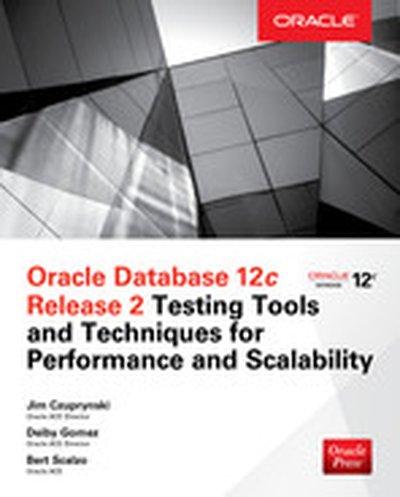
Oracle Database 12c Release 2 Testing Tools and Techniques for Performance and Scalability

Master Oracle Database 12c Release 2 testing and tuning Seamlessly transition to Oracle Database 12c Release 2 and achieve peak performance using the step-by-step instruction and best practices contained in this Oracle Press guide. Written by a team of Oracle ACEs, Oracle Database 12c Release 2 Testing Tools and Techniques for Performance and Scalability clearly explains how to identify, investigate, and resolve performance issues. You will discover how to use troubleshooting tools and test rigs, optimize code and queries, evaluate database performance, perform realistic application testing, capture and replay actual production workloads, and employ Oracle Database In-Memory. •Establish benchmarks and evaluate application workload performance •Configure and deploy SQL Tuning Advisor and SQL Access Advisor •Maximize efficiency using Oracle Database In-Memory and In-Memory Advisor •Identify and repair poorly running code with SQL Monitor •Uncover database problems using Real-Time ADDM and Emergency Monitoring •Work with database workload capture and replay •Analyze third-party code with Workload Intelligence •Identify database objects that will benefit most from In-Memory Column Store (IMCS) •Monitor and manage IMCS objects with In-Memory Central

Learn FileMaker Pro 16: The Comprehensive Guide to Building Custom Databases

Extend FileMaker's built-in functionality and totally customize your data management environment with specialized functions and menus to super-charge the results and create a truly unique and focused experience. This book includes everything a beginner needs to get started building databases with FileMaker and contains advanced tips and techniques that the most seasoned professionals will appreciate. Written by a long time FileMaker developer, this book contains material for developers of every skill level. FileMaker Pro 16 is a powerful database development application used by millions of people in diverse industries to simplify data management tasks, leverage their business information in new ways and automate many mundane tasks. A custom solution built with FileMaker can quickly tap into a powerful set of capabilities and technologies to offer users an intuitive and pleasing environment in which to achieve new levels of efficiency and professionalism. What You’ll learn Create SQL queries to build fast and efficient formulas Discover new features of version 16 such as JSON functions, Cards, Layout Object window, SortValues, UniqueValues, using variables in Data Sources Write calculations using built-in and creating your own custom functions Discover the importance of a good approach to interface and technical design Apply best practices for naming conventions and usage standards Explore advanced topics about designing professional, open-ended solutions and using advanced techniques Who This Book Is For Casual programmers, full time consultants and IT professionals.

Data Warehousing with Greenplum

Relational databases haven’t gone away, but they are evolving to integrate messy, disjointed unstructured data into a cleansed repository for analytics. With the execution of massively parallel processing (MPP), the latest generation of analytic data warehouses is helping organizations move beyond business intelligence to processing a variety of advanced analytic workloads. These MPP databases expose their power with the familiarity of SQL. This report introduces the Greenplum Database, recently released as an open source project by Pivotal Software. Lead author Marshall Presser of Pivotal Data Engineering takes you through the Greenplum approach to data analytics and data-driven decisions, beginning with Greenplum’s shared-nothing architecture. You’ll explore data organization and storage, data loading, running queries, as well as performing analytics in the database. You’ll learn: How each networked node in Greenplum’s architecture features an independent operating system, memory, and storage Four deployment options to help you balance security, cost, and time to usability Ways to organize data, including distribution, storage, partitioning, and loading How to use Apache MADlib for in-database analytics, and GPText to process and analyze free-form text Tools for monitoring, managing, securing, and optimizing query responses available in the Pivotal Greenplum commercial database

Apache Spark 2.x for Java Developers

Delve into mastering big data processing with 'Apache Spark 2.x for Java Developers.' This book provides a practical guide to implementing Apache Spark using the Java APIs, offering a unique opportunity for Java developers to leverage Spark's powerful framework without transitioning to Scala. What this Book will help me do Learn how to process data from formats like XML, JSON, CSV using Spark Core. Implement real-time analytics using Spark Streaming and third-party tools like Kafka. Understand data querying with Spark SQL and master SQL schema processing. Apply machine learning techniques with Spark MLlib to real-world scenarios. Explore graph processing and analytics using Spark GraphX. Author(s) None Kumar and None Gulati, experienced professionals in Java development and big data, bring their wealth of practical experience and passion for teaching to this book. With a clear and concise writing style, they aim to simplify Spark for Java developers, making big data approachable. Who is it for? This book is perfect for Java developers who are eager to expand their skillset into big data processing with Apache Spark. Whether you are a seasoned Spark user or first diving into big data concepts, this book meets you at your level. With practical examples and straightforward explanations, you can unlock the potential of Spark in real-world scenarios.

Mastering Apache Spark 2.x - Second Edition

Mastering Apache Spark 2.x is the essential guide to harnessing the power of big data processing. Dive into real-time data analytics, machine learning, and cluster computing using Apache Spark's advanced features and modules like Spark SQL and MLlib. What this Book will help me do Gain proficiency in Spark's batch and real-time data processing with SparkSQL. Master techniques for machine learning and deep learning using SparkML and SystemML. Understand the principles of Spark's graph processing with GraphX and GraphFrames. Learn to deploy Apache Spark efficiently on platforms like Kubernetes and IBM Cloud. Optimize Spark cluster performance by configuring parameters effectively. Author(s) Romeo Kienzler is a seasoned professional in big data and machine learning technologies. With years of experience in cloud-based distributed systems, Romeo brings practical insights into leveraging Apache Spark. He combines his deep technical expertise with a clear and engaging writing style. Who is it for? This book is tailored for intermediate Apache Spark users eager to deepen their knowledge in Spark 2.x's advanced features. Ideal for data engineers and big data professionals seeking to enhance their analytics pipelines with Spark. A basic understanding of Spark and Scala is necessary. If you're aiming to optimize Spark for real-world applications, this book is crafted for you.