talk-data.com talk-data.com

Topic

SSIS

SQL Server Integration Services (SSIS)

etl data_integration microsoft

30

tagged

Activity Trend

1 peak/qtr
2020-Q1 2026-Q1

Activities

30 activities · Newest first

Azure Data Factory by Example: Practical Implementation for Data Engineers

Data engineers who need to hit the ground running will use this book to build skills in Azure Data Factory v2 (ADF). The tutorial-first approach to ADF taken in this book gets you working from the first chapter, explaining key ideas naturally as you encounter them. From creating your first data factory to building complex, metadata-driven nested pipelines, the book guides you through essential concepts in Microsoft’s cloud-based ETL/ELT platform. It introduces components indispensable for the movement and transformation of data in the cloud. Then it demonstrates the tools necessary to orchestrate, monitor, and manage those components. The hands-on introduction to ADF found in this book is equally well-suited to data engineers embracing their first ETL/ELT toolset as it is to seasoned veterans of Microsoft’s SQL Server Integration Services (SSIS). The example-driven approach leads you through ADF pipeline construction from the ground up, introducing important ideas and making learning natural and engaging. SSIS users will find concepts with familiar parallels, while ADF-first readers will quickly master those concepts through the book’s steady building up of knowledge in successive chapters. Summaries of key concepts at the end of each chapter provide a ready reference that you can return to again and again. What You Will Learn Create pipelines, activities, datasets, and linked services Build reusable components using variables, parameters, and expressions Move data into and around Azure services automatically Transform data natively using ADF data flows and Power Query data wrangling Master flow-of-control and triggers for tightly orchestrated pipeline execution Publish and monitor pipelines easily and with confidence Who This Book Is For Data engineers and ETL developers taking their first steps in Azure Data Factory, SQL Server Integration Services users making the transition toward doing ETL in Microsoft’s Azure cloud, and SQL Server database administrators involved in data warehousing and ETL operations
Building Custom Tasks for SQL Server Integration Services: The Power of .NET for ETL for SQL Server 2019 and Beyond

Build custom SQL Server Integration Services (SSIS) tasks using Visual Studio Community Edition and C#. Bring all the power of Microsoft .NET to bear on your data integration and ETL processes, and for no added cost over what you’ve already spent on licensing SQL Server. New in this edition is a demonstration deploying a custom SSIS task to the Azure Data Factory (ADF) Azure-SSIS Integration Runtime (IR). All examples in this new edition are implemented in C#. Custom task developers are shown how to implement custom tasks using the widely accepted and default language for .NET development. Why are custom components necessary? Because even though the SSIS catalog of built-in tasks and components is a marvel of engineering, gaps remain in the available functionality. One such gap is a constraint of the built-in SSIS Execute Package Task, which does not allow SSIS developers to select SSIS packages from other projects in the SSIS Catalog. Examples in this bookshow how to create a custom Execute Catalog Package task that allows SSIS developers to execute tasks from other projects in the SSIS Catalog. Building on the examples and patterns in this book, SSIS developers may create any task to which they aspire, custom tailored to their specific data integration and ETL needs. What You Will Learn Configure and execute Visual Studio in the way that best supports SSIS task development Create a class library as the basis for an SSIS task, and reference the needed SSIS assemblies Properly sign assemblies that you create in order to invoke them from your task Implement source code control via Azure DevOps, or your own favorite tool set Troubleshoot and execute custom tasks as part of your own projects Create deployment projects (MSIs) for distributing code-complete tasks Deploy custom tasks to Azure Data Factory Azure-SSIS IRs in the cloud Create advanced editors for custom task parameters Who This Book Is For For database administrators and developers who are involved in ETL projects built around SQL Server Integration Services (SSIS). Readers do not need a background in software development with C#. Most important is a desire to optimize ETL efforts by creating custom-tailored tasks for execution in SSIS packages, on-premises or in ADF Azure-SSIS IRs.

SQL Server Data Automation Through Frameworks: Building Metadata-Driven Frameworks with T-SQL, SSIS, and Azure Data Factory

Learn to automate SQL Server operations using frameworks built from metadata-driven stored procedures and SQL Server Integration Services (SSIS). Bring all the power of Transact-SQL (T-SQL) and Microsoft .NET to bear on your repetitive data, data integration, and ETL processes. Do this for no added cost over what you’ve already spent on licensing SQL Server. The tools and methods from this book may be applied to on-premises and Azure SQL Server instances. The SSIS framework from this book works in Azure Data Factory (ADF) and provides DevOps personnel the ability to execute child packages outside a project—functionality not natively available in SSIS. Frameworks not only reduce the time required to deliver enterprise functionality, but can also accelerate troubleshooting and problem resolution. You'll learn in this book how frameworks also improve code quality by using metadata to drive processes. Much of the work performed by data professionals can be classified as “drudge work”—tasks that are repetitive and template-based. The frameworks-based approach shown in this book helps you to avoid that drudgery by turning repetitive tasks into "one and done" operations. Frameworks as described in this book also support enterprise DevOps with built-in logging functionality. What You Will Learn Create a stored procedure framework to automate SQL process execution Base your framework on a working system of stored procedures and execution logging Create an SSIS framework to reduce the complexity of executing multiple SSIS packages Deploy stored procedure and SSIS frameworks to Azure Data Factory environments in the cloud Who This Book Is For Database administrators and developers who are involved in enterprise data projects built around stored procedures and SQL Server Integration Services (SSIS). Readersshould have a background in programming along with a desire to optimize their data efforts by implementing repeatable processes that support enterprise DevOps.

Mastering SQL Server 2017

Leverage the power of SQL Server 2017 Integration Services to build data integration solutions with ease Key Features Work with temporal tables to access information stored in a table at any time Get familiar with the latest features in SQL Server 2017 Integration Services Program and extend your packages to enhance their functionality Book Description Microsoft SQL Server 2017 uses the power of R and Python for machine learning and containerization-based deployment on Windows and Linux. By learning how to use the features of SQL Server 2017 effectively, you can build scalable apps and easily perform data integration and transformation. You'll start by brushing up on the features of SQL Server 2017. This Learning Path will then demonstrate how you can use Query Store, columnstore indexes, and In-Memory OLTP in your apps. You'll also learn to integrate Python code in SQL Server and graph database implementations for development and testing. Next, you'll get up to speed with designing and building SQL Server Integration Services (SSIS) data warehouse packages using SQL server data tools. Toward the concluding chapters, you'll discover how to develop SSIS packages designed to maintain a data warehouse using the data flow and other control flow tasks. By the end of this Learning Path, you'll be equipped with the skills you need to design efficient, high-performance database applications with confidence. This Learning Path includes content from the following Packt books: SQL Server 2017 Developer's Guide by Milos Radivojevic, Dejan Sarka, et. al SQL Server 2017 Integration Services Cookbook by Christian Cote, Dejan Sarka, et. al What you will learn Use columnstore indexes to make storage and performance improvements Extend database design solutions using temporal tables Exchange JSON data between applications and SQL Server Migrate historical data to Microsoft Azure by using Stretch Database Design the architecture of a modern Extract, Transform, and Load (ETL) solution Implement ETL solutions using Integration Services for both on-premise and Azure data Who this book is for This Learning Path is for database developers and solution architects looking to develop ETL solutions with SSIS, and explore the new features in SSIS 2017. Advanced analysis practitioners, business intelligence developers, and database consultants dealing with performance tuning will also find this book useful. Basic understanding of database concepts and T-SQL is required to get the best out of this Learning Path.

Hands-On Data Warehousing with Azure Data Factory

Dive into the world of ETL (Extract, Transform, Load) with 'Hands-On Data Warehousing with Azure Data Factory'. This book guides readers through the essential techniques for working with Azure Data Factory and SQL Server Integration Services to design, implement, and optimize ETL solutions for both on-premises and cloud data environments. What this Book will help me do Understand and utilize Azure Data Factory and SQL Server Integration Services to build ETL solutions. Design scalable and high-performance ETL architectures tailored to modern data problems. Integrate various Azure services, such as Azure Data Lake Analytics, Machine Learning, and Databricks Spark, into your workflows. Troubleshoot and optimize ETL pipelines and address common challenges in data processing. Create insightful Power BI dashboards to visualize and interact with data from your ETL workflows. Author(s) Authors None Cote, Michelle Gutzait, and Giuseppe Ciaburro bring a wealth of experience in data engineering and cloud technologies to this practical guide. Combining expertise in Azure ecosystem and hands-on Data Warehousing, they deliver actionable insights for working professionals. Who is it for? This book is crafted for software professionals working in data engineering, especially those specializing in ETL processes. Readers with a foundational knowledge of SQL Server and cloud infrastructures will benefit most. If you aspire to implement state-of-the-art ETL pipelines or enhance existing workflows with ADF and SSIS, this book is an ideal resource.

XML and JSON Recipes for SQL Server: A Problem-Solution Approach

Quickly find solutions to dozens of common problems encountered while using XML and JSON features that are built into SQL Server. Content is presented in the popular problem-solution format. Look up the problem that you want to solve. Read the solution. Apply the solution directly in your own code. Problem solved! This book shows how to take advantage of XML and JSON to share data and automate tasks. JSON is commonly used to move data back and forth between the database and front-end applications, often running in a browser. This book shows all you need to know about transforming query results into JSON format, and back again. Also covered are the processes and techniques for moving data into and out of XML format for business intelligence and other purposes, such as when transferring data from a reporting system into a data warehouse, or between different database brands such as between SQL Server and Oracle. Microsoft intensively implements XML in SQL Server, and in many related products. Execution plans are generated in XML format, and this book shows you how to parse those plans and automate the detection of performance problems. The relatively new Extended Events feature writes tracing data into XML files, and the recipes in this book help in parsing those files. XML is also used in SQL Server's BI tool set, including in SSIS, SSR, and SSAS. XML is used in many configuration files, and is even behind the construction of DDL triggers. In reading this book you’ll dive deeply into the features that allow you to build and parse XML, and also JSON, which is a specific format of XML used to transmit objects in a web-friendly format between a database and its front-end applications. What You Will Learn Build XML and JSON objects in support of automation and data transfer Import and parse XML and JSON from operating system files Build appropriate indexes on XML objects to improve query performance Move data from query result sets into JSON format, and back again Automate the detection of database performance problems by querying and parsing the database’s own execution plans Replace external and manual JSON processes with SQL Server's internal, JSON functionality Who This Book Is For Database administrators, .NET developers, business intelligence developers, and other professionals who want a deep and detailed skill set around working with XML and JSON in a SQL Server database environment. Web developers will particularly find the book useful for its coverage of transforming database result sets into JSON text that can be transmitted to front-end web applications.

Exam Ref 70-767 Implementing a SQL Data Warehouse

Prepare for Microsoft Exam 70-767–and help demonstrate your real-world mastery of skills for managing data warehouses. This exam is intended for Extract, Transform, Load (ETL) data warehouse developers who create business intelligence (BI) solutions. Their responsibilities include data cleansing as well as ETL and data warehouse implementation. The reader should have experience installing and implementing a Master Data Services (MDS) model, using MDS tools, and creating a Master Data Manager database and web application. The reader should understand how to design and implement ETL control flow elements and work with a SQL Service Integration Services package. Focus on the expertise measured by these objectives: • Design, and implement, and maintain a data warehouse • Extract, transform, and load data • Build data quality solutionsThis Microsoft Exam Ref: • Organizes its coverage by exam objectives • Features strategic, what-if scenarios to challenge you • Assumes you have working knowledge of relational database technology and incremental database extraction, as well as experience with designing ETL control flows, using and debugging SSIS packages, accessing and importing or exporting data from multiple sources, and managing a SQL data warehouse. Implementing a SQL Data Warehouse About the Exam Exam 70-767 focuses on skills and knowledge required for working with relational database technology. About Microsoft Certification Passing this exam earns you credit toward a Microsoft Certified Professional (MCP) or Microsoft Certified Solutions Associate (MCSA) certification that demonstrates your mastery of data warehouse management Passing this exam as well as Exam 70-768 (Developing SQL Data Models) earns you credit toward a Microsoft Certified Solutions Associate (MCSA) SQL 2016 Business Intelligence (BI) Development certification. See full details at: microsoft.com/learning

The Biml Book: Business Intelligence and Data Warehouse Automation

Learn Business Intelligence Markup Language (Biml) for automating much of the repetitive, manual labor involved in data integration. We teach you how to build frameworks and use advanced Biml features to get more out of SQL Server Integration Services (SSIS), Transact-SQL (T-SQL), and SQL Server Analysis Services (SSAS) than you ever thought possible. The first part of the book starts with the basics—getting your development environment configured, Biml syntax, and scripting essentials. Whether a beginner or a seasoned Biml expert, the next part of the book guides you through the process of using Biml to build a framework that captures both your design patterns and execution management. Design patterns are reusable code blocks that standardize the approach you use to perform certain types of data integration, logging, and other key data functions. Design patterns solve common problems encountered when developing data integration solutions. Because you do not have to build the code from scratch each time, design patterns improve your efficiency as a Biml developer. In addition to leveraging design patterns in your framework, you will learn how to build a robust metadata store and how to package your framework into Biml bundles for deployment within your enterprise. In the last part of the book, we teach you more advanced Biml features and capabilities, such as SSAS development, T-SQL recipes, documentation autogeneration, and Biml troubleshooting. The Biml Book: Provides practical and applicable examples Teaches you how to use Biml to reduce development time while improving quality Takes you through solutions to common data integration and BI challenges What You'll Learn Master the basics of Business Intelligence Markup Language (Biml) Study patterns for automating SSIS package generation Build a Biml Framework Import and transform database schemas Automate generation of scripts and projects Who This Book Is For BI developers wishing to quickly locate previously tested solutions, Microsoft BI specialists, those seeking more information about solution automation and code generation, and practitioners of Data Integration Lifecycle Management (DILM) in the DevOps enterprise

Building Custom Tasks for SQL Server Integration Services

Learn to build custom SSIS tasks using Visual Studio Community Edition and Visual Basic. Bring all the power of Microsoft .NET to bear on your data integration and ETL processes, and for no added cost over what you’ve already spent on licensing SQL Server. If you already have a license for SQL Server, then you do not need to spend more money to extend SSIS with custom tasks and components. Why are custom components necessary? Because even though the SSIS catalog of built-in tasks and components is a marvel of engineering, there do remain gaps in the functionality that is provided. These gaps are especially relevant to enterprises practicing Data Integration Lifecycle Management (DILMS) and/or DevOps. One of the gaps is a limitation of the SSIS Execute Package task. Developers using the stock version of that task are unable to select SSIS packages from other projects. Yet it’s useful to be able to select and execute tasks across projects, and the example used throughout this book will help you to create an Execute Catalog Package task that does in fact allow you to execute a task from another project. Building on the example’s pattern, you can create any task that you like, custom tailored to your specific, data integration and ETL needs. What You Will Learn Configure and execute Visual Studio in the way that best supports SSIS task development Create a class library as the basis for an SSIS task, and reference the needed SSIS assemblies Properly sign assemblies that you create in order to invoke them from your task Implement source code control via Visual Studio Team Services, or your own favorite tool set Code not only your tasks themselves, but also the associated task editors Troubleshoot and then execute your custom tasks as part of your own project Who This Book Is For Database administrators and developers who are involved in ETL projects built around SQL Server Integration Services (SSIS). Readers should have a background in programming along with a desire to optimize their ETL efforts by creating custom-tailored tasks for execution from SSIS packages.

SQL Server 2017 Integration Services Cookbook

SQL Server 2017 Integration Services Cookbook is your key to mastering effective data integration and transformation solutions using SSIS 2017. Through clear, concise recipes, this book teaches the advanced ETL techniques necessary for creating efficient data workflows, leveraging both traditional and modern data platforms. What this Book will help me do Master the integration of diverse data sources into comprehensive data models. Develop optimized ETL workflows that improve operational efficiency. Leverage the new features introduced in SQL Server 2017 for enhanced data processing. Implement scalable data warehouse solutions suitable for modern analytics workloads. Customize and extend integration services to handle specific data transformation needs. Author(s) The authors are seasoned professionals in data integration and ETL technologies. They bring years of real-world experience using SQL Server Integration Services in various enterprise scenarios. Their combined expertise ensures practical insights and guidance, making complex concepts accessible to learners and practitioners alike. Who is it for? This book is ideal for data engineers and ETL developers who already understand the basics of SQL Server and want to master advanced data integration techniques. It is also suitable for database administrators and data analysts aiming to enhance their skill set with efficient ETL processes. Arm yourself with this guide to learn not just the how, but also the why, behind successful data transformations.

Sams Teach Yourself: Big Data Analytics with Microsoft HDInsight in 24 Hours

Sams Teach Yourself Big Data Analytics with Microsoft HDInsight in 24 Hours In just 24 lessons of one hour or less, Sams Teach Yourself Big Data Analytics with Microsoft HDInsight in 24 Hours helps you leverage Hadoop’s power on a flexible, scalable cloud platform using Microsoft’s newest business intelligence, visualization, and productivity tools. This book’s straightforward, step-by-step approach shows you how to provision, configure, monitor, and troubleshoot HDInsight and use Hadoop cloud services to solve real analytics problems. You’ll gain more of Hadoop’s benefits, with less complexity–even if you’re completely new to Big Data analytics. Every lesson builds on what you’ve already learned, giving you a rock-solid foundation for real-world success. Practical, hands-on examples show you how to apply what you learn Quizzes and exercises help you test your knowledge and stretch your skills Notes and tips point out shortcuts and solutions Learn how to… Master core Big Data and NoSQL concepts, value propositions, and use cases Work with key Hadoop features, such as HDFS2 and YARN Quickly install, configure, and monitor Hadoop (HDInsight) clusters in the cloud Automate provisioning, customize clusters, install additional Hadoop projects, and administer clusters Integrate, analyze, and report with Microsoft BI and Power BI Automate workflows for data transformation, integration, and other tasks Use Apache HBase on HDInsight Use Sqoop or SSIS to move data to or from HDInsight Perform R-based statistical computing on HDInsight datasets Accelerate analytics with Apache Spark Run real-time analytics on high-velocity data streams Write MapReduce, Hive, and Pig programs Register your book at informit.com/register for convenient access to downloads, updates, and corrections as they become available.

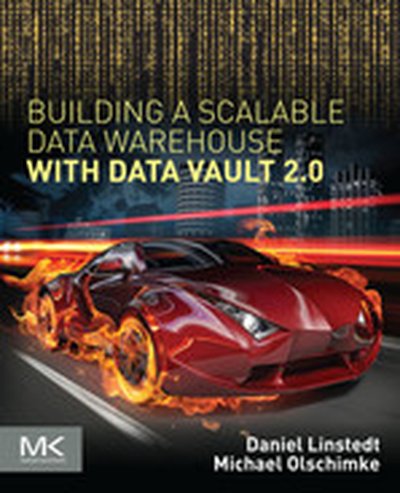
Building a Scalable Data Warehouse with Data Vault 2.0

The Data Vault was invented by Dan Linstedt at the U.S. Department of Defense, and the standard has been successfully applied to data warehousing projects at organizations of different sizes, from small to large-size corporations. Due to its simplified design, which is adapted from nature, the Data Vault 2.0 standard helps prevent typical data warehousing failures. "Building a Scalable Data Warehouse" covers everything one needs to know to create a scalable data warehouse end to end, including a presentation of the Data Vault modeling technique, which provides the foundations to create a technical data warehouse layer. The book discusses how to build the data warehouse incrementally using the agile Data Vault 2.0 methodology. In addition, readers will learn how to create the input layer (the stage layer) and the presentation layer (data mart) of the Data Vault 2.0 architecture including implementation best practices. Drawing upon years of practical experience and using numerous examples and an easy to understand framework, Dan Linstedt and Michael Olschimke discuss: How to load each layer using SQL Server Integration Services (SSIS), including automation of the Data Vault loading processes. Important data warehouse technologies and practices. Data Quality Services (DQS) and Master Data Services (MDS) in the context of the Data Vault architecture. Provides a complete introduction to data warehousing, applications, and the business context so readers can get-up and running fast Explains theoretical concepts and provides hands-on instruction on how to build and implement a data warehouse Demystifies data vault modeling with beginning, intermediate, and advanced techniques Discusses the advantages of the data vault approach over other techniques, also including the latest updates to Data Vault 2.0 and multiple improvements to Data Vault 1.0

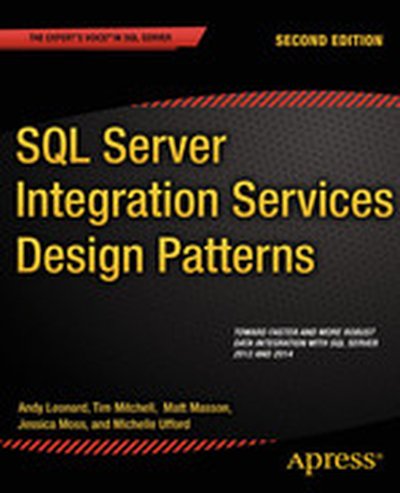
SQL Server Integration Services Design Patterns, Second Edition

SQL Server Integration Services Design Patterns is newly-revised for SQL Server 2014, and is a book of recipes for SQL Server Integration Services (SSIS). Design patterns in the book help to solve common problems encountered when developing data integration solutions. The patterns and solution examples in the book increase your efficiency as an SSIS developer, because you do not have to design and code from scratch with each new problem you face. The book's team of expert authors take you through numerous design patterns that you'll soon be using every day, providing the thought process and technical details needed to support their solutions. SQL Server Integration Services Design Patterns goes beyond the surface of the immediate problems to be solved, delving into why particular problems should be solved in certain ways. You'll learn more about SSIS as a result, and you'll learn by practical example. Where appropriate, the book provides examples of alternative patterns and discusses when and where they should be used. Highlights of the book include sections on ETL Instrumentation, SSIS Frameworks, Business Intelligence Markup Language, and Dependency Services. Takes you through solutions to common data integration challenges Provides examples involving Business Intelligence Markup Language Teaches SSIS using practical examples

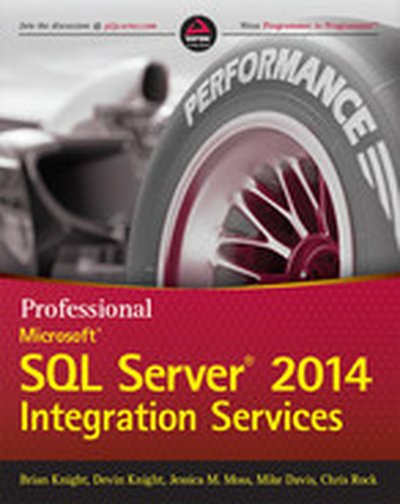
Professional Microsoft SQL Server 2014 Integration Services

Fill the gap between planning and doing with SSIS 2014 The 2014 release of Microsoft's SQL Server Integration Services provides enhancements for managing extraction, transformation, and load operations, plus expanded in-memory capabilities, improved disaster recovery, increased scalability, and much more. The increased functionality will streamline your ETL processes and smooth out your workflow, but the catch is that your workflow must change. New tools come with new best practices, and Professional Microsoft SQL Server 2014 Integration Services will keep you ahead of the curve. SQL Server MVP Brian Knight is the most respected name in the business, and your ultimate guide to navigating the changes to use Microsoft SQL Server Integration Services 2014 to your utmost advantage. Implement new best practices for effective use of SSIS Work through tutorials for hands-on learning of complex techniques Read case studies that illustrate the more advanced concepts Learn directly from the foremost authority on SSIS SQL Server Integration Services is a complex tool, but it's the lifeblood of your work. You need to know it inside out, and you must understand the full potential of its capabilities in order to use it effectively. You need to make sure the right architecture is in place. Professional Microsoft SQL Server 2014 Integration Services is your roadmap to understanding SSIS on a fundamental level, and setting yourself up for success.

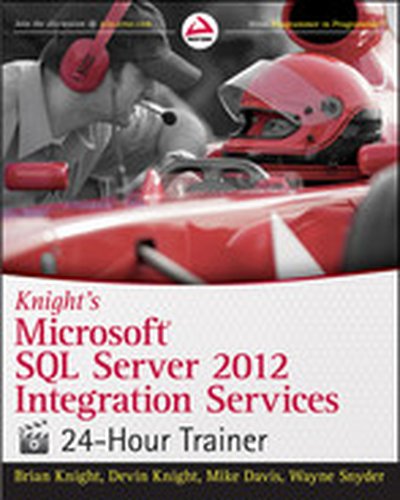
Knight's Microsoft SQL Server 2012 Integration Services 24-Hour Trainer

Book-and-video package gets novices up to speed on Microsoft SQL Server 2012 If you need a practical, hands-on introduction, especially to SQL Server Integration Services (SSIS), this book-and-video package from authority Brian Knight is the perfect solution. Each lesson includes three major components: a description of how each SSIS feature or process works, a tutorial that walks you through the process or technique, and an accompanying video lesson. It's a complete learning package that will give you the confidence you need to start your first SSIS project. Guides novice database administrators and developers who are learning Microsoft SQL Server 2012 and SQL Server Integration Services (SSIS) Provides expert instruction from leading SQL Server authority and author, Brian Knight Includes a book and a video, complete instruction that includes lessons, hands-on tutorials, and video demonstrations by the author Covers the very latest changes and updates in the SQL Server 2012 release Microsoft SQL Server 2012 Integration Services 24-Hour Trainer makes SQL Server 2012 and SSIS much less intimidating. Note: CD-ROM/DVD and other supplementary materials are not included as part of the e-book file, but are available for download after purchase.

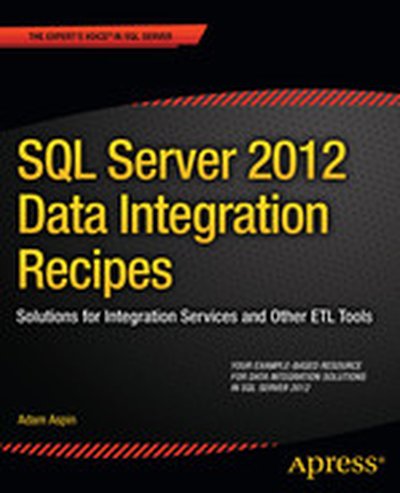
SQL Server 2012 Data Integration Recipes: Solutions for Integration Services and Other ETL Tools

SQL Server 2012 Data Integration Recipes provides focused and practical solutions to real world problems of data integration. Need to import data into SQL Server from an outside source? Need to export data and send it to another system? SQL Server 2012 Data Integration Recipes has your back. You'll find solutions for importing from Microsoft Office data stores such as Excel and Access, from text files such as CSV files, from XML, from other database brands such as Oracle and MySQL, and even from other SQL Server databases. You'll learn techniques for managing metadata, transforming data to meet the needs of the target system, handling exceptions and errors, and much more. What DBA or developer isn't faced with the need to move data back and forth? Author Adam Aspin brings 10 years of extensive ETL experience involving SQL Server, and especially satellite products such as Data Transformation Services and SQL Server Integration Services. Extensive coverage is given to Integration Services, Microsoft's flagship tool for data integration in SQL Server environments. Coverage is also given to the broader range of tools such as OPENDATASOURCE, linked servers, OPENROWSET, Migration Assistant for Access, BCP Import, and BULK INSERT just to name a few. If you're looking for a resource to cover data integration and ETL across the gamut of Microsoft's SQL Server toolset, SQL Server 2012 Data Integration Recipes is the one book that will meet your needs. Provides practical and proven solutions towards creating resilient ETL environments Clearly answers the tough questions which professionals ask Goes beyond the tools to a thorough discussion of the underlying techniques Covers the gamut of data integration, beyond just SSIS Includes example databases and files to allow readers to test the recipes What you'll learn Import and export to and from CSV files, XML files, and other text-based sources. Move data between SQL databases, including SQL Server and others such as Oracle Database and MySQL. Discover and manage metadata held in various database systems. Remove duplicates and consolidate from multiple sources. Transform data to meet the needs of target systems. Profile source data as part of the discovery process. Log and manage errors and exceptions during an ETL process. Improve efficiency by detecting and processing only changed data. Who this book is for SQL Server 2012 Data Integration Recipes is written for developers wishing to find fast and reliable solutions for importing and exporting to and from SQL Server. The book appeals to DBAs as well, who are often tasked with implementing ETL processes. Developers and DBAs moving to SQL Server from other platforms will find the succinct, example-based approach ideal for quickly applying their general ETL knowledge to the specific tools provided as part of a SQL Server environment.

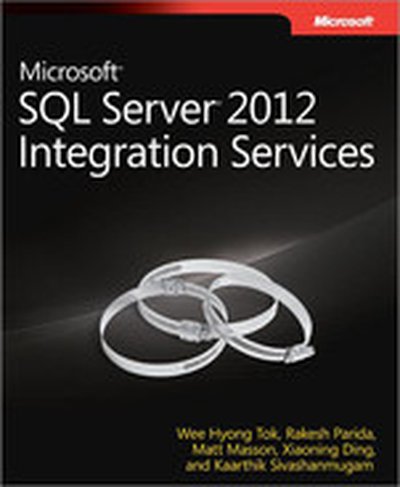
Microsoft® SQL Server® 2012 Integration Services

Build and manage data integration solutions with expert guidance from the Microsoft SQL Server Integration Services (SSIS) team. See best practices in action and dive deep into the SSIS engine, SSISDB catalog, and security features. Using the developer enhancements in SQL Server 2012 and the flexible SSIS toolset, you’ll handle complex data integration scenarios more efficiently—and acquire the skills you need to build comprehensive solutions. Discover how to: Use SSIS to extract, transform, and load data from multiple data sources Apply best practices to optimize package and project configuration and deployment Manage security settings in the SSISDB catalog and control package access Work with SSIS data quality features to profile, cleanse, and increase reliability Monitor, troubleshoot, and tune SSIS solutions with advanced features such as detailed views and data taps Load data incrementally to capture an easily consumable stream of insert, update, and delete activity

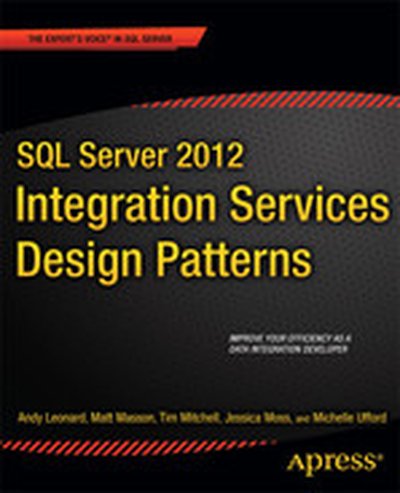
SQL Server 2012 Integration Services Design Patterns

SQL Server 2012 Integration Services Design Patterns is a book of recipes for SQL Server Integration Services (SSIS). Design patterns in the book show how to solve common problems encountered when developing data integration solutions. Because you do not have to build the code from scratch each time, using design patterns improves your efficiency as an SSIS developer. In SSIS Design Patterns, we take you through several of these snippets in detail, providing the technical details of the resolution. SQL Server 2012 Integration Services Design Patterns does not focus on the problems to be solved; instead, the book delves into why particular problems should be solved in certain ways. You'll learn more about SSIS as a result, and you'll learn by practical example. Where appropriate, SQL Server 2012 Integration Services Design Patterns provides examples of alternative patterns and discusses when and where they should be used. Highlights of the book include sections on ETL Instrumentation, SSIS Frameworks, and Dependency Services. Takes you through solutions to several common data integration challenges Demonstrates new features in SQL Server 2012 Integration Services Teaches SSIS using practical examples What you'll learn Load data from flat file formats Explore patterns for executing SSIS packages Discover a pattern for loading XML data Migrate SSIS packages through your application lifecycle without editing connections Take advantage of SSIS 2012 Dependency Services Build an SSIS Framework to support your application needs Who this book is for SQL Server 2012 Integration Services Design Patterns is for the data integration developer who is ready to take their SQL Server Integration Services (SSIS) skills to a more efficient level. It's for the developer interested in locating a previously-tested solution quickly. SQL Server 2012 Integration Services Design Patterns is a great book for ETL (extract, transform, and load) specialists and those seeking practical uses for new features in SQL Server 2012 Integration Services. It's an excellent choice for business intelligence and data warehouse developers.

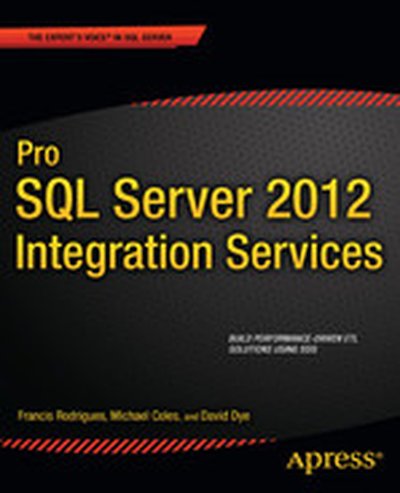
Pro SQL Server 2012 Integration Services

Pro SQL Server 2012 Integration Services teaches how to take advantage of the powerful extract, transform, and load (ETL) platform included with Microsoft SQL Server 2012. You'll learn to build scalable, robust, performance-driven enterprise ETL solutions that save time and make money for your company. You'll learn to avoid common ETL development pitfalls and how to extend the power of your ETL solutions to include virtually any possible transformation on data from any conceivable source. SQL Server Integration Services (SSIS) facilitates an unprecedented ability to load data from anywhere, perform any type of manipulation on it, and store it to any source. Whether you are populating databases, retrieving data from the Web, or performing complex calculations on large data sets, SSIS gives you the tools to get the job done. And this book gives you the knowledge to take advantage of everything SSIS offers. Helps you design and develop robust, efficient, scalable ETL solutions Walks you through using the built-in, stock components Shows how to programmatically extend the power of SSIS to cover any possible scenario

Professional Microsoft SQL Server 2012 Integration Services

An in-depth look at the radical changes to the newest release of SISS Microsoft SQL Server 2012 Integration Services (SISS) builds on the revolutionary database product suite first introduced in 2005. With this crucial resource, you will explore how this newest release serves as a powerful tool for performing extraction, transformation, and load operations (ETL). A team of SQL Server experts deciphers this complex topic and provides detailed coverage of the new features of the 2012 product release. In addition to technical updates and additions, the authors present you with a new set of SISS best practices, based on years of real-world experience that have transpired since the previous edition was published. Details the newest features of the 2012 SISS product release, which is the most significant release since 2005 Addresses the keys to a successful ETL solution, such as using the right enterprise ETL tool and employing the right ETL architecture in order to meet the system requirements Includes additional case studies and tutorial examples to illustrate advanced concepts and techniques Professional Microsoft SQL Server 2012 Integration Services is a valuable resource that meets the demands and high expectations of experienced SSIS professionals.