talk-data.com talk-data.com

Topic

Python

programming_language data_science web_development

220

tagged

Activity Trend

185 peak/qtr
2020-Q1 2026-Q1

Activities

Showing filtered results

Filtering by: O'Reilly Data Science Books ×
The Data Science Workshop

The Data Science Workshop is designed for beginners looking to step into the rigorous yet rewarding world of data science. By leveraging a hands-on approach, this book demystifies key concepts and guides you gently into creating practical machine learning models with Python. What this Book will help me do Understand supervised and unsupervised learning and their applications. Gain hands-on experience with Python libraries like scikit-learn and pandas for data manipulation. Learn practical use cases of machine learning techniques such as regression and clustering. Discover techniques to ensure robustness in machine learning with hyperparameter tuning and ensembling. Develop efficiency in feature engineering with automated tools to accelerate workflows. Author(s) Anthony So None, Thomas Joseph, Robert Thas John, and Andrew Worsley are seasoned experts in data science and Python programming. Along with Dr. Samuel Asare None, they bring decades of experience and practical knowledge to this book, delivering an engaging and approachable learning experience. Who is it for? This book is targeted toward individuals who are beginners in data science and are eager to acquire foundational knowledge and practical skills. It appeals to those who prefer a structured, hands-on approach to learning, possibly having some prior programming experience or interest in Python. Professionals aspiring to pivot into data-oriented roles or students aiming to strengthen their understanding of data science concepts will find this book particularly valuable. If you're looking to gain confidence in implementing data science projects and solving real-world problems, this text is for you.
Data Science Programming All-in-One For Dummies

Your logical, linear guide to the fundamentals of data science programming Data science is exploding—in a good way—with a forecast of 1.7 megabytes of new information created every second for each human being on the planet by 2020 and 11.5 million job openings by 2026. It clearly pays dividends to be in the know. This friendly guide charts a path through the fundamentals of data science and then delves into the actual work: linear regression, logical regression, machine learning, neural networks, recommender engines, and cross-validation of models. Data Science Programming All-In-One For Dummies is a compilation of the key data science, machine learning, and deep learning programming languages: Python and R. It helps you decide which programming languages are best for specific data science needs. It also gives you the guidelines to build your own projects to solve problems in real time. Get grounded: the ideal start for new data professionals What lies ahead: learn about specific areas that data is transforming Be meaningful: find out how to tell your data story See clearly: pick up the art of visualization Whether you’re a beginning student or already mid-career, get your copy now and add even more meaning to your life—and everyone else’s!

Mining Social Media

Did fake Twitter accounts help sway a presidential election? What can Facebook and Reddit archives tell us about human behavior? In Mining Social Media, senior BuzzFeed reporter Lam Thuy Vo shows you how to use Python and key data analysis tools to find the stories buried in social media. Whether you’re a professional journalist, an academic researcher, or a citizen investigator, you’ll learn how to use technical tools to collect and analyze data from social media sources to build compelling, data-driven stories. Learn how to: •Write Python scripts and use APIs to gather data from the social web •Download data archives and dig through them for insights •Inspect HTML downloaded from websites for useful content •Format, aggregate, sort, and filter your collected data using Google Sheets •Create data visualizations to illustrate your discoveries •Perform advanced data analysis using Python, Jupyter Notebooks, and the pandas library •Apply what you’ve learned to research topics on your own Social media is filled with thousands of hidden stories just waiting to be told. Learn to use the data-sleuthing tools that professionals use to write your own data-driven stories.

Data Mining for Business Analytics

Data Mining for Business Analytics: Concepts, Techniques, and Applications in Python presents an applied approach to data mining concepts and methods, using Python software for illustration Readers will learn how to implement a variety of popular data mining algorithms in Python (a free and open-source software) to tackle business problems and opportunities. This is the sixth version of this successful text, and the first using Python. It covers both statistical and machine learning algorithms for prediction, classification, visualization, dimension reduction, recommender systems, clustering, text mining and network analysis. It also includes: A new co-author, Peter Gedeck, who brings both experience teaching business analytics courses using Python, and expertise in the application of machine learning methods to the drug-discovery process A new section on ethical issues in data mining Updates and new material based on feedback from instructors teaching MBA, undergraduate, diploma and executive courses, and from their students More than a dozen case studies demonstrating applications for the data mining techniques described End-of-chapter exercises that help readers gauge and expand their comprehension and competency of the material presented A companion website with more than two dozen data sets, and instructor materials including exercise solutions, PowerPoint slides, and case solutions Data Mining for Business Analytics: Concepts, Techniques, and Applications in Python is an ideal textbook for graduate and upper-undergraduate level courses in data mining, predictive analytics, and business analytics. This new edition is also an excellent reference for analysts, researchers, and practitioners working with quantitative methods in the fields of business, finance, marketing, computer science, and information technology. “This book has by far the most comprehensive review of business analytics methods that I have ever seen, covering everything from classical approaches such as linear and logistic regression, through to modern methods like neural networks, bagging and boosting, and even much more business specific procedures such as social network analysis and text mining. If not the bible, it is at the least a definitive manual on the subject.” —Gareth M. James, University of Southern California and co-author (with Witten, Hastie and Tibshirani) of the best-selling book An Introduction to Statistical Learning, with Applications in R

Spatial Analysis Using Big Data

Spatial Analysis Using Big Data: Methods and Urban Applications helps readers understand the most powerful, state-of-the-art spatial econometric methods, focusing particularly on urban research problems. The methods represent a cluster of potentially transformational socio-economic modeling tools that allow researchers to capture real-time and high-resolution information to potentially reveal new socioeconomic dynamics within urban populations. Each method, written by leading exponents of the discipline, uses real-time urban big data to solve research problems in spatial science. Urban applications of these methods are provided in unsurpassed depth, with chapters on surface temperature mapping, view value analysis, community clustering and spatial-social networks, among many others. Reviews some of the most powerful and challenging modern methods to study big data problems in spatial science Provides computer codes written in R, MATLAB and Python to help implement methods Applies these methods to common problems observed in urban and regional economics

Mastering pandas - Second Edition

Mastering pandas is the ultimate guide to harnessing the power of the pandas library for data analysis. Covering everything from installation to advanced techniques, this book provides comprehensive instructions and examples to help you perform efficient data manipulation and visualization. Explore key features of pandas, such as multi-indexing and time series analysis, and become proficient in actionable analytics. What this Book will help me do Master importing and managing datasets of various formats using pandas. Expertly handle missing data and clean datasets for robust analysis. Create powerful visualizations and reports using pandas and Jupyter notebooks. Leverage advanced indexing and grouping techniques to derive insights. Utilize pandas for time series analysis to analyze trends and patterns. Author(s) None Kumar is an experienced data scientist specializing in data analysis and visualization using Python. With a deep understanding of the pandas library, None has been helping professionals and enthusiasts alike to make data-driven decisions. Known for an example-driven teaching style, None bridges complex theoretical concepts with practical applications in data science. Who is it for? If you're a data scientist, analyst, or Python developer seeking to enhance your data analysis capabilities, this book is for you. Prior knowledge of Python is beneficial but not mandatory, as foundational concepts are explained. This guide spans beginner to advanced topics, accommodating users looking to deepen their skills and those aiming to start with pandas.

Practical Time Series Analysis

Time series data analysis is increasingly important due to the massive production of such data through the internet of things, the digitalization of healthcare, and the rise of smart cities. As continuous monitoring and data collection become more common, the need for competent time series analysis with both statistical and machine learning techniques will increase. Covering innovations in time series data analysis and use cases from the real world, this practical guide will help you solve the most common data engineering and analysis challengesin time series, using both traditional statistical and modern machine learning techniques. Author Aileen Nielsen offers an accessible, well-rounded introduction to time series in both R and Python that will have data scientists, software engineers, and researchers up and running quickly. You’ll get the guidance you need to confidently: Find and wrangle time series data Undertake exploratory time series data analysis Store temporal data Simulate time series data Generate and select features for a time series Measure error Forecast and classify time series with machine or deep learning Evaluate accuracy and performance

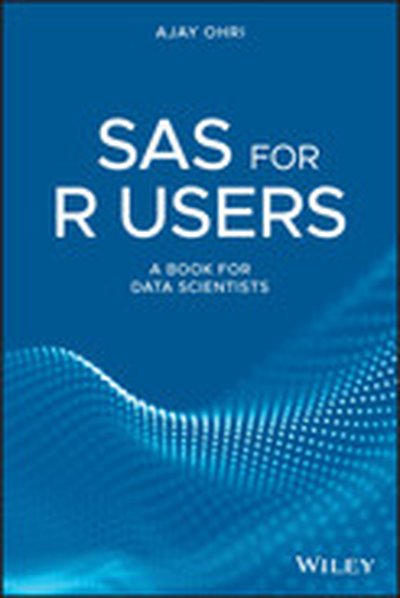
SAS for R Users

BRIDGES THE GAP BETWEEN SAS AND R, ALLOWING USERS TRAINED IN ONE LANGUAGE TO EASILY LEARN THE OTHER SAS and R are widely-used, very different software environments. Prized for its statistical and graphical tools, R is an open-source programming language that is popular with statisticians and data miners who develop statistical software and analyze data. SAS (Statistical Analysis System) is the leading corporate software in analytics thanks to its faster data handling and smaller learning curve. SAS for R Users enables entry-level data scientists to take advantage of the best aspects of both tools by providing a cross-functional framework for users who already know R but may need to work with SAS. Those with knowledge of both R and SAS are of far greater value to employers, particularly in corporate settings. Using a clear, step-by-step approach, this book presents an analytics workflow that mirrors that of the everyday data scientist. This up-to-date guide is compatible with the latest R packages as well as SAS University Edition. Useful for anyone seeking employment in data science, this book: Instructs both practitioners and students fluent in one language seeking to learn the other Provides command-by-command translations of R to SAS and SAS to R Offers examples and applications in both R and SAS Presents step-by-step guidance on workflows, color illustrations, sample code, chapter quizzes, and more Includes sections on advanced methods and applications Designed for professionals, researchers, and students, SAS for R Users is a valuable resource for those with some knowledge of coding and basic statistics who wish to enter the realm of data science and business analytics. AJAY OHRI is the founder of analytics startup Decisionstats.com. His research interests include spreading open source analytics, analyzing social media manipulation with mechanism design, simpler interfaces to cloud computing, investigating climate change, and knowledge flows. He currently advises startups in analytics off shoring, analytics services, and analytics. He is the author of Python for R Users: A Data Science Approach (Wiley), R for Business Analytics, and R for Cloud Computing.

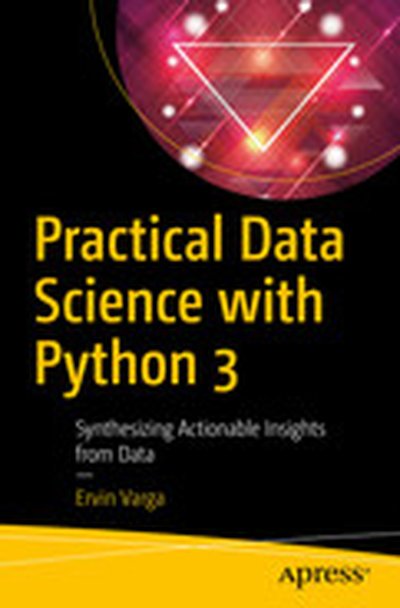
Practical Data Science with Python 3: Synthesizing Actionable Insights from Data

Gain insight into essential data science skills in a holistic manner using data engineering and associated scalable computational methods. This book covers the most popular Python 3 frameworks for both local and distributed (in premise and cloud based) processing. Along the way, you will be introduced to many popular open-source frameworks, like, SciPy, scikitlearn, Numba, Apache Spark, etc. The book is structured around examples, so you will grasp core concepts via case studies and Python 3 code. As data science projects gets continuously larger and more complex, software engineering knowledge and experience is crucial to produce evolvable solutions. You'll see how to create maintainable software for data science and how to document data engineering practices. This book is a good starting point for people who want to gain practical skills to perform data science. All the code willbe available in the form of IPython notebooks and Python 3 programs, which allow you to reproduce all analyses from the book and customize them for your own purpose. You'll also benefit from advanced topics like Machine Learning, Recommender Systems, and Security in Data Science. Practical Data Science with Python will empower you analyze data, formulate proper questions, and produce actionable insights, three core stages in most data science endeavors. What You'll Learn Play the role of a data scientist when completing increasingly challenging exercises using Python 3 Work work with proven data science techniques/technologies Review scalable software engineering practices to ramp up data analysis abilities in the realm of Big Data Apply theory of probability, statistical inference, and algebra to understand the data sciencepractices Who This Book Is For Anyone who would like to embark into the realm of data science using Python 3.

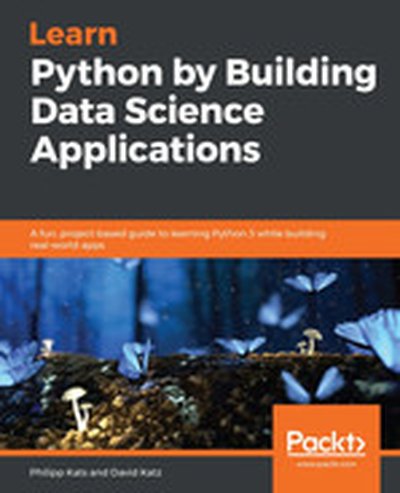
Learn Python by Building Data Science Applications

Learn Python by Building Data Science Applications takes a hands-on approach to teaching Python programming by guiding you through building engaging real-world data science projects. This book introduces Python's rich ecosystem and equips you with the skills to analyze data, train models, and deploy them as efficient applications. What this Book will help me do Get proficient in Python programming by learning core topics like data structures, loops, and functions. Explore data science libraries such as NumPy, Pandas, and scikit-learn to analyze and process data. Learn to create visualizations with Matplotlib and Altair, simplifying data communication. Build and deploy machine learning models using Python and share them as web services. Understand development practices such as testing, packaging, and continuous integration for professional workflows. Author(s) None Kats and None Katz are seasoned Python developers with years of experience in teaching programming and deploying data science applications. Their expertise spans providing learners with practical knowledge and versatile skills. They combine clear explanations with engaging projects to ensure a rewarding learning experience. Who is it for? This book is ideal for individuals new to programming or data science who want to learn Python through practical projects. Researchers, analysts, and ambitious students with minimal coding background but a keen interest in data analysis and application development will find this book beneficial. It's a perfect choice for anyone eager to explore and leverage Python for real-world solutions.

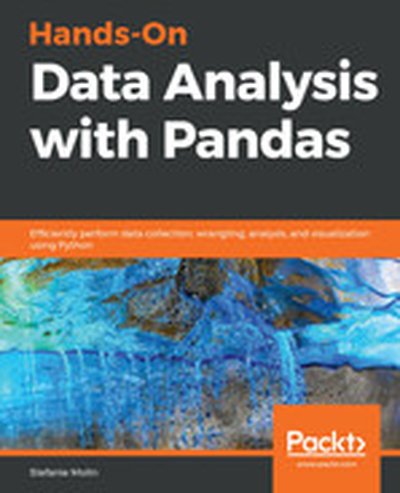
Hands-On Data Analysis with Pandas

Hands-On Data Analysis with Pandas provides an intensive dive into mastering the pandas library for data science and analysis using Python. Through a combination of conceptual explanations and practical demonstrations, readers will learn how to manipulate, visualize, and analyze data efficiently. What this Book will help me do Understand and apply the pandas library for efficient data manipulation. Learn to perform data wrangling tasks such as cleaning and reshaping datasets. Create effective visualizations using pandas and libraries like matplotlib and seaborn. Grasp the basics of machine learning and implement solutions with scikit-learn. Develop reusable data analysis scripts and modules in Python. Author(s) Stefanie Molin is a seasoned data scientist and software engineer with extensive experience in Python and data analytics. She specializes in leveraging the latest data science techniques to solve real-world problems. Her engaging and detailed writing draws from her practical expertise, aiming to make complex concepts accessible to all. Who is it for? This book is ideal for data analysts and aspiring data scientists who are at the beginning stages of their careers or looking to enhance their toolset with pandas and Python. It caters to Python developers eager to delve into data analysis workflows. Readers should have some programming knowledge to fully benefit from the examples and exercises.

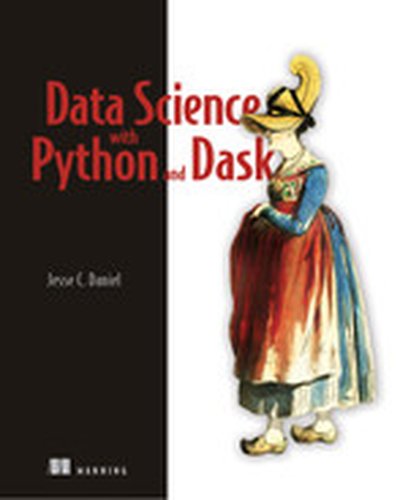
Data Science with Python and Dask

Dask is a native parallel analytics tool designed to integrate seamlessly with the libraries you’re already using, including Pandas, NumPy, and Scikit-Learn. With Dask you can crunch and work with huge datasets, using the tools you already have. And Data Science with Python and Dask is your guide to using Dask for your data projects without changing the way you work! About the Technology An efficient data pipeline means everything for the success of a data science project. Dask is a flexible library for parallel computing in Python that makes it easy to build intuitive workflows for ingesting and analyzing large, distributed datasets. Dask provides dynamic task scheduling and parallel collections that extend the functionality of NumPy, Pandas, and Scikit-learn, enabling users to scale their code from a single laptop to a cluster of hundreds of machines with ease. About the Book Data Science with Python and Dask teaches you to build scalable projects that can handle massive datasets. After meeting the Dask framework, you’ll analyze data in the NYC Parking Ticket database and use DataFrames to streamline your process. Then, you’ll create machine learning models using Dask-ML, build interactive visualizations, and build clusters using AWS and Docker. What's Inside Working with large, structured and unstructured datasets Visualization with Seaborn and Datashader Implementing your own algorithms Building distributed apps with Dask Distributed Packaging and deploying Dask apps About the Reader For data scientists and developers with experience using Python and the PyData stack. About the Author Jesse Daniel is an experienced Python developer. He taught Python for Data Science at the University of Denver and leads a team of data scientists at a Denver-based media technology company. We interviewed Jesse as a part of our Six Questions series. Check it out here. Quotes The most comprehensive coverage of Dask to date, with real-world examples that made a difference in my daily work. - Al Krinker, United States Patent and Trademark Office An excellent alternative to PySpark for those who are not on a cloud platform. The author introduces Dask in a way that speaks directly to an analyst. - Jeremy Loscheider, Panera Bread A greatly paced introduction to Dask with real-world datasets. - George Thomas, R&D Architecture Manhattan Associates The ultimate resource to quickly get up and running with Dask and parallel processing in Python. - Gustavo Patino, Oakland University William Beaumont School of Medicine

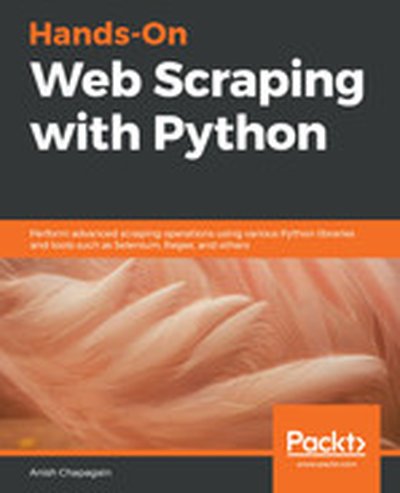
Hands-On Web Scraping with Python

This book, "Hands-On Web Scraping with Python", is your comprehensive guide to mastering web scraping techniques and tools. Harnessing the power of Python libraries like Scrapy, Beautiful Soup, and Selenium, you'll learn how to extract and analyze data from websites effectively and efficiently. What this Book will help me do Master the foundational concepts of web scraping using Python. Efficiently use libraries such as Scrapy, Beautiful Soup, and Selenium for data extraction. Handle advanced scenarios such as forms, logins, and dynamic content in scraping. Leverage XPath, CSS selectors, and Regex for precise data targeting and processing. Improve scraping reliability and manage challenges like cookies, API use, and web security. Author(s) None Chapagain is an accomplished Python programmer and an expert in web scraping methodologies. With years of experience in applying Python to solve practical data challenges, they bring a clear and insightful approach to teaching these skills. Readers appreciate their practical examples and ready-to-use guidance for real-world applications. Who is it for? This book is designed for Python developers and data enthusiasts eager to master web scraping. Whether you're a beginner looking to dep dive into new techniques or an analyst needing reliable data extraction methods, this book offers clear guidance. A basic understanding of Python is recommended to fully benefit from this text.

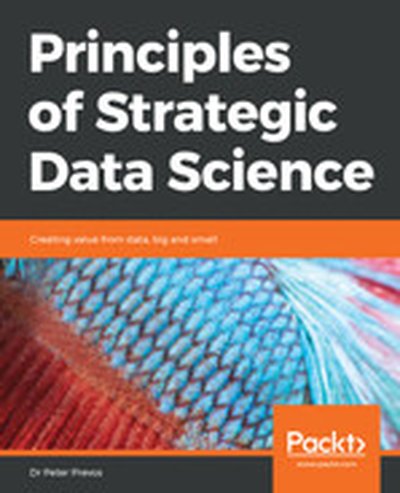
Principles of Strategic Data Science

"Principles of Strategic Data Science" is your go-to guide for creating measurable value from data through strategic use of tools and techniques. This book takes you through key theoretical foundations, practical tools, and the managerial perspective necessary to succeed in data science. What this Book will help me do Master the five-phase framework for strategic data science. Learn ways to effectively visualize data information. Explore the role and contributions of a data science manager. Gain clear insights into organizational benefits of data science. Understand the ethical and mathematical boundaries of data analysis. Author(s) Peter Prevos is an accomplished engineer and social scientist with extensive expertise in data science applications. He combines technical insights with social science management practices to design effective data strategies. Known for his clear teaching style, Peter helps professionals integrate theory with practical planning. Who is it for? This book is ideal for data scientists and analysts seeking to deepen their strategic understanding of data science. It's well-suited for intermediate professionals looking to gain insights into data-driven decision making. Readers should have basic programming knowledge in Python or R. Novice managers eager to harness data for organizational goals will also find it valuable.

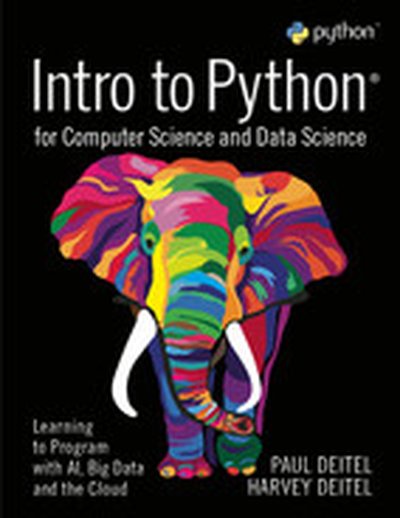
Intro to Python for Computer Science and Data Science: Learning to Program with AI, Big Data and The Cloud

This is the eBook of the printed book and may not include any media, website access codes, or print supplements that may come packaged with the bound book. For introductory-level Python programming and/or data-science courses. A groundbreaking, flexible approach to computer science and data science The Deitels’ Introduction to Python for Computer Science and Data Science: Learning to Program with AI, Big Data and the Cloud offers a unique approach to teaching introductory Python programming, appropriate for both computer-science and data-science audiences. Providing the most current coverage of topics and applications, the book is paired with extensive traditional supplements as well as Jupyter Notebooks supplements. Real-world datasets and artificial-intelligence technologies allow students to work on projects making a difference in business, industry, government and academia. Hundreds of examples, exercises, projects (EEPs), and implementation case studies give students an engaging, challenging and entertaining introduction to Python programming and hands-on data science. Related Content Video: Python Fundamentals Live courses: Python Full Throttle with Paul Deitel: A One-Day, Fast-Paced, Code-Intensive Python Presentation Python® Data Science Full Throttle with Paul Deitel: Introductory Artificial Intelligence (AI), Big Data and Cloud Case Studies The book’s modular architecture enables instructors to conveniently adapt the text to a wide range of computer-science and data-science courses offered to audiences drawn from many majors. Computer-science instructors can integrate as much or as little data-science and artificial-intelligence topics as they’d like, and data-science instructors can integrate as much or as little Python as they’d like. The book aligns with the latest ACM/IEEE CS-and-related computing curriculum initiatives and with the Data Science Undergraduate Curriculum Proposal sponsored by the National Science Foundation.

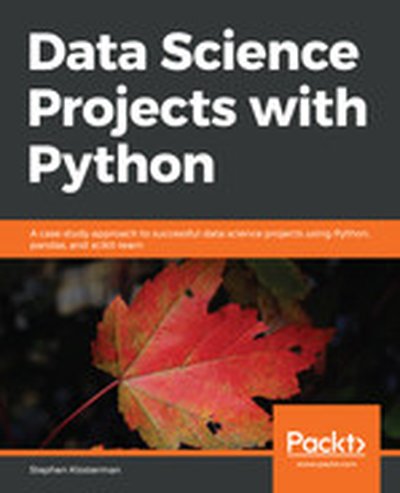
Data Science Projects with Python

Data Science Projects with Python introduces you to data science and machine learning using Python through practical examples. In this book, you'll learn to analyze, visualize, and model data, applying techniques like logistic regression and random forests. With a case-study method, you'll build confidence implementing insights in real-world scenarios. What this Book will help me do Set up a data science environment with necessary Python libraries such as pandas and scikit-learn. Effectively visualize data insights through Matplotlib and summary statistics. Apply machine learning models including logistic regression and random forests to solve data problems. Identify optimal models through evaluation metrics like k-fold cross-validation. Develop confidence in data preparation and modeling techniques for real-world data challenges. Author(s) Stephen Klosterman is a seasoned data scientist with a keen interest in practical applications of machine learning. He combines a strong academic foundation with real-world experience to craft relatable content. Stephen excels in breaking down complex topics into approachable lessons, helping learners grow their data science expertise step by step. Who is it for? This book is ideal for data analysts, scientists, and business professionals looking to enhance their skills in Python and data science. If you have some experience in Python and a foundational understanding of algebra and statistics, you'll find this book approachable. It offers an excellent gateway to mastering advanced data analysis techniques. Whether you're seeking to explore machine learning or apply data insights, this book supports your growth.

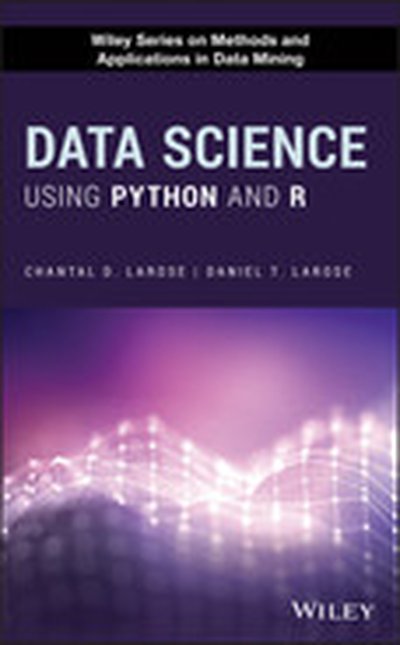
Data Science Using Python and R

Learn data science by doing data science! Data Science Using Python and R will get you plugged into the world’s two most widespread open-source platforms for data science: Python and R. Data science is hot. Bloomberg called data scientist “the hottest job in America.” Python and R are the top two open-source data science tools in the world. In Data Science Using Python and R, you will learn step-by-step how to produce hands-on solutions to real-world business problems, using state-of-the-art techniques. Data Science Using Python and R is written for the general reader with no previous analytics or programming experience. An entire chapter is dedicated to learning the basics of Python and R. Then, each chapter presents step-by-step instructions and walkthroughs for solving data science problems using Python and R. Those with analytics experience will appreciate having a one-stop shop for learning how to do data science using Python and R. Topics covered include data preparation, exploratory data analysis, preparing to model the data, decision trees, model evaluation, misclassification costs, naïve Bayes classification, neural networks, clustering, regression modeling, dimension reduction, and association rules mining. Further, exciting new topics such as random forests and general linear models are also included. The book emphasizes data-driven error costs to enhance profitability, which avoids the common pitfalls that may cost a company millions of dollars. Data Science Using Python and R provides exercises at the end of every chapter, totaling over 500 exercises in the book. Readers will therefore have plenty of opportunity to test their newfound data science skills and expertise. In the Hands-on Analysis exercises, readers are challenged to solve interesting business problems using real-world data sets.

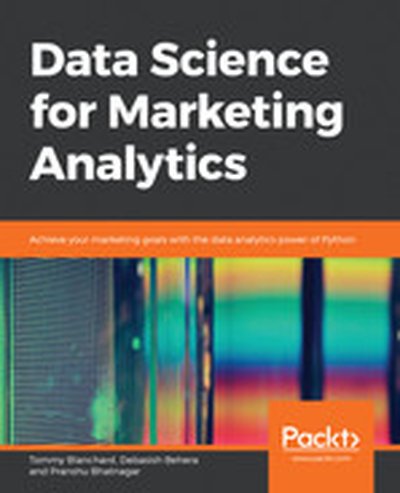
Data Science for Marketing Analytics

Data Science for Marketing Analytics introduces you to leveraging state-of-the-art data science techniques to optimize marketing outcomes. You'll learn how to manipulate and analyze data using Python, create customer segments, and apply machine learning algorithms to predict customer behavior. This book provides a comprehensive, hands-on approach to marketing analytics. What this Book will help me do Learn to use Python libraries like pandas & Matplotlib for data analysis. Understand clustering techniques to create meaningful customer segments. Implement linear regression for predicting customer lifetime value. Explore classification algorithms to model customer preferences. Develop skills to build interactive dashboards for marketing reports. Author(s) None Blanchard, Nona Behera, and Pranshu Bhatnagar are experienced professionals in data science and marketing analytics, with extensive backgrounds in applying machine learning to real-world business applications. They bring a wealth of knowledge and an approachable teaching style to this book, focusing on practical, industry-relevant applications for learners. Who is it for? This book is for developers and marketing professionals looking to advance their analytics skills. It is ideal for individuals with a basic understanding of Python and mathematics who want to explore predictive modeling and segmentation strategies. Readers should have a curiosity for data-driven problem-solving in marketing contexts to benefit most from the content.

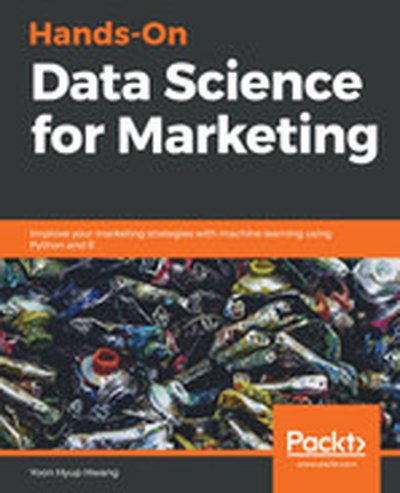
Hands-On Data Science for Marketing

The book "Hands-On Data Science for Marketing" equips readers with the tools and insights to optimize their marketing campaigns using data science and machine learning techniques. Using practical examples in Python and R, you will learn how to analyze data, predict customer behavior, and implement effective strategies for better customer engagement and retention. What this Book will help me do Understand marketing KPIs and learn to compute and visualize them in Python and R. Develop the ability to analyze customer behavior and predict potential high-value customers. Master machine learning concepts for customer segmentation and personalized marketing strategies. Improve your skills to forecast customer engagement and lifetime value for more effective planning. Learn the techniques of A/B testing and their application in refining marketing decisions. Author(s) Yoon Hyup Hwang is a seasoned data scientist with a deep interest in the intersection of marketing and technology. With years of expertise in implementing machine learning algorithms in marketing analytics, Yoon brings a unique perspective by blending technical insights with business strategy. As an educator and practitioner, Yoon's approachable style and clear explanations make complex topics accessible for all learners. Who is it for? This book is tailored for marketing professionals looking to enhance their strategies using data science, data enthusiasts eager to apply their skills in marketing, and students or engineers seeking to expand their knowledge in this domain. A basic understanding of Python or R is beneficial, but the book is structured to welcome beginners by covering foundational to advanced concepts in a practical way.

Mastering Tableau 2019.1 - Second Edition

Mastering Tableau 2019.1 is your essential guide for becoming an expert in Tableau's advanced features and functionalities. This book will teach you how to use Tableau Prep for data preparation, create complex visualizations and dashboards, and leverage Tableau's integration with R, Python, and MATLAB. You'll be equipped with the skills to solve both common and advanced BI challenges. What this Book will help me do Gain expertise in preparing and blending data using Tableau Prep and other data handling tools. Create advanced data visualizations and designs that effectively communicate insights. Implement narrative storytelling in BI with advanced presentation designs in Tableau. Integrate Tableau with programming tools like R, Python, and MATLAB for extended functionalities. Optimize performance and improve dashboard interactivity for user-friendly analytics solutions. Author(s) Marleen Meier, with extensive experience in business intelligence and analytics, and None Baldwin, an expert in data visualization, collaboratively bring this advanced Tableau guide to life. Their passion for empowering users with practical BI solutions reflects in the hands-on approach employed throughout the book. Who is it for? This book is perfectly suited for business analysts, BI professionals, and data analysts who already have foundational knowledge of Tableau and seek to advance their skills for tackling more complex BI challenges. It's ideal for individuals aiming to master Tableau's premium features for impactful analytics solutions.