talk-data.com talk-data.com

Topic

RDBMS

Relational Database Management System (RDBMS)

databases sql data_storage

174

tagged

Activity Trend

5 peak/qtr
2020-Q1 2026-Q1

Activities

174 activities · Newest first

Advanced SQL

SQL is no longer just a querying language for relational databases—it's a foundational tool for building scalable, modern data solutions across real-time analytics, machine learning workflows, and even generative AI applications. Advanced SQL shows data professionals how to move beyond conventional SELECT statements and tap into the full power of SQL as a programming interface for today's most advanced data platforms. Written by seasoned data experts Rui Pedro Machado, Hélder Russa, and Pedro Esmeriz, this practical guide explores the role of SQL in streaming architectures (like Apache Kafka and Flink), data lake ecosystems, cloud data warehouses, and ML pipelines. Geared toward data engineers, analysts, scientists, and analytics engineers, the book combines hands-on guidance with architectural best practices to help you extend your SQL skills into emerging workloads and real-world production systems. Use SQL to design and deploy modern, end-to-end data architectures Integrate SQL with data lakes, stream processing, and cloud platforms Apply SQL in feature engineering and ML model deployment Master pipe syntax and other advanced features for scalable, efficient queries Leverage SQL to build GenAI-ready data applications and pipelines

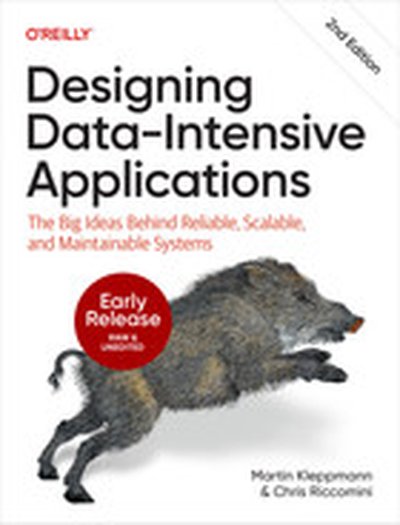
Designing Data-Intensive Applications, 2nd Edition

Data is at the center of many challenges in system design today. Difficult issues such as scalability, consistency, reliability, efficiency, and maintainability need to be resolved. In addition, there's an overwhelming variety of tools and analytical systems, including relational databases, NoSQL datastores, plus data warehouses and data lakes. What are the right choices for your application? How do you make sense of all these buzzwords? In this second edition, authors Martin Kleppmann and Chris Riccomini build on the foundation laid in the acclaimed first edition, integrating new technologies and emerging trends. You'll be guided through the maze of decisions and trade-offs involved in building a modern data system, from choosing the right tools like Spark and Flink to understanding the intricacies of data laws like the GDPR. Peer under the hood of the systems you already use, and learn to use them more effectively Make informed decisions by identifying the strengths and weaknesses of different tools Navigate the trade-offs around consistency, scalability, fault tolerance, and complexity Understand the distributed systems research upon which modern databases are built Peek behind the scenes of major online services, and learn from their architectures

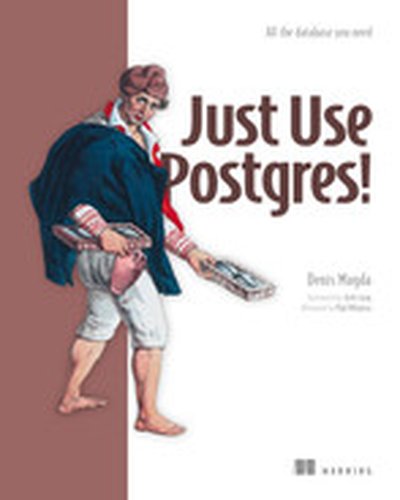
Just Use Postgres!

You probably don’t need a collection of specialty databases. Just use Postgres instead! Written for application developers and database pros, Just Use Postgres! shows you how to get the most out of the powerful Postgres database. In Just Use Postgres! you’ll learn how to: Use Postgres as an RDBMS for transactional workloads Develop generative AI, geospatial, and time-series applications Take advantage of modern SQL including window functions and CTEs Perform full-text search and process JSON documents Use Postgres as a message queue Optimize performance with various index types including B-trees, GIN, GiST, HNSW, and more Over the decades, PostgreSQL, aka Postgres, has grown into the most powerful general-purpose database and has become the de facto standard for developers worldwide. Just Use Postgres! takes a modern look at Postgres, exploring the database’s most up-to-date features for AI, time-series, full-text search, geospatial, and other application workloads. About the Technology You know that PostgreSQL is a fast, reliable, SQL compliant RDBMS. You may not know that it’s also great for geospatial systems, time series, full-text search, JSON documents, AI vector embeddings, and many other specialty database functions. For almost any data task you can imagine, you can use Postgres. About the Book Just Use Postgres! covers recipes for using Postgres in dozens of applications normally reserved for single-purpose databases. Written for busy application developers, each chapter explores a different use case illuminating the breadth and depth of Postgres’s capabilities. Along the way, you’ll also meet an incredible ecosystem of Postgres extensions like pgvector, PostGIS, pgmq, and TimescaleDB. You’ll be amazed at everything you can accomplish with Postgres! What's Inside Generative AI, geospatial, and time-series applications Modern SQL including window functions and CTEs Full-text search and JSON B-trees, GIN, GiST, HNSW, and more About the Reader For application developers, software engineers, and architects who know the basics of SQL. About the Author Denis Magda is a recognized Postgres expert and software engineer who worked on Java at Sun Microsystems and Oracle before focusing on databases and large-scale distributed systems. Quotes I was pleasantly surprised to learn many new things from this book. - From the Afterword by Vlad Mihalcea An excellent guide covering everything from basics to cutting-edge features. - Dave Cramer, PostgreSQL JDBC Maintainer Pleasant, easy to read with tonnes of great code. - Mike McQuillan, McQTech Ltd Well-organized and easy to search. - Edward Pollack, Microsoft Data Platform MVP The missing guide to understanding and using Postgres. - Mehboob Alam, POSTGRESNX, Inc.

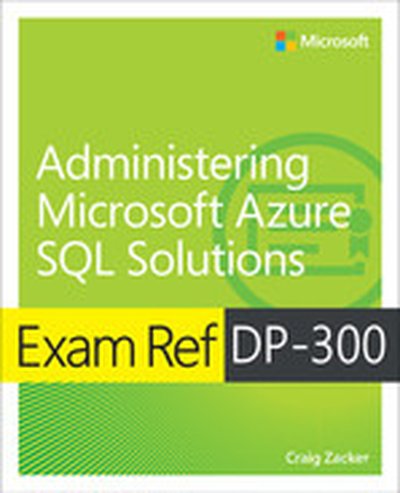
Exam Ref DP-300 Administering Microsoft Azure SQL Solutions

Prepare for Microsoft Exam DP-300 and demonstrate your real-world foundational knowledge of Azure database administration using a variety of methods and tools to perform and automate day-to-day operations, including use of Transact-SQL (T-SQL) and other tools for administrative management purposes. Designed for database administrators, solution architects, data scientists, and other data professionals, this Exam Ref focuses on the critical-thinking and decision-making acumen needed for success at the Microsoft Certified: Azure Database Administrator Associate level. Focus on the expertise measured by these objectives: Plan and implement data platform resources Implement a secure environment Monitor, configure, and optimize database resources Configure and manage automation of tasks Plan and configure a high availability and disaster recovery (HA/DR) environment This Microsoft Exam Ref: Organizes its coverage by the Skills Measured list published for the exam Features strategic, what-if scenarios to challenge you Assumes you have subject matter expertise in building database solutions that are designed to support multiple workloads built with SQL Server on-premises and Azure SQL About the Exam Exam PD-300 focuses on core knowledge for implementing and managing the operational aspects of cloud-native and hybrid data platform solutions built on SQL Server and Azure SQL services, using a variety of methods and tools to perform and automate day-to-day operations, including applying knowledge of using Transact-SQL (T-SQL) and other tools for administrative management purposes. About Microsoft Certification Passing this exam fulfills your requirements for the Microsoft Certified: Azure Database Administrator Associate certification, demonstrating your ability to administer a SQL Server database infrastructure for cloud, on-premises, and hybrid relational databases using the Microsoft PaaS relational database offerings. See full details at: microsoft.com/learn .

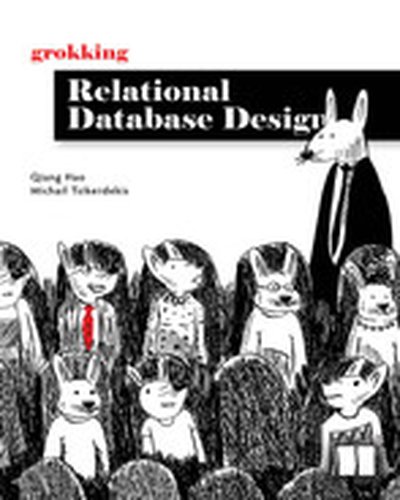
Grokking Relational Database Design

A friendly illustrated guide to designing and implementing your first database. Grokking Relational Database Design makes the principles of designing relational databases approachable and engaging. Everything in this book is reinforced by hands-on exercises and examples. In Grokking Relational Database Design, you’ll learn how to: Query and create databases using Structured Query Language (SQL) Design databases from scratch Implement and optimize database designs Take advantage of generative AI when designing databases A well-constructed database is easy to understand, query, manage, and scale when your app needs to grow. In Grokking Relational Database Design you’ll learn the basics of relational database design including how to name fields and tables, which data to store where, how to eliminate repetition, good practices for data collection and hygiene, and much more. You won’t need a computer science degree or in-depth knowledge of programming—the book’s practical examples and down-to-earth definitions are beginner-friendly. About the Technology Almost every business uses a relational database system. Whether you’re a software developer, an analyst creating reports and dashboards, or a business user just trying to pull the latest numbers, it pays to understand how a relational database operates. This friendly, easy-to-follow book guides you from square one through the basics of relational database design. About the Book Grokking Relational Database Design introduces the core skills you need to assemble and query tables using SQL. The clear explanations, intuitive illustrations, and hands-on projects make database theory come to life, even if you can’t tell a primary key from an inner join. As you go, you’ll design, implement, and optimize a database for an e-commerce application and explore how generative AI simplifies the mundane tasks of database designs. What's Inside Define entities and their relationships Minimize anomalies and redundancy Use SQL to implement your designs Security, scalability, and performance About the Reader For self-taught programmers, software engineers, data scientists, and business data users. No previous experience with relational databases assumed. About the Authors Dr. Qiang Hao and Dr. Michail Tsikerdekis are both professors of Computer Science at Western Washington University. Quotes If anyone is looking to improve their database design skills, they can’t go wrong with this book. - Ben Brumm, DatabaseStar Goes beyond SQL syntax and explores the core principles. An invaluable resource! - William Jamir Silva, Adjust Relational database design is best done right the first time. This book is a great help to achieve that! - Maxim Volgin, KLM Provides necessary notions to design and build databases that can stand the data challenges we face. - Orlando Méndez, Experian

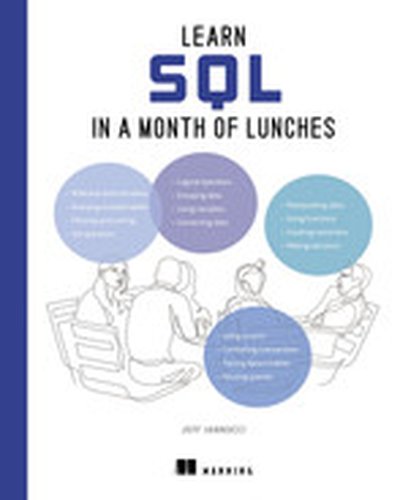
Learn SQL in a Month of Lunches

Use SQL to get the data you need in no time at all! Learn to read and write basic queries, troubleshoot common problems, and control your own business data in just 24 short lessons–no programming experience required! SQL has been designed to be as close to English as possible—anyone can learn it! Learn SQL in a Month of Lunches helps you add this lucrative and highly sought-after skill to your resume in just 24 fun and friendly lessons. The book emphasizes practical uses for the language in the real-world, so you’ll just learn the most useful skills for business data analysis. Inside Learn SQL in a Month of Lunches you’ll discover how to: Set up your first database with MySQL Write your own SQL queries See only the data you need from large datasets Connect different sets of data Analyze data with functions and aggregations Master basic data manipulation techniques Save queries in stored procedures and views Create tables to store data efficiently Read and improve SQL written by others If you use Excel, Tableau, or PowerBI to crunch business data, you’ve probably seen a lot of SQL already. And guess what? It’s easy to master the most useful parts of SQL! In just a few quick lessons, Learn SQL in a Month of Lunches will get you writing your own queries, modifying existing SQL statements, and working with data like a pro. 25-year SQL veteran Jeff Iannucci makes SQL a snap through hands-on lab exercises, relevant code examples, and easy-to-understand language. About the Technology SQL, Structured Query Language, is the standard way to query, create, and manage relational databases like SQL Server, PostgreSQL, and Oracle. It’s also a superpower for data analysts who need to go beyond spreadsheets and BI dashboarding tools. SQL is easy to read and understand, and with this book (and a little practice) you’ll be pulling data, tweaking tables, and cranking out amazing reports and presentations in no time at all! About the Book Learn SQL in a Month of Lunches introduces SQL to data analysts and other aspiring data pros with no prior experience using relational databases. In it, you’ll complete 24 short lessons, each of which teaches an essential SQL skill for retrieving, filtering, and analyzing data. You’ll practice each new technique with a friendly hands-on lab designed to take about 15 minutes, as you learn to write queries that deliver the exact data you need. Along the way, you’ll build a valuable intuition for how databases operate in real business scenarios. What's Inside Get the data you need from any relational database Filter, sort, and group data Combine data from multiple tables Create, update, and delete data About the Reader For students, aspiring data analysts, software developers, and anyone else who wants to work with relational databases. About the Author Jeff Iannucci is a Senior Consultant with Straight Path Solutions. For over 20 years, he has worked extensively with SQL in sectors such as healthcare, finance, retail sales, and government. Quotes An essential guide. Jeff has carefully developed each chapter to ensure clarity and comprehensiveness, making complex concepts accessible and practical. - Buck Woody, Microsoft The fastest and the most effective way to learn SQL, regardless of your background or technical knowledge level. - Kevin Kline, author of SQL in a Nutshell Explains concepts straightforwardly to help the reader grow their skills over a month of sessions. - Steve Jones, SQL Server Central Great selection of bite-sized, digestible courses to complement your lunch arrangement. It leaves you smarter every day. - Simon Tschöke, Databricks

SQL Essentials For Dummies

A right-to-the-point guide on all the key topics of SQL programming SQL Essentials For Dummies is your quick reference to all the core concepts of SQL—a valuable common standard language used in relational databases. This useful guide is straightforward—with no excess review, wordy explanations, or fluff—so you get what you need, fast. Great for a brush-up on the basics or as an everyday desk reference, this book is one you can rely on. Strengthen your understanding of the basics of SQL Review what you've already learned or pick up key skills Use SQL to create, manipulate, and control relational databases Jog your memory on the essentials as you work and get clear answers to your questions Perfect for supplementing classroom learning, reviewing for a certification, and staying knowledgeable on the job, SQL Essentials For Dummies is the convenient, direct, and digestible reference you've been looking for.

Beginning MongoDB Atlas with .NET: Flexible and Scalable Document Data Storage for .NET Developers

This book is a tutorial on MongoDB customized for developers working in Microsoft .NET 6, .NET 7, and beyond. It explains the differences between relational database systems and the document model supported by MongoDB, and shows how to build .NET applications that run against a MongoDB database, especially one in the cloud. Author Luce Carter kicks things off by teaching you how to determine when to use a document database versus a relational engine. After that, she walks you through building a Microsoft .NET project combining the MongoDB Atlas cloud database as a service solution with a .NET. application. In the process, you will learn how to create, read, update, and delete data in MongoDB from any .NET project. You will come away from this book with a solid understanding of MongoDB’s Developer Data Platform and how to use it from your .NET applications. You’ll be able to connect to MongoDB in the cloud and take advantage of the flexibility and scalability that MongoDB’s document storage model provides, and you’ll understand how to craft your applications to run using document storage and the MongoDB database engine. What You Will Learn Know when to use the MongoDB document model Build .NET applications that connect to MongoDB for data storage Create MongoDB clusters on the MongoDB Atlas cloud platform Store data in MongoDB Atlas Create, Read, Update, and Delete (CRUD) data from .NET Web API projects Test your CRUD endpoints using RESTful operations Validate schemas to help protect against breaking changes Who This Book Is For .NET developers who are looking for an alternative to relational databases, and those looking for a flexible and scalable document storage solution for use from .NET applications. Additionally, anyone wanting to learn MongoDB in the context of .NET and C# will benefit from this book.

Amazon DynamoDB - The Definitive Guide

Master Amazon DynamoDB, the serverless NoSQL database designed for lightning-fast performance and scalability, with this definitive guide. You'll delve into its features, learn advanced concepts, and acquire practical skills to harness DynamoDB for modern application development. What this Book will help me do Understand AWS DynamoDB fundamentals for real-world applications. Model and optimize NoSQL databases with advanced techniques. Integrate DynamoDB into scalable, high-performance architectures. Utilize DynamoDB indexing, caching, and analytical features effectively. Plan and execute RDBMS to NoSQL data migrations successfully. Author(s) None Dhingra, an AWS DynamoDB solutions expert, and None Mackay, a seasoned NoSQL architect, bring their combined expertise straight from Amazon Web Services to guide you step-by-step in mastering DynamoDB. Combining comprehensive technical knowledge with approachable explanations, they empower readers to implement practical and efficient data strategies. Who is it for? This book is ideal for software developers and architects seeking to deepen their knowledge about AWS solutions like DynamoDB, engineering managers aiming to incorporate scalable NoSQL solutions into their projects, and data professionals transitioning from RDBMS towards a serverless data approach. Individuals with basic knowledge in cloud computing or database systems and those ready to advance in DynamoDB will find this book particularly beneficial.

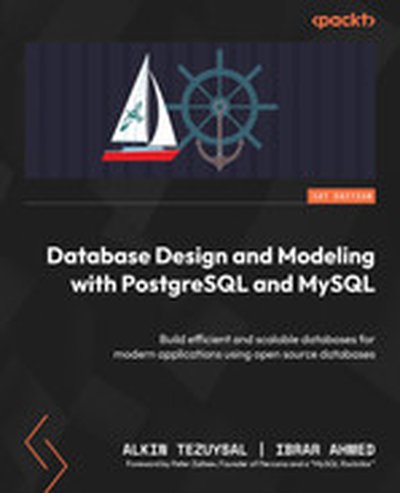
Database Design and Modeling with PostgreSQL and MySQL

Discover how to design and optimize modern databases efficiently using PostgreSQL and MySQL. This book guides you through database design for scalability and performance, covering data modeling, query optimization, and real-world application integration. What this Book will help me do Build efficient and scalable relational database schemas for real-world applications. Master data modeling with normalization and denormalization techniques. Understand query optimization strategies for better database performance. Learn database strategies such as sharding, replication, and backup management. Integrate relational databases with applications and explore future database trends. Author(s) Alkin Tezuysal and Ibrar Ahmed are seasoned database professionals with decades of experience. Alkin specializes in database scalability and performance, while Ibrar brings expertise in database systems and development. Together, they bring a hands-on approach, providing clear and insightful guidance for database professionals. Who is it for? This book is oriented towards software developers, database administrators, and IT professionals looking to enhance their knowledge in database design using PostgreSQL and MySQL. Beginners in database design will find its structured approach approachable. Advanced professionals will appreciate its depth on cutting-edge topics and practical optimizations.

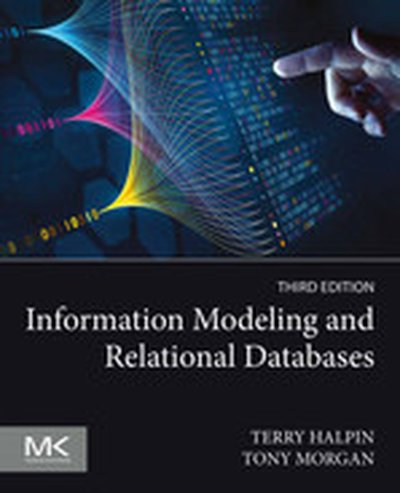
Information Modeling and Relational Databases, 3rd Edition

Information Modeling and Relational Databases, Third Edition, provides an introduction to ORM (Object-Role Modeling) and much more. In fact, it is the only book to go beyond introductory coverage and provide all of the in-depth instruction you need to transform knowledge from domain experts into a sound database design. This book is intended for anyone with a stake in the accuracy and efficacy of databases: systems analysts, information modelers, database designers and administrators, and programmers. Dr. Terry Halpin and Dr. Tony Morgan, pioneers in the development of ORM, blend conceptual information with practical instruction that will let you begin using ORM effectively as soon as possible. The all-new Third Edition includes coverage of advances and improvements in ORM and UML, nominalization, relational mapping, SQL, XML, data interchange, NoSQL databases, ontological modeling, and post-relational databases. Supported by examples, exercises, and useful background information, the authors’ step-by-step approach teaches you to develop a natural-language-based ORM model, and then, where needed, abstract ER and UML models from it. This book will quickly make you proficient in the modeling technique that is proving vital to the development of accurate and efficient databases that best meet real business objectives. "This book is an excellent introduction to both information modeling in ORM and relational databases. The book is very clearly written in a step-by-step manner and contains an abundance of well-chosen examples illuminating practice and theory in information modeling. I strongly recommend this book to anyone interested in conceptual modeling and databases." — Dr. Herman Balsters, Director of the Faculty of Industrial Engineering, University of Groningen, The Netherlands Presents the most in-depth coverage of object-role modeling, including a thorough update of the book for the latest versions of ORM, ER, UML, OWL, and BPMN modeling. Includes clear coverage of relational database concepts as well as the latest developments in SQL, XML, information modeling, data exchange, and schema transformation. Case studies and a large number of class-tested exercises are provided for many topics. Includes all-new chapters on data file formats and NoSQL databases.

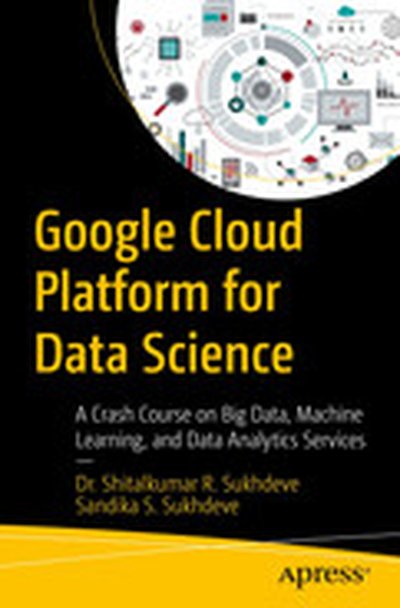
Google Cloud Platform for Data Science: A Crash Course on Big Data, Machine Learning, and Data Analytics Services

This book is your practical and comprehensive guide to learning Google Cloud Platform (GCP) for data science, using only the free tier services offered by the platform. Data science and machine learning are increasingly becoming critical to businesses of all sizes, and the cloud provides a powerful platform for these applications. GCP offers a range of data science services that can be used to store, process, and analyze large datasets, and train and deploy machine learning models. The book is organized into seven chapters covering various topics such as GCP account setup, Google Colaboratory, Big Data and Machine Learning, Data Visualization and Business Intelligence, Data Processing and Transformation, Data Analytics and Storage, and Advanced Topics. Each chapter provides step-by-step instructions and examples illustrating how to use GCP services for data science and big data projects. Readers will learn how to set up a Google Colaboratory account and run Jupyternotebooks, access GCP services and data from Colaboratory, use BigQuery for data analytics, and deploy machine learning models using Vertex AI. The book also covers how to visualize data using Looker Data Studio, run data processing pipelines using Google Cloud Dataflow and Dataprep, and store data using Google Cloud Storage and SQL. What You Will Learn Set up a GCP account and project Explore BigQuery and its use cases, including machine learning Understand Google Cloud AI Platform and its capabilities Use Vertex AI for training and deploying machine learning models Explore Google Cloud Dataproc and its use cases for big data processing Create and share data visualizations and reports with Looker Data Studio Explore Google Cloud Dataflow and its use cases for batch and stream data processing Run data processing pipelines on Cloud Dataflow Explore Google Cloud Storageand its use cases for data storage Get an introduction to Google Cloud SQL and its use cases for relational databases Get an introduction to Google Cloud Pub/Sub and its use cases for real-time data streaming Who This Book Is For Data scientists, machine learning engineers, and analysts who want to learn how to use Google Cloud Platform (GCP) for their data science and big data projects

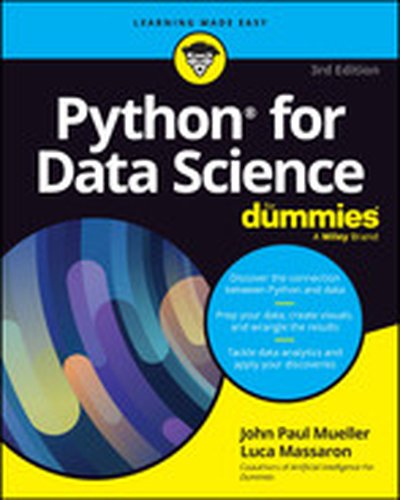
Python for Data Science For Dummies, 3rd Edition

Let Python do the heavy lifting for you as you analyze large datasets Python for Data Science For Dummies lets you get your hands dirty with data using one of the top programming languages. This beginner’s guide takes you step by step through getting started, performing data analysis, understanding datasets and example code, working with Google Colab, sampling data, and beyond. Coding your data analysis tasks will make your life easier, make you more in-demand as an employee, and open the door to valuable knowledge and insights. This new edition is updated for the latest version of Python and includes current, relevant data examples. Get a firm background in the basics of Python coding for data analysis Learn about data science careers you can pursue with Python coding skills Integrate data analysis with multimedia and graphics Manage and organize data with cloud-based relational databases Python careers are on the rise. Grab this user-friendly Dummies guide and gain the programming skills you need to become a data pro.

Beginning Power BI for Business Users

Discover the utility of your organization’s data with Microsoft Power BI In Beginning Power BI for Business Users: Learning to Turn Data into Insights, accomplished data professional and business intelligence expert Paul Fuller delivers an intuitive and accessible handbook for professionals seeking to use Microsoft’s Power BI to access, analyze, understand, report, and act on the data available to their organizations. In the book, you’ll discover Power BI’s robust feature set, learn to ingest and model data, visualize and report on that data, and even use the DAX scripting language to unlock still more utility from Microsoft’s popular program. Beginning with general principles geared to readers with no or little experience with reporting or data analytics tools, the author walks you through how to manipulate common, publicly available data sources—including Excel files and relational databases. You’ll also learn to: Use the included and tested sample code to work through the helpful examples included by the author Conduct data orchestration and visualization to better understand and gain insights from your data An essential resource for business analysts and Excel power users reaching the limits of that program’s capabilities, Beginning Power BI for Business Users will also benefit data analysts who seek to prepare reports for their organizations using Microsoft’s flexible and intuitive software.

Learning Snowflake SQL and Scripting

To help you on the path to becoming a Snowflake pro, this concise yet comprehensive guide reviews fundamentals and best practices for Snowflake's SQL and Scripting languages. Developers and data professionals will learn how to generate, modify, and query data in the Snowflake relational database management system as well as how to apply analytic functions for reporting. Author Alan Beaulieu also shows you how to create scripts, stored functions, and stored procedures to return data sets using Snowflake Scripting. This book is ideal whether you're new to databases and need to run queries or reports against a Snowflake database, or transitioning from databases such as Oracle, SQL Server, or MySQL to cloud-based platforms. With this book, you will: Generate and modify Snowflake data using INSERT, UPDATE, DELETE Query data in Snowflake using SELECT, including joining multiple tables, using subqueries, and grouping Apply analytic functions for performing subtotals, grand totals, row comparisons, and other reporting functionality Build scripts combining SQL statements with looping, if-then-else, and exception handling Learn how to build stored procedures and functions Use stored procedures to return data sets

Introducing RavenDB: The Database for Modern Data Persistence

Simplify your first steps with the RavenDB NoSQL Document Database. This book takes a task-oriented approach by showing common problems, potential solutions, brief explanations of how those solutions work, and the mechanisms used. Based on real-world examples, the recipes in this book will show you how to solve common problems with Raven Query Language and will highlight reasons why RavenDB is a great choice for fast prototyping solutions that can sustain increasing amounts of data as your application grows. Introducing RavenDB includes code and query examples that address real-life challenges you’ll encounter when using RavenDB, helping you learn the basics of the Raven Query Language more quickly and efficiently. In many cases, you’ll be able to copy and paste the examples into your own code, making only minor modifications to suit your application. RavenDB supports many advanced features, such full-text search, graph queries, and timeseries; recipes in the latter portion of the book will help you understand those advanced features and how they might be applied to your own code and applications. After reading this book, you will be able to employ RavenDB’s powerful features in your own projects. What You Will Learn Set up and start working with RavenDB Model your objects for persistence in a NoSQL document database Write basic and advanced queries in the Raven Query Language Index your data using map/reduce techniques Implement techniques leading to highly performant systems Efficiently aggregate data and query on those aggregations Who This Book Is For Developers accustomed to relational databases who are about to enter a world of NoSQL databases. The book is also for experienced programmers who have used other non-relational databases and want to learn RavenDB. It will also prove useful for developers who want to move away from using Object-Relational Modeling frameworks and start working with a persistence solution that can store object graphs directly.

SQL Antipatterns, Volume 1

SQL is the ubiquitous language for software developers working with structured data. Most developers who rely on SQL are experts in their favorite language (such as Java, Python, or Go), but they're not experts in SQL. They often depend on antipatterns - solutions that look right but become increasingly painful to work with as you uncover their hidden costs. Learn to identify and avoid many of these common blunders. Refactor an inherited nightmare into a data model that really works. Updated for the current versions of MySQL and Python, this new edition adds a dozen brand new mini-antipatterns for quick wins. No matter which platform, framework, or language you use, the database is the foundation of your application, and the SQL database language is the standard for working with it. Antipatterns are solutions that look simple at the surface, but soon mire you down with needless work. Learn to identify these traps, and craft better solutions for the often-asked questions in this book. Avoid the mistakes that lead to poor performance and quality, and master the principles that make SQL a powerful and flexible tool for handling data and logic. Dive deep into SQL and database design, and learn to recognize the most common missteps made by software developers in database modeling, SQL query logic, and code design of data-driven applications. See practical examples of misconceptions about SQL that can lure software projects astray. Find the greatest value in each group of data. Understand why an intersection table may be your new best friend. Store passwords securely and don't reinvent the wheel. Handle NULL values like a pro. Defend your web applications against the security weakness of SQL injection. Use SQL the right way - it can save you from headaches and needless work, and let your application really shine! What You Need: The SQL examples use the MySQL 8.0 flavor, but other popular brands of RDBMS are mentioned. Other code examples use Python 3.9+ or Ruby 2.7+.

Azure Data Engineering Cookbook - Second Edition

Azure Data Engineering Cookbook is your ultimate guide to mastering data engineering on Microsoft's Azure platform. Through an engaging collection of recipes, this book breaks down procedures to build sophisticated data pipelines, leveraging tools like Azure Data Factory, Data Lake, Databricks, and Synapse Analytics. What this Book will help me do Efficiently process large datasets using Azure Synapse analytics and Azure Databricks pipelines. Transform and shape data within systems by leveraging Azure Synapse data flows. Implement and manage relational databases in Azure with performance tuning and administration. Configure data pipeline solutions integrated with Power BI for insightful reporting. Monitor, optimize, and ensure lineage tracking for your data systems efficiently with Purview and Log analytics. Author(s) Nagaraj Venkatesan is an experienced cloud architect specializing in Microsoft Azure, with years of hands-on data engineering expertise. Ahmad Osama is a seasoned data professional and author's shared emphasis is on practical learning and bridging this with actionable skills effectively. Who is it for? This book is essential for data engineers seeking expertise in Azure's rich engineering capabilities. It's tailored for professionals with a foundational knowledge of cloud services, looking to achieve advanced proficiency in Azure data engineering pipelines.

SQL in a Nutshell, 4th Edition

For programmers, analysts, and database administrators, this Nutshell guide is the essential reference for the SQL language used in today's most popular database products. This new fourth edition clearly documents SQL commands according to the latest ANSI/ISO standard and details how those commands are implemented in Microsoft SQL Server 2019 and Oracle 19c, as well as in the MySQL 8, MariaDB 10.5, and PostgreSQL 14 open source database products. You'll also get a concise overview of the relational database management system (RDBMS) model and a clear-cut explanation of foundational RDBMS concepts--all packed into a succinct, comprehensive, and easy-to-use format. Sections include: Background on the relational database model, including current and previous SQL standards Fundamental concepts necessary for understanding relational databases and SQL commands An alphabetical command reference to SQL statements, according to the SQL:2016 ANSI standard The implementation of each command by MySQL, Oracle, PostgreSQL, and SQL Server An alphabetical reference of the ANSI SQL:2016 functions and constructs as well as the vendor implementations Platform-specific functions unique to each implementation

The MySQL Workshop

The MySQL Workshop is your comprehensive, hands-on guide to learning and mastering MySQL database management. This book covers everything from setting up a database to working with SQL queries, managing data, and securing your databases. With practical exercises and real-world scenarios, you'll quickly gain the confidence and skills to handle MySQL databases effectively. What this Book will help me do Understand and implement the core concepts of relational databases. Write, execute, and optimize SQL queries for data management. Connect MySQL databases to applications like MS Access and Excel. Secure databases by managing user roles and permissions effectively. Perform database backups and restores to maintain data integrity. Author(s) Thomas Pettit and Scott Cosentino are experienced professionals in database management and MySQL technologies. With years of industry experience, they bring a wealth of knowledge to their writing. They focus on breaking down complex topics into digestible lessons, ensuring practical learning outcomes. Who is it for? This book is ideal for tech professionals and students looking to learn MySQL. Beginners will find a gentle introduction, while those with some SQL background will deepen their understanding and cover gaps in knowledge. It suits professionals dealing with data who want actionable MySQL skills for work and projects.