talk-data.com talk-data.com

Topic

Linux

operating_system open_source unix_like

287

tagged

Activity Trend

20 peak/qtr
2020-Q1 2026-Q1

Activities

287 activities · Newest first

Summary

Time series databases have long been the cornerstone of a robust metrics system, but the existing options are often difficult to manage in production. In this episode Jeroen van der Heijden explains his motivation for writing a new database, SiriDB, the challenges that he faced in doing so, and how it works under the hood.

Preamble

Hello and welcome to the Data Engineering Podcast, the show about modern data infrastructure When you’re ready to launch your next project you’ll need somewhere to deploy it. Check out Linode at dataengineeringpodcast.com/linode and get a $20 credit to try out their fast and reliable Linux virtual servers for running your data pipelines or trying out the tools you hear about on the show. Continuous delivery lets you get new features in front of your users as fast as possible without introducing bugs or breaking production and GoCD is the open source platform made by the people at Thoughtworks who wrote the book about it. Go to dataengineeringpodcast.com/gocd to download and launch it today. Enterprise add-ons and professional support are available for added peace of mind. Go to dataengineeringpodcast.com to subscribe to the show, sign up for the newsletter, read the show notes, and get in touch. You can help support the show by checking out the Patreon page which is linked from the site. To help other people find the show you can leave a review on iTunes, or Google Play Music, and tell your friends and co-workers Your host is Tobias Macey and today I’m interviewing Jeroen van der Heijden about SiriDB, a next generation time series database

Interview

Introduction How did you get involved in the area of data engineering? What is SiriDB and how did the project get started?

What was the inspiration for the name?

What was the landscape of time series databases at the time that you first began work on Siri? How does Siri compare to other time series databases such as InfluxDB, Timescale, KairosDB, etc.? What do you view as the competition for Siri? How is the server architected and how has the design evolved over the time that you have been working on it? Can you describe how the clustering mechanism functions?

Is it possible to create pools with more than two servers?

What are the failure modes for SiriDB and where does it fall on the spectrum for the CAP theorem? In the documentation it mentions needing to specify the retention period for the shards when creating a database. What is the reasoning for that and what happens to the individual metrics as they age beyond that time horizon? One of the common difficulties when using a time series database in an operations context is the need for high cardinality of the metrics. How are metrics identified in Siri and is there any support for tagging? What have been the most challenging aspects of building Siri? In what situations or environments would you advise against using Siri?

Contact Info

joente on Github LinkedIn

Parting Question

From your perspective, what is the biggest gap in the tooling or technology for data management today?

Links

SiriDB Oversight InfluxDB LevelDB OpenTSDB Timescale DB KairosDB Write Ahead Log Grafana

The intro and outro music is from The Hug by The Freak Fandango Orchestra / CC BY-SA Support Data Engineering Podcast
Summary

To process your data you need to know what shape it has, which is why schemas are important. When you are processing that data in multiple systems it can be difficult to ensure that they all have an accurate representation of that schema, which is why Confluent has built a schema registry that plugs into Kafka. In this episode Ewen Cheslack-Postava explains what the schema registry is, how it can be used, and how they built it. He also discusses how it can be extended for other deployment targets and use cases, and additional features that are planned for future releases.

Preamble

Hello and welcome to the Data Engineering Podcast, the show about modern data infrastructure When you’re ready to launch your next project you’ll need somewhere to deploy it. Check out Linode at dataengineeringpodcast.com/linode and get a $20 credit to try out their fast and reliable Linux virtual servers for running your data pipelines or trying out the tools you hear about on the show. Continuous delivery lets you get new features in front of your users as fast as possible without introducing bugs or breaking production and GoCD is the open source platform made by the people at Thoughtworks who wrote the book about it. Go to dataengineeringpodcast.com/gocd to download and launch it today. Enterprise add-ons and professional support are available for added peace of mind. Go to dataengineeringpodcast.com to subscribe to the show, sign up for the newsletter, read the show notes, and get in touch. You can help support the show by checking out the Patreon page which is linked from the site. To help other people find the show you can leave a review on iTunes, or Google Play Music, and tell your friends and co-workers Your host is Tobias Macey and today I’m interviewing Ewen Cheslack-Postava about the Confluent Schema Registry

Interview

Introduction How did you get involved in the area of data engineering? What is the schema registry and what was the motivating factor for building it? If you are using Avro, what benefits does the schema registry provide over and above the capabilities of Avro’s built in schemas? How did you settle on Avro as the format to support and what would be involved in expanding that support to other serialization options? Conversely, what would be involved in using a storage backend other than Kafka? What are some of the alternative technologies available for people who aren’t using Kafka in their infrastructure? What are some of the biggest challenges that you faced while designing and building the schema registry? What is the tipping point in terms of system scale or complexity when it makes sense to invest in a shared schema registry and what are the alternatives for smaller organizations? What are some of the features or enhancements that you have in mind for future work?

Contact Info

ewencp on GitHub Website @ewencp on Twitter

Parting Question

From your perspective, what is the biggest gap in the tooling or technology for data management today?

Links

Kafka Confluent Schema Registry Second Life Eve Online Yes, Virginia, You Really Do Need a Schema Registry JSON-Schema Parquet Avro Thrift Protocol Buffers Zookeeper Kafka Connect

The intro and outro music is from The Hug by The Freak Fandango Orchestra / CC BY-SA Support Data Engineering Podcast
Summary

We have tools and platforms for collaborating on software projects and linking them together, wouldn’t it be nice to have the same capabilities for data? The team at data.world are working on building a platform to host and share data sets for public and private use that can be linked together to build a semantic web of information. The CTO, Bryon Jacob, discusses how the company got started, their mission, and how they have built and evolved their technical infrastructure.

Preamble

Hello and welcome to the Data Engineering Podcast, the show about modern data infrastructure When you’re ready to launch your next project you’ll need somewhere to deploy it. Check out Linode at dataengineeringpodcast.com/linode and get a $20 credit to try out their fast and reliable Linux virtual servers for running your data pipelines or trying out the tools you hear about on the show. Continuous delivery lets you get new features in front of your users as fast as possible without introducing bugs or breaking production and GoCD is the open source platform made by the people at Thoughtworks who wrote the book about it. Go to dataengineeringpodcast.com/gocd to download and launch it today. Enterprise add-ons and professional support are available for added peace of mind. Go to dataengineeringpodcast.com to subscribe to the show, sign up for the newsletter, read the show notes, and get in touch. You can help support the show by checking out the Patreon page which is linked from the site. To help other people find the show you can leave a review on iTunes, or Google Play Music, and tell your friends and co-workers This is your host Tobias Macey and today I’m interviewing Bryon Jacob about the technology and purpose that drive data.world

Interview

Introduction How did you first get involved in the area of data management? What is data.world and what is its mission and how does your status as a B Corporation tie into that? The platform that you have built provides hosting for a large variety of data sizes and types. What does the technical infrastructure consist of and how has that architecture evolved from when you first launched? What are some of the scaling problems that you have had to deal with as the amount and variety of data that you host has increased? What are some of the technical challenges that you have been faced with that are unique to the task of hosting a heterogeneous assortment of data sets that intended for shared use? How do you deal with issues of privacy or compliance associated with data sets that are submitted to the platform? What are some of the improvements or new capabilities that you are planning to implement as part of the data.world platform? What are the projects or companies that you consider to be your competitors? What are some of the most interesting or unexpected uses of the data.world platform that you are aware of?

Contact Information

@bryonjacob on Twitter bryonjacob on GitHub LinkedIn

Parting Question

From your perspective, what is the biggest gap in the tooling or technology for data management today?

Links

data.world HomeAway Semantic Web Knowledge Engineering Ontology Open Data RDF CSVW SPARQL DBPedia Triplestore Header Dictionary Triples Apache Jena Tabula Tableau Connector Excel Connector Data For Democracy Jonathan Morgan

The intro and outro music is from The Hug by The Freak Fandango Orchestra / CC BY-SA Support Data Engineering Podcast
Ceph Cookbook - Second Edition

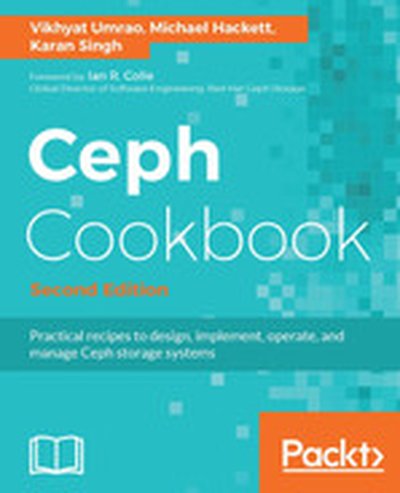
Dive into Ceph Cookbook, the ultimate guide for implementing and managing Ceph storage systems with practical solutions. With this book, you will learn to install, configure, and optimize Ceph storage clusters while mastering integration aspects such as cloud solutions. Discover troubleshooting techniques and best practices for efficient storage operations. What this Book will help me do Understand and deploy Ceph storage systems effectively. Perform performance tuning and cluster benchmarking for Ceph. Integrate Ceph storage with cloud platforms and applications seamlessly. Operate and troubleshoot Ceph clusters in production environments. Adopt advanced techniques such as erasure-coding and RBD mirroring in Ceph. Author(s) This book is authored by experts Karan Singh and team, who bring years of professional experience in the domain of storage systems design and implementation. Their deep understanding of Ceph's deployment across various applications ensures a hands-on approach to the subject. The authors' intention is to equip readers with practical and actionable knowledge. Who is it for? This resource caters to storage architects, cloud engineers, and system administrators looking to enhance their expertise in scalable storage solutions. Ideal for readers who are familiar with Linux and basic storage concepts but want to specialize in the Ceph ecosystem. Readers aiming to deploy cost-efficient and reliable software-defined storage solutions will find it invaluable.

Summary With the wealth of formats for sending and storing data it can be difficult to determine which one to use. In this episode Doug Cutting, creator of Avro, and Julien Le Dem, creator of Parquet, dig into the different classes of serialization formats, what their strengths are, and how to choose one for your workload. They also discuss the role of Arrow as a mechanism for in-memory data sharing and how hardware evolution will influence the state of the art for data formats.

Preamble

Hello and welcome to the Data Engineering Podcast, the show about modern data infrastructure When you’re ready to launch your next project you’ll need somewhere to deploy it. Check out Linode at dataengineeringpodcast.com/linode and get a $20 credit to try out their fast and reliable Linux virtual servers for running your data pipelines or trying out the tools you hear about on the show. Continuous delivery lets you get new features in front of your users as fast as possible without introducing bugs or breaking production and GoCD is the open source platform made by the people at Thoughtworks who wrote the book about it. Go to dataengineeringpodcast.com/gocd to download and launch it today. Enterprise add-ons and professional support are available for added peace of mind. Go to dataengineeringpodcast.com to subscribe to the show, sign up for the newsletter, read the show notes, and get in touch. You can help support the show by checking out the Patreon page which is linked from the site. To help other people find the show you can leave a review on iTunes, or Google Play Music, and tell your friends and co-workers This is your host Tobias Macey and today I’m interviewing Julien Le Dem and Doug Cutting about data serialization formats and how to pick the right one for your systems.

Interview

Introduction How did you first get involved in the area of data management? What are the main serialization formats used for data storage and analysis? What are the tradeoffs that are offered by the different formats? How have the different storage and analysis tools influenced the types of storage formats that are available? You’ve each developed a new on-disk data format, Avro and Parquet respectively. What were your motivations for investing that time and effort? Why is it important for data engineers to carefully consider the format in which they transfer their data between systems?

What are the switching costs involved in moving from one format to another after you have started using it in a production system?

What are some of the new or upcoming formats that you are each excited about? How do you anticipate the evolving hardware, patterns, and tools for processing data to influence the types of storage formats that maintain or grow their popularity?

Contact Information

Doug:

cutting on GitHub Blog @cutting on Twitter

Julien

Email @J_ on Twitter Blog julienledem on GitHub

Links

Apache Avro Apache Parquet Apache Arrow Hadoop Apache Pig Xerox Parc Excite Nutch Vertica Dremel White Paper

Twitter Blog on Release of Parquet

CSV XML Hive Impala Presto Spark SQL Brotli ZStandard Apache Drill Trevni Apache Calcite

The intro and outro music is from The Hug by The Freak Fandango Orchestra / CC BY-SA

Support Data Engineering Podcast
Summary

Buzzfeed needs to be able to understand how its users are interacting with the myriad articles, videos, etc. that they are posting. This lets them produce new content that will continue to be well-received. To surface the insights that they need to grow their business they need a robust data infrastructure to reliably capture all of those interactions. Walter Menendez is a data engineer on their infrastructure team and in this episode he describes how they manage data ingestion from a wide array of sources and create an interface for their data scientists to produce valuable conclusions.

Preamble

Hello and welcome to the Data Engineering Podcast, the show about modern data management When you’re ready to launch your next project you’ll need somewhere to deploy it. Check out Linode at dataengineeringpodcast.com/linode and get a $20 credit to try out their fast and reliable Linux virtual servers for running your data pipelines or trying out the tools you hear about on the show. Continuous delivery lets you get new features in front of your users as fast as possible without introducing bugs or breaking production and GoCD is the open source platform made by the people at Thoughtworks who wrote the book about it. Go to dataengineeringpodcast.com/gocd to download and launch it today. Enterprise add-ons and professional support are available for added peace of mind. Go to dataengineeringpodcast.com to subscribe to the show, sign up for the newsletter, read the show notes, and get in touch. You can help support the show by checking out the Patreon page which is linked from the site. To help other people find the show you can leave a review on iTunes, or Google Play Music, and tell your friends and co-workers Your host is Tobias Macey and today I’m interviewing Walter Menendez about the data engineering platform at Buzzfeed

Interview

Introduction How did you get involved in the area of data management? How is the data engineering team at Buzzfeed structured and what kinds of projects are you responsible for? What are some of the types of data inputs and outputs that you work with at Buzzfeed? Is the core of your system using a real-time streaming approach or is it primarily batch-oriented and what are the business needs that drive that decision? What does the architecture of your data platform look like and what are some of the most significant areas of technical debt? Which platforms and languages are most widely leveraged in your team and what are some of the outliers? What are some of the most significant challenges that you face, both technically and organizationally? What are some of the dead ends that you have run into or failed projects that you have tried? What has been the most successful project that you have completed and how do you measure that success?

Contact Info

@hackwalter on Twitter walterm on GitHub

Links

Data Literacy MIT Media Lab Tumblr Data Capital Data Infrastructure Google Analytics Datadog Python Numpy SciPy NLTK Go Language NSQ Tornado PySpark AWS EMR Redshift Tracking Pixel Google Cloud Don’t try to be google Stop Hiring DevOps Engineers and Start Growing Them

The intro and outro music is from The Hug by The Freak Fandango Orchestra / CC BY-SA Support Data Engineering Podcast
PHP & MySQL: Novice to Ninja, 6th Edition

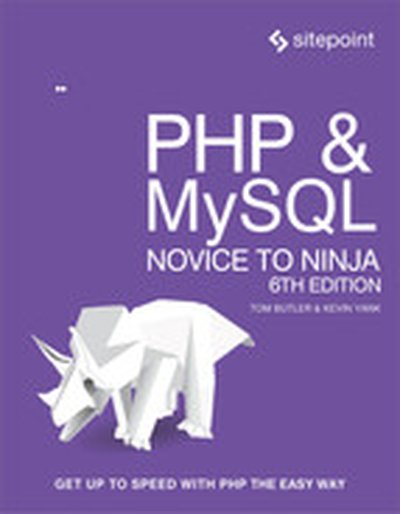
PHP & MySQL: Novice to Ninja, 6th Edition is a hands-on guide to learning all the tools, principles, and techniques needed to build a fully functional application using PHP & MySQL. Comprehensively updated to cover PHP 7 and modern best practice, this practical and fun book covers everything from installing PHP and MySQL through to creating a complete online content management system. You'll learn how to: Install PHP & MySQL on Windows, Mac OS X, or Linux Gain a thorough understanding of PHP syntax Use object oriented programming techniques Master database design principles and SQL Develop robust websites that can handle high levels of traffic Build a working content management system (CMS) And much more!

Learning Ceph - Second Edition

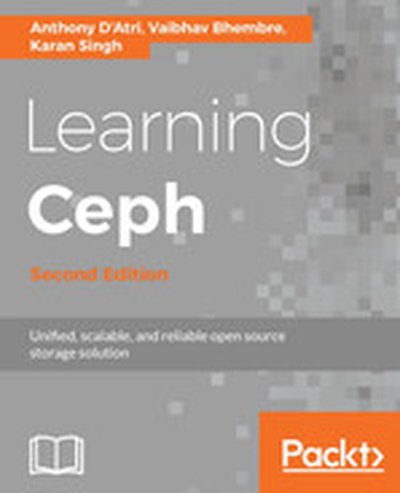
Dive into 'Learning Ceph' to master Ceph, the powerful open-source storage solution known for its scalability and reliability. By following the book's clear instructions, you'll be equipped to deploy, configure, and integrate Ceph into your infrastructure for exabyte-scale data management. What this Book will help me do Understand the architectural principles of Ceph and its uses. Gain practical skills in deploying and managing a Ceph cluster. Learn to monitor and troubleshoot Ceph systems effectively. Explore integration possibilities with OpenStack and other platforms. Apply advanced techniques like erasure coding and CRUSH map optimization. Author(s) The authors are experienced software engineers and open-source contributors with deep expertise in storage systems and distributed computing. They bring practical, real-world examples and accessible explanations to complex topics like Ceph architecture and operation. Their passion for empowering professionals with robust technical skills shines through in this book. Who is it for? This book is ideal for system administrators, cloud engineers, or storage professionals looking to expand their knowledge of software-defined storage solutions. Whether you're new to Ceph or seeking advanced tips for optimization, this guide has something for every skill level. Prerequisite knowledge includes familiarity with Linux and server architecture concepts.

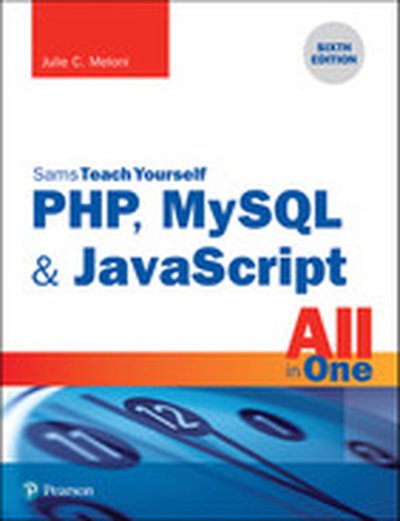
SamsTeachYourself PHP, MySQL & JavaScript: All in One, 6th Edition

In just a short time, you can learn how to use PHP, MySQL, and JavaScript together to create dynamic, interactive websites and applications using three leading web development technologies. No previous programming experience is required. Using a straightforward, step-by-step approach, each lesson in this book builds on the previous ones, enabling you to learn the essentials of full-stack web application development – from HTML, CSS, and JavaScript on the front end, to PHP scripting and MySQL databases on the server. Regardless of whether you run Linux, Windows, or MacOS, the book includes complete instructions to install all the software you need to set up a stable environment for learning, testing, and production. Step-by-step instructions carefully walk you through the most common web application development tasks. Practical, hands-on examples show you how to apply what you learn. Quizzes and exercises help you test your knowledge and stretch your skills. Learn how to: Build web pages with HTML5 and CSS Use JavaScript to build dynamic, interactive web pages Get PHP, MySQL, and JavaScript to work together to create modern, standards-compliant web applications Enhance interactivity with AJAX Leverage JavaScript libraries such as jQuery Work with cookies and user sessions Get user input with web-based forms Use basic SQL commands Interact with the MySQL database using PHP Write maintainable code and get started with version control Decide when frameworks such as Bootstrap, Foundation, React, Angular, and Laravel can be useful Create a web-based discussion forum or calendar Add a storefront and shopping cart to your site Contents at a Glance PART I Web Application Basics 1 Understanding How the Web Works 2 Structuring HTML and Using Cascading Style Sheets 3 Understanding the CSS Box Model and Positioning 4 Introducing JavaScript 5 Introducing PHP PART II Getting Started with Dynamic Web Sites 6 Understanding Dynamic Web Sites and HTML5 Applications 7 JavaScript Fundamentals: Variables, Strings, and Arrays 8 JavaScript Fundamentals: Functions, Objects, and Flow Control 9 Understanding JavaScript Event Handling 10 The Basics of Using jQuery PART III Taking Your Web Applications to the Next Level 11 AJAX: Getting Started with Remote Scripting 12 PHP Fundamentals: Variables, Strings, and Arrays 13 PHP Fundamentals: Functions, Objects, and Flow Control 14 Working with Cookies and User Sessions 15 Working with Web-Based Forms PART IV Integrating a Database into Your Applications 16 Understanding the Database Design Process 17 Learning Basic SQL Commands 18 Interacting with MySQL Using PHP PART V Getting Started with Application Development 19 Creating a Simple Discussion Forum 20 Creating an Online Storefront 21 Creating a Simple Calendar 22 Managing Web Applications PART VI Appendixes A Installation QuickStart with XAMPP B Installing and Configuring MySQL C Installing and Configuring Apache D Installing and Configuring PHP

Summary

Building a data pipeline that is reliable and flexible is a difficult task, especially when you have a small team. Astronomer is a platform that lets you skip straight to processing your valuable business data. Ry Walker, the CEO of Astronomer, explains how the company got started, how the platform works, and their commitment to open source.

Preamble

Hello and welcome to the Data Engineering Podcast, the show about modern data infrastructure When you’re ready to launch your next project you’ll need somewhere to deploy it. Check out Linode at www.dataengineeringpodcast.com/linode?utm_source=rss&utm_medium=rss and get a $20 credit to try out their fast and reliable Linux virtual servers for running your data pipelines or trying out the tools you hear about on the show. Go to dataengineeringpodcast.com to subscribe to the show, sign up for the newsletter, read the show notes, and get in touch. You can help support the show by checking out the Patreon page which is linked from the site. To help other people find the show you can leave a review on iTunes, or Google Play Music, and tell your friends and co-workers This is your host Tobias Macey and today I’m interviewing Ry Walker, CEO of Astronomer, the platform for data engineering.

Interview

Introduction How did you first get involved in the area of data management? What is Astronomer and how did it get started? Regulatory challenges of processing other people’s data What does your data pipelining architecture look like? What are the most challenging aspects of building a general purpose data management environment? What are some of the most significant sources of technical debt in your platform? Can you share some of the failures that you have encountered while architecting or building your platform and company and how you overcame them? There are certain areas of the overall data engineering workflow that are well defined and have numerous tools to choose from. What are some of the unsolved problems in data management? What are some of the most interesting or unexpected uses of your platform that you are aware of?

Contact Information

Email @rywalker on Twitter

Links

Astronomer Kiss Metrics Segment Marketing tools chart Clickstream HIPAA FERPA PCI Mesos Mesos DC/OS Airflow SSIS Marathon Prometheus Grafana Terraform Kafka Spark ELK Stack React GraphQL PostGreSQL MongoDB Ceph Druid Aries Vault Adapter Pattern Docker Kinesis API Gateway Kong AWS Lambda Flink Redshift NOAA Informatica SnapLogic Meteor

The intro and outro music is from The Hug by The Freak Fandango Orchestra / CC BY-SA Support Data Engineering Podcast
Summary

Yelp needs to be able to consume and process all of the user interactions that happen in their platform in as close to real-time as possible. To achieve that goal they embarked on a journey to refactor their monolithic architecture to be more modular and modern, and then they open sourced it! In this episode Justin Cunningham joins me to discuss the decisions they made and the lessons they learned in the process, including what worked, what didn’t, and what he would do differently if he was starting over today.

Preamble

Hello and welcome to the Data Engineering Podcast, the show about modern data infrastructure When you’re ready to launch your next project you’ll need somewhere to deploy it. Check out Linode at www.dataengineeringpodcast.com/linode?utm_source=rss&utm_medium=rss and get a $20 credit to try out their fast and reliable Linux virtual servers for running your data pipelines or trying out the tools you hear about on the show. Go to dataengineeringpodcast.com to subscribe to the show, sign up for the newsletter, read the show notes, and get in touch. You can help support the show by checking out the Patreon page which is linked from the site. To help other people find the show you can leave a review on iTunes, or Google Play Music, and tell your friends and co-workers Your host is Tobias Macey and today I’m interviewing Justin Cunningham about Yelp’s data pipeline

Interview with Justin Cunningham

Introduction How did you get involved in the area of data engineering? Can you start by giving an overview of your pipeline and the type of workload that you are optimizing for? What are some of the dead ends that you experienced while designing and implementing your pipeline? As you were picking the components for your pipeline, how did you prioritize the build vs buy decisions and what are the pieces that you ended up building in-house? What are some of the failure modes that you have experienced in the various parts of your pipeline and how have you engineered around them? What are you using to automate deployment and maintenance of your various components and how do you monitor them for availability and accuracy? While you were re-architecting your monolithic application into a service oriented architecture and defining the flows of data, how were you able to make the switch while verifying that you were not introducing unintended mutations into the data being produced? Did you plan to open-source the work that you were doing from the start, or was that decision made after the project was completed? What were some of the challenges associated with making sure that it was properly structured to be amenable to making it public? What advice would you give to anyone who is starting a brand new project and how would that advice differ for someone who is trying to retrofit a data management architecture onto an existing project?

Keep in touch

Yelp Engineering Blog Email

Links

Kafka Redshift ETL Business Intelligence Change Data Capture LinkedIn Data Bus Apache Storm Apache Flink Confluent Apache Avro Game Days Chaos Monkey Simian Army PaaSta Apache Mesos Marathon SignalFX Sensu Thrift Protocol Buffers JSON Schema Debezium Kafka Connect Apache Beam

The intro and outro music is from The Hug by The Freak Fandango Orchestra / CC BY-SA Support Data Engineering Podcast
Oracle on IBM z Systems

Abstract Oracle Database 12c Release 1 running on Linux is available for deployment on IBM® z Systems®. The enterprise-grade Linux on IBM z Systems solution is designed to add value to Oracle Database solutions, including the new functions that are introduced in Oracle Database 12c. In this IBM Redbooks® publication, we explore the IBM and Oracle Alliance and describe how Oracle Database benefits from IBM z Systems®. We then explain how to set up Linux guests to install Oracle Database 12c. We also describe how to use the Oracle Enterprise Manager Cloud Control Agent to manage Oracle Database 12c Release 1. We also describe a successful consolidation project from sizing to migration, performance management topics, and high availability. Finally, we end with a chapter about surrounding Oracle with Open Source software. The audience for this publication includes database consultants, installers, administrators, and system programmers. This publication is not meant to replace Oracle documentation, but to supplement it with our experiences while installing and using Oracle products.

Oracle on LinuxONE

Abstract Oracle Database 12c Release 1 running on Linux is available for deployment on IBM® LinuxONE. The enterprise-grade Linux on LinuxONE solution is designed to add value to Oracle Database solutions, including the new functions that are introduced in Oracle Database 12c. In this IBM Redbooks® publication, we explore the IBM and Oracle Alliance and describe how Oracle Database benefits from LinuxONE. We then explain how to set up Linux guests to install Oracle Database 12c. We also describe how to use the Oracle Enterprise Manager Cloud Control Agent to manage Oracle Database 12c Release 1. We also describe a successful consolidation project from sizing to migration, performance management topics, and high availability. Finally, we end with a chapter about surrounding Oracle with Open Source software. The audience for this publication includes database consultants, installers, administrators, and system programmers. This publication is not meant to replace Oracle documentation, but to supplement it with our experiences while installing and using Oracle products.

IBM zPDT Guide and Reference: System z Personal Development Tool

Abstract This IBM® Redbooks® publication provides both introductory information and technical details about the IBM System z® Personal Development Tool (IBM zPDT®), which produces a small System z environment suitable for application development. zPDT is a PC Linux application. When zPDT is installed (on Linux), normal System z operating systems (such as IBM z/OS®) can be run on it. zPDT provides the basic System z architecture and emulated IBM 3390 disk drives, 3270 interfaces, OSA interfaces, and so on. The systems that are discussed in this document are complex. They have elements of Linux (for the underlying PC machine), IBM z/Architecture® (for the core zPDT elements), System z I/O functions (for emulated I/O devices), z/OS (the most common System z operating system), and various applications and subsystems under z/OS. The reader is assumed to be familiar with general concepts and terminology of System z hardware and software elements, and with basic PC Linux characteristics. This book provides the primary documentation for zPDT.

PostgreSQL High Availability Cookbook - Second Edition

Master the essential strategies for ensuring high availability in PostgreSQL with this practical cookbook. You'll learn how to build resilient PostgreSQL database clusters that can withstand failures, safely replicate data, and scale to meet increasing demands, ensuring your application's reliability. What this Book will help me do Understand and apply replication techniques in PostgreSQL to protect your data and ensure consistency. Set up a robust database cluster using tools like Patroni or Pacemaker to automate failover and maintain availability. Learn hardware configuration best practices for building a strong database platform. Optimize resource usage in your PostgreSQL clusters with connection pooling techniques using pgpool and PgBouncer. Implement advanced monitoring and alerting solutions to effectively track and respond to potential issues in real-time. Author(s) Shaun Thomas is a seasoned database administrator and consultant specializing in PostgreSQL high availability and clustering solutions. With years of hands-on experience in building resilient and scalable database systems, Shaun shares actionable insights and methodologies in a clear and accessible manner. His real-world knowledge and passion for database reliability shine through in his practical and effective writing style, making this book an invaluable resource. Who is it for? This book is perfect for Linux system administrators and PostgreSQL DBAs seeking to enhance the reliability and resilience of their database systems. If you're responsible for reducing downtime, improving failover processes, or managing databases in high-demand scenarios, this book provides the tools and techniques you need. It's especially helpful for professionals looking to deepen their understanding of PostgreSQL-specific solutions to high availability challenges.

IBM PowerVC Version 1.3.2 Introduction and Configuration

IBM® Power Virtualization Center (IBM® PowerVC™) is an advanced, enterprise virtualization management offering for IBM Power Systems™. This IBM Redbooks® publication introduces IBM PowerVC and helps you understand its functions, planning, installation, and setup. IBM PowerVC Version 1.3.2 supports both large and small deployments, either by managing IBM PowerVM® that is controlled by the Hardware Management Console (HMC) by IBM PowerVM NovaLink, or by managing PowerKVM directly. With this capability, IBM PowerVC can manage IBM AIX®, IBM i, and Linux workloads that run on IBM POWER® hardware. IBM PowerVC is available as a Standard Edition, or as a Cloud PowerVC Manager edition. IBM PowerVC includes the following features and benefits: Virtual image capture, deployment, and management Policy-based virtual machine (VM) placement to improve use Management of real-time optimization and VM resilience to increase productivity VM Mobility with placement policies to reduce the burden on IT staff in a simple-to-install and easy-to-use graphical user interface (GUI) Role-based security policies to ensure a secure environment for common tasks The ability to enable an administrator to enable Dynamic Resource Optimization on a schedule IBM Cloud PowerVC Manager includes all of the IBM PowerVC Standard Edition features and adds: A Self-service portal that allows the provisioning of new VMs without direct system administrator intervention. There is an option for policy approvals for the requests that are received from the self-service portal. Pre-built deploy templates that are set up by the cloud administrator that simplify the deployment of VMs by the cloud user. Cloud management policies that simplify management of cloud deployments. Metering data that can be used for chargeback. This publication is for experienced users of IBM PowerVM and other virtualization solutions who want to understand and implement the next generation of enterprise virtualization management for Power Systems. Unless stated otherwise, the content of this publication refers to IBM PowerVC Version 1.3.2.

Securing Your Cloud: IBM z/VM Security for IBM z Systems and LinuxONE

As workloads are being offloaded to IBM® z Systems™ based cloud environments, it is important to ensure that these workloads and environments are secure. This IBM Redbooks® publication describes the necessary steps to secure your environment for all of the components that are involved in a z Systems cloud infrastructure that uses IBM z/VM® and Linux on z Systems. The audience for this book is IT architects and those planning to use z Systems for their cloud environments.

Practical Hadoop Ecosystem: A Definitive Guide to Hadoop-Related Frameworks and Tools

Learn how to use the Apache Hadoop projects, including MapReduce, HDFS, Apache Hive, Apache HBase, Apache Kafka, Apache Mahout, and Apache Solr. From setting up the environment to running sample applications each chapter in this book is a practical tutorial on using an Apache Hadoop ecosystem project. While several books on Apache Hadoop are available, most are based on the main projects, MapReduce and HDFS, and none discusses the other Apache Hadoop ecosystem projects and how they all work together as a cohesive big data development platform. What You Will Learn: Set up the environment in Linux for Hadoop projects using Cloudera Hadoop Distribution CDH 5 Run a MapReduce job Store data with Apache Hive, and Apache HBase Index data in HDFS with Apache Solr Develop a Kafka messaging system Stream Logs to HDFS with Apache Flume Transfer data from MySQL database to Hive, HDFS, and HBase with Sqoop Create a Hive table over Apache Solr Develop a Mahout User Recommender System Who This Book Is For: Apache Hadoop developers. Pre-requisite knowledge of Linux and some knowledge of Hadoop is required.

IBM PowerVC Version 1.3.1 Introduction and Configuration Including IBM Cloud PowerVC Manager

IBM® Power Virtualization Center (IBM® PowerVC™) is an advanced, enterprise virtualization management offering for IBM Power Systems™. This IBM Redbooks® publication introduces PowerVC and helps you understand its functions, planning, installation, and setup. PowerVC Version 1.3.1 supports both large and small deployments, either by managing IBM PowerVM® that is controlled by the Hardware Management Console (HMC) or by IBM PowerVM Novalink, or by managing PowerKVM directly. With this capability, PowerVC can manage IBM AIX®, IBM i, and Linux workloads that run on IBM POWER® hardware, including IBM PurePower systems. PowerVC is available as a Standard Edition, or as a Cloud PowerVC Manager edition. PowerVC Standard Edition includes the following features and benefits: Virtual image capture, deployment, and management Policy-based virtual machine (VM) placement to improve use Management of real-time optimization and VM resilience to increase productivity VM Mobility with placement policies to reduce the burden on IT staff in a simple-to-install and easy-to-use graphical user interface (GUI) Role-based security policies to ensure a secure environment for common tasks IBM Cloud PowerVC Manager includes all of the PowerVC Standard Edition features and adds: A self-service portal that enables user access to the cloud infrastructure on a per-project basis The ability to enable an administrator to enable Dynamic Resource Optimization on a schedule This publication is for experienced users of IBM PowerVM and other virtualization solutions who want to understand and implement the next generation of enterprise virtualization management for Power Systems. Unless stated otherwise, the content of this publication refers to IBM PowerVC Version 1.3.1.