talk-data.com talk-data.com

Topic

NLP

Natural Language Processing (NLP)

ai machine_learning text_analysis

32

tagged

Activity Trend

24 peak/qtr
2020-Q1 2026-Q1

Activities

Showing filtered results

Filtering by: O'Reilly Data Science Books ×
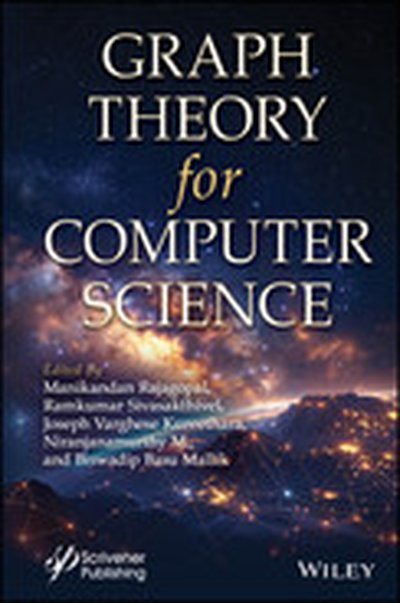
Graph Theory for Computer Science

This book is a vital resource for anyone looking to understand the essential role of graph theory as the unifying thread that connects and provides innovative solutions across a wide spectrum of modern computer science disciplines. Graph theory is a traditional mathematical discipline that has evolved as a basic tool for modeling and analyzing the complex relationships between different technological landscapes. Graph theory helps explain the semantic and syntactic relationships in natural language processing, a technology behind many businesses. Disciplinary and industry developments are seeing a major transition towards more interconnected and data-driven decision-making, and the application of graph theory will facilitate this transition. Disciplines such as parallel and distributive computing will gain insights into how graph theory can help with resource optimization and job scheduling, creating considerable change in the design and development of scalable systems. This book provides comprehensive coverage of how graph theory acts as the thread that connects different areas of computer science to create innovative solutions to modern technological problems. Using a multi-faceted approach, the book explores the fundamentals and role of graph theory in molding complex computational processes across a wide spectrum of computer science.
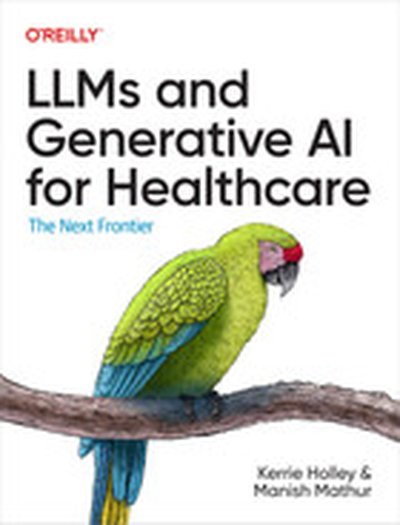
LLMs and Generative AI for Healthcare

Large language models (LLMs) and generative AI are rapidly changing the healthcare industry. These technologies have the potential to revolutionize healthcare by improving the efficiency, accuracy, and personalization of care. This practical book shows healthcare leaders, researchers, data scientists, and AI engineers the potential of LLMs and generative AI today and in the future, using storytelling and illustrative use cases in healthcare. Authors Kerrie Holley, former Google healthcare professionals, guide you through the transformative potential of large language models (LLMs) and generative AI in healthcare. From personalized patient care and clinical decision support to drug discovery and public health applications, this comprehensive exploration covers real-world uses and future possibilities of LLMs and generative AI in healthcare. With this book, you will: Understand the promise and challenges of LLMs in healthcare Learn the inner workings of LLMs and generative AI Explore automation of healthcare use cases for improved operations and patient care using LLMs Dive into patient experiences and clinical decision-making using generative AI Review future applications in pharmaceutical R&D, public health, and genomics Understand ethical considerations and responsible development of LLMs in healthcare "The authors illustrate generative's impact on drug development, presenting real-world examples of its ability to accelerate processes and improve outcomes across the pharmaceutical industry." --Harsh Pandey, VP, Data Analytics & Business Insights, Medidata-Dassault Kerrie Holley is a retired Google tech executive, IBM Fellow, and VP/CTO at Cisco. Holley's extensive experience includes serving as the first Technology Fellow at United Health Group (UHG), Optum, where he focused on advancing and applying AI, deep learning, and natural language processing in healthcare. Manish Mathur brings over two decades of expertise at the crossroads of healthcare and technology. A former executive at Google and Johnson & Johnson, he now serves as an independent consultant and advisor. He guides payers, providers, and life sciences companies in crafting cutting-edge healthcare solutions.

Mastering Marketing Data Science

Unlock the Power of Data: Transform Your Marketing Strategies with Data Science In the digital age, understanding the symbiosis between marketing and data science is not just an advantage; it's a necessity. In Mastering Marketing Data Science: A Comprehensive Guide for Today's Marketers, Dr. Iain Brown, a leading expert in data science and marketing analytics, offers a comprehensive journey through the cutting-edge methodologies and applications that are defining the future of marketing. This book bridges the gap between theoretical data science concepts and their practical applications in marketing, providing readers with the tools and insights needed to elevate their strategies in a data-driven world. Whether you're a master's student, a marketing professional, or a data scientist keen on applying your skills in a marketing context, this guide will empower you with a deep understanding of marketing data science principles and the competence to apply these principles effectively. Comprehensive Coverage: From data collection to predictive analytics, NLP, and beyond, explore every facet of marketing data science. Practical Applications: Engage with real-world examples, hands-on exercises in both Python & SAS, and actionable insights to apply in your marketing campaigns. Expert Guidance: Benefit from Dr. Iain Brown's decade of experience as he shares cutting-edge techniques and ethical considerations in marketing data science. Future-Ready Skills: Learn about the latest advancements, including generative AI, to stay ahead in the rapidly evolving marketing landscape. Accessible Learning: Tailored for both beginners and seasoned professionals, this book ensures a smooth learning curve with a clear, engaging narrative. Mastering Marketing Data Science is designed as a comprehensive how-to guide, weaving together theory and practice to offer a dynamic, workbook-style learning experience. Dr. Brown's voice and expertise guide you through the complexities of marketing data science, making sophisticated concepts accessible and actionable.

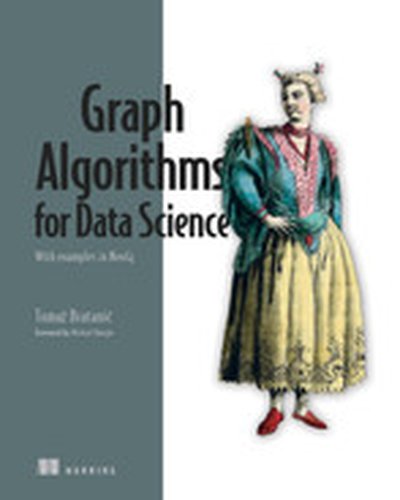
Graph Algorithms for Data Science

Practical methods for analyzing your data with graphs, revealing hidden connections and new insights. Graphs are the natural way to represent and understand connected data. This book explores the most important algorithms and techniques for graphs in data science, with concrete advice on implementation and deployment. You don’t need any graph experience to start benefiting from this insightful guide. These powerful graph algorithms are explained in clear, jargon-free text and illustrations that makes them easy to apply to your own projects. In Graph Algorithms for Data Science you will learn: Labeled-property graph modeling Constructing a graph from structured data such as CSV or SQL NLP techniques to construct a graph from unstructured data Cypher query language syntax to manipulate data and extract insights Social network analysis algorithms like PageRank and community detection How to translate graph structure to a ML model input with node embedding models Using graph features in node classification and link prediction workflows Graph Algorithms for Data Science is a hands-on guide to working with graph-based data in applications like machine learning, fraud detection, and business data analysis. It’s filled with fascinating and fun projects, demonstrating the ins-and-outs of graphs. You’ll gain practical skills by analyzing Twitter, building graphs with NLP techniques, and much more. About the Technology A graph, put simply, is a network of connected data. Graphs are an efficient way to identify and explore the significant relationships naturally occurring within a dataset. This book presents the most important algorithms for graph data science with examples from machine learning, business applications, natural language processing, and more. About the Book Graph Algorithms for Data Science shows you how to construct and analyze graphs from structured and unstructured data. In it, you’ll learn to apply graph algorithms like PageRank, community detection/clustering, and knowledge graph models by putting each new algorithm to work in a hands-on data project. This cutting-edge book also demonstrates how you can create graphs that optimize input for AI models using node embedding. What's Inside Creating knowledge graphs Node classification and link prediction workflows NLP techniques for graph construction About the Reader For data scientists who know machine learning basics. Examples use the Cypher query language, which is explained in the book. About the Author Tomaž Bratanič works at the intersection of graphs and machine learning. Arturo Geigel was the technical editor for this book. Quotes Undoubtedly the quickest route to grasping the practical applications of graph algorithms. Enjoyable and informative, with real-world business context and practical problem-solving. - Roger Yu, Feedzai Brilliantly eases you into graph-based applications. - Sumit Pal, Independent Consultant I highly recommend this book to anyone involved in analyzing large network databases. - Ivan Herreros, talentsconnect Insightful and comprehensive. The author’s expertise is evident. Be prepared for a rewarding journey. - Michal Štefaňák, Volke

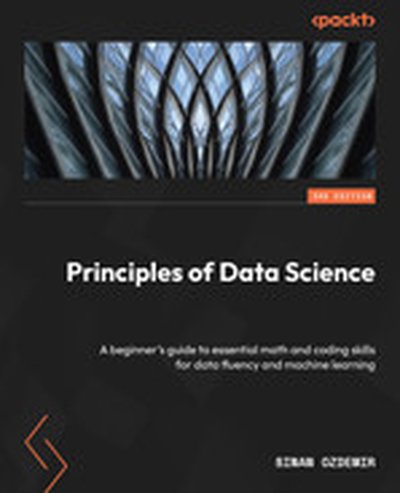
Principles of Data Science - Third Edition

Principles of Data Science offers an end-to-end introduction to data science fundamentals, blending key mathematical concepts with practical programming. You'll learn how to clean and prepare data, construct predictive models, and leverage modern tools like pre-trained models for NLP and computer vision. By integrating theory and practice, this book sets the foundation for impactful data-driven decision-making. What this Book will help me do Develop a solid understanding of foundational statistics and machine learning. Learn how to clean, transform, and visualize data for impactful analysis. Explore transfer learning and pre-trained models for advanced AI tasks. Understand ethical implications, biases, and governance in AI and ML. Gain the knowledge to implement complete data pipelines effectively. Author(s) Sinan Ozdemir is an experienced data scientist, educator, and author with a deep passion for making complex topics accessible. With a background in computer science and applied statistics, Sinan has taught data science at leading institutions and authored multiple books on the topic. His practical approach to teaching combines real-world examples with insightful explanations, ensuring learners gain both competence and confidence. Who is it for? This book is ideal for beginners in data science who want to gain a comprehensive understanding of the field. If you have a background in programming or mathematics and are eager to combine these skills to analyze and extract insights from data, this book will guide you. Individuals working with machine learning or AI who need to solidify their foundational knowledge will find it invaluable. Some familiarity with Python is recommended to follow along seamlessly.

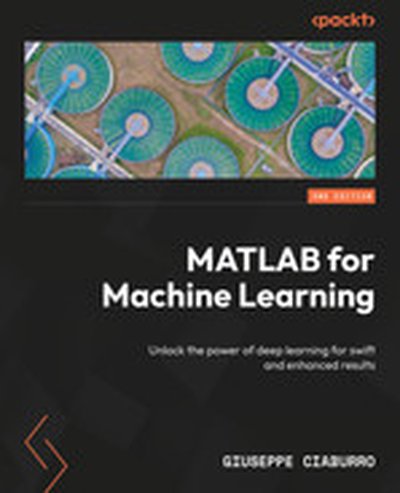
MATLAB for Machine Learning - Second Edition

"MATLAB for Machine Learning" is your comprehensive guide to leveraging MATLAB's powerful tools and toolbox for machine learning and deep learning tasks. Through this book, you will explore practical applications and processes that streamline the development of machine learning models while tackling real-world problems effectively. What this Book will help me do Gain proficiency in utilizing MATLAB's Machine Learning Toolbox for developing machine learning algorithms. Learn how to handle data preprocessing, from data cleansing to visualization, within MATLAB. Explore and implement foundational to advanced machine learning techniques, such as classification and regression models. Comprehend and apply the principles of neural networks for pattern recognition and cluster analysis. Dive into advanced concepts of deep learning, including convolutional networks, natural language processing, and time series analysis, using MATLAB's inbuilt functionality. Author(s) Giuseppe Ciaburro is an expert in the field of machine learning and MATLAB programming. With a robust academic background in data science and years of experience in applying these principles across domains, Giuseppe provides a clear and approachable pathway for learners in his writing. Who is it for? This book is ideal for machine learning professionals, data scientists, and engineers specializing in fields such as deep learning, computer vision, and natural language processing. It is suitable for those with a fundamental understanding of programming concepts who seek to apply MATLAB in solving complex learning problems. A prior familiarity with MATLAB basics will be advantageous.

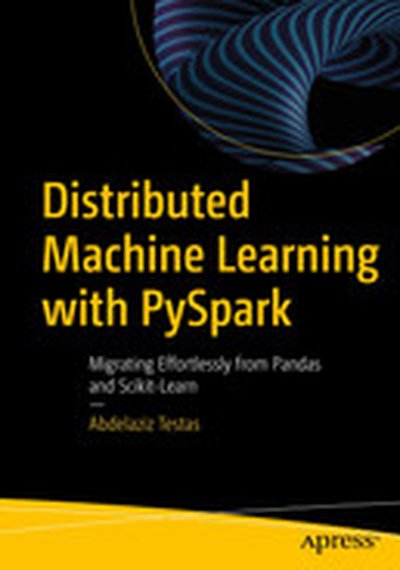
Distributed Machine Learning with PySpark: Migrating Effortlessly from Pandas and Scikit-Learn

Migrate from pandas and scikit-learn to PySpark to handle vast amounts of data and achieve faster data processing time. This book will show you how to make this transition by adapting your skills and leveraging the similarities in syntax, functionality, and interoperability between these tools. Distributed Machine Learning with PySpark offers a roadmap to data scientists considering transitioning from small data libraries (pandas/scikit-learn) to big data processing and machine learning with PySpark. You will learn to translate Python code from pandas/scikit-learn to PySpark to preprocess large volumes of data and build, train, test, and evaluate popular machine learning algorithms such as linear and logistic regression, decision trees, random forests, support vector machines, Naïve Bayes, and neural networks. After completing this book, you will understand the foundational concepts of data preparation and machine learning and will have the skills necessary toapply these methods using PySpark, the industry standard for building scalable ML data pipelines. What You Will Learn Master the fundamentals of supervised learning, unsupervised learning, NLP, and recommender systems Understand the differences between PySpark, scikit-learn, and pandas Perform linear regression, logistic regression, and decision tree regression with pandas, scikit-learn, and PySpark Distinguish between the pipelines of PySpark and scikit-learn Who This Book Is For Data scientists, data engineers, and machine learning practitioners who have some familiarity with Python, but who are new to distributed machine learning and the PySpark framework.

Fundamentals of Data Science

Fundamentals of Data Science: Theory and Practice presents basic and advanced concepts in data science along with real-life applications. The book provides students, researchers and professionals at different levels a good understanding of the concepts of data science, machine learning, data mining and analytics. Users will find the authors’ research experiences and achievements in data science applications, along with in-depth discussions on topics that are essential for data science projects, including pre-processing, that is carried out before applying predictive and descriptive data analysis tasks and proximity measures for numeric, categorical and mixed-type data. The book's authors include a systematic presentation of many predictive and descriptive learning algorithms, including recent developments that have successfully handled large datasets with high accuracy. In addition, a number of descriptive learning tasks are included. Presents the foundational concepts of data science along with advanced concepts and real-life applications for applied learning Includes coverage of a number of key topics such as data quality and pre-processing, proximity and validation, predictive data science, descriptive data science, ensemble learning, association rule mining, Big Data analytics, as well as incremental and distributed learning Provides updates on key applications of data science techniques in areas such as Computational Biology, Network Intrusion Detection, Natural Language Processing, Software Clone Detection, Financial Data Analysis, and Scientific Time Series Data Analysis Covers computer program code for implementing descriptive and predictive algorithms

Practical Business Analytics Using R and Python: Solve Business Problems Using a Data-driven Approach

This book illustrates how data can be useful in solving business problems. It explores various analytics techniques for using data to discover hidden patterns and relationships, predict future outcomes, optimize efficiency and improve the performance of organizations. You’ll learn how to analyze data by applying concepts of statistics, probability theory, and linear algebra. In this new edition, both R and Python are used to demonstrate these analyses. Practical Business Analytics Using R and Python also features new chapters covering databases, SQL, Neural networks, Text Analytics, and Natural Language Processing.Part one begins with an introduction to analytics, the foundations required to perform data analytics, and explains different analytics terms and concepts such as databases and SQL, basic statistics, probability theory, and data exploration. Part two introduces predictive models using statistical machine learning and discusses concepts like regression, classification, and neural networks. Part three covers two of the most popular unsupervised learning techniques, clustering and association mining, as well as text mining and natural language processing (NLP). The book concludes with an overview of big data analytics, R and Python essentials for analytics including libraries such as pandas and NumPy. Upon completing this book, you will understand how to improve business outcomes by leveraging R and Python for data analytics. What You Will Learn Master the mathematical foundations required for business analytics Understand various analytics models and data mining techniques such as regression, supervised machine learning algorithms for modeling, unsupervised modeling techniques, and how to choose the correct algorithm for analysis in any given task Use R and Python to develop descriptive models, predictive models, and optimize models Interpret and recommend actions based on analytical model outcomes Who This Book Is For Software professionals and developers, managers, and executives who want to understand and learn the fundamentals of analytics using R and Python.

The Kaggle Workbook

"The Kaggle Workbook" is an engaging and practical guide for anyone looking to excel in Kaggle competitions by learning from real past case studies and hands-on exercises. Inside, you'll dive deep into key data science concepts, explore how Kaggle Grandmasters tackle challenges, and apply new skills to your own projects. What this Book will help me do Master the methodology used in past Kaggle competitions for real-world applications. Discover and implement advanced data science techniques such as gradient boosting and NLP. Build a portfolio that demonstrates hands-on experience solving complex data problems. Learn time-series forecasting and computer vision by exploring detailed case studies. Develop a practical mindset for competitive data science problem solving. Author(s) Konrad Banachewicz and Luca Massaron bring their expertise as Kaggle Grandmasters to the pages of this book. With extensive experience in data science and collaborative problem-solving, they guide readers through practical exercises with a clear, approachable style. Their passion for sharing knowledge shines through in every chapter. Who is it for? "The Kaggle Workbook" is ideal for aspiring and experienced data scientists who want to sharpen their competitive data science skills. It caters to those with a foundational knowledge of data science and an interest in enhancing it through practical exercises. The book is a perfect fit for anyone aiming to succeed in Kaggle competitions, whether starting out or advancing further.

Practical MATLAB Deep Learning: A Projects-Based Approach

Harness the power of MATLAB for deep-learning challenges. Practical MATLAB Deep Learning, Second Edition, remains a one-of a-kind book that provides an introduction to deep learning and using MATLAB's deep-learning toolboxes. In this book, you’ll see how these toolboxes provide the complete set of functions needed to implement all aspects of deep learning. This edition includes new and expanded projects, and covers generative deep learning and reinforcement learning. Over the course of the book, you'll learn to model complex systems and apply deep learning to problems in those areas. Applications include: Aircraft navigation An aircraft that lands on Titan, the moon of Saturn, using reinforcement learning Stock market prediction Natural language processing Music creation usng generative deep learning Plasma control Earth sensor processing for spacecraft MATLAB Bluetooth data acquisition applied to dance physics What You Will Learn Explore deep learning using MATLAB and compare it to algorithms Write a deep learning function in MATLAB and train it with examples Use MATLAB toolboxes related to deep learning Implement tokamak disruption prediction Now includes reinforcement learning Who This Book Is For Engineers, data scientists, and students wanting a book rich in examples on deep learning using MATLAB.

Comet for Data Science

Discover how to manage and optimize the life cycle of your data science projects with Comet! By the end of this book, you will master preparing, analyzing, building, and deploying models, as well as integrating Comet into your workflow. What this Book will help me do Master managing data science workflows with Comet. Confidently prepare and analyze your data for effective modeling. Deploy and monitor machine learning models using Copet tools. Integrate Comet with DevOps and GitLab workflows for production readiness. Apply Comet to advanced topics like NLP, deep learning, and time series analysis. Author(s) Angelica Lo Duca is an experienced author and data scientist with years of expertise in data science workflows and tools. She brings practical insights into integrating platforms like Comet into modern data science tasks. Who is it for? If you are a data science practitioner or programmer looking to understand and implement efficient project lifecycles using Comet, this book is tailored for you. A basic backdrop in data science and programming is highly recommended, but prior expertise in Comet is unnecessary.

Hands-On Healthcare Data

Healthcare is the next frontier for data science. Using the latest in machine learning, deep learning, and natural language processing, you'll be able to solve healthcare's most pressing problems: reducing cost of care, ensuring patients get the best treatment, and increasing accessibility for the underserved. But first, you have to learn how to access and make sense of all that data. This book provides pragmatic and hands-on solutions for working with healthcare data, from data extraction to cleaning and harmonization to feature engineering. Author Andrew Nguyen covers specific ML and deep learning examples with a focus on producing high-quality data. You'll discover how graph technologies help you connect disparate data sources so you can solve healthcare's most challenging problems using advanced analytics. You'll learn: Different types of healthcare data: electronic health records, clinical registries and trials, digital health tools, and claims data The challenges of working with healthcare data, especially when trying to aggregate data from multiple sources Current options for extracting structured data from clinical text How to make trade-offs when using tools and frameworks for normalizing structured healthcare data How to harmonize healthcare data using terminologies, ontologies, and mappings and crosswalks

Artificial Intelligence with Power BI

Discover how to enhance your data analysis with 'Artificial Intelligence with Power BI,' a resource designed to teach you how to leverage Power BI's AI capabilities. You will learn practical methods for enriching your analytics with forecasting, anomaly detection, and machine learning, equipping you to create intelligent, insightful BI reports. What this Book will help me do Learn how to apply AI capabilities such as forecasting and anomaly detection to enrich your reports and drive actionable insights. Explore data preparation techniques optimized for AI, ensuring your datasets are structured for advanced analytics. Develop skills to integrate Azure Machine Learning and Cognitive Services into Power BI, expanding your analytical toolset. Understand how to build Q&A interfaces and integrate Natural Language Processing into your BI solutions. Gain expertise in training and deploying your own machine learning models to achieve tailored insights and predictive analytics. Author(s) None Diepeveen is an experienced data analyst and Power BI expert with a passion for making advanced analytics accessible to professionals. With years of hands-on experience working in the data analytics field, they deliver insights using intuitive, practical approaches through clear and engaging tutorials. Who is it for? This book is ideal for data analysts and BI developers who aim to expand their analytics capabilities with AI. Readers should already be familiar with Power BI and are looking for a resource to teach them how to incorporate predictive and advanced AI techniques into their reporting workflow. Whether you're seeking to gain a professional edge or enhance your organization's data storytelling and insights, this guide is perfect for you.

The Kaggle Book

The Kaggle Book is an essential guide for anyone aiming to excel in data science through Kaggle competitions. With expert advice from Kaggle Grandmasters, you'll learn practical techniques for handling data, creating robust models, and improving your ranking in competitions. This book is packed with insights on advanced topics like ensembling, validation, and evaluation metrics. What this Book will help me do Master the Kaggle platform, including its Notebooks, Datasets, and Discussion capabilities. Enhance model performance using techniques like feature engineering, AutoML, and ensembling strategies. Apply advanced validation schemes to improve the reliability of your predictions. Tackle diverse competition types, including NLP, computer vision, and optimization challenges. Build a professional portfolio to showcase your data science expertise and attract career opportunities. Author(s) Konrad Banachewicz and Luca Massaron, authoritative Kaggle Grandmasters, bring their wealth of experience in competitive data science to this book. They have collectively competed in numerous Kaggle challenges and possess deep insights into what differentiates successful Kagglers. Their guidance combines practicality with expertise, making this book a must-have for aspiring data scientists looking to make an impact. Who is it for? This book is tailored for data analysts and scientists interested in enhancing their Kaggle performance, as well as those new to Kaggle who wish to explore competitive data science. It suits individuals with basic knowledge of machine learning, aiming to develop and demonstrate their skills further. The content is valuable for practitioners aiming to build a professional profile or secure roles in the tech industry.

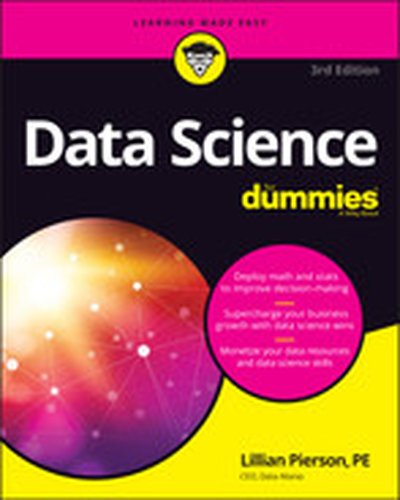
Data Science For Dummies, 3rd Edition

Monetize your company’s data and data science expertise without spending a fortune on hiring independent strategy consultants to help What if there was one simple, clear process for ensuring that all your company’s data science projects achieve a high a return on investment? What if you could validate your ideas for future data science projects, and select the one idea that’s most prime for achieving profitability while also moving your company closer to its business vision? There is. Industry-acclaimed data science consultant, Lillian Pierson, shares her proprietary STAR Framework – A simple, proven process for leading profit-forming data science projects. Not sure what data science is yet? Don’t worry! Parts 1 and 2 of Data Science For Dummies will get all the bases covered for you. And if you’re already a data science expert? Then you really won’t want to miss the data science strategy and data monetization gems that are shared in Part 3 onward throughout this book. Data Science For Dummies demonstrates: The only process you’ll ever need to lead profitable data science projects Secret, reverse-engineered data monetization tactics that no one’s talking about The shocking truth about how simple natural language processing can be How to beat the crowd of data professionals by cultivating your own unique blend of data science expertise Whether you’re new to the data science field or already a decade in, you’re sure to learn something new and incredibly valuable from Data Science For Dummies. Discover how to generate massive business wins from your company’s data by picking up your copy today.

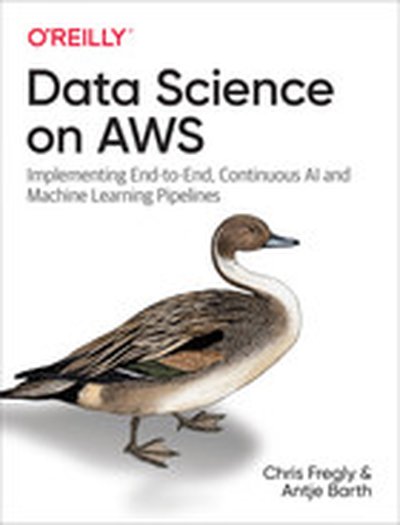
Data Science on AWS

With this practical book, AI and machine learning practitioners will learn how to successfully build and deploy data science projects on Amazon Web Services. The Amazon AI and machine learning stack unifies data science, data engineering, and application development to help level up your skills. This guide shows you how to build and run pipelines in the cloud, then integrate the results into applications in minutes instead of days. Throughout the book, authors Chris Fregly and Antje Barth demonstrate how to reduce cost and improve performance. Apply the Amazon AI and ML stack to real-world use cases for natural language processing, computer vision, fraud detection, conversational devices, and more Use automated machine learning to implement a specific subset of use cases with SageMaker Autopilot Dive deep into the complete model development lifecycle for a BERT-based NLP use case including data ingestion, analysis, model training, and deployment Tie everything together into a repeatable machine learning operations pipeline Explore real-time ML, anomaly detection, and streaming analytics on data streams with Amazon Kinesis and Managed Streaming for Apache Kafka Learn security best practices for data science projects and workflows including identity and access management, authentication, authorization, and more

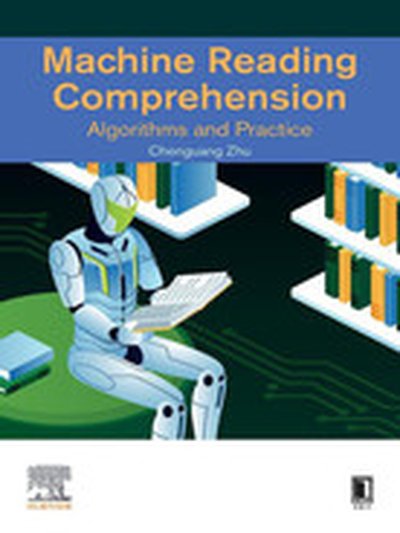
Machine Reading Comprehension

Machine reading comprehension (MRC) is a cutting-edge technology in natural language processing (NLP). MRC has recently advanced significantly, surpassing human parity in several public datasets. It has also been widely deployed by industry in search engine and quality assurance systems. Machine Reading Comprehension: Algorithms and Practice performs a deep-dive into MRC, offering a resource on the complex tasks this technology involves. The title presents the fundamentals of NLP and deep learning, before introducing the task, models, and applications of MRC. This volume gives theoretical treatment to solutions and gives detailed analysis of code, and considers applications in real-world industry. The book includes basic concepts, tasks, datasets, NLP tools, deep learning models and architecture, and insight from hands-on experience. In addition, the title presents the latest advances from the past two years of research. Structured into three sections and eight chapters, this book presents the basis of MRC; MRC models; and hands-on issues in application. This book offers a comprehensive solution for researchers in industry and academia who are looking to understand and deploy machine reading comprehension within natural language processing. Presents the first comprehensive resource on machine reading comprehension (MRC) Performs a deep-dive into MRC, from fundamentals to latest developments Offers the latest thinking and research in the field of MRC, including the BERT model Provides theoretical discussion, code analysis, and real-world applications of MRC Gives insight from research which has led to surpassing human parity in MRC

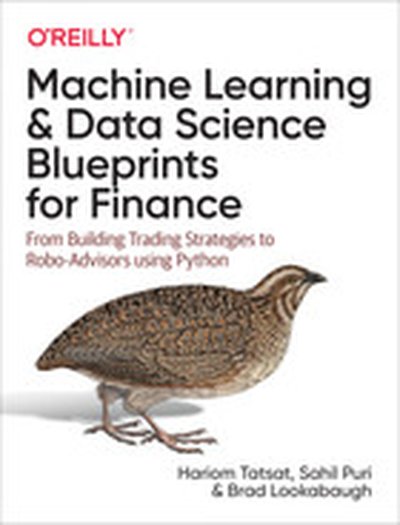
Machine Learning and Data Science Blueprints for Finance

Over the next few decades, machine learning and data science will transform the finance industry. With this practical book, analysts, traders, researchers, and developers will learn how to build machine learning algorithms crucial to the industry. You'll examine ML concepts and over 20 case studies in supervised, unsupervised, and reinforcement learning, along with natural language processing (NLP). Ideal for professionals working at hedge funds, investment and retail banks, and fintech firms, this book also delves deep into portfolio management, algorithmic trading, derivative pricing, fraud detection, asset price prediction, sentiment analysis, and chatbot development. You'll explore real-life problems faced by practitioners and learn scientifically sound solutions supported by code and examples. This book covers: Supervised learning regression-based models for trading strategies, derivative pricing, and portfolio management Supervised learning classification-based models for credit default risk prediction, fraud detection, and trading strategies Dimensionality reduction techniques with case studies in portfolio management, trading strategy, and yield curve construction Algorithms and clustering techniques for finding similar objects, with case studies in trading strategies and portfolio management Reinforcement learning models and techniques used for building trading strategies, derivatives hedging, and portfolio management NLP techniques using Python libraries such as NLTK and scikit-learn for transforming text into meaningful representations

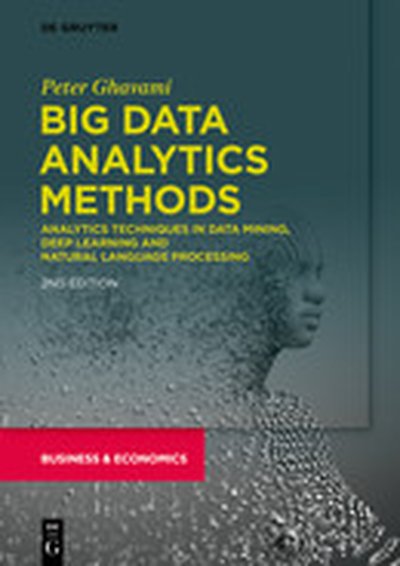
Big Data Analytics Methods

Big Data Analytics Methods unveils secrets to advanced analytics techniques ranging from machine learning, random forest classifiers, predictive modeling, cluster analysis, natural language processing (NLP), Kalman filtering and ensembles of models for optimal accuracy of analysis and prediction. More than 100 analytics techniques and methods provide big data professionals, business intelligence professionals and citizen data scientists insight on how to overcome challenges and avoid common pitfalls and traps in data analytics. The book offers solutions and tips on handling missing data, noisy and dirty data, error reduction and boosting signal to reduce noise. It discusses data visualization, prediction, optimization, artificial intelligence, regression analysis, the Cox hazard model and many analytics using case examples with applications in the healthcare, transportation, retail, telecommunication, consulting, manufacturing, energy and financial services industries. This book's state of the art treatment of advanced data analytics methods and important best practices will help readers succeed in data analytics.