
talk-data.com talk-data.com

Topic

Monte Carlo

data_observability data_reliability data_quality

106

tagged

Activity Trend

12 peak/qtr
2020-Q1 2026-Q1

Activities

106 activities · Newest first

Summary Data observability is a product category that has seen massive growth and adoption in recent years. Monte Carlo is in the vanguard of companies who have been enabling data teams to observe and understand their complex data systems. In this episode founders Barr Moses and Lior Gavish rejoin the show to reflect on the evolution and adoption of data observability technologies and the capabilities that are being introduced as the broader ecosystem adopts the practices.

Announcements

Hello and welcome to the Data Engineering Podcast, the show about modern data management When you’re ready to build your next pipeline, or want to test out the projects you hear about on the show, you’ll need somewhere to deploy it, so check out our friends at Linode. With their new managed database service you can launch a production ready MySQL, Postgres, or MongoDB cluster in minutes, with automated backups, 40 Gbps connections from your application hosts, and high throughput SSDs. Go to dataengineeringpodcast.com/linode today and get a $100 credit to launch a database, create a Kubernetes cluster, or take advantage of all of their other services. And don’t forget to thank them for their continued support of this show! Atlan is the metadata hub for your data ecosystem. Instead of locking your metadata into a new silo, unleash its transformative potential with Atlan’s active metadata capabilities. Push information about data freshness and quality to your business intelligence, automatically scale up and down your warehouse based on usage patterns, and let the bots answer those questions in Slack so that the humans can focus on delivering real value. Go to dataengineeringpodcast.com/atlan today to learn more about how Atlan’s active metadata platform is helping pioneering data teams like Postman, Plaid, WeWork & Unilever achieve extraordinary things with metadata and escape the chaos. RudderStack helps you build a customer data platform on your warehouse or data lake. Instead of trapping data in a black box, they enable you to easily collect customer data from the entire stack and build an identity graph on your warehouse, giving you full visibility and control. Their SDKs make event streaming from any app or website easy, and their state-of-the-art reverse ETL pipelines enable you to send enriched data to any cloud tool. Sign up free… or just get the free t-shirt for being a listener of the Data Engineering Podcast at dataengineeringpodcast.com/rudder. The only thing worse than having bad data is not knowing that you have it. With Bigeye’s data observability platform, if there is an issue with your data or data pipelines you’ll know right away and can get it fixed before the business is impacted. Bigeye let’s data teams measure, improve, and communicate the quality of your data to company stakeholders. With complete API access, a user-friendly interface, and automated yet flexible alerting, you’ve got everything you need to establish and maintain trust in your data. Go to dataengineeringpodcast.com/bigeye today to sign up and start trusting your analyses. Your host is Tobias Macey and today I’m interviewing Barr Moses and Lior Gavish about the state of the market for data observability and their own work at Monte Carlo

Interview

Introduction How did you get involved in the area of data management? Can you give the elevator pitch for Monte Carlo?

What are the notable changes in the Monte Carlo product and business since our last conversation in October 2020?

You were one of the early entrants in the market of data quality/data observability products. In your work to gain visibility and traction you invested substantially in content creation (blog posts, presentations, round table conversations, etc.). How would you summarize the focus of your initial efforts? Why do you think data observability has really taken off? A few years ago, the category barely existed – what’s changed? There’s a larger debate within
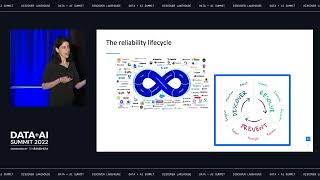
Beyond Monitoring: The Rise of Data Observability

"Why did our dashboard break?" "What happened to my data?" "Why is this column missing?" If you've been on the receiving end of these messages (and many others!) from downstream stakeholders, you're not alone. Data engineering teams spend 40 percent or more of their time tackling data downtime, or periods of time when data is missing, erroneous, or otherwise inaccurate, and as data systems become increasingly complex and distributed, this number will only increase. To address this problem, data observability is becoming an increasingly important part of the cloud data stack, helping engineers and analysts reduce time to detection and resolution for data incidents caused by faulty data, code, and operational environments. But what does data observability actually look like in practice? During this presentation, Barr Moses, CEO and co-founder of Monte Carlo, will present on how some of today's best data leaders implement observability across their data lake ecosystem and share best practices for data teams seeking to achieve end-to-end visibility into their data at scale. Topics addressed will include: building automated lineage for Apache Spark, applying data reliability workflows, and extending beyond testing and monitoring to solve for unknown unknowns in your data pipelines.

Connect with us: Website: https://databricks.com Facebook: https://www.facebook.com/databricksinc Twitter: https://twitter.com/databricks LinkedIn: https://www.linkedin.com/company/data... Instagram: https://www.instagram.com/databricksinc/

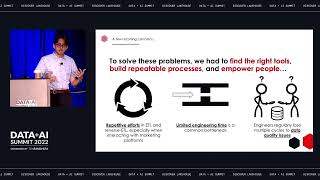
Constraints, Democratization, and the Modern Data Stack - Building a Data Platform At Red Ventures

The time and attention of skilled engineers are some of the most constrained, valuable resources at Red Digital, a marketing agency embedded within Red Ventures. Acknowledging that constraint, the team at Red Digital has taken a deliberate, product-first approach to modernize and democratize their data platform. With the help of modern tools like Databricks, Fivetran, dbt, Monte Carlo, and Airflow, Red Digital has increased its development velocity and the size of the available talent pool to continue to grow the business.

This talk will walk through some of the key challenges, decisions, and solutions that the Red Digital team has made to build a suite of parallel data stacks capable of supporting its growing business.

Connect with us: Website: https://databricks.com Facebook: https://www.facebook.com/databricksinc Twitter: https://twitter.com/databricks LinkedIn: https://www.linkedin.com/company/data... Instagram: https://www.instagram.com/databricksinc/

Testing is an important part of the DataOps life cycle, giving teams confidence in the integrity of their data as it moves downstream to production systems. But what happens when testing doesn’t catch all of your bad data and “unknown unknown” data quality issues fall through the cracks? Fortunately, data engineers can apply a thing or two from DevOps best practices to tackle data quality at scale with circuit breakers, a novel approach to stopping bad data from actually entering your pipelines in the first place. In this talk, Prateek Chawla, Founding Team Member and Technical Lead at Monte Carlo, will discuss what circuit breakers are, how to integrate them with your Airflow DAGs, and what this looks like in practice. Time permitting, Prateek will also walk through how to build and automate Airflow circuit breakers across multiple cascading pipelines with Python and other common tools.

“Why is my data missing?” “Why didn’t my Airflow job run?” “What happened to this report?” If you’ve been on the receiving end of any of these questions, you’re not alone. As data pipelines become increasingly complex and companies ingest more and more data, data engineers are on the hook for troubleshooting where, why, and how data quality issues occur, and most importantly, fixing them so systems can get up and running again. In this talk, Francisco Alberini, Monte Carlo’s first product hire, discusses the three primary factors that contribute to data quality issues and how data teams can leverage Airflow, dbt, and other solutions in their arsenal to conduct root cause analysis on their data pipelines.

Send us a text Welcome Barr Moses CEO & Co - Founder of Monte Carlo, a data reliability company.  We talk detection, resolution, prevention and the 5 pillars of data observability.   Great dialog. Show Notes 03:53 : Zero defect data 06:02 : Customer success learnings  10:42 : Delivering value with data 14:00 : Monte Carlo, the name 18:20 : Data observability 23:38 : Detection, resolution, prevention 31:12 : Duplicate data brings Netflix down 34:22 : 5 pillars of data observability 36:22 : "Building data like a product" 39:37 : Monte Carlo's differentiation Find Barr : linkedin.com/in/barrmoses Website : https://www.montecarlodata.com/ Want to be featured as a guest on Making Data Simple?  Reach out to us at [email protected] and tell us why you should be next.  The Making Data Simple Podcast is hosted by Al Martin, WW VP Technical Sales, IBM, where we explore trending technologies, business innovation, and leadership ... while keeping it simple & fun. Want to be featured as a guest on Making Data Simple? Reach out to us at [email protected] and tell us why you should be next. The Making Data Simple Podcast is hosted by Al Martin, WW VP Technical Sales, IBM, where we explore trending technologies, business innovation, and leadership ... while keeping it simple & fun.

Summary Designing a data platform is a complex and iterative undertaking which requires accounting for many conflicting needs. Designing a platform that relies on a data lake as its central architectural tenet adds additional layers of difficulty. Srivatsan Sridharan has had the opportunity to design, build, and run data lake platforms for both Yelp and Robinhood, with many valuable lessons learned from each experience. In this episode he shares his insights and advice on how to approach such an undertaking in your own organization.

Announcements

Hello and welcome to the Data Engineering Podcast, the show about modern data management When you’re ready to build your next pipeline, or want to test out the projects you hear about on the show, you’ll need somewhere to deploy it, so check out our friends at Linode. With their managed Kubernetes platform it’s now even easier to deploy and scale your workflows, or try out the latest Helm charts from tools like Pulsar and Pachyderm. With simple pricing, fast networking, object storage, and worldwide data centers, you’ve got everything you need to run a bulletproof data platform. Go to dataengineeringpodcast.com/linode today and get a $100 credit to try out a Kubernetes cluster of your own. And don’t forget to thank them for their continued support of this show! This episode is brought to you by Acryl Data, the company behind DataHub, the leading developer-friendly data catalog for the modern data stack. Open Source DataHub is running in production at several companies like Peloton, Optum, Udemy, Zynga and others. Acryl Data provides DataHub as an easy to consume SaaS product which has been adopted by several companies. Signup for the SaaS product at dataengineeringpodcast.com/acryl RudderStack helps you build a customer data platform on your warehouse or data lake. Instead of trapping data in a black box, they enable you to easily collect customer data from the entire stack and build an identity graph on your warehouse, giving you full visibility and control. Their SDKs make event streaming from any app or website easy, and their state-of-the-art reverse ETL pipelines enable you to send enriched data to any cloud tool. Sign up free… or just get the free t-shirt for being a listener of the Data Engineering Podcast at dataengineeringpodcast.com/rudder. Struggling with broken pipelines? Stale dashboards? Missing data? If this resonates with you, you’re not alone. Data engineers struggling with unreliable data need look no further than Monte Carlo, the leading end-to-end Data Observability Platform! Trusted by the data teams at Fox, JetBlue, and PagerDuty, Monte Carlo solves the costly problem of broken data pipelines. Monte Carlo monitors and alerts for data issues across your data warehouses, data lakes, dbt models, Airflow jobs, and business intelligence tools, reducing time to detection and resolution from weeks to just minutes. Monte Carlo also gives you a holistic picture of data health with automatic, end-to-end lineage from ingestion to the BI layer directly out of the box. Start trusting your data with Monte Carlo today! Visit dataengineeringpodcast.com/montecarlo to learn more. Your host is Tobias Macey and today I’m interviewing Srivatsan Sridharan about the technological, staffing, and design considerations for building a data platform

Interview

Introduction How did you get involved in the area of data management? Can you describe what your experience has been with designing and implementing data platforms? What are the elements that you have found to be common requirements across organizations and data characteristics? What are the architectural elements that require the most detailed consideration based on organizational needs and data requirements? How has the ecosystem for building maintainable and usable data lakes matured over the past few years?

What are the elements that are still cumbersome or intractable?

The streaming ecosystem has also gone t

Summary Many of the events, ideas, and objects that we try to represent through data have a high degree of connectivity in the real world. These connections are best represented and analyzed as graphs to provide efficient and accurate analysis of their relationships. TigerGraph is a leading database that offers a highly scalable and performant native graph engine for powering graph analytics and machine learning. In this episode Jon Herke shares how TigerGraph customers are taking advantage of those capabilities to achieve meaningful discoveries in their fields, the utilities that it provides for modeling and managing your connected data, and some of his own experiences working with the platform before joining the company.

Announcements

Hello and welcome to the Data Engineering Podcast, the show about modern data management When you’re ready to build your next pipeline, or want to test out the projects you hear about on the show, you’ll need somewhere to deploy it, so check out our friends at Linode. With their managed Kubernetes platform it’s now even easier to deploy and scale your workflows, or try out the latest Helm charts from tools like Pulsar and Pachyderm. With simple pricing, fast networking, object storage, and worldwide data centers, you’ve got everything you need to run a bulletproof data platform. Go to dataengineeringpodcast.com/linode today and get a $100 credit to try out a Kubernetes cluster of your own. And don’t forget to thank them for their continued support of this show! This episode is brought to you by Acryl Data, the company behind DataHub, the leading developer-friendly data catalog for the modern data stack. Open Source DataHub is running in production at several companies like Peloton, Optum, Udemy, Zynga and others. Acryl Data provides DataHub as an easy to consume SaaS product which has been adopted by several companies. Signup for the SaaS product at dataengineeringpodcast.com/acryl RudderStack helps you build a customer data platform on your warehouse or data lake. Instead of trapping data in a black box, they enable you to easily collect customer data from the entire stack and build an identity graph on your warehouse, giving you full visibility and control. Their SDKs make event streaming from any app or website easy, and their state-of-the-art reverse ETL pipelines enable you to send enriched data to any cloud tool. Sign up free… or just get the free t-shirt for being a listener of the Data Engineering Podcast at dataengineeringpodcast.com/rudder. Struggling with broken pipelines? Stale dashboards? Missing data? If this resonates with you, you’re not alone. Data engineers struggling with unreliable data need look no further than Monte Carlo, the leading end-to-end Data Observability Platform! Trusted by the data teams at Fox, JetBlue, and PagerDuty, Monte Carlo solves the costly problem of broken data pipelines. Monte Carlo monitors and alerts for data issues across your data warehouses, data lakes, dbt models, Airflow jobs, and business intelligence tools, reducing time to detection and resolution from weeks to just minutes. Monte Carlo also gives you a holistic picture of data health with automatic, end-to-end lineage from ingestion to the BI layer directly out of the box. Start trusting your data with Monte Carlo today! Visit http://www.dataengineeringpodcast.com/montecarlo?utm_source=rss&utm_medium=rss to learn more. Your host is Tobias Macey and today I’m interviewing Jon Herke about TigerGraph, a distributed native graph database

Interview

Introduction How did you get involved in the area of data management? Can you describe what TigerGraph is and the story behind it? What are some of the core use cases that you are focused on supporting? How has TigerGraph changed over the past 4 years since I spoke with Todd Blaschka at the Open Data Science Conference? How has the ecosystem of graph databases changed in usage and design in recent years? What are some of the persi

Summary The predominant pattern for data integration in the cloud has become extract, load, and then transform or ELT. Matillion was an early innovator of that approach and in this episode CTO Ed Thompson explains how they have evolved the platform to keep pace with the rapidly changing ecosystem. He describes how the platform is architected, the challenges related to selling cloud technologies into enterprise organizations, and how you can adopt Matillion for your own workflows to reduce the maintenance burden of data integration workflows.

Announcements

Hello and welcome to the Data Engineering Podcast, the show about modern data management When you’re ready to build your next pipeline, or want to test out the projects you hear about on the show, you’ll need somewhere to deploy it, so check out our friends at Linode. With their managed Kubernetes platform it’s now even easier to deploy and scale your workflows, or try out the latest Helm charts from tools like Pulsar and Pachyderm. With simple pricing, fast networking, object storage, and worldwide data centers, you’ve got everything you need to run a bulletproof data platform. Go to dataengineeringpodcast.com/linode today and get a $100 credit to try out a Kubernetes cluster of your own. And don’t forget to thank them for their continued support of this show! Atlan is a collaborative workspace for data-driven teams, like Github for engineering or Figma for design teams. By acting as a virtual hub for data assets ranging from tables and dashboards to SQL snippets & code, Atlan enables teams to create a single source of truth for all their data assets, and collaborate across the modern data stack through deep integrations with tools like Snowflake, Slack, Looker and more. Go to dataengineeringpodcast.com/atlan today and sign up for a free trial. If you’re a data engineering podcast listener, you get credits worth $3000 on an annual subscription Modern data teams are dealing with a lot of complexity in their data pipelines and analytical code. Monitoring data quality, tracing incidents, and testing changes can be daunting and often takes hours to days or even weeks. By the time errors have made their way into production, it’s often too late and damage is done. Datafold built automated regression testing to help data and analytics engineers deal with data quality in their pull requests. Datafold shows how a change in SQL code affects your data, both on a statistical level and down to individual rows and values before it gets merged to production. No more shipping and praying, you can now know exactly what will change in your database! Datafold integrates with all major data warehouses as well as frameworks such as Airflow & dbt and seamlessly plugs into CI workflows. Visit dataengineeringpodcast.com/datafold today to book a demo with Datafold. Struggling with broken pipelines? Stale dashboards? Missing data? If this resonates with you, you’re not alone. Data engineers struggling with unreliable data need look no further than Monte Carlo, the leading end-to-end Data Observability Platform! Trusted by the data teams at Fox, JetBlue, and PagerDuty, Monte Carlo solves the costly problem of broken data pipelines. Monte Carlo monitors and alerts for data issues across your data warehouses, data lakes, dbt models, Airflow jobs, and business intelligence tools, reducing time to detection and resolution from weeks to just minutes. Monte Carlo also gives you a holistic picture of data health with automatic, end-to-end lineage from ingestion to the BI layer directly out of the box. Start trusting your data with Monte Carlo today! Visit http://www.dataengineeringpodcast.com/montecarlo?utm_source=rss&utm_medium=rss to learn more. Your host is Tobias Macey and today I’m interviewing Ed Thompson about Matillion, a cloud-native data integration platform for accelerating your time to analytics

Interview

Introduction How did you get involved in the area of data management?

Summary Building a data platform is an iterative and evolutionary process that requires collaboration with internal stakeholders to ensure that their needs are being met. Yotpo has been on a journey to evolve and scale their data platform to continue serving the needs of their organization as it increases the scale and sophistication of data usage. In this episode Doron Porat and Liran Yogev explain how they arrived at their current architecture, the capabilities that they are optimizing for, and the complex process of identifying and evaluating new components to integrate into their systems. This is an excellent exploration of the decisions and tradeoffs that need to be made while building such a complex system.

Announcements

Hello and welcome to the Data Engineering Podcast, the show about modern data management When you’re ready to build your next pipeline, or want to test out the projects you hear about on the show, you’ll need somewhere to deploy it, so check out our friends at Linode. With their managed Kubernetes platform it’s now even easier to deploy and scale your workflows, or try out the latest Helm charts from tools like Pulsar and Pachyderm. With simple pricing, fast networking, object storage, and worldwide data centers, you’ve got everything you need to run a bulletproof data platform. Go to dataengineeringpodcast.com/linode today and get a $100 credit to try out a Kubernetes cluster of your own. And don’t forget to thank them for their continued support of this show! This episode is brought to you by Acryl Data, the company behind DataHub, the leading developer-friendly data catalog for the modern data stack. Open Source DataHub is running in production at several companies like Peloton, Optum, Udemy, Zynga and others. Acryl Data provides DataHub as an easy to consume SaaS product which has been adopted by several companies. Signup for the SaaS product at dataengineeringpodcast.com/acryl RudderStack helps you build a customer data platform on your warehouse or data lake. Instead of trapping data in a black box, they enable you to easily collect customer data from the entire stack and build an identity graph on your warehouse, giving you full visibility and control. Their SDKs make event streaming from any app or website easy, and their state-of-the-art reverse ETL pipelines enable you to send enriched data to any cloud tool. Sign up free… or just get the free t-shirt for being a listener of the Data Engineering Podcast at dataengineeringpodcast.com/rudder. The most important piece of any data project is the data itself, which is why it is critical that your data source is high quality. PostHog is your all-in-one product analytics suite including product analysis, user funnels, feature flags, experimentation, and it’s open source so you can host it yourself or let them do it for you! You have full control over your data and their plugin system lets you integrate with all of your other data tools, including data warehouses and SaaS platforms. Give it a try today with their generous free tier at dataengineeringpodcast.com/posthog Your host is Tobias Macey and today I’m interviewing Doron Porat and Liran Yogev about their experiences designing and implementing a self-serve data platform at Yotpo

Interview

Introduction How did you get involved in the area of data management? Can you describe what Yotpo is and the role that data plays in the organization? What are the core data types and sources that you are working with?

What kinds of data assets are being produced and how do those get consumed and re-integrated into the business?

What are the user personas that you are supporting and what are the interfaces that they are comfortable interacting with?

What is the size of your team and how is it structured?

You recently posted about the current architecture of your data platform. What was the starting point on your platform journey?

What did the early stages of feature and platform evolution look like? What was the catalyst for making a concerted effort to integrate your systems into a cohesive platform?

What was the scope and directive of the project for building a platform?

What are the metrics and capabilities that you are optimizing for in the structure of your data platform? What are the organizational or regulatory constraints that you needed to account for?

What are some of the early decisions that affected your available choices in later stages of the project? What does the current state of your architecture look like?

How long did it take to get to where you are today?

What were the factors that you considered in the various build vs. buy decisions?

How did you manage cost modeling to understand the true savings on either side of that decision?

If you were to start from scratch on a new data platform today what might you do differently? What are the decisions that proved helpful in the later stages of your platform development? What are the most interesting, innovative, or unexpected ways that you have seen your platform used? What are the most interesting, unexpected, or challenging lessons that you have learned while working on designing and implementing your platform? What do you have planned for the future of your platform infrastructure?

Contact Info

Doron

LinkedIn

Liran

LinkedIn

Parting Question

From your perspective, what is the biggest gap in the tooling or technology for data management today?

Closing Announcements

Thank you for listening! Don’t forget to check out our other show, Podcast.init to learn about the Python language, its community, and the innovative ways it is being used. Visit the site to subscribe to the show, sign up for the mailing list, and read the show notes. If you’ve learned something or tried out a project from the show then tell us about it! Email [email protected]) with your story. To help other people find the show please leave a review on iTunes and tell your friends and co-workers

Links

Yotpo

Data Platform Architecture Blog Post

Greenplum Databricks Metorikku Apache Hive CDC == Change Data Capture Debezium

Podcast Episode

Apache Hudi

Podcast Episode

Upsolver

Podcast Episode

Spark PrestoDB Snowflake

Podcast Episode

Druid Rockset

Podcast Episode

dbt

Podcast Episode

Acryl

Podcast Episode

Atlan

Podcast Episode

OpenLineage

Podcast Episode

Okera Shopify Data Warehouse Episode Redshift Delta Lake

Podcast Episode

Iceberg

Podcast Episode

Outbox Pattern Backstage Roadie Nomad Kubernetes Deequ Great Expectations

Podcast Episode

LakeFS

Podcast Episode

2021 Recap Episode Monte Carlo

The intro and outro music is from The Hug by The Freak Fandango Orchestra / CC BY-SA

a…

Summary A huge amount of effort goes into modeling and shaping data to make it available for analytical purposes. This is often due to the need to simplify the final queries so that they are performant for visualization or limited exploration. In order to cut down the level of effort involved in making data usable, Matthew Halliday and his co-founders created Incorta as an end-to-end, in-memory analytical engine that removes barriers to insights on your data. In this episode he explains how the system works, the use cases that it empowers, and how you can start using it for your own analytics today.

Announcements

Hello and welcome to the Data Engineering Podcast, the show about modern data management When you’re ready to build your next pipeline, or want to test out the projects you hear about on the show, you’ll need somewhere to deploy it, so check out our friends at Linode. With their managed Kubernetes platform it’s now even easier to deploy and scale your workflows, or try out the latest Helm charts from tools like Pulsar and Pachyderm. With simple pricing, fast networking, object storage, and worldwide data centers, you’ve got everything you need to run a bulletproof data platform. Go to dataengineeringpodcast.com/linode today and get a $100 credit to try out a Kubernetes cluster of your own. And don’t forget to thank them for their continued support of this show! Atlan is a collaborative workspace for data-driven teams, like Github for engineering or Figma for design teams. By acting as a virtual hub for data assets ranging from tables and dashboards to SQL snippets & code, Atlan enables teams to create a single source of truth for all their data assets, and collaborate across the modern data stack through deep integrations with tools like Snowflake, Slack, Looker and more. Go to dataengineeringpodcast.com/atlan today and sign up for a free trial. If you’re a data engineering podcast listener, you get credits worth $3000 on an annual subscription Modern data teams are dealing with a lot of complexity in their data pipelines and analytical code. Monitoring data quality, tracing incidents, and testing changes can be daunting and often takes hours to days or even weeks. By the time errors have made their way into production, it’s often too late and damage is done. Datafold built automated regression testing to help data and analytics engineers deal with data quality in their pull requests. Datafold shows how a change in SQL code affects your data, both on a statistical level and down to individual rows and values before it gets merged to production. No more shipping and praying, you can now know exactly what will change in your database! Datafold integrates with all major data warehouses as well as frameworks such as Airflow & dbt and seamlessly plugs into CI workflows. Visit dataengineeringpodcast.com/datafold today to book a demo with Datafold. Struggling with broken pipelines? Stale dashboards? Missing data? If this resonates with you, you’re not alone. Data engineers struggling with unreliable data need look no further than Monte Carlo, the leading end-to-end Data Observability Platform! Trusted by the data teams at Fox, JetBlue, and PagerDuty, Monte Carlo solves the costly problem of broken data pipelines. Monte Carlo monitors and alerts for data issues across your data warehouses, data lakes, dbt models, Airflow jobs, and business intelligence tools, reducing time to detection and resolution from weeks to just minutes. Monte Carlo also gives you a holistic picture of data health with automatic, end-to-end lineage from ingestion to the BI layer directly out of the box. Start trusting your data with Monte Carlo today! Visit http://www.dataengineeringpodcast.com/montecarlo?utm_source=rss&utm_medium=rss to learn more. Your host is Tobias Macey and today I’m interviewing Matthew Halliday about Incorta, an in-memory, unified data and analytics platform as a service

Interview

Introduction How did you g

Summary There are very few tools which are equally useful for data engineers, data scientists, and machine learning engineers. WhyLogs is a powerful library for flexibly instrumenting all of your data systems to understand the entire lifecycle of your data from source to productionized model. In this episode Andy Dang explains why the project was created, how you can apply it to your existing data systems, and how it functions to provide detailed context for being able to gain insight into all of your data processes.

Announcements

Hello and welcome to the Data Engineering Podcast, the show about modern data management When you’re ready to build your next pipeline, or want to test out the projects you hear about on the show, you’ll need somewhere to deploy it, so check out our friends at Linode. With their managed Kubernetes platform it’s now even easier to deploy and scale your workflows, or try out the latest Helm charts from tools like Pulsar and Pachyderm. With simple pricing, fast networking, object storage, and worldwide data centers, you’ve got everything you need to run a bulletproof data platform. Go to dataengineeringpodcast.com/linode today and get a $100 credit to try out a Kubernetes cluster of your own. And don’t forget to thank them for their continued support of this show! This episode is brought to you by Acryl Data, the company behind DataHub, the leading developer-friendly data catalog for the modern data stack. Open Source DataHub is running in production at several companies like Peloton, Optum, Udemy, Zynga and others. Acryl Data provides DataHub as an easy to consume SaaS product which has been adopted by several companies. Signup for the SaaS product at dataengineeringpodcast.com/acryl RudderStack helps you build a customer data platform on your warehouse or data lake. Instead of trapping data in a black box, they enable you to easily collect customer data from the entire stack and build an identity graph on your warehouse, giving you full visibility and control. Their SDKs make event streaming from any app or website easy, and their state-of-the-art reverse ETL pipelines enable you to send enriched data to any cloud tool. Sign up free… or just get the free t-shirt for being a listener of the Data Engineering Podcast at dataengineeringpodcast.com/rudder. The most important piece of any data project is the data itself, which is why it is critical that your data source is high quality. PostHog is your all-in-one product analytics suite including product analysis, user funnels, feature flags, experimentation, and it’s open source so you can host it yourself or let them do it for you! You have full control over your data and their plugin system lets you integrate with all of your other data tools, including data warehouses and SaaS platforms. Give it a try today with their generous free tier at dataengineeringpodcast.com/posthog Your host is Tobias Macey and today I’m interviewing Andy Dang about powering observability of AI systems with the whylogs data logging library

Interview

Introduction How did you get involved in the area of data management? Can you describe what Whylabs is and the story behind it? How is "data logging" differentiated from logging for the purpose of debugging and observability of software logic? What are the use cases that you are aiming to support with Whylogs?

How does it compare to libraries and services like Great Expectations/Monte Carlo/Soda Data/Datafold etc.

Can you describe how Whylogs is implemented?

How have the design and goals of the project changed or evolved since you started working on it?

How do you maintain feature parity between the Python and Java integrations? How do you structure the log events and metadata to provide detail and context for data applications?

How does that structure support aggregation and interpretation/analysis of the log information?

What is the process for integrating Whylogs into an existing project?

Once you ha

Summary This has been an active year for the data ecosystem, with a number of new product categories and substantial growth in existing areas. In an attempt to capture the zeitgeist Maura Church, David Wallace, Benn Stancil, and Gleb Mezhanskiy join the show to reflect on the past year and share their thought son the year to come.

Announcements

Hello and welcome to the Data Engineering Podcast, the show about modern data management When you’re ready to build your next pipeline, or want to test out the projects you hear about on the show, you’ll need somewhere to deploy it, so check out our friends at Linode. With their managed Kubernetes platform it’s now even easier to deploy and scale your workflows, or try out the latest Helm charts from tools like Pulsar and Pachyderm. With simple pricing, fast networking, object storage, and worldwide data centers, you’ve got everything you need to run a bulletproof data platform. Go to dataengineeringpodcast.com/linode today and get a $100 credit to try out a Kubernetes cluster of your own. And don’t forget to thank them for their continued support of this show! Struggling with broken pipelines? Stale dashboards? Missing data? If this resonates with you, you’re not alone. Data engineers struggling with unreliable data need look no further than Monte Carlo, the world’s first end-to-end, fully automated Data Observability Platform! In the same way that application performance monitoring ensures reliable software and keeps application downtime at bay, Monte Carlo solves the costly problem of broken data pipelines. Monte Carlo monitors and alerts for data issues across your data warehouses, data lakes, ETL, and business intelligence, reducing time to detection and resolution from weeks or days to just minutes. Start trusting your data with Monte Carlo today! Visit dataengineeringpodcast.com/montecarlo to learn more. The first 10 people to request a personalized product tour will receive an exclusive Monte Carlo Swag box. Are you bored with writing scripts to move data into SaaS tools like Salesforce, Marketo, or Facebook Ads? Hightouch is the easiest way to sync data into the platforms that your business teams rely on. The data you’re looking for is already in your data warehouse and BI tools. Connect your warehouse to Hightouch, paste a SQL query, and use their visual mapper to specify how data should appear in your SaaS systems. No more scripts, just SQL. Supercharge your business teams with customer data using Hightouch for Reverse ETL today. Get started for free at dataengineeringpodcast.com/hightouch. Your host is Tobias Macey and today I’m interviewing Maura Church, David Wallace, Benn Stancil, and Gleb Mezhanskiy about the key themes of 2021 in the data ecosystem and what to expect for next year

Interview

Introduction

How did you get involved in the area of data management?

What were the main themes that you saw data practitioners and vendors focused on this year?

What is the major bottleneck for Data teams in 2021? Will it be the same in 2022? One of the ways to reason about progress in any domain is to look at what was the primary bottleneck of further progress (data adoption for decision making) at different points in time. In the data domain, we have seen a number of bottlenecks, for example, scaling data platforms, the answer to which was Hadoop and on-prem columnar stores and then cloud data warehouses such as Snowflake & BigQuery. Then the problem was data integration and transformation which was solved by data integration vendors and frameworks such as Fivetran / Airbyte, modern orchestration frameworks such as Dagster & dbt and “reverse-ETL” Hightouch. What is the main challenge now?

Will SQL be challenged as a primary interface to analytical data? In 2020 we’ve seen a few launches of post-SQL languages such as Malloy, Preql, metric layer query languages from Transform and Supergrain.

To what extent does speed matter? Over the past

Summary Data Engineering is still a relatively new field that is going through a continued evolution as new technologies are introduced and new requirements are understood. In this episode Maxime Beauchemin returns to revisit what it means to be a data engineer and how the role has changed over the past 5 years.

Announcements

Hello and welcome to the Data Engineering Podcast, the show about modern data management When you’re ready to build your next pipeline, or want to test out the projects you hear about on the show, you’ll need somewhere to deploy it, so check out our friends at Linode. With their managed Kubernetes platform it’s now even easier to deploy and scale your workflows, or try out the latest Helm charts from tools like Pulsar and Pachyderm. With simple pricing, fast networking, object storage, and worldwide data centers, you’ve got everything you need to run a bulletproof data platform. Go to dataengineeringpodcast.com/linode today and get a $100 credit to try out a Kubernetes cluster of your own. And don’t forget to thank them for their continued support of this show! Struggling with broken pipelines? Stale dashboards? Missing data? If this resonates with you, you’re not alone. Data engineers struggling with unreliable data need look no further than Monte Carlo, the world’s first end-to-end, fully automated Data Observability Platform! In the same way that application performance monitoring ensures reliable software and keeps application downtime at bay, Monte Carlo solves the costly problem of broken data pipelines. Monte Carlo monitors and alerts for data issues across your data warehouses, data lakes, ETL, and business intelligence, reducing time to detection and resolution from weeks or days to just minutes. Start trusting your data with Monte Carlo today! Visit dataengineeringpodcast.com/montecarlo to learn more. The first 10 people to request a personalized product tour will receive an exclusive Monte Carlo Swag box. Are you bored with writing scripts to move data into SaaS tools like Salesforce, Marketo, or Facebook Ads? Hightouch is the easiest way to sync data into the platforms that your business teams rely on. The data you’re looking for is already in your data warehouse and BI tools. Connect your warehouse to Hightouch, paste a SQL query, and use their visual mapper to specify how data should appear in your SaaS systems. No more scripts, just SQL. Supercharge your business teams with customer data using Hightouch for Reverse ETL today. Get started for free at dataengineeringpodcast.com/hightouch. Your host is Tobias Macey and today I’m interviewing Maxime Beauchemin about the impacts that the evolution of the modern data stack has had on the role and responsibilities of data engineers

Interview

Introduction How did you get involved in the area of data management? What is your current working definition of a data engineer?

How has that definition changed since your article on the "rise of the data engineer" and episode 3 of this show about "defining data engineering"?

How has the growing availability of data infrastructure services shifted foundational skills and knowledge that are necessary to be effective?

How should a new/aspiring data engineer focus their time and energy to become effective?

One of the core themes in this current spate of technologies is "democratization of data". In your post on the downfall of the data engineer you called out the pressure on data engineers to maintain control with so many contributors with varying levels of skill and understanding. How well is the "modern data stack" balancing these concerns? An interesting impact of the growing usage of data is the constrained availability of data engineers. How do you see the effects of the job market on driving evolution of tooling and services? With the explosion of tools and services for working with data, a new problem has evolved of which ones to use for a given organization. What do you see as

Summary Building a well managed data ecosystem for your organization requires a holistic view of all of the producers, consumers, and processors of information. The team at Metaphor are building a fully connected metadata layer to provide both technical and social intelligence about your data. In this episode Pardhu Gunnam and Mars Lan explain how they have designed the architecture and user experience to allow everyone to collaborate on the data lifecycle and provide opportunities for automation and extensible workflows.

Announcements

Hello and welcome to the Data Engineering Podcast, the show about modern data management When you’re ready to build your next pipeline, or want to test out the projects you hear about on the show, you’ll need somewhere to deploy it, so check out our friends at Linode. With their managed Kubernetes platform it’s now even easier to deploy and scale your workflows, or try out the latest Helm charts from tools like Pulsar and Pachyderm. With simple pricing, fast networking, object storage, and worldwide data centers, you’ve got everything you need to run a bulletproof data platform. Go to dataengineeringpodcast.com/linode today and get a $100 credit to try out a Kubernetes cluster of your own. And don’t forget to thank them for their continued support of this show! Struggling with broken pipelines? Stale dashboards? Missing data? If this resonates with you, you’re not alone. Data engineers struggling with unreliable data need look no further than Monte Carlo, the world’s first end-to-end, fully automated Data Observability Platform! In the same way that application performance monitoring ensures reliable software and keeps application downtime at bay, Monte Carlo solves the costly problem of broken data pipelines. Monte Carlo monitors and alerts for data issues across your data warehouses, data lakes, ETL, and business intelligence, reducing time to detection and resolution from weeks or days to just minutes. Start trusting your data with Monte Carlo today! Visit dataengineeringpodcast.com/montecarlo to learn more. The first 10 people to request a personalized product tour will receive an exclusive Monte Carlo Swag box. Are you bored with writing scripts to move data into SaaS tools like Salesforce, Marketo, or Facebook Ads? Hightouch is the easiest way to sync data into the platforms that your business teams rely on. The data you’re looking for is already in your data warehouse and BI tools. Connect your warehouse to Hightouch, paste a SQL query, and use their visual mapper to specify how data should appear in your SaaS systems. No more scripts, just SQL. Supercharge your business teams with customer data using Hightouch for Reverse ETL today. Get started for free at dataengineeringpodcast.com/hightouch. Your host is Tobias Macey and today I’m interviewing Pardhu Gunnam and Mars Lan about Metaphor Data, a platform aiming to be the system of record for your data ecosystem

Interview

Introduction How did you get involved in the area of data management? Can you describe what Metaphor is and the story behind it? On your site it states that you are aiming to be the "system of record" for your data platform. Can you unpack that statement and its implications?

What are the shortcomings in the "data catalog" approach to metadata collection and presentation?

Who are the target end users of Metaphor and what are the pain points for each persona that you are prioritizing?

How has that focus informed your priorities for user experience design and feature development?

Can you describe how the Metaphor platform is architected?

What are the lessons that you learned from your work at DataHub that have informed your work on Metaphor?

There has been a huge amount of focus on the "modern data stack" with an assumption that there is a cloud data warehouse as the central component that all data flows through. How does Metaphor’s design allow for usage in platforms that aren’t dominated

Summary The core to providing your users with excellent service is to understand them and provide a personalized experience. Unfortunately many sites and applications take that to the extreme and collect too much information. In order to make it easier for developers to build customer profiles in a way that respects their privacy Serge Huber helped to create the Apache Unomi framework as an open source customer data platform. In this episode he explains how it can be used to build rich and useful profiles of your users, the system architecture that powers it, and some of the ways that it is being integrated into an organization’s broader data ecosystem.

Announcements

Hello and welcome to the Data Engineering Podcast, the show about modern data management When you’re ready to build your next pipeline, or want to test out the projects you hear about on the show, you’ll need somewhere to deploy it, so check out our friends at Linode. With their managed Kubernetes platform it’s now even easier to deploy and scale your workflows, or try out the latest Helm charts from tools like Pulsar and Pachyderm. With simple pricing, fast networking, object storage, and worldwide data centers, you’ve got everything you need to run a bulletproof data platform. Go to dataengineeringpodcast.com/linode today and get a $100 credit to try out a Kubernetes cluster of your own. And don’t forget to thank them for their continued support of this show! Struggling with broken pipelines? Stale dashboards? Missing data? If this resonates with you, you’re not alone. Data engineers struggling with unreliable data need look no further than Monte Carlo, the world’s first end-to-end, fully automated Data Observability Platform! In the same way that application performance monitoring ensures reliable software and keeps application downtime at bay, Monte Carlo solves the costly problem of broken data pipelines. Monte Carlo monitors and alerts for data issues across your data warehouses, data lakes, ETL, and business intelligence, reducing time to detection and resolution from weeks or days to just minutes. Start trusting your data with Monte Carlo today! Visit dataengineeringpodcast.com/montecarlo to learn more. The first 10 people to request a personalized product tour will receive an exclusive Monte Carlo Swag box. Are you bored with writing scripts to move data into SaaS tools like Salesforce, Marketo, or Facebook Ads? Hightouch is the easiest way to sync data into the platforms that your business teams rely on. The data you’re looking for is already in your data warehouse and BI tools. Connect your warehouse to Hightouch, paste a SQL query, and use their visual mapper to specify how data should appear in your SaaS systems. No more scripts, just SQL. Supercharge your business teams with customer data using Hightouch for Reverse ETL today. Get started for free at dataengineeringpodcast.com/hightouch. Your host is Tobias Macey and today I’m interviewing Serge Huber about Apache Unomi, an open source customer data platform designed to manage customers, leads and visitors data and help personalize customers experiences

Interview

Introduction How did you get involved in the area of data management? Can you describe what Unomi is and the story behind it? What are the goals and target use cases of Unomi? What are the aspects of collecting and aggregating profile information that present challenges to developers?

How does the design of Unomi reduce that burden?

How does the focus of Unomi compare to systems such as Segment/Rudderstack or Optimizely for collecting user interactions and applying personalization? How does Unomi fit in the architecture of an application or data infrastructure? Can you describe how Unomi itself is architected?

How have the goals and design of the project changed or evolved since it started? What are some of the most complex or challenging engineering projects that you have worked through?

Can you describe the wo

Summary Hiring data professionals is challenging for a multitude of reasons, and as with every interview process there is a potential for bias to creep in. Tim Freestone founded Alooba to provide a more stable reference point for evaluating candidates to ensure that you can make more informed comparisons based on their actual knowledge. In this episode he explains how Alooba got started, how it is being used in the interview process for data oriented roles, and how it can also provide visibility into your organizations overall data literacy. The whole process of hiring is an important organizational skill to cultivate and this is an interesting exploration of the specific challenges involved in finding data professionals.

Announcements

Hello and welcome to the Data Engineering Podcast, the show about modern data management When you’re ready to build your next pipeline, or want to test out the projects you hear about on the show, you’ll need somewhere to deploy it, so check out our friends at Linode. With their managed Kubernetes platform it’s now even easier to deploy and scale your workflows, or try out the latest Helm charts from tools like Pulsar and Pachyderm. With simple pricing, fast networking, object storage, and worldwide data centers, you’ve got everything you need to run a bulletproof data platform. Go to dataengineeringpodcast.com/linode today and get a $100 credit to try out a Kubernetes cluster of your own. And don’t forget to thank them for their continued support of this show! Struggling with broken pipelines? Stale dashboards? Missing data? If this resonates with you, you’re not alone. Data engineers struggling with unreliable data need look no further than Monte Carlo, the world’s first end-to-end, fully automated Data Observability Platform! In the same way that application performance monitoring ensures reliable software and keeps application downtime at bay, Monte Carlo solves the costly problem of broken data pipelines. Monte Carlo monitors and alerts for data issues across your data warehouses, data lakes, ETL, and business intelligence, reducing time to detection and resolution from weeks or days to just minutes. Start trusting your data with Monte Carlo today! Visit dataengineeringpodcast.com/montecarlo to learn more. The first 10 people to request a personalized product tour will receive an exclusive Monte Carlo Swag box. Are you bored with writing scripts to move data into SaaS tools like Salesforce, Marketo, or Facebook Ads? Hightouch is the easiest way to sync data into the platforms that your business teams rely on. The data you’re looking for is already in your data warehouse and BI tools. Connect your warehouse to Hightouch, paste a SQL query, and use their visual mapper to specify how data should appear in your SaaS systems. No more scripts, just SQL. Supercharge your business teams with customer data using Hightouch for Reverse ETL today. Get started for free at dataengineeringpodcast.com/hightouch. Your host is Tobias Macey and today I’m interviewing Tim Freestone about Alooba, an assessment platform for evaluating data and analytics candidates to improve hiring outcomes for data roles.

Interview

Introduction How did you get involved in the area of data management? Can you describe what Alooba is and the story behind it? What are the main goals that you are trying to achieve with Alooba? What are the main challenges that employers and candidates face when navigating their respective roles in the hiring process?

What are some of the difficulties that are specific to data oriented roles?

What are some of the complexities involved in designing a user experience that is positive and productive for both candidates and companies? What are some strategies that you have developed for establishing a fair and consistent baseline of skills to ensure consistent comparison across candidates? One of the problems that comes from test-based skills assessment is the implicit bias towa

Summary The data that you have access to affects the questions that you can answer. By using external data sources you can drastically increase the range of analysis that is available to your organization. The challenge comes in all of the operational aspects of finding, accessing, organizing, and serving that data. In this episode Mark Hookey discusses how he and his team at Demyst do all of the DataOps for external data sources so that you don’t have to, including the systems necessary to organize and catalog the various collections that they host, the various serving layers to provide query interfaces that match your platform, and the utility of having a single place to access a multitude of information. If you are having trouble answering questions for your business with the data that you generate and collect internally, then it is definitely worthwhile to explore the information available from external sources.

Announcements

Hello and welcome to the Data Engineering Podcast, the show about modern data management When you’re ready to build your next pipeline, or want to test out the projects you hear about on the show, you’ll need somewhere to deploy it, so check out our friends at Linode. With their managed Kubernetes platform it’s now even easier to deploy and scale your workflows, or try out the latest Helm charts from tools like Pulsar and Pachyderm. With simple pricing, fast networking, object storage, and worldwide data centers, you’ve got everything you need to run a bulletproof data platform. Go to dataengineeringpodcast.com/linode today and get a $100 credit to try out a Kubernetes cluster of your own. And don’t forget to thank them for their continued support of this show! Struggling with broken pipelines? Stale dashboards? Missing data? If this resonates with you, you’re not alone. Data engineers struggling with unreliable data need look no further than Monte Carlo, the world’s first end-to-end, fully automated Data Observability Platform! In the same way that application performance monitoring ensures reliable software and keeps application downtime at bay, Monte Carlo solves the costly problem of broken data pipelines. Monte Carlo monitors and alerts for data issues across your data warehouses, data lakes, ETL, and business intelligence, reducing time to detection and resolution from weeks or days to just minutes. Start trusting your data with Monte Carlo today! Visit dataengineeringpodcast.com/montecarlo to learn more. The first 10 people to request a personalized product tour will receive an exclusive Monte Carlo Swag box. Are you bored with writing scripts to move data into SaaS tools like Salesforce, Marketo, or Facebook Ads? Hightouch is the easiest way to sync data into the platforms that your business teams rely on. The data you’re looking for is already in your data warehouse and BI tools. Connect your warehouse to Hightouch, paste a SQL query, and use their visual mapper to specify how data should appear in your SaaS systems. No more scripts, just SQL. Supercharge your business teams with customer data using Hightouch for Reverse ETL today. Get started for free at dataengineeringpodcast.com/hightouch. Your host is Tobias Macey and today I’m interviewing Mark Hookey about Demyst Data, a platform for operationalizing external data

Interview

Introduction How did you get involved in the area of data management? Can you describe what Demyst is and the story behind it?

What are the services and systems that you provide for organizations to incorporate external sources in their data workflows? Who are your target customers?

What are some examples of data sets that an organization might want to use in their analytics?

How are these different from SaaS data that an organization might integrate with tools such as Stitcher and Fivetran?

What are some of the challenges that are introduced by working with these external data sets?

If an organization isn’t using Demyst what are some

Summary The technology for scaling storage and processing of data has gone through massive evolution over the past decade, leaving us with the ability to work with massive datasets at the cost of massive complexity. Nick Schrock created the Dagster framework to help tame that complexity and scale the organizational capacity for working with data. In this episode he shares the journey that he and his team at Elementl have taken to understand the state of the ecosystem and how they can provide a foundational layer for a holistic data platform.

Announcements

Hello and welcome to the Data Engineering Podcast, the show about modern data management When you’re ready to build your next pipeline, or want to test out the projects you hear about on the show, you’ll need somewhere to deploy it, so check out our friends at Linode. With their managed Kubernetes platform and blazing fast NVMe storage there’s nothing slowing you down. With simple pricing, fast networking, object storage, and worldwide data centers, you’ve got everything you need to run a bulletproof data platform. Go to dataengineeringpodcast.com/linode today and get a $100 credit to try out a Kubernetes cluster of your own. And don’t forget to thank them for their continued support of this show! Struggling with broken pipelines? Stale dashboards? Missing data? If this resonates with you, you’re not alone. Data engineers struggling with unreliable data need look no further than Monte Carlo, the world’s first end-to-end, fully automated Data Observability Platform! In the same way that application performance monitoring ensures reliable software and keeps application downtime at bay, Monte Carlo solves the costly problem of broken data pipelines. Monte Carlo monitors and alerts for data issues across your data warehouses, data lakes, ETL, and business intelligence, reducing time to detection and resolution from weeks or days to just minutes. Start trusting your data with Monte Carlo today! Visit dataengineeringpodcast.com/montecarlo to learn more. The first 10 people to request a personalized product tour will receive an exclusive Monte Carlo Swag box. Are you bored with writing scripts to move data into SaaS tools like Salesforce, Marketo, or Facebook Ads? Hightouch is the easiest way to sync data into the platforms that your business teams rely on. The data you’re looking for is already in your data warehouse and BI tools. Connect your warehouse to Hightouch, paste a SQL query, and use their visual mapper to specify how data should appear in your SaaS systems. No more scripts, just SQL. Supercharge your business teams with customer data using Hightouch for Reverse ETL today. Get started for free at dataengineeringpodcast.com/hightouch. Your host is Tobias Macey and today I’m interviewing Nick Schrock about the evolution of Dagster and its path forward

Interview

Introduction How did you get involved in the area of data management? Can you describe what Dagster is and the story behind it? How has the project and community changed/evolved since we last spoke 2 years ago?

How has the experience of the past 2 years clarified the challenges and opportunities that exist in the data ecosystem?

What do you see as the foundational vs transient complexities that are germane to the industry?

One of the emerging ideas in Dagster is the "software defined data asset" as the central entity in the framework. How has that shifted the way that engineers approach pipeline design and composition?

How did that conceptual shift inform the accompanying refactor of the core principles in the framework? (jobs, ops, graphs)

One of the powerful elements of the Dagster framework is the investment in rich metadata as a foundational principle. What are the opportunities for integrating and extending that context throughout the rest of an organizations data platform?

What do you see as the potential for efforts such as OpenLineage and OpenMetadata to allow for other compone

Summary A significant source of friction and wasted effort in building and integrating data management systems is the fragmentation of metadata across various tools. After experiencing the impacts of fragmented metadata and previous attempts at building a solution Suresh Srinivas and Sriharsha Chintalapani created the OpenMetadata project. In this episode they share the lessons that they have learned through their previous attempts and the positive impact that a unified metadata layer had during their time at Uber. They also explain how the OpenMetadat project is aiming to be a common standard for defining and storing metadata for every use case in data platforms and the ways that they are architecting the reference implementation to simplify its adoption. This is an ambitious and exciting project, so listen and try it out today.

Announcements

Hello and welcome to the Data Engineering Podcast, the show about modern data management When you’re ready to build your next pipeline, or want to test out the projects you hear about on the show, you’ll need somewhere to deploy it, so check out our friends at Linode. With their managed Kubernetes platform it’s now even easier to deploy and scale your workflows, or try out the latest Helm charts from tools like Pulsar and Pachyderm. With simple pricing, fast networking, object storage, and worldwide data centers, you’ve got everything you need to run a bulletproof data platform. Go to dataengineeringpodcast.com/linode today and get a $100 credit to try out a Kubernetes cluster of your own. And don’t forget to thank them for their continued support of this show! Struggling with broken pipelines? Stale dashboards? Missing data? If this resonates with you, you’re not alone. Data engineers struggling with unreliable data need look no further than Monte Carlo, the world’s first end-to-end, fully automated Data Observability Platform! In the same way that application performance monitoring ensures reliable software and keeps application downtime at bay, Monte Carlo solves the costly problem of broken data pipelines. Monte Carlo monitors and alerts for data issues across your data warehouses, data lakes, ETL, and business intelligence, reducing time to detection and resolution from weeks or days to just minutes. Start trusting your data with Monte Carlo today! Visit dataengineeringpodcast.com/impact today to save your spot at IMPACT: The Data Observability Summit a half-day virtual event featuring the first U.S. Chief Data Scientist, founder of the Data Mesh, Creator of Apache Airflow, and more data pioneers spearheading some of the biggest movements in data. The first 50 to RSVP with this link will be entered to win an Oculus Quest 2 — Advanced All-In-One Virtual Reality Headset. RSVP today – you don’t want to miss it! Are you bored with writing scripts to move data into SaaS tools like Salesforce, Marketo, or Facebook Ads? Hightouch is the easiest way to sync data into the platforms that your business teams rely on. The data you’re looking for is already in your data warehouse and BI tools. Connect your warehouse to Hightouch, paste a SQL query, and use their visual mapper to specify how data should appear in your SaaS systems. No more scripts, just SQL. Supercharge your business teams with customer data using Hightouch for Reverse ETL today. Get started for free at dataengineeringpodcast.com/hightouch. Your host is Tobias Macey and today I’m interviewing Sriharsha Chintalapani and Suresh Srinivas about OpenMetadata, an open standard for metadata and a reference implementation for a central metadata store

Interview

Introduction How did you get involved in the area of data management? Can you describe what the OpenMetadata project is and the story behind it?

What are the goals of the project?

What are the common challenges faced by engineers and data practitioners in organizing the metadata for their systems? What are the capabilities that a centralized and holis