talk-data.com talk-data.com

Topic

Data Lake

big_data data_storage analytics

311

tagged

Activity Trend

28 peak/qtr
2020-Q1 2026-Q1

Activities

311 activities · Newest first

Summary One of the perennial challenges posed by data lakes is how to keep them up to date as new data is collected. With the improvements in streaming engines it is now possible to perform all of your data integration in near real time, but it can be challenging to understand the proper processing patterns to make that performant. In this episode Ori Rafael shares his experiences from Upsolver and building scalable stream processing for integrating and analyzing data, and what the tradeoffs are when coming from a batch oriented mindset.

Announcements

Hello and welcome to the Data Engineering Podcast, the show about modern data management When you’re ready to build your next pipeline, or want to test out the projects you hear about on the show, you’ll need somewhere to deploy it, so check out our friends at Linode. With their managed Kubernetes platform it’s now even easier to deploy and scale your workflows, or try out the latest Helm charts from tools like Pulsar and Pachyderm. With simple pricing, fast networking, object storage, and worldwide data centers, you’ve got everything you need to run a bulletproof data platform. Go to dataengineeringpodcast.com/linode today and get a $100 credit to try out a Kubernetes cluster of your own. And don’t forget to thank them for their continued support of this show! Atlan is a collaborative workspace for data-driven teams, like Github for engineering or Figma for design teams. By acting as a virtual hub for data assets ranging from tables and dashboards to SQL snippets & code, Atlan enables teams to create a single source of truth for all their data assets, and collaborate across the modern data stack through deep integrations with tools like Snowflake, Slack, Looker and more. Go to dataengineeringpodcast.com/atlan today and sign up for a free trial. If you’re a data engineering podcast listener, you get credits worth $3000 on an annual subscription Modern Data teams are dealing with a lot of complexity in their data pipelines and analytical code. Monitoring data quality, tracing incidents, and testing changes can be daunting and often takes hours to days. Datafold helps Data teams gain visibility and confidence in the quality of their analytical data through data profiling, column-level lineage and intelligent anomaly detection. Datafold also helps automate regression testing of ETL code with its Data Diff feature that instantly shows how a change in ETL or BI code affects the produced data, both on a statistical level and down to individual rows and values. Datafold integrates with all major data warehouses as well as frameworks such as Airflow & dbt and seamlessly plugs into CI workflows. Go to dataengineeringpodcast.com/datafold today to start a 30-day trial of Datafold. Your host is Tobias Macey and today I’m interviewing Ori Rafael about strategies for building stream and batch processing patterns for data lake analytics

Interview

Introduction How did you get involved in the area of data management? Can you start by giving an overview of the state of the market for data lakes today?

What are the prevailing architectural and technological patterns that are being used to manage these systems?

Batch and streaming systems have been used in various combinations since the early days of Hadoop. The Lambda architecture has largely been abandoned, so what is the answer for today’s data lakes? What are the challenges presented by streaming approaches to data transformations?

The batch model for processing is intuitive despite its latency problems. What are the benefits that it provides?

The core concept for data orchestration is the DAG. How does that manifest in a streaming context? In batch processing idempotent/immutable datasets are created by re-running the entire pipeline when logic changes need to be made. Given that there is no definitive start or end of a stream, what are the options for amending logical errors in transformations? What are some of the da
This week we are joined by AoF alumni, David Dadoun to talk about data lakes, data oceans, data puddles, and data platforms, and why so many are confused about the topic. David is a leader, professor, global speaker, and recently transitioned to an exciting new role as Head of Enterprise Data and BI at BRP in Canada.  If you feel unsure about the definition of a data lake vs a data platform, you're not alone. The concept continues to evolve, to where we are today which is a data platform. As the owner and creators of multiple data platforms, David shared breaks down the key steps to transform your data lake into a data platform. Whether you're migrating to a more sophisticated data cloud or building a platform from scratch, the rapid pace of change means there's always something new to be learned. Tune in today for this fascinating conversation on how to master your data platform!   In this episode, you'll learn: [0:07:35] What the 'data lake' was and how it has evolved over time. [0:08:35] What is a data fake and how data lakes have evolved into data platforms. [0:12:51] Who needs to own the data platforms and who it's for. [0:14:41] How to run a data platform depending on the size and structure of your organization. [0:16:05] The different ways that companies can structure their data platform(s). [0:18:02] Why data literacy is crucial for any company with a data culture and how data lakes form part of the core strategy. [0:21:03] How to balance analytics and data goals within your company and teams. [0:24:20] The important steps a company can take towards creating a data lake. [0:28:13] Why it's necessary to be mindful of the rapid rate of change within data and how it will affect your data platforms. For full show notes, and the links mentioned visit: https://bibrainz.com/podcast/83   Enjoyed the Show?  Please leave us a review on iTunes.

We talked about:

Natalie’s background Airbyte What is ETL? Why ELT instead of ETL? Transformations How does ELT help analysts be more independent? Data marts and Data warehouses Ingestion DB ETL vs ELT Data lakes Data swamps Data governance Ingestion layer vs Data lake Do you need both a Data warehouse and a Data lake? Airbyte and ELT Modern data stack Reverse ETL Is drag-and-drop killing data engineering jobs? Who is responsible for managing unused data? CDC – Change Data Capture Slowly changing dimension Are there cases where ETL is preferable over ELT? Why is Airbyte open source? The case of Elasticsearch and AWS

Links:

Natalie's LinkedIn: https://www.linkedin.com/in/nataliekwong/ https://airbyte.io/blog/why-the-future-of-etl-is-not-elt-but-el

Join DataTalks.Club: https://datatalks.club/slack.html

Our events: https://datatalks.club/events.html

Summary The Presto project has become the de facto option for building scalable open source analytics in SQL for the data lake. In recent months the community has focused their efforts on making it the fastest possible option for running your analytics in the cloud. In this episode Dipti Borkar discusses the work that she and her team are doing at Ahana to simplify the work of running your own PrestoDB environment in the cloud. She explains how they are optimizin the runtime to reduce latency and increase query throughput, the ways that they are contributing back to the open source community, and the exciting improvements that are in the works to make Presto an even more powerful option for all of your analytics.

Announcements

Hello and welcome to the Data Engineering Podcast, the show about modern data management When you’re ready to build your next pipeline, or want to test out the projects you hear about on the show, you’ll need somewhere to deploy it, so check out our friends at Linode. With their managed Kubernetes platform it’s now even easier to deploy and scale your workflows, or try out the latest Helm charts from tools like Pulsar and Pachyderm. With simple pricing, fast networking, object storage, and worldwide data centers, you’ve got everything you need to run a bulletproof data platform. Go to dataengineeringpodcast.com/linode today and get a $100 credit to try out a Kubernetes cluster of your own. And don’t forget to thank them for their continued support of this show! Schema changes, missing data, and volume anomalies caused by your data sources can happen without any advanced notice if you lack visibility into your data-in-motion. That leaves DataOps reactive to data quality issues and can make your consumers lose confidence in your data. By connecting to your pipeline orchestrator like Apache Airflow and centralizing your end-to-end metadata, Databand.ai lets you identify data quality issues and their root causes from a single dashboard. With Databand.ai, you’ll know whether the data moving from your sources to your warehouse will be available, accurate, and usable when it arrives. Go to dataengineeringpodcast.com/databand to sign up for a free 30-day trial of Databand.ai and take control of your data quality today. Atlan is a collaborative workspace for data-driven teams, like Github for engineering or Figma for design teams. By acting as a virtual hub for data assets ranging from tables and dashboards to SQL snippets & code, Atlan enables teams to create a single source of truth for all their data assets, and collaborate across the modern data stack through deep integrations with tools like Snowflake, Slack, Looker and more. Go to dataengineeringpodcast.com/atlan today and sign up for a free trial. If you’re a data engineering podcast listener, you get credits worth $3000 on an annual subscription Your host is Tobias Macey and today I’m interviewing Dipti Borkar, cofounder Ahana about Presto and Ahana, SaaS managed service for Presto

Interview

Introduction How did you get involved in the area of data management? Can you describe what Ahana is and the story behind it? There has been a lot of recent activity in the Presto community. Can you give an overview of the options that are available for someone wanting to use its SQL engine for querying their data?

What is Ahana’s role in the community/ecosystem? (happy to skip this question if it’s too contentious) What are some of the notable differences that have emerged over the past couple of years between the Trino (formerly PrestoSQL) and PrestoDB projects?

Another area that has been seeing a lot of activity is data lakes and projects to make them more manageable and feature complete (e.g. Hudi, Delta Lake, Iceberg, Nessie, LakeFS, etc.). How has that influenced your product focus and capabilities?

How does this activity change the calculus for organizations who are deciding on a lake or warehouse for their data architecture?

Can y

Summary The reason that so much time and energy is spent on data integration is because of how our applications are designed. By making the software be the owner of the data that it generates, we have to go through the trouble of extracting the information to then be used elsewhere. The team at Cinchy are working to bring about a new paradigm of software architecture that puts the data as the central element. In this episode Dan DeMers, Cinchy’s CEO, explains how their concept of a "Dataware" platform eliminates the need for costly and error prone integration processes and the benefits that it can provide for transactional and analytical application design. This is a fascinating and unconventional approach to working with data, so definitely give this a listen to expand your thinking about how to build your systems.

Announcements

Hello and welcome to the Data Engineering Podcast, the show about modern data management When you’re ready to build your next pipeline, or want to test out the projects you hear about on the show, you’ll need somewhere to deploy it, so check out our friends at Linode. With their managed Kubernetes platform it’s now even easier to deploy and scale your workflows, or try out the latest Helm charts from tools like Pulsar and Pachyderm. With simple pricing, fast networking, object storage, and worldwide data centers, you’ve got everything you need to run a bulletproof data platform. Go to dataengineeringpodcast.com/linode today and get a $100 credit to try out a Kubernetes cluster of your own. And don’t forget to thank them for their continued support of this show! Are you bored with writing scripts to move data into SaaS tools like Salesforce, Marketo, or Facebook Ads? Hightouch is the easiest way to sync data into the platforms that your business teams rely on. The data you’re looking for is already in your data warehouse and BI tools. Connect your warehouse to Hightouch, paste a SQL query, and use their visual mapper to specify how data should appear in your SaaS systems. No more scripts, just SQL. Supercharge your business teams with customer data using Hightouch for Reverse ETL today. Get started for free at dataengineeringpodcast.com/hightouch. Have you ever had to develop ad-hoc solutions for security, privacy, and compliance requirements? Are you spending too much of your engineering resources on creating database views, configuring database permissions, and manually granting and revoking access to sensitive data? Satori has built the first DataSecOps Platform that streamlines data access and security. Satori’s DataSecOps automates data access controls, permissions, and masking for all major data platforms such as Snowflake, Redshift and SQL Server and even delegates data access management to business users, helping you move your organization from default data access to need-to-know access. Go to dataengineeringpodcast.com/satori today and get a $5K credit for your next Satori subscription. Your host is Tobias Macey and today I’m interviewing Dan DeMers about Cinchy, a dataware platform aiming to simplify the work of data integration by eliminating ETL/ELT

Interview

Introduction How did you get involved in the area of data management? Can you describe what Cinchy is and the story behind it? In your experience working in data and building complex enterprise-grade systems, what are the shortcomings and negative externalities of an ETL/ELT approach to data integration? How is a Dataware platform from a data lake or data warehouses? What is it used for? What is Zero-Copy Integration? How does that work? Can you describe how customers start their Cinchy journey? What are the main use case patterns that you’re seeing with Dataware? Your platform offers unlimited users, including business users. What are some of the challenges that you face in building a user experience that doesn’t become overwhelming as an organization scales the number of data sources and processing flows? Wh

Cloudera Data Platform Private Cloud Base with IBM Spectrum Scale

This IBM® Redpaper publication provides guidance on building an enterprise-grade data lake by using IBM Spectrum® Scale and Cloudera Data Platform (CDP) Private Cloud Base for performing in-place Cloudera Hadoop or Cloudera Spark-based analytics. It also covers the benefits of the integrated solution and gives guidance about the types of deployment models and considerations during the implementation of these models. August 2021 update added CES protocol support in Hadoop environment

Summary Data lakes have been gaining popularity alongside an increase in their sophistication and usability. Despite improvements in performance and data architecture they still require significant knowledge and experience to deploy and manage. In this episode Vikrant Dubey discusses his work on the Cuelake project which allows data analysts to build a lakehouse with SQL queries. By building on top of Zeppelin, Spark, and Iceberg he and his team at Cuebook have built an autoscaled cloud native system that abstracts the underlying complexity.

Announcements

Hello and welcome to the Data Engineering Podcast, the show about modern data management When you’re ready to build your next pipeline, or want to test out the projects you hear about on the show, you’ll need somewhere to deploy it, so check out our friends at Linode. With their managed Kubernetes platform it’s now even easier to deploy and scale your workflows, or try out the latest Helm charts from tools like Pulsar and Pachyderm. With simple pricing, fast networking, object storage, and worldwide data centers, you’ve got everything you need to run a bulletproof data platform. Go to dataengineeringpodcast.com/linode today and get a $100 credit to try out a Kubernetes cluster of your own. And don’t forget to thank them for their continued support of this show! Are you bored with writing scripts to move data into SaaS tools like Salesforce, Marketo, or Facebook Ads? Hightouch is the easiest way to sync data into the platforms that your business teams rely on. The data you’re looking for is already in your data warehouse and BI tools. Connect your warehouse to Hightouch, paste a SQL query, and use their visual mapper to specify how data should appear in your SaaS systems. No more scripts, just SQL. Supercharge your business teams with customer data using Hightouch for Reverse ETL today. Get started for free at dataengineeringpodcast.com/hightouch. Have you ever had to develop ad-hoc solutions for security, privacy, and compliance requirements? Are you spending too much of your engineering resources on creating database views, configuring database permissions, and manually granting and revoking access to sensitive data? Satori has built the first DataSecOps Platform that streamlines data access and security. Satori’s DataSecOps automates data access controls, permissions, and masking for all major data platforms such as Snowflake, Redshift and SQL Server and even delegates data access management to business users, helping you move your organization from default data access to need-to-know access. Go to dataengineeringpodcast.com/satori today and get a $5K credit for your next Satori subscription. Your host is Tobias Macey and today I’m interviewing Vikrant Dubey about Cuebook and their Cuelake project for building ELT pipelines for your data lakehouse entirely in SQL

Interview

Introduction How did you get involved in the area of data management? Can you describe what Cuelake is and the story behind it? There are a number of platforms and projects for running SQL workloads and transformations on a data lake. What was lacking in those systems that you are addressing with Cuelake? Who are the target users of Cuelake and how has that influenced the features and design of the system? Can you describe how Cuelake is implemented?

What was your selection process for the various components?

What are some of the sharp edges that you have had to work around when integrating these components? What involved in getting Cuelake deployed? How are you using Cuelake in your work at Cuebook? Given your focus on machine learning for anomaly detection of business metrics, what are the challenges that you faced in using a data warehouse for those workloads?

What are the advantages that a data lake/lakehouse architecture maintains over a warehouse? What are the shortcomings of the lake/lakehouse approach that are solved by using a warehouse?

What are the most interesting, in

The Definitive Guide to Azure Data Engineering: Modern ELT, DevOps, and Analytics on the Azure Cloud Platform

Build efficient and scalable batch and real-time data ingestion pipelines, DevOps continuous integration and deployment pipelines, and advanced analytics solutions on the Azure Data Platform. This book teaches you to design and implement robust data engineering solutions using Data Factory, Databricks, Synapse Analytics, Snowflake, Azure SQL database, Stream Analytics, Cosmos database, and Data Lake Storage Gen2. You will learn how to engineer your use of these Azure Data Platform components for optimal performance and scalability. You will also learn to design self-service capabilities to maintain and drive the pipelines and your workloads. The approach in this book is to guide you through a hands-on, scenario-based learning process that will empower you to promote digital innovation best practices while you work through your organization’s projects, challenges, and needs. The clear examples enable you to use this book as a reference and guide for building data engineering solutions in Azure. After reading this book, you will have a far stronger skill set and confidence level in getting hands on with the Azure Data Platform. What You Will Learn Build dynamic, parameterized ELT data ingestion orchestration pipelines in Azure Data Factory Create data ingestion pipelines that integrate control tables for self-service ELT Implement a reusable logging framework that can be applied to multiple pipelines Integrate Azure Data Factory pipelines with a variety of Azure data sources and tools Transform data with Mapping Data Flows in Azure Data Factory Apply Azure DevOps continuous integration and deployment practices to your Azure Data Factory pipelines and development SQL databases Design and implement real-time streaming and advanced analytics solutions using Databricks, Stream Analytics, and Synapse Analytics Get started with a variety of Azure data services through hands-on examples Who This Book Is For Data engineers and data architects who are interested in learning architectural and engineering best practices around ELT and ETL on the Azure Data Platform, those who are creating complex Azure data engineering projects and are searching for patterns of success, and aspiring cloud and data professionals involved in data engineering, data governance, continuous integration and deployment of DevOps practices, and advanced analytics who want a full understanding of the many different tools and technologies that Azure Data Platform provides

Summary Data lake architectures have largely been biased toward batch processing workflows due to the volume of data that they are designed for. With more real-time requirements and the increasing use of streaming data there has been a struggle to merge fast, incremental updates with large, historical analysis. Vinoth Chandar helped to create the Hudi project while at Uber to address this challenge. By adding support for small, incremental inserts into large table structures, and building support for arbitrary update and delete operations the Hudi project brings the best of both worlds together. In this episode Vinoth shares the history of the project, how its architecture allows for building more frequently updated analytical queries, and the work being done to add a more polished experience to the data lake paradigm.

Announcements

Hello and welcome to the Data Engineering Podcast, the show about modern data management You listen to this show to learn about all of the latest tools, patterns, and practices that power data engineering projects across every domain. Now there’s a book that captures the foundational lessons and principles that underly everything that you hear about here. I’m happy to announce I collected wisdom from the community to help you in your journey as a data engineer and worked with O’Reilly to publish it as 97 Things Every Data Engineer Should Know. Go to dataengineeringpodcast.com/97things today to get your copy! When you’re ready to build your next pipeline, or want to test out the projects you hear about on the show, you’ll need somewhere to deploy it, so check out our friends at Linode. With their managed Kubernetes platform it’s now even easier to deploy and scale your workflows, or try out the latest Helm charts from tools like Pulsar and Pachyderm. With simple pricing, fast networking, object storage, and worldwide data centers, you’ve got everything you need to run a bulletproof data platform. Go to dataengineeringpodcast.com/linode today and get a $100 credit to try out a Kubernetes cluster of your own. And don’t forget to thank them for their continued support of this show! RudderStack’s smart customer data pipeline is warehouse-first. It builds your customer data warehouse and your identity graph on your data warehouse, with support for Snowflake, Google BigQuery, Amazon Redshift, and more. Their SDKs and plugins make event streaming easy, and their integrations with cloud applications like Salesforce and ZenDesk help you go beyond event streaming. With RudderStack you can use all of your customer data to answer more difficult questions and then send those insights to your whole customer data stack. Sign up free at dataengineeringpodcast.com/rudder today. We’ve all been asked to help with an ad-hoc request for data by the sales and marketing team. Then it becomes a critical report that they need updated every week or every day. Then what do you do? Send a CSV via email? Write some Python scripts to automate it? But what about incremental sync, API quotas, error handling, and all of the other details that eat up your time? Today, there is a better way. With Census, just write SQL or plug in your dbt models and start syncing your cloud warehouse to SaaS applications like Salesforce, Marketo, Hubspot, and many more. Go to dataengineeringpodcast.com/census today to get a free 14-day trial. Your host is Tobias Macey and today I’m interviewing Vinoth Chandar about Apache Hudi, a data lake management layer for supporting fast and incremental updates to your tables.

Interview

Introduction How did you get involved in the area of data management? Can you describe what Hudi is and the story behind it? What are the use cases that it is focused on supporting? There have been a number of alternative table formats introduced for data lakes recently. How does Hudi compare to projects like Iceberg, Delta Lake, Hive, etc.? Can you describe how Hudi is architected?

How have the goals and design of Hudi changed or evolved since you first began working on it? If you were to start the whole project over today, what would you do differently?

Can you talk through the lifecycle of a data record as it is ingested, compacted, and queried in a Hudi deployment? One of the capabilities that is interesting to explore is support for arbitrary record deletion. Can you talk through why this is a challenging operation in data lake architectures?

How does Hudi make that a tractable problem?

What are the data platform components that are needed to support an installation of Hudi? What is involved in migrating an existing data lake to use Hudi?

How would someone approach supporting heterogeneous table formats in their lake?

As someone who has invested a lot of time in technologies for supporting data lakes, what are your thoughts on the tradeoffs of data lake vs data warehouse and the current trajectory of the ecosystem? What are the most interesting, innovative, or unexpected ways that you have seen Hudi used? What are the most interesting, unexpected, or challenging lessons that you have learned while working on Hudi? When is Hudi the wrong choice? What do you have planned for the future of Hudi?

Contact Info

Linkedin Twitter

Parting Question

From your perspective, what is the biggest gap in the tooling or technology for data management today?

Closing Announcements

Thank you for listening! Don’t forget to check out our other show, Podcast.init to learn about the Python language, its community, and the innovative ways it is being used. Visit the site to subscribe to the show, sign up for the mailing list, and read the show notes. If you’ve learned something or tried out a project from the show then tell us about it! Email [email protected]) with your story. To help other people find the show please leave a review on iTunes and tell your friends and co-workers Join the community in the new Zulip chat workspace at dataengineeringpodcast.com/chat

Links

Hudi Docs Hudi Design & Architecture Incremental Processing CDC == Change Data Capture

Podcast Episodes

Oracle GoldenGate Voldemort Kafka Hadoop Spark HBase Parquet Iceberg Table Format

Data Engineering Episode

Hive ACID Apache Kudu

Podcast Episode

Vertica Delta Lake

Podcast Episode

Optimistic Concurrency Control MVCC == Multi-Version Concurrency Control Presto Flink

Podcast Episode

Trino

Podcast Episode

Gobblin LakeFS

Podcast Episode

Nessie

The intro and outro music is from The Hug by The Freak Fandango Orchestra / CC BY-SA

Support Data Engineering Podcast

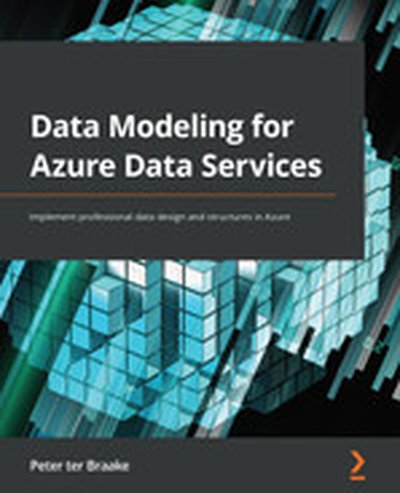
Data Modeling for Azure Data Services

Data Modeling for Azure Data Services is an essential guide that delves into the intricacies of designing, provisioning, and implementing robust data solutions within the Azure ecosystem. Through practical examples and hands-on exercises, this book equips you with the knowledge to create scalable, performant, and adaptable database designs tailored to your business needs. What this Book will help me do Understand and apply normalization, dimensional modeling, and data vault modeling for relational databases. Learn to provision and implement scalable solutions like Azure SQL DB and Azure Synapse SQL Pool. Master how to design and model a Data Lake using Azure Storage efficiently. Gain expertise in NoSQL database modeling and implementing solutions using Azure Cosmos DB. Develop ETL/ELT processes effectively using Azure Data Factory to support data integration workflows. Author(s) None Braake brings a wealth of expertise as a data architect and cloud solutions builder specializing in Azure's data services. With hands-on experience in projects requiring sophisticated data modeling and optimization, None crafts detailed learning material to help professionals level up their database design and Azure deployment skills. Dedicated to explaining complex topics with clarity and approachable language, None ensures that the learners gain not just knowledge but applied competence. Who is it for? This book is a valuable resource for business intelligence developers, data architects, and consultants aiming to refine their skills in data modeling within modern cloud ecosystems, particularly Microsoft Azure. Whether you're a beginner with some foundational cloud data management knowledge or an experienced professional seeking to deepen your Azure data services proficiency, this book caters to your learning needs.

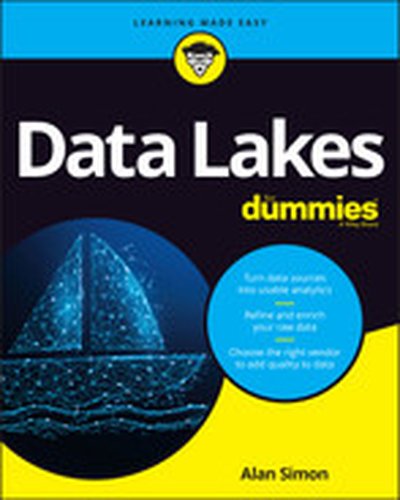
Data Lakes For Dummies

Take a dive into data lakes “Data lakes” is the latest buzz word in the world of data storage, management, and analysis. Data Lakes For Dummies decodes and demystifies the concept and helps you get a straightforward answer the question: “What exactly is a data lake and do I need one for my business?” Written for an audience of technology decision makers tasked with keeping up with the latest and greatest data options, this book provides the perfect introductory survey of these novel and growing features of the information landscape. It explains how they can help your business, what they can (and can’t) achieve, and what you need to do to create the lake that best suits your particular needs. With a minimum of jargon, prolific tech author and business intelligence consultant Alan Simon explains how data lakes differ from other data storage paradigms. Once you’ve got the background picture, he maps out ways you can add a data lake to your business systems; migrate existing information and switch on the fresh data supply; clean up the product; and open channels to the best intelligence software for to interpreting what you’ve stored. Understand and build data lake architecture Store, clean, and synchronize new and existing data Compare the best data lake vendors Structure raw data and produce usable analytics Whatever your business, data lakes are going to form ever more prominent parts of the information universe every business should have access to. Dive into this book to start exploring the deep competitive advantage they make possible—and make sure your business isn’t left standing on the shore.

Summary Working with unstructured data has typically been a motivation for a data lake. The challenge is imposing enough order on the platform to make it useful. Kirk Marple has spent years working with data systems and the media industry, which inspired him to build a platform for automatically organizing your unstructured assets to make them more valuable. In this episode he shares the goals of the Unstruk Data Warehouse, how it is architected to extract asset metadata and build a searchable knowledge graph from the information, and the myriad ways that the system can be used. If you are wondering how to deal with all of the information that doesn’t fit in your databases or data warehouses, then this episode is for you.

Announcements

Hello and welcome to the Data Engineering Podcast, the show about modern data management When you’re ready to build your next pipeline, or want to test out the projects you hear about on the show, you’ll need somewhere to deploy it, so check out our friends at Linode. With their managed Kubernetes platform it’s now even easier to deploy and scale your workflows, or try out the latest Helm charts from tools like Pulsar and Pachyderm. With simple pricing, fast networking, object storage, and worldwide data centers, you’ve got everything you need to run a bulletproof data platform. Go to dataengineeringpodcast.com/linode today and get a $100 credit to try out a Kubernetes cluster of your own. And don’t forget to thank them for their continued support of this show! Are you bored with writing scripts to move data into SaaS tools like Salesforce, Marketo, or Facebook Ads? Hightouch is the easiest way to sync data into the platforms that your business teams rely on. The data you’re looking for is already in your data warehouse and BI tools. Connect your warehouse to Hightouch, paste a SQL query, and use their visual mapper to specify how data should appear in your SaaS systems. No more scripts, just SQL. Supercharge your business teams with customer data using Hightouch for Reverse ETL today. Get started for free at dataengineeringpodcast.com/hightouch. Atlan is a collaborative workspace for data-driven teams, like Github for engineering or Figma for design teams. By acting as a virtual hub for data assets ranging from tables and dashboards to SQL snippets & code, Atlan enables teams to create a single source of truth for all their data assets, and collaborate across the modern data stack through deep integrations with tools like Snowflake, Slack, Looker and more. Go to dataengineeringpodcast.com/atlan today and sign up for a free trial. If you’re a data engineering podcast listener, you get credits worth $3000 on an annual subscription Your host is Tobias Macey and today I’m interviewing Kirk Marple about Unstruk Data, a company that is building a data warehouse for unstructured data that ofers automated data preparation via metadata enrichment, integrated compute, and graph-based search

Interview

Introduction How did you get involved in the area of data management? Can you describe what Unstruk Data is and the story behind it? What would you classify as "unstructured data"?

What are some examples of industries that rely on large or varied sets of unstructured data? What are the challenges for analytics that are posed by the different categories of unstructured data?

What is the current state of the industry for working with unstructured data?

What are the unique capabilities that Unstruk provides and how does it integrate with the rest of the ecosystem? Where does it sit in the overall landscape of data tools?

Can you describe how the Unstruk data warehouse is implemented?

What are the assumptions that you had at the start of this project that have been challenged as you started working through the technical implementation and customer trials? How has the design and architecture evolved or changed since you began working on it?

How do you handle versioning of data, give

Summary There is a lot of attention on the database market and cloud data warehouses. While they provide a measure of convenience, they also require you to sacrifice a certain amount of control over your data. If you want to build a warehouse that gives you both control and flexibility then you might consider building on top of the venerable PostgreSQL project. In this episode Thomas Richter and Joshua Drake share their advice on how to build a production ready data warehouse with Postgres.

Announcements

Hello and welcome to the Data Engineering Podcast, the show about modern data management When you’re ready to build your next pipeline, or want to test out the projects you hear about on the show, you’ll need somewhere to deploy it, so check out our friends at Linode. With their managed Kubernetes platform it’s now even easier to deploy and scale your workflows, or try out the latest Helm charts from tools like Pulsar and Pachyderm. With simple pricing, fast networking, object storage, and worldwide data centers, you’ve got everything you need to run a bulletproof data platform. Go to dataengineeringpodcast.com/linode today and get a $100 credit to try out a Kubernetes cluster of your own. And don’t forget to thank them for their continued support of this show! Firebolt is the fastest cloud data warehouse. Visit dataengineeringpodcast.com/firebolt to get started. The first 25 visitors will receive a Firebolt t-shirt. Atlan is a collaborative workspace for data-driven teams, like Github for engineering or Figma for design teams. By acting as a virtual hub for data assets ranging from tables and dashboards to SQL snippets & code, Atlan enables teams to create a single source of truth for all their data assets, and collaborate across the modern data stack through deep integrations with tools like Snowflake, Slack, Looker and more. Go to dataengineeringpodcast.com/atlan today and sign up for a free trial. If you’re a data engineering podcast listener, you get credits worth $3000 on an annual subscription Your host is Tobias Macey and today I’m interviewing Thomas Richter and Joshua Drake about using Postgres as your data warehouse

Interview

Introduction How did you get involved in the area of data management? Can you start by establishing a working definition of what constitutes a data warehouse for the purpose of this discussion?

What are the limitations for out-of-the-box Postgres when trying to use it for these workloads?

There are a large and growing number of options for data warehouse style workloads. How would you categorize the different systems and what is PostgreSQL’s position in that ecosystem?

What do you see as the motivating factors for a team or organization to select from among those categories?

Why would someone want to use Postgres as their data warehouse platform rather than using a purpose-built engine? What is the cost/performance equation for Postgres as compared to other data warehouse solutions? For someone who wants to turn Postgres into a data warehouse engine, what are their options?

What are the relative tradeoffs of the different open source and commercial offerings? (e.g. Citus, cstore_fdw, zedstore, Swarm64, Greenplum, etc.)

One of the biggest areas of growth right now is in the "cloud data warehouse" market where storage and compute are decoupled. What are the options for making that possible with Postgres? (e.g. using foreign data wrappers for interacting with data lake storage (S3, HDFS, Alluxio, etc.)) What areas of work are happening in the Postgres community for upcoming releases to make it more easily suited to data warehouse/analytical workloads? What are some of the most interesting, innovative, or unexpected ways that you have seen Postgres used in analytical contexts? What are the most interesting, unexpected, or challenging lessons that you have learned from your own experiences of building analytical systems with Postgres? When is Postgres the wrong choice fo

Send us a text Want to be featured as a guest on Making Data Simple? Reach out to us at [[email protected]] and tell us why you should be next.

Abstract Hosted by Al Martin, VP, IBM Expert Services Delivery, Making Data Simple provides the latest thinking on big data, A.I., and the implications for the enterprise from a range of experts.

This week on Making Data Simple, we have Jeff Richardson. Jeff has a history of database data, information management, and he is now the Chief Information Officer at Accelerated Enrollment Solutions. Jeff was also at Bentley Systems for 17 ½ years as Chief Data Officer.

Show Notes 5:41 – What does it mean to be a technology nerd? 6:53 – What technologies as a CDO or CIO are you addressing on a regular bases? 13:04 – How are you going to tackle the culture and the politics? 17:25 – Is it Cloud or Hybrid to drive the new data lake? 24:03 – What is your plan to get to desired state? 27:04 – Does AI have a role in your new position? 31:44 – Fighting the Infodemic what made you write this article?  Fighting the Infodemic Jeff’s podcast list Analytics on Fire Dissecting popular IT Nerds The Data Chief Data Crunch 

Connect with the Team Producer Kate Brown - LinkedIn. Producer Steve Templeton - LinkedIn. Host Al Martin - LinkedIn and Twitter.  Want to be featured as a guest on Making Data Simple? Reach out to us at [email protected] and tell us why you should be next. The Making Data Simple Podcast is hosted by Al Martin, WW VP Technical Sales, IBM, where we explore trending technologies, business innovation, and leadership ... while keeping it simple & fun.

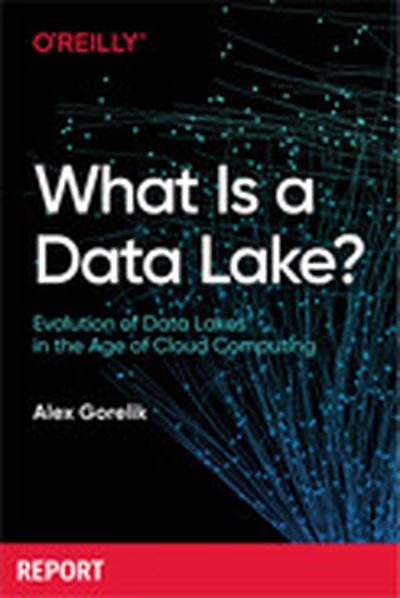
What Is a Data Lake?

A revolution is occurring in data management regarding how data is collected, stored, processed, governed, managed, and provided to decision makers. The data lake is a popular approach that harnesses the power of big data and marries it with the agility of self-service. With this report, IT executives and data architects will focus on the technical aspects of building a data lake for your organization. Alex Gorelik from Facebook explains the requirements for building a successful data lake that business users can easily access whenever they have a need. You'll learn the phases of data lake maturity, common mistakes that lead to data swamps, and the importance of aligning data with your company's business strategy and gaining executive sponsorship. You'll explore: The ingredients of modern data lakes, such as the use of different ingestion methods for different data formats, and the importance of the three Vs: volume, variety, and velocity Building blocks of successful data lakes, including data ingestion, integration, persistence, data governance, and business intelligence and self-service analytics State-of-the-art data lake architectures offered by Amazon Web Services, Microsoft Azure, and Google Cloud

Summary Data lakes are gaining popularity due to their flexibility and reduced cost of storage. Along with the benefits there are some additional complexities to consider, including how to safely integrate new data sources or test out changes to existing pipelines. In order to address these challenges the team at Treeverse created LakeFS to introduce version control capabilities to your storage layer. In this episode Einat Orr and Oz Katz explain how they implemented branching and merging capabilities for object storage, best practices for how to use versioning primitives to introduce changes to your data lake, how LakeFS is architected, and how you can start using it for your own data platform.

Announcements

Hello and welcome to the Data Engineering Podcast, the show about modern data management When you’re ready to build your next pipeline, or want to test out the projects you hear about on the show, you’ll need somewhere to deploy it, so check out our friends at Linode. With their managed Kubernetes platform it’s now even easier to deploy and scale your workflows, or try out the latest Helm charts from tools like Pulsar and Pachyderm. With simple pricing, fast networking, object storage, and worldwide data centers, you’ve got everything you need to run a bulletproof data platform. Go to dataengineeringpodcast.com/linode today and get a $60 credit to try out a Kubernetes cluster of your own. And don’t forget to thank them for their continued support of this show! Are you bogged down by having to manually manage data access controls, repeatedly move and copy data, and create audit reports to prove compliance? How much time could you save if those tasks were automated across your cloud platforms? Immuta is an automated data governance solution that enables safe and easy data analytics in the cloud. Our comprehensive data-level security, auditing and de-identification features eliminate the need for time-consuming manual processes and our focus on data and compliance team collaboration empowers you to deliver quick and valuable data analytics on the most sensitive data to unlock the full potential of your cloud data platforms. Learn how we streamline and accelerate manual processes to help you derive real results from your data at dataengineeringpodcast.com/immuta. Today’s episode of the Data Engineering Podcast is sponsored by Datadog, a SaaS-based monitoring and analytics platform for cloud-scale infrastructure, applications, logs, and more. Datadog uses machine-learning based algorithms to detect errors and anomalies across your entire stack—which reduces the time it takes to detect and address outages and helps promote collaboration between Data Engineering, Operations, and the rest of the company. Go to dataengineeringpodcast.com/datadog today to start your free 14 day trial. If you start a trial and install Datadog’s agent, Datadog will send you a free T-shirt. Your host is Tobias Macey and today I’m interviewing Einat Orr and Oz Katz about their work at Treeverse on the LakeFS system for versioning your data lakes the same way you version your code.

Interview

Introduction How did you get involved in the area of data management? Can you start by giving an overview of what LakeFS is and why you built it?

There are a number of tools and platforms that support data virtualization and data versioning. How does LakeFS compare to the available options? (e.g. Alluxio, Denodo, Pachyderm, DVC, etc.)

What are the primary use cases that LakeFS enables? For someone who wants to use LakeFS what is involved in getting it set up? How is LakeFS implemented?

How has the design of the system changed or evolved since you began working on it? What assumptions did you have going into it which have since been invalidated or modified?

How does the workflow for an engineer or analyst change from working directly against S3 to running against the LakeFS interface? How do you handle merge conflicts and resolution?

What

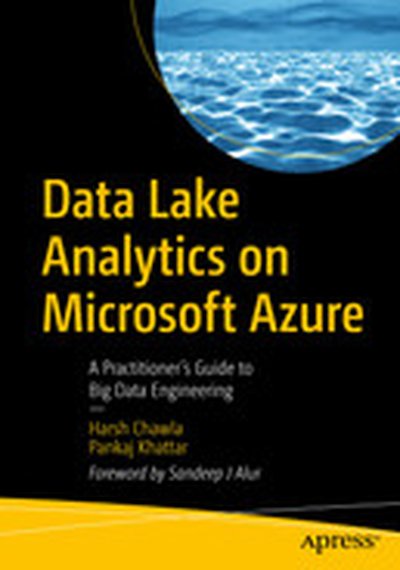
Data Lake Analytics on Microsoft Azure: A Practitioner's Guide to Big Data Engineering

Get a 360-degree view of how the journey of data analytics solutions has evolved from monolithic data stores and enterprise data warehouses to data lakes and modern data warehouses. You will This book includes comprehensive coverage of how: To architect data lake analytics solutions by choosing suitable technologies available on Microsoft Azure The advent of microservices applications covering ecommerce or modern solutions built on IoT and how real-time streaming data has completely disrupted this ecosystem These data analytics solutions have been transformed from solely understanding the trends from historical data to building predictions by infusing machine learning technologies into the solutions Data platform professionals who have been working on relational data stores, non-relational data stores, and big data technologies will find the content in this book useful. The book also can help you start your journey into the data engineer world as it provides an overview of advanced data analytics and touches on data science concepts and various artificial intelligence and machine learning technologies available on Microsoft Azure. What Will You Learn You will understand the: Concepts of data lake analytics, the modern data warehouse, and advanced data analytics Architecture patterns of the modern data warehouse and advanced data analytics solutions Phases—such as Data Ingestion, Store, Prep and Train, and Model and Serve—of data analytics solutions and technology choices available on Azure under each phase In-depth coverage of real-time and batch mode data analytics solutions architecture Various managed services available on Azure such as Synapse analytics, event hubs, Stream analytics, CosmosDB, and managed Hadoop services such as Databricks and HDInsight Who This Book Is For Data platform professionals, database architects, engineers, and solution architects

Summary Databases are limited in scope to the information that they directly contain. For analytical use cases you often want to combine data across multiple sources and storage locations. This frequently requires cumbersome and time-consuming data integration. To address this problem Martin Traverso and his colleagues at Facebook built the Presto distributed query engine. In this episode he explains how it is designed to allow for querying and combining data where it resides, the use cases that such an architecture unlocks, and the innovative ways that it is being employed at companies across the world. If you need to work with data in your cloud data lake, your on-premise database, or a collection of flat files, then give this episode a listen and then try out Presto today.

Announcements

Hello and welcome to the Data Engineering Podcast, the show about modern data management What are the pieces of advice that you wish you had received early in your career of data engineering? If you hand a book to a new data engineer, what wisdom would you add to it? I’m working with O’Reilly on a project to collect the 97 things that every data engineer should know, and I need your help. Go to dataengineeringpodcast.com/97things to add your voice and share your hard-earned expertise. When you’re ready to build your next pipeline, or want to test out the projects you hear about on the show, you’ll need somewhere to deploy it, so check out our friends at Linode. With their managed Kubernetes platform it’s now even easier to deploy and scale your workflows, or try out the latest Helm charts from tools like Pulsar and Pachyderm. With simple pricing, fast networking, object storage, and worldwide data centers, you’ve got everything you need to run a bulletproof data platform. Go to dataengineeringpodcast.com/linode today and get a $60 credit to try out a Kubernetes cluster of your own. And don’t forget to thank them for their continued support of this show! You listen to this show to learn and stay up to date with what’s happening in databases, streaming platforms, big data, and everything else you need to know about modern data platforms. For more opportunities to stay up to date, gain new skills, and learn from your peers there are a growing number of virtual events that you can attend from the comfort and safety of your home. Go to dataengineeringpodcast.com/conferences to check out the upcoming events being offered by our partners and get registered today! Your host is Tobias Macey and today I’m interviewing Martin Traverso about PrestoSQL, a distributed SQL engine that queries data in place

Interview

Introduction How did you get involved in the area of data management? Can you start by giving an overview of what Presto is and its origin story?

What was the motivation for releasing Presto as open source?

For someone who is responsible for architecting their organization’s data platform, what are some of the signals that Presto will be a good fit for them?

What are the primary ways that Presto is being used?

I interviewed your colleague at Starburst, Kamil 2 years ago. How has Presto changed or evolved in that time, both technically and in terms of community and ecosystem growth? What are some of the deployment and scaling considerations that operators of Presto should be aware of? What are the best practices that have been established for working with data through Presto in terms of centralizing in a data lake vs. federating across disparate storage locations? What are the tradeoffs of using Presto on top of a data lake vs a vertically integrated warehouse solution? When designing the layout of a data lake that will be interacted with via Presto, what are some of the data modeling considerations that can improve the odds of success? What are some of the most interesting, unexpected, or innovative ways that you have seen Presto used? What are the most interesting, unexpected, or challenging lessons that you have

Summary Data warehouse technology has been around for decades and has gone through several generational shifts in that time. The current trends in data warehousing are oriented around cloud native architectures that take advantage of dynamic scaling and the separation of compute and storage. Firebolt is taking that a step further with a core focus on speed and interactivity. In this episode CEO and founder Eldad Farkash explains how the Firebolt platform is architected for high throughput, their simple and transparent pricing model to encourage widespread use, and the use cases that it unlocks through interactive query speeds.

Announcements

Hello and welcome to the Data Engineering Podcast, the show about modern data management What are the pieces of advice that you wish you had received early in your career of data engineering? If you hand a book to a new data engineer, what wisdom would you add to it? I’m working with O’Reilly on a project to collect the 97 things that every data engineer should know, and I need your help. Go to dataengineeringpodcast.com/97things to add your voice and share your hard-earned expertise. When you’re ready to build your next pipeline, or want to test out the projects you hear about on the show, you’ll need somewhere to deploy it, so check out our friends at Linode. With their managed Kubernetes platform it’s now even easier to deploy and scale your workflows, or try out the latest Helm charts from tools like Pulsar and Pachyderm. With simple pricing, fast networking, object storage, and worldwide data centers, you’ve got everything you need to run a bulletproof data platform. Go to dataengineeringpodcast.com/linode today and get a $60 credit to try out a Kubernetes cluster of your own. And don’t forget to thank them for their continued support of this show! Today’s episode of the Data Engineering Podcast is sponsored by Datadog, a SaaS-based monitoring and analytics platform for cloud-scale infrastructure, applications, logs, and more. Datadog uses machine-learning based algorithms to detect errors and anomalies across your entire stack—which reduces the time it takes to detect and address outages and helps promote collaboration between Data Engineering, Operations, and the rest of the company. Go to dataengineeringpodcast.com/datadog today to start your free 14 day trial. If you start a trial and install Datadog’s agent, Datadog will send you a free T-shirt. You listen to this show to learn and stay up to date with what’s happening in databases, streaming platforms, big data, and everything else you need to know about modern data platforms. For more opportunities to stay up to date, gain new skills, and learn from your peers there are a growing number of virtual events that you can attend from the comfort and safety of your home. Go to dataengineeringpodcast.com/conferences to check out the upcoming events being offered by our partners and get registered today! Your host is Tobias Macey and today I’m interviewing Eldad Farkash about Firebolt, a cloud data warehouse optimized for speed and elasticity on structured and semi-structured data

Interview

Introduction How did you get involved in the area of data management? Can you start by describing what Firebolt is and your motivation for building it? How does Firebolt compare to other data warehouse technologies what unique features does it provide? The lines between a data warehouse and a data lake have been blurring in recent years. Where on that continuum does Firebolt lie? What are the unique use cases that Firebolt allows for? How do the performance characteristics of Firebolt change the ways that an engineer should think about data modeling? What technologies might someone replace with Firebolt? How is Firebolt architected and how has the design evolved since you first began working on it? What are some of the most challenging aspects of building a data warehouse platform that is optimized for speed? How do you ha