talk-data.com talk-data.com

Topic

Databricks

big_data analytics spark

32

tagged

Activity Trend

515 peak/qtr
2020-Q1 2026-Q1

Activities

32 activities · Newest first

The Data Engineer's Guide to Microsoft Fabric

Modern data engineering is evolving; and with Microsoft Fabric, the entire data platform experience is being redefined. This essential book offers a fresh, hands-on approach to navigating this shift. Rather than being an introduction to features, this guide explains how Fabric's key components—Lakehouse, Warehouse, and Real-Time Intelligence—work under the hood and how to put them to use in realistic workflows. Written by Christian Henrik Reich, a data engineering expert with experience that extends from Databricks to Fabric, this book is a blend of foundational theory and practical implementation of lakehouse solutions in Fabric. You'll explore how engines like Apache Spark and Fabric Warehouse collaborate with Fabric's Real-Time Intelligence solution in an integrated platform, and how to build ETL/ELT pipelines that deliver on speed, accuracy, and scale. Ideal for both new and practicing data engineers, this is your entry point into the fabric of the modern data platform. Acquire a working knowledge of lakehouses, warehouses, and streaming in Fabric Build resilient data pipelines across real-time and batch workloads Apply Python, Spark SQL, T-SQL, and KQL within a unified platform Gain insight into architectural decisions that scale with data needs Learn actionable best practices for engineering clean, efficient, governed solutions

Generative AI on Microsoft Azure

Companies are now moving generative AI projects from the lab to production environments. To support these increasingly sophisticated applications, they're turning to advanced practices such as multiagent architectures and complex code-based frameworks. This practical handbook shows you how to leverage cutting-edge techniques using Microsoft's powerful ecosystem of tools to deploy trustworthy AI systems tailored to your organization's needs. Written for and by AI professionals, Generative AI on Microsoft Azure goes beyond the technical core aspects, examining underlying principles, tools, and practices in depth, from the art of prompt engineering to strategies for fine-tuning models to advanced techniques like retrieval-augmented generation (RAG) and agentic AI. Through real-world case studies and insights from top experts, you'll learn how to harness AI's full potential on Azure, paving the way for groundbreaking solutions and sustainable success in today's AI-driven landscape. Understand the technical foundations of generative AI and how the technology has evolved over the last few years Implement advanced GenAI applications using Microsoft services like Azure AI Foundry, Copilot, GitHub Models, Azure Databricks, and Snowflake on Azure Leverage patterns, tools, frameworks, and platforms to customize AI projects Manage, govern, and secure your AI-enabled systems with responsible AI practices Build upon expert guidance to avoid common pitfalls, future-proof your applications, and more

Data Engineering with Azure Databricks

Master end-to-end data engineering on Azure Databricks. From data ingestion and Delta Lake to CI/CD and real-time streaming, build secure, scalable, and performant data solutions with Spark, Unity Catalog, and ML tools. Key Features Build scalable data pipelines using Apache Spark and Delta Lake Automate workflows and manage data governance with Unity Catalog Learn real-time processing and structured streaming with practical use cases Implement CI/CD, DevOps, and security for production-ready data solutions Explore Databricks-native ML, AutoML, and Generative AI integration Book Description "Data Engineering with Azure Databricks" is your essential guide to building scalable, secure, and high-performing data pipelines using the powerful Databricks platform on Azure. Designed for data engineers, architects, and developers, this book demystifies the complexities of Spark-based workloads, Delta Lake, Unity Catalog, and real-time data processing. Beginning with the foundational role of Azure Databricks in modern data engineering, you’ll explore how to set up robust environments, manage data ingestion with Auto Loader, optimize Spark performance, and orchestrate complex workflows using tools like Azure Data Factory and Airflow. The book offers deep dives into structured streaming, Delta Live Tables, and Delta Lake’s ACID features for data reliability and schema evolution. You’ll also learn how to manage security, compliance, and access controls using Unity Catalog, and gain insights into managing CI/CD pipelines with Azure DevOps and Terraform. With a special focus on machine learning and generative AI, the final chapters guide you in automating model workflows, leveraging MLflow, and fine-tuning large language models on Databricks. Whether you're building a modern data lakehouse or operationalizing analytics at scale, this book provides the tools and insights you need. What you will learn Set up a full-featured Azure Databricks environment Implement batch and streaming ingestion using Auto Loader Optimize Spark jobs with partitioning and caching Build real-time pipelines with structured streaming and DLT Manage data governance using Unity Catalog Orchestrate production workflows with jobs and ADF Apply CI/CD best practices with Azure DevOps and Git Secure data with RBAC, encryption, and compliance standards Use MLflow and Feature Store for ML pipelines Build generative AI applications in Databricks Who this book is for This book is for data engineers, solution architects, cloud professionals, and software engineers seeking to build robust and scalable data pipelines using Azure Databricks. Whether you're migrating legacy systems, implementing a modern lakehouse architecture, or optimizing data workflows for performance, this guide will help you leverage the full power of Databricks on Azure. A basic understanding of Python, Spark, and cloud infrastructure is recommended.

ML and Generative AI in the Data Lakehouse

In today's race to harness generative AI, many teams struggle to integrate these advanced tools into their business systems. While platforms like GPT-4 and Google's Gemini are powerful, they aren't always tailored to specific business needs. This book offers a practical guide to building scalable, customized AI solutions using the full potential of data lakehouse architecture. Author Bennie Haelen covers everything from deploying ML and GenAI models in Databricks to optimizing performance with best practices. In this must-read for data professionals, you'll gain the tools to unlock the power of large language models (LLMs) by seamlessly combining data engineering and data science to create impactful solutions. Learn to build, deploy, and monitor ML and GenAI models on a data lakehouse architecture using Databricks Leverage LLMs to extract deeper, actionable insights from your business data residing in lakehouses Discover how to integrate traditional ML and GenAI models for customized, scalable solutions Utilize open source models to control costs while maintaining model performance and efficiency Implement best practices for optimizing ML and GenAI models within the Databricks platform

Jumpstart Snowflake: A Step-by-Step Guide to Modern Cloud Analytics

This book is your guide to the modern market of data analytics platforms and the benefits of using Snowflake, the data warehouse built for the cloud. As organizations increasingly rely on modern cloud data platforms, the core of any analytics framework—the data warehouse—is more important than ever. This updated 2nd edition ensures you are ready to make the most of the industry’s leading data warehouse. This book will onboard you to Snowflake and present best practices for deploying and using the Snowflake data warehouse. The book also covers modern analytics architecture, integration with leading analytics software such as Matillion ETL, Tableau, and Databricks, and migration scenarios for on-premises legacy data warehouses. This new edition includes expanded coverage of SnowPark for developing complex data applications, an introduction to managing large datasets with Apache Iceberg tables, and instructions for creating interactive data applications using Streamlit, ensuring readers are equipped with the latest advancements in Snowflake's capabilities. What You Will Learn Master key functionalities of Snowflake Set up security and access with cluster Bulk load data into Snowflake using the COPY command Migrate from a legacy data warehouse to Snowflake Integrate the Snowflake data platform with modern business intelligence (BI) and data integration tools Manage large datasets with Apache Iceberg Tables Implement continuous data loading with Snowpipe and Dynamic Tables Who This Book Is For Data professionals, business analysts, IT administrators, and existing or potential Snowflake users

Time Series Analysis with Spark

Time Series Analysis with Spark provides a practical introduction to leveraging Apache Spark and Databricks for time series analysis. You'll learn to prepare, model, and deploy robust and scalable time series solutions for real-world applications. From data preparation to advanced generative AI techniques, this guide prepares you to excel in big data analytics. What this Book will help me do Understand the core concepts and architectures of Apache Spark for time series analysis. Learn to clean, organize, and prepare time series data for big data environments. Gain expertise in choosing, building, and training various time series models tailored to specific projects. Master techniques to scale your models in production using Spark and Databricks. Explore the integration of advanced technologies such as generative AI to enhance predictions and derive insights. Author(s) Yoni Ramaswami, a Senior Solutions Architect at Databricks, has extensive experience in data engineering and AI solutions. With a focus on creating innovative big data and AI strategies across industries, Yoni authored this book to empower professionals to efficiently handle time series data. Yoni's approachable style ensures that both foundational concepts and advanced techniques are accessible to readers. Who is it for? This book is ideal for data engineers, machine learning engineers, data scientists, and analysts interested in enhancing their expertise in time series analysis using Apache Spark and Databricks. Whether you're new to time series or looking to refine your skills, you'll find both foundational insights and advanced practices explained clearly. A basic understanding of Spark is helpful but not required.

Learn SQL in a Month of Lunches

Use SQL to get the data you need in no time at all! Learn to read and write basic queries, troubleshoot common problems, and control your own business data in just 24 short lessons–no programming experience required! SQL has been designed to be as close to English as possible—anyone can learn it! Learn SQL in a Month of Lunches helps you add this lucrative and highly sought-after skill to your resume in just 24 fun and friendly lessons. The book emphasizes practical uses for the language in the real-world, so you’ll just learn the most useful skills for business data analysis. Inside Learn SQL in a Month of Lunches you’ll discover how to: Set up your first database with MySQL Write your own SQL queries See only the data you need from large datasets Connect different sets of data Analyze data with functions and aggregations Master basic data manipulation techniques Save queries in stored procedures and views Create tables to store data efficiently Read and improve SQL written by others If you use Excel, Tableau, or PowerBI to crunch business data, you’ve probably seen a lot of SQL already. And guess what? It’s easy to master the most useful parts of SQL! In just a few quick lessons, Learn SQL in a Month of Lunches will get you writing your own queries, modifying existing SQL statements, and working with data like a pro. 25-year SQL veteran Jeff Iannucci makes SQL a snap through hands-on lab exercises, relevant code examples, and easy-to-understand language. About the Technology SQL, Structured Query Language, is the standard way to query, create, and manage relational databases like SQL Server, PostgreSQL, and Oracle. It’s also a superpower for data analysts who need to go beyond spreadsheets and BI dashboarding tools. SQL is easy to read and understand, and with this book (and a little practice) you’ll be pulling data, tweaking tables, and cranking out amazing reports and presentations in no time at all! About the Book Learn SQL in a Month of Lunches introduces SQL to data analysts and other aspiring data pros with no prior experience using relational databases. In it, you’ll complete 24 short lessons, each of which teaches an essential SQL skill for retrieving, filtering, and analyzing data. You’ll practice each new technique with a friendly hands-on lab designed to take about 15 minutes, as you learn to write queries that deliver the exact data you need. Along the way, you’ll build a valuable intuition for how databases operate in real business scenarios. What's Inside Get the data you need from any relational database Filter, sort, and group data Combine data from multiple tables Create, update, and delete data About the Reader For students, aspiring data analysts, software developers, and anyone else who wants to work with relational databases. About the Author Jeff Iannucci is a Senior Consultant with Straight Path Solutions. For over 20 years, he has worked extensively with SQL in sectors such as healthcare, finance, retail sales, and government. Quotes An essential guide. Jeff has carefully developed each chapter to ensure clarity and comprehensiveness, making complex concepts accessible and practical. - Buck Woody, Microsoft The fastest and the most effective way to learn SQL, regardless of your background or technical knowledge level. - Kevin Kline, author of SQL in a Nutshell Explains concepts straightforwardly to help the reader grow their skills over a month of sessions. - Steve Jones, SQL Server Central Great selection of bite-sized, digestible courses to complement your lunch arrangement. It leaves you smarter every day. - Simon Tschöke, Databricks

Databricks Certified Data Engineer Associate Study Guide

Data engineers proficient in Databricks are currently in high demand. As organizations gather more data than ever before, skilled data engineers on platforms like Databricks become critical to business success. The Databricks Data Engineer Associate certification is proof that you have a complete understanding of the Databricks platform and its capabilities, as well as the essential skills to effectively execute various data engineering tasks on the platform. In this comprehensive study guide, you will build a strong foundation in all topics covered on the certification exam, including the Databricks Lakehouse and its tools and benefits. You'll also learn to develop ETL pipelines in both batch and streaming modes. Moreover, you'll discover how to orchestrate data workflows and design dashboards while maintaining data governance. Finally, you'll dive into the finer points of exactly what's on the exam and learn to prepare for it with mock tests. Author Derar Alhussein teaches you not only the fundamental concepts but also provides hands-on exercises to reinforce your understanding. From setting up your Databricks workspace to deploying production pipelines, each chapter is carefully crafted to equip you with the skills needed to master the Databricks Platform. By the end of this book, you'll know everything you need to ace the Databricks Data Engineer Associate certification exam with flying colors, and start your career as a certified data engineer from Databricks! You'll learn how to: Use the Databricks Platform and Delta Lake effectively Perform advanced ETL tasks using Apache Spark SQL Design multi-hop architecture to process data incrementally Build production pipelines using Delta Live Tables and Databricks Jobs Implement data governance using Databricks SQL and Unity Catalog Derar Alhussein is a senior data engineer with a master's degree in data mining. He has over a decade of hands-on experience in software and data projects, including large-scale projects on Databricks. He currently holds eight certifications from Databricks, showcasing his proficiency in the field. Derar is also an experienced instructor, with a proven track record of success in training thousands of data engineers, helping them to develop their skills and obtain professional certifications.

Learning LangChain

If you're looking to build production-ready AI applications that can reason and retrieve external data for context-awareness, you'll need to master--;a popular development framework and platform for building, running, and managing agentic applications. LangChain is used by several leading companies, including Zapier, Replit, Databricks, and many more. This guide is an indispensable resource for developers who understand Python or JavaScript but are beginners eager to harness the power of AI. Authors Mayo Oshin and Nuno Campos demystify the use of LangChain through practical insights and in-depth tutorials. Starting with basic concepts, this book shows you step-by-step how to build a production-ready AI agent that uses your data. Harness the power of retrieval-augmented generation (RAG) to enhance the accuracy of LLMs using external up-to-date data Develop and deploy AI applications that interact intelligently and contextually with users Make use of the powerful agent architecture with LangGraph Integrate and manage third-party APIs and tools to extend the functionality of your AI applications Monitor, test, and evaluate your AI applications to improve performance Understand the foundations of LLM app development and how they can be used with LangChain

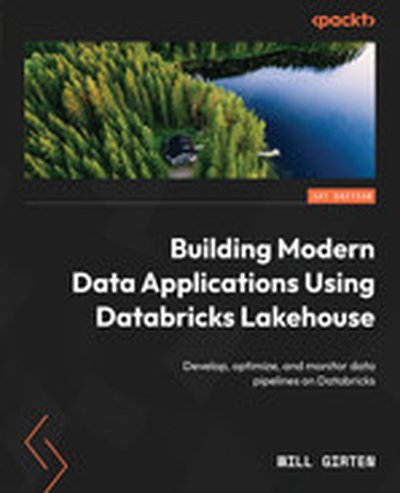
Building Modern Data Applications Using Databricks Lakehouse

This book, "Building Modern Data Applications Using Databricks Lakehouse," provides a comprehensive guide for data professionals to master the Databricks platform. You'll learn to effectively build, deploy, and monitor robust data pipelines with Databricks' Delta Live Tables, empowering you to manage and optimize cloud-based data operations effortlessly. What this Book will help me do Understand the foundations and concepts of Delta Live Tables and its role in data pipeline development. Learn workflows to process and transform real-time and batch data efficiently using the Databricks lakehouse architecture. Master the implementation of Unity Catalog for governance and secure data access in modern data applications. Deploy and automate data pipeline changes using CI/CD, leveraging tools like Terraform and Databricks Asset Bundles. Gain advanced insights in monitoring data quality and performance, optimizing cloud costs, and managing DataOps tasks effectively. Author(s) Will Girten, the author, is a seasoned Solutions Architect at Databricks with over a decade of experience in data and AI systems. With a deep expertise in modern data architectures, Will is adept at simplifying complex topics and translating them into actionable knowledge. His books emphasize real-time application and offer clear, hands-on examples, making learning engaging and impactful. Who is it for? This book is geared towards data engineers, analysts, and DataOps professionals seeking efficient strategies to implement and maintain robust data pipelines. If you have a basic understanding of Python and Apache Spark and wish to delve deeper into the Databricks platform for streamlining workflows, this book is tailored for you.

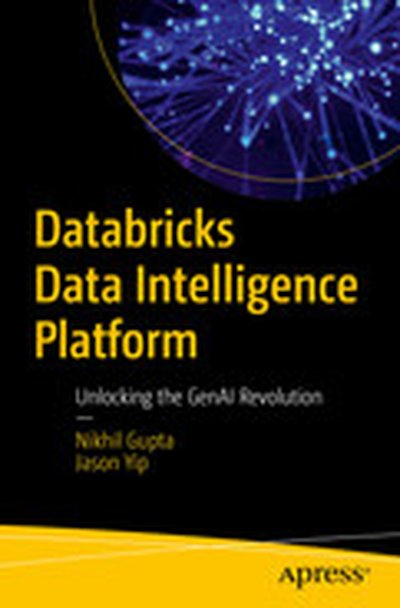
Databricks Data Intelligence Platform: Unlocking the GenAI Revolution

This book is your comprehensive guide to building robust Generative AI solutions using the Databricks Data Intelligence Platform. Databricks is the fastest-growing data platform offering unified analytics and AI capabilities within a single governance framework, enabling organizations to streamline their data processing workflows, from ingestion to visualization. Additionally, Databricks provides features to train a high-quality large language model (LLM), whether you are looking for Retrieval-Augmented Generation (RAG) or fine-tuning. Databricks offers a scalable and efficient solution for processing large volumes of both structured and unstructured data, facilitating advanced analytics, machine learning, and real-time processing. In today's GenAI world, Databricks plays a crucial role in empowering organizations to extract value from their data effectively, driving innovation and gaining a competitive edge in the digital age. This book will not only help you master the Data Intelligence Platform but also help power your enterprise to the next level with a bespoke LLM unique to your organization. Beginning with foundational principles, the book starts with a platform overview and explores features and best practices for ingestion, transformation, and storage with Delta Lake. Advanced topics include leveraging Databricks SQL for querying and visualizing large datasets, ensuring data governance and security with Unity Catalog, and deploying machine learning and LLMs using Databricks MLflow for GenAI. Through practical examples, insights, and best practices, this book equips solution architects and data engineers with the knowledge to design and implement scalable data solutions, making it an indispensable resource for modern enterprises. Whether you are new to Databricks and trying to learn a new platform, a seasoned practitioner building data pipelines, data science models, or GenAI applications, or even an executive who wants to communicate the value of Databricks to customers, this book is for you. With its extensive feature and best practice deep dives, it also serves as an excellent reference guide if you are preparing for Databricks certification exams. What You Will Learn Foundational principles of Lakehouse architecture Key features including Unity Catalog, Databricks SQL (DBSQL), and Delta Live Tables Databricks Intelligence Platform and key functionalities Building and deploying GenAI Applications from data ingestion to model serving Databricks pricing, platform security, DBRX, and many more topics Who This Book Is For Solution architects, data engineers, data scientists, Databricks practitioners, and anyone who wants to deploy their Gen AI solutions with the Data Intelligence Platform. This is also a handbook for senior execs who need to communicate the value of Databricks to customers. People who are new to the Databricks Platform and want comprehensive insights will find the book accessible.

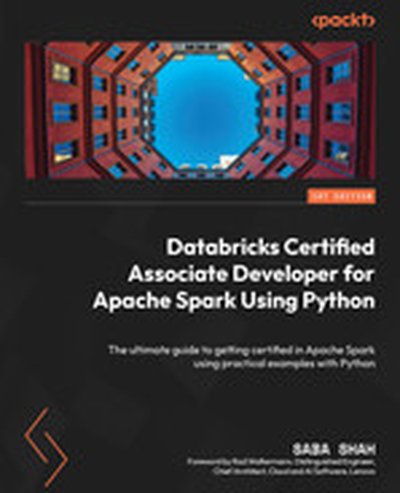
Databricks Certified Associate Developer for Apache Spark Using Python

This book serves as the ultimate preparation for aspiring Databricks Certified Associate Developers specializing in Apache Spark. Deep dive into Spark's components, its applications, and exam techniques to achieve certification and expand your practical skills in big data processing and real-time analytics using Python. What this Book will help me do Deeply understand Apache Spark's core architecture for building big data applications. Write optimized SQL queries and leverage Spark DataFrame API for efficient data manipulation. Apply advanced Spark functions, including UDFs, to solve complex data engineering tasks. Use Spark Streaming capabilities to implement real-time and near-real-time processing solutions. Get hands-on preparation for the certification exam with mock tests and practice questions. Author(s) Saba Shah is a seasoned data engineer with extensive experience working at Databricks and leading data science teams. With her in-depth knowledge of big data applications and Spark, she delivers clear, actionable insights in this book. Her approach emphasizes practical learning and real-world applications. Who is it for? This book is ideal for data professionals such as engineers and analysts aiming to achieve Databricks certification. It is particularly helpful for individuals with moderate Python proficiency who are keen to understand Spark from scratch. If you're transitioning into big data roles, this guide prepares you comprehensively.

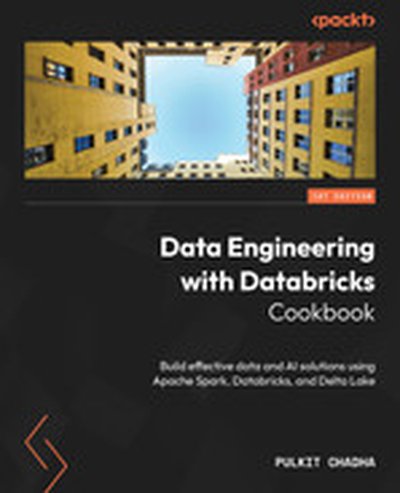
Data Engineering with Databricks Cookbook

In "Data Engineering with Databricks Cookbook," you'll learn how to efficiently build and manage data pipelines using Apache Spark, Delta Lake, and Databricks. This recipe-based guide offers techniques to transform, optimize, and orchestrate your data workflows. What this Book will help me do Master Apache Spark for data ingestion, transformation, and analysis. Learn to optimize data processing and improve query performance with Delta Lake. Manage streaming data processing with Spark Structured Streaming capabilities. Implement DataOps and DevOps workflows tailored for Databricks. Enforce data governance policies using Unity Catalog for scalable solutions. Author(s) Pulkit Chadha, the author of this book, is a Senior Solutions Architect at Databricks. With extensive experience in data engineering and big data applications, he brings practical insights into implementing modern data solutions. His educational writings focus on empowering data professionals with actionable knowledge. Who is it for? This book is ideal for data engineers, data scientists, and analysts who want to deepen their knowledge in managing and transforming large datasets. Readers should have an intermediate understanding of SQL, Python programming, and basic data architecture concepts. It is especially well-suited for professionals working with Databricks or similar cloud-based data platforms.

Azure Data Engineer Associate Certification Guide - Second Edition

This book is your gateway to mastering the skills required for achieving the Azure Data Engineer Associate certification (DP-203). Whether you're new to the field or a seasoned professional, it comprehensively prepares you for the challenges of the exam. Learn to design and implement advanced data solutions, secure sensitive information, and optimize data processes effectively. What this Book will help me do Understand and utilize Azure's data services such as Azure Synapse and Azure Databricks for data processing. Master advanced data storage and management solutions, including designing partitions and lake architectures. Learn to secure data with state-of-the-art tools like RBAC, encryption, and Azure Purview. Develop and manage data pipelines and workflows using tools like Azure Data Factory (ADF) and Spark. Prepare for and confidently pass the DP-203 certification exam with the included practical resources and guidance. Author(s) The authors, None Palmieri, Surendra Mettapalli, and None Alex, bring a wealth of expertise in cloud and data engineering. With extensive industry experience, they've designed this guide to be both educational and practical, enabling learners to not only understand but also apply concepts in real-world scenarios. Their goal is to make complex topics approachable, supporting your journey to certification success. Who is it for? This guide is perfect for aspiring and current data engineers aiming to achieve the Azure Data Engineer Associate certification (DP-203). It's particularly useful for professionals familiar with cloud services and basic data engineering concepts who want to delve deeper into Azure's offerings. Additionally, managers and learners preparing for roles involving Azure cloud data solutions will find the content invaluable for career advancement.

Databricks ML in Action

Dive into the Databricks Data Intelligence Platform and learn how to harness its full potential for creating, deploying, and maintaining machine learning solutions. This book covers everything from setting up your workspace to integrating state-of-the-art tools such as AutoML and VectorSearch, imparting practical skills through detailed examples and code. What this Book will help me do Set up and manage a Databricks workspace tailored for effective data science workflows. Implement monitoring to ensure data quality and detect drift efficiently. Build, fine-tune, and deploy machine learning models seamlessly using Databricks tools. Operationalize AI projects including feature engineering, data pipelines, and workflows on the Databricks Lakehouse architecture. Leverage integrations with popular tools like OpenAI's ChatGPT to expand your AI project capabilities. Author(s) This book is authored by Stephanie Rivera, Anastasia Prokaieva, Amanda Baker, and Hayley Horn, seasoned experts in data science and machine learning from Databricks. Their collective years of expertise in big data and AI technologies ensure a rich and insightful perspective. Through their work, they strive to make complex concepts accessible and actionable. Who is it for? This book serves as an ideal guide for machine learning engineers, data scientists, and technically inclined managers. It's well-suited for those transitioning to the Databricks environment or seeking to deepen their Databricks-based machine learning implementation skills. Whether you're an ambitious beginner or an experienced professional, this book provides clear pathways to success.

Azure Data Factory Cookbook - Second Edition

This comprehensive guide to Azure Data Factory shows you how to create robust data pipelines and workflows to handle both cloud and on-premises data solutions. Through practical recipes, you will learn to build, manage, and optimize ETL, hybrid ETL, and ELT processes. The book offers detailed explanations to help you integrate technologies like Azure Synapse, Data Lake, and Databricks into your projects. What this Book will help me do Master building and managing data pipelines using Azure Data Factory's latest versions and features. Leverage Azure Synapse and Azure Data Lake for streamlined data integration and analytics workflows. Enhance your ETL/ELT solutions with Microsoft Fabric, Databricks, and Delta tables. Employ debugging tools and workflows in Azure Data Factory to identify and solve data processing issues efficiently. Implement industry-grade best practices for reliable and efficient data orchestration and integration pipelines. Author(s) Dmitry Foshin, Tonya Chernyshova, Dmitry Anoshin, and Xenia Ireton collectively bring years of expertise in data engineering and cloud-based solutions. They are recognized professionals in the Azure ecosystem, dedicated to sharing their knowledge through detailed and actionable content. Their collaborative approach ensures that this book provides practical insights for technical audiences. Who is it for? This book is ideal for data engineers, ETL developers, and professional architects who work with cloud and hybrid environments. If you're looking to upskill in Azure Data Factory or expand your knowledge into related technologies like Synapse Analytics or Databricks, this is for you. Readers should have a foundational understanding of data warehousing concepts to fully benefit from the material.

Architecting Data and Machine Learning Platforms

All cloud architects need to know how to build data platforms that enable businesses to make data-driven decisions and deliver enterprise-wide intelligence in a fast and efficient way. This handbook shows you how to design, build, and modernize cloud native data and machine learning platforms using AWS, Azure, Google Cloud, and multicloud tools like Snowflake and Databricks. Authors Marco Tranquillin, Valliappa Lakshmanan, and Firat Tekiner cover the entire data lifecycle from ingestion to activation in a cloud environment using real-world enterprise architectures. You'll learn how to transform, secure, and modernize familiar solutions like data warehouses and data lakes, and you'll be able to leverage recent AI/ML patterns to get accurate and quicker insights to drive competitive advantage. You'll learn how to: Design a modern and secure cloud native or hybrid data analytics and machine learning platform Accelerate data-led innovation by consolidating enterprise data in a governed, scalable, and resilient data platform Democratize access to enterprise data and govern how business teams extract insights and build AI/ML capabilities Enable your business to make decisions in real time using streaming pipelines Build an MLOps platform to move to a predictive and prescriptive analytics approach

Azure Data Engineering Cookbook - Second Edition

Azure Data Engineering Cookbook is your ultimate guide to mastering data engineering on Microsoft's Azure platform. Through an engaging collection of recipes, this book breaks down procedures to build sophisticated data pipelines, leveraging tools like Azure Data Factory, Data Lake, Databricks, and Synapse Analytics. What this Book will help me do Efficiently process large datasets using Azure Synapse analytics and Azure Databricks pipelines. Transform and shape data within systems by leveraging Azure Synapse data flows. Implement and manage relational databases in Azure with performance tuning and administration. Configure data pipeline solutions integrated with Power BI for insightful reporting. Monitor, optimize, and ensure lineage tracking for your data systems efficiently with Purview and Log analytics. Author(s) Nagaraj Venkatesan is an experienced cloud architect specializing in Microsoft Azure, with years of hands-on data engineering expertise. Ahmad Osama is a seasoned data professional and author's shared emphasis is on practical learning and bridging this with actionable skills effectively. Who is it for? This book is essential for data engineers seeking expertise in Azure's rich engineering capabilities. It's tailored for professionals with a foundational knowledge of cloud services, looking to achieve advanced proficiency in Azure data engineering pipelines.

Business Intelligence with Databricks SQL

Discover the power of business intelligence through Databricks SQL. This comprehensive guide explores the features and tools of the Databricks Lakehouse Platform, emphasizing how it leverages data lakes and warehouses for scalable analytics. You'll gain hands-on experience with Databricks SQL, enabling you to manage data efficiently and implement cutting-edge analytical solutions. What this Book will help me do Comprehend the core features of Databricks SQL and its role in the Lakehouse architecture. Master the use of Databricks SQL for conducting scalable and efficient data queries. Implement data management techniques, including security and cataloging, with Databricks. Optimize data performance using Delta Lake and Photon technologies with Databricks SQL. Compose advanced SQL scripts for robust data ingestion and analytics workflows. Author(s) Vihag Gupta, acclaimed data engineer and BI expert, brings a wealth of experience in large-scale data analytics to this work. With a career deeply rooted in cutting-edge data warehousing technologies, Vihag combines expertise with an approachable teaching style. This book reflects his commitment to empowering data professionals with tools for next-gen analytics. Who is it for? Ideal for data engineers, business intelligence analysts, and warehouse administrators aiming to enhance their practice with Databricks SQL. This book suits those with fundamental knowledge of SQL and data platforms seeking to adopt Lakehouse methodologies. Whether a novice to Databricks or looking to master advanced features, this guide will support professional growth.

The Azure Data Lakehouse Toolkit: Building and Scaling Data Lakehouses on Azure with Delta Lake, Apache Spark, Databricks, Synapse Analytics, and Snowflake

Design and implement a modern data lakehouse on the Azure Data Platform using Delta Lake, Apache Spark, Azure Databricks, Azure Synapse Analytics, and Snowflake. This book teaches you the intricate details of the Data Lakehouse Paradigm and how to efficiently design a cloud-based data lakehouse using highly performant and cutting-edge Apache Spark capabilities using Azure Databricks, Azure Synapse Analytics, and Snowflake. You will learn to write efficient PySpark code for batch and streaming ELT jobs on Azure. And you will follow along with practical, scenario-based examples showing how to apply the capabilities of Delta Lake and Apache Spark to optimize performance, and secure, share, and manage a high volume, high velocity, and high variety of data in your lakehouse with ease. The patterns of success that you acquire from reading this book will help you hone your skills to build high-performing and scalable ACID-compliant lakehouses using flexible and cost-efficient decoupled storage and compute capabilities. Extensive coverage of Delta Lake ensures that you are aware of and can benefit from all that this new, open source storage layer can offer. In addition to the deep examples on Databricks in the book, there is coverage of alternative platforms such as Synapse Analytics and Snowflake so that you can make the right platform choice for your needs. After reading this book, you will be able to implement Delta Lake capabilities, including Schema Evolution, Change Feed, Live Tables, Sharing, and Clones to enable better business intelligence and advanced analytics on your data within the Azure Data Platform. What You Will Learn Implement the Data Lakehouse Paradigm on Microsoft’s Azure cloud platform Benefit from the new Delta Lake open-source storage layer for data lakehouses Take advantage of schema evolution, change feeds, live tables, and more Writefunctional PySpark code for data lakehouse ELT jobs Optimize Apache Spark performance through partitioning, indexing, and other tuning options Choose between alternatives such as Databricks, Synapse Analytics, and Snowflake Who This Book Is For Data, analytics, and AI professionals at all levels, including data architect and data engineer practitioners. Also for data professionals seeking patterns of success by which to remain relevant as they learn to build scalable data lakehouses for their organizations and customers who are migrating into the modern Azure Data Platform.